Home Blog Page 273

Volvo’s ES90 Sedan to be Built with NVIDIA Supercomputer

0

Volvo’s Next Electric Vehicle, the ES90, Packs a Powerful Punch with its Dual Nvidia Drive AGX Orin Configuration

A New Era in Computing Power

The new ES90 midsized luxury sedan from Volvo is set to revolutionize the automotive industry with its impressive computing capabilities. The vehicle comes equipped with a dual Nvidia Drive AGX Orin configuration, making it the "most powerful car Volvo has ever created in terms of core computing capacity." This advanced tech stack is part of Volvo’s new modular engineering platform, Superset, which will underpin all of its next-generation vehicles.

A Supercomputer in Your Car

The ES90 features a single tech stack, Superset, which includes the Nvidia’s system-on-a-chip. This powerful computer can perform an astonishing 508 trillion operations per second (TOPS), making it an ideal solution for managing complex functions such as AI-based, state-of-the-art active safety features, car sensors, and efficient battery management. This level of processing power will enable Volvo to enhance its deep learning model and neural network from 40 million to 200 million parameters.

An Eightfold Improvement in Processing Speed

The Orin system represents a significant improvement over its predecessor, the Xavier computer, which was announced in 2018 as part of the partnership between Volvo and Nvidia. The increased processing power will enable Volvo to further develop its deep learning model and neural network, leading to improved safety features and overall driving experience.

Building on the Future of Automotive Technology

The ES90 is the second vehicle, after the EX90, to be based on Volvo’s Superset tech stack. This modular platform is designed to make safer cars, more efficiently, and to improve them over time through over-the-air software updates. The company envisions a future where features such as driver assist technology and battery range can be improved over time, with improvements translatable between vehicles like the ES90 and EX90.

Conclusion

The Volvo ES90 is a game-changer in the automotive industry, offering unparalleled computing power and a glimpse into the future of automotive technology. With its dual Nvidia Drive AGX Orin configuration, the ES90 is set to revolutionize the way we drive, making safety and efficiency a top priority.

FAQs

Q: What is the purpose of the new tech stack, Superset?
A: Superset is a modular engineering platform designed to make safer cars, more efficiently, and to improve them over time through over-the-air software updates.

Q: What is the significance of the 508 trillion operations per second (TOPS) processing power?
A: The 508 TOPS processing power enables the vehicle to manage complex functions such as AI-based, state-of-the-art active safety features, car sensors, and efficient battery management.

Q: How will the improvements in processing power benefit drivers?
A: The increased processing power will enable Volvo to enhance its deep learning model and neural network, leading to improved safety features and overall driving experience.

Q: Will the improvements in processing power be limited to the ES90 or translatable to other vehicles?
A: The improvements will be translatable to other vehicles, such as the EX90, and vice versa.


The iPhone 17 Lineup Just Keeps Getting Weirder

0

Apple’s iPhone 17 Design Rumors: Are They Too Far-Fetched?

We’ve Been Waiting for Innovation

We’ve been complaining for a while that Apple seems to be stagnating from a design perspective. With the iPhone approaching its 20th anniversary, there doesn’t seem to be a lot of innovation left when it comes to the design of the small black rectangle. But if the iPhone 17 rumour mill is anything to go by, Apple is going to try its damnedest to prove us wrong this year.

The iPhone 17 Pro: A Camera-Rich, Camera-Laden Device?

We’ve already seen renders of the somewhat baffling so-called iPhone 17 Air, which seems to be sacrificing a lot (two camera lenses, presumably a ton of battery life) in pursuit of thinness at all costs. And now we’ve seen renders of the alleged iPhone 17 Pro, which are… even weirder. Let’s just say, with a camera layout like that, it had better end up being one of the best cameraphones.

The Camera-Heavy Design

Here’s the iPhone 17 Pro | First Look – YouTube

[Image: A 3D artist’s rendering of the iPhone 17 Pro, featuring a horizontal camera "bump" that spans the entire device]

A Camera Array Like No Other

These renders by 3D artist Asher Dipprey suggest the iPhone 17 Pro will maintain the same three camera lens setup as the 16 Pro, whilst adopting a horizontal camera ‘bump’ that spans the entire device. And if that looked wild on the iPhone 17 Air renders with their single camera lens, this one looks almost laughable.

But Is It a Feature or a Fad?

Of course, it’s possible that enormous camera array could have its uses. Apple has form when it comes to turning unsightly design touches into ‘features’, such as the Dynamic Island. It certainly looks like there could be room for a second display up there, perhaps for notifications?

A Design That’s Hard to Stomach

But for my money, the whole thing doesn’t do much to allay fears that Apple has simply run out of space to innovate the design of the iPhone. Countless memes have poked fun at the brand over the years, depicting its design teams adding an extra camera lens and calling it a day. This time around it looks like they might… stretch the camera bump to the end of the device and thus make the entire device look weirdly unbalanced in the process? Cool!

Other Design Rumors: Are They Real?

And we’ve already heard other strange design rumors regarding the 17 Pro line up. According to some reports, the ‘Pro’ line up will ditch titanium this year and instead feature an aluminium body like the standard model.

Conclusion

Of course, it’s too soon to pass judgement on anything to do with the iPhone 17 line up. These designs might turn out to be pure fiction. Or, Apple might give us enough marketing bluster to make them seem sensical. And hey, since the iPhone 16 launch wasn’t exactly inspiring, we’re certainly open to new ideas at this point.

Frequently Asked Questions

Q: What are the design rumors surrounding the iPhone 17 Pro?
A: The iPhone 17 Pro is rumored to feature a horizontal camera "bump" that spans the entire device, with a camera array that includes three lenses.

Q: Will the iPhone 17 Pro be a good camera phone?
A: It’s hard to say, but the camera array might have its uses, such as providing room for a second display or offering advanced camera capabilities.

Q: Are the design rumors surrounding the iPhone 17 Pro real?
A: It’s too soon to say, as these designs might turn out to be pure fiction or marketing hype.

A Hero’s Legacy Unveiled

0

Leave Your Mark on the Elder Scrolls 6: A Unique Opportunity to Contribute to the Game’s Lore

A Chance to Create a Custom Non-Playing Character (NPC)

Ever wanted to leave your mark on the epic world building of the Elder Scrolls RPG series? Well, this could be your chance. The developer, Bethesda Game Studios is offering the opportunity for one person to put a custom character on Tamriel and contribute to the game’s rich lore as part of a charity auction.

A Silent Auction for a Good Cause

The auction is part of a silent auction for Make-A-Wish Mid-Atlantic, a charity that provides experiences for children with critical illnesses. The highest bidder will get the chance to work with Bethesda’s team to create a supporting character. The NPC won’t get a major storyline, but the successful bidder will have some creative input on design and personality.

Getting Started

The auction is open to anyone in the United States. It launched with a starting bid of $10,000 and bids had reached $11,650 by the time of writing. You don’t need to already have a character design to enter the auction, but if you want to get started, you can consider our roundup of Procreate tutorials. And if you’re thinking of making an entire game yourself, you can explore our pick of the best game development software.

How to Participate

To participate in the auction, you can visit the Make-A-Wish Mid-Atlantic website and bid on the opportunity. The auction will close when the highest bidder is announced, and the successful winner will work with Bethesda’s team to create their custom NPC.

Frequently Asked Questions

Q: Who is eligible to participate in the auction?
A: The auction is open to anyone in the United States.

Q: What is the starting bid for the auction?
A: The starting bid is $10,000.

Q: Do I need to have a character design to enter the auction?
A: No, you don’t need to have a character design to enter the auction. However, you can explore our roundup of Procreate tutorials to get started.

Q: What is the deadline for the auction?
A: The auction will close when the highest bidder is announced, and the successful winner will work with Bethesda’s team to create their custom NPC.

Q: What will the successful bidder get to do?
A: The successful bidder will get to work with Bethesda’s team to create a supporting character, with some creative input on design and personality.

NVIDIA BioNeMo: AI for Biomolecular Sciences

0

Enabling Complex Scientific Research

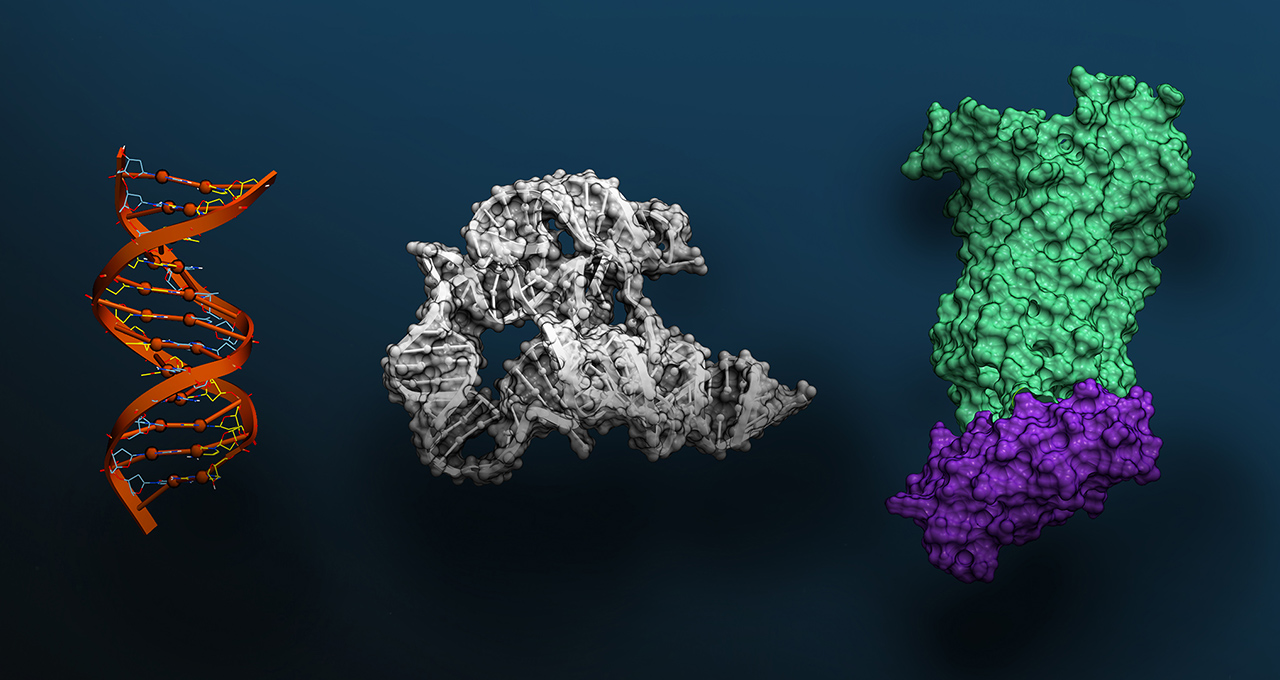
Scientists everywhere can now access Evo 2, a powerful new foundation model that understands the genetic code for all domains of life. Unveiled today as the largest publicly available AI model for genomic data, it was built on the NVIDIA DGX Cloud platform in a collaboration led by nonprofit biomedical research organization Arc Institute and Stanford University.

Evo 2: A Major Milestone for Generative Genomics

Trained on an enormous dataset of nearly 9 trillion nucleotides, Evo 2 can be applied to biomolecular research applications, including predicting the form and function of proteins based on their genetic sequence, identifying novel molecules for healthcare and industrial applications, and evaluating how gene mutations affect their function.

"The Evo 2 represents a major milestone for generative genomics," said Patrick Hsu, Arc Institute cofounder and core investigator. "By advancing our understanding of these fundamental building blocks of life, we can pursue solutions in healthcare and environmental science that are unimaginable today."

NVIDIA NIM Microservice for Evo 2

The NVIDIA NIM microservice for Evo 2 enables users to generate a variety of biological sequences, with settings to adjust model parameters. Developers interested in fine-tuning Evo 2 on their proprietary datasets can download the model through the open-source NVIDIA BioNeMo Framework, a collection of accelerated computing tools for biomolecular research.

Applications Across Biomolecular Sciences

Evo 2 can provide insights into DNA, RNA, and proteins. Trained on a wide array of species across domains of life, including plants, animals, and bacteria, the model can be applied to scientific fields such as healthcare, agricultural biotechnology, and materials science.

Meet the Requirements of Complex Scientific Research

Established in 2021 with $650 million from its founding donors, Arc Institute empowers researchers to tackle long-term scientific challenges by providing scientists with multi-year funding, allowing them to focus on innovative research instead of grant writing.

Conclusion

Evo 2 is a powerful tool for scientists to understand the genetic code for all domains of life, enabling complex scientific research and applications across biomolecular sciences. With its ability to process lengthy sequences of genetic information, Evo 2 can unlock insights into the connection between distant parts of an organism’s genetic code and the mechanics of cell function, gene expression, and disease.

Frequently Asked Questions

Q: What is Evo 2?
A: Evo 2 is a powerful new foundation model that understands the genetic code for all domains of life.

Q: What is the purpose of Evo 2?
A: Evo 2 is designed to enable complex scientific research and applications across biomolecular sciences, including healthcare, agricultural biotechnology, and materials science.

Q: How was Evo 2 trained?
A: Evo 2 was trained on an enormous dataset of nearly 9 trillion nucleotides.

Q: What are the applications of Evo 2?
A: Evo 2 can be applied to biomolecular research applications, including predicting the form and function of proteins, identifying novel molecules for healthcare and industrial applications, and evaluating how gene mutations affect their function.

Q: How can I access Evo 2?
A: Evo 2 is available to global developers on the NVIDIA BioNeMo platform, including as an NVIDIA NIM microservice for easy, secure AI deployment.

This USAID Program Made Food Aid More Efficient for Decades

0

Fews Net: A Key Player in Global Food Security

Background

Fews Net, a program created by USAID, has been a crucial tool in predicting and mitigating food insecurity and famine around the world. The program’s unique approach involves analyzing a wide range of variables, including drought levels, grain supplies, and even the impact of locusts on crops.

The Fews Net Advantage

Fews Net’s success stems from its ability to predict and analyze various factors that can lead to famine. The program uses artificial intelligence models to estimate the likelihood of political conflict, monitors markets, trade, and household finances, and partners with other government organizations to conduct its analyses.

Impact on the Industry

According to Laura Glaeser, a former senior leader for Fews Net, the program plays a crucial role in determining where and how aid is allocated. She praises Fews Net for being the "standard bearer in terms of the quality and depth of the analysis" and the "voice in the room that ensures when humanitarian assistance is moving, it’s moving in the most efficient way possible."

Criticism of Cuts

The Trump administration’s decision to cut funding for Fews Net has been met with criticism from experts in the field. Crippling Fews Net, according to Glaeser, "really does a serious disservice to the ability of the US government to spend US taxpayer dollars effectively." She notes that the cuts will have trickle-down repercussions and make it more challenging for the US government to respond responsibly with the resources provided by taxpayers.

Historical Context

Historian Christian Ruth notes that Fews Net, like USAID, has always been a tool of American foreign policy. While it has obvious humanitarian value, it directly serves the goals of the US government, having been created during the Cold War.

Consequences of Cuts

Dave Harden, a former assistant USAID administrator, highlights the nexus between food insecurity, displacement, grievances, conflict, and national security. He cites the example of the Syrian drought in the 2010s, which led to mass migrations, poverty, and galvanized riots, ultimately sparking the civil war.

Border Security Implications

The Trump administration’s priority on border security may be undermined by cutting off a program that mitigates migration-spurring disasters. Fews Net previously issued reports for Central America and the Caribbean, regions where famine and unrest have historically spurred waves of people seeking refuge in the US.

Conclusion

Fews Net’s work is crucial in helping determine where and how aid is allocated, ensuring that humanitarian assistance is efficient and effective. Critics argue that cutting funding for Fews Net will have far-reaching consequences, including hindering the US government’s ability to respond responsibly with taxpayer dollars and potentially undermining its own border security goals.

FAQs

Q: What is Fews Net?
A: Fews Net is a program created by USAID to predict and mitigate food insecurity and famine around the world.

Q: What makes Fews Net unique?
A: Fews Net’s approach involves analyzing a wide range of variables, including drought levels, grain supplies, and the impact of locusts on crops, using artificial intelligence models and partnering with other government organizations.

Q: What are the consequences of cutting funding for Fews Net?
A: Cuts to Fews Net may hinder the US government’s ability to respond responsibly with taxpayer dollars, have trickle-down repercussions, and potentially undermine its own border security goals.

Q: Is Fews Net a humanitarian effort or a tool of American foreign policy?
A: Both. While Fews Net has obvious humanitarian value, it directly serves the goals of the US government, having been created during the Cold War.

Spore.Bio Raises $23M to Apply Machine Learning to Microbiology Testing

0

Recalls in the food and beverage industry due to contamination incidents can have catastrophic effects. Not only do companies have to pay fines and damages, but the impacts on the brand’s reputation can be long-lasting.

Reinventing Microbiology Testing

That’s why Spore.Bio, a Paris-based deeptech startup, is trying to reinvent microbiology testing to avoid the next PR crisis in the food industry. After raising an €8 million pre-seed round ($8.3 million at current exchange rates) a little bit more than a year ago, the company just secured a $23 million Series A round.

New Investors and Rapid Growth

Singular is leading the round. Point 72 Ventures, 1st Kind Ventures (the family office of the Peugeot family), Station F and Lord David Prior are also participating. Existing investors LocalGlobe, No Label Ventures and Famille C are putting more money in the company as well.

Customer Demand

The reason why Spore.Bio managed to raise so quickly after its pre-seed round is that there’s real customer interest. The startup has already signed a few commercial contracts that can cover up to 200 factories. Spore.Bio had to open a waitlist to make sure it can keep up with demand.

The Problem with Traditional Testing

In the food and beverage industry, microbiological tests require several days. Companies have to take a sample and send it to a specialized lab for testing.

What Makes Spore.Bio’s Technology Special?

Spore.Bio uses a completely different process. The company sends light at specific wavelengths toward a sample and records the spectral signature. Thanks to a pre-trained deep learning algorithm, it can detect whether that specific sample contains any bacteria or pathogens.

Partnership with the Pasteur Institute

That model is Spore.Bio’s most important asset. The startup has signed a partnership with the Pasteur Institute to access its biobank of bacteria samples.

Reducing Testing Time

In the coming months, it wants to manufacture testing machines that customers can use directly in their own factories. As a result, microbiology testing can happen directly on site. The company claims it reduces the overall process from days to a matter of minutes.

Future Plans

With today’s funding round, the startup expects to significantly grow its team. There are currently 30 people working for the company, and they will be 50 by the end of 2025.

Applications Beyond Food and Beverage

Companies manufacturing cosmetic products have also expressed interest in Spore.Bio’s technology. "Manufacturers need to get rid of preservatives due to customer demands, environmental concerns and other reasons. Except that preservatives are bacteria-killing preservatives," said Amine Raji, co-founder and CEO.

Similarly, the pharma industry found a use case for its most advanced treatments. "There is a growing need, especially for innovative therapies, such as gene and cell therapy," Raji said. He added that these products tend to have a short shelf life, which can be as low as seven days. So these therapies can’t go through the usual testing processes in such a short timeframe.

Frequently Asked Questions

Q: How does Spore.Bio’s technology work?
A: Spore.Bio uses a completely different process, sending light at specific wavelengths toward a sample and recording the spectral signature, with a pre-trained deep learning algorithm to detect bacteria or pathogens.

Q: How does the company plan to use the funding?
A: The company plans to significantly grow its team, from 30 to 50 people by the end of 2025, and manufacture testing machines that customers can use directly in their own factories.

Q: What are the potential applications of Spore.Bio’s technology?
A: Spore.Bio’s technology has potential applications in the food and beverage industry, cosmetic manufacturing, and pharmaceuticals, particularly for innovative therapies with short shelf lives.

This Social Media Shift Could Be the Opportunity You’ve Been Waiting For

0

Why Snapchat Could Be the Biggest Winner from the TikTok Ban

I’m officially convinced we are living in the weirdest timeline. A few weeks ago, TikTok was banned and subsequently unbanned, but that isn’t the weird part. The weird part is the reaction to the ban. Apple and Samsung devices with TikTok still installed sold for as much as $58,000 on eBay.

What is Snapchat, and Why is it Well-Positioned to Take Over?

Snapchat is a social media platform that was launched in 2011 by Evan Spiegel, Bobby Murphy, and Reggie Brown to send photos, messages, and videos that disappear. Since its launch, it has evolved into a more mature social platform with features like Stories, filters, AI chatbots, and even Spotlight, its version of short-form video.

The Road Ahead

Replacing TikTok won’t be easy, but let’s not forget that the first version of TikTok, Musical.ly, bombed. So, while Snapchat doesn’t have everything figured out, that doesn’t mean all hope is lost. The silver lining here is that this is not a winner-take-all situation. It’s more like winner-takes-most.

The Big Opportunity

I know what you’re thinking. "Cool story, but what’s in it for me?" Well, regardless of what happens with TikTok, I see two significant opportunities on Snapchat right now.

Opportunity 1: Creating Content for Snapchat

The most obvious one is creating content for Snapchat. Ban or no ban, Snapchat is a unique opportunity to connect authentically with Gen Z. Whether you’re making funny content or telling the audience about a product or service, there’s a real opportunity to grow.

Opportunity 2: Advertising on Snapchat

If you’re a marketer or someone looking to promote a product or service to a younger audience, Snapchat should be on your radar. According to Snapchat’s website, Snapchat ads reach Gen Z and Millennials like few other platforms can. They claim to reach 90% of the 13-to-24-year-old population and 75% of the 13-to-34-year-old population across 25+ countries. That’s a massive audience with a spending power of $5 trillion, making Snapchat an opportunity for businesses of any size.

My Two Cents

When I first heard TikTok would be banned, I thought, "Wow, Meta wins again." But after it was briefly banned and #DeleteInstagram started trending, my outlook changed. Call me crazy, but the more I look at this situation, the more I’m convinced. Meta is not loved. It’s tolerated. And if that theory holds any weight, the door is still open for other social platforms like Snapchat to step in and fill the void.

Conclusion

Snapchat is well-positioned to take advantage of the situation, but whether they can actually pull it off remains to be seen. I would like to see Snapchat make content creation even easier for creators. One of the smartest things TikTok did was leverage CapCut, an intuitive video editing app that removes friction from the process. If you’ve ever used it, you know how seamless it makes content creation.

Frequently Asked Questions

Q: What is the current situation with TikTok?
A: TikTok was banned and subsequently unbanned, but the reaction to the ban is causing a stir in the tech world.

Q: What is Snapchat, and why is it well-positioned to take over?
A: Snapchat is a social media platform that was launched in 2011 to send photos, messages, and videos that disappear. It has evolved into a more mature social platform with features like Stories, filters, AI chatbots, and even Spotlight, its version of short-form video. Snapchat is well-positioned to take over because of its strong presence among Gen Z and its ability to connect with young audiences.

Q: What are the opportunities on Snapchat right now?
A: There are two significant opportunities on Snapchat right now: creating content for Snapchat and advertising on Snapchat.

Protai Advances Complex Structure Prediction with AlphaFold, Proteomics, and NVIDIA NIM

0

Protein Complex Structure Prediction Background

Proteins are dynamic entities, and their native state is determined by their sequence of amino acids. However, a single protein can adopt multiple conformations depending on its environment, such as a change in temperature. These conformations can reflect flexible regions, interactions within protein complexes, or transitions between active and inactive states.

Protai, a member of the NVIDIA Inception program for startups, aims to capture the structural changes between different protein states to determine the most precise protein structure for a specific mechanism of action (MOA), rather than settling for one conformation that may not be the most therapeutically relevant.

Protai is pushing the boundaries of drug discovery by leveraging Mass Spectrometry Proteomics and AI to develop precision medicine solutions that make a real difference for human health and society. At the core of Protai’s platform is a protein structure prediction pipeline, which integrates Nobel-winning protein structure algorithms, physics-based tools, and proprietary proteomics data.

Case Study: Predicting the H3-H4 Protein Complex

To illustrate Protai’s capabilities, this section examines the prediction of a…

Output

The AlphaFold2-Multimer NIM output in the Protein Data Bank (PDB) format contains atomic-level structural information about predicted protein multimers. In the output file, each atom of the protein is described using a structured format that adheres to the PDB format specification.

Conclusion

Protai’s structure prediction workflow combines the AlphaFold2-Multimer NIM, together with unique XL-MS linkers identified experimentally. By leveraging the NVIDIA optimized AI infrastructure, Protai accelerated predictions and improved scalability. This enables exploration of previously inaccessible protein interactions, opening new frontiers in drug discovery and precision medicine.

Frequently Asked Questions

Q1: What is Protai’s approach to protein structure prediction?

A1: Protai’s approach combines advanced computational algorithms with unique experimental data to predict protein structures and capture structural changes between different protein states.

Q2: What is XL-MS, and how does it contribute to Protai’s workflow?

A2: XL-MS is a powerful experimental technique that uses chemical cross-linkers to covalently bond specific amino acid residues within or between proteins, capturing spatial proximity and interaction sites. Protai combines XL-MS data with advanced sampling techniques and molecular dynamics simulations to generate protein structures that go beyond what’s currently available in the public domain.

Q3: How does NVIDIA NIM contribute to Protai’s workflow?

A3: NVIDIA NIM provides optimized AI infrastructure for drug discovery, enabling Protai to accelerate predictions and improve scalability while maintaining accuracy. This allows for the exploration of previously inaccessible protein interactions, opening new frontiers in drug discovery and precision medicine.

Q4: What are the potential applications of Protai’s technology?

A4: Protai’s technology has the potential to revolutionize drug discovery, enabling the development of precision medicine solutions that make a real difference for human health and society.

iPhone 16E

0

Apple Announces iPhone 16E with New Features and Design

Design and Display
The iPhone 16E boasts an updated design with a Face ID-enabled notch, replacing the old model’s home button and Touch ID interface. This new design feature is a departure from the previous iPhone SE model.

5G Modem and Performance
The iPhone 16E is the first iPhone to feature an Apple-designed 5G modem, the new C1, which Apple claims is "the most power-efficient modem ever on an iPhone." This new modem is expected to provide faster and more efficient connectivity.

Specifications and Features
The iPhone 16E has a 6.06-inch OLED display, a customizable Action Button, and Apple Intelligence-ready A18 chipset, similar to the standard iPhone 16. However, it lacks a Dynamic Island display, MagSafe support, and features a single 48MP rear camera lens. The phone also sports a USB-C port instead of Lightning and is not as compact as the SE model.

Availability and Pricing
The iPhone 16E will be available for pre-order on February 21st, with a launch date set for February 28th. The phone will be available in two colors (white and black) and three storage capacity options (128GB, 256GB, and 512GB), starting at a price of $599.

Additional Resources

Conclusion
The iPhone 16E marks a significant update to the iPhone SE series, with a new design, improved performance, and features like Face ID and a 5G modem. While it lacks some of the premium features of the standard iPhone 16, it offers an affordable option for those looking for a more budget-friendly iPhone experience.

Frequently Asked Questions

Q: When can I pre-order the iPhone 16E?
A: Pre-orders will start on February 21st.

Q: What are the colors and storage options available for the iPhone 16E?
A: The phone will be available in white and black, with three storage capacity options: 128GB, 256GB, and 512GB.

Q: How much does the iPhone 16E cost?
A: The phone starts at $599.

Q: Does the iPhone 16E support MagSafe charging?
A: No, it does not.

Q: What is the 5G modem in the iPhone 16E like?
A: The C1 modem is Apple’s first in-house design, which they claim is the most power-efficient modem ever on an iPhone.

ATA Aims to Halt DEA’s Telehealth Registration Plans

0

U.S. Drug Enforcement Agency’s Proposed Rule Raises Concerns for Telemedicine

WHY IT MATTERS

The American Telemedicine Association (ATA) and ATA Action have expressed concerns about the U.S. Drug Enforcement Agency’s (DEA) proposed rule to establish special registrations for providers and telemedicine platforms to prescribe certain schedules of controlled substances without requiring an in-person doctor’s visit. The organizations argue that the proposed rule requires "meaningful" clarification and adjustments to ensure workability and effectiveness.

Criticisms and Concerns

ATA Action highlighted nine areas of concern, including clinical, operational, and technical issues with eligibility requirements. According to Kyle Zebley, senior vice president of public policy and executive director of ATA Action, the proposed rule creates "unnecessary barriers to care."

Eligibility Requirements

Zebley emphasized the need for clarification on the methodology and data used to determine restrictive measures on prescribing controlled substances. He also expressed concerns about the potential disruption to continuity of care for patients and the lack of consideration for specialized providers, such as psychiatrists and pain management specialists, who frequently prescribe Schedule II substances.

Administrative Burdens

The telehealth organization also urged the DEA to streamline the verification process by considering a single, universal DEA number per provider. They also asked for clarification on patient identity photo verification requirements and whether verifying all five DEA numbers on each prescription is part of pharmacists’ corresponding responsibility.

THE LARGER TREND

The proposed rule is part of the DEA’s effort to expand telemedicine services, particularly for substance abuse treatment. The agency has already announced plans to exempt Veterans Affairs’ virtual care providers from participating in a federal telehealth controlled substance registry framework if the patient had a previous in-person visit.

ON THE RECORD

"The proposed rule authorizes qualified, specialized practitioners to prescribe Schedule II-V controlled substances through telemedicine by creating two distinct prescriber registration frameworks," Zebley said in the organization’s comments. "However, the proposal introduces several restrictive measures on prescribing Schedule II-V controlled substances that, while well-intentioned, may restrict access to care or interfere with ongoing treatment of many individuals."

CONCLUSION

The proposed rule is an important step towards expanding telemedicine services, but it is essential to ensure that it is workable and effective. The DEA must address the concerns raised by the American Telemedicine Association and ATA Action to ensure that patients receive the care they need.

FAQs

Q: What are the concerns raised by the American Telemedicine Association and ATA Action about the proposed rule?
A: The organizations are concerned about the eligibility requirements, methodology, and data used to determine restrictive measures on prescribing controlled substances, as well as the potential disruption to continuity of care for patients.

Q: What are the eligibility requirements for providers under the proposed rule?
A: The proposed rule requires providers to meet certain criteria, including having a valid DEA registration and being authorized to dispense controlled substances.

Q: What is the purpose of the proposed rule?
A: The proposed rule aims to expand telemedicine services, particularly for substance abuse treatment, by creating special registrations for providers and telemedicine platforms to prescribe certain schedules of controlled substances without requiring an in-person doctor’s visit.