Home Blog Page 277

The World’s Longest Undersea Cable

0

Meta’s Ambitious Waterworth Project: A 50,000-Kilometer Undersea Cable for Global Connectivity

Introduction
Meta has announced the Waterworth Project, a multi-billion dollar, multi-year investment aimed at building a 50,000-kilometer undersea cable that will provide internet connectivity across five continents. This initiative is designed to strengthen Meta’s control over the management of its services and ensure the necessary infrastructure for the development of its products, particularly those based on artificial intelligence (AI).

Submarine Cables: The Backbone of the Internet
Submarine cables support more than 95% of intercontinental internet traffic. The new undersea network will be longer than the circumference of the Earth, making it the longest in the world. It will have landing points in India, the United States, Brazil, South Africa, and other strategic locations.

Benefits for the Indian Market
The Waterworth Project will bring significant opportunities in the AI space, particularly in the Indian market. In India, where Meta has already seen significant growth and investment in digital infrastructure, the project will help accelerate this progress and support the country’s ambitious plans for its digital economy.

International Cooperation
Last week, President Donald Trump and India’s Prime Minister Shri Narendra Modi issued a joint statement on cooperation between the two countries, which included commitments on undersea technologies and mentioned the Waterworth Project. The statement highlighted the importance of supporting greater Indian Ocean connectivity and the potential benefits of the project for the region and beyond.

Technical Details
The new undersea network will use a cable architecture with 24 fiber pairs and routing designed to maximize deep-water routing, reaching up to 7,000 meters. Meta claims to have improved its burial techniques in high-risk areas, such as shallow near-shore waters, to reduce the risk of damage from ship anchors and other external factors.
Meta’s Ecosystem and Competition
Meta’s ecosystem, which includes services such as Facebook, Instagram, and WhatsApp, comprises as much as 10% of fixed traffic and 22% of mobile traffic globally. Over the past decade, the company has developed more than 20 undersea cables in collaboration with various partners. Waterworth would be the first project to be fully owned by the company. This initiative will put Meta in direct competition with Google, which has around 33 undersea cable routes, some of them exclusively owned, according to the specialist firm TeleGeography. Other technology companies, such as Amazon and Microsoft, are also investing in this sector, although they only own shared interests or acquire capacity on existing cables.

Conclusion
The Waterworth Project is a significant investment in the development of global digital highways and a key step towards strengthening Meta’s infrastructure for its AI-based products. As the company looks to expand its presence in the Indian market and beyond, this project is set to play a crucial role in achieving its goals.

Frequently Asked Questions

Q: What is the Waterworth Project?
A: The Waterworth Project is a multi-billion dollar, multi-year investment in building a 50,000-kilometer undersea cable that will provide internet connectivity across five continents.

Q: What are the benefits of the Waterworth Project?
A: The project will strengthen Meta’s control over the management of its services, ensure the necessary infrastructure for the development of its products, particularly those based on AI, and bring significant opportunities in the AI space, particularly in the Indian market.

Q: What are the technical details of the project?
A: The new undersea network will use a cable architecture with 24 fiber pairs and routing designed to maximize deep-water routing, reaching up to 7,000 meters. Meta claims to have improved its burial techniques in high-risk areas, such as shallow near-shore waters, to reduce the risk of damage from ship anchors and other external factors.

Creativity Remains Paramount: Why AI Doesn’t Have to Threaten Design

0

AI in Design: A Symbiotic Future for Creatives

AI is still a contentious topic in the design community, with many creatives skeptical about its potential impact. However, one creative services company, Superside, is flipping the script by embracing AI to streamline the creative process and enhance human creativity.

AI at the Heart of Superside’s Operations

According to Superside’s Chief Marketing Officer, Jen Rapp, "AI is at the heart of everything we do here at Superside. We’re using AI in our client work, and it’s also helping to streamline internal processes and facilitate seamless collaboration across our organization."

AI-Powered Rebrand

Superside has recently undergone a rebrand, embracing AI in its new brand identity. "Our talented AI team has pioneered AI brand models – sophisticated prompts that include comprehensive design specifications. We can now input detailed parameters like colors, shadowing, and photography styles, generating high-quality first drafts. Our creative team then refines these designs to meet our exacting standards," Jen explains.

AI in the Creative Process

Superside is also finding AI to be a powerful tool during the creative process. "We can use tools like Leonardo.ai and Midjourney to help build storyboards and play with concepting much more freely than when the team had to do this ‘by hand’," Jen adds.

Skepticism vs. Reality

For Jen, AI skepticism is a matter of perspective. "I believe that the hesitation around AI isn’t truly about the tool’s power, but a fear of potential replacement. I encourage creatives to view AI as a multiplier. Creative demand is exponentially growing, timelines are accelerating, and the need for standout creative work is intensifying. Without AI, creative teams would be completely overwhelmed – in fact, they already are."

Conclusion

In conclusion, AI is not a replacement for human creativity, but rather a tool to enhance and amplify it. As the design landscape continues to evolve, AI will play an increasingly important role in the creative process. By embracing AI, companies like Superside are paving the way for a future where human creativity is amplified, not replaced.

Frequently Asked Questions

Q: What is the role of AI in Superside’s operations?
A: AI is at the heart of everything we do here at Superside, from client work to internal processes and collaboration.

Q: How does Superside use AI in the creative process?
A: We use AI to generate high-quality first drafts, which our creative team then refines to meet our exacting standards.

Q: Is AI a replacement for human creativity?
A: No, AI is not a replacement for human creativity. It’s a tool to enhance and amplify it.

Q: What is the future of AI in design?
A: AI will play an increasingly important role in the creative process, enabling designers to work more efficiently and effectively.

AI Images With YOUR Face

0

We Notice You’re Using an AdBlocker

We get it, ads can be annoying – but they keep us up and running and making it free for everyone to save money.

Why Do We Need Ads?

At [Site Name], we strive to provide a free service to our users. This means we need to make money somehow, and ads are one way we do that. Without ads, we wouldn’t be able to keep our site running and provide the same level of service to our users.

What’s the Alternative?

We’re working on a paid version of our site, which will be available soon. But until then, ads are necessary to keep the site running. By whitelisting us or disabling your AdBlocker, you’ll be helping us to keep the site free for everyone.

How to Whitelist Us or Disable AdBlocker

If you’re using an AdBlocker, you can whitelist our site by adding us to your list of approved sites. This will allow our ads to display and help us continue to provide our service for free.

Frequently Asked Questions

Q: Why do you need ads?
A: We need ads to make money to keep our site running and provide our service for free.
Q: What’s the paid version of the site like?
A: Our paid version will offer additional features and benefits, but it’s not ready yet. In the meantime, we need ads to keep the site running.
Q: Can I still use an AdBlocker?
A: Yes, you can still use an AdBlocker, but please consider whitelisting us or disabling it to help us keep the site running for free.
Q: Why are ads so annoying?
A: We understand that ads can be annoying, but they’re a necessary part of keeping our site running. We’re working to make our ads less intrusive and more relevant to your interests.

Conclusion

We appreciate your understanding and cooperation. By whitelisting us or disabling your AdBlocker, you’ll be helping us to keep our site running and providing our service for free. We’re grateful for your support and look forward to continuing to serve you.

Here is the rephrased title: “Slow Ventures Creates a Creators Fund, Meta Enters the Humanoid Bot Race”

0

News Roundup: Top Headlines in the Industry

Slow Ventures’ New Creator Fund: A Gimmick or a Game-Changer?

This week, Slow Ventures announced its new creator fund, which aims to support up-and-coming creators in the tech space. But is this new initiative a genuine effort to promote innovation or just a marketing ploy? Connie and Alex weigh in on the pros and cons of this development.

Elon Musk’s OpenAI Acquisition: An Update on the Saga

The drama surrounding Elon Musk’s attempt to buy OpenAI continues to unfold. In this episode, Connie and Alex discuss the latest developments and what it means for the future of AI research.

The Spiritual Awakening in Silicon Valley: Is It the Real Deal?

Trae and Michelle Stephens have been making waves in the tech industry with their claims of a spiritual awakening in Silicon Valley. But is there any truth to these allegations, or is it just a marketing stunt? Connie and Alex dive into the controversy.

Getaround Exits the U.S. Market: What’s Next?

Getaround, a car rental startup, has announced its decision to leave the U.S. market. But what does this mean for the company’s plans and the future of the sharing economy?

Meta’s Foray into Humanoid Robots: A New Frontier?

Meta has announced its entry into the humanoid robot market, sparking both excitement and concerns about the implications for the industry. Connie and Alex discuss the potential benefits and drawbacks of this new development.

Brian Quintenz’s CFTC Nomination: What It Means for Crypto Regulation

Brian Quintenz has been nominated for the CFTC chair, and his appointment could have significant implications for the future of crypto regulation. Connie and Alex break down the potential consequences.

The Backlash Against Tesla: What’s Behind the Criticism?

Tesla has faced a backlash in recent weeks, with some critics accusing the company of prioritizing profits over people. But is this criticism justified, or is it just a case of FUD (fear, uncertainty, and doubt)? Connie and Alex discuss the controversy.

Conclusion

In this episode, we’ve covered a range of topics, from Slow Ventures’ new creator fund to Meta’s foray into humanoid robots. As we continue to navigate the ever-changing landscape of the tech industry, it’s essential to stay informed and up-to-date on the latest developments.

Frequently Asked Questions

Q: What is the Slow Ventures creator fund, and how does it work?
A: The Slow Ventures creator fund is a new initiative aimed at supporting up-and-coming creators in the tech space.

Q: What is the latest on Elon Musk’s attempt to buy OpenAI?
A: The saga continues, with negotiations ongoing.

Q: Is the spiritual awakening in Silicon Valley real, or is it just a marketing stunt?
A: The jury is still out, but some experts believe it’s genuine, while others think it’s a publicity stunt.

Q: What does Getaround’s exit from the U.S. market mean for the company’s future plans?
A: The company has not commented on its plans, but its departure from the U.S. market could signal a shift in focus.

Q: What are the implications of Meta’s entry into the humanoid robot market?
A: The potential benefits and drawbacks are still being debated, but it could be a game-changer for the industry.

Realigning Teacher Education for the 21st Century

Key Points:

The emergence of artificial intelligence (AI) in education presents both opportunities and challenges for aspiring teachers. To ensure that AI is used to empower, not exclude, it is crucial to prepare educators to approach AI with a critical lens and a deep understanding of inclusive teaching practices.

Cultural Competency and AI

To become effective agents of change, the next generation of teachers will need to take ownership of three core areas: cultural competency, social-emotional learning, and innovative practices, including AI. Cultural competency is essential to student engagement and success, and social-emotional learning complements this by equipping teachers with the tools to build trust, foster collaboration, and support emotional well-being in their classrooms.

Advantages of AI in the Classroom

Generative AI offers educators a range of opportunities to enhance their teaching practices, from improving lesson design to fostering creativity in the classroom. When used thoughtfully, AI can create opportunities to bolster cultural competency and inclusion, such as developing lesson plans and materials that reflect diverse cultural experiences, and improving curriculum accessibility.

Community Initiatives

A number of collaborative initiatives are exploring practical uses for AI in education. At Notre Dame de Namur University, we are creating an AI hub that connects teacher education programs with local school districts, community colleges, and professional organizations to discuss best practices and share ideas about how to use AI to benefit society and prepare our youth for future careers.

A Vision for the Future

By prioritizing cultural competency and AI literacy in teacher training programs, we can fundamentally transform how we prepare educators for the future. The key will be to ensure that these two areas are recognized as interconnected priorities rather than separate goals. When equity is at the heart of how we introduce new technologies into classrooms, we can build an education system in which every student feels valued.

Conclusion

To prepare educators for the future, it is essential to integrate AI in a way that promotes cultural competency, social-emotional learning, and innovative practices. By prioritizing these areas, we can build an education system that values every student and prepares them for success.

Frequently Asked Questions:

Q: What are the benefits of using AI in education?
A: AI can improve lesson design, foster creativity, and provide accessibility for students with disabilities.

Q: How can educators ensure that AI is used responsibly?
A: Educators should use AI with a critical lens, recognizing the potential risks and biases, and prioritize cultural competency and inclusion.

Q: What role do community initiatives play in promoting responsible AI use in education?
A: Community initiatives, such as the AI hub at Notre Dame de Namur University, provide a space for educators to discuss best practices and share ideas about responsible AI use in education.

Creating Wicked’s Terrifying Flying Monkeys

0

Making Wicked’s Frightening Flying Monkeys

When it comes to Wicked, the flying monkeys are one of the scariest elements of the film. Pablo Helman, VFX supervisor at ILM, shares the process of bringing these terrifying creatures to life.

Designing the Monkeys

To create the flying monkeys, the team at ILM started by researching the original book "Wicked" by Gregory Maguire, as well as the classic 1939 film "The Wizard of Oz". They also drew inspiration from real-life primates, such as capuchin and rhesus macaques, to create a more realistic and menacing appearance.

In-Set Performance and Reference

To capture the movements and behavior of the flying monkeys, ILM created an animal unit consisting of 15 people who would interact with the actors on set. This allowed the VFX team to capture reference footage of the actors reacting to the monkeys, which was then used to inform the VFX.

CG Animals

To create the CG animals, ILM used a combination of techniques, including keyframe animation and motion capture. The team worked closely with director Jon M. Chu to ensure that the monkeys’ movements and behavior were consistent with the tone and style of the film.

Distinguishing Chistery from the Crowd

To make Chistery, the leader of the flying monkeys, stand out from the crowd, the team used a combination of design and performance. Chistery has a distinctive beard and a different colored iris, which sets him apart from the other monkeys.

Conclusion

The flying monkeys in Wicked are a testament to the power of innovative VFX and collaboration between performers, directors, and VFX artists. By blending research, reference, and creativity, the team at ILM was able to bring these terrifying creatures to life in a way that is both believable and terrifying.

Frequently Asked Questions

Q: How did the team at ILM approach designing the flying monkeys?
A: We started by researching the original book "Wicked" and the 1939 film "The Wizard of Oz", as well as real-life primates, to create a more realistic and menacing appearance.

Q: How did you capture the movements and behavior of the flying monkeys?
A: We created an animal unit consisting of 15 people who would interact with the actors on set, allowing us to capture reference footage of the actors reacting to the monkeys, which we then used to inform the VFX.

Q: How did you distinguish Chistery from the crowd?
A: We used a combination of design and performance to make Chistery stand out from the crowd. He has a distinctive beard and a different colored iris, which sets him apart from the other monkeys.

xAI’s Grok 3 is better than expected: Try it for free before you subscribe

0

Grok 3: Elon Musk’s AI Model Soars to the Top of Chatbot Leaderboards

Grok 3

On Monday, Elon Musk launched xAI’s latest family of AI models, Grok 3, via a live stream. Grok 3 boasts 10 times more training data than Grok 2, made possible by xAI’s creation of its own data center in Memphis, Tennessee, home to 200,000 GPUs.

"We are excited to present Grok 3, which we think is an order of magnitude more capable than Grok 2," said Musk during the livestream.

The family of models also includes a reasoning model, which builds on Grok 3. Like other reasoning models on the market, including OpenAI’s o1 and o3 models, the Grok 3 Reasoning beta thinks for a bit longer to output higher-quality results.

Performance

The model’s pre-training ended in early January, and even though it is still undergoing training, Grok 3 has outperformed leading models on AI benchmarks, including the AIME ’24, which tests for mathematical reasoning; GPQA, which tests for proficiency in science, specifically biology, physics, and chemistry; and the LCB Oct-Feb, which tests for coding capabilities.

Benchmarks

The model’s performance is also reflected in the following charts, which show Grok 3 outperforming leading models on various benchmarks.

[Insert chart: Grok 3 benchmarks]

Reasoning Model

The Grok 3 Reasoning model and Grok 3 mini reasoning model are still being developed, but according to results shared by xAI during the live stream, the betas of both models performed competitively against o3-mini (high), o1, DeepSeek-R1, and Gemini-2 Flash Thinking across the AIME, GPQA, and LCB.

[Insert chart: Reasoning model Grok 3]

Chatbot Arena

Beyond technical benchmarks, Grok 3 climbed the charts on the Chatbot Arena, a crowdsourced platform where users can evaluate LLMs by chatting with two LLMs side by side and comparing their responses to each other without knowing the models’ names.

DeepSearch

To meet the demand for agentic capabilities, xAI also launched DeepSearch, which is similar to OpenAI’s and Google’s deep research features. With DeepSearch, users can ask a question, and Grok will think it through, search the web, output its thinking process as it goes, and then generate a final, robust response with data and tables as necessary. This means you can ask it to research a topic, come back 10 minutes later, and the task will be completed.

Access

Starting today, you can access some of the Grok models in beta. Grok 3 is available on X Premium+, which also grants users access to the latest features, an increased usage limit, DeepSearch access, and advanced reasoning modes by clicking on the "Think" or "Big Brain" options.

Conclusion

Grok 3 has made a significant impact on the chatbot landscape, outperforming leading models on various benchmarks and dominating the Chatbot Arena. With its advanced reasoning capabilities and agentic features, Grok 3 is poised to revolutionize the way we interact with AI.

Frequently Asked Questions

Q: What is Grok 3?
A: Grok 3 is a large language model developed by xAI, featuring 10 times more training data than Grok 2.

Q: How does Grok 3 compare to other AI models?
A: Grok 3 has outperformed leading models on various benchmarks, including the AIME ’24, GPQA, and LCB.

Q: What is DeepSearch?
A: DeepSearch is a feature of Grok 3 that allows users to ask a question, and the model will think it through, search the web, and generate a final response with data and tables.

Q: How can I access Grok 3?
A: Grok 3 is available on X Premium+, which grants users access to the latest features, an increased usage limit, DeepSearch access, and advanced reasoning modes.

Q: What is the price of X Premium+?
A: The price of X Premium+ is $40 per month, up from $22 before the announcement was made.

Q: What is SuperGrok?
A: SuperGrok is a new subscription tier, similar to ChatGPT Pro, meant for super fans who want the earliest access to the most advanced capabilities. The price is yet to be shared.

Photoshop at 35: Tell us what you love (and what you don’t)

0

The Evolution of Photoshop: A Look Back and a Look Ahead

A Brief History of Photoshop

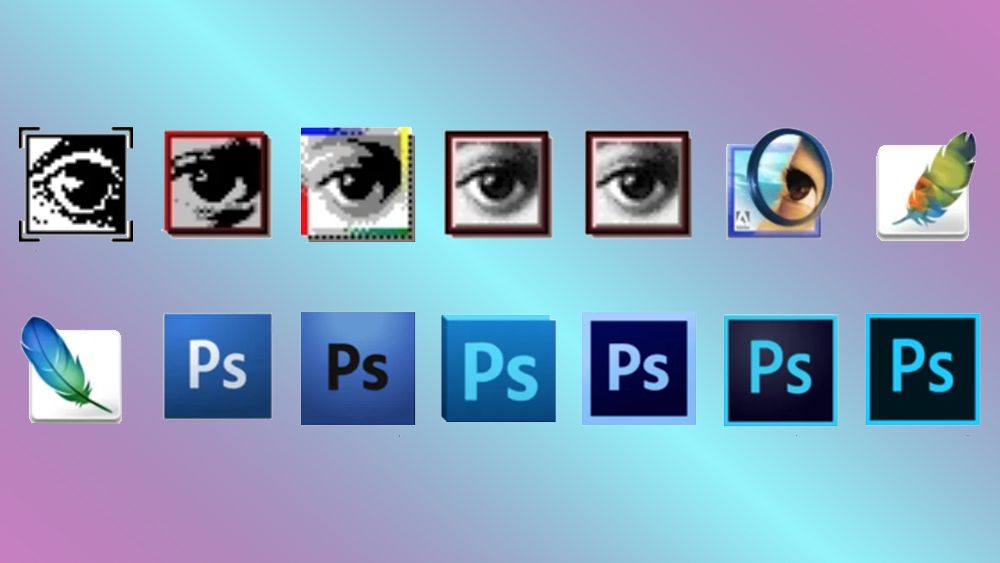
On February 19, 1990, Adobe Photoshop was first released, revolutionizing the world of image editing. The program made image editing tools previously available only to large companies more accessible, and within a couple of years, "Photoshop" was being used as a verb. It’s remained the industry-standard tool for digital art and image manipulation ever since.

From Humble Beginnings to Industry Standard

The first edition of Photoshop was released in February 1990. Since then, the program has undergone significant changes, with regular updates keeping it ahead of the competition. The addition of layers in Photoshop 3 (1994) and the Liquify filter in Photoshop 6.0 (2000) are just a few examples of the many features that have been added over the years. The integration with Adobe’s other programs has also played a crucial role in Photoshop’s success.

Staying Ahead of the Competition

Strong competition has emerged over the years, but regular updates have allowed Photoshop to remain the industry standard. The program has continued to evolve, with the addition of generative AI tools in recent updates. This is why it still tops our pick of the best digital art software.

Room for Improvement

While Photoshop remains the top choice for many, it’s not without its flaws. Everyone who has used the program will have their pet peeves, such as the subscription plan, workflow that could be faster, unsupported formats, or missing tools and features. We want to know what you think about Photoshop and what you would improve if you could change anything, no matter how big or small.

Call to Action

Whether you’re a Photoshop veteran or a new user, we want to hear from you. Let us know why you use Photoshop or why you prefer alternative software. What do you like about Photoshop, and what would you change if you could? Share your thoughts and suggestions in the comments below. If you’re new to the software, now is the perfect time to try it, with up to 40% off Adobe’s Creative Cloud All Apps plan depending on your location.

Conclusion

As Photoshop turns 35, we look back on its incredible journey and forward to its continued evolution. With its ability to adapt to the ever-changing landscape of digital art and image manipulation, Photoshop remains the industry standard. We look forward to hearing your thoughts and suggestions on what makes Photoshop great and what can be improved.

Frequently Asked Questions

Q: What is Photoshop?
A: Photoshop is a digital image editing and manipulation software that has become the industry standard for digital art and image manipulation.

Q: When was Photoshop first released?
A: Photoshop was first released on February 19, 1990.

Q: What are some of the key features of Photoshop?
A: Some of the key features of Photoshop include layers, the Liquify filter, and generative AI tools, among others.

Q: What are some of the alternatives to Photoshop?
A: Some of the alternatives to Photoshop include GIMP, Sketch, and Affinity Photo, among others.

Elden Ring

0

Elden Ring: Nightreign – A Soulsborne Experience like No Other

A Misleading Comparison

It’s inaccurate and reductive to call Elden Ring: Nightreign a Dark Souls take on Fortnite. And yet, if pressed for an extremely brief elevator pitch – say, the kind you’d give to your friends who are curious about soulsborne games but are put off by all the discussions of their difficulty – it’s about as best as you could do. In my hands-on time with the game, I was compelled to ask my team at the outset of our very first run, "Well… where we droppin’ boys?" as we flew over the map in the claws of spectral birds. The similarity to Fortnite and other battle royale games was so striking, the reference simply had to be made. But once we got on the ground, Fortnite took a big ol’ backseat and Elden Ring reemerged as the foremost game Nightreign compares to.

Gameplay Mechanics

Nightreign strips out the combat and visual aesthetics of Elden Ring and lays them over gameplay that combines multiplayer battle royale action with roguelike live, die, repeat mechanics. Matches will take place over three days. During daylight, players will assault a Limgrave-like map (called Limveld), either solo or in teams of three, beating regular enemies and mini-bosses for powerful weapons, accessories, and runes to level up their characters. As daylight turns to night, a destructive, HP-draining storm called Night’s Tide shrinks the map, forcing the players to a tiny arena where they’ll face a major boss. Defeat the boss to begin the next day, when the cycle repeats and the match ends by defeating the final boss on the third night.

Key Features

  • Multiplayer battle royale action
  • Roguelike live, die, repeat mechanics
  • Three-day matches with a unique day-night cycle
  • Level up characters through combat and exploration
  • Powerful weapons, accessories, and runes to acquire

Conclusion

Elden Ring: Nightreign is not a Dark Souls take on Fortnite, but rather a unique blend of multiplayer battle royale action and roguelike gameplay mechanics. With its day-night cycle and level progression system, it offers a fresh and exciting experience that sets it apart from other games in the soulsborne genre.

Frequently Asked Questions

Q: What is the genre of Elden Ring: Nightreign?
A: Multiplayer battle royale action with roguelike elements

Q: How many players can I play with?
A: Solo or in teams of three

Q: How long do matches last?
A: Three days, with a unique day-night cycle

Q: Can I level up my character?
A: Yes, through combat and exploration

Q: Is Elden Ring: Nightreign a soulsborne game?
A: No, but it shares some similarities with the genre

Logan Paul’s ‘solution’ to Lionel Messi design dispute is peak influencer cringe

0

Design Dispute Turns Ugly: Messi and Paul Engage in Legal Battle

A Tale of Two Brands: Mas+ and Prime

Last year, legendary footballer Lionel Messi launched his drinks brand Mas+, which many claimed bore a striking resemblance to the hydration drink, Prime. While Messi’s beverage caught some shady flack from Prime’s co-founder KSI, who claimed it "looks familiar," it was Mas+ that sued Prime for “anti-competitive” behavior last October, alleging that the YouTuber-backed brand was pressuring it to change its packaging design.

The Legal Battle Escalates

Now, in the most YouTuber-turned-boxer-turned-business-mogul move possible, Prime co-founder Logan Paul has challenged the sports star to a boxing match to settle the legal woes. While Prime has countersued Mas+, Logan claims he’ll "consider dropping" the claim if the pair can settle the conflict in the ring – any excuse for a marketing opportunity, I guess.

The Design Dilemma

When Mas+ hit the shelves back in June, its similarities to Prime were hard to ignore, with its bottle designs, text composition, and color schemes bearing a striking resemblance to the popular hydration drink. While Mas+ was the first to strike out with a legal claim back in October, Prime counter-sued with claims that the design violated its trademarks.

The Unconventional Settlement

In a TikTok video, Logan called out the football legend, claiming "You guys copied us and everybody saw it. […] That’s why we countersued, obviously we were going to. If you can’t beat the best, you have to be the best, but that’s illegal, that’s our design and we’re defending ourselves."

Always poised for a golden marketing opportunity, Logan went on to suggest an unconventional settlement, swapping the courtroom for the ring. "All jokes aside, I will consider dropping this if Logan Paul vs Messi [happens in] 2025. I’ll see you in the ring, brother,” he claimed.

Conclusion

It remains to be seen whether the dueling duo will take to the ring, but Logan Paul’s dedication to turning even the most serious design disputes into golden marketing opportunities is (regretfully) commendable. This isn’t the first time the brand has been in a legal dispute – last year the Olympic committee sued Prime over its packaging design (although matters seemed to be settled conventionally).

FAQs

Q: What is the main issue between Mas+ and Prime?
A: The main issue is the alleged similarities in design between the two brands, with Mas+ claiming Prime is pressuring it to change its packaging design.

Q: Is this the first time Prime has been in a legal dispute?
A: No, last year the Olympic committee sued Prime over its packaging design, although the matter was reportedly settled conventionally.

Q: Will the boxing match between Messi and Paul actually happen?
A: It’s unclear, but Logan Paul has expressed his willingness to settle the conflict in the ring, and Messi has yet to respond to the challenge.