Home Blog Page 361

Italy sends first data watchdog request to DeepSeek: ‘The data of millions of Italians is at risk’

0

DeepSeek Under Fire: European Watchdogs Question AI’s Data Handling Practices

Italy Takes the Lead in Data Protection Probe

In a potential game-changer for the tech industry, Euroconsumers, a coalition of consumer groups in Europe, has filed a complaint with the Italian Data Protection Authority (DPA) regarding DeepSeek’s handling of personal data under the General Data Protection Regulation (GDPR). This move marks the first major action taken by a data protection watchdog since DeepSeek’s viral success.

Request for Information

The Italian DPA has written to DeepSeek, requesting detailed information on how the company handles personal data, including what data is collected, from which sources, and for which purposes. The authority also wants to know the legal basis for processing and more information about the servers in China where DeepSeek’s data is stored.

Concerns Over Data Protection and Security

The Italian DPA’s concerns center on the risk to millions of Italians’ data, as stated in their letter. The organization is seeking clarification on how DeepSeek protects or restricts minors on its services, including age verification and handling of minors’ data. DeepSeek’s current policy states that it is not intended for users under the age of 18, but it does not provide a way to enforce this.

Global Implications

The European Commission has also taken notice of the situation. At a press conference, Thomas Regnier, Commission Spokesperson for Tech Sovereignty, was asked about concerns over DeepSeek’s security, privacy, and censorship. While he emphasized that it’s too early to say anything about investigations, he noted that the AI Act applies to all AI services offered in the region.

Conclusion

DeepSeek’s handling of personal data has raised concerns among consumer groups and data protection authorities. As the company has 20 days to respond to the Italian DPA’s request, it remains to be seen how it will address these concerns. The situation is being closely watched, and further developments are likely to unfold in the coming weeks.

Frequently Asked Questions

Q: What is the nature of the complaint filed by Euroconsumers?
A: The complaint is regarding DeepSeek’s handling of personal data under the General Data Protection Regulation (GDPR).

Q: What specific concerns does the Italian DPA have about DeepSeek’s data handling practices?
A: The Italian DPA is seeking information on how DeepSeek collects, stores, and processes personal data, as well as concerns over its handling of minors’ data and security measures.

Q: Has the European Commission taken any action against DeepSeek?
A: The European Commission has taken notice of the situation but has not launched an investigation yet.

Q: What is the significance of this incident?
A: This incident highlights the importance of data protection and security in the tech industry, particularly in the era of AI and machine learning.

Pika 2.1 RELEASED!

0

Pika 2.1 Video Model Review and Test: Is it a Competition for Hailuo and Runway?

Overview

Pika 2.1, a new video model, has been released, offering Text-to-Video (T2V), Image-to-Video (Img2Vid), and Multi-Image-to-Video (Ingridients) capabilities. In this review, we’ll put Pika 2.1 through its paces, testing its features and performance. We’ll also explore whether it’s a viable competitor to established players like Hailuo and Runway.

Features and Functionality

Pika 2.1 boasts an impressive range of features, including:

  • Text-to-Video (T2V): Convert written text into engaging video content.
  • Image-to-Video (Img2Vid): Transform static images into animated videos.
  • Multi-Image-to-Video (Ingridients): Combine multiple images to create a single, cohesive video.

Testing and Results

We tested Pika 2.1 with a variety of input materials, including text, images, and multiple images. The results were impressive, with the model producing high-quality video content that was both visually appealing and engaging.

Comparison to Hailuo and Runway

While Pika 2.1 is a strong contender, it’s difficult to say whether it’s a direct competitor to Hailuo and Runway. Each model has its unique strengths and weaknesses, and the best choice will depend on the specific needs and goals of the user.

Best Way to Use Pika 2.1

To get the most out of Pika 2.1, we recommend:

  • Start with simple inputs: Begin with basic text or image inputs to get a feel for the model’s capabilities.
  • Experiment with different settings: Adjust settings like animation speed, style, and color palette to customize your output.
  • Combine inputs: Use the Multi-Image-to-Video feature to create complex, engaging video content.

Conclusion

Pika 2.1 is a powerful video model that offers a range of features and capabilities. While it may not be a direct competitor to Hailuo and Runway, it’s definitely a viable option for those looking for a flexible and easy-to-use video creation tool.

Frequently Asked Questions

Q: What is Pika 2.1?
A: Pika 2.1 is a video model that offers Text-to-Video, Image-to-Video, and Multi-Image-to-Video capabilities.

Q: Is Pika 2.1 a direct competitor to Hailuo and Runway?
A: While Pika 2.1 is a strong contender, it’s difficult to say whether it’s a direct competitor to Hailuo and Runway. Each model has its unique strengths and weaknesses.

Q: How do I get started with Pika 2.1?
A: Start with simple inputs, experiment with different settings, and combine inputs to create complex video content.

Q: Is Pika 2.1 easy to use?
A: Yes, Pika 2.1 is designed to be user-friendly, with an intuitive interface and customizable settings.

Emotion and Identity Unlocked

In a world increasingly driven by technology, the intersection of artificial intelligence (AI) and virtual reality (VR) is revolutionizing how we understand emotion and identity.

Have you ever wondered how your devices could truly “get” you—recognizing not just what you say but how you feel? As AI advances in understanding human emotions through sophisticated speech analysis, it opens doors to immersive experiences that can redefine user interaction. Imagine stepping into a VR environment where your emotional state shapes the narrative around you, creating personalized journeys that resonate with your very essence.

The Development of the LUCY System

The development of the LUCY system marks a significant advancement in AI’s ability to comprehend and respond to human emotions. This end-to-end speech model utilizes a three-phase data processing pipeline that enhances emotional intelligence during dialogue generation. With its fast decoding rate and specialized tokens for emotion control, LUCY can generate responses that are not only natural but also informative.

Implications for Conversational Agents

LUCY’s advancements have profound implications for conversational agents, enabling them to engage users more empathetically by accurately interpreting emotional cues. This capability allows businesses to enhance customer interactions through tailored support experiences based on user sentiment analysis. Moreover, as language models evolve alongside multimodal approaches in audio understanding, we anticipate broader applications across industries such as mental health support and personalized education tools where understanding human emotion is crucial for effective communication.

Combining Data for Enhanced Accuracy

The effectiveness of user identification hinges on the combination of movement data and network traffic traces. Utilizing these two datasets allows for more reliable identification processes while addressing privacy concerns associated with network sniffing techniques. Furthermore, implementing a majority voting strategy significantly improves identification accuracy during VR gaming sessions by mitigating errors that may arise from fluctuating user behaviors or environmental factors.

Emotional Intelligence and Dialogue Generation

Emotional intelligence is crucial for creating engaging conversational agents that resonate with users’ feelings. The three-phase data processing pipeline employed by systems like LUCY facilitates nuanced understanding of context and sentiment during interactions. Moreover, comparisons with traditional models reveal substantial improvements in performance metrics such as response relevance and user satisfaction rates. As advancements continue to unfold within natural language processing (NLP) frameworks, the implications extend beyond mere communication; they encompass applications ranging from customer service bots to therapeutic chat interfaces—transforming how humans interact with machines through emotionally aware technologies.

Enhancing Interaction Quality

The training process involves distinct voices and a three-phase data processing pipeline that ensures high accuracy in recognizing emotions across different languages, including Chinese and English. This capability is crucial as it allows conversational agents to adapt their tone and content dynamically, improving overall satisfaction during interactions. Furthermore, the fast decoding rate minimizes token delay, enhancing response quality while maintaining an emotionally aware dialogue flow.

Innovations Driving Change

Emerging models like RelightVid are setting new standards for video editing within virtual spaces by maintaining temporal consistency while allowing fine-grained illumination changes. These innovations not only enhance user experience but also open avenues for collaborative editing techniques using HDR maps and diffusion models. Furthermore, machine learning approaches applied to user identification in VR environments underscore the importance of behavioral biometrics combined with movement patterns, paving the way for secure authentication methods that respect privacy concerns while improving accuracy.

The Future of AI and VR Integration

The integration of AI and VR is poised to revolutionize various sectors, particularly through advancements like the LUCY system. This end-to-end speech model enhances emotional intelligence in dialogue generation by utilizing special tokens for emotion control, enabling more natural interactions. As these technologies evolve, we can expect a three-phase data processing pipeline that optimizes performance across languages and modalities. The deployment of such systems on web servers will facilitate real-time applications in gaming and customer service environments.

Balancing Innovation with Responsibility

To foster trustworthiness in these technologies, developers must prioritize ethical frameworks that emphasize accountability and fairness. Implementing robust security measures against network sniffing techniques is crucial for protecting user data integrity while ensuring compliance with regulations such as GDPR. Engaging stakeholders—including ethicists, technologists, and end-users—in the development process will promote a more holistic understanding of potential impacts on society at large. By proactively addressing these ethical considerations, we can harness the benefits of emotion and identity tech while safeguarding individual rights and promoting equitable access across diverse populations.

Conclusion

In conclusion, the intersection of AI and VR is revolutionizing how we understand human emotion and identity. As AI technologies advance in their ability to analyze speech patterns and recognize emotional cues, they are enhancing user experiences across various platforms. The integration of VR further enriches this landscape by providing immersive environments that adapt to users’ identities and emotional states. However, as these innovations unfold, it is crucial to remain vigilant about ethical considerations surrounding privacy and consent. Future trends suggest a deeper fusion of these technologies will continue to evolve, potentially leading to even more personalized interactions in digital spaces.

Frequently Asked Questions

1. What role does AI play in understanding human emotion?

AI plays a significant role in understanding human emotion by utilizing advanced algorithms to analyze speech patterns, facial expressions, and physiological responses. These technologies can interpret emotional cues from users, enabling more personalized interactions across various applications such as customer service, mental health support, and entertainment.

2. How is virtual reality (VR) influencing user identity recognition?

Virtual reality is shaping user identity recognition by creating immersive environments where users can express themselves through avatars or digital representations. This technology leverages biometric data and behavioral analysis to recognize individual identities accurately within virtual spaces, enhancing the overall experience for users.

3. What are some innovative technologies transforming speech analysis?

Innovative technologies transforming speech analysis include machine learning models that detect nuances in tone, pitch, and rhythm of voice recordings. Natural language processing (NLP) techniques also allow systems to understand context better while identifying emotions expressed through spoken words—leading to improved communication tools like chatbots and virtual assistants.

4. How does emotion recognition impact user experience?

Emotion recognition significantly impacts user experience by allowing systems to adapt their responses based on the user’s emotional state. For instance, if an application detects frustration or confusion from a user’s voice or behavior, it can modify its interaction style accordingly—resulting in enhanced satisfaction and engagement levels.

5. What ethical considerations should be taken into account with AI and VR technologies related to emotion and identity?

Ethical considerations surrounding AI and VR technologies include privacy concerns regarding the collection of sensitive emotional data without consent; potential biases embedded within algorithms that may misinterpret emotions; as well as issues related to manipulation of user experiences based on identified emotions which could lead to exploitation or unwanted influence over individuals’ decisions.

DeepSeek

0

DeepSeek’s Rise to Fame: A New Era in AI

DeepSeek’s Trader Origins
DeepSeek is backed by High-Flyer Capital Management, a Chinese quantitative hedge fund that uses AI to inform its trading decisions. Founded in 2015 by Liang Wenfeng, High-Flyer launched DeepSeek as a lab dedicated to researching AI tools separate from its financial business. The lab spun off into its own company, also called DeepSeek.

DeepSeek’s Strong Models
DeepSeek unveiled its first set of models in November 2023, but it wasn’t until the release of its next-gen DeepSeek-V2 family of models in the spring that the AI industry started to take notice. The DeepSeek-V2 model, a general-purpose text- and image-analyzing system, performed well in various AI benchmarks and was far cheaper to run than comparable models at the time.

A Disruptive Approach
If DeepSeek has a business model, it’s not clear. The company prices its products and services well below market value and gives others away for free. The way DeepSeek tells it, efficiency breakthroughs have enabled it to maintain extreme cost competitiveness. Some experts dispute the figures the company has supplied, however.

Conclusion
DeepSeek’s success has been described as "upending AI" and ushering in "a new era of AI brinkmanship." The company’s success was at least in part responsible for causing Nvidia’s stock price to drop by 18% on Monday, and for eliciting a public response from OpenAI CEO Sam Altman. As for what DeepSeek’s future might hold, it’s not clear. Improved models are a given. But the U.S. government appears to be growing wary of what it perceives as harmful foreign influence.

FAQs

Q: What is DeepSeek?
A: DeepSeek is a Chinese AI lab that has developed a range of AI models.

Q: Who backs DeepSeek?
A: DeepSeek is backed by High-Flyer Capital Management, a Chinese quantitative hedge fund.

Q: How did DeepSeek get started?
A: DeepSeek was founded in 2015 as a lab dedicated to researching AI tools separate from its financial business.

Q: What are the implications of DeepSeek’s success?
A: DeepSeek’s success has been described as "upending AI" and ushering in "a new era of AI brinkmanship."

Private GPT: A Game-Changer for Businesses

Why Private GPT is the Most Practical Business Solution

Think about a company that uses AI to improve processes, automate workflows, and increase productivity. What if this AI-based activity exposes sensitive data like client contracts, communications, and strategies to third-party servers whenever you use external public AI tools such as ChatGPT? This isn’t a hypothetical concern. For instance, as of February 2024, data breaches recorded an average loss of $4.88 million for companies worldwide due to every single incident.

Private GPT is just a completely secure, personalized alternative to public AI, allowing businesses to use GPT-3 and GPT-4 technology without invading their privacy. Companies currently turning to AI solutions include Microsoft and various industries, such as healthcare and legal, to specifically secure domestic classes with heavy fortifications.

Understanding Private GPT: Why Does it Win Over Public ChatGPT?

No matter how much we love asking Chat GPT to generate amazing and even useful information and content for dealing with documents, businesses turn to trusted private settings and applications.

When utilizing ChatGPT from public websites, the conversational prompts pass through OpenAI’s servers, raising concerns about data protection and confidentiality. On the contrary, Private GPT, launched by Private AI in 2023, is designed for commercial use and offers greater flexibility and control over the model’s behavior. 

So, what is a Private GPT?

Private GPT is a new LLM that provides access to the GPT-3 and advanced GPT-4 technology in a dedicated environment, enabling organizations and developers to leverage its capabilities in more specialized ways.

Private GPT: Benefits and Features

  • Facilitates the coordination of tasks;
  • Works with all text formats, including Word, PDF, and CSV;
  • Allows for team-wide visibility;
  • Streamlines the entire project lifecycle. 

Comparison Table: Private GPT vs. Public ChatGPT

Feature Private GPT Public ChatGPT
Privacy Data processed locally or within private servers; no third-party access. Data processed via OpenAI servers, raising potential privacy concerns.
Customization Fully customizable to meet specific business needs and workflows. Limited customization; generic outputs tailored to general use cases.
Cost Requires upfront investment for setup but no ongoing subscription fees for API keys. Monthly subscription fees for API keys with limited customization and control.

Why Choose Private GPT?

  1. Private GPT, as a cutting-edge AI tool, provides data security and protects sensitive information by processing it locally or within dedicated private servers;
  2. Regulatory Compliance as a Key Driver
    Stricter global regulations like GDPR and CCPA are compelling companies to adopt AI solutions that guarantee data privacy and compliance, driving private GPT adoption. In our article of the ethical use of AI, you can find out more about AI-related regulations. 
  3. AI Democratization in Small Businesses
    Since private AI has become more accessible to businesses, even small and medium-sized enterprises are adopting these tools. Thus, they gain a competitive edge without compromising security. Building an AI agent in 2025 is a great idea to succeed. 
  4. Future Potential: AI on the Edge
    Edge AI, where processing happens locally on devices, is a growing area of interest. Private GPT solutions may soon leverage this technology to enable faster processing and better privacy.

Troubleshooting Tips for Private GPT Installation

Here are some common challenges users face during installation and how to resolve them:

Apple Chips Can Be Hacked

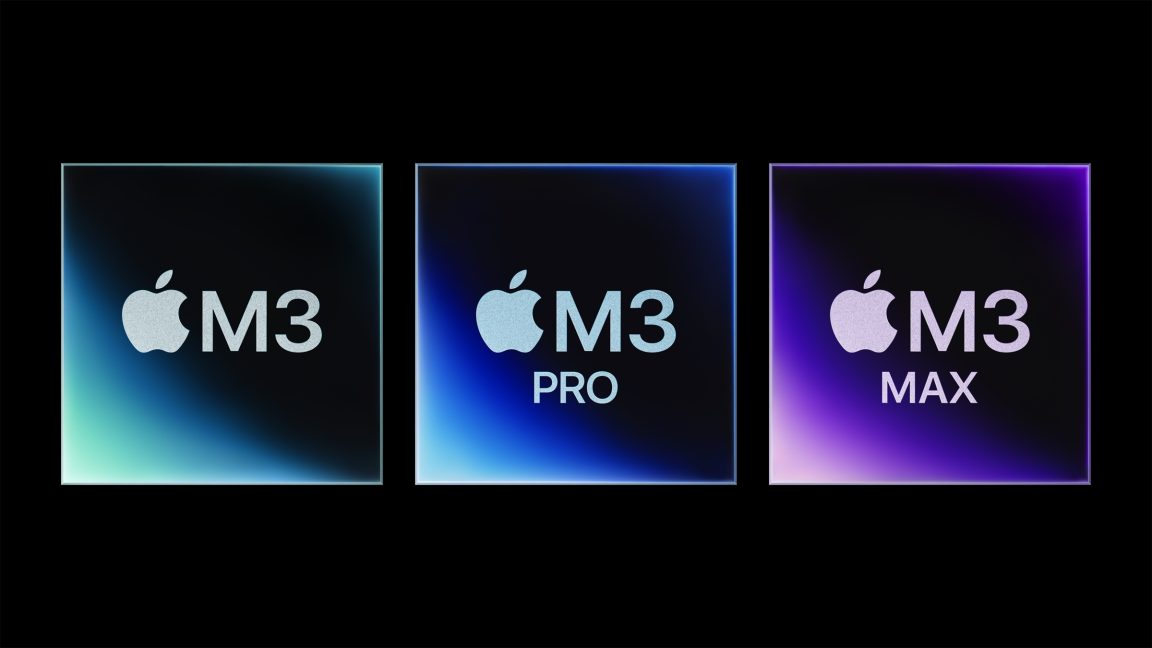
Apple’s Custom Chips Contain Newly Discovered Vulnerabilities

A New Direction

Apple-designed chips powering Macs, iPhones, and iPads contain two newly discovered vulnerabilities that leak credit card information, locations, and other sensitive data from the Chrome and Safari browsers as they visit sites such as iCloud Calendar, Google Maps, and Proton Mail.

The Problem: Speculative Execution

The vulnerabilities, affecting the CPUs in later generations of Apple A- and M-series chip sets, open them to side channel attacks, a class of exploit that infers secrets by measuring manifestations such as timing, sound, and power consumption. Both side channels are the result of the chips’ use of speculative execution, a performance optimization that improves speed by predicting the control flow the CPUs should take and following that path, rather than the instruction order in the program.

How it Works

The Apple silicon affected takes speculative execution in new directions. Besides predicting control flow CPUs should take, it also predicts the data flow, such as which memory address to load from and what value will be returned from memory.

FLOP: A Powerful Attack

The most powerful of the two side-channel attacks is named FLOP. It exploits a form of speculative execution implemented in the chips’ load value predictor (LVP), which predicts the contents of memory when they’re not immediately available. By inducing the LVP to forward values from malformed data, an attacker can read memory contents that would normally be off-limits. The attack can be leveraged to steal a target’s location history from Google Maps, inbox content from Proton Mail, and events stored in iCloud Calendar.

SLAP: Another Attack

SLAP, meanwhile, abuses the load address predictor (LAP). Whereas LVP predicts the values of memory content, LAP predicts the memory locations where instruction data can be accessed. SLAP forces the LAP to predict the wrong memory addresses. Specifically, the value at an older load instruction’s predicted address is forwarded to younger arbitrary instructions. When Safari has one tab open on a targeted website such as Gmail, and another open tab on an attacker site, the latter can access sensitive strings of JavaScript code of the former, making it possible to read email contents.

Conclusion

These newly discovered vulnerabilities highlight the importance of security in the design of Apple’s custom chips. Apple must take immediate action to address these issues and ensure the security of its customers’ sensitive data.

Frequently Asked Questions

Q: What are the vulnerabilities in Apple’s custom chips?
A: The vulnerabilities are side-channel attacks that exploit the speculative execution feature of the chips, allowing attackers to infer sensitive information such as credit card numbers, locations, and other data.

Q: What are the two types of side-channel attacks?
A: The two attacks are FLOP and SLAP. FLOP exploits the load value predictor (LVP), while SLAP abuses the load address predictor (LAP).

Q: What is the potential impact of these vulnerabilities?
A: The attacks can be used to steal sensitive data, such as location history from Google Maps, inbox content from Proton Mail, and events stored in iCloud Calendar.

Q: How can users protect themselves from these vulnerabilities?
A: Apple should provide patches and updates to address these issues, and users should ensure their devices are running with the latest software and security updates.

Essential Performance Review Questions for Managers

0

Performance reviews often get a bad rap. They’re seen as the corporate version of a report card, and nobody loves report cards, right? But when done right, performance reviews can have a positive impact on retention, engagement, productivity, and morale. They’re the cornerstone of your performance management program.

Imagine transforming the dread of reviews into anticipation, where managers and employees alike are jazzed about the insights they’ll gain. This isn’t about dredging up the past year’s misdemeanors; it’s about sparking a conversation that propels forward momentum and allows for the sharing of meaningful feedback.

This requires asking questions that don’t just look back but launch us forward—questions that are like keys unlocking potential at every turn. In this guide, we’re flipping the script on performance reviews. We’ll arm HR leaders and managers with the 20 best performance review questions for your performance review templates that dive deep and accelerate growth and improvement. By the end of this read, you’ll have a playbook that equips your managers to not just conduct reviews but to craft conversations that map out a future as bright as your team’s ambition.


Elevating the impact of employee reviews

Gone are the days of dry, checklist-style performance reviews. It’s time to pump some life into these conversations. By revolutionizing the review process with probing questions, we’re not just ticking off boxes—we’re unlocking a treasure trove of insights. It’s about shaping an effective performance review culture that thrives on constructive feedback and conversations that stretches every employee’s performance to the limits.

The role of your managers in performance reviews

Managers aren’t just evaluators; they’re the architects of team success. They’ve got the inside scoop on their team and hold the key to unlocking each member’s potential. Their mission? To set the stage with clear performance goals, dial up the feedback frequency, and turn review time into a strategic dialogue that’s all about growth. We want to help you ensure that when it’s time for those formal sit-downs, there are no surprises—just a mutual drive to explore strengths, address the rough patches, and discuss employee aspirations.

Transforming standard review dialogue

By tailoring performance conversations to align with personal career ambitions, managers can craft an engaging experience for every employee, making every review as unique as the individual in the room. It’s about building an arena where open, honest exchanges are the norm, and where the aim is not just to look back but to co-create a roadmap for the journey ahead. The right approach can have a true impact on employee engagement.

Standard Review Dialogue:

Manager: “So, looking at your sales numbers, you’ve met the expected targets. That’s good. However, your client feedback scores need improvement. Try to work on that for the next quarter.”

Employee: “I understand. I’ll work on improving my client interactions.”

Engaging and Effective Review Dialogue:

Manager: “I’ve noticed you’ve hit your sales targets consistently, which is fantastic. What’s your secret to maintaining such steady performance?”

Employee: “I think it’s about understanding the customer’s needs. But sometimes, it’s challenging to handle difficult clients.”

Manager: “I see, it sounds like you have a real strength in client understanding. How about we explore some advanced communication strategies to turn those challenging interactions into opportunities? I’d also love to hear about your career goals and how I can support you in reaching them.”

Employee: “That would be great! I’ve been thinking about leadership roles and how I could start preparing for that path.”

Manager: “Perfect, let’s outline some leadership development steps and see how we can align them with your daily work to give you exposure and experience in that area. How does that sound?”

Employee: “Sounds like a plan. I’m excited to see where this can go.”

In the standard dialogue, the manager provides generic feedback without much depth or guidance for improvement. In the engaging dialogue, the manager not only recognizes the employee’s achievements but also opens a discussion about career aspirations and personal growth, making the conversation more dynamic and future-oriented.

Check out our 170+ performance review examples, phrases and comments to transform review dialogue in your organization.

By recharging the review process, we do more than gauge performance; we spark a transformation that propels not only the individual but the whole team towards a horizon of shared success.

The art of asking: crafting the right performance review questions

Engagement skyrockets when the right performance review questions are tossed into the ring. Good questions are the springboard for dynamic dialogue, launching a deep dive into the individual’s day-to-day victories, unmet targets, and the very elements that propel their best work. It’s about asking the kind of questions that not only unpack the story behind the data but also spark the kind of insights that can catapult an employee’s growth. Good examples of these types of questions include asking about an employee’s strengths and how they contribute to their job performance.

Setting the scene: performance review questions on overall performance

Before diving into the details, it’s crucial to frame performance reviews with the big picture in mind. Take a step back to see the whole canvas before focusing on the brushstrokes. Start with questions that capture the broad scope of an employee’s contributions and satisfaction.

Mediocre questions:

  • How would you rate your performance this quarter?
  • Are you happy with your current role?

Great questions:

  • What accomplishments this quarter are you most proud of? 
  • Which goals did you meet? Which goals fell short?
  • What motivates you to get your job done?
  • What can I do to make your job more enjoyable?
  • What are your ideal working conditions to be the most productive?

Unearthing the gold: performance review questions on strengths & challenges

Start with questions that dig for the gold beneath the surface. Use strategic inquiry designed to spotlight an employee’s resilience, resourcefulness, and readiness to improve.

Mediocre questions:

  • What are your biggest strengths?
  • Do you feel your strengths are maximized here?
  • What will you do differently next quarter?
  • Is something holding you back from doing your best work?

Great questions:  

  • What personal strengths help you do your job effectively?
  • What makes you the best fit for your position?
  • What skills do you have that you believe we could use more effectively?
  • What kind of work comes easiest to you?
  • What goals/deliverables were you least proud of? Why? How will you do those differently in the future?
  • What 2-3 things will you focus on in the next quarter to help you grow and develop?
  • What can I do to help you better meet your goals?

Looking forward: performance review questions on future outlook

Encourage managers to swap the rearview mirror for a telescope. Future-focused questions transform a standard review into a launchpad for career trajectory and skill-building that benefits both the employee and the organization. They set the stage for what will be discussed in your next performance review.

Mediocre questions:

  • What are your goals?
  • Where do you see yourself in five years?

Great questions:  

  • What are your most important goals for the next quarter?
  • What do you want your next position at this company to be? How would your responsibilities change?
  • What professional growth opportunities would you like to explore in order to get there?
  • What type of career growth is most important to you?

Getting personal: performance review questions for individual needs

Tailoring questions in performance reviews is like curating an art gallery; each piece requires a unique frame. Encourage managers to craft questions that resonate with the individual roles of their team members, questions that probe the depths of their daily tasks and tap into their personal career aspirations. This personalized approach ensures that each performance review helps further develop employees, setting them up not just for success in their current role, but for advocating for their own performance and reaching their career goals more quickly and efficiently.

Mediocre questions:

  • Are you satisfied with your job?
  • Do you think you’re contributing to the company?

Great questions:  

  • Which job responsibilities/tasks do you enjoy most? Which do you least enjoy?
  • How do you think your role helps the company succeed?
  • What do you like least about your current role? What would you change?
  • What do you like most about working for this company?
  • For the creative marketer: What innovative marketing strategies are you eager to explore this quarter?
  • For the tech specialist: Which emerging technologies do you think could catapult our systems to the next level?
  • For the customer service star: What feedback have you received that sheds light on our customer experience, and how can we act on it?

Strengthening the feedback loop: performance review questions for continuous growth

Cultivating a feedback loop in performance reviews is like nurturing a garden; it requires consistent care and attention to truly flourish. Guide managers to foster a culture where feedback is an integral part of the daily workflow, a steady rhythm rather than a once-a-year symphony. Encouraging managers to ask these refined questions not only nurtures employee growth but also fortifies the manager-employee relationship, ensuring that each team member’s development is an ongoing priority.

Mediocre questions:

  • Do you get enough feedback from me?
  • Are our one-on-one meetings helpful?

Great questions:

  • What type of feedback has been the most actionable for you, and how can we make it even more impactful?
  • When discussing project feedback, which aspects help you grow and which aspects can we improve?
  • Can you share an instance when feedback led to a positive change in your work approach?
  • How can we enhance the way recognition is given for your accomplishments?
  • In what ways can I support you better in translating feedback into tangible results?


Aligning the stars: performance review questions for organizational alignment

When it comes to performance reviews, connecting an employee’s day-to-day to the broader galaxy of the company’s mission is key. Think of it as helping each team member chart their course among the stars, making sure every effort propels the whole organization into new frontiers. These questions aim to weave individual aspirations with the company’s broader narrative, transforming the performance review into a collaborative exploration of alignment and impact. It’s about more than finding a place in the organizational chart; it’s about ensuring each employee feels like a pivotal part of the journey towards shared success.

Mediocre questions:

  • Do you understand the company’s goals?
  • Do you see how your work fits into the big picture?

Great questions:

  • Reflecting on our mission, how do you see your role evolving to further contribute to our collective success?
  • In what ways can we better align your talents and interests with our strategic objectives?
  • How do you think your current projects support our mission, and what new initiatives could amplify that impact?
  • What aspect of the company’s vision excites you the most, and how can we tailor your objectives to tap into that enthusiasm?
  • Can you identify any gaps between your personal goals and the company’s direction, and how might we bridge those for mutual growth?

From conversation to action: following up on performance reviews

The journey doesn’t end with the conversation; it’s just the beginning. Transforming insights gleaned from reviews into actionable steps is crucial. Outline clear, achievable steps based on the discussion, and set timelines for performance review follow up. This ensures that the momentum from the review propels forward movement and growth.

Accountability isn’t a solo act; it’s a partnership. Establishing support mechanisms, such as regular check-ins and providing the necessary resources or training, reinforces the commitment to the employee’s development. It’s about showing that the organization is invested in turning their aspirations into achievements.

Fostering a culture of continuous development

HR can play a pivotal role in nurturing a culture where growth and learning are part of the everyday fabric of the organization. Encouraging a mindset where development is ongoing and valued not only enhances individual careers but also enriches the organization as a whole.

The end of a performance review shouldn’t mean the end of the conversation. Encourage managers to maintain open lines of communication, fostering a dynamic where feedback and development discussions are an integral part of daily work life. This continuous dialogue ensures that development is a constant journey, not just an annual event.


How Quantum Workplace can help you streamline performance reviews

Performance conversations don’t need to be hard. Keep your managers and employees on the same page with engaging performance reviews. Our performance review software gives your teams reliable context to help them have more objective and engaging conversations.

We’ve journeyed through the art of asking the right questions, the importance of creating a conducive environment for feedback, the steps to translate conversation into action, and the significance of fostering a culture of continuous development. These elements are the seeds for growing a vibrant, engaged, and high-performing team.

HR leaders are the sculptors of this new era of performance reviews, equipped with the tools to carve out a space where growth, feedback, and development are interwoven into the very DNA of the organization. By championing these practices, HR not only elevates individual careers but also propels the organization toward a future where continuous improvement and engagement are the norms, not the exceptions.

Good performance review questions are those that go beyond evaluating performance and focus on employee development. They should help identify strengths, areas for improvement, and challenges faced by employees. Questions should be specific, clear, and have a clear intention and purpose. They should also encourage open and honest communication and avoid triggering defensive reactions from employees. Asking follow-up questions can help dig deeper and gain more detailed insights.

Some effective performance review questions include: “Can you share a recent accomplishment you’re proud of?” “How do you handle feedback and criticism?” “What support or tools could help you perform better?” These questions encourage reflection, communication, and growth within the review process.

Make your performance review process more effective, efficient, and engaging. Quantum Workplace’s performance review software helps your managers and teams prepare for, facilitate, and follow up for better reviews and better performance.

Meta’s Content Overhaul Fallout

0

Meta Eliminates Diversity, Equity, and Inclusion Programs Amid Changing Legal Landscape

Meta’s Decision to Roll Back DEI Initiatives

Meta, the parent company of Facebook, Instagram, and WhatsApp, has announced that it will be eliminating its diversity, equity, and inclusion (DEI) programs, citing the "legal and policy landscape surrounding diversity, equity, and inclusion efforts" in the US. The decision was made public through a memo written by Janelle Gale, Meta’s vice president of human resources, and seen by Axios.

Reduced Focus on Representation and Diverse Hiring

As part of the change, Meta will also be rolling back its representation goals and ending its "diverse slate approach" to hiring. This means that the company will no longer prioritize diversity in its hiring practices, instead focusing on "fair and consistent practices that mitigate bias for all, no matter your background."

Shift in Focus to Fair and Consistent Practices

The company’s new approach will focus on creating fair and consistent practices that minimize bias in all aspects of its operations. This shift in focus is aimed at creating a more inclusive and equitable work environment, rather than solely prioritizing diversity.

Impact on Supplier Sourcing

In addition, Meta will be ending its efforts to source business suppliers from diverse-owned businesses. This change is likely to have significant implications for the company’s relationships with minority-owned and women-owned businesses.

Conclusion

Meta’s decision to eliminate its DEI programs and shift its focus to fair and consistent practices marks a significant change for the company. While the move may be seen as a response to the changing legal landscape surrounding DEI efforts, it remains to be seen how this change will impact the company’s relationships with its employees, suppliers, and the wider community.

Frequently Asked Questions

Q: What is driving Meta’s decision to eliminate its DEI programs?
A: The company cites the "legal and policy landscape surrounding diversity, equity, and inclusion efforts" in the US as the reason for its decision.

Q: What does this mean for Meta’s hiring practices?
A: Meta will no longer prioritize diversity in its hiring practices, instead focusing on "fair and consistent practices that mitigate bias for all, no matter your background."

Q: How will this change impact supplier sourcing?
A: Meta will no longer be sourcing business suppliers from diverse-owned businesses.

Unity-Powered Mindshow Brings Animation Directors to Virtual Sets

0

Revolutionizing Animation Production with Mindshow’s Unity-Powered Software

Animation often requires a huge investment in time and money due to linear production constraints. Each step requires specialized animation software, from assets to previsualization to rendering, which can create bottlenecks. The production company Mindshow thinks it has a solution.

Mindshow’s Solution: A Single Platform for the Entire Production Pipeline

Mindshow merges real-time rendering with asset ingest and character animation tools to cover the entire production pipeline, from storyboarding to final pass, in a single platform. It allows directors to step into virtual sets using VR and mixed reality headsets like Apple Vision Pro and Meta Quest, and it’s designed to be able to integrate new virtual production capabilities rapidly as more cutting-edge tools reach market.

Key Features

Advanced Voice Integration: proprietary lip-sync technology converts pre-recorded audio into stylized animated facial performances and character movements.

Virtual Studio Cameras: directors can capture unlimited angles with multiple cameras using industry-standard lens settings, enabling iterations for instant control and review.

Motion Capture (mocap): generates real-time character expression leveraging industry-standard mocap suits to rapidly evolving camera tracking solutions like Meta Quest.

Asset Integration Pipeline: existing character libraries are easily converted into 3D models that are rigged for performance, maximizing the value of brand assets.

Powered by Unity’s Real-Time Engine

Mindshow is powered by Unity’s real-time engine, putting enterprise-scale virtual production tools within reach of Unity’s global developer community.

Industry Reaction

“Unity’s real-time 3D platform is designed to be scalable and flexible, giving creators the tools to push boundaries and explore new possibilities. Whether it’s integrating advanced tech or adapting to new workflows, our platform helps developers create captivating and innovative experiences,” says Steve Collins, Unity’s CTO.

“Content distribution hit a historic inflection point when streaming put libraries of content at viewers’ fingertips. Mindshow brings that same accessibility to creation,” he says. “Brands can now move from concept to delivery in one production cycle, turning characters into multi-platform properties across social, streaming, previsualization, and beyond. For the business of animation, this changes everything.”

Availability and Future Plans

Mindshow is already available for licensing to select entertainment companies, sports organizations, and consumer brands while continuing to offer its full-service production suite through its Los Angeles-based studio. For others, there’s a waiting list.

Conclusion

Mindshow’s Unity-powered software has the potential to revolutionize the animation production process, making it more efficient, immediate, and intuitive. With its advanced features and real-time rendering capabilities, it’s an exciting development for the animation industry.

FAQs

Q: What is Mindshow’s software?
A: Mindshow’s software is a Unity-powered platform that merges real-time rendering with asset ingest and character animation tools to cover the entire production pipeline, from storyboarding to final pass.

Q: What are the key features of Mindshow’s software?
A: The key features include Advanced Voice Integration, Virtual Studio Cameras, Motion Capture (mocap), and Asset Integration Pipeline.

Q: Is Mindshow’s software available for licensing?
A: Yes, Mindshow’s software is available for licensing to select entertainment companies, sports organizations, and consumer brands.

Q: Can I get a demo of Mindshow’s software?
A: For now, there is a waiting list for demos. You can visit Mindshow’s website to learn more and express interest in a demo.

Bonsai Robotics secures $15 million in Series A funding to advance its agriculture applications

0

Bonsai Robotics, a developer of physical AI solutions for agriculture applications, has raised $15 million in Series A funding.

Bison Ventures led the oversubscribed round with participation from new investor, Cibus Capital, and existing investors Acre Venture Partners, Congruent Ventures, Fall Line Capital, E14 Fund, SNR and Serra Ventures.

The new funding will enable Bonsai to continue enhancing its software capabilities, expanding its physical AI platform and data set, driving additional OEM partnerships, and accelerating commercialization efforts.

Tyler Niday, co-founder and CEO of Bonsai Robotics, says: “We have made significant progress building our AI model and data set for autonomous orchard management since our seed round of funding a year ago, so this additional funding is strong validation of the incredible work our team has accomplished and our future growth prospects.

“Additionally, this capital will allow us to continue to expand our partnerships with manufacturers and growers by delivering innovative physical AI technology solutions that address the most pressing challenges in agriculture today.”

With its flagship product, Visionsteer™, Bonsai provides technology designed to meet grower needs, offering data insights, crop analysis, notifications, job planning, and autonomous vehicle control.

The company is currently partnered with multiple equipment manufacturers and has deployed over 40 units with its integrated autonomous solution for tree nut orchard applications both in the US and Australia.

Furthermore, the company has collected data from operations on over 500,000 acres, enabling it to provide leading physical AI technology that is helping a variety of orchard growers reduce operating and capital equipment costs, increase yields, and gain unparalleled insights not available before.

Tom Biegala, founding partner at Bison, says: “Bonsai represents exactly what we look for at Bison — founders who combine deep technical expertise with industry knowledge to solve critical challenges.

“Their vision-based approach to agricultural automation has the potential to transform how specialty crops are grown, addressing the urgent labor and efficiency challenges facing growers while building toward a more sustainable future for agriculture.”

Bonsai is at the forefront of re-thinking basic autonomy from a first principle perspective for agriculture applications and is addressing some of the industry’s most urgent challenges including climate change, food security, labor shortages and rising grower costs.

Issue Cause Solution
Python Version Mismatch The installed Python version is older than 3.10. Install Python 3.10 or later. Verify the version using python –version.
Miniconda Installation Errors Incorrect or incomplete installation of Miniconda. Reinstall Miniconda, ensuring you follow the installation wizard step-by-step.
Environment Creation Failure Incorrect command syntax or permissions issue. Run the command conda create –name privateGPT with proper syntax and administrator rights.