Home Blog Page 438

Cultivating Humility Through Unbridled Intelligence

0

A Bold Mission to Achieve AGI and Superintelligence

Sam Altman, CEO and co-founder of OpenAI, has shared candid reflections on the company’s journey as it aims to achieve superintelligence.

A Bold Mission

OpenAI was founded in 2015 with a clear, albeit bold, mission: to develop AGI and ensure it benefits all of humanity. Altman and the founding team believed AGI could become "the most impactful technology in human history." Yet, he recalls, the world wasn’t particularly interested in their quest back then.

Building at Breakneck Speed

Altman admits that scaling OpenAI into a global tech powerhouse came with significant challenges. "In the last two years, we had to build an entire company, almost from scratch, around this new technology," he notes, adding, "There is no way to train people for this except by doing it." Operating in uncharted waters, the OpenAI team often faced ambiguity—making decisions on the fly and dealing with the inevitable missteps.

‘A Big Failure of Governance’

Of course, the journey so far hasn’t been without turmoil. Altman recounts a particularly difficult chapter from November 2023 when he was suddenly ousted as CEO, briefly recruited by Microsoft, only to be reinstated by OpenAI days later amid industry backlash and staff protests. Speaking openly, Altman highlights the need for better governance structures in organisations tackling critical technologies like AI.

Pivoting towards Superintelligence

Looking forward, Altman says OpenAI is beginning to aim beyond AGI towards the development of "superintelligence"—AI systems that far surpass human cognitive capabilities. "We are now confident we know how to build AGI as we have traditionally understood it," Altman shares. OpenAI predicts that by the end of this year, AI agents will significantly "join the workforce," revolutionising industries with smarter automation and companion systems.

Conclusion

Reflecting on the organisation’s trajectory, Altman admits OpenAI’s path has been defined by both extraordinary breakthroughs and significant challenges—from scaling teams to navigating public scrutiny. "Nine years ago, we really had no idea what we were eventually going to become; even now, we only sort of know," he says. What remains clear is his unwavering commitment to OpenAI’s vision. "Our vision won’t change; our tactics will continue to evolve," Altman claims, attributing the company’s remarkable progress to the team’s willingness to rethink processes and embrace challenges.

FAQs

Q: What is OpenAI’s mission?
A: OpenAI’s mission is to develop AGI and ensure it benefits all of humanity.

Q: What is AGI?
A: AGI stands for Artificial General Intelligence, which refers to AI systems that can perform any intellectual task that a human can.

Q: What is superintelligence?
A: Superintelligence refers to AI systems that far surpass human cognitive capabilities.

Q: What are the challenges of scaling OpenAI?
A: Scaling OpenAI has come with significant challenges, including building an entire company from scratch, navigating ambiguity, and dealing with missteps.

Q: What is OpenAI’s strategy for achieving superintelligence?
A: OpenAI’s strategy includes gradually introducing breakthroughs into the world, allowing for society to adapt alongside AI’s rapid evolution.
Galactic Playlist

0

Spotify’s Lightsaber Progress Bar Delights Star Wars Fans

A Brilliant Easter Egg

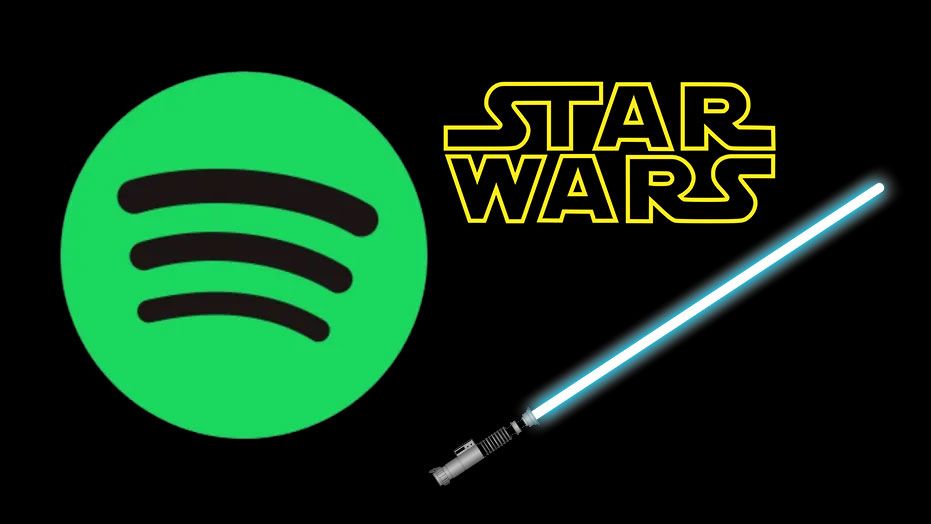
People are just noticing a cool addition to Spotify that will delight Star Wars fans – a lightsaber in place of the progress bar on all Star Wars soundtracks. This is a brilliant way to include fun Easter eggs through design, and Spotify is the perfect medium to do this to reach different fan bases. Unlike that other UI design change that drove users wild, this type of tweak is a light way of keeping a user base hooked.

Customization Options

I’ve had a play (on web browser) and you can change the colour of the lightsaber by clicking on the handle, and also change the type of lightsaber! This has delighted Star Wars fans over on Reddit, with one also pointing out the same thing happened to Taylor Swift songs but with a twinkle symbol.

Image

(Image credit: Spotify)

Conclusion

While we’re unsure Spotify is taking the right path in its brand direction, we can get onboard with these creative design decisions and would love to see more of them. For more Star Wars fun, see our list of the best Star Wars fonts.

Frequently Asked Questions

Q: Is this feature available on all Spotify platforms?
A: Unfortunately, this feature is only available on the web browser version of Spotify.

Q: Can I customize the lightsaber color on my mobile device?
A: No, this feature is only available on the web browser version of Spotify.

Q: Is this a new feature or an old addition?
A: This feature was added last year, but it’s only now gaining popularity among users.

Q: Can I change the type of lightsaber on my mobile device?
A: No, this feature is only available on the web browser version of Spotify.

Apple Intelligence Storage Requirement Increased to 7GB

Apple Intelligence: Bigger Storage Requirements Ahead

Those of you who activate and run Apple Intelligence on your devices will now need a bit more space to handle the latest AI skills. In December, Apple updated its Apple Intelligence requirements page to reveal that 7 GB of storage is now required, as spotted by 9to5Mac. That’s up from the initial demand of 4GB of free space.

The Need for Additional Space

The 4GB demand was in place in September before the company had even officially rolled out iOS 18.1, the first version of iOS with Apple Intelligence. The same held true for iPadOS and MacOS Sequoia. Those versions offered only a few AI-powered tidbits, including Writing Tools, a new visual look for Siri, notification summaries, and the ability to record and view summaries of your phone calls.

What’s New in iOS 18.2

Now, with the latest updates, including ChatGPT integration, the Image Playground, Image Wand, Genmoji, and Visual Intelligence, all of which naturally take up more storage space. These features are part of iOS 18.2 (as well as iPadOS 18.2 and MacOS Sequoia 15.2).

Will 7GB be the Ultimate Amount Required?

The Apple Intelligence requirements page no longer includes a footnote telling you that storage requirements will increase as more features roll out. However, more AI-based features are in the works for iOS 18.3 and especially 18.4, due out in March. So far, the rumored features focus on Siri with such enhancements as onscreen awareness and app integration. Unless Apple has already factored in the Siri upgrades, those features could easily require more storage.

How to Free Up Storage

What can you do if your iPhone, iPad, or Mac is low on storage?

Frequent Storage-Saving Tips

  • Turn off Apple Intelligence if you don’t need it
  • Go to Settings on your iPhone or iPad and System Settings on your Mac
  • Select Storage and let Apple offer suggestions for cleaning up your device

Conclusion

Apple Intelligence has become a significant part of our daily lives, but it requires more storage space as new features are rolled out. If you’re running low on storage, it’s essential to free up some space to accommodate the latest AI skills. You can either turn off Apple Intelligence or follow Apple’s suggestions for cleaning up your device.

FAQs

  • What is Apple Intelligence?
    Apple Intelligence is a set of AI-powered features that enhance your device’s capabilities.
  • Why do I need more storage space for Apple Intelligence?
    Apple Intelligence requires more storage space as new features are rolled out, which can take up more space on your device.
  • Can I turn off Apple Intelligence?
    Yes, you can turn off Apple Intelligence, but you won’t be able to access its features.
  • How do I free up storage space on my device?
    You can free up storage space by turning off Apple Intelligence, offloading features and data, or by following Apple’s suggestions for cleaning up your device.

MASTER Midjourney Mood Boards with These Tricks

0

Join My New Community

👉 https://www.skool.com/fta

Get 30% OFF My Midjourney Course

👉 https://ftpai.thinkific.com/courses/mjbeginner?coupon=ftp30

Mood Board Profile Packs

👉 https://www.futuretechpilot.com/

Midjourney Version 6.1 Cheat Sheet PDF (free)

👉 https://ftp.live/MJCheatSheet

Download Your Free SREF Catalogue

👉 https://ftp.live/sref

––– Social –––

My Trusted Tech

(I fully support these services but I will also earn a commission if you make a purchase from one of these affiliate links)

Color Grading Software

https://ftp.live/colorio

POD Graphics

https://ftp.live/creativefabrica

Timestamps:

  • 0:00 Small Trick #1
  • 0:19 Small Trick #2
  • 0:41 Tip #1
  • 1:01 Small Trick #3
  • 1:12 Tip #2
  • 1:48 Tip #3
  • 2:16 Tip #4
  • 2:39 Tip #5
  • 3:24 Workflow #1
  • 3:57 Workflow #2
  • 4:15 Small Trick #4
  • 4:31 Tip #6
  • 5:41 Workflow #3
  • 6:32 Small Trick #5
  • 6:45 Workflow #4

––– ––– –––

midjourney #aiart #ai

Mastering Keyword Research for Search Engines

The Power of Keyword Research: Why It Matters

Have you ever wondered why some articles end up on Google’s first page while others fall into the chasm of insignificance? Or why other blogs seem to attract endless lines of traffic while your blog starves for attention? It all comes back to one very important aspect of creating content: Keyword Research.

The Importance of Understanding Search Intent

Not all keywords are created equal. Some people search for information, others search for products to buy, and some want to find a specific service. To determine what keyword intent is, you could do the following:

  • Look at Google results for that keyword. Is it blog posts, product listings, or videos?
  • Use tools like SEMrush or Ahrefs to find out things like keyword competition and search volume.

Step 1: Understand Search Intent

Here’s an example:

  • Informational search intent: "How to start a blog"
  • Navigational search intent: "WordPress login page"
  • Transactional search intent: "Best blogging tools to buy"

Step 2: Use the Right Keyword Research Tools

There are a great number of tools available that can help you identify what keywords your audience is searching for. Here’s a selection of some of the best:

  • Google Keyword Planner: Great for finding high-volume keywords about your niche.
  • SEMrush: Provides keyword analysis and identifies long-tail keywords, which are less competitive.
  • Answer The Public: Visualizes search queries to help you find common questions your audience has.

Step 3: Keyword Optimization of Content-not Over-Optimization

After selecting your keywords, it is time to embed them into your content. Well, here it is: do not stuff your content with keywords! It actually harms your ranking and makes the content seem unnatural. Instead, what you want to do is create high-quality content that naturally includes your target keywords.

Step 4: Analyze and Refine Your Keywords on a Regular Basis

Keyword research is not a one-time thing. The digital landscape keeps on changing, and so are the ways people search. Constant analysis and refinement of your keyword strategy will keep you ahead of the competition.

Step 5: Optimization of Content beyond the Keyword

While keywords are essential for SEO, there’s more to optimizing content for search engines. Following are a few more tips that complement keyword research nicely:

  • Mobile Optimization: This assures that your website and content are optimized for mobile. Google gives priority to mobile-friendly sites.
  • UX: A website that loads fast and is easy to navigate will keep people longer and lower the bounce rate, which may improve rankings. One important signal is internal linking, allowing both users and search engines to navigate your site easier.

Bonus Tip: Don’t Forget About Voice Search

With the uprising of Siri and Google Assistant, voice searches are going to be more in trend. Also, people are using more conversational phrases, so incorporating natural long-tail keywords will give you an added advantage.

Conclusion

Keyword research is the secret sauce that every content creator and marketer is using. With this, one will know how to work in accordance with what their audience is looking for, thus ranking higher in search engines to drive more traffic. Keyword research is an indispensable part of surviving in today’s competitive digital space. So, take out your keyword tool and start researching to create such content that will speak to the needs of your audience!

FAQs

Q: What are some keyword research tools you swear by?
A: Some popular keyword research tools include Google Keyword Planner, SEMrush, and Answer The Public.

Q: How do I optimize my content for search engines?
A: To optimize your content for search engines, include your main keyword in the title and meta description, sprinkle the keyword into the first 100 words of your content, and scatter related secondary keywords and synonyms throughout the post.

Q: How often should I refine my keyword strategy?
A: It’s recommended to refine your keyword strategy every few months to determine what works and what does not.

Nike Crafts Travis Scott Collaboration Ad Using AI

0

AI in Advertisements: Nike’s Latest Campaign

AI-Generated Imagery in Advertising

Like it or not, AI is here for the foreseeable future. And it feels like every day that we get a new story of a big brand using it for creative ventures. Nike is the latest company to come under scrutiny for one its latest campaigns, which advertises a Travis Scott x Nike collab with a rich visual world referencing Charlie and the Chocolate Factory.

Generative AI in Pre-Production

The creative director, Jak Bannon, has announced on X that they generated over 5,000 images on Midjourney to aid the pre-production stage. You can see how the generated images match up with the final spot below.

AI’s Role in the Production Process

It’s not entirely clear from Jak’s posts on X whether or not AI was used in the making of the film, but he does credit the VFX teams, saying: "AI is a marvelous tool for exploring ideas and digging deeper into what’s possible. It can also trigger new ideas and help concepts expand… but this spot wouldn’t have been possible without the amazing execution and craft from the VFX teams we had on board."

Hybrid Workflow

Klindparagoni reports that AI-generated visuals were then seamlessly integrated into a hybrid workflow that combined traditional visual effects (VFX) with cutting-edge AI technologies.

Final Spot

You can see the final spot below.

AI in Advertisements: A Growing Trend

Personally, I am not surprised that Nike is using AI for idea generation. At Creative Bloq, we’ve been speaking to creatives about AI for years now, and time and time again, artists and designers are saying that it is really handy for coming up with ideas (though of course, it’s not without its problems).

The Importance of Human Touch

The important thing, I think, is to know where to draw the line, and crucially, to know when a human touch is needed. Unlike the likes of Coca-Cola, whose AI-generated ad attracted much furore last year, it seems that Nike has got it right with this spot. Although it’s not super-easy to tell the overall quality of the ad from the embedded videos on X, so it remains to be seen how people will react to it once it’s widely released to the public.

Conclusion

As AI continues to play an increasingly prominent role in the advertising industry, it’s essential to strike a balance between AI-generated content and human creativity. While AI can certainly aid in the idea generation process, it’s crucial to remember that a human touch is often necessary to bring these ideas to life.

FAQs

Q: How is AI being used in advertising?
A: AI is being used for idea generation, creative direction, and visual effects in advertising.

Q: What is the role of human touch in AI-generated content?
A: A human touch is necessary to bring AI-generated ideas to life and to ensure that the final product is of high quality.

Q: What are the potential benefits of using AI in advertising?
A: AI can aid in idea generation, speed up the creative process, and provide new and innovative solutions for advertisers.

Q: What are the potential drawbacks of using AI in advertising?
A: AI can be used to generate low-quality content, and it may not be able to replicate the creativity and nuance of human creatives.

Apple’s radical iPhone SE shake-up could mark the end of a design era

0

The Last of the Small iPhones? Apple’s Next iPhone SE Might Be the End of an Era

An Era of Change

Most tech companies would never get away with selling a phone with an eleven year-old design, but then again – Apple isn’t most tech companies. The ‘beloved’ huge-bezelled, home-buttoned design of the iPhone SE has been around since the iPhone 6. But all signs are pointing to it finally disappearing in 2025.

Rumored Changes

According to rumors, Apple is set to do away with the home button, finally giving the iPhone SE 4 a notch and full-screen design. And if the newly rumored name of the device is anything to go by, the device could mark the end of an era in more ways than one. As our best camera phones roundup shows, phones just keep getting bigger.

The Loss of a Smaller Form Factor

We’ve already lamented the loss of the iPhone mini, but the 2022 iPhone SE still provided a smaller form factor for those who prefer to be able to hold their phones without needing three hands. In our iPhone SE (2022) review, we commended the phone for its one-handed size, but that very concept could soon seem prehistoric.

A New Design Language

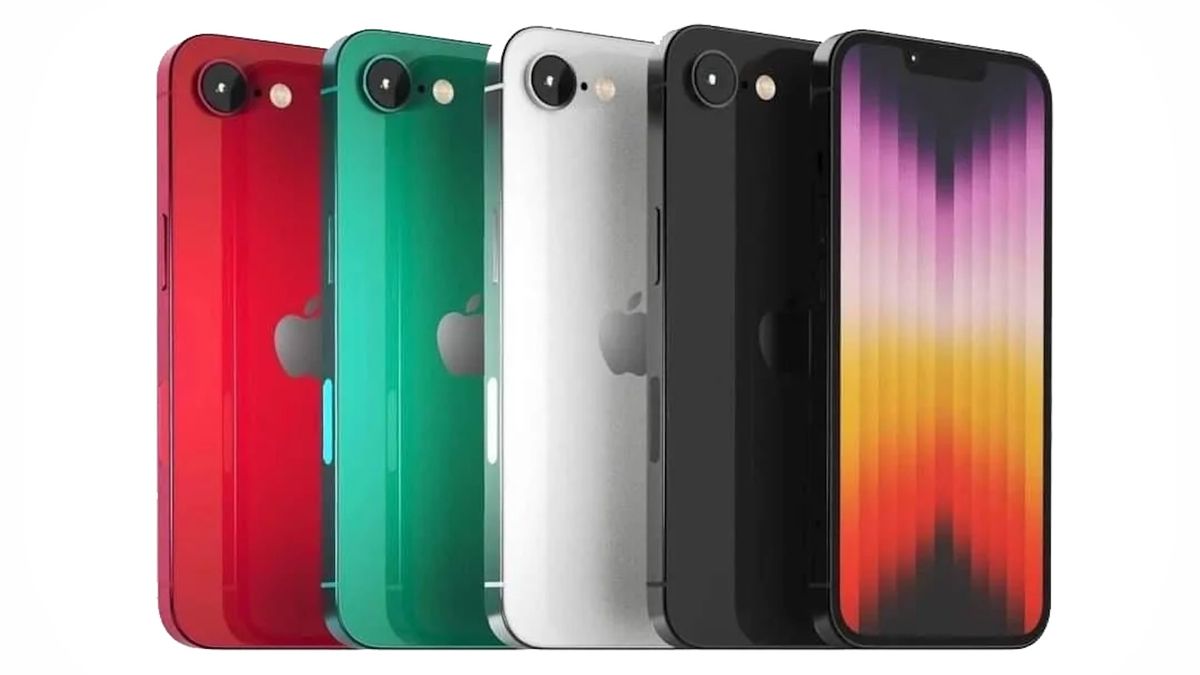
The iPhone SE 4 is rumored to be gaining the somewhat awkward moniker ‘iPhone 16E’, which suggests it’s likely to take on the design language of the iPhone 16 line up, albeit with stripped down internals.

Specs and Features

According to 9to5Mac, the next iPhone SE is rumored to feature an A18 chip with Apple Intelligence support, a USB-C port, and a single 48MP camera.

Conclusion

The loss of the smaller form factor might not be entirely welcome news for those who prefer a phone that can fit in their pocket without drawing attention to itself. However, for some creatives, a bigger screen might be a welcome change, offering more pixels for viewing the best photo editing apps.

Frequently Asked Questions

Q: What is the rumored name of the next iPhone SE?
A: The rumored name is ‘iPhone 16E’, suggesting it will take on the design language of the iPhone 16 line up.

Q: What are the rumored specs and features of the next iPhone SE?
A: The rumored specs and features include an A18 chip with Apple Intelligence support, a USB-C port, and a single 48MP camera.

Q: Will the next iPhone SE still have a smaller form factor?
A: No, according to rumors, the next iPhone SE will likely have a larger form factor, similar to the iPhone 16 line up.

LG and Samsung Add Microsoft’s Copilot AI Assistant to TVs

0

LG and Samsung Announce 2025 Smart TVs with Microsoft’s Copilot AI Assistant

LG and Samsung have both announced their 2025 smart TVs at CES this weekend, and some of them will include access to Microsoft’s Copilot AI assistant. Both TV manufacturers are chasing the artificial intelligence hype train with dedicated AI sections on their smart TVs that include a shortcut to a Copilot web app.

LG’s AI Remote and Copilot Integration

LG is adding an entire AI section to its TVs and rebranding its remote to “AI Remote,” in an effort to sell consumers on the promise of large language models. While it’s not clear exactly how Copilot works on LG’s latest TVs, the company describes access to Copilot as a way to allow users to “efficiently find and organize complex information using contextual cues.”

LG hasn’t demonstrated its Copilot integration just yet, but it has shown off its own AI Chatbot that’s part of its TVs. It appears Copilot will be surfaced when LG TV users want to search for more information on a particular subject.

Samsung’s AI Vision Features

Samsung is showing off its AI Vision features at CES this week. Image: Samsung

Samsung also has its own Vision AI brand for its AI-powered TV features this year, which include AI upscaling, Auto HDR Remastering, and Adaptive Sound Pro. There’s also a new AI button on the remote to access AI features like recognizing food on a screen or AI home security features that analyze video feeds from smart cameras.

Microsoft’s Copilot will be part of this Vision AI section. “In collaboration with Microsoft, Samsung announced the new Smart TVs and Smart Monitors featuring Microsoft Copilot,” says Samsung in a press release. “This partnership will enable users to explore a wide range of Copilot services, including personalized content recommendations.”

Conclusion

Without any indication of exactly how Copilot works on these TVs, I’m going to chalk this one up as a gimmicky feature that LG, Samsung, and Microsoft clearly aren’t ready to demo yet. It remains to be seen whether these AI-powered TVs will be a hit with consumers or just another feature that gets lost in the noise.

FAQs

Q: What is Microsoft Copilot?
A: Microsoft Copilot is an AI assistant that helps users find and organize complex information using contextual cues.

Q: How will Copilot work on LG TVs?
A: It’s not clear exactly how Copilot will work on LG TVs, but it will likely be surfaced when users want to search for more information on a particular subject.

Q: What are Samsung’s AI Vision features?
A: Samsung’s AI Vision features include AI upscaling, Auto HDR Remastering, and Adaptive Sound Pro, as well as a new AI button on the remote to access AI features like recognizing food on a screen or AI home security features.

Q: Will these AI-powered TVs be a hit with consumers?
A: It remains to be seen whether these AI-powered TVs will be a hit with consumers or just another feature that gets lost in the noise.

Typography of the 1970s: Expert Picks

0

Here is the rewritten article:

The 1970s were a bold, transformative decade for design, and typography was no exception. As phototypesetting matured, designers found themselves freed from the physical constraints of metal type, enabling letters to touch, overlap, and interact in entirely new ways.

More generally, designers embraced the curves, flair, and experimental spirit of the time, giving rise to typography trends such as playful display fonts, chunky serif types, and futuristic styles.

01. Baby Teeth

Famed New York creative Milton Glaser is one of those names that every graphic designer should recognise. But while he’s best known for his ‘I [Heart] New York logo, and work for Bob Dylan and DC Comics, he also crafted a fair few typefaces, and Baby Teeth was one of the most notable. Inspired by a hand-painted Mexican advertisement, it was released in 1968 and went on to become a defining typeface of the following decade’s countercultural movements.

Jessica Walsh, creative director at Type of Feeling, is among its fans today. “Baby Teeth is a standout for me,” she enthuses. “With its chunky, sans-serif design, which feels both playful and daring, it encapsulates the psychedelic aesthetic of the period. This typeface is a reminder that design can be both serious and fun.”

02. Stop

Released by the Nebiolo type foundry in Turin in 1970, Stop was one of the last typefaces produced in metal, yet its impact would be thoroughly modern. Designed by Aldo Novarese, it was launched on the market as a “new alphabetical sign… in the quest for new graphic ideas”. Its extremely stylised shapes letterforms were specifically designed to make attractive logos, initials and monograms.

As Landor’s design director Gianluca Ciancaglini observes: “Stop is a prime example of modernist design, with its simple, geometric forms and stark contrasts. Each letter is a study in precision and balance, a testament to creator Novarese’s meticulous approach, and radical departure from the ornate scripts of the past.”

03. ITC Avant Garde Gothic

Designed by Herb Lubalin and Tom Carnase in 1970, ITC Avant Garde Gothic is a geometric sans serif font family. “It was based on a logo Lubalin designed for Avante Garde magazine, whose distinctive look came to define a specific era of graphic design in the 70s,” explains Rosie Garschina, executive creative director of Trollbäck+Company,. “A suite of alternative ligatures creates several recognisable combinations that felt futuristic and forward-thinking at the time.”

Gianluca is also a fan. “This sans-serif font masterfully combines a modern, minimalist aesthetic with a strong personality, profoundly influencing how we perceive typefaces,” he enthuses. “It captures a spirit of a generation that was eager to break free from the constraints of the past and embrace the future.”

06. Calypso

Designed by Roger Excoffon, produced with the help of José Mendoza y Almeida, and released by Fonderie Olive, Calypso is an experimental display typeface with curvaceous and alluring features that could be likened to pop art. Using a pair of compasses, every character was meticulously hand-drawn dot by dot. Though designed in 1958, it found its true spiritual home in the experimental 1970s.

As Simon Manchipp, founding partner at SomeOne, explains: “The ’60s’ trippy edge might have been fading, but there were still a few notable moments of typographic radicalism in the ’70s. And this three-dimensional, dot screen, halftone stonker is my pick of the bunch. What a wild ride this collection of letterforms gives.”

07. Frutiger

In 1970, renowned Swiss type designer Adrian Frutiger was commissioned to create a signage system for the newly built Charles de Gaulle Airport in Paris. The airport’s vast expanse and complex layout demanded a typeface that was both legible and visually appealing, even at a distance.

The result was the sans-serif typeface Frutiger. Its design philosophy is rooted in clarity and functionality. a typeface that can be easily read, even under challenging conditions, while also possessing a distinct aesthetic appeal.

08. ITC Serif Gothic

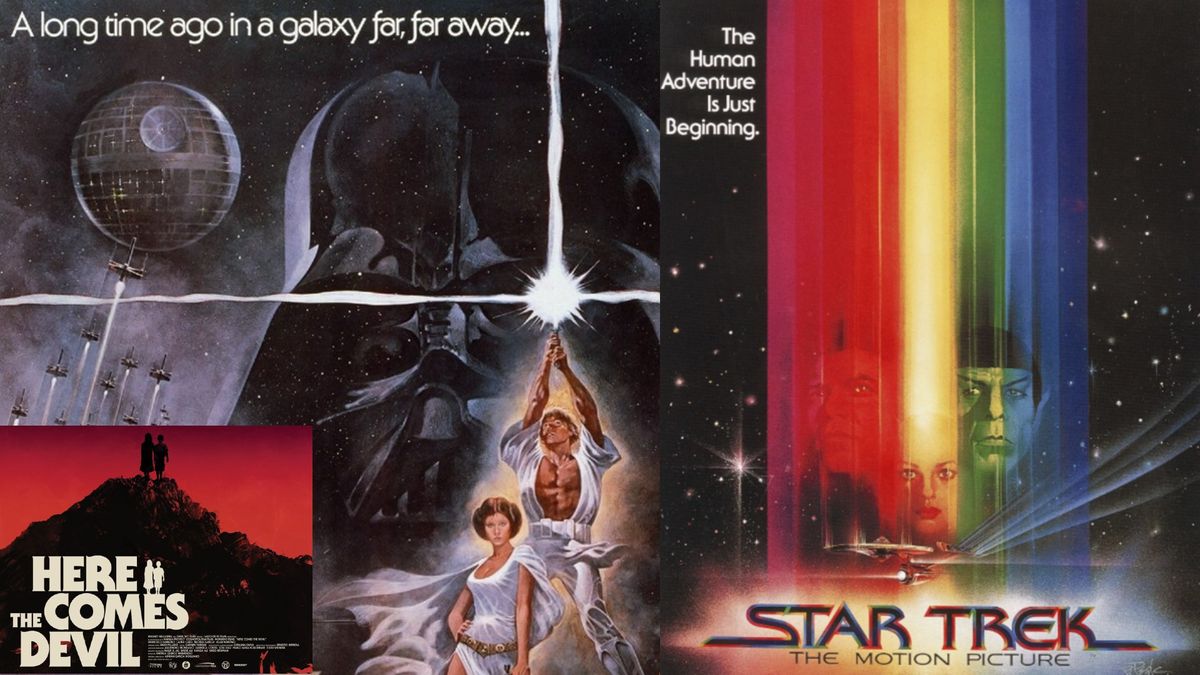
Created by Herb Lubalin and Tony Di Spigna in 1972, ITC Serif Gothic began as a rejected logo sketch before becoming a sci-fi icon, best known for its use on the original Star Wars posters.

For Gary Whitworth, designer at The Chase, it has an immediate emotional impact. “ITC Serif Gothic is the ultimate icon of 70s typography in my eyes,” he raves. “The mere sight of it transports me into another world, or should I say universe, of aliens and creatures from beyond.”

Conclusion

The 1970s was a transformative decade for design and typography, marked by the rise of phototypesetting and the experimental spirit of the time. From playful display fonts to futuristic styles, the decade’s typography trends continue to influence design today.

FAQs

What is the significance of the 1970s in typography?

The 1970s marked a transformative period in typography, as phototypesetting matured and designers found themselves freed from the physical constraints of metal type. This led to a range of experimental and innovative typefaces that continue to influence design today.

What are some notable typefaces from the 1970s?

Some notable typefaces from the 1970s include Baby Teeth, Stop, ITC Avant Garde Gothic, Calypso, Frutiger, and ITC Serif Gothic, each of which represents a different aspect of the decade’s typographic trends.

Why are these typefaces still relevant today?

These typefaces continue to influence design today due to their innovative and experimental approach to typography. They embody the spirit of the 1970s and its emphasis on creativity and boldness, and their influence can be seen in design projects across a range of industries and styles.

Unlocking the Potential of Digital Twins

0

The Future of Digital Twins: Simulating Complex Systems for a Better Tomorrow

Consider your drive to work. How much traffic you encounter will depend on a number of factors: the weather on any given day; the quality of public transport and cycle routes; the efficiency of the town planning in your city; how many people can afford to live within walking distance of their workplace, and so on. You can think of the workings of a city and how people move around it as a complex, dynamic system that is always reacting to changing circumstances. If we can better understand this system and visualize how it works, we can make decisions to improve its efficiency. And that’s where digital twins come in.

A digital twin is a computational model of a complex system that is continually updated with real-world data. The system being modelled could be a city, a manufacturing process, some industrial machinery or even biological systems within the human body. By creating a simulation of a system, we can experiment with potential improvements to see how well they work before trying them in the real world. We can discover and understand connections between different parts of the system that were previously invisible to us. We can predict potential points of failure and take action before problems arise, and we can develop new products and medicines.

Digital twins are being applied in a vast range of different scenarios and are giving us new ways to solve problems and find efficiencies. Here are just some of the things we can expect to happen in the future.

Whole cities will be simulated digitally

In some places, it’s already happening. For example, Virtual Singapore is a highly detailed 3D model and digital twin of the city-state that uses real-time data to model everything that’s going on. Millions of photographs and laser scans were used to capture the topography and urban environment to create a 3D replica. Data from mobile phones, sensors placed in the environment, and other sources is used to keep the model up to date.

Digital twins will bring many different data sets and technologies together

It is often the case that a lot of information is held about a system, but it’s all in separate silos with no good way of bringing it all together. Digital twins can be that way. For example, a digital twin of a city brings together visual information such as laser scans, photographs, and 3D models, and combines it with geographical information, spatial analytics, real estate data, human metrics, and predictive simulations.

Your whole body might get a digital twin

Biological processes are possibly the most complex systems we have to deal with, so there’s plenty to be gained from building digital simulations of them. Biochemists at the University of Nebraska-Lincoln are working on a digital twin of the human immune system which they hope will predict how a patient might respond to different treatments. It is also hoped that it will improve understanding of disease processes and aid in the development of new medicines.

It will happen sooner than you think

According to a 2023 survey of “scientists, futurists, and subject matter experts” by Tata Consultancy Services, digital twins are set to “become commonplace across business and society by 2035”. Half of the experts thought that “broad adoption” will occur in the healthcare sector within three years, although the full body digital twins are more likely to materialize towards the end of the ten-year timeline.

Conclusion

Digital twins promise a future where the complex systems that govern our lives come with a virtual safety net, so we can predict problems before they arise and try out solutions without facing risk.

Frequently Asked Questions

Q: What is a digital twin?
A: A digital twin is a computational model of a complex system that is continually updated with real-world data.

Q: What are digital twins used for?
A: Digital twins are used to improve and optimize complex systems, predict potential points of failure, and develop new products and medicines.

Q: How do digital twins work?
A: Digital twins work by creating a simulation of a system, which can be used to experiment with potential improvements and see how well they work before trying them in the real world.

Q: What are some examples of digital twins?
A: Some examples of digital twins include Virtual Singapore, a 3D model of the city-state, and digital twins of the human immune system and the human heart.