Home Blog Page 595

Samsung Black Friday Deals: Up to $1,000 Off Galaxy Tab S10 Ultra & $350 Off S24 Ultra

0

Refresh

Getting Ready for Black Friday

It’s nearly Black Friday!! I’m super excited about the potential savings we’ll get to see on Samsung tech. As a huge Samsung fan, I’m keeping my eyes peeled for any savings on the Samsung Galaxy Ring. I got to try out this smart ring briefly at Samsung HQ, but I just can’t justify the price of one since I already own a Samsung Galaxy Watch too.

What to Expect

There are already some amazing Samsung Black Friday deals live right now, and I’ve rounded them up in our Quick Links section. So be sure to check this out whether you’re in the US or UK. I’ll be updating this blog with all of the top deals that I find, so stick with me!

Deals to Look Out For

  • Samsung Galaxy Watch: Get 20% off the latest models in the US
  • Samsung Galaxy S22: Up to $200 off in the UK
  • Samsung Smart TVs: Up to $500 off in the US

Conclusion

With Black Friday just around the corner, now is the perfect time to snag some amazing deals on Samsung tech. From smartwatches to smart rings, and even smart TVs, there’s something for everyone. Make sure to keep an eye on this blog for updates on the top deals as they become available.

FAQs

Q: What is Black Friday?
A: Black Friday is a major shopping event that takes place on the day after Thanksgiving in the US. It’s traditionally the start of the holiday shopping season, with many retailers offering significant discounts and promotions.

Q: What are the best Samsung Black Friday deals?
A: We’re currently tracking some amazing deals on Samsung Galaxy watches, smart rings, and smart TVs. Check out our Quick Links section for the latest deals.

Q: Can I get discounts on Samsung Galaxy S22?
A: Yes! We’ve seen deals offering up to $200 off the Samsung Galaxy S22 in the UK.

Q: Will Samsung Smart TVs be on sale?
A: Absolutely! We’ve spotted deals offering up to $500 off Samsung Smart TVs in the US.

US Patent Office Bans Staff From Using Generative AI

0

US Patent and Trademark Office Restricts Use of Generative AI

The US Patent and Trademark Office banned the use of generative artificial intelligence for any purpose last year, citing security concerns with the technology as well as the propensity of some tools to exhibit “bias, unpredictability, and malicious behavior,” according to an April 2023 internal guidance memo obtained by WIRED through a public records request.

Internal Testing Environment

Jamie Holcombe, the chief information officer of the USPTO, wrote that the office is “committed to pursuing innovation within our agency” but are still “working to bring these capabilities to the office in a responsible way.”

Paul Fucito, press secretary for the USPTO, clarified to WIRED that employees can use “state-of-the-art generative AI models” at work—but only inside the agency’s internal testing environment. “Innovators from across the USPTO are now using the AI Lab to better understand generative AI’s capabilities and limitations and to prototype AI-powered solutions to critical business needs,” Fucito wrote in an email.

Approved AI Programs

Outside of the testing environment, USPTO staff are barred from relying on AI programs like OpenAI’s ChatGPT or Anthropic’s Claude for work tasks. The guidance memo from last year also prohibits the use of any outputs from the tools, including images and videos generated by AI. But Patent Office employees can use some approved AI programs, such as those within the agency’s own public database for looking up registered patents and patent applications.

USPTO’s Role in the Government

The US Patent and Trademark Office, an agency within the Department of Commerce, is in charge of protecting inventors, awarding patents, and registering trademarks. It also “advises the president of the United States, the secretary of commerce, and US government agencies on intellectual property (IP) policy, protection, and enforcement,” according to the USPTO’s website.

Government Bureaucracy

At a Google-sponsored event in 2023, Holcombe, the author of the guidance memo, said government bureaucracy makes it difficult for the public sector to use new technologies. “Everything we do in the government is pretty stupid, when you compare it to the commercial world, right?” he said. Holcombe specifically cited cumbersome budgeting, procurement, and compliance processes, arguing that they hamper the government’s ability to rapidly adopt innovations like artificial intelligence.

Other Government Agencies

The USPTO is not the only government agency to ban staff from using generative AI, at least for some purposes. Earlier this year, the National Archives and Records Administration prohibited the use of ChatGPT on government-issued laptops, according to 404 Media. But soon afterward, the National Archives hosted an internal presentation that encouraged employees to “think of [Google’s] Gemini as a co-worker.” During the meeting, some archivists reportedly expressed concerns about the accuracy of generative AI. Next month, the National Archives is planning to release a new public chatbot for accessing archival records developed with technology from Google.

Other US government agencies are using—or avoiding—generative AI in different ways. The National Aeronautics and Space Administration, for example, specifically banned the use of AI chatbots for sensitive data. NASA did decide, however, to experiment with the technology for writing code and summarizing research. The agency also announced last week that it’s working with Microsoft on an AI chatbot that can aggregate satellite data to make it easily searchable. That tool is available only to NASA scientists and researchers, but the goal is to “democratize access to spaceborne data.”

Conclusion

The US Patent and Trademark Office has restricted the use of generative AI due to security concerns and the potential for bias and malicious behavior. While the agency is committed to innovation, it is working to bring these capabilities to the office in a responsible way. Other government agencies are also exploring the use of generative AI, but with varying degrees of success and caution.

FAQs

Q: Why did the US Patent and Trademark Office ban the use of generative AI?
A: The agency banned the use of generative AI due to security concerns and the potential for bias and malicious behavior.

Q: Can USPTO employees use generative AI at all?
A: Yes, but only in the agency’s internal testing environment. Employees can use “state-of-the-art generative AI models” for innovation and prototyping.

Q: Are other government agencies using generative AI?
A: Yes, but with varying degrees of success and caution. Some agencies are experimenting with the technology, while others have banned its use for certain purposes.

Q: What is the USPTO’s role in the government?
A: The US Patent and Trademark Office is an agency within the Department of Commerce that is responsible for protecting inventors, awarding patents, and registering trademarks, as well as advising on intellectual property policy and enforcement.


Chinese Tech Groups Set Up AI Teams in Silicon Valley

China’s Biggest Technology Groups Build AI Teams in Silicon Valley

China’s biggest technology groups are building artificial intelligence teams in Silicon Valley, seeking to hire top US talent despite Washington’s efforts to curb the country’s development of the cutting-edge technology.

The Push

Alibaba, ByteDance and Meituan have been expanding their offices in California in recent months, seeking to poach staff from rival US groups who could help them make up ground in the race to profit from generative AI.

Despite US Efforts

The push comes despite US efforts to stymie their work. Chinese groups have been hit by a US ban on exports of the highest-end Nvidia AI chips, which are crucial for developing AI models.

However, there are currently no restrictions on US-based entities related to or owned by Chinese tech companies accessing high-end AI chips through data centers located in the US.

The Department of Commerce proposed introducing a rule in January that cloud providers have to verify the identity of users training AI models and report their activities.

Alibaba’s Recruitment Efforts

Alibaba is recruiting an AI team in Sunnyvale in California’s San Francisco Bay Area and has approached engineers, product managers and AI researchers who have worked at OpenAI and the biggest US tech groups, according to three people familiar with the matter.

China’s biggest ecommerce group has posted recruitment advertisements on LinkedIn for an applied scientist, machine-learning engineer and product marketing manager in the US.

The team will focus on Alibaba International Digital Commerce Group’s AI-powered search engine Accio for merchants, another person added.

One Alibaba recruiter emailed tech workers in the US saying the Chinese ecommerce company planned to spin off the Californian AI team into a separate start-up, according to two people familiar with the matter.

Meituan’s Expansion

In the past few months, Meituan has been building out its team in California after executives grew alarmed that it was falling behind on AI, according to two people familiar with the matter.

Chief executive Wang Xing has tapped co-founder Wang Huiwen to return to the company to lead a new generative AI team called GN06, which is exploring AI-related opportunities, including menu translation features and AI companions, according to one of the people.

TikTok owner ByteDance has the most established AI footprint in California, with multiple teams working on different projects.

One research team is focused on integrating AI features into TikTok. It also has a group of researchers working on its Doubao large language model, alongside colleagues in China and Singapore, according to multiple people familiar with the matter.

Conclusion

China’s biggest technology groups are investing in AI teams in Silicon Valley, despite US efforts to curb their development of the cutting-edge technology. Alibaba, ByteDance, and Meituan are seeking to poach top US talent to make up ground in the race to profit from generative AI.

FAQs

Q: What are the US efforts to curb China’s development of AI?

A: The US has imposed a ban on exports of the highest-end Nvidia AI chips, which are crucial for developing AI models.

Q: Why is China building AI teams in Silicon Valley?

A: China is seeking to poach top US talent to make up ground in the race to profit from generative AI.

Q: What is the Department of Commerce proposing to do regarding AI?

A: The Department of Commerce proposed introducing a rule in January that cloud providers have to verify the identity of users training AI models and report their activities.

Alien: Rogue Incursion’s Xenomorphs Revealed

0

Alien: Rogue Incursion Details

Art Director Interview

As an artist, you have to transport yourself back to 1979 so that you can transport yourself to 2150, says studio art director Tate Mosesian. He reflects on what concept artists and futurologists thought the year 2150 could be like from a place in the 1970s, with artists such as Syd Mead, Ron Cobb and Moebius crafting the original world of Alien and Aliens alongside creature artist HR Giger.

(Image credit: 20th Century Studios, Survios)

Publisher 20th Century Studios

Developer Survios

Release date 16 December

Platform Unreal Engine 5

Formats PSVR 2, Meta Quest 3, and Steam VR

The World Design

By focusing on the design of Alien and Aliens, the game’s world is designed to capture the feel and look of the films. The world is set on a research facility on the remote planet of Purdan, featuring the same low ceilings and clutter that made the movies’ sets feel claustrophobic and believable. The art team was supplied with reference material by Disney, “gigabytes on gigabytes of set footage and practical props”, for all the Xenomorphs and the concept team got to work figuring out how their creature would look and move while remaining canon to the franchise.

The Xenomorph

Defining the Alien: Rogue Incursion’s Xenomorph design was a meticulous process, says Tate. The team drew inspiration from all the Alien movies, including Alien Resurrection, to create a creature that moves like a nightmare predator. The Xenomorph’s legs and feet are slightly elongated and slimmer like, says Tate, the T-Rex and Velociraptor. This is in alignment with later films, like Alien Resurrection – love it or hate it, it’s the film we first get to see classic Xenomorphs freely move… and swim.

Gameplay and Tension

The game is designed to create a sense of tension and unease, says Tate. When those Xenomorphs move, it’s truly terrifying. Not only because they can come from anywhere, and you can hear them all around you inside your VR headset, but because the creature’s movements are deliberate and cat-like, with an added explosion of movement when they decide to attack. The game has no automated reloads to build tension, and each gun has a unique, physical method of reloading.

Conclusion

Alien: Rogue Incursion has all the ingredients needed to shock. With its attention to detail in world design and creature movement, the game promises to deliver a tense and frightening experience. And with the release on multiple VR headsets, players will be able to fully immerse themselves in the world of Alien.

Frequently Asked Questions

Q: What is the release date of Alien: Rogue Incursion?
A: The game will be released on 16 December.

Q: What platforms will Alien: Rogue Incursion be available on?
A: The game will be available on PSVR 2, Meta Quest 3, and Steam VR.

Q: What is the publisher of Alien: Rogue Incursion?
A: The publisher is 20th Century Studios.

Q: Who is the developer of Alien: Rogue Incursion?
A: The developer is Survios.

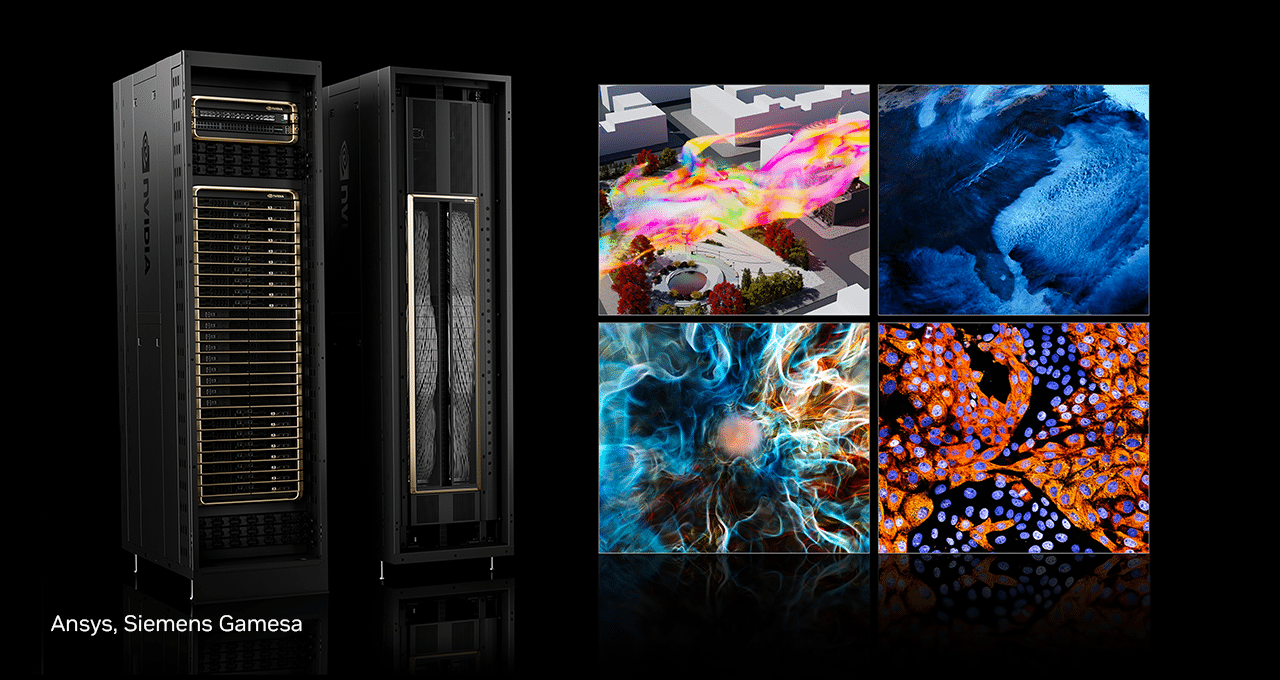
Harnessing GPU Acceleration at Cluster Scale

0

Whether they’re looking at nanoscale electron behaviors or starry galaxies colliding millions of light years away, many scientists share a common challenge — they must comb through petabytes of data to extract insights that can advance their fields.

With the NVIDIA cuPyNumeric accelerated computing library, researchers can now take their data-crunching Python code and effortlessly run it on CPU-based laptops and GPU-accelerated workstations, cloud servers or massive supercomputers. The faster they can work through their data, the quicker they can make decisions about promising data points, trends worth investigating and adjustments to their experiments.

To make the leap to accelerated computing, researchers don’t need expertise in computer science. They can simply write code using the familiar NumPy interface or apply cuPyNumeric to existing code, following best practices for performance and scalability.

Less Is More: Limitless GPU Scalability Without Code Changes

Python is the most common programming language for data science, machine learning and numerical computing, used by millions of researchers in scientific fields including astronomy, drug discovery, materials science and nuclear physics. Tens of thousands of packages on GitHub depend on the NumPy math and matrix library, which had over 300 million downloads last month. All of these applications could benefit from accelerated computing with cuPyNumeric.

Many of these scientists build programs that use NumPy and run on a single CPU-only node — limiting the throughput of their algorithms to crunch through increasingly large datasets collected by instruments like electron microscopes, particle colliders and radio telescopes.

cuPyNumeric helps researchers keep pace with the growing size and complexity of their datasets by providing a drop-in replacement for NumPy that can scale to thousands of GPUs. cuPyNumeric doesn’t require code changes when scaling from a single GPU to a whole supercomputer. This makes it easy for researchers to run their analyses on accelerated computing systems of any size.

Solving the Big Data Problem, Accelerating Scientific Discovery

Researchers at SLAC National Accelerator Laboratory, a U.S. Department of Energy lab operated by Stanford University, have found that cuPyNumeric helps them speed up X-ray experiments conducted at the Linac Coherent Light Source.

A SLAC team focused on materials science discovery for semiconductors found that cuPyNumeric accelerated its data analysis application by 6x, decreasing run time from minutes to seconds. This speedup allows the team to run important analyses in parallel when conducting experiments at this highly specialized facility.

By using experiment hours more efficiently, the team anticipates it will be able to discover new material properties, share results and publish work more quickly.

Other Institutions Using cuPyNumeric

  • Australia National University, where researchers used cuPyNumeric to scale the Levenberg-Marquardt optimization algorithm to run on multi-GPU systems at the country’s National Computational Infrastructure. While the algorithm can be used for many applications, the researchers’ initial target is large-scale climate and weather models.
  • Los Alamos National Laboratory, where researchers are applying cuPyNumeric to accelerate data science, computational science and machine learning algorithms. cuPyNumeric will provide them with additional tools to effectively use the recently launched Venado supercomputer, which features over 2,500 NVIDIA GH200 Grace Hopper Superchips.
  • Stanford University’s Center for Turbulence Research, where researchers are developing Python-based computational fluid dynamics solvers that can run at scale on large accelerated computing clusters using cuPyNumeric. These solvers can seamlessly integrate large collections of fluid simulations with popular machine learning libraries like PyTorch, enabling complex applications including online training and reinforcement learning.
  • UMass Boston, where a research team is accelerating linear algebra calculations to analyze microscopy videos and determine the energy dissipated by active materials. The team used cuPyNumeric to decompose a matrix of 16 million rows and 4,000 columns.
  • National Payments Corporation of India, the organization behind a real-time digital payment system used by around 250 million Indians daily and expanding globally. NPCI uses complex matrix calculations to track transaction paths between payers and payees. With current methods, it takes about 5 hours to process data for a one-week transaction window on CPU systems. A trial showed that applying cuPyNumeric to accelerate the calculations on multi-node NVIDIA DGX systems could speed up matrix multiplication by 50x, enabling NPCI to process larger transaction windows in less than an hour and detect suspected money laundering in near real time.

Conclusion:
cuPyNumeric is a powerful tool that enables researchers to accelerate their data analysis workflows without requiring expertise in computer science. By providing a drop-in replacement for NumPy, cuPyNumeric allows researchers to scale their algorithms to thousands of GPUs without code changes, making it easy to run their analyses on accelerated computing systems of any size.

FAQs:

Q: What is cuPyNumeric?
A: cuPyNumeric is an accelerated computing library that provides a drop-in replacement for NumPy, allowing researchers to scale their algorithms to thousands of GPUs without code changes.

Q: What are the benefits of using cuPyNumeric?
A: cuPyNumeric enables researchers to accelerate their data analysis workflows, allowing them to make decisions about promising data points, trends worth investigating and adjustments to their experiments more quickly.

Q: Do I need expertise in computer science to use cuPyNumeric?
A: No, researchers don’t need expertise in computer science to use cuPyNumeric. They can simply write code using the familiar NumPy interface or apply cuPyNumeric to existing code, following best practices for performance and scalability.

Q: What are some examples of institutions using cuPyNumeric?
A: SLAC National Accelerator Laboratory, Australia National University, Los Alamos National Laboratory, Stanford University’s Center for Turbulence Research, UMass Boston, and National Payments Corporation of India are among the institutions using cuPyNumeric.

Optimistic Outlook on AI in Schools

Key points:

Parents’ Perspective on the Dangers and Benefits of AI in Education

While parents do have concerns about their children’s exposure to AI in the classroom, some would still support their children using AI for schoolwork, according to a survey from Norton, a consumer Cyber Safety brand of Gen.

Concerns about AI in Education

Parents of school children ages 5 and up have mixed opinions on their children using AI. Among the top concerns:

  • 51 percent worry about their children coming across inappropriate content.
  • 50 percent are concerned that AI-generated content may be biased or incorrect, and they fear an over-reliance on technology.
  • 46 percent are apprehensive about their children sharing personal data online.

Optimism about AI’s Role in Education

Despite these concerns, many parents remain optimistic about AI’s role in their children’s lives, touting the various ways that it can be used to a child’s advantage in the classroom. Norton found:

  • Nearly half (49 percent) of parents noted they would approve of their child using AI to complete schoolwork, out of the 35 percent of parents who support their oldest child using AI in the classroom.
  • 69 percent believe it should be utilized for research in classrooms or at school.
  • 48 percent trust lesson plans and curriculum created with AI tools.

Helping Keep Kids Cybersafe

Here are some tips to help keep your children cybersafe at school this year:

  • Protect personal information: Educate your children on how to safeguard their personal information, regardless of whether they’re interacting with AI platforms or chatbots.
  • Verify website safety and use a VPN: It is important for you and your children to check the browser connection and the URLs to ensure a site is secure, even more so when accessing AI tools or platforms.
  • Enable age-appropriate settings: Using AI settings designed for different age groups will help ensure your family is set up for success when handling AI tools and platforms.
  • Promote integrity and responsibility: Norton advises parents and teachers to talk with children and students about the importance of integrity and mindful behavior as a foundational step of cyber safety.

Conclusion

While parents have concerns about AI in education, many also see its potential benefits. By being aware of the potential risks and taking steps to keep their children cybersafe, parents can help their children make the most of AI in the classroom.

Frequently Asked Questions

Q: What are the main concerns parents have about AI in education?
A: The main concerns parents have about AI in education include coming across inappropriate content, AI-generated content being biased or incorrect, and sharing personal data online.

Q: Do parents support the use of AI in education?
A: Yes, many parents support the use of AI in education, with nearly half approving of their child using AI to complete schoolwork.

Q: How can parents keep their children cybersafe?
A: Parents can keep their children cybersafe by educating them on how to safeguard their personal information, verifying website safety and using a VPN, enabling age-appropriate settings, and promoting integrity and responsibility.

Spotify’s Identity Crisis

0

Whether we like it or not, Spotify has changed the way that we consume music today, providing convenient, on-demand streaming for millions of users. Yet with the brand’s recent expansion to podcasts and video content, could it be getting a little big for its boots, taking on competitors like YouTube and TikTok while losing sight of its core appeal?

The Identity Crisis

The best iconic brands are adaptable, moving with the times to stay relevant, yet Spotify’s jumbled branding approach has led to somewhat of an identity crisis. With a push towards video content and allegations of AI infiltration, Spotify’s diversification is turning it into an ‘everything app’ with a muddied branding approach. So what can it do to rebuild trust with paid subscribers, and more importantly, how can it win back the artists that define the streaming service’s success?

Spotify’s Evolution

In some ways, it’s a natural evolution as Spotify reports that "250 million users have watched a video podcast on its platform" since launching in 2022 according to TechCrunch. But as Spotify evolves, it alienates its core audience of music lovers, increasingly proving that it prioritises revenue over the core artists that grew its platform. As it stands, Spotify is slowly becoming overrun by vacuous ‘content for content’s sake’ – a far cry from its simple beginnings as a music streaming platform.

Artist Concerns

Across the years musicians have criticised Spotify for its practice around fair treatment for artists. In 2013, David Byrne of the Talking Heads told the Guardian "If artists have to rely almost exclusively on the income from these services, they’ll be out of work within a year." Famously Taylor Swift removed her entire discography from the platform in 2014, writing in a Wall Street Journal article "Music is art, and art is important and rare. Important, rare things are valuable. Valuable things should be paid for." Additionally, the UnionOfMusicians (UMAW) staged multiple protests as part of its #JusticeAtSpotify campaign, advocating for one cent per stream – despite this, artists are still paid an average of $0.003 – $0.005 per stream.

AI Infiltration

If the platform wasn’t already alienating its prime user base, reports of AI music infiltration have only furthered mistrust from artists and users alike. Spotify Community and Reddit users have increasingly shared reports of suspected AI-generated music filling their release radar playlists, while YouTube channels such as Nova Academy boast creating and uploading AI music to Spotify as an easy way to earn passive income.

Conclusion

Spotify’s expansion to video content is understandable from a monetary perspective, yet the platform increasingly feels as if it’s losing sight of its brand while alienating its users. With little done to target AI infiltration, the move to video content only brushes the issue under the carpet, resulting in a platform buried under its own oversaturation of content. For me and many other users, Spotify is a platform to get away from your screen. Whether you’re listening to music or kicking back with a podcast, it’s one of the few apps that allows you to get away from the visual overstimulation of the online world. Spotify excels in its simplicity as a music streaming service, and the more it attempts to evolve, the more amorphous and overwhelming the platform feels.

FAQs

Q: What is Spotify’s current branding approach?
A: Spotify’s branding approach is jumbled, with a push towards video content and allegations of AI infiltration, turning it into an ‘everything app’ with a muddied branding approach.

Q: Why is Spotify alienating its core audience of music lovers?
A: Spotify is prioritising revenue over the core artists that grew its platform, leading to a loss of trust among users and artists.

Q: What is the average payout per stream for artists on Spotify?
A: The average payout per stream for artists on Spotify is $0.003 – $0.005.

Q: What is the UnionOfMusicians (UMAW) advocating for in its #JusticeAtSpotify campaign?
A: The UMAW is advocating for one cent per stream for artists on Spotify.

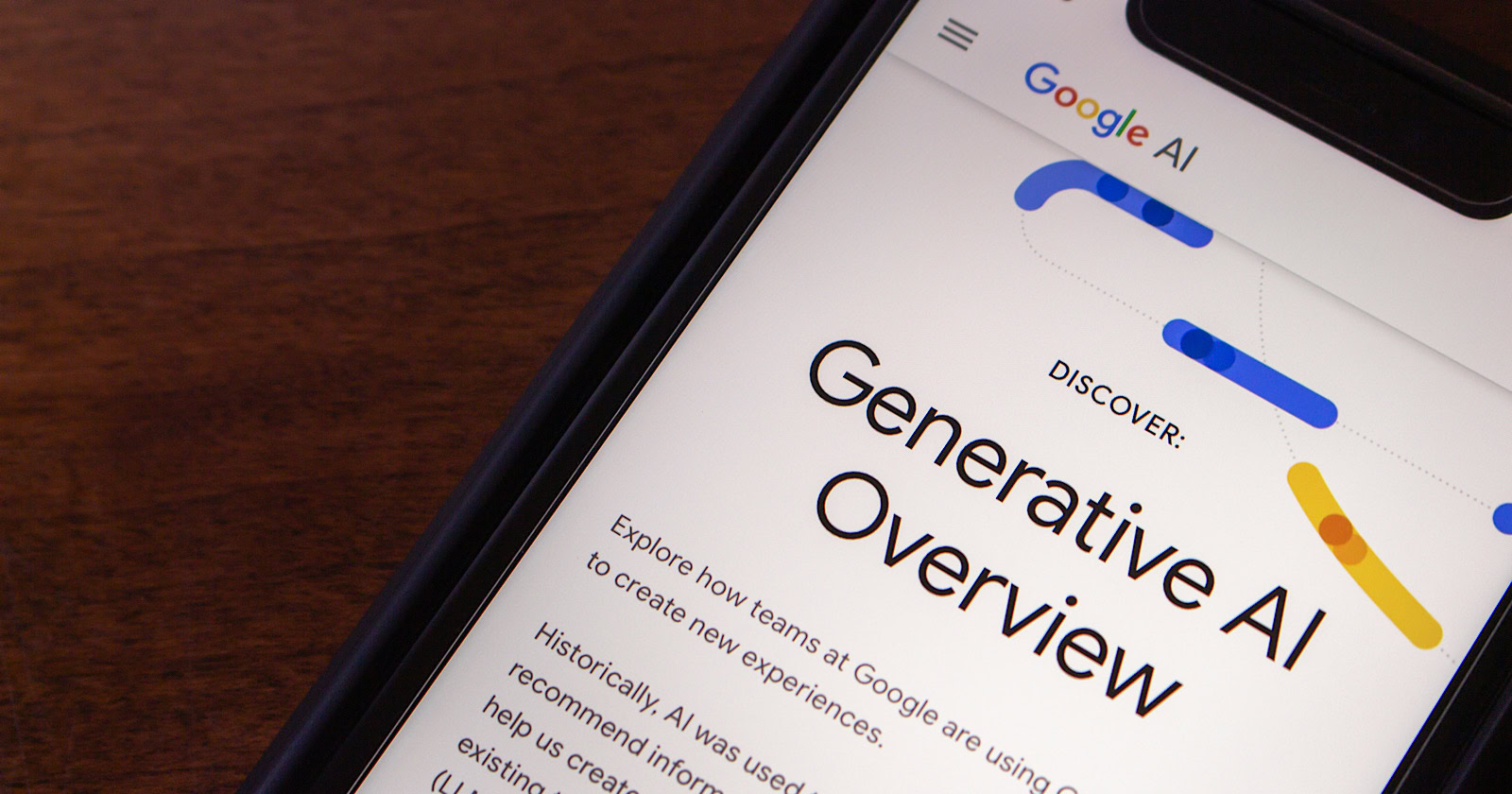
Google’s AI Fails 43% of Finance Queries

0

A Study Finds Significant Inaccuracies in Google’s AI-Generated Summaries for Finance Queries

A study by The College Investor finds significant inaccuracies in Google’s AI-generated summaries for finance queries.

Key Findings

The study evaluated AI overviews across various financial topics, including banking, credit, investing, taxes, and student loans.

The results showed:

  • 57% of AI overviews were accurate
  • 43% contained misleading or inaccurate information
  • 12% were completely incorrect
  • 31% were either misleading or missing crucial details

Areas of Concern

Researchers noted that the AI struggled most with nuanced financial topics, such as taxes, investing, and student loans.

Some of the most concerning issues included:

  • Outdated information on student loan repayment plans
  • Incorrect details about IRA contribution limits
  • Misleading statements regarding 529 college savings plans
  • Inaccurate tax information that could potentially lead to penalties if followed

Queries Google AI Got Right

Here are common themes:

  • Basic definitions and explanations: For example, “What is a wire transfer?” and “How does a credit card work?”
  • Simple, straightforward questions: Such as “Do I have to pay back student loans?”
  • Recent trending topics: Like “What was the Chase Glitch?”
  • General insurance questions: For instance, “When should I get life insurance?”

Queries Google AI Got Wrong

Here are common themes:

  • Complex tax topics: For example, “Can you use a 529 plan for a Roth IRA?” and “Does owning your house in an LLC help with taxes?”
  • Nuanced financial products: Such as “Is an IUL better than a 401k?”
  • Time-sensitive information: Like outdated student loan repayment plans or savings account rates.
  • State-specific financial rules: For instance, misrepresenting California’s 529 plan rules.
  • Questions requiring context-dependent answers: Such as “Can I file as independent for FAFSA?”
  • Queries about financial limits or thresholds: For example, incorrect IRA contribution limits.
  • Complex student loan topics: Particularly around forgiveness programs and repayment plans.
  • Investment comparisons: Like “Are annuities better than CDs?”

What This Means

Google’s AI performs well at giving straightforward answers to factual queries.

On the other hand, it struggles with nuanced understanding, up-to-date information, and consideration of multiple factors.

This suggests that the AI can handle basic financial literacy topics, but it’s unreliable for complex financial decisions or advice.

Potential Impact

Robert Farrington, founder of The College Investor, expressed concern about the findings, stating:

“If Google continues to present bad or misinformation about money topics to searchers, not only could it hurt their personal finances, but it could weaken already poor financial literacy in the United States.”

The study noted that following AI guidance could result in tax penalties or financial harm to consumers.

Looking Ahead

Searchers must exercise caution when relying on AI-generated summaries for financial decisions.

When questioned about instances of misinformation, Google has previously stated, “the vast majority of AI Overviews provide high-quality information.”

Conclusion

The study highlights the importance of verifying information before making financial decisions.

Consumers should be aware of the limitations of AI-generated summaries and seek additional sources of information to ensure accuracy.

FAQs

Q: What were the key findings of the study?

A: The study found that 43% of AI overviews contained misleading or inaccurate information, and 12% were completely incorrect.

Q: What financial topics did the study evaluate?

A: The study evaluated AI overviews across various financial topics, including banking, credit, investing, taxes, and student loans.

Q: What are the potential implications of this study?

A: The study suggests that relying on AI-generated summaries for financial decisions could result in tax penalties or financial harm to consumers.

Q: What does the study recommend?

A: The study recommends that consumers exercise caution when relying on AI-generated summaries for financial decisions and seek additional sources of information to ensure accuracy.

Best New Typefaces of 2024

0

Typography Trends of 2024

01. Proxima Nova

Proxima Nova was first choice for Steve Matteson, former creative type director of Monotype and founder of Matteson Typographics. With the addition of Arabic and Hebrew scripts, "this hugely popular design now has a global reach, which I think is really wonderful," says Steve.

02. GT Flaire

"Grilli Type is always smashing it out of the park," and has done with GT Flaire, designed by Reto Moser, says Kyle Wilkinson, director of Haus of Thrills. GT Flaire is a large family available in both serif and sans serif, an unusual choice for a font foundry and one that signifies a shift in graphic design beginning to move towards high-contrast designs.

03. Madcap

Madcap is a playful font that fills a gap in the market needed for professionally made fonts designed for less serious projects. Steve told us that both him and Mark Simonson usually work with global brands such as Microsoft and Google, meaning that a chance to create something fun like Madcap is always a relief.

04. Nebulica

Liz Mosley puts a spotlight on the strength of Taylor Penton’s fonts in 2024. As a previous designer for London School of Economics, a current brand designer and host for Adobe Live, Liz endorses Waffle Cone for its hand-drawn look.

05. Wingman

Wingman also stands out with its textured lines that celebrate its hand-drawn element. Liz also loves the texture of Wingman, and noted how valuable it is to find a playful font that’s also well-made and professional in the current marketplace.

06. Bebas Neue Pro

Danielle Clark, brand designer, brand strategist, previous co-host of the Birmingham Design Festival and previous visiting lecturer at Birmingham City University, loved the update Bebas had this year. The typeface has had years of professional popularity, with its first publication in 2005 and Bebas Neue being released five year later.

07. Comic Sands

This "parody version of Comic Sans" is one of Liz’s favourites. Comic Sands’ strength is its variation in x and y-heights that help to make your work appear hand-drawn while keeping the typeface clear and professional.

08. Open Sans

Open Sans is another favourite of Danielle’s. Originally designed by Steve Matteson in 2011, it has long been a staple, and its update this year proves its timeless place on the font scene.

Conclusion

In conclusion, the typography trends of 2024 have been all about shifting away from Swiss-inspired, minimalist designs and introducing more colourful, eccentric typefaces. We’ve seen typefaces inspired by illustration, and have even started to see an increasing amount of conceptual typography more concerned with its shape than legibility.

FAQs

Q: What are the main typography trends of 2024?
A: The main typography trends of 2024 are shifting away from Swiss-inspired, minimalist designs and introducing more colourful, eccentric typefaces.

Q: What are some popular fonts of 2024?
A: Some popular fonts of 2024 include Proxima Nova, GT Flaire, Madcap, Nebulica, Wingman, Bebas Neue Pro, Comic Sands, and Open Sans.

Q: What is the significance of Bebas Neue Pro’s update?
A: Bebas Neue Pro’s update is significant because it includes a lowercase script, making it a more versatile font.

Q: What is the strength of Comic Sands?
A: The strength of Comic Sands is its variation in x and y-heights that help to make your work appear hand-drawn while keeping the typeface clear and professional.

Perplexity Pro Worth the Subscription?

0

AI Commerce Experience Revolutionizes Online Shopping

A New Era in Shopping Search

AI search engines combine the conversational capabilities of chatbots with the web, creating a new, optimized search experience. Despite their proficiency in research, AI search engines fall short in certain areas, such as online shopping. However, Perplexity hopes to change that with its new feature.

Introducing Perplexity’s AI Commerce Experience

On Monday, Perplexity is rolling out what the company is calling a "first-of-its-kind AI commerce experience" in which users can research products via conversational prompts and image inputs, checkout with one click, and even get free shopping on all purchases.

How it Works

The biggest difference between a traditional shopping search experience and Perplexity’s shopping assistant is that when you ask a shopping-related question, you get comparisons in everyday language that feature a variety of reviews, "objective" answers, and product cards with the most relevant specs and items, according to the company.

Snap to Shop and Buy with Pro

The items featured on the product cards are not sponsored but are handpicked by AI to match the search prompt. Users also have the option of Snap to Shop; which allows users to take a photo of an item and ask Perplexity to visually find relevant products that match, similar to Google Lens. Using Buy with Pro, consumers can checkout with one click, requiring users to save their shipping and billing information just once.

Perplexity Pro

Other benefits of Perplexity Pro include access to at least 300 Pro Searches a day, a more robust search experience, access to the most popular and advanced AI models, including GPT-4o and Claude 3 Sonnet and Opus; API credit; and file analysis. The experience comes at a cost, retailing at $20 per month. Although subscriptions may seem steep, it does guarantee free shipping on all Buy with Pro purchases, which may help you get your money’s worth quickly.

Partnerships and Merchant Program

Perplexity shares that the shopping experience is powered by multiple partners, including Shopify, which provides Perplexity with the latest product information. Additionally, the company is introducing a free Perplexity Merchant Program, which allows merchants to share their product specs for the latest live details in the experience. Signing up is as easy as filling out the form.

Conclusion

Perplexity’s AI commerce experience is a game-changer in the world of online shopping. With its conversational search capabilities, Snap to Shop feature, and Buy with Pro option, users can now research and purchase products with ease. Although the subscription fee may seem steep, the benefits and free shipping on all purchases make it a worthwhile investment.

Frequently Asked Questions

Q: What is Perplexity’s AI commerce experience?
A: Perplexity’s AI commerce experience is a new way to research and purchase products online using conversational prompts and image inputs.

Q: How does Snap to Shop work?
A: Snap to Shop allows users to take a photo of an item and ask Perplexity to visually find relevant products that match.

Q: What are the benefits of Perplexity Pro?
A: Perplexity Pro offers access to at least 300 Pro Searches a day, a more robust search experience, access to advanced AI models, API credit, and file analysis.

Q: How much does Perplexity Pro cost?
A: Perplexity Pro retails at $20 per month.

Q: Is there a free version of Perplexity’s AI commerce experience?
A: Yes, the Perplexity Merchant Program is free and allows merchants to share their product specs for the latest live details in the experience.