Home Blog Page 629

Grammys CEO on Diversity, Streaming, and AI

0

Interview with Harvey Mason Jr.

Harvey Mason Jr. is the CEO of the Recording Academy, responsible for producing the Grammy Awards, as well as the charity MusiCares. He is a musician and producer in his own right, with credits including Destiny’s Child, Britney Spears, Michael Jackson, Girls’ Generation, and more. In this interview, Harvey discusses the Recording Academy, the Grammy Awards, the impact of AI on music, and the future of the music industry.

The Tension between Professionals and Consumers

I: One of the main themes I noticed is the tension between professional musicians and part of that community, and an audience of consumers and fans.

Harvey: That’s a great point. There are members who are super excited about AI and are already using it in their creative process. There are others who are scared because they feel like it’s going to take their place. And then there’s a group of people who are like, "Oh, this is great; I can make a whole album with AI!" We have to figure out a way to serve both camps.

AI and Its Impact on Music

I: AI has caused a lot of controversy, especially in the creative world. Our members are divided on this topic.

Harvey: AI is a part of that debate. There are those who say it’s the end of music as we know it, and then there are those who see the potential. As an industry, we need to be responsible and reasonable. How can we integrate AI in a way that doesn’t replace human creativity? The beauty of music, art, or creativity is that everybody creates differently.

The Future of the Music Industry

I: Who’s a young artist on the come-up that people should be paying attention to?

Harvey: I don’t want to single out anyone specific, but I can tell you that there are so many new creators making great music. We have new artists in hip-hop, rock, country, jazz, and more. These new artists are making it possible for us to experience music in ways we’ve never experienced before.

Conclusion

Harvey Mason Jr.’s experience in the music industry is one of excitement and nervousness as we navigate the changes brought by AI. He recognizes the tension between professionals and consumers and emphasizes the need to be responsible and reasonable as we integrate AI into music production. Harvey encourages creators to keep exploring new possibilities and for listeners to discover new music and artists.
Modern Masterpiece

0

Guggenheim Museum Unveils New Brand Identity

A Celebration of Artistic and Architectural Brilliance

Since its conception in 1939, the Guggenheim Museum has grown to become a global cultural brand, evolving with an increasing need for a strong unified visual identity. Aligning its historic vision and creative values across its four locations, the Guggenheim has unveiled a powerful new brand celebrating its enduring heritage with a refined contemporary flair.

A New Era for the Guggenheim

The best rebrands are a celebration of a brand’s identity, and Guggenheim’s new visuals are no different, spotlighting a unique global brand built upon artistic and architectural brilliance. With an authoritative new logo, refined typography, and a unified brand voice, the Guggenheim has been re-energized as a creative space for all with contemporary culture at its core.

The New Visual Identity

Created by Pentagram partner Harry Pearce, the new visual identity was shaped around the concept of "one brand, one constellation, one vision, and many experiences." The design was born of the strategic work by Jane Wentworth and came from the idea of creating a constellation of museums, with one harmonized visual language and identity.

The New Logo and Typography

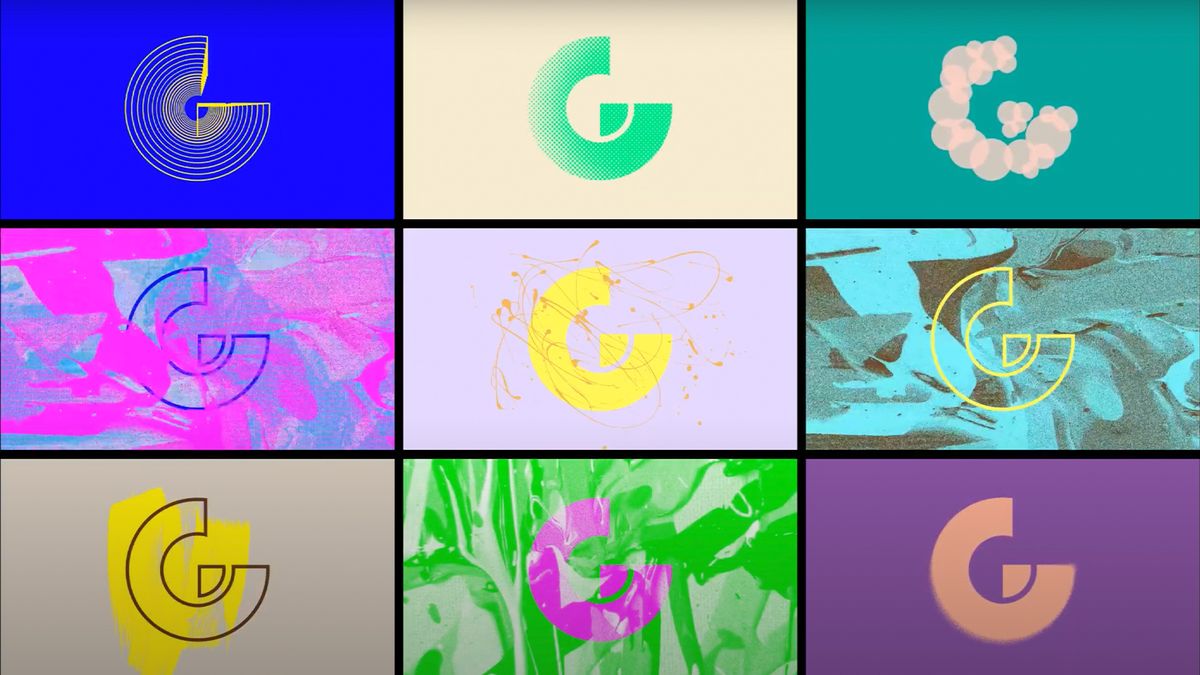
The new logo is a clean and authoritative wordmark that embodies heritage while maintaining a sleek modern appeal. Accompanying the logo is the new ‘G’ symbol – a figurative emblem that unites the constellation, proving a "simple, iconic sign-off, echoing the architectural form of the museums." The new primary typeface, Guggenheim Sans, creates a modern and accessible appeal across the new brand identity.

Amplification

The fresh brand identity is brought to life with the spirit of ‘Amplification,’ playing on the Guggenheim’s brand strategy "We amplify the power of many imaginations." The result is a sleek yet adaptable brand that unites the four locations without stripping them of their unique appeal – a united and flexible global identity that radiates contemporary flair.

Conclusion

The Guggenheim’s new visual identity is a testament to the power of design in rebranding and reinvigorating a global cultural institution. By aligning its historic vision and creative values, the museum has created a unified and flexible brand that celebrates its enduring heritage while embracing a refined contemporary flair.

Frequently Asked Questions

Q: What is the inspiration behind the new visual identity?
A: The new visual identity was shaped around the concept of "one brand, one constellation, one vision, and many experiences."

Q: What is the significance of the new logo and typography?
A: The new logo and typography embody heritage while maintaining a sleek modern appeal, creating a clean and authoritative wordmark that unites the constellation.

Q: What is the role of the ‘G’ symbol in the new visual identity?
A: The ‘G’ symbol is a figurative emblem that unites the constellation, proving a "simple, iconic sign-off, echoing the architectural form of the museums."

Q: What is the significance of the new brand strategy "Amplification"?
A: The brand strategy "Amplification" plays on the Guggenheim’s brand strategy "We amplify the power of many imaginations," highlighting the museum’s commitment to celebrating creativity and imagination.

The Gatekeepers of Codex

0

The Gatekeepers of Codex – Defending the Authorization Dome

The air was tense in the command center of Planet Codex. Arin stood by a console surrounded by holographic displays that pulsed and shimmered with streams of data. A warning beacon glowed ominously red, casting sharp shadows across the room. The Authorization Dome, the planet’s primary defense against unauthorized breaches, was under strain from relentless attempts by the shadowy forces of the Null Sect, entities known for exploiting vulnerabilities to infiltrate and corrupt.

“Today, we’re not just developers. We’re the gatekeepers,” Arin whispered, her voice resolute. The room seemed to draw a collective breath as she activated her console, ready to fortify the dome and defend against the incoming storm.

1. The Pillars of Authentication

Arin’s mind raced through the various layers that formed the defense of the Authorization Dome. Each method had its purpose and strength, a unique piece of the puzzle that kept the digital fortress secure.

Basic Authentication: The First Gate

In the archives of Codex’s history, Basic Authentication had once sufficed—a simple barrier where Users presented their credentials at the gate. But today, Arin knew this wasn’t enough.

The Captain’s Warning: “Guard them well, Cadet. A stolen token is like a counterfeit pass—it looks legitimate but hides treachery.”

Example: const credentials = btoa(‘username:password’); fetch(‘/api/secure-data’, { headers: { ‘Authorization’: Basic ${credentials} } });

2. Token-Based Authentication: The Pass of Trust

Arin activated the Token Issuance Protocol, watching as User credentials transformed into glowing JSON Web Tokens (JWTs), unique keys that granted access for a limited time.

Example: const jwt = require(‘jsonwebtoken’); const token = jwt.sign({ userId: user.id }, process.env.JWT_SECRET, { expiresIn: ‘1h’ }); localStorage.setItem(‘authToken’, token);

3. Multi-Factor Authentication: The Second Layer

Adding an extra layer of verification, Arin implemented Two-Factor Authentication (MFA) to strengthen the defense.

Example: const otp = require(‘otp’); const token = otp.generateSecret(); User.authToken = token; User.save();

4. Monitoring: The Watchful Eye

To stay ahead of potential breaches, Arin set up monitoring tools to capture key auth metrics and analyze for threats.

Example: Sentry, Datadog, Audit Logs

5. Performance and Security: The Balance Act

Arin knew that too much security could throttle performance. “Security must be seamless, almost invisible,” she thought. “Only felt when it fails.”

Example: const rateLimit = require(‘express-rate-limit’); const loginLimiter = rateLimit({ windowMs: 15 60 1000, max: 5 }); app.post(‘/login’, loginLimiter, loginHandler);

6. The Guardian’s Balance: Performance and Security

As the final layer, Arin implemented rate limiting to prevent malicious overloads that could weaken the Dome.

Example: rateLimit({ windowMs: 15 60 1000, max: 5 })

Conclusion: The Dome Stands Strong

The hum of the Authorization Dome intensified, its glow casting a protective light across the horizon. Unauthorized attempts fizzled as they met the dome’s unwavering defense, redirected and neutralized.

Captain Lifecycle’s voice resonated through the chamber, softer now. “You’ve done it, Arin. The gates are secure. Codex stands because of your vigilance.”

Arin exhaled, eyes fixed on the horizon. She knew the battle for security was never truly over, but today, the Dome stood impenetrable—a testament to the trust Codex placed in its defenders and the strength they returned.

Key Takeaways for Developers

Aspect Best Practice Examples/Tools Purpose & Benefits
Auth Lifecycle Implement secure and efficient token management JWT, httpOnly cookies Maintains secure sessions while reducing vulnerabilities.
Token Management Store and refresh tokens responsibly Secure cookies, refresh tokens Prevents XSS/CSRF vulnerabilities, ensuring continuity.
MFA Add an extra layer of verification OTPs, Authenticator apps Strengthens access security with minimal user friction.
Monitoring Capture key auth metrics and analyze for threats Sentry, Datadog, Audit Logs Early detection of potential breaches and improved security.
Performance & Security Implement rate limiting and optimize security layers Rate limiting, SSL/TLS Ensures app performance remains smooth while protected.

Arin stepped away from the console, knowing the fight wasn’t over. But for now, Codex was safe, and she was ready for whatever new challenges lay ahead.

India’s First AI Humanoid Teacher ‘Iris’ Starts Teaching in Kerala

0

In a groundbreaking move, Kerala’s education sector takes a leap forward with the introduction of Iris, India’s first AI teacher humanoid robot. Developed by Makerlabs Edutech in collaboration with KTCT Higher Secondary School, Iris heralds a new era in personalized and interactive learning experiences.

Also Read: Google Launches New AI-Powered Features to Empower Education

Unveiling Iris: A Leap in Education Technology

Kerala’s KTCT Higher Secondary School, in partnership with Makerlabs Edutech, unveils Iris, a humanoid AI teacher. Iris marks a significant milestone in education technology, offering personalized voice assistance and interactive learning experiences. Equipped with advanced features, Iris is set to redefine the traditional classroom dynamic.

Iris: Redefining the Learning Landscape

With the integration of AI technology, Iris transcends conventional teaching methods by catering to diverse learning styles and providing tailored educational support. Its ability to answer complex questions across various subjects makes learning more accessible and engaging for students. Moreover, Iris’ mobility, facilitated by wheels, enhances its adaptability within the classroom environment.

Also Read: Generative AI in Education: A Case Study of Khan Academy

The Makerlabs Vision: Pushing Boundaries in Education

Makerlabs Edutech envisions Iris as a versatile teaching tool that empowers educators to deliver dynamic and effective lessons. By harnessing Robotics and Generative AI technologies, Iris offers seamless performance and responsiveness. Makerlabs’ commitment to innovation underscores its dedication to shaping the future of education through groundbreaking advancements like Iris.

Iris: A Glimpse into the Future of Education

As Iris makes its debut in Kerala’s classrooms, it sparks curiosity and excitement among students and educators alike. While the long-term impact of AI in education remains to be seen, Iris represents a promising glimpse into the future of learning. By blending human expertise with technological innovation, Iris exemplifies the transformative potential of AI in fostering a dynamic and student-centric educational environment.

Also Read: Unpacking the Essence of AI Education and Innovation with Sebastian Raschka

Our Say

The introduction of India’s first AI teacher, Iris, marks a watershed moment in Kerala’s educational landscape. It showcases the state’s commitment to embracing innovation in education. As Iris takes its place alongside human educators, it symbolizes not a replacement but a complement to traditional teaching methodologies. Kerala’s bold step towards integrating AI in education sets a precedent for other regions to follow, ushering in a new era of personalized and interactive learning experiences.

Follow us on Google News to stay updated with the latest innovations in the world of AI, Data Science, & GenAI.

K.C. Sabreena Basheer

Sabreena Basheer is an architect-turned-writer who’s passionate about documenting anything that interests her. She’s currently exploring the world of AI and Data Science as a Content Manager at Analytics Vidhya.

MSN Logo Takes a Trip Back in Time

0

MSN Revives Its Nostalgic Logo After 30 Years

Wait, what year is it in again? I know Y2K is big right now, but it seems we’ve reached a peak. Microsoft’s web portal MSN is back almost thirty years after its launch, and it has a nostalgic logo to mark the occasion.

A Blast from the Past

First launched with Windows 95, MSN is being revived to provide Microsoft’s shopping and gaming services along with the Bing search engine and news and sports aggregation. The last major MSN logo redesign was ten years ago back in 2014, so it makes sense for Microsoft to signal MSN’s resurrection with a design refresh, but some are surprised about how familiar it looks (see the history of the MSN logo below, and see our pick of the best logos of the 2000s for more Y2K magic).

A Look Back at the MSN Logo Evolution

The MSN butterfly was introduced in 2000(Image credit: Microsoft)

MSN logoMSN’s logo was redesigned in 2009(Image credit: Microsoft)

MSN logo in blackIn 2014, MSN was given a more serious, minimalist look(Image credit: Microsoft)

The Revival of MSN

MSN never went away completely. The name, which stands for Microsoft Network if you’re wondering, was gradually dropped from services like MSN Messenger, Hotmail, and Search (now Skype, Outlook and Bing, respectively). However, the news portal remained online, although most content redirected to Microsoft’s Start.

But now the Start webpage is showing MSN branding, while opening a new tab in Edge, Microsoft’s browser, now brings up MSN. We’re not sure if the Microsoft Start mobile apps will also transition to MSN, but it seems it would make most sense to transition all news and content aggregation back to the MSN brand.

Conclusion

Microsoft’s revival of MSN is an interesting move, as the brand is more connected with the past than the present. However, nostalgia is a powerful force, and many users will likely be drawn to the familiar logo and branding. Only time will tell if this move will be successful, but for now, it’s a nod to the past and a chance for Microsoft to connect with its heritage.

FAQs

Q: What is MSN?
A: MSN stands for Microsoft Network and is a web portal that provides news, sports, and entertainment content.

Q: What services will MSN provide?
A: MSN will provide Microsoft’s shopping and gaming services, as well as Bing search engine and news and sports aggregation.

Q: Will the Microsoft Start mobile apps transition to MSN?
A: We’re not sure, but it seems it would make most sense to transition all news and content aggregation back to the MSN brand.

Hacked Routers Used in Yearslong Account Takeovers

0

Hackers Use Botnet of Thousands of Devices to Perform Evasive Password Spray Attacks

Hackers working on behalf of the Chinese government are using a botnet of thousands of routers, cameras, and other Internet-connected devices to perform highly evasive password spray attacks against users of Microsoft’s Azure cloud service, the company warned Thursday.

Botnet-7777: A Geographically Dispersed Collection of Compromised Devices

The malicious network, made up almost entirely of TP-Link routers, was first documented in October 2023 by a researcher who named it Botnet-7777. The geographically dispersed collection of more than 16,000 compromised devices at its peak got its name because it exposes its malicious malware on port 7777.

Account Compromise at Scale

In July and again in August of this year, security researchers from Sekoia.io and Team Cymru reported the botnet was still operational. All three reports said that Botnet-7777 was being used to skillfully perform password spraying, a form of attack that sends large numbers of login attempts from many different IP addresses. Because each individual device limits the login attempts, the carefully coordinated account-takeover campaign is hard to detect by the targeted service.

Microsoft Reports CovertNetwork-1658: A Highly Evasive Botnet

On Thursday, Microsoft reported that CovertNetwork-1658—the name Microsoft uses to track the botnet—is being used by multiple Chinese threat actors in an attempt to compromise targeted Azure accounts. The company said the attacks are “highly evasive” because the botnet—now estimated at about 8,000 strong on average—takes pains to conceal the malicious activity.

Characteristics That Make Detection Difficult

  • The use of compromised SOHO IP addresses.
  • The use of a rotating set of IP addresses at any given time. The threat actors had thousands of available IP addresses at their disposal. The average uptime for a CovertNetwork-1658 node is approximately 90 days.
  • The low-volume password spray process; for example, monitoring for multiple failed sign-in attempts from one IP address or to one account will not detect this activity.

Conclusion

The botnet, CovertNetwork-1658, is a highly evasive and sophisticated tool used by Chinese threat actors to compromise targeted Azure accounts. The use of compromised SOHO IP addresses, rotating IP addresses, and low-volume password spray process makes it difficult to detect. It is essential for organizations to be aware of this threat and take necessary measures to protect their accounts and data.

FAQs

Q: What is CovertNetwork-1658?
A: CovertNetwork-1658 is a botnet used by multiple Chinese threat actors to compromise targeted Azure accounts.

Q: What is Botnet-7777?
A: Botnet-7777 is the original name given to the botnet by a researcher who first documented it in October 2023.

Q: How many compromised devices are part of the botnet?
A: At its peak, the botnet had more than 16,000 compromised devices, but it is now estimated to be around 8,000 strong on average.

Q: What is password spraying?
A: Password spraying is a form of attack that sends large numbers of login attempts from many different IP addresses to compromise accounts.

Q: How can organizations protect themselves from this threat?
A: Organizations can protect themselves by being aware of this threat, monitoring their accounts and data closely, and taking necessary measures to secure their Azure accounts.

Elon Musk to Lead American AI Policy

0

Efforts to Influence President-elect Donald Trump’s Policies via Elon Musk

Efforts to influence President-elect Donald Trump’s policies via Elon Musk are already beginning. On Friday, nonprofit AI advocacy group Americans for Responsible Innovation (ARI) launched a public petition asking Trump to make Musk his special adviser on AI, saying he is well positioned to protect the US lead on the technology while ensuring it’s rolled out safely.

Musk’s Stance on AI

Musk has been a leading critic of OpenAI, a company he cofounded but more recently has distanced himself from and made into an opponent. Shortly after the release of ChatGPT, he signed onto a letter calling for a moratorium on the development of more advanced generative AI models in order to implement safeguards. Critics say his stances are largely self-interested, however, since he also runs his own AI company, xAI.

ARI’s Petition

The ARI petition says it’s possible to deal with Musk’s conflicts of interest, arguing that with “proper mechanisms” to do so, “Musk would be an invaluable asset for helping the Trump administration navigate the development of this transformational technology.” ARI is aiming to get 10,000 signatures on the petition.

Musk’s Potential Role in the Trump Administration

“Musk could emerge as a champion for AI safety in the administration,” ARI policy analyst David Robusto wrote in a recent blog post. Robusto pointed to Musk’s cofounding of OpenAI, his call for a moratorium on AI development, and support of California’s vetoed AI safety bill SB 1047 as reasons to believe his commitment to safety is deep-rooted. Robusto concedes that Musk hasn’t said much about what kinds of government policies should actually be implemented — besides the creation of a dedicated AI safety agency — but says his “lack of specificity suggests his thinking on the topic is evolving and can still be shaped by public debate over the issue.”

Musk’s Previous Claim

Musk has previously claimed he’ll join the Trump administration in a role he created from whole cloth: the head of a new Department of Government Efficiency (DOGE), whose role would be to gut the entire US regulatory system. But Robusto hopes he could promote AI safety even in that capacity — if only by hitting the departments that manage it less hard. Robusto says Musk may spare agencies key to AI safety policy like the National Institute of Standards and Technology (NIST) from cuts to federal spending. And if Musk imposes mass layoffs across the government to save costs, the government may lean more on AI tools to make up the workload.

Conclusion

With proper guardrails in place, Musk’s unique combination of technical expertise and safety advocacy could be a valuable asset in developing responsible AI governance. However, critics argue that his stances are largely self-interested and that his appointment as special adviser on AI would be a conflict of interest.

FAQs

Q: What is Americans for Responsible Innovation (ARI)?
A: ARI is a nonprofit AI advocacy group.

Q: What is the purpose of ARI’s petition?
A: The petition is asking Trump to make Elon Musk his special adviser on AI.

Q: What are Elon Musk’s stances on AI?
A: Musk has been a leading critic of OpenAI and has called for a moratorium on the development of more advanced generative AI models in order to implement safeguards.

Q: What is the potential role of Elon Musk in the Trump administration?
A: Musk could emerge as a champion for AI safety in the administration, but critics argue that his appointment would be a conflict of interest.

Q: What is the Department of Government Efficiency (DOGE)?
A: DOGE is a role created by Elon Musk that would involve gutting the entire US regulatory system.

Insurance Post-Pandemic Focus

0

Insurance Industry in Flux: Key Findings from IBM’s Survey

The New Reality

Last year was an unusual one for every industry, and not least insurance. Even if carriers weren’t dealing with all the disruptions of the pandemic, they’d still have faced historic levels of natural disasters and generational economic shifts throwing their business into flux.

More Agile Insurers

Over the next two to three years, the insurance executives surveyed placed the ability to act decisively ahead of such considerations as improving data transparency, securing data systems, and establishing greater accountability. 56% of insurance executives ranked agility and flexibility in their operations as a top priority.

Insurance Everywhere

As insurers seek a digital advantage for their still very real-world business, sensors, and the ability to connect and monitor them, have become a top priority. At least three-quarters placed a priority on IoT and cloud. The survey asked which technologies will most help them deliver the results they need over the next 2–3 years, and 87% chose IoT initiatives, followed by 77% selecting cloud.

Empowered Employees

Compared to other industries, where fewer than half stressed work-life balance, this is obviously a high priority for carriers. 63% of executives said work-life balance was their top employee engagement issue. Fostering a sense of belonging and providing tools to help employees cope with both a fast-changing industry and world, are increasingly crucial to success.

The Risks of Cybersecurity

While insurance executives placed cyber risk as the top challenge they could face over the next two to three years, less than half were confident they had the technology to deal with it. Only 43% of insurance executives believe technology can make an impact on cyberthreats. Securing this vital information will only grow in importance.

Conclusion

The insurance industry is at a crossroads, with carriers seeking to adapt to a rapidly changing market. Agility, innovation, and empowered employees will be key to success. As insurers navigate the challenges of cybersecurity, IoT, and cloud, they must prioritize finding the best solutions that allow their apps and claims systems to run uninterrupted.

Frequently Asked Questions

Q: What is the top priority for insurance executives in terms of operations?
A: Agility and flexibility in operations, with 56% of executives ranking it as a top priority.

Q: What technologies do insurance executives prioritize?
A: IoT initiatives (87%), cloud (77%), and AI (more than half expect it to become one of their core technologies over the next two to three years).

Q: What is the top employee engagement issue for insurance executives?
A: Work-life balance, with 63% of executives citing it as their top concern.

Q: How confident are insurance executives in their ability to deal with cyber threats?
A: Only 43% of insurance executives believe technology can make an impact on cyberthreats.

Building the Future with DIY Robotics

The Evolution of Industrial Robots – From Industrial Robot 1.0 to Industrial Robot 4.0

Industrial robots have come a long way since their inception. The first generation of industrial robots, known as Industrial Robot 1.0, were primarily used for simple tasks such as pick and place operations. These robots were characterized by their limited range of motion and lack of intelligence.

Benefits of Embracing Industrial Robots 4.0

Embracing Industrial Robots 4.0 offers numerous benefits to companies across various industries. Firstly, these robots significantly improve productivity and efficiency by automating repetitive tasks. By offloading mundane tasks to robots, human workers can focus on more strategic and creative aspects of their work, leading to increased innovation and productivity.

DIY Robotics and Its Role in Empowering Companies

One of the key drivers behind the adoption of Industrial Robot 4.0 is the solution offered by DIY robotics. DIY robotics standardized, mobile, and modular robotic cell empowers companies to take control of their automation needs by providing them with the tools and resources to build and customize their own robots. This approach gives companies the flexibility to create robotic solutions tailored to their specific requirements.

How DIY Robotics is Changing the Landscape of Industrial Robotics

The emergence of DIY robotics has paved the way for a new era in industrial robotics. Traditionally, companies had to rely on external vendors to design, develop, and deploy industrial robots. This process was often time-consuming, expensive, and lacked the flexibility to meet evolving needs. However, with DIY robotics, companies can now leverage off-the-shelf components and open-source software to build their own robots, reducing costs and lead times.

Core and Capabilities of DIY Robotics

DIY robotics offers a wide range of features and capabilities that enable companies to build highly advanced and customized robots. These features include modular design, plug-and-play components, and intuitive programming interfaces.

Challenges and Considerations When Implementing DIY Robotics

While DIY robotics offers numerous advantages, it is important for companies to be aware of the challenges and considerations involved. One of the main challenges is the need for technical expertise. Building and programming robots requires a certain level of technical knowledge and skills.

Embracing the Future with DIY Robotics

As we move towards the future, robotics will play a significant role in empowering companies to embrace productivity and efficiency. By leveraging the flexibility and customization offered by DIY Robotics, companies can achieve higher levels of productivity, efficiency, and innovation. The benefits are numerous, from reduced costs and improved safety to enhanced product quality and customer satisfaction.

Conclusion

In conclusion, the evolution of industrial robots has come a long way, from simple tasks to complex automation solutions. The emergence of DIY robotics has opened up new opportunities for companies to take control of their automation needs, reduce costs, and improve productivity. As we move forward, it is essential to be aware of the challenges and considerations involved and to leverage the benefits of DIY robotics to achieve success.

Frequently Asked Questions

Q: What is DIY robotics?
A: DIY robotics is a solution that enables companies to build and customize their own robots using standardized, mobile, and modular robotic cells.

Q: What are the benefits of DIY robotics?
A: The benefits of DIY robotics include reduced costs, improved productivity, and increased flexibility.

Q: What are the challenges of implementing DIY robotics?
A: The challenges of implementing DIY robotics include the need for technical expertise and the potential for complexity.

Q: What is the future of industrial robotics?
A: The future of industrial robotics is expected to be shaped by the emergence of DIY robotics, which will enable companies to take control of their automation needs and achieve higher levels of productivity and efficiency.

The Penguin Logo’s Hidden Meaning

0

The Penguin’s Hidden Logo Design

A Clever Detail in the Title Font

HBO’s The Penguin, a spin-off from The Batman (2022), has received generally favourable reviews since its release in September. However, people are just noticing what appears to be a clever detail in the logo design.

The Hidden Beak

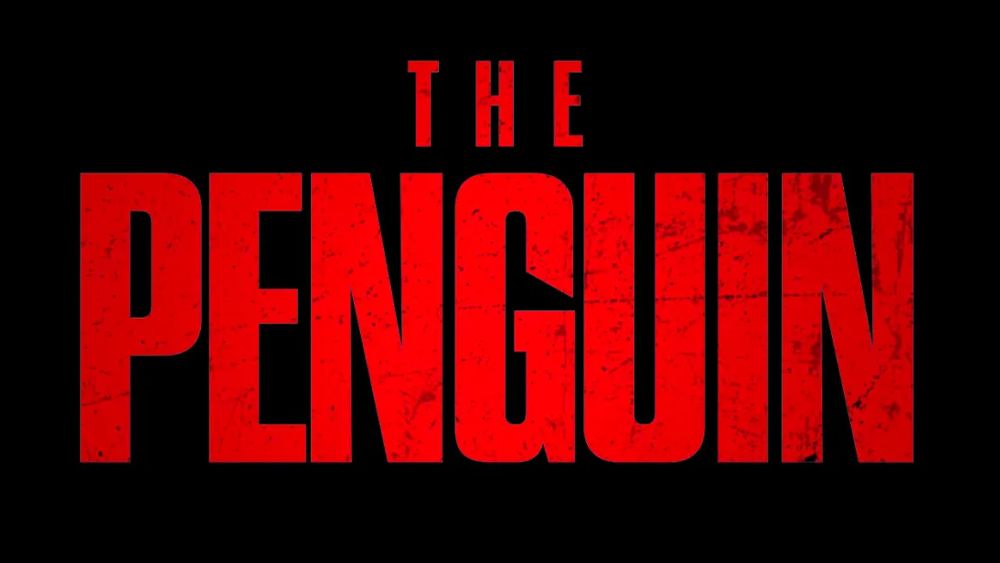
The negative space in the ‘G’ in The Penguin title font appears to reference the series’ protagonist, and perhaps even the actor behind the prosthetics. It seems that may be a happy accident, but one that the makers of the series have decided to exploit.

Reddit Discovery

As noticed on Reddit, The ‘G’ in the typography design for The Penguin appears to feature the shape of a beak in the negative space – a neat reference to the title character. And some people think that more than just referencing Oz Cobb’s moniker, the design also references his physical profile.

A Happy Coincidence?

It seems that little Easter Egg may have been a happy coincidence. Like The Batman logo before it, The Penguin logo appears to be based on the typeface PL Fiorello Condensed, which has similar angles on some other letters. But it seems makers of the series also noticed and made clever use of the connection, overlaying the font on actor Colin Farrell’s profile in one episode.

Conclusion

The clever design of The Penguin’s logo is a testament to the attention to detail that goes into creating a successful TV show. The use of negative space to create a beak shape in the ‘G’ is a subtle yet effective reference to the title character, and the fact that it may also reference Colin Farrell’s profile is a nice touch. Whether it was intentional or not, the design has certainly caught the attention of fans and designers alike.

FAQs

Q: What is the name of the typeface used in The Penguin logo?
A: The Penguin logo appears to be based on the typeface PL Fiorello Condensed.

Q: Was the beak shape in the ‘G’ intentional?
A: It seems that the beak shape may have been a happy coincidence, but the makers of the series have decided to exploit it.

Q: Has the design been noticed by fans and designers?
A: Yes, the design has been noticed by fans and designers, with many praising its cleverness and attention to detail.

Q: Will this design influence future TV logo designs?
A: Only time will tell, but it’s likely that designers will take inspiration from The Penguin’s clever logo design in the future.