Home Blog Page 75

Chrome Extensions with 4 Million Installs Exposed

Suspicious Chrome Extensions with Millions of Installs

Highly Obfuscated Code Raises Concerns

The extensions share other dubious or suspicious similarities. Much of the code in each one is highly obfuscated, a design choice that provides no benefit other than complicating the process for analyzing and understanding how it behaves.

Unlisted and Featured Extensions

All but one of them are unlisted in the Chrome Web Store. This designation makes an extension visible only to users with the long pseudorandom string in the extension URL, and thus, they don’t appear in the Web Store or search engine search results. It’s unclear how these 35 unlisted extensions could have fetched 4 million installs collectively, or on average roughly 114,000 installs per extension, when they were so hard to find.

"Featured" Extensions with Questionable Behavior

Additionally, 10 of them are stamped with the “Featured” designation, which Google reserves for developers whose identities have been verified and “follow our technical best practices and meet a high standard of user experience and design.”

Example: Fire Shield Extension Protection

One example is the extension Fire Shield Extension Protection, which, ironically enough, purports to check Chrome installations for the presence of any suspicious or malicious extensions. One of the key JavaScript files it runs references several questionable domains, where they can upload data and download instructions and code:

URLs that Fire Shield Extension Protection references in its code.

Credit:
Secure Annex

Common Domain

One domain in particular—unknow.com—is listed in the remaining 34 apps.

Analysis and Conclusions

Tuckner tried analyzing what extensions did on this site but was largely thwarted by the obfuscated code and other steps the developer took to conceal their behavior. When the researcher, for instance, ran the Fire Shield extension on a lab device, it opened a blank webpage. Clicking on the icon of an installed extension usually provides an option menu, but Fire Shield displayed nothing when he did it. Tuckner then fired up a background service worker in the Chrome developer tools to seek clues about what was happening. He soon realized that the extension connected to a URL at fireshieldit.com and performed some action under the generic category “browser_action_clicked.” He tried to trigger additional events but came up empty-handed.

Conclusion

The suspicious Chrome extensions with millions of installs raise questions about the security and trustworthiness of the Chrome Web Store. The highly obfuscated code, unlisted and featured extensions, and questionable behavior of some extensions suggest that something is amiss.

FAQs

Q: What is the purpose of the suspicious Chrome extensions?

A: The purpose of the extensions is unclear, but they appear to be collecting data and potentially uploading it to various domains.

Q: How did these extensions manage to accumulate 4 million installs?

A: It is unclear how these extensions managed to accumulate 4 million installs, given that most of them are unlisted in the Chrome Web Store.

Q: What is the significance of the "Featured" designation?

A: The "Featured" designation is typically reserved for developers whose identities have been verified and who follow Google’s best practices and meet high standards of user experience and design.

Q: What should users do if they have installed one of these extensions?

A: Users who have installed one of these extensions should remove it immediately and run a virus scan to check for potential malware.


OpenAI is Winding Down its GPT-4 AI Model in ChatGPT

0

OpenAI to Retire GPT-4 Model from ChatGPT

Upcoming Replacement with GPT-4o

OpenAI will soon retire GPT-4, an AI model it launched over two years ago, from ChatGPT, the company announced in a changelog on Thursday. Effective April 30, GPT-4 will be “fully replaced” by GPT-4o, the current default model for ChatGPT, OpenAI said. However, GPT-4 will remain available in OpenAI’s API.

Improved Performance of GPT-4o

“In head‑to‑head evaluations, [GPT-4o] consistently surpasses GPT‑4 in writing, coding, STEM, and more,” wrote OpenAI in the changelog. “Recent upgrades have further improved GPT‑4o’s instruction following, problem solving, and conversational flow, making it a natural successor to GPT‑4.”

Background of GPT-4

GPT-4 rolled out in March 2023 for ChatGPT, and also for Microsoft’s Copilot chatbot on the web. Several versions of GPT-4 had multimodal capabilities, allowing them to understand both images and text — a first for a widely deployed OpenAI model.

Cost and Controversy Surrounding GPT-4

OpenAI CEO Sam Altman has said that GPT-4, which is reportedly massive in size, cost more than $100 million to train. It was succeeded by GPT-4 Turbo in November 2023, a faster and cheaper model. GPT-4 is one of the models at the heart of copyright disputes between OpenAI and publishers including The New York Times. Publishers allege that OpenAI trained GPT-4 on their data without their knowledge or consent. OpenAI claims that fair use doctrine shields it from liability.

Future Developments in ChatGPT

GPT-4’s coming retirement will likely follow the release of new models in ChatGPT. According to reverse engineer Tibor Blaho, OpenAI is readying a family of models called GPT-4.1 — GPT-4.1 mini, GPT-4.1 nano, and GPT-4.1 — as well as the o3 “reasoning” model the company announced in December and a new reasoning model called o4-mini.

Conclusion

The retirement of GPT-4 marks a significant development for OpenAI and the future of its ChatGPT platform. The introduction of GPT-4o is expected to bring improved performance and capabilities to the platform, but the controversy surrounding GPT-4’s training data and copyright disputes may continue to be a concern for the company.

FAQs

Q: What is GPT-4?

A: GPT-4 is an AI model that was launched over two years ago by OpenAI for use in its ChatGPT platform.

Q: What is GPT-4o?

A: GPT-4o is the current default model for ChatGPT, which will replace GPT-4 on April 30. It is said to have improved performance and capabilities compared to GPT-4.

Q: Why is GPT-4 being retired?

A: OpenAI is retiring GPT-4 to introduce a new, improved model that offers better performance and capabilities. GPT-4 will remain available in OpenAI’s API.

Q: What is the cost of GPT-4?

A: According to OpenAI CEO Sam Altman, GPT-4 cost more than $100 million to train.

Q: What is the future of GPT-4 in the face of copyright disputes?

A: The controversy surrounding GPT-4’s training data and copyright disputes may continue to be a concern for OpenAI, despite the introduction of new models and the retirement of GPT-4.

David Fincher’s Weird Xbox Ad

0

The Return of the Weird: Microsoft’s New Xbox Ad Harks Back to the Early 2000s

A Blast from the Past

Remember how wild video game ads were back in the early 2000s? Sony hired David Lynch to direct an Eraserhead-inspired PS2 ad, and an Xbox 360 advert featured a newborn baby being catapulted into a grave by its own umbilical cord. Today, it’s hard to believe that some of the ads from that era got approved, but many gamers have a fondness for those times when gaming ads were creative, thought-provoking, or just plain weird.

A Sign of the Times

It’s a sign of how things have changed that the most interesting gaming ad we’ve seen lately was the amusing live-action Assassin’s Creed Shadows ad from Ubisoft Brazil. But now Microsoft has brought in David Fincher, director of Seven and Fight Club, for a new Xbox ad that harks back to those days of big-budget weirdness.

The New Xbox Ad

Xbox’s new commercial was directed by Fincher and Romain Chassaing. It shows the morning routine of a humanoid rat as he gets up and heads to work. He skulks through a dreary day in the city and at the office in classic Fincher dull muted colours. There are occasional glimpses of mysterious gamers, the only humans among the rats.

The Message Behind the Ad

That’s until the protagonist gets home, flicks on his Xbox and suddenly becomes human. ‘We’re all human inside,’ the slogan reads. Microsoft describes it as a "wonderfully off-beat fairy tale" in which Horatio the a rat "rekindles his humanity through the joy of gaming." A much-needed dose of fun transforms Horatio into the human he always was when he "powers on his Xbox on his Samsung OLED TV."

A Dystopian Twist

The ad is a clear allusion to the classic rat race metaphor. The suggestion that a games console can help us reconnect with our inner human more than any day-to-day physical contact with actual humans is a little dystopian, but the ad does feel like a return to those days when gaming ads took chances and got people talking.

A Blast from the Past

That seems to have been welcomed by fans, with many commenting on the YouTube video to say how it brings back memories of the Xbox 360 and more grungy early 2000s aesthetics. Let’s take the opportunity to recall a couple of the weirdest console ads from that era: Xbox’s Life is Short and PlayStation’s Welcome to the Third Space.

Conclusion

Microsoft’s new Xbox ad is a nostalgic nod to the weird and wonderful world of gaming ads from the early 2000s. It’s a sign of how times have changed, and how much we miss the creativity and risk-taking that made gaming ads so memorable.

FAQs

Q: Who directed the new Xbox ad?

A: The new Xbox ad was directed by David Fincher and Romain Chassaing.

Q: What is the message behind the ad?

A: The ad suggests that a games console can help us reconnect with our inner human more than any day-to-day physical contact with actual humans.

Q: What are some of the weirdest console ads from the early 2000s?

A: Some of the weirdest console ads from the early 2000s include Xbox’s Life is Short and PlayStation’s Welcome to the Third Space.

Q: What is the title of the new Xbox ad?

A: The title of the new Xbox ad is not explicitly mentioned in the article, but it is referred to as a "brand trailer" and a "wonderfully off-beat fairy tale".

Sergio Khazov 3D Art of the Week

0

Sergio Khazov’s 3D Character Art

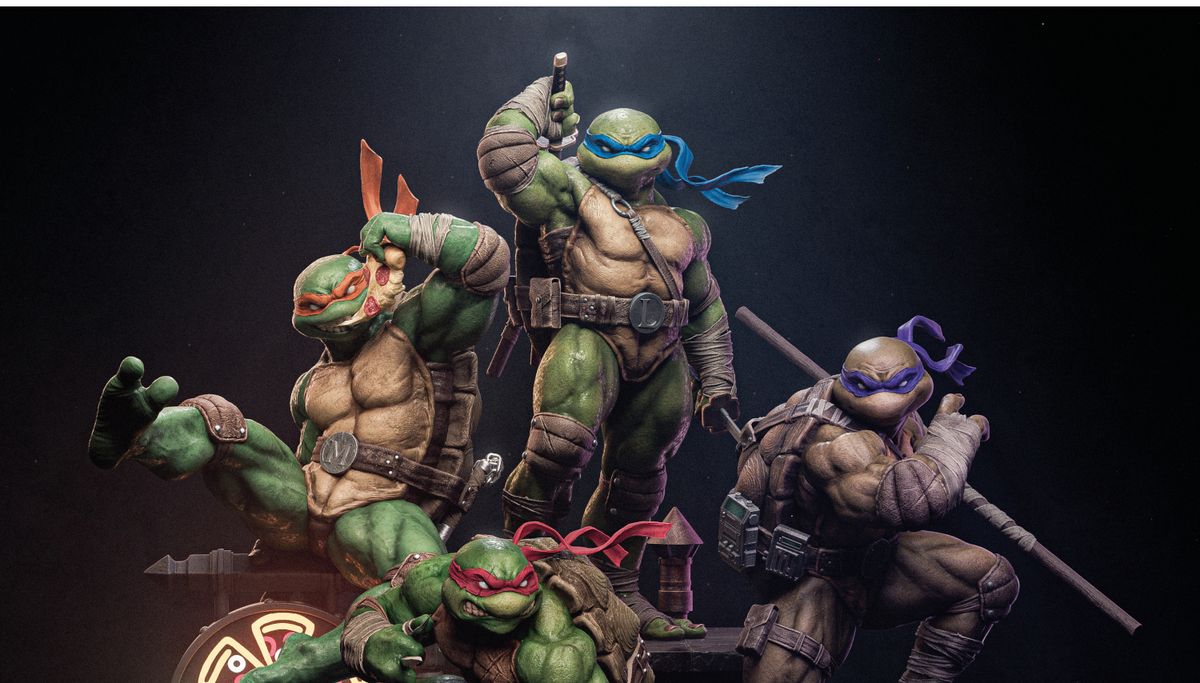
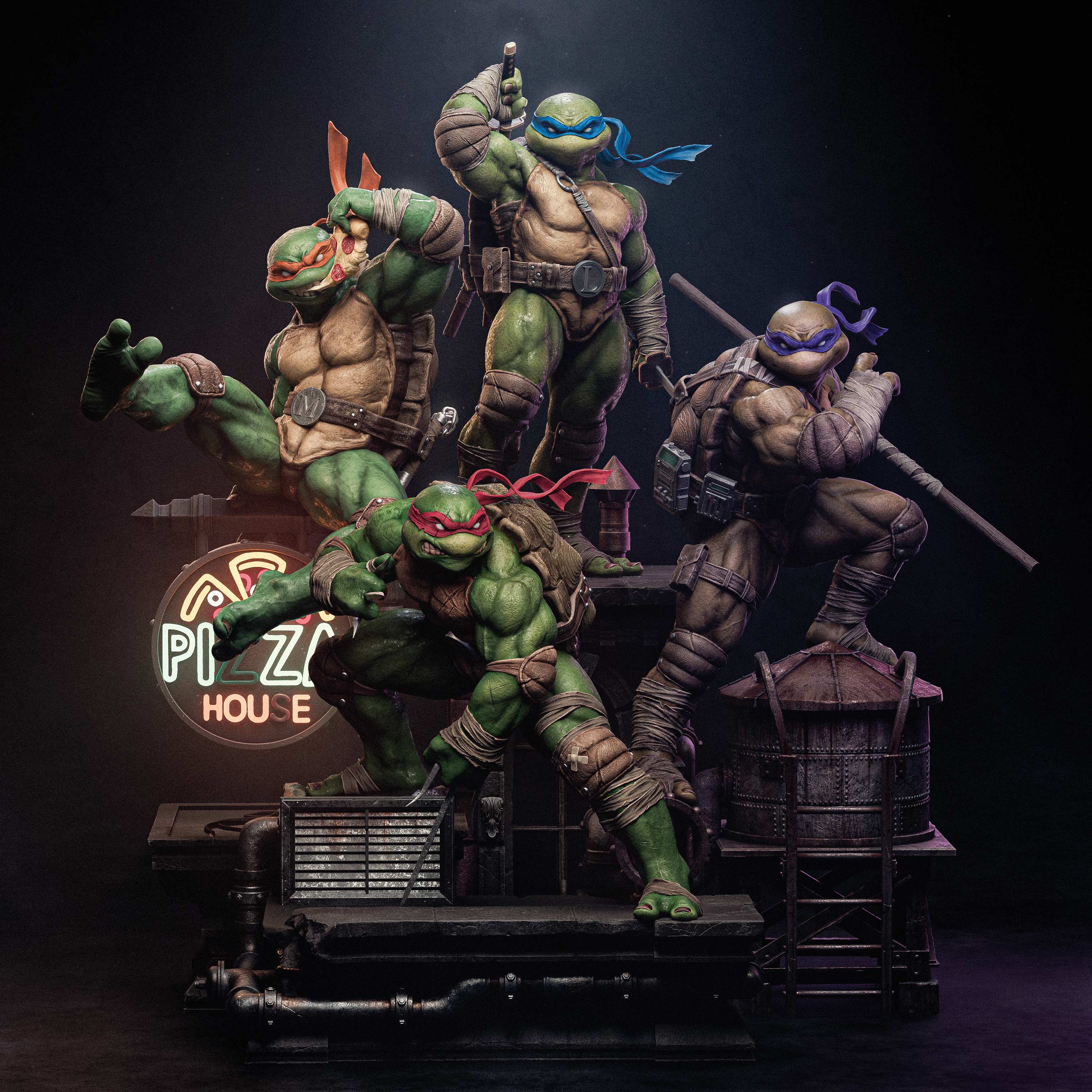
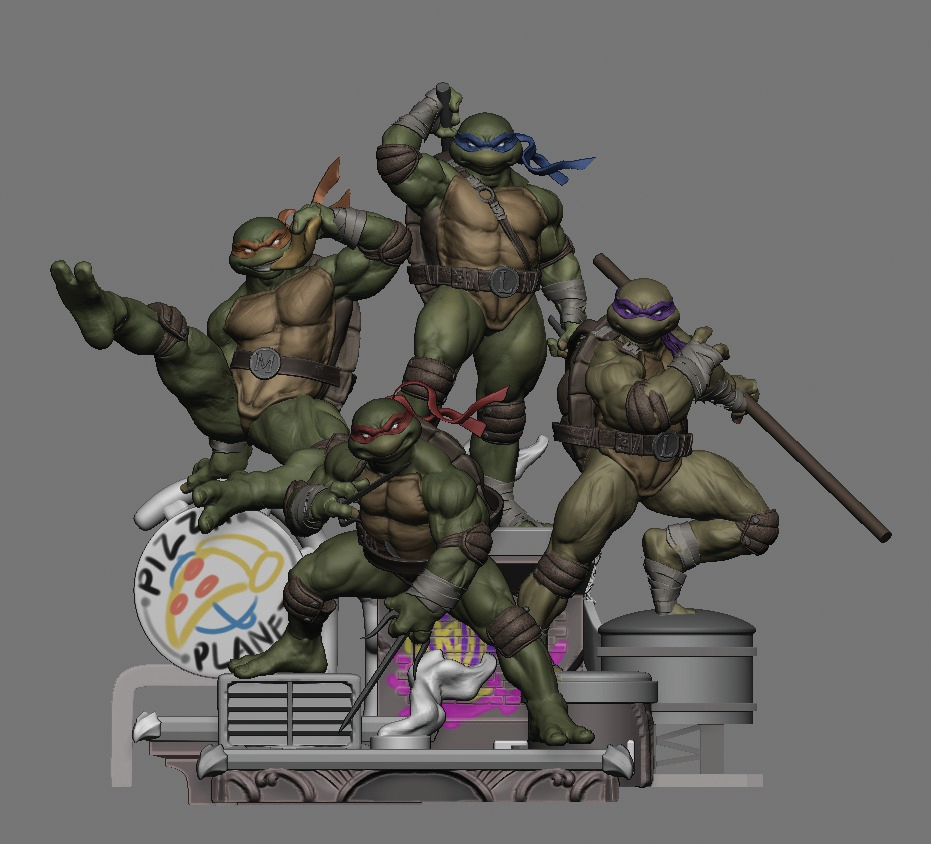
Sergio Khazov (serghaz) is a 3D character artist from São Paulo, Brazil. He has created a stunning 3D art piece featuring the Teenage Mutant Ninja Turtles, using ZBrush software.

The Creation Process

To create this intricate scene, Sergio used ZBrush, a 3D modeling and sculpting software. He has shared his experience of creating this piece, stating that it was one of the most complicated projects he has ever undertaken. The challenge was to create four characters in under a month, which pushed him to improve his skills in both composition and anatomy.

Sergio’s Experience

Sergio’s words on the project:

“This Ninja Turtles diorama was one of the most complicated projects of my life, because I had to create four characters in less than a month. It was a big challenge, but with some effort and focus I managed to finish everything on time. Even though this project was difficult, I was able to improve my skills in both composition and anatomy. I’m planning to create more of this type of work in the future.”

View the Art Piece

The art piece features a dramatic scene with the Teenage Mutant Ninja Turtles in the foreground, set against a beautiful background. The level of detail is impressive, showcasing Sergio’s expertise in 3D art.

Image 1: Sergio Khazo’s Teenage Mutant Ninja Turtles Diorama
Image 2: Sergio Khazo’s Teenage Mutant Ninja Turtles 3D scene

Inspiration and Improvement

If you’re inspired by Sergio’s work, take a look at our guide to the best 3D modeling software. New to 3D modeling? Check out our collection of the best ZBrush tutorials to brush up on your skills.

Conclusion

Sergio’s 3D art piece is a testament to his skill and dedication to his craft. His experience has shown that with hard work and focus, even the most challenging projects can be completed to a high standard.

Frequently Asked Questions

Q: What software did Sergio use to create the 3D art piece?
A: Sergio used ZBrush to create the 3D art piece.

Q: How long did Sergio take to complete the project?
A: Sergio completed the project in under a month.

Q: What was the biggest challenge Sergio faced while creating the art piece?
A: Sergio’s biggest challenge was creating four characters in less than a month, which pushed him to improve his skills in both composition and anatomy.

Q: What is Sergio planning to create next?
A: Sergio is planning to create more of the same type of work in the future.

Nintendo Can Get Away with a $450 Switch 2 Price

0

When Nintendo Announced the Switch 2 Would Cost $450, My Initial Reaction was Disappointment

When Nintendo announced the Switch 2 would cost $450, my initial reaction was disappointment. "Why does it cost so much more?" I thought to myself. "Why does Japan get it cheaper?" my brain jealously added, once I learned that Nintendo would sell a Japan-only model for the equivalent of just $333.

The Original Switch Still Costs Around 33,000 Yen in Japan

Since its March 3rd, 2017, debut, Nintendo basically hasn’t changed the price of the original Switch in either the US or Japan. The portable console cost $300 USD or ¥32,378 in 2017; it costs the same $300 USD or a very slightly higher ¥32,978 today, eight years later. But the US economy and the Japanese economy have not been the same since 2017. Inflation and exchange rates have drastically changed since then.

The Effects of Inflation and Exchange Rates

On the one hand, the US dollar now buys less in the US than it did in 2017. Dramatic US inflation means that an original $300 Switch would cost nearly $400 if introduced today. The same is not true in Japan, which has historically had low inflation, or even deflation, until fairly recently. A ¥32,378 Switch would cost more like ¥36,000 today if Nintendo had followed the trend.

On the other hand, US dollars are now worth dramatically more in Japan because the Japanese yen is remarkably weak. Compare: on January 13th, 2017, the day Nintendo announced the original Switch’s price, you could only get 114 yen per US dollar. On April 2nd, 2025, the day Nintendo announced the Switch 2, each dollar was worth almost 150 yen. Each dollar buys 30 percent more in Japan than it did back then.

Japan’s Experience with Inflation and Tourism

Japan is experiencing more tourism than ever before as a result of that weak yen, to the point some particularly scenic locations have become overrun — it was international news when a small town near Mount Fuji erected a barrier to keep people from blocking the streets while duplicating an iconic Instagram shot of the mountain merged with a convenience store. I just came back from a two-week trip to Japan, and I’ve never eaten so well for so little cash.

But Japanese Residents Can’t Say the Same

Not only is Japan starting to experience inflated food prices, but their wages reportedly aren’t keeping pace. It’s not fair to say, “Oh, Japan only has to pay $330 for the Switch 2 while we pay $450,” because both the Japanese and international versions cost almost exactly 50 percent more than Nintendo charges for an original Switch.

The Disparity in Pricing

Instead, the disparity we see is likely because the dollar goes so much further right now, and because the yen does not. As one Tokyo-based game streamer put it: “Salaries and cost of living hasn’t changed at all here so 49,980 feels like 450 usd.” A fun thought experiment: if exchange rates were the same as they were in 2017, the Japan-only Switch 2 would cost $434 in US money. It would cost $450 USD there if the dollar sinks to 111 yen or below, which it did during large portions of 2018, 2019, 2020, and 2021.

Conclusion

While Nintendo might be charging more than I’d like to spend, particularly with its $80 games and its button that makes you pay extra, I no longer think the company’s being distinctly unfair to gamers outside of Japan. The $450 price makes more sense when you consider what’s happened to the dollar and the yen.

FAQs

Q: Why is the Switch 2 so expensive?
A: The Switch 2 is not expensive in the context of Japan, where the yen is weak, making the dollar worth more. In the US, the Switch 2 is more expensive due to inflation and exchange rates.

Q: Why does Japan get a cheaper version of the Switch 2?
A: The Japan-only Switch 2 is priced to reflect the weak yen, making the dollar worth more in Japan.

Q: Is Nintendo being unfair to gamers outside of Japan?
A: No, Nintendo is not being unfair. The company is pricing the Switch 2 based on the current economic conditions in Japan and the US.

Q: Can Nintendo justify charging 50 percent more for a new handheld eight years later?
A: While US inflation might help justify a $400 Switch, Nintendo can afford to get away with a $450 Switch because real competition is slim.

Q: How does the Switch 2 compare to other handheld gaming options?
A: The Switch 2 stands alone in terms of pricing, with no other handheld gaming options in the same price range.

By Design

0

About the New Design Newsletter

Introducing By Design

We’ve got a new newsletter on the block, and it’s all about design. Curated by our design editor Daniel John, By Design brings you all the news, features, interviews, and opinions from graphic design, branding, typography, product design, and tech.

What to Expect

We talk to the designers, brands, agencies, and creative pros involved in some of the most important design projects around – plus offer our opinions and expert commentary from other industry professionals. We’ll also bring you launches, rumors, expectations, and more from the world of tech – and even offer the odd bit of buying advice.

Special Edition

This week, we’re sending a special edition of By Design, all about Milan Design Week. We’ll bring you news straight from the festival, including Ikea’s tips for a happy home, Lexus’ new UI design, and more.

Why You’ll Love By Design

By Design is a easily digested, expertly written hit of design nous sent straight to your inbox. Sign up for By Design (and Creative Bloq’s main newsletter) here.

Daily Design News, Reviews, How-Tos, and More

Conclusion

By Design is the perfect newsletter for anyone who wants to stay up-to-date with the latest design trends, news, and inspiration. With its curated content and expert commentary, it’s a must-read for anyone in the design industry.

Frequently Asked Questions

Q: What can I expect from By Design?
A: By Design brings you all the news, features, interviews, and opinions from graphic design, branding, typography, product design, and tech.

Q: How often will I receive the newsletter?
A: By Design will be sent to your inbox once a week, on Sundays.

Q: What kind of design projects will I see in the newsletter?
A: We’ll feature interviews with designers, brands, agencies, and creative pros involved in some of the most important design projects around.

Q: Is By Design free?
A: Yes, By Design is free to sign up for, and you can also receive our main newsletter, Creative Bloq’s newsletter.

AI Craze: Pets to People, Action Figures Unleashed

Make Your Own AI Action Figure

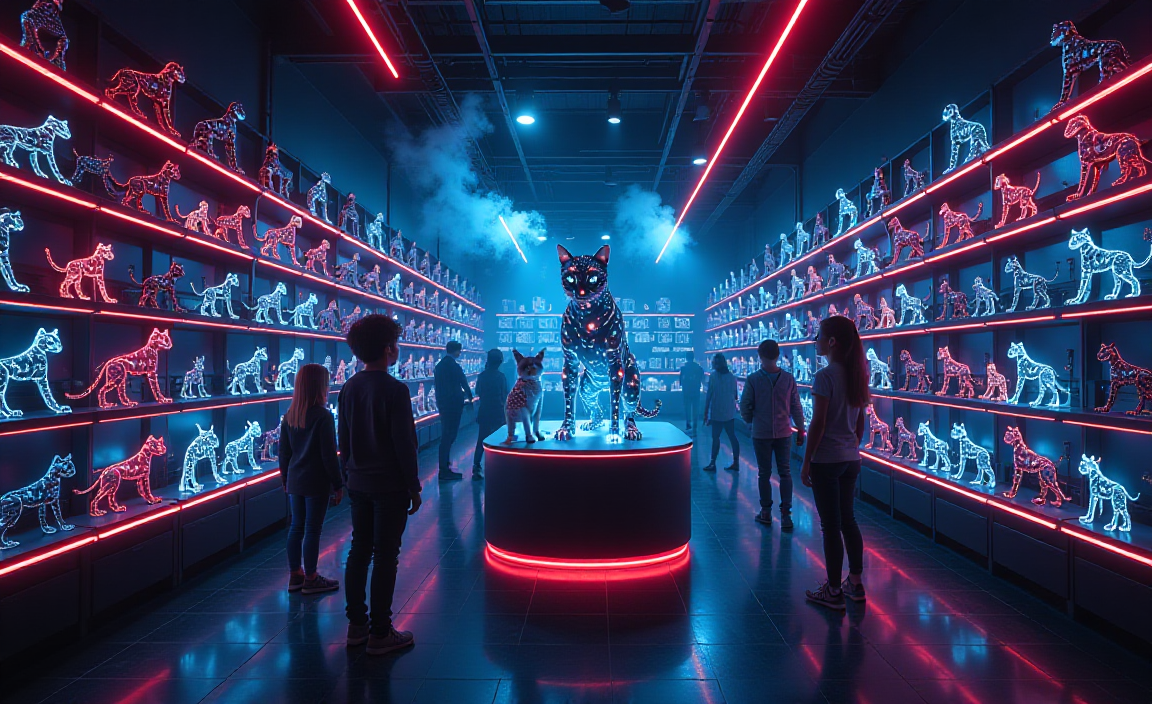
In the wake of the "Ghibli style" phenomenon that melted OpenAI’s servers and had CEO Sam Altman practically begging people to stop generating images, we’ve hit a new wave of AI crazes taking off on social media. Your social media feed might now likely be invaded by action figure versions of your friends and humanized versions of their cats. Welcome to 2025.

Create a Toy of a Person

The latest trend sweeping across X, TikTok, and Instagram involves people transforming themselves into action figures complete with packaging. Users are generating images of themselves as collectible toys sealed in plastic blister packs with colorful cardboard backings.

"Create a toy of a person based on the photo. Let it be a collectible action figure. The figure should be placed inside a clear blister pack, in front of a backing card," reads a popular prompt being shared widely. Some are even creating elaborate backstories for their action figure alter-egos, complete with fictional accessories and "special abilities" listed on the packaging.

Pets Become People

Probably the weirder of the two trends, people are turning their pets into their human forms. One circulated prompt reads: "Transform this animal into a human character, removing all animal features (such as fur, ears, whiskers, muzzle, tail, etc.) while preserving its personality and recognizable traits. Focus on capturing the expression, posture, emotional vibe, and visual identity."

The results…let’s just say they’re both charming and unsettling.

What’s Next?

Text-to-image has truly entered the public consciousness as AI tools go mobile and become more efficient and easier to use. Being able to upload photos to ChatGPT and ask it to manipulate them in situ is a key driving force, too. Everything you need to build your own action figure is in the palm of your hand.

Conclusion

The trend of AI-generated action figures and pet humans has taken over social media, with users having a blast creating their own unique characters. While some results may be unsettling, the creativity and humor behind these projects are undeniable. As AI technology continues to evolve, it will be interesting to see what new trends and creative outlets emerge.

FAQs

Q: What is the purpose of creating AI-generated action figures and pet humans?
A: The purpose is to have fun and be creative using AI technology.

Q: How do I create my own AI-generated action figure or pet human?
A: You can use prompts like "Create a toy of a person based on the photo" or "Transform this animal into a human character" and upload your photo to ChatGPT or other AI tools.

Q: Are there any limitations to what I can create with AI technology?
A: Yes, AI technology has limitations, and the results may not always be perfect. However, the creativity and humor behind these projects are undeniable.

Q: Can I use AI technology to create anything else?
A: Yes, AI technology has many practical applications, such as generating images, music, and text. The possibilities are endless, and it will be interesting to see what new trends and creative outlets emerge.

Fragrance Laptop’s Mysterious Existence

0

ASUS’ Bizarre New Laptop that Dispenses Air Freshener

A Glimpse into the Future of Design

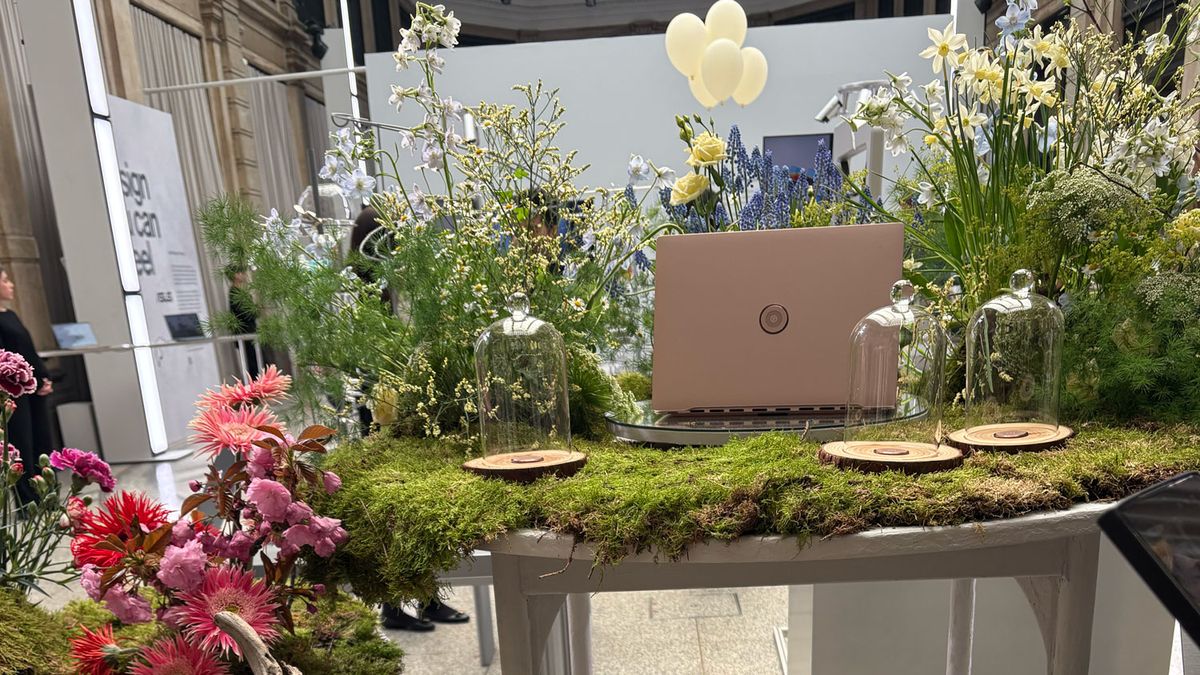
Yesterday, I attended ASUS’ Design You Can Feel event at Milan Design Festival to view the new range of limited edition Ceraluminum laptops. While I was thoroughly impressed by the new material, which could have been a gimmick but absolutely wasn’t, there was one laptop that left me flabbergasted.

The Air Adol 14: A Laptop that Dispenses Air Freshener

A laptop that dispenses air freshener? Yes, really. The ASUS Adol 14 Air is adorned with a disc that sprays out fragrance made by fashion brand Anna Sui. If you’re chorusing, ‘but why, just… why?’ then you’re not alone. I had many questions about this product, including and not limited to ‘how did this thing get conceived?’ and ‘why?’ some more.

Designing the Unconventional

I spoke to the designer of the laptop, attempting to keep the incredulous look buried, and asked him about whose idea it was, and why they would have come up with it in the first place. As a fusion of ideas, it feels like a ‘because you can doesn’t mean you should’, but I was willing to be convinced. The idea originated from ASUS, he said, and it was born out of the concept of sensory tech, which is the ethos of the whole Ceraluminum range.

A Sensory Experience

The way the laptop’s fragrance function has been designed is clever and looks great. On the laptop’s lid, a little circular disc houses another disc that is infused with the fragrance. You can swap the disc out for different scents including Basil & Mandarin and Rose depending on your mood. The laptop smells delightful – the scent feels expensive and rich, and the laptop is also branded beautifully, in a soft pink and limited-edition purple – and of course, it’s made out of that silky smooth Ceraluminum.

Performance and Features

Is the laptop any good, though? Well, it’s reasonable. The 2.8K OLED display, with up to a 120Hz refresh rate, 32GB of RAM, 1TB of storage, an RGB keyboard, and the AMD Ryzen 9 8945H chip. It doesn’t rival the best laptops for graphic design but it could work if you’ve got a light creative workflow.

Conclusion

The ASUS Air Adol 14 is a laptop that is sure to spark debate and conversation. While it may not be for everyone, it’s a testament to the innovative spirit of ASUS and their commitment to pushing the boundaries of design.

FAQs

Q: Is the ASUS Air Adol 14 available in the UK or US?

A: No, the laptop is only on sale in China.

Q: What kind of fragrance does the laptop dispense?

A: The laptop dispenses fragrance made by fashion brand Anna Sui, with options including Basil & Mandarin and Rose.

Q: Is the laptop any good for graphic design?

A: No, the laptop doesn’t rival the best laptops for graphic design, but it could work for a light creative workflow.

Q: How does the fragrance function work?

A: The fragrance is dispensed from a circular disc on the laptop’s lid, which can be swapped out for different scents.

What’s Wrong With Apple?

0

Apple’s Struggle to Innovate: A Tale of Delayed Products and Internal Conflicts

A Company in Crisis

Even before President Trump’s tariffs threatened to upend Apple’s manufacturing business in China, the company’s struggle to make new products was leading some people inside its lavish Silicon Valley headquarters to wonder whether the company had somehow lost its magic.

The Tariff Impact

The tariffs, which were introduced April 2, caused Apple to lose $773 billion in market capitalization in four days and briefly lose its standing as the most valuable publicly traded company in the world. But investors had already started to sour on the company, sending its share price down 8 percent in the first four months of the year, double the S&P 500’s decline.

The Vision Pro and Apple Intelligence

Apple had hoped to revive its fortunes over the past year with a virtual reality headset, the Vision Pro, and an artificial intelligence system called Apple Intelligence. Sales of the headset have been a disappointment, however, and the signature features of the A.I. system have been postponed because it didn’t work as well as the company had expected.

A Company in Crisis: The Albatross of Innovation

The company’s issues underscored how its reputation for innovation, once considered a fundamental element of its brand, has become an albatross, fueling angst among employees and frustration among customers. And company insiders worry that Apple, despite its years of gravity-defying profits, is hamstrung by the political infighting, penny pinching, and talent drain that often bedevil large companies, according to more than a dozen former and current employees and advisers.

The A.I. System: A Story of Dysfunction

Apple’s issues with Apple Intelligence exposed dysfunction inside the organization. In a nearly two-hour video presentation last summer, Apple demonstrated how the A.I. product would summarize notifications and offer writing tools to improve emails and messages. It also revealed an improved Siri virtual assistant that could combine information on a phone, like a message about someone’s travel itinerary, with information on the web, like a flight arrival time.

The Delayed Launch of Siri

The A.I. features were unavailable when new iPhones shipped. They arrived in October, about a month late, and quickly ran into trouble. Notification summaries misrepresented news reports, leading Apple to disable that feature. Then, last month, the company postponed the spring release of an improved Siri because internal testing found that it was inaccurate on nearly a third of requests, said three people familiar with the project who spoke on the condition of anonymity.

The Infighting and Talent Drain

The A.I. stumble was set in motion in early 2023. Mr. Giannandrea, who was overseeing the effort, sought approval from the company’s chief executive, Tim Cook, to buy more A.I. chips, known as graphics processing units, or GPUs, five people with knowledge of the request said. The chips, which can perform hundreds of computations at the same time, are critical to building the neural networks of A.I. systems, like chatbots, that can answer questions or write software code.

Conclusions

Apple’s struggle to innovate is a tale of delayed products and internal conflicts. The company’s reputation for innovation, once considered a fundamental element of its brand, has become an albatross, fueling angst among employees and frustration among customers. Apple’s issues with Apple Intelligence exposed dysfunction inside the organization, and the company’s inability to deliver on its promises has led to a loss of trust among investors and customers.

FAQs

Q: What is the current state of Apple’s A.I. system?
A: The A.I. system has been delayed, and its features are currently unavailable.

Q: What is the reason for the delay?
A: The delay is due to technical issues and internal conflicts within the company.

Q: What is the impact of the delay on Apple’s reputation?
A: The delay has led to a loss of trust among investors and customers, and has further undermined Apple’s reputation for innovation.

Q: What is the future of Apple’s A.I. system?
A: Apple plans to release a virtual assistant in the fall capable of doing things like editing and sending a photo to a friend on request.

Top Retail POS Solutions for Small & Large Businesses

Running a Retail Business in 2025: The Importance of a Powerful POS Solution

Running a retail business today is no easy feat. Whether you own a cozy boutique or manage a chain of stores across multiple cities, staying competitive means being efficient, fast, and customer-focused. That’s where a powerful Point of Sale (POS) retail solution steps in.

What is a POS Retail Solution?

A POS (Point of Sale) retail solution is a system that helps businesses manage sales, inventory, and customer data—all from a single platform. It combines both hardware (like scanners and printers) and software to streamline transactions and daily operations. Whether you’re a small retailer or a large enterprise, a POS system plays a key role in improving accuracy and efficiency.

Key Features to Look for in a POS System

Choosing the right POS retail solution means finding one that matches your business size, industry, and future growth plans. Below are the essential features every modern POS system should offer:

  • Inventory Management

  • Sales Reporting & Analytics

  • Customer Relationship Management (CRM)

  • Multi-Store & Multi-User Support

  • Flexible Payment Options

  • eCommerce & ERP Integration

  • Mobile POS Access

  • User-Friendly Interface

  • Security & Data Backup

7 Best POS Retail Solutions for Small & Large Businesses

Softhealer POS is a fully customizable retail solution designed to support both small businesses and large enterprises. Built on the Odoo platform, it offers real-time inventory tracking, multi-store management, and seamless integration with ERP systems.

Square POS is a top choice for small businesses looking for a reliable and easy-to-use solution. It offers a free plan with essential features like sales tracking, inventory management, and digital receipts.

Shopify POS is an excellent choice for businesses that sell both online and in-store. It seamlessly integrates with your Shopify eCommerce store, allowing you to manage products, inventory, and customer data in one place.

Zoho POS is perfect for businesses that want deep customer engagement along with sales management. As part of the Zoho ecosystem, it connects seamlessly with Zoho CRM, Zoho Books, and other business apps.

Lightspeed POS is ideal for businesses with large or complex inventories, like electronics, furniture, or sporting goods stores. It offers powerful inventory tools including bulk item management, multi-variant tracking, and vendor purchase orders.

Vend POS is a cloud-based retail solution designed for growing businesses that need flexibility and ease of use. It offers intuitive sales features, smart inventory control, customer loyalty tools, and detailed reporting.

Clover POS is an all-in-one system that’s ideal for businesses looking for a fast, hassle-free setup. It comes with both hardware and software pre-configured, making it perfect for restaurants, cafes, and small retail stores.

Conclusion

Selecting the right POS retail solution is more than just picking software—it’s about finding the right tool to manage sales, streamline operations, and scale your business effectively. Whether you’re a small boutique, a growing online retailer, or a multi-location enterprise, the POS systems listed above offer the features, flexibility, and support you need to thrive in 2025.

Frequently Asked Questions

Q: What is the most important feature to look for in a POS system?
A: The most important feature to look for in a POS system is inventory management, as it helps you track stock levels in real-time and avoid stockouts or overstocking.

Q: Can I use a POS system on-the-go?
A: Yes, most POS systems offer mobile access, allowing you to operate your POS from tablets or smartphones.

Q: How do I choose the best POS system for my small business?
A: Choose a POS system that is easy to use, offers flexible payment options, and integrates with your existing business apps and systems.

Q: Can I use a POS system for both online and in-store sales?
A: Yes, many POS systems offer seamless integration with online stores, allowing you to manage products, inventory, and customer data across all channels.

Q: How do I ensure the security of my POS system?
A: Look for a POS system that offers end-to-end encryption, secure cloud storage, and regular data backups to protect your business information and customer data.