Home Blog Page 103

Disney’s Ultimate Subtle Flex

0

A New Lilo and Stitch Poster Reveals Disney’s Monopoly on the Entertainment Industry

A Fun but Subtle Flex

A new film poster has been released for the upcoming live-action Lilo and Stitch movie, featuring nods to all of Disney’s iconic studios. The playful design has sparked a mix of excitement and concern among fans, with some seeing it as a clever way to showcase the company’s vast portfolio of beloved franchises.

A Marvel-ous Mashup

The poster, revealed at this year’s Cinema Con, features a mischievous Stitch – with a Pixar ball in mouth – surrounded by Disney details. In the background, references to some of Disney’s most iconic releases, such as the Avengers and Star Wars, can be seen. Additionally, the logos of 20th Century Fox and Marvel Studios are also included.

Fan Reaction

Fans are loving the design, with some even rallying for a Marvel x Stitch crossover. One fan on the r/marvelstudios subreddit wrote, "Not gonna like if they made a movie about the Avengers trying to catch Stitch would be lit af probably would make it the first trillion dollar movie." Another fan added, "It’s absolutely a “look how much stuff we own” but I can’t blame Disney. This type of poster here works. People see cute mascot + franchises they love and it puts people in theatre seats."

A Creative but Subtle Flex

The poster has been seen as a clever way for Disney to showcase its vast portfolio of beloved franchises. While it may come across as a subtle flex, fans seem to appreciate the creativity behind the design. The inclusion of various Disney logos and references adds to the excitement for the upcoming movie and the prospect of a Marvel x Stitch crossover.

More Design Inspiration

For more poster design inspiration, take a look at the best movie posters of the month or check out the gorgeous new Snow White posters that nail the original film’s fairytale charm.

Conclusion

The new Lilo and Stitch poster has sparked a mix of excitement and concern among fans, with some seeing it as a clever way to showcase Disney’s vast portfolio of beloved franchises. Whether or not the design is a subtle flex, one thing is certain – it’s a creative and effective way to promote the upcoming live-action movie.

Frequently Asked Questions

Q: What is the name of the upcoming live-action Lilo and Stitch movie?

A: Unfortunately, the article does not mention the title of the movie.

Q: What are some of the references included in the poster?

A: The poster includes references to Disney’s iconic releases, such as the Avengers and Star Wars, as well as the logos of 20th Century Fox and Marvel Studios.

Q: What is the reaction of fans to the poster?

A: Fans are loving the design, with some even rallying for a Marvel x Stitch crossover.

Q: What other design inspiration can be found in the article?

A: The article suggests checking out the best movie posters of the month or the gorgeous new Snow White posters for more design inspiration.

Ship Beautiful Software, Fast

Here is the rewritten article:

Why I Built It

As a solo dev, context-switching kills momentum. I found myself avoiding small projects simply because I didn’t want to spend an hour setting up the boilerplate. So I asked: "What if I could automate the launch of my projects just like I automate my tests, builds, and deployments?"

What It Does

greening is an open source automation tool that eliminates the friction of starting, documenting, and shipping your next software project. Whether it’s a Python package, a portfolio project, or a polished GitHub Pages site, greening handles the scaffolding, Git setup, documentation, and even optional Google Analytics integration – all in one command.

Philosophy

Greening is built on a few key ideas:

  • Ship fast. Don’t let tooling slow down your ideas.
  • Repeatable and scalable. Make every project look clean and polished from day one.
  • Beautiful by default. Your software deserves a good first impression.
  • Automation-first. If you’ve done it more than twice, greening should probably do it for you.

What’s Next

I’m working toward a plugin-based ecosystem so you can extend greening to match your exact workflow. Want to auto-generate CHANGELOGs? Autodoc your Python code? Auto-post releases to social media? That’s where we’re headed.

Conclusion

Greening is an opinionated, full-stack project automation tool for solo developers and creative coders. With just a few commands, you can scaffold a production-ready Python package – complete with docs, tests, GitHub Actions workflows, PyPI packaging, and an auto-deployed GitHub Pages site. No boilerplate. No setup hell. Just instant polish.

Frequently Asked Questions

Q: What is greening?
A: Greening is an open source automation tool that eliminates the friction of starting, documenting, and shipping your next software project.

Q: What can I do with greening?
A: With greening, you can create a Python package, a portfolio project, or a polished GitHub Pages site. Greening handles the scaffolding, Git setup, documentation, and even optional Google Analytics integration – all in one command.

Q: Is greening only for Python?
A: No, greening is not limited to Python. You can use greening with any programming language or technology.

Q: Is greening open source?
A: Yes, greening is open source, and you can find the code on GitHub.

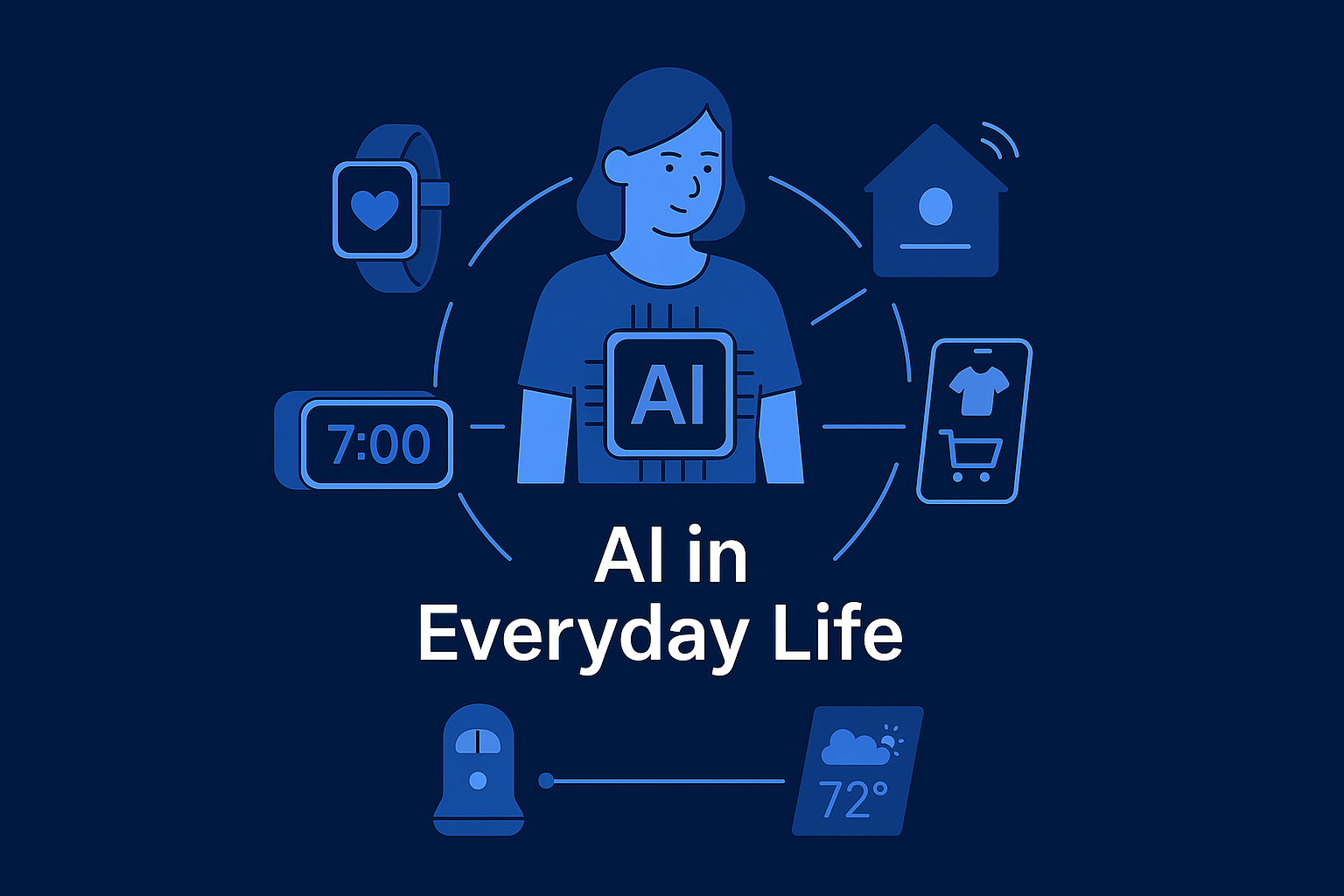
AI in Everyday Life: 15 Surprising Examples

How AI Shapes Your Day from the Moment You Wake Up

AI quietly works in the background to improve small but important aspects of your daily routine. From how you wake up to how you plan your day, it fine-tunes experiences based on your habits.

Smart Alarm Clocks

Waking up at the right time can set the tone for your whole day. Traditional alarms simply buzz at a set time, but AI-powered alarms do more. They analyze sleep patterns, detect light sleep phases, and wake you up at the best moment for minimal grogginess. For example, apps like Sleep Cycle and devices like the Google Nest Hub track your breathing and movement to decide when to ring the alarm. If you have had a restless night, they might wake you up a few minutes later to help you feel more refreshed.

Personalized News Feeds

Ever wonder why your news feed looks different from someone else’s? AI curates news based on what you like to read, click, and share. Google News, Apple News, and even Twitter’s timeline use machine learning to rank news articles according to relevance. This is a great example of AI that we use every day to personalize content.

Weather Forecasting

Many don’t realize how much AI contributes to weather predictions. AI models process vast amounts of satellite data, atmospheric readings, and historical patterns to forecast local weather with high accuracy. Unlike old weather prediction methods, AI models adjust in real time based on changing conditions. That’s why your phone’s weather app can alert you about rain an hour before it happens.

AI Tools That Enhance Work and Daily Interactions

AI is woven into daily work and social habits, making tasks easier, faster, and more personalized. From filtering emails to planning meetings, AI tools save time and reduce errors.

Email Spam Filters & Smart Replies

Sorting through emails is time-consuming, but AI keeps inboxes clean. AI-driven spam filters from Gmail and Outlook analyze message patterns to block phishing attempts and unwanted emails. Meanwhile, tools like Google’s Smart Reply suggest quick responses based on email content. If someone asks for a meeting, AI proposes, “Sure, what time works for you?” or “I’m available after 2 PM.”

Autocorrect & Language Translation

AI refines writing by fixing typos and grammar errors in real time. Tools like Grammarly and Microsoft Editor enhance writing by suggesting sentence structure improvements. Translation tools like Google Translate and DeepL instantly convert text into different languages, allowing smooth communication across borders. AI voice translation also helps travelers understand local languages through real-time audio conversion.

AI-Powered Scheduling Assistants

Managing time is easier with AI-driven scheduling tools. AI assistants like Google Assistant, Calendly, and Microsoft Cortana analyze work patterns and suggest the best meeting slots.

AI-Driven Tools That Make Commuting Easier

AI is changing the way people move, making travel smoother and more efficient. It predicts traffic, improves ride-sharing, and finds the best ticket deals.

Real-Time Traffic Predictions

Navigation apps like Google Maps and Waze rely on AI to process live traffic data and suggest the fastest route. AI factors in accidents, construction, and road closures to reroute drivers in real time.

Ride-Sharing Algorithms

Uber, Lyft, and Bolt use AI to match riders with drivers based on location, demand, and traffic. These apps also adjust pricing dynamically—when demand is high, AI raises fares to balance supply.

Smart Ticket Booking

AI helps travelers find the best deals on flights, trains, and buses. Booking sites like Expedia and Google Flights use AI to track price trends and predict when fares will drop.

AI’s Role in Personalization and Convenience

AI doesn’t just help with work and travel—it also personalizes shopping and entertainment. Many AI applications in real life make daily decisions smoother, from recommending movies to suggesting clothes.

AI-Driven Product Recommendations

E-commerce sites like Amazon and Flipkart analyze browsing history and past purchases to suggest relevant items. AI-driven recommendations increase sales and improve the shopping experience.

AI Applications That Improve Well-Being and Lifestyle

AI is shaping modern living by improving health, home management, and even grocery shopping. It helps people track fitness, control their home environment, and manage daily needs with ease.

Wearable Health Devices

Smartwatches and fitness trackers use AI to monitor heart rate, sleep, and activity levels. AI processes this data to suggest workouts, detect irregular heartbeats, and even predict potential health risks.

Smart Home Assistants

AI-powered home devices control lighting, security, and climate based on daily routines. Smart thermostats learn user behavior to adjust temperatures for comfort and energy savings.

AI in Grocery Shopping

AI-powered smart fridges and shopping apps track food inventory, suggest meal plans, and remind users when to restock. AI analyzes usage patterns to reduce waste and recommend the best time to buy fresh items.

Conclusion

AI is deeply integrated into our daily lives, shaping how people work, travel, shop, and stay healthy. These real-world applications of AI prove its ability to make life easier and more efficient.

FAQs

Q: How is AI used in everyday life?
A: AI is used in various aspects of daily life, including smart alarm clocks, personalized news feeds, weather forecasting, email spam filters, and more.

Q: What are some examples of AI in real life?
A: Examples of AI in real life include smart assistants, language translation, ride-sharing algorithms, and smart ticket booking.

Q: How does AI impact our daily lives?
A: AI makes life easier and more efficient by streamlining tasks, improving communication, and personalizing experiences.

Q: What are some AI applications in real life that work behind the scenes?
A: Some AI applications that work behind the scenes include wearable health devices, smart home assistants, and AI in grocery shopping.

Q: How can I get started with AI development?
A: You can get started with AI development by contacting LITSLINK, an expert AI team that can create advanced AI software tailored to any business need.


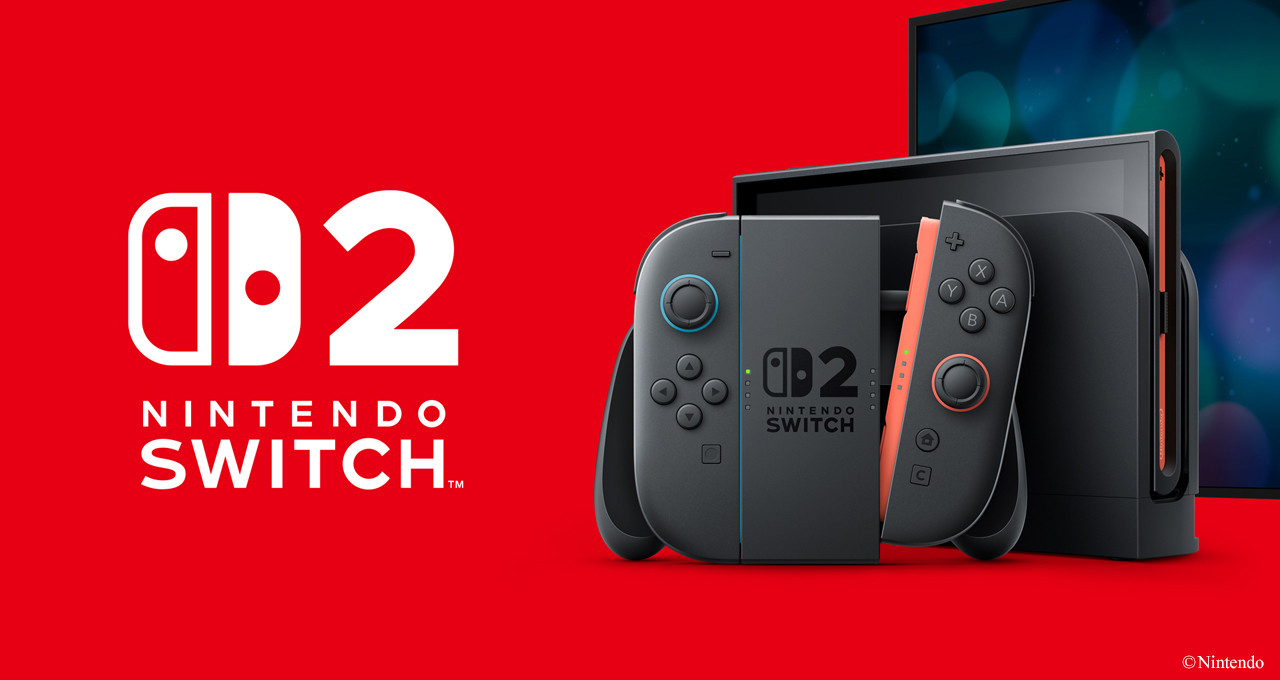
Nintendo Switch 2 Boosted with NVIDIA DLSS and 4K Gaming

The Nintendo Switch 2, unveiled April 2, takes performance to the next level, powered by a custom NVIDIA processor featuring an NVIDIA GPU with dedicated RT Cores and Tensor Cores for stunning visuals and AI-driven enhancements.

Major Upgrades

With 1,000 engineer-years of effort across every element — from system and chip design to a custom GPU, application programming interfaces (APIs) and world-class development tools — the Nintendo Switch 2 brings major upgrades.

Next-Level Visuals

The new RT Cores bring real-time ray tracing, delivering lifelike lighting, reflections and shadows for more immersive worlds.

  • Tensor Cores power AI-driven features like Deep Learning Super Sampling (DLSS), boosting resolution for sharper details without sacrificing image quality.
  • Tensor Cores also enable AI-powered face tracking and background removal in video chat use cases, enhancing social gaming and streaming.

More Power, Smoother Gameplay

With 10x the graphics performance of the Nintendo Switch, the Nintendo Switch 2 delivers smoother gameplay and sharper visuals.

  • Tensor Cores boost AI-powered graphics while keeping power consumption efficient.
  • RT Cores enhance in-game realism with dynamic lighting and natural reflections.
  • Variable refresh rate via NVIDIA G-SYNC in handheld mode ensures ultra-smooth, tear-free gameplay.

Tools for Developers, Upgrades for Players

Developers get improved game engines, better physics and optimized APIs for faster, more efficient game creation.

  • Powered by NVIDIA technologies, Nintendo Switch 2 delivers for both players and developers.

Conclusion

The Nintendo Switch 2 is a significant upgrade to the original console, offering stunning visuals, AI-driven enhancements, and smoother gameplay. With its custom NVIDIA processor and dedicated RT Cores and Tensor Cores, it’s poised to revolutionize the gaming experience.

Frequently Asked Questions

Q: What is the main upgrade of the Nintendo Switch 2?
A: The main upgrade is the custom NVIDIA processor featuring an NVIDIA GPU with dedicated RT Cores and Tensor Cores for stunning visuals and AI-driven enhancements.

Q: What is the graphics performance of the Nintendo Switch 2 compared to the original Switch?
A: The Nintendo Switch 2 has 10x the graphics performance of the original Switch.

Q: What are RT Cores and Tensor Cores, and what do they do?
A: RT Cores bring real-time ray tracing, delivering lifelike lighting, reflections, and shadows, while Tensor Cores power AI-driven features like Deep Learning Super Sampling and AI-powered face tracking and background removal.

Q: What are the benefits of the Nintendo Switch 2 for developers?
A: Developers get improved game engines, better physics, and optimized APIs for faster, more efficient game creation.

Q: What is the variable refresh rate feature in handheld mode?
A: The variable refresh rate feature via NVIDIA G-SYNC ensures ultra-smooth, tear-free gameplay in handheld mode.

Philips Hue bulbs and lighting kits up to half off

0

Savvy Shoppers, Here’s a Philips Hue Deal You Won’t Want to Miss

Introduction to the Philips Hue Deal

I’m always on the lookout for deals on Philips Hue gear, in part because it’s expensive and I’m not keen on paying full price. Still, it’s worth the money to get the lighting exactly how I want it in each room — down to the precise color temperature that fits the mood or time of day.

What’s Included in the Deal?

Woot is offering deals on a mix of new, open-box, and refurbished Philips Hue products. Through today, April 4, you can save an additional 15 percent off each one with the offer code 15OFF at checkout.

Some Deals to Consider

  • Philips Hue Lily Outdoor Smart Lighting System: This is a wireless, outdoor lighting system that’s perfect for illuminating your patio or backyard. It’s a complete system that includes the hub and 8 bulbs.
  • Philips Hue Smart Bulb (A19): This is a standard A19 bulb that’s perfect for general lighting purposes. It’s energy efficient and can be controlled using the Philips Hue app.
  • Philips Hue Light Bar: This is a long, thin light strip that’s perfect for under cabinet lighting or as a decorative accent light.

What Else to Know About the Deal

Here are some additional details about the deal:

  • New, Open-Box, and Refurbished Options: Woot is offering a mix of new, open-box, and refurbished Philips Hue products. Make sure to check the description of each item to see which one you’re getting.
  • 15% Off Code: Use the offer code 15OFF at checkout to get an additional 15 percent off each item.
  • Limited Time Only: This deal is only available through April 4, so be sure to act fast.

FAQs

  • What is Philips Hue? Philips Hue is a brand of smart lighting products that can be controlled using a smartphone app.
  • How do I get the 15% discount? Use the offer code 15OFF at checkout to get an additional 15 percent off each item.
  • What types of products are included in the deal? Woot is offering a mix of new, open-box, and refurbished Philips Hue products, including bulbs, light bars, and spotlights.
  • How do I know if the product is new, open-box, or refurbished? Check the description of each item to see which type of product you’re getting.

Conclusion

Don’t miss out on this opportunity to save on Philips Hue products. With new, open-box, and refurbished options available, you’re sure to find something that fits your needs.

Mastering 2D Robot Design

0

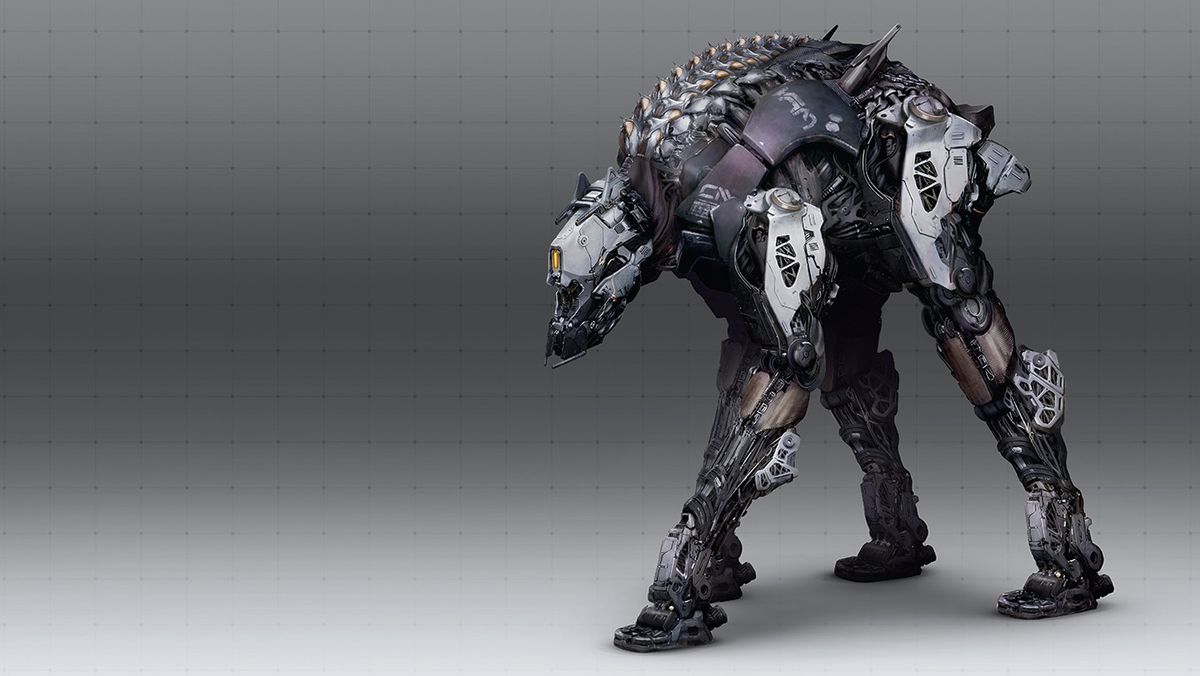
Designing a Robot Concept with 2D Art Techniques

01. Sketching a Silhouette

When planning the concept of a robot, the first and most important step is defining the robot’s silhouette. Consider dividing its structure into the armored and exposed regions. In this case, the light grey areas are designated for armor, while the darker ones represent all the exposed parts of the robot – soft fabrics, cables, and artificial muscles.

02. Using Colour Sparingly

Limiting yourself to a maximum of three values will help you distinguish different types of robot parts more easily and keep your design organized. At this stage, don’t worry too much about shadows; we’ll just use simple, soft lighting to avoid the complexity of dramatic shading. This allows us to focus on the functionality of our machine’s shapes.

03. Incorporating Fine Details

To get a natural look and work faster, keep perspective simple. Remember, you’re creating a concept, not an illustration. For the same reason, I recommend avoiding dynamic shadows. It’s best to think of a main, diffused light source rather than creating something more dramatic. Paint details by hand for a more natural look, and use black and white to focus on the design.

04. Planning with a Grid

To simplify grasping perspective while working, you can sketch a rough grid to guide the overall design. However, when drawing a posed character, keep in mind that each body part will have its own alignment relative to the others. I recommend not sticking too rigidly to the lines or being overly precise, as this can slow you down and make the design appear stiff.

05. Using a Background Trick

To elevate the presentation, consider adding a gradient background with a softly fading pattern. This will introduce depth to the image, bringing a focus to the forefront and making our robotic creature stand out. A well-placed shadow beneath the character will further ground the machine in 3D space, enhancing its realism in the process.

06. Maintain Your Vision

Keeping everything in greyscale eliminates distractions caused by color, making it easier to focus on the design itself and control the values. To quickly convert a color image to black and white in Photoshop, use the shortcut Alt+Shift+Ctrl+B.

07. Advice for Using a Colour Palette

Restricting yourself to a simple color scheme helps establish a clear and cohesive aesthetic for your design. Since our robot is already rich in detail, adding too many colors could result in visual chaos and overwhelm the composition. I chose three main colors and added them to different parts of the robot.

08. Photobashing New Elements

Once you’ve established the silhouette of your robot, you can start cutting out elements from photos of machines and adapt them to fit the shapes you want to create. Don’t hesitate to stretch, cut, and modify them. At this point, we’re not concerned with the details.

09. Adding Colors and Finalizing

For cohesion, I focused on warm shades of purple, copper, and cool bluetones, with colors on separate blending layers. Typically, I use Soft Light or Overlay, but you can experiment with Color Dodge or Multiply. To save time, I copied already established design elements from the legs and adjusted for the pose. Finally, refined details and add effects like glowing eyes.

Conclusion

Designing a robot concept with 2D art techniques requires a combination of planning, simplicity, and attention to detail. By following these steps, you can create a rich and complex design while simplifying the process.

Frequently Asked Questions

  • Q: What is the first step in designing a robot concept?
    A: Defining the robot’s silhouette by dividing its structure into armored and exposed regions.
  • Q: How many values should I use in my design?
    A: Limit yourself to a maximum of three values to distinguish different types of robot parts and keep your design organized.
  • Q: What is the best way to add depth to the image?
    A: Consider adding a gradient background with a softly fading pattern to introduce depth and bring a focus to the forefront.
  • Q: How can I convert a color image to black and white?
    A: Use the shortcut Alt+Shift+Ctrl+B in Photoshop.

Buc-ee’s Sues Barc-ee’s Over Logo Mimicry

0

Buc-ee’s Sues Barc-ee’s for Trademark Infringement

Buc-ee’s, a Texan chain of gas stations and convenience stores, has filed a lawsuit against Barc-ee’s, a southwest Missouri business, for trademark infringement. The dispute centers around the similarity between the two companies’ logos, with Buc-ee’s claiming that Barc-ee’s is using its trademarked beaver logo without permission.

Similar Logos

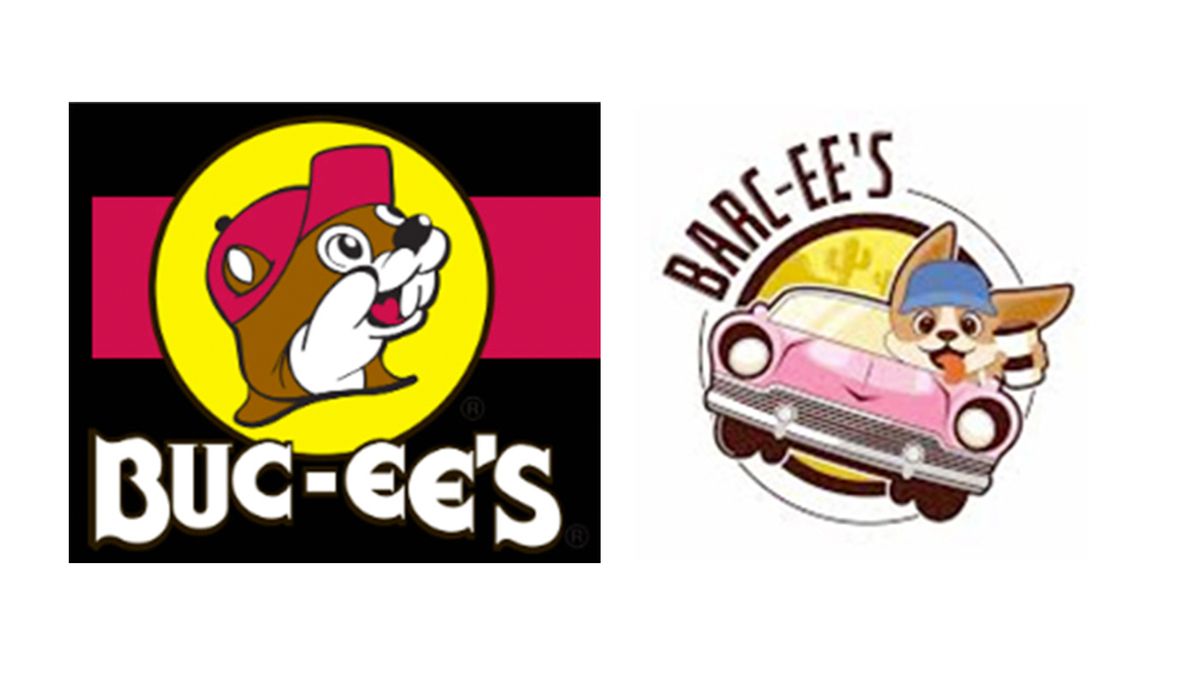
The two logos in question feature a smiling animal mascot, with Buc-ee’s logo featuring a friendly-looking beaver in a red hat in a yellow circle with a dark outline. Barc-ee’s logo, on the other hand, features a smiling cartoon dog in a hat inside a pink car holding a coffee inside a yellow circle with a black outline.

Merchandise and Naming

Buc-ee’s claims that the unauthorized use of its trademark will benefit Barc-ee’s at its expense, and could cause customers to mistakenly assume they are the same business. The court filing highlights the similarity between the two companies’ merchandise, with Buc-ee’s featuring its beaver mascot in a red truck, compared to Barc-ee’s merch that features the Barc-ee’s dog in a red car.

Lettering and Positioning

The court filing also points out the similarity in lettering and positioning of the two logos. "The Barc-ee’s Mark, among other things, is nearly identical both orally and visually to the Buc-ee’s Word Trademark," the filing states. The filing also mentions the curving word style used by both companies for their logos.

Statement from Buc-ee’s

In a statement shared with USA TODAY, Buc-ee’s general counsel Jeff Nadalo said, "Buc-ee’s has invested heavily in innovation across the company to provide the best quality products and experience for our customers. Buc-ee’s will not be an idle spectator while others infringe the intellectual property rights that Buc-ee’s has worked so hard to develop."

Response from Barc-ee’s

Barc-ee’s owner John Lopez responded to the lawsuit on social media, saying, "Although I prefer my business challenges to come with a side of coffee rather than a court summons, this is just a part of the entrepreneur game. My legal team believes we are not legally infringing on any trademarks. Very rare does a small dog go into a fight with a big beaver and come out on top."

Conclusion

The dispute between Buc-ee’s and Barc-ee’s is just the latest example of a logo dispute in the business world. As companies invest more and more in their branding and intellectual property, disputes over similar logos and trademarks are becoming increasingly common.

FAQs

Q: What is the dispute between Buc-ee’s and Barc-ee’s?
A: The dispute is over the similarity between the two companies’ logos, with Buc-ee’s claiming that Barc-ee’s is using its trademarked beaver logo without permission.

Q: What are the similarities between the two logos?
A: The two logos feature a smiling animal mascot, with Buc-ee’s logo featuring a friendly-looking beaver and Barc-ee’s logo featuring a smiling cartoon dog.

Q: What is the outcome of the dispute?
A: The outcome is pending, as the lawsuit is currently underway.

Q: Have there been other logo disputes in the business world?
A: Yes, there have been several notable logo disputes in recent years, including the Umbro logo dispute and Megan Markle’s logo issues.

Consumers Easily Detect AI-Generated Content

0

Two New Studies Reveal Consumers Can Easily Spot AI-Generated Content

Two new studies suggest that most consumers can easily spot AI-generated content, both images and text, which may be more than marketers expected.

Consumers Identify AI-Generated Images

A study by digital marketing consultant Joe Youngblood found that U.S. consumers correctly spotted AI images 71.63% of the time when shown real photos side-by-side with AI versions.

The study surveyed over 4,000 Americans of different ages.

Youngblood states:

“When asking them to determine which photo was real and which one was AI, over 70% of consumers on average could correctly select the AI generated image,”

Detection rates varied by type of image:

  • Celebrity images (Scarlett Johansson as Black Widow): 88.78% identified correctly
  • Natural landscapes (Italian countryside): 88.46% identified correctly
  • Animal photos (baby peacock): 87.97% identified correctly
  • Space images (Jupiter): 83.58% identified correctly

However, some images were more challenging to detect. Only 18.05% correctly spotted an AI version of the Eiffel Tower, and 50.89% identified an AI-created painting of George Washington.

Similar Skepticism Toward AI-Written Content

A separate report by Hookline& surveyed 1,000 Americans about AI-written content.

Key findings include:

  • 82.1% of respondents can spot AI-written content at least some of the time.
  • Among those aged 22–34, the rate rises to 88.4%.
  • Only 11.6% of young people said they never notice AI content.

Christopher Walsh Sinka, CEO of Hookline&, stated:

“Writers and brands aren’t sneaking AI-generated content past readers.”

Reputational Risks for Brands and Writers

Both studies point to the risks of using AI in content.

From the image study, Youngblood warned,

“If consumers determine that AI images are poor quality or a bad fit they may hold that against your brand/product/services.”

The content study showed:

  • 50.1% of respondents would think less of writers who use AI.
  • 40.4% would view brands more negatively if they used AI-generated content.
  • Only 10.1% would view the brands more favorably.

Older consumers (ages 45–65) were the most critical. Nearly 30% said they did not like AI-written content.

Acceptable Use Cases for AI

Despite the caution, both studies indicate that some uses of AI are acceptable to consumers.

The content report found that many respondents approved of using AI for:

  • Brainstorming ideas (53.7%)
  • Conducting research (55.8%)
  • Editing content (50.8%)
  • Data analysis (50.1%)

In the image study, Youngblood noted that consumers might accept AI for fun and informal uses such as memes, video game sprites, cartoons, and diagrams.

However, for important decisions, they prefer real images.

What This Means

These studies offer guidance for those considering incorporating AI-generated content in marketing material:

  1. Be Transparent: Since many consumers can spot AI-generated content, honesty about its use may help maintain trust.
  2. Focus on Quality: Both studies suggest that genuine, professionally produced content is seen as more reliable.
  3. Use AI Wisely: Save AI for tasks like research and editing, but let people handle creative decisions.
  4. Know Your Audience: Younger consumers may be more accepting of AI than older groups. Tailor your strategy accordingly.

Conclusion

The findings of these two studies suggest that consumers are increasingly aware of AI-generated content, and that using it without transparency and caution can have negative consequences for brands and writers. As AI becomes more prevalent in content creation, it is essential to consider the impact on consumer trust and credibility.

FAQs

Q: Can AI-generated content be detected? A: Yes, according to the studies, most consumers can spot AI-generated content, both images and text.

Q: What are the risks of using AI-generated content? A: The studies suggest that using AI-generated content without transparency and caution can lead to reputational damage and decreased trust.

Q: Are there acceptable use cases for AI-generated content? A: Yes, both studies indicate that AI can be used for certain tasks, such as brainstorming ideas, conducting research, and editing content, but not for creative decisions or important decisions.

Q: How can I use AI-generated content effectively? A: Be transparent about using AI-generated content, focus on quality, use AI wisely, and know your audience to maintain trust and credibility.

Tech Stock Shock: OpenAI’s ‘Blip’

0

Global Economy and Technology

This week, President Trump announced sweeping new tariffs that are roiling the global economy. In this episode, we discuss what this could mean for the tech sector and whether this will give China a competitive advantage over the United States in the development of A.I.

Guest Interview

We chat with Keach Hagey, a Wall Street Journal reporter, about her new book on Sam Altman and how she solved the mystery of his firing from OpenAI.

The Optimist: Sam Altman, OpenAI, and the Race to Invent the Future

Keach Hagey’s book explores the life and career of Sam Altman, a prominent figure in the tech industry. We dive into the details of Altman’s firing from OpenAI and what it means for the future of AI development.

Tinder’s New Chatbot

Tinder has launched a new chatbot that allows users to practice their flirting skills. It’s time for a flirting competition!

Credits

  • "Hard Fork" is hosted by Kevin Roose and Casey Newton and produced by Whitney Jones and Rachel Cohn.
  • This episode was edited by Matt Collette.
  • Engineering by Chris Wood and original music by Dan Powell, Elisheba Ittoop, Marion Lozano and Rowan Niemisto.
  • Fact-checking by Ena Alvarado.
  • Our executive producer is Jen Poyant.
  • Special thanks to Paula Szuchman, Pui-Wing Tam, Dahlia Haddad and Jeffrey Miranda.

Conclusion

In this episode, we discussed the impact of President Trump’s tariffs on the global economy and the tech sector, as well as the launch of Tinder’s new chatbot. We also had the opportunity to chat with Keach Hagey about her new book on Sam Altman and the mystery surrounding his firing from OpenAI.

FAQs

Q: What are the new tariffs announced by President Trump?
A: The tariffs are sweeping and aim to protect American industries from what the administration considers unfair trade practices by other countries.

Q: How will the tariffs affect the tech sector?
A: The tariffs could lead to increased costs for tech companies that rely on imports, potentially affecting their bottom line and competitiveness.

Q: What is Sam Altman’s new book about?
A: Keach Hagey’s book, "The Optimist: Sam Altman, OpenAI, and the Race to Invent the Future", explores the life and career of Sam Altman, a prominent figure in the tech industry.

Q: What is Tinder’s new chatbot?
A: Tinder’s new chatbot is a virtual assistant that allows users to practice their flirting skills and engage in conversations with potential matches.

Hurry! Get the Nintendo Switch Piranha Plant Camera

0

If I wasn’t already excited enough about the Nintendo Switch 2 launch, HORI has just released an adorable Piranha Plant version of the official Switch 2 Camera and I NEED IT.

The Cutest Nintendo Switch 2 Accessory

Not only is this camera design a lot more fun and vibrant than the boring black one from Nintendo, but the mouth can be closed and doubles as a privacy shutter for the camera, which is very handy.

A Risk Worth Taking

The funny thing is, I had zero intention of actually buying a Nintendo Switch 2 camera with my Switch 2 console preorder, as most of my friends are PlayStation 5 gamers anyway. So I didn’t feel that I’d need or use it. I probably still won’t use the Nintendo Switch 2 camera in all honesty, but for only £34.99 / $44 I’m prepared to take that risk.

Preorder Now

You can preorder the Nintendo Switch 2 Piranha Plant Camera right now over at ShopTo in the UK for only £34.85, or via Smyths Toy Store for £34.99. But be fast! I expect this Switch 2 accessory will almost certainly sell out.

The Details

  • Price: £34.85 (ShopTo) or £34.99 (Smyths Toy Store)
  • Availability: Preorder now in the UK
  • Camera features: Includes privacy shutter and mouth can be closed

Conclusion

If you’re a Nintendo fan, especially a fan of the Mario series, then this Piranha Plant Camera is a must-have accessory for your Nintendo Switch 2. It’s a fun and vibrant design that will add a touch of personality to your gaming setup. And at only £34.99 / $44, it’s a small price to pay for a unique and functional accessory.

FAQs

Q: Is the Piranha Plant Camera compatible with the Nintendo Switch 2?
A: Yes, the camera is designed specifically for the Nintendo Switch 2 and is compatible with the console.

Q: Can I use the camera with other games or apps?
A: Yes, the camera can be used with a variety of games and apps on the Nintendo Switch 2.

Q: Is the camera durable and long-lasting?
A: Yes, the camera is built to last and is designed to withstand regular use.

Q: Can I return the camera if I’m not satisfied?
A: Yes, most retailers offer a return policy for the Piranha Plant Camera, so you can return it if you’re not satisfied with the product.