Home Blog Page 115

Visible’s Plus Pro plan puts Verizon’s Unlimited Welcome to shame.

0

Visible’s New Premium Plan: A Good Deal or a Trap?

A New Premium Plan with a Twist

Visible, the budget wireless brand owned by Verizon, has introduced a new premium plan that looks like a heck of a deal compared to its parent company’s offerings. The new Plus Pro plan comes without throttling, a feature many lower-cost carrier plans and MVNOs tend to offer. Visible’s fine print states that both its Plus and Plus Pro plan are "not subject to any data prioritization limitations," which means no slowdowns even when the network is busy.

What’s Included in the Plus Pro Plan?

The Plus Pro plan includes unlimited hotspot usage at up to 15 Mbps, a feature Verizon’s basic plan doesn’t offer. Additionally, it includes 4K video streaming and service for one cellular smartwatch. This is in contrast to Verizon’s basic unlimited plan, which doesn’t include any of these features.

The Fine Print: QCI and Network Prioritization

However, this would all be less of a good deal if Verizon puts Visible traffic on a lower network tier than its own postpaid customers. Network operators commonly put different kinds of customers on certain service tiers called Quality of Service Class Indicators, or QCIs. This helps with overall traffic prioritization when there’s congestion, usually putting first responders on the fastest tier.

Verizon didn’t immediately respond to our question about Visible Plus Pro’s QCI, but Android Authority’s comprehensive comparison between Visible and Verizon suggests that Visible’s premium plan is actually assigned a higher-priority QCI than Verizon’s Unlimited Welcome — at least, that’s been the case in the past. We’ll update this article if Verizon responds to our request.

Conclusion

It’s all too rare to read about an ISP’s new plan and think "Huh, that sounds like a good deal, actually." But that’s the case here, even after going through the fine print. Visible’s new premium plan, the Plus Pro, offers a range of features that are not typically found in lower-cost carrier plans and MVNOs, including unlimited hotspot usage and 4K video streaming. However, the question remains whether Verizon will prioritize Visible traffic over its own postpaid customers.

FAQs

Q: What is Visible’s new premium plan?
A: Visible’s new premium plan is called the Plus Pro plan, which includes unlimited hotspot usage, 4K video streaming, and service for one cellular smartwatch.

Q: Does the Plus Pro plan have throttling?
A: No, the Plus Pro plan does not have throttling, unlike many lower-cost carrier plans and MVNOs.

Q: Is the Plus Pro plan assigned a higher-priority QCI than Verizon’s Unlimited Welcome?
A: According to Android Authority’s comprehensive comparison between Visible and Verizon, the Plus Pro plan is actually assigned a higher-priority QCI than Verizon’s Unlimited Welcome — at least, that’s been the case in the past.


ChatGPT’s New Image Generator Shattered My Expectations

Getting Started

When OpenAI released its latest and greatest GPT-4o image generation model, I was skeptical. After testing it, I have changed my mind entirely. With the release of GPT-4o image generation, OpenAI kept this convenient format, switching the default image generator from DALL-E to GPT-4o for paid subscribers. As a result, it was super easy to start creating new images from my ChatGPT Plus account. All I had to do was enter the prompt for what I wanted to see, and then it generated them. Users can also access it from the Sora interface.

The Images

The moment you have been waiting for — the images. After you insert a prompt, the AI outputs the generation in under a minute. The process does take a bit longer than it used to, but the images are worth the wait, delivering lots of details, texture, realism, and even text accuracy. Instead of describing it, I will include examples below so you can see for yourself.

Other Notable Features

Even though the quality of the images is perhaps one of the model’s biggest wins, there are other benefits as well. One of the biggest is that it lives in the chatbot’s interface, which makes it easy to tweak the generations with simple natural language prompts. Also, because the chatbot has the context of what you just asked it, it can consider that in building the image.

Conclusion

Overall, the GPT-4o image generator is a big win over the DALL-E models and perhaps among the best of the many I have tested. Is it worth the $20 per month? If you are just interested in high-quality image generation, there are still free versions you can explore that are really capable, such as Adobe Firefly or Google’s Imagen 3. Having said this, the updated image generation features are rolling out now, and all users, including free ones, can access them.

FAQs

Q: Can I use the GPT-4o image generator for free?
A: Yes, but you must type the shortcut "/create image," or else the system defaults to the lower-quality DALL-E model.

Q: What are the benefits of using the GPT-4o image generator?
A: It lives in the chatbot’s interface, making it easy to tweak the generations with simple natural language prompts, and provides high-quality, realistic images.

Q: Is the GPT-4o image generator worth the $20 per month?
A: If you are just interested in high-quality image generation, there are still free versions you can explore that are really capable, such as Adobe Firefly or Google’s Imagen 3. However, for frequent ChatGPT users, the upgrade to ChatGPT Plus becomes significantly more enticing, offering access to all of OpenAI’s latest and greatest chatbot features, as well as high-quality image and video generation, all for $20 a month.

An AI Image Generator’s Exposed Database Reveals What People Really Used It For

0

AI-Generated CSAM and the Dark Side of Technology

The Rise of AI-Generated CSAM

A recent investigation has uncovered a disturbing trend in the use of artificial intelligence (AI) to generate child sexual abuse material (CSAM). The database, known as GenNomis, contained a vast array of AI-generated explicit images, including pornographic content and potential "face-swap" images.

The Website’s Content

The GenNomis website, which was live at one point, allowed users to generate unrestricted AI adult imagery. The website’s tagline was "generate unrestricted" images and videos, and a previous version of the site from 2024 stated that "uncensored images" could be created. The website’s user policies stated that only "respectful content" was allowed, and that explicit violence and hate speech were prohibited.

Moderation and Regulation

It is unclear to what extent GenNomis used any moderation tools or systems to prevent or prohibit the creation of AI-generated CSAM. Some users reported that they could not generate images of people having sex and that their prompts were blocked for non-sexual "dark humor." Another account posted on the community page that the "NSFW" content should be addressed, as it "might be looked upon by the feds."

Expert Analysis

Henry Ajder, a deepfake expert and founder of consultancy Latent Space Advisory, says that even if the creation of harmful and illegal content was not permitted by the company, the website’s branding referenced "unrestricted" image creation and a "NSFW" section, which indicated a "clear association with intimate content without safety measures." Ajder believes that more pressure needs to be put on all parts of the ecosystem that allows nonconsensual imagery to be generated using AI.

The Dark Side of Technology

Fowler says that the database also exposed files that appeared to include AI prompts. No user data, such as logins or usernames, were included in exposed data, the researcher says. Screenshots of prompts show the use of words such as "tiny," "girl," and references to sexual acts between family members. The prompts also contained sexual acts between celebrities.

Conclusion

The rise of AI-generated CSAM is a disturbing trend that highlights the need for stricter regulations and moderation on these types of websites. The technology has outpaced the guidelines and controls, and it is essential that lawmakers, tech platforms, and web hosting companies take immediate action to prevent the creation and distribution of this content.

FAQs

Q: What is AI-generated CSAM?
A: AI-generated CSAM refers to the use of artificial intelligence to create child sexual abuse material.

Q: What is GenNomis?
A: GenNomis is a website that allowed users to generate unrestricted AI adult imagery, including pornographic content and potential "face-swap" images.

Q: Is CSAM illegal?
A: Yes, CSAM is illegal and considered a serious crime.

Q: What is being done to combat AI-generated CSAM?
A: Organizations such as the Internet Watch Foundation (IWF) are working to combat AI-generated CSAM by documenting how criminals are creating and distributing this content. Additionally, lawmakers and tech platforms are being urged to take immediate action to prevent the creation and distribution of this content.

Britain’s Refuge

0

Renewal of the Refugee Council’s Brand Identity

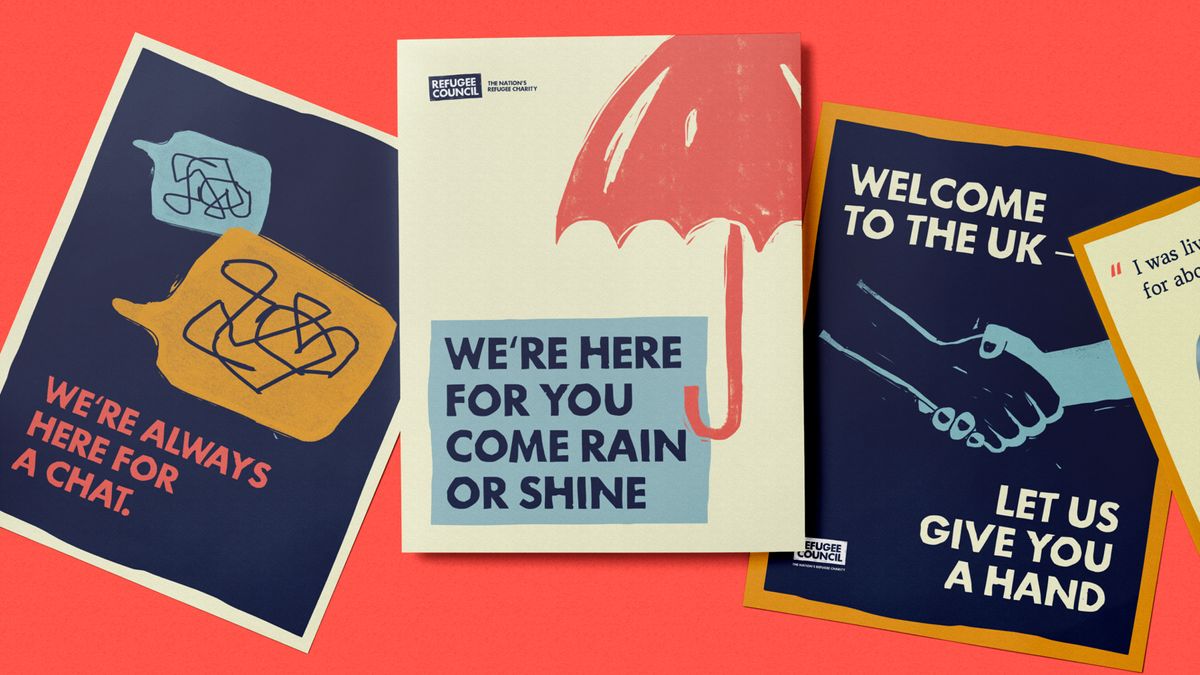
The Refugee Council has been supporting refugees in Britain since the Second World War, but many people were unaware they were a charity. A new rebrand crafted by Shape History, the Refugee Council, and refugees aims to change that, elevating the brand to help it reach more people and highlight refugee voices.

A Brand for All

The brand needed to be welcoming to both the general public and refugees, and needed to tread carefully so as not to fuel the flames of what has become a polarizing topic. The aim was to bring refugees’ role in the fabric of British society to the forefront.

Co-Creation

The Refugee Council spoke to refugees and Britons, who co-created the brand together using a process involving research and feedback. This approach allows the brand to be personable and textured, reflecting the unique experiences of refugees.

The Visual Language

The brand’s visual language references British values and heritage and centers around the idea of ‘grit and grace’ – two elements that are present within many refugees’ stories. Grit and Grace is also the name of the custom typeface.

Lino Cutting

The brand also centralizes lino cutting, a tricky process that embraces imperfection – another nod to many refugees’ journeys. Both the logo and the typeface were created in this way, ensuring the brand feels personable as well as textured.

Illustrations

Refugees also created linocuts representing their experiences, and these illustrations are used throughout the brand to great effect. These illustrations are a testament to the resilience and creativity of refugees, and help to humanize the brand.

A Homely and Welcoming Feel

The brand manages to feel British without being too overtly covered in Union Jacks or obvious references. Instead, it nods to British idioms (e.g, keep your chin up), the weather, and the feeling of what it’s like to be in Britain. Refugees were asked what says Britain to them, and these representations of cups of tea, dogs, and umbrellas have made it into the brand’s illustrations, giving the identity a homely and welcoming feel.

Conclusion

Creating a brand that celebrates refugees and attracts non-refugees is no mean feat, and I think Shape History has done a stellar job at bringing the research and feedback they got to life. The use of lino cut gives the whole identity a handmade and personal feel, creating warmth towards the charity. It feels like this identity will help the Refugee Council achieve their goals, and will help them attract more funding in future.

Frequently Asked Questions

Q: What is the Refugee Council?
A: The Refugee Council is a charity that has been supporting refugees in Britain since the Second World War.

Q: What is the purpose of the new brand identity?
A: The new brand identity aims to elevate the Refugee Council’s brand to help it reach more people and highlight refugee voices.

Q: How was the brand identity created?
A: The brand identity was co-created by the Refugee Council, refugees, and Shape History using a process involving research and feedback.

Q: What is the visual language of the brand?
A: The brand’s visual language references British values and heritage and centers around the idea of ‘grit and grace’ – two elements that are present within many refugees’ stories.

UseFetch Hook in React

Fetching Data Without a Custom Hook

Let’s start by creating a React component that fetches data using fetch inside useEffect.

...

Using the Custom Hook in a Component

Now, our UsersList component is much cleaner:

...

Conclusion

By using useFetch, we have separated the data fetching logic from our component, making it more modular and reusable. This approach can be applied to other components that require data fetching, reducing code duplication and improving maintainability.

FAQs
Q: What is the purpose of using a custom hook?

A: The purpose of using a custom hook is to separate the data fetching logic from our component, making it more modular and reusable.

Q: How does the custom hook useFetch work?

A: The useFetch hook uses the fetch API to fetch data from a remote source, and returns the data, loading state, and error state.

Q: Can I use the custom hook useFetch in other components?

A: Yes, you can use the custom hook useFetch in other components that require data fetching, reducing code duplication and improving maintainability.

Intel’s New CEO Vows to Revive Engineering Innovation

Intel CEO Lip-Bu Tan Outlines Turnaround Plan in First Major Address

Introduction

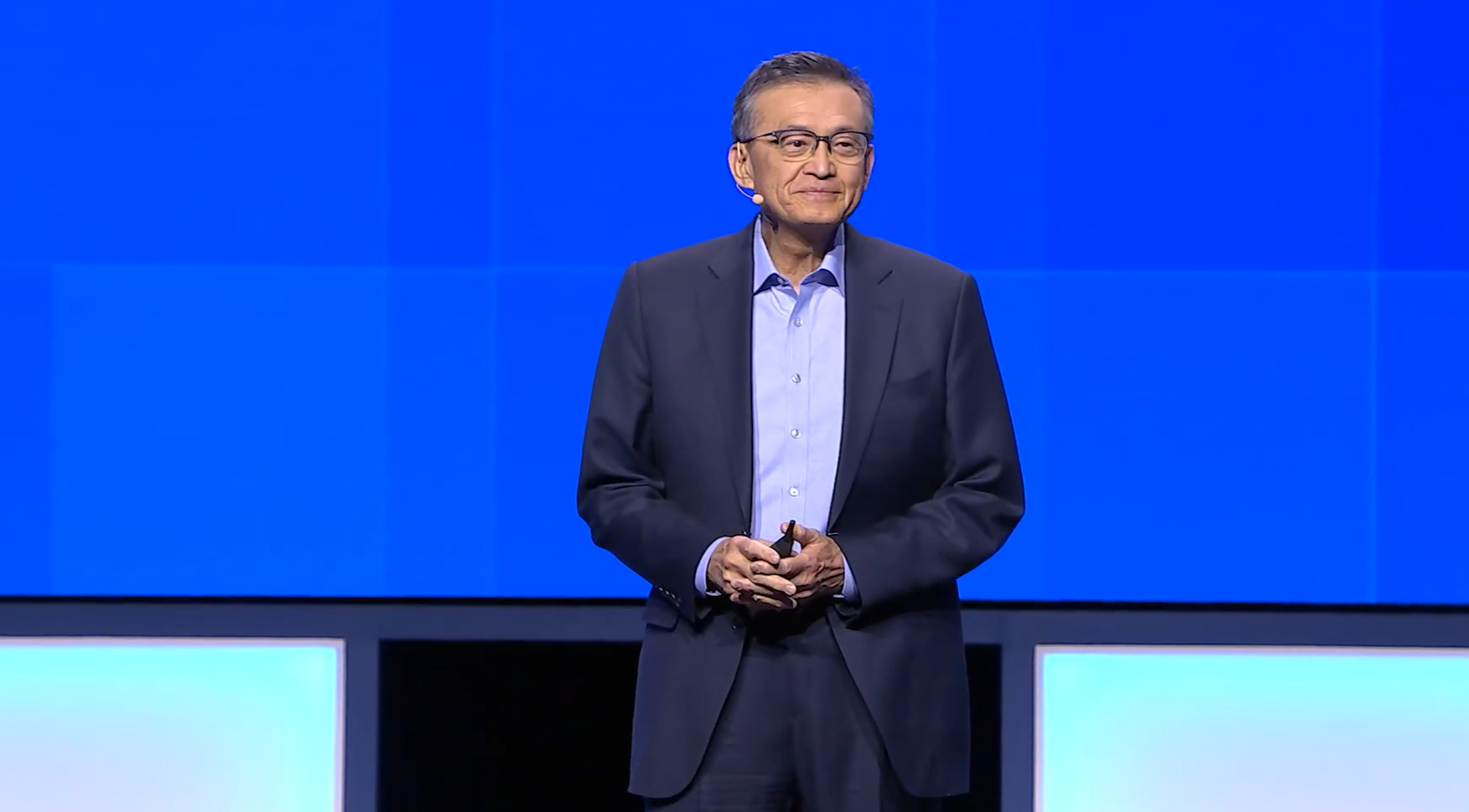
Intel CEO Lip-Bu Tan recently delivered his first major address since taking over the CEO job at Intel. In his speech, he explained why he took the job, recounted the challenges that Intel faces, and detailed how he will work to turn the chipmaker around.

Intel’s Existential Struggle

Tan started out by sharing his admiration for Henry David Thoreau and his contrarian nature. He emphasized the importance of seeking truth and being open to change. He then highlighted the challenges that Intel faces, including its slow adaptation to innovation and its struggle to meet customer needs.

Experience and Expertise

Tan drew on his experience as the CEO of Cadence Design System, where he was able to turn the company around by changing the culture and adopting a culture of innovation and customer satisfaction. He also highlighted his experience as the founder of Walden International, a venture capital fund, where he was able to build a company from scratch.

Intel’s Future

Tan outlined his plan for Intel’s future, including a focus on innovation, a refocus on the company’s core business, and a spin-off of some non-core businesses. He emphasized the need for Intel to be more agile and adaptable, and to focus on developing better products.

Software 2.0 and Quantum Computing

Tan also discussed the company’s plans for Software 2.0 and quantum computing. He emphasized the importance of embracing the software-first design mentality and the need for Intel to develop new compute architecture platforms.

Conclusion

In conclusion, Tan outlined a clear plan for Intel’s future, emphasizing the need for innovation, agility, and customer satisfaction. He has a strong track record of turning companies around, and his experience and expertise make him well-suited to lead Intel’s turnaround.

Frequently Asked Questions

Q: What is Intel’s plan for the future?
A: Intel’s plan for the future is focused on innovation, a refocus on its core business, and a spin-off of some non-core businesses.

Q: How does Intel plan to turn around?
A: Intel plans to turn around by changing its culture and adopting a culture of innovation and customer satisfaction.

Q: What is Intel’s approach to software development?
A: Intel’s approach to software development is focused on embracing the software-first design mentality and developing new compute architecture platforms.

Q: What is Intel’s plan for quantum computing?
A: Intel’s plan for quantum computing is to develop new compute architecture platforms and to focus on the software-first design mentality.

Q: How will Intel measure success?
A: Intel will measure success by consistently delivering its promise on time, on quality, and exceeding customer expectations.

Q: What is Intel’s plan for the 14A process node?
A: Intel’s plan for the 14A process node is to go online in 2026 and to pass a crucial milestone this week that will enable volume production of its Panther Lake chips by the second half of the year.

ATA Acquires Digital Therapeutics Alliance to Launch New Coalition

The American Telemedicine Association (ATA) Acquires Digital Therapeutics Alliance (DTA)

Why it Matters

The American Telemedicine Association (ATA) has announced that its ATA Action advocacy group has acquired the Digital Therapeutics Alliance (DTA), which focuses on driving uptake of software-based healthcare tools. The acquisition aims to create an advocacy organization, the Advancing Digital Health Coalition, designed to help ensure that telehealth, virtual care, and DTx interventions become dependable options for care delivery.

The Advancing Digital Health Coalition

The coalition will advocate for transformative patient care technologies and build upon the work of the DTA, focusing on the advancement of digital therapeutics, prescription drug use-related software, digital mental health treatment devices, and remote monitoring devices. The coalition will also expand into artificial intelligence, digital diagnostics, and cutting-edge devices that support care-at-home programs.

Integration and Leadership

With the larger transaction, DTA’s members, leadership, and staff, along with its programs, resources, and task groups, are being integrated into ATA Action and the ATA. Andy Molnar, who will be the head of digital health at ATA Action and lead the new coalition, explained that DTA pursued this acquisition because of the synergies between the organizations.

Goals and Objectives

The combined organization will focus on ensuring appropriate reimbursement, engaging with federal and state governments on digital health regulations, expanding partnerships and opportunities in the U.S. and around the world, and improving access to evidence-based digital interventions in healthcare delivery. Ann Mond Johnson, ATA’s CEO, added that the expanded efforts will boost educational initiatives and convenings, leverage more resources, and support the shared mission to better serve members and the broader digital health community.

The Larger Trend

DTA has developed frameworks to ensure the efficacy of apps and tools used in healthcare, encouraged health equity in HIT, and spearheaded data interoperability initiatives. In June, DTA partnered with DirectTrust, developing criteria for a digital therapeutics accreditation program for testing the apps and platforms for safety and transparency, privacy protections, and compliance with interoperability regulations and best practices.

ATA’s History of Partnership

ATA has a long history of partnership. In 2021, ATA formed the Telehealth Equity Coalition with the Health Innovation Alliance, Hims & Hers, Adaptation Health, the National Health IT Collaborative for the Underserved, and others to identify opportunities and better advocate to improve telehealth policy and improve utilization of covered services. More recently, ATA launched its Center of Digital Excellence with big-name health systems, including Intermountain, the Mayo Clinic, MedStar, Ochsner, Stanford Health, and UPMC, to drive innovation in virtual care pathways.

Conclusion

The acquisition of DTA by ATA Action aims to create a unified voice to shape healthcare policies and ensure that telehealth and digital therapeutics remain integral components of the U.S. healthcare system. The combined organization will focus on ensuring appropriate reimbursement, engaging with federal and state governments, and improving access to evidence-based digital interventions in healthcare delivery.

FAQs

Q: What is the purpose of the acquisition?
A: The acquisition aims to create an advocacy organization, the Advancing Digital Health Coalition, designed to help ensure that telehealth, virtual care, and DTx interventions become dependable options for care delivery.

Q: What will the coalition focus on?
A: The coalition will advocate for transformative patient care technologies, focusing on the advancement of digital therapeutics, prescription drug use-related software, digital mental health treatment devices, and remote monitoring devices.

Q: Who will lead the coalition?
A: Andy Molnar, CEO of DTA, will be the head of digital health at ATA Action and lead the new coalition.

Q: What will the combined organization focus on?
A: The combined organization will focus on ensuring appropriate reimbursement, engaging with federal and state governments, expanding partnerships and opportunities, and improving access to evidence-based digital interventions in healthcare delivery.

Researchers suggest OpenAI trained AI models on paywalled O’Reilly books

0

AI Models and Copyrighted Content: A New Paper Accuses OpenAI of Training on Non-Public Books

Training AI Models on Copyrighted Content

AI models are complex prediction engines that learn patterns and novel ways to extrapolate from a simple prompt. While a number of AI labs have begun embracing AI-generated data to train AI, few have eschewed real-world data entirely. This is because training on purely synthetic data comes with risks, like worsening a model’s performance.

The New Paper

The AI Disclosures Project, a nonprofit co-founded by Tim O’Reilly and Ilan Strauss, has released a new paper that accuses OpenAI of training its GPT-4o model on paywalled books from O’Reilly Media. The paper concludes that OpenAI likely trained its GPT-4o model on non-public books from O’Reilly Media, without a licensing agreement.

Methodology

The paper used a method called DE-COP, designed to detect copyrighted content in language models’ training data. The method tests whether a model can reliably distinguish human-authored texts from paraphrased, AI-generated versions of the same text. If it can, it suggests that the model might have prior knowledge of the text from its training data.

Results

The results of the paper show that GPT-4o "recognized" far more paywalled O’Reilly book content than OpenAI’s older models, including GPT-3.5 Turbo. This is even after accounting for potential confounding factors, such as improvements in newer models’ ability to figure out whether text was human-authored.

Conclusion

While the co-authors of the paper are careful to note that their experimental method isn’t foolproof, the results suggest that OpenAI may have trained its GPT-4o model on non-public O’Reilly books without a licensing agreement. This is a serious accusation, and OpenAI’s lack of comment on the matter only adds to the concerns.

FAQs

Q: What is the AI Disclosures Project?
A: The AI Disclosures Project is a nonprofit organization co-founded by Tim O’Reilly and Ilan Strauss to promote transparency and accountability in the development of AI models.

Q: What is DE-COP?
A: DE-COP is a method designed to detect copyrighted content in language models’ training data. It tests whether a model can reliably distinguish human-authored texts from paraphrased, AI-generated versions of the same text.

Q: What are the implications of this paper?
A: The implications are serious, as they suggest that OpenAI may have trained its GPT-4o model on non-public O’Reilly books without a licensing agreement. This could have significant legal and ethical implications for the company and the broader AI industry.

Q: How did the paper arrive at its conclusions?
A: The paper used a combination of methods, including DE-COP, to test whether OpenAI’s GPT-4o model had prior knowledge of paywalled O’Reilly book content.

Don’t Bother with Copilot on Your Mac

MacOS Does Not Lack AI Apps and Services

The Journey Begins

As a user of Ollama and Msty, I was initially hesitant to install Microsoft’s Copilot for MacOS. However, my curiosity got the better of me, and I decided to give it a try. I was confident that Copilot wouldn’t be able to pull me away from my usual LLMs, but there’s no harm in trying, right?

What’s in the News?

One of the first things I do when testing a new AI app is ask it, "What’s in the news today?" Since I’m accustomed to using locally installed LLMs, I’m used to this question not being answered, as they don’t have access to external sources. When I asked Copilot for MacOS, I received the top five headlines "making waves." Each entry had a citation I could click to open the original article. It then informed me that I could dive deeper into a subject, even offering a suggestion.

I’m Liking This So Far

I could get used to getting my news like this. The actual AI of it all is quite impressive, and I’m liking this so far. It’s easy to view a smattering of news while allowing me to go down any particular rabbit hole I choose. That feature alone could keep me using Copilot.

The Actual AI of it All

Once I got beyond my usual first steps, I decided to pose a question that has been on my mind lately: "What are the long-term effects of radiation to humans on the moon?" Copilot took nearly five minutes to answer the question. Five minutes! At first, I assumed my network was down, but that was not the case. It seems I just happened to ask a question that sent Copilot into a tizzy.

The Think Deeper Feature

If you like to really dive into a topic, click the icon directly to the right of the search bar (I like to call it the Spirograph icon), which turns on the Think Deeper feature. Now, when you type your query and hit Enter, Copilot will do exactly as it says and dive a bit deeper into the subject.

Conclusion

I love it when an answer nudges me toward deeper questions. If you really like to dig into a subject while also exploring new avenues, the Think Deeper feature on Copilot is an outstanding addition. Should you use Copilot on MacOS? This boils down to two things: Do you want to use an AI app to summarize the top news stories of the day? Do you want your AI to suggest rabbit holes for you to dive into that are related to your query?

Frequently Asked Questions

Q: What is Copilot?

A: Copilot is an AI app for MacOS that provides news summaries and suggests rabbit holes for users to dive into.

Q: Is Copilot worth installing?

A: Yes, if you want to use an AI app to summarize the top news stories of the day or if you want your AI to suggest rabbit holes for you to dive into that are related to your query.

Q: What is the Think Deeper feature?

A: The Think Deeper feature allows users to dive deeper into a subject by clicking the icon directly to the right of the search bar, which turns on the feature.

Q: Is Copilot available on other platforms?

A: Yes, Copilot is available on the App Store for MacOS, and a Linux app is also available.

AI-Powered Workflow to Solve Content Cannibalization

0

How to Identify and Fix Content Cannibalization

Content cannibalization is a common issue in SEO, where multiple pages on a website compete for the same keywords, leading to a decrease in organic traffic and revenue. It’s a "microplastic of SEO," and it’s crucial to detect and fix it to improve the website’s performance.

How to Think About Content Cannibalization the Right Way

Before diving into the workflow, it’s essential to understand that content cannibalization is not just about keyword competition, but about user intent. It’s a moving target, and it exists on a spectrum. A page can compete with another page or several pages, with an intent overlap from 10% to 100%. It’s hard to say exactly how much overlap is fine without looking at outcomes and context.

How to Spot Content Cannibalization

Content cannibalization can have one or more of the following symptoms:

  • "URL flickering": at least two URLs alternate in ranking for one or more keywords.
  • A page loses traffic and/or ranking positions after another one goes live.
  • A new page hits a ranking plateau for its main keyword and cannot break into the top 3 positions.
  • Google doesn’t index a new page or pages within the same page type.
  • Exact duplicate titles appear in Google’s search index.

The Cannibalization Detector Workflow

The Cannibalization Detector workflow consists of five steps:

  1. Target Content Analysis: Scrape the page, validate and analyze the HTML structure for main content extraction, and clean the article content and generate target embeddings.
  2. Keyword Analysis: Analyze ranking keywords through Semrush data, filter branded versus non-branded terms, identify SERP overlap with competing URLs, conduct historical ranking analysis, determine page value based on multiple metrics, and analyze position differential changes over time.
  3. Competing Content Analysis (Iteration Over Competing URLs): Gather additional context for cannibalization by iteratively processing each competing URL in the search results through the previous steps.
  4. Final Report Generation: Clean up the data and generate an actionable report.
  5. Try the Automated Content Cannibalization Detector: Try the Cannibalization Detector and check out an example report.

Conclusion

Content cannibalization is a common issue in SEO, and it’s essential to detect and fix it to improve the website’s performance. The Cannibalization Detector workflow is a step-by-step guide to identifying and fixing content cannibalization. By following these steps, you can improve your website’s organic traffic and revenue.

FAQs

Q: What is content cannibalization?
A: Content cannibalization is a common issue in SEO, where multiple pages on a website compete for the same keywords, leading to a decrease in organic traffic and revenue.

Q: How can I detect content cannibalization?
A: You can detect content cannibalization by identifying the symptoms, such as "URL flickering," a page losing traffic and/or ranking positions, and exact duplicate titles appearing in Google’s search index.

Q: How can I fix content cannibalization?
A: You can fix content cannibalization by following the Cannibalization Detector workflow, which consists of five steps: target content analysis, keyword analysis, competing content analysis, final report generation, and trying the automated content cannibalization detector.

Q: What is the Cannibalization Detector?
A: The Cannibalization Detector is an automated workflow that helps detect and fix content cannibalization. It’s a step-by-step guide to identifying and fixing content cannibalization.