Home Blog Page 146

A Chinese tech giant says it slashed AI costs using only Chinese chips.

0

Ant Group’s AI Breakthrough Challenges Nvidia’s Dominance

Chinese Fintech Giant Claims 20% Reduction in AI Training Costs

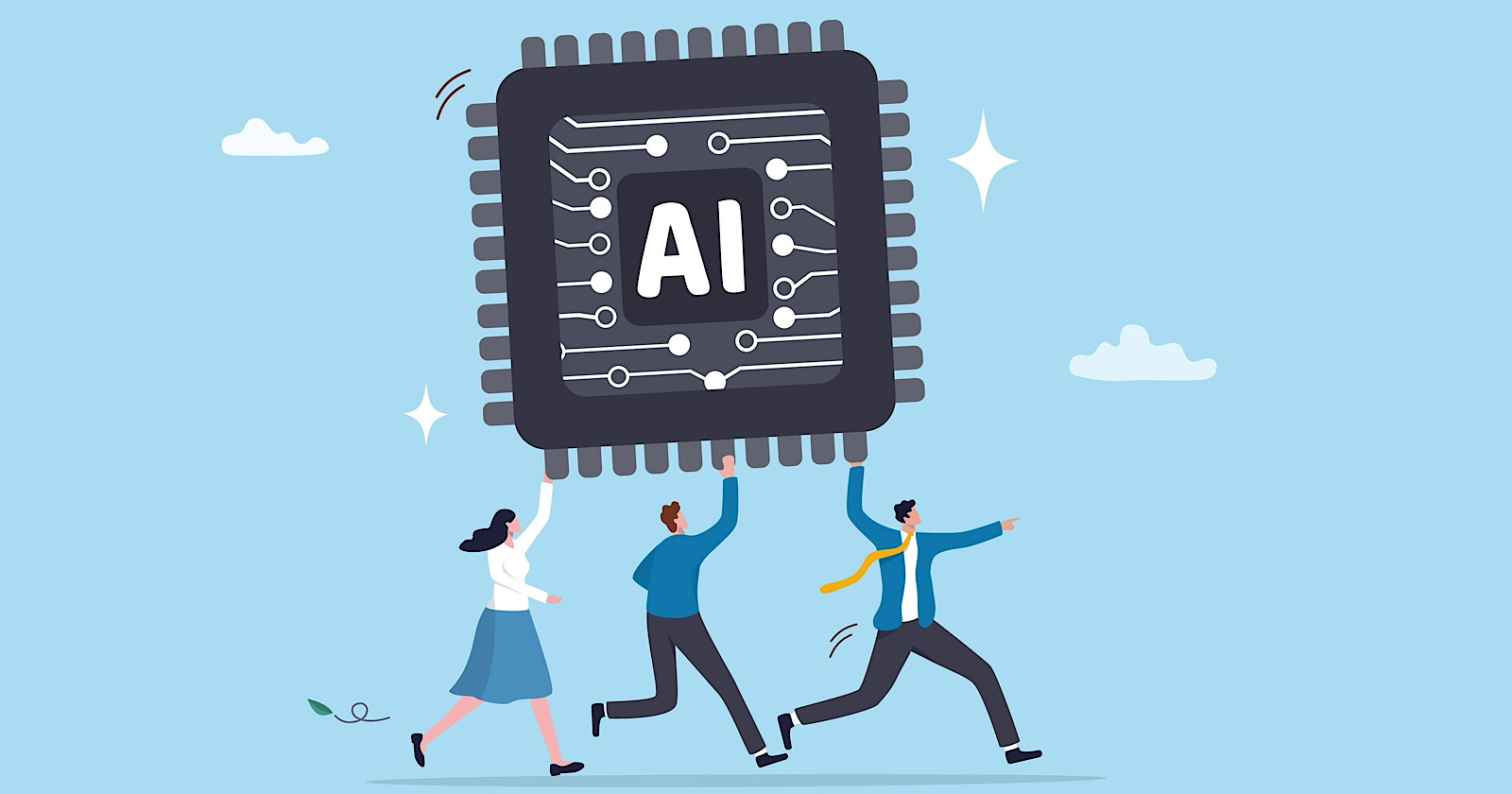
Earlier this year, DeepSeek briefly crashed Nvidia’s stock due to speculation that its models require far fewer chips. Now, Chinese fintech giant Ant Group, backed by Alibaba founder Jack Ma, is claiming a major AI breakthrough. Ant was able to use Chinese chips made by Alibaba and Huawei to create methods that cut AI training costs by 20%, according to sources familiar with the matter.

Chinese-Made Chips Perform as Well as Nvidia’s

The Chinese-made chips performed about as well as Nvidia chips during Ant Group’s tests, sources claim. This achievement is significant, as it could potentially disrupt Nvidia’s dominant position in the AI chip market.

Implications for Nvidia’s Dominance

If these Chinese chips catch on, it could harm Nvidia’s current and highly lucrative status as the most popular AI chip producer. Nvidia chips are highly sought after, including in China, where buyers are reportedly willing to go to great lengths to acquire the latest Blackwell chip, despite U.S. export controls.

Avoiding a Showdown

Ant Group and Nvidia didn’t immediately respond to requests for comment. However, the implications of this development are clear: Ant Group’s achievement could be a game-changer for the AI chip market, potentially forcing Nvidia to reevaluate its position and adapt to the changing landscape.

FAQs

Q: What is the significance of Ant Group’s AI breakthrough?

A: Ant Group’s achievement could potentially disrupt Nvidia’s dominance in the AI chip market by offering a more cost-effective alternative.

Q: How does Ant Group’s achievement affect Nvidia’s position in the market?

A: If Chinese-made chips gain popularity, it could harm Nvidia’s current and highly lucrative status as the most popular AI chip producer.

Q: What is the significance of Nvidia’s export controls in China?

A: The U.S. export controls on Nvidia chips have reportedly led to a surge in demand for alternative AI chip solutions in China, making it an attractive market for Ant Group’s Chinese-made chips.

Q: What is the potential impact on the AI chip market?

A: The entry of Chinese-made AI chips could lead to increased competition, potentially driving prices down and forcing companies to adapt to the changing landscape.

DEA and HHS push off new telemedicine prescribing rules to end-of-year

US Drug Enforcement Administration and Department of Health and Human Services Delay Two Final Rules

Why It Matters

The U.S. Drug Enforcement Administration (DEA) and the Department of Health and Human Services (HHS) have decided to delay the effective date of two final rules that were expected to go into effect on March 21. The rules, which were first promulgated on January 17, would have allowed for the expansion of buprenorphine treatment via telemedicine and continuity of care via telemedicine for Veterans Affairs patients.

The Long-Awaited Clarity on Prescribing Controlled Substances via Telemedicine

The expansion rule would have permanently allowed virtual care providers to prescribe a six-month supply of buprenorphine to treat opioid use disorder. After the six-month mark, the rule requires patients to see a provider in person. The long-awaited clarity on prescribing controlled substances via telemedicine included establishing three special registries for practitioners and platforms to balance patient access with safeguards against misuse.

The DEA’s Responsibility and Healthcare Organizations’ Concerns

The DEA has had a responsibility to create a telehealth prescribing registry under the 2018 Substance Use-Disorder Prevention that Promotes Opioid Recovery and Treatment for Patients and Communities Act, known as the SUPPORT Act. Healthcare organizations raised concerns about the registries proposed in the DEA’s final rule, arguing that they could limit telemedicine access and impose burdensome restrictions. One concern has been limiting virtual prescribing access to terminally ill patients in hospice care.

The Alliance for Connected Care’s Request and the DEA’s Response

In response to a request, the DEA said it received 32 new comments since February. The Alliance for Connected Care asked U.S. Attorney General Pam Bondi last month to intervene on the DEA’s e-prescribing rules and urged broader telehealth access, stating that the draft special telehealth registries should be tossed out.

The Larger Trend

Congress and telehealth industry groups have urged the DEA and HHS to jointly extend prescribing flexibilities allowed under the original COVID-19 public health emergency since it was initially set to expire. The agencies agreed to a third temporary extension of virtual prescribing for controlled substances allowed under the original COVID-19 public health emergencies in November. With this new postponement of the rules’ effective dates, telehealth providers are back to an end-of-year deadline.

On the Record

"The Department of Justice wishes to further postpone the effective dates for the purpose of further reviewing any questions of fact, law and policy that the rules may raise," said HHS Secretary Robert F. Kennedy, Jr., and Heather Achbach, the DEA’s Federal Register liaison officer, Monday in their joint notice on the new postponement.

Conclusion

The delay of the effective date of the two final rules provides more time for the DEA and HHS to review the comments they have received and to further consider the concerns raised by healthcare organizations. This extension is seen as a positive step towards ensuring that patients have access to the care they need while also ensuring that the regulations are effective and safe.

FAQs

Q: What were the two final rules that were delayed?
A: The two final rules that were delayed are the Expansion of Buprenorphine Treatment via Telemedicine Encounter and Continuity of Care via Telemedicine for Veterans Affairs Patients.

Q: Why were the rules delayed?
A: The rules were delayed to allow for further review of the comments received and to consider the concerns raised by healthcare organizations.

Q: What is the significance of the delay?
A: The delay allows for more time to ensure that the rules are effective and safe, and that patients have access to the care they need.

Q: What is the next step?
A: The next step is for the DEA and HHS to review the comments and concerns raised, and to make any necessary changes to the rules before they go into effect.

Most Media Companies Not Fully Using AI

0

Current State of AI Adoption

A report from the Interactive Advertising Bureau (IAB) surveyed over 500 experts and found that AI use varies across the industry:

  • 30% of companies have implemented AI in their media campaigns.
  • Agencies (37%) and publishers (34%) are more advanced in using AI compared to brands (19%).
  • Half of the companies that haven’t adopted AI plan to do so by 2026.
  • Most organizations (85%) are using general AI tools, while fewer are using custom solutions (45%) or proprietary tools (24%).

AI Perceptions

Companies using AI generally have positive experiences:

  • 82% say AI meets or exceeds their efficiency expectations, saving time and costs.
  • 75% believe AI helps their media campaigns effectively.
  • 73% find AI reliable over time.

Adoption Barriers

The research found several barriers to adopting AI in media campaigns:

  • 62% said they’re concerned about how complex it is to set up and maintain AI.
  • 62% worry about the risk of data security.
  • 61% noted that their organizations lack AI knowledge.
  • 60% have concerns about how accurate and transparent AI is.

Buy-Side vs. Sell-Side Challenges

Agencies, brands, and publishers face unique challenges with AI:

  • Publishers struggle with complex technology (67%) and scattered capabilities (62%).
  • Brands and publishers (56% each) lack a clear AI vision.
  • Agencies encounter the most resistance to change from teammates and clients (61%).
  • 51% of brands worry about transparency in how their partners use AI.

Looking Ahead

AI is changing media campaigns, and IAB’s report highlights some important points:

  • Many companies are in the early stages of adopting AI, but this is happening faster than before. Companies without clear plans risk falling behind by 2026.
  • Companies need good data and solid governance guidelines to succeed with AI. Organizations should train their teams in best practices and set clear goals.
  • Standards for transparency, privacy, and reliability are still being developed across the industry. Companies that collaborate to set these standards will be best positioned to handle this change in digital advertising.

Conclusion

The IAB’s "State of Data" report highlights the current state of AI adoption in the industry, the challenges and opportunities for success. The report emphasizes the importance of addressing concerns around complexity, data security, and transparency, and encourages collaboration to set industry standards.

FAQs

Q: What percentage of companies have implemented AI in their media campaigns?
A: 30%

Q: Which industries are more advanced in using AI?
A: Agencies (37%) and publishers (34%) are more advanced in using AI compared to brands (19%).

Q: What are the main barriers to adopting AI in media campaigns?
A: Concerns about complexity, data security, lack of AI knowledge, and accuracy and transparency are the main barriers.

Q: What are the challenges faced by agencies, brands, and publishers in adopting AI?
A: Agencies, brands, and publishers face unique challenges, including complex technology, scattered capabilities, lack of AI vision, and resistance to change.

Microsoft’s AI Agents Combat Latest Cyber Threats

Microsoft Launches AI Agents for Security Copilot to Enhance Threat Response

Microsoft is launching a series of AI agents for its Security Copilot program designed to help professionals more easily protect their organizations against today’s security threats. The company has built six of the new agents, while five come from third-party partners. All will be available for preview starting in April.

Microsoft’s AI Agents

The six Microsoft-created agents aim to help security teams handle high-volume security and IT tasks, taking their cues from Microsoft’s Zero Trust framework. They will also learn from user feedback and adapt to internal workflows. The six agents are:

  • Phishing Triage Agent in Microsoft Defender: Prioritizes Microsoft Defender phishing alerts to distinguish real threats from false positives, offering simple explanations for its decisions and improving its detective skills based on user feedback.
  • Alert Triage Agent in Microsoft Purview: Prioritizes Microsoft Purview alerts related to data loss and insider risks, improving its behavior based on user feedback.
  • Conditional Access Optimization Agent in Microsoft Entra: Looks for new users and apps in Microsoft Entra that aren’t covered by existing policies, suggesting necessary updates to patch security holes and offering quick fixes to deal with identity and authentication methods.
  • Vulnerability Remediation Agent in Microsoft Intune: Prioritizes security vulnerabilities, uncovers app and policy configuration issues, and suggests the right Windows patches to apply.
  • Threat Intelligence Briefing Agent in Security Copilot: Works with Security Copilot to share relevant and urgent threat intelligence based on an organization’s environment and exposure to specific risks.

Third-Party Agents

The five third-party agents will be available in Security Copilot, including:

  • Privacy Breach Response Agent by OneTrust: Analyzes data breaches and offers guidelines on how an organization can meet regulatory requirements.
  • Network Supervisor Agent by Aviatrix: Scans and analyzes security risks related to VPN, gateway, and Site2Cloud connection outages and failures.
  • SecOps Tooling Agent by BlueVoyant: Looks at a security operations center and controls, providing advice on how to improve them.
  • Alert Triage Agent by Tanium: Places security alerts within certain contexts to help decide how to handle each one.
  • Task Optimizer Agent by Fletch: Prioritizes the most critical security alerts, allowing organizations to determine how to address each one.

Security Copilot

Microsoft Security Copilot, launched about a year ago, uses AI to monitor and analyze security threats that could impact an organization. The product aims to automate as much of the process as possible, freeing up IT and security staff from repetitive or time-consuming tasks. It also offers guidance to help staff determine how and where to focus their efforts, allowing them to respond to security threats more quickly and effectively.

Conclusion

The launch of these AI agents marks an important step in the evolution of Microsoft’s Security Copilot, providing organizations with more effective tools to combat the ever-growing number of security threats. While AI agents can help streamline security operations, it is crucial to remember that human intervention is still necessary to ensure the accuracy and effectiveness of these tools.

FAQs

Q: What are the six Microsoft-created AI agents for Security Copilot?
A: The six agents are the Phishing Triage Agent in Microsoft Defender, Alert Triage Agent in Microsoft Purview, Conditional Access Optimization Agent in Microsoft Entra, Vulnerability Remediation Agent in Microsoft Intune, and Threat Intelligence Briefing Agent in Security Copilot.

Q: What are the five third-party AI agents for Security Copilot?
A: The five agents are the Privacy Breach Response Agent by OneTrust, Network Supervisor Agent by Aviatrix, SecOps Tooling Agent by BlueVoyant, Alert Triage Agent by Tanium, and Task Optimizer Agent by Fletch.

Q: How does Security Copilot work?
A: Security Copilot uses AI to monitor and analyze security threats, aiming to automate as much of the process as possible and free up IT and security staff from repetitive or time-consuming tasks. It also offers guidance to help staff determine how and where to focus their efforts.

Trump officials leaked a military strike in a Signal group chat

0

Getting Added to the Wrong Group Chat: A Security Breach

The Unintended Addition

Getting added to the wrong group chat is a common problem, but what if that group chat is describing an upcoming military strike? That’s what happened to The Atlantic editor-in-chief Jeffrey Goldberg, who was added to a Signal group chat formed by high-ranking members of the Trump administration to discuss plans for military strikes on Yemen. As a result, he had the details of a bombing attack targeting the Houthis hours before it actually occurred on March 15th, facts later confirmed not only by the attacks going off on schedule but in comments from National Security Council spokesman Brian Hughes, who said they are "reviewing how an inadvertent number was added to the chain."

The Members of the Chat

The 18 members of the chat — named "Houthi PC Small group" — appear to have included Vice President JD Vance, Defense Secretary Pete Hegseth, and National Intelligence Director Tulsi Gabbard, all freely chatting with The Atlantic’s editor-in-chief listening in. Goldberg says he’s unsure how he was added or how no one on the thread noticed his presence.

Security Concerns

Signal’s end-to-end encryption is intended to keep messages secure from snooping by outside parties, but if someone’s device is compromised or if the wrong person is on the other end of the conversation, its security features go out the window. According to national-security lawyers Goldberg consulted, the app isn’t approved for sharing classified information, and the chat never should’ve been established in the first place. By discussing military activity on unapproved devices outside of secure facilities, they created the possibility that one of their devices could be lost or stolen, with all of the information exposed.

The Aftermath

After explosions were reported in Yemen, the group members exchanged celebratory emojis — a flexed bicep, an American flag, and a fist bump. Goldberg even witnessed Vance saying "I am not sure the president is aware how inconsistent this is with his message on Europe right now." Vance’s spokesperson, William Martin, is quoted downplaying the comments, saying that "The President and the Vice President have had subsequent conversations about this matter and are in complete agreement."

The President’s Response

Asked about the report and chat during a press conference Monday, Trump said, "I don’t know anything about it. You— you’re telling me about it for the first time."

Conclusion

The incident highlights the importance of secure communication channels and the need for strict adherence to guidelines regarding classified information. The fact that high-ranking officials were using a consumer messaging app to discuss military plans raises serious questions about the lack of security protocols in place.

FAQs

Q: How did The Atlantic’s editor-in-chief get added to the group chat?
A: It’s unclear how Jeffrey Goldberg was added to the chat, and he’s unsure how no one on the thread noticed his presence.

Q: Who were the members of the chat?
A: The 18 members of the chat included Vice President JD Vance, Defense Secretary Pete Hegseth, and National Intelligence Director Tulsi Gabbard, among others.

Q: Is Signal approved for sharing classified information?
A: According to national-security lawyers, Signal is not approved for sharing classified information, and the chat never should’ve been established in the first place.

Q: What did the group members discuss in the chat?
A: The group members discussed plans for military strikes on Yemen, including a bombing attack that occurred on March 15th.

Sega just made a ridiculous Sonic timeline and (mostly) everyone is delighted

0

Sonic the Hedgehog Fans Rejoice! Official Timeline Released by Sega

Sega Delights Fans with Official Sonic Timeline

Sega has surprised Sonic the Hedgehog fans by quietly releasing an official timeline of the game’s lore on its website. The timeline spans tens of thousands of years, from the earliest record of Dark Gaia destroying the earth in Sonic’s World Adventure to the last game in the Modern Sonic Era, "Sonic and Sage Protect The World From The End" in Sonic Frontiere. The timeline is full of whimsical yet nerdy details, and fans are thrilled.

Reactions from the Sonic Community

The news has sparked joy, debate, and questions amongst Sonic enthusiasts. On Reddit, fans are discussing the timeline, with some expressing shock and surprise. "WHAT DO YOU MEAN SONIC SHUFFLE IS CANON?" says one user, just one of many debating over whether or not some episodes should be considered part of the timeline.

Debates and Controversies

Some fans are criticizing Sega for omitting key Sonic material, such as the storybook games and the rival series. "The storybook games and the rivals series are pretty clear omissions, considering they’re very clearly referenced, perhaps because the latter wasn’t developed in Japan but why the former?" one challenger says. "This might explain why Sega seems keen to just bring up 06 whenever something Silver is relevant and never rivals, because that’s the only real game he’s in according to them."

Conclusion

The release of the official Sonic timeline is a significant event for fans, and it’s exciting to see the community coming together to discuss and debate the details. While some fans are thrilled to finally have a comprehensive timeline, others are critical of the omissions and exclusions. As the discussion continues, it’s clear that the Sonic community is eager to dive deeper into the world of Sonic the Hedgehog.

FAQs

Q: What does the timeline cover?
A: The timeline spans tens of thousands of years, from the earliest record of Dark Gaia destroying the earth in Sonic’s World Adventure to the last game in the Modern Sonic Era, "Sonic and Sage Protect The World From The End" in Sonic Frontiere.

Q: Is this the first official Sonic timeline?
A: Yes, this is the first official Sonic timeline released by Sega.

Q: What’s missing from the timeline?
A: Some fans are critical of the omissions, including the storybook games and the rival series.

Q: Why is Sega releasing the timeline now?
A: The reason for the release is not clear, but it’s likely to satisfy fan demand and provide a comprehensive understanding of the Sonic universe.

The Quantum Apocalypse Is Coming

0

The Quantum Arms Race: The Threat of Q-Day

The Unseen Threat

One day soon, at a research lab near Santa Barbara or Seattle or a secret facility in the Chinese mountains, it will begin: the sudden unlocking of the world’s secrets. Cybersecurity analysts call this Q-Day—the day someone builds a quantum computer that can crack the most widely used forms of encryption. These math problems have kept humanity’s intimate data safe for decades, but on Q-Day, everything could become vulnerable, for everyone: emails, text messages, anonymous posts, location histories, bitcoin wallets, police reports, hospital records, power stations, the entire global financial system.

The Quantum Advantage

Cybersecurity analysts call this Q-Day—the day someone builds a quantum computer that can crack the most widely used forms of encryption. These math problems have kept humanity’s intimate data safe for decades, but on Q-Day, everything could become vulnerable, for everyone: emails, text messages, anonymous posts, location histories, bitcoin wallets, police reports, hospital records, power stations, the entire global financial system.

The Quantum Arms Race

The corporate AI wars may have stolen headlines in recent years, but the quantum arms race has been heating up too. Where today’s AI pushes the limits of classical computing—the kind that runs on 0s and 1s—quantum technology represents an altogether different form of computing. By harnessing the spooky mechanics of the subatomic world, it can run on 0s, 1s, or anything in between. This makes quantum computers pretty terrible at, say, storing data but potentially very good at, say, finding the recipe for a futuristic new material (or your email password).

The Stakes

So, naturally, tech giants such as Google, Huawei, IBM, and Microsoft have been chasing quantum’s myriad positive applications—not only for materials science but also communications, drug development, and market analysis. China is plowing vast resources into state-backed efforts, and both the US and the European Union have pledged millions in funding to support homegrown quantum industries. Of course, whoever wins the race won’t just have the next great engine of world-saving innovation. They’ll also have the greatest code-breaking machine in history. So it’s normal to wonder: What kind of Q-Day will humanity get—and is there anything we can do to prepare?

The Consequences

If you had a universal picklock, you might tell everyone—or you might keep it hidden in your pocket for as long as you possibly could. From a typical person’s vantage point, maybe Q-Day wouldn’t be recognizable as Q-Day at all. Maybe it would look like a series of strange and apparently unconnected news stories spread out over months or years. London’s energy grid goes down on election day, plunging the city into darkness. A US submarine on a covert mission surfaces to find itself surrounded by enemy ships. Embarrassing material starts to show up online in greater and greater quantities: classified intelligence cables, presidential cover-ups, billionaires’ dick pics. In this scenario, it might be decades before we’re able to pin down exactly when Q-Day actually happened.

Conclusion

The quantum arms race is a high-stakes game, and the outcome is far from certain. While the potential benefits of quantum computing are vast, the risks are equally significant. As we continue to push the boundaries of what is possible, we must also consider the potential consequences of Q-Day. The question is, are we prepared for the day when the world’s secrets are no longer safe?

FAQs

Q: What is Q-Day?
A: Q-Day is the day someone builds a quantum computer that can crack the most widely used forms of encryption, making all of our personal and sensitive information vulnerable.

Q: What are the potential consequences of Q-Day?
A: The potential consequences of Q-Day are severe, including the compromise of our personal data, financial systems, and national security.

Q: Who is involved in the quantum arms race?
A: Tech giants such as Google, Huawei, IBM, and Microsoft, as well as governments and research institutions, are all involved in the quantum arms race.

Q: What can we do to prepare for Q-Day?
A: Preparing for Q-Day requires a combination of technological innovation, strategic planning, and global cooperation.

How Wax Heads Crafted ‘Cosy-Punk’ Aesthetic with Godot

0

Wax Heads is a Hand-Drawn Marvel

Wax Heads is an indie game made in Godot that puts you in charge of a record store, and in many ways feels like one of the most current, zeitgeist ideas I’ve come across. The game’s co-creator, Murray Somerwolff, has a vision of creating a cosy-punk atmosphere, free from the snobbery often associated with music enthusiasts.

Wax Heads is a Hand-Drawn Marvel

Somerwolff’s hand-drawn art for the game is based on his own tastes, with a post-punk influence from his time living in London and attending gigs with posters that featured a washed-out, graphic novel style. This visual style is applied to a variety of genres, from female pop artists to male choirs.

The Agility of Godot Engine

Somerwolff learned more about the free open-source engine Godot when he was sharing an office space with someone who was also working on the Godot team. He decided to use Godot due to Unity’s controversial runtime fee, which has since been scrapped. Somerwolff admits that he still struggled with Godot’s native GDScript programming language, but was able to find a partner in Madrid-based Rocío "Rothio" Tomé, who handles the programming, co-design, and SFX.

The Game’s Social Deduction Aspect

In the game, customers will often have a vague idea of what they’re after, and it becomes a case of social deduction where you try to figure out their request and find the correct record. This might be based on the cover art, a note left inside, or just whichever is the newest or cheapest on sale.

Conclusion

Wax Heads is a game that values inclusivity and accessibility, with a focus on social deduction and a cosy-punk atmosphere. With its hand-drawn art and Godot engine, it’s a unique and intriguing game that’s coming to PC and Xbox in Summer 2026. You can play a demo now on Steam.

Frequently Asked Questions

Q: What is Wax Heads?
A: Wax Heads is an indie game where you manage a record store, with a focus on social deduction and a cosy-punk atmosphere.

Q: What inspired the game’s art style?
A: The game’s art style is inspired by Somerwolff’s own tastes, with a post-punk influence from his time living in London and attending gigs with posters that featured a washed-out, graphic novel style.

Q: Why did you choose to use Godot engine?
A: Somerwolff chose Godot due to Unity’s controversial runtime fee, which has since been scrapped. He also appreciated Godot’s native GDScript programming language, which he found easier to learn than other programming languages.

Q: When is Wax Heads coming out?
A: Wax Heads is coming to PC and Xbox in Summer 2026. You can play a demo now on Steam.

Run-Around Bot

The Rise of AI-Generated Content and its Drawbacks

The rise of AI-generated content, also known as synthetic media, has mostly caused problems: It helps spread misinformation, steal from artists, and erode trust in what we see online. However, Cloudflare may have found a use case where artificial intelligence could help protect original content from the tentacles of AI companies.

Introducing AI Labyrinth

On Wednesday, the company released AI Labyrinth, a tool that uses AI-generated content to "slow down, confuse, and waste the resources" of unauthorized AI crawlers.

How AI Labyrinth Works

When Cloudflare detects an unauthorized crawling request, AI Labyrinth links to several AI-generated web pages that look real enough to convince the crawler they’re legitimate. This way, the crawler believes it’s successfully scraped the content it was looking for, while the site’s actual data remains protected from prying eyes. The crawler also squanders computational resources, which Cloudflare sees as a win.

The Pre-Generation Pipeline

Cloudflare used Workers AI and an open-source model to create unique, human-looking synthetic pages on various topics ahead of time. This "pre-generation pipeline" sanitizes the content to prevent any XSS vulnerabilities and stores it in R2 for faster retrieval.

How to Add AI Labyrinth

AI Labyrinth could be a useful tool to try for publishers or individuals who don’t want their work used to train AI or misrepresented by chatbots in the process. All Cloudflare customers, including those on the Free tier, can opt in to AI Labyrinth today. Simply go to your Cloudflare dashboard, navigate to the bot management section, and switch the AI Labyrinth toggle on.

Conclusion

AI Labyrinth is a creative solution to the problem of unauthorized AI crawling. By using AI-generated content to slow down and confuse these crawlers, Cloudflare is able to protect its customers’ data while also wasting the resources of malicious actors. This tool has the potential to be a game-changer in the fight against AI-generated content abuse.

FAQs

Q: How does AI Labyrinth work?
A: AI Labyrinth uses AI-generated content to "slow down, confuse, and waste the resources" of unauthorized AI crawlers.

Q: Is AI Labyrinth available to all Cloudflare customers?
A: Yes, AI Labyrinth is available to all Cloudflare customers, including those on the Free tier.

Q: How do I add AI Labyrinth to my Cloudflare account?
A: To add AI Labyrinth, go to your Cloudflare dashboard, navigate to the bot management section, and switch the AI Labyrinth toggle on.

Q: What is the purpose of the pre-generation pipeline?
A: The pre-generation pipeline is used to create unique, human-looking synthetic pages on various topics ahead of time, to prevent any XSS vulnerabilities and store it in R2 for faster retrieval.

Platform X Grok 3: Ultra New System for Art Students in the UK

0

Ai University Artists Reveal A Rumour That Just Cannot Be True, Could It?

The Concept

A cryptic rumour swirling in universities beyond the digital art walls of X has sparked intrigue among tech enthusiasts and conspiracy theorists alike: Elon Musk, the enigmatic billionaire, may have taken a clandestine interest in an innovative idea proposed by an obscure X account, @Burragad_Mascot.

The Rumour

The account’s bold suggestion—a system dubbed “Grok3 Semi Automated Hybrid Admin X Accounts”—has reportedly and rumoured to have captured Musk’s attention, leading to whispers of a secret partnership that could reshape how we interact with social media.

What Makes This Rumour Fascinating?

The concept itself is intriguing, but what makes this rumour particularly fascinating is the bizarre web of coincidences surrounding it. Sources outside X in art circles at university, allegedly claimed that Musk stumbled upon the post during a late-night scroll and was instantly hooked. Supposedly, he reached out to the mysterious @Burragad_Mascot through private channels, proposing a silent partnership.

The Mysterious @Burragad_Mascot

The account’s bio reads like a riddle: “4765” and “G3” etc. only hides Burragad’s intention. Some sleuths at university who are on X have theorized it’s a nod to an obscure sci-fi novel, while others insist it’s a coded message meant for Musk himself. The account’s activity remains sporadic, with posts ranging from dense AI idealistic nonsense and jargon to oddly poetic musings about “digital autonomy.”

The Plot Thickens

Just hours after @Burragad_Mascot floated the Grok3 idea, Musk tweeted a vague but suggestive comment about Optimus being the future. Tech university forums beyond X have lit up with debate. Some claim this sort of Grok3 system could revolutionize social media, allowing users to curate their online presence without the time sink. Others warn of dystopian risks: an AI like Grok running accounts unchecked could amplify misinformation or blur the line between human and machine voices.

The Mystery Lingers

The plot thickens with yet another layer of speculative coincidence and rumour that a former xAI employee, apparently speaking anonymously on a podcast, alleged that Musk had been musing about “AI-driven social media proxies” in meetings long before @Burragad_Mascot’s post. Could the account belong to an insider testing the waters? Or is all this just a load of nonsense and it’s just a parody account trying to get followers?

Conclusion

The mystery lingers like a digital ghost. Is Elon Musk truly lurking behind @Burragad_Mascot, quietly steering the narrative around this untested Grok3 system? Or is this all an elaborate coincidence, amplified by the internet’s insatiable appetite for intrigue?

Frequently Asked Questions:

Q: What is the Grok3 system?
A: The Grok3 system is a proposed semi-automated hybrid admin X Accounts system, which would allow users to delegate control to an AI developed by xAI, while receiving iPhone notifications about pre-specified topics, messages, or interests.

Q: What is @Burragad_Mascot?
A: @Burragad_Mascot is an obscure X account that proposed the Grok3 system and is rumored to have caught Elon Musk’s attention.

Q: Is this just a load of nonsense?
A: No, this is just a rumour and speculation, and there is no factual or proven source to back up these claims.

Q: Is Elon Musk involved with @Burragad_Mascot?
A: There is no evidence to suggest that Elon Musk is involved with @Burragad_Mascot. This is just a rumour and speculation.