Home Blog Page 213

Meta Accelerates Voice-Powered AI Push

Mark Zuckerberg’s Plan to Unlock Voice Capabilities of Meta’s AI

Meta is planning to introduce improved voice features into its latest open-source large language model, Llama 4, expected in the coming weeks.

Mark Zuckerberg, the CEO of Meta, is building up the voice capabilities of the company’s artificial intelligence (AI) this year as the social media giant pushes forward with plans to generate revenues from the fast-developing technology. The company is planning to introduce improved voice features into its latest open-source large language model, Llama 4, expected in the coming weeks.

Conversational AI-Powered Agents

Meta is particularly focused on making the conversation between a user and its voice model closer to a two-way natural dialogue, allowing for interruptions from the user rather than a more rigid question and answer format. This is part of the company’s plan to create conversational AI-powered agents that will be more conversational rather than text-led.

AI-Powered Assistant

The company has been trialling premium subscriptions for its AI assistant, Meta AI, for agentic tasks such as booking reservations and video creation. It is also considering introducing paid advertising or sponsored posts into the search results of its AI assistant.

Llama 4: The Future of AI

Llama 4 is expected to be an "omni model" where speech will "be native… rather than translating voice into text, sending text to the LLM, getting text out, and turning that back into speech". This is a huge deal for the interface product, the idea that you can talk to the internet and just ask it anything. I think we are still wrapping our heads around how powerful that is," said Chris Cox, Meta’s chief product officer.

Guardrails for AI Output

Meta has also been discussing the guardrails that the newest Llama model should have around what it can output and whether to lower them. This comes amid a flurry of launches from rivals and warnings from newly appointed ‘AI tsar’ David Sacks, a Silicon Valley venture capitalist, who wants to ensure US AI models are not politically biased or "woke".
Rivals’ Moves

OpenAI released its voice mode last year and has focused on giving it distinct personalities, while Grok 3, created by Elon Musk’s xAI and available on the X platform, rolled out its voice features to select users late last month. The Grok model was specifically designed to have fewer guardrails, including an "unhinged mode" that deliberately responds in ways intended to be "objectionable, inappropriate, and offensive".

Conclusion

Meta’s plan to unlock the voice capabilities of its AI assistant is a significant step forward in the development of conversational AI-powered agents. With the company’s focus on making the conversation between a user and its voice model closer to a two-way natural dialogue, it is likely to revolutionize the way we interact with technology. However, concerns around guardrails and bias remain, and it will be interesting to see how Meta addresses these issues as it moves forward.

FAQs

Q: What is Llama 4?
A: Llama 4 is Meta’s latest open-source large language model, expected to be released in the coming weeks.

Q: What are the features of Llama 4?
A: Llama 4 is expected to be an "omni model" where speech will "be native… rather than translating voice into text, sending text to the LLM, getting text out, and turning that back into speech".

Q: What are the guardrails for AI output?
A: Meta is discussing the guardrails that the newest Llama model should have around what it can output and whether to lower them.

Q: Who is the "AI tsar"?
A: The "AI tsar" is David Sacks, a Silicon Valley venture capitalist, who wants to ensure US AI models are not politically biased or "woke".
Best Camera Phone Choice

0

Why you can trust Creative Bloq

Our expert reviewers spend hours testing and comparing products and services so you can choose the best for you. Find out more about how we test.

Xiaomi 15 Review

The Xiaomi 15 is a flagship smartphone that has been making waves in the tech world with its impressive specs and features. In this review, we’ll dive into the details of this device and see if it lives up to the hype.

Design and Display

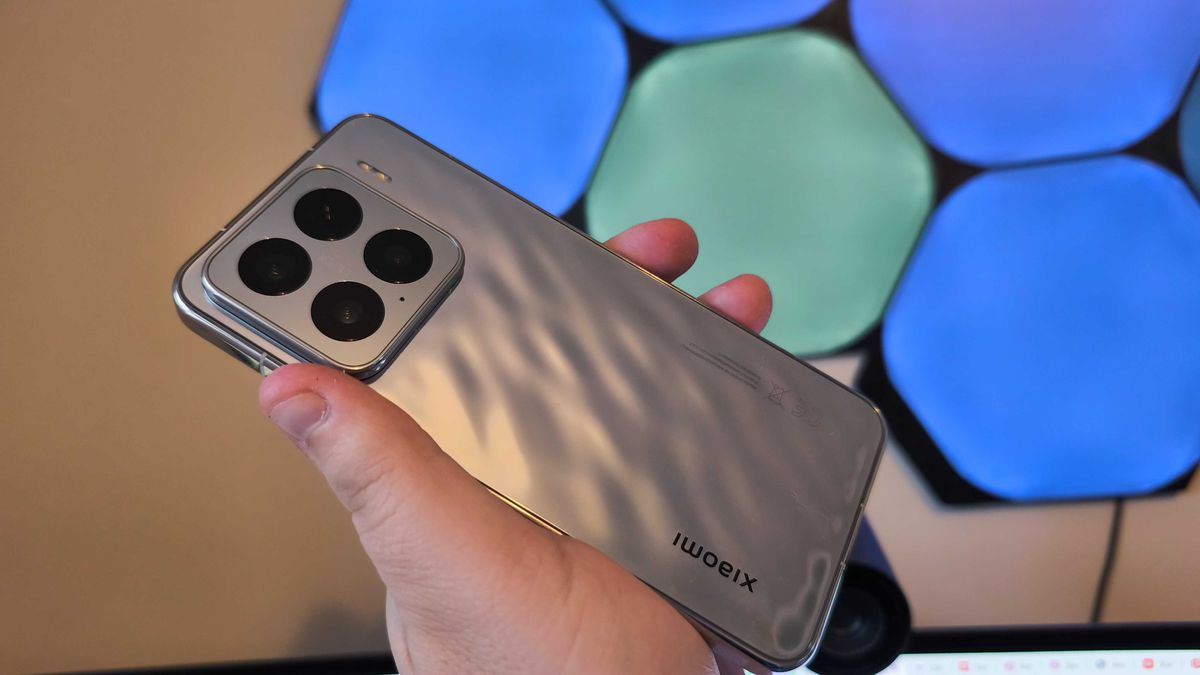
The Xiaomi 15 has a striking design, with a reflective back made from heat-bent glass. The device is available in two colors: liquid silver and black.

As for the display, the Xiaomi 15 features a 6.36-inch LTPO AMOLED screen with a resolution of 1200×2670 pixels and a max refresh rate of 120Hz. The screen is also capable of producing peak brightness of up to 3,200 nits.

Performance

The Xiaomi 15 is powered by a Qualcomm SM8750-AB Snapdragon 8 Elite processor, which delivers impressive performance scores. In fact, the device outperforms its rivals in both CPU and GPU tests, with scores that beat the existing Android leaders by over 40%.

The device also features 12-16GB of RAM and 256GB-1TB of storage, making it well-equipped to handle demanding tasks and store a large amount of data.

Cameras

The Xiaomi 15 has a quad-camera setup, consisting of a 50MP f/1.6 main camera, a 50MP f/2.0 telephoto camera with PDAF and OIS, and a 50MP f/2.2 ultra-wide-angle camera. The camera app is also feature-rich, with options like night mode, portrait mode, and more.

Price and Value

The Xiaomi 15 is priced from £899 in the UK, with US availability and prices still to be confirmed. While it’s not cheap, the device offers impressive performance and features, making it a great value for its price.

Who is it for?

The Xiaomi 15 is perfect for serious smartphone photographers and content creators who want a device that can handle demanding tasks and deliver high-quality results.

Scorecard

Category Description Score
Design Striking look, smudge-prony silver back, great screen 4.5/5
Features Packed with latest-gen features 5/5
Cameras Stunning cameras across the board, feature-rich camera app 5/5
Performance Best in class 5/5
Value Undercuts high-profile rivals 4.5/5

Buy it if…

  • You are serious about your camera phone content creation
  • You want a flagship phone for slightly less
  • You can keep that shiny back clean

Don’t buy it if…

  • A midrange phone will do
  • You are married to the iOS ecosystem
  • You’re a messy eater

Conclusion

In conclusion, the Xiaomi 15 is a powerful and feature-rich smartphone that offers impressive performance and cameras. While it’s not cheap, it’s a great value for its price and a great option for serious smartphone photographers and content creators.

MWC 2025 was all about the odds and ends

0

Mobile World Congress: A Mix of the Best and the Wackiest in Mobile Tech

Mobile World Congress (MWC) is a conference that showcases the latest advancements in mobile technology. This year’s event was a mix of the best and the wackiest new ideas in mobile tech, with a side of jamón and the king of Spain walking by.

The Phones Themselves

The phones themselves were predictable, and often, predictably good. But it was everything else in the margins that was weird: phones with weird back panels, things you put on your phone, or just really cool phone-adjacent screens.

The Most in Show

Every trade show has a main character. A Most In Show. At CES, it was anything Jensen Huang was doing. At MWC, it was the Xiaomi 15 Ultra. There is nothing surprising about this phone, which is to say that it’s a camera with a phone attached, and the camera is a little better this year. But this time, Xiaomi addressed one of mobile photography’s persistent problem children: middling telephoto cameras.

[Image: Xiaomi 15 Ultra’s camera]

The Periscope Camera

The 15 Ultra adds a bigger, 200-megapixel periscope camera to the phone’s already impressive array of camera hardware, and it’s really good. I had many conversations with my fellow nerds and journalists about how good it is… done trying to do, like, 12 years ago.

Other Oddities

Infinix had a concept for a phone case that uses solar power to charge your phone, though you obviously would need a specialized phone to work with it. HMD introduced a pair of wireless earbuds with a case that doubles as a magnetic power bank for the back of your phone.

[Image: HMD Skyline with Amped Buds case attached]

Conclusion

This year’s MWC was a reminder that even though phones may seem boring now, there’s still some room to have fun. And even the boring updates are pretty good ones: foldables are slimmer than ever, there’s a consumer phone with a great telephoto camera on it, and AI features might even live up to the promise of saving us time someday soon. That’s not nothing (I mean, except for Nothing). But for the record, I do still want a Switch that folds. And maybe a phone that smells like coffee, too.

FAQs

Q: What’s the most interesting phone at MWC?
A: The Xiaomi 15 Ultra, with its periscope camera and improved telephoto camera.

Q: What’s the weirdest thing at MWC?
A: The Infinix phone case that uses solar power to charge your phone.

Q: What’s the best earbuds at MWC?
A: The HMD Amped Buds, with their magnetic power bank case.

Q: What’s the most promising technology at MWC?
A: Foldables, which are getting slimmer and more powerful.

Preorder the iPhone 16e and get a great price

0

The Most Affordable iPhone 16 Model for Those Who Don’t Need Anything Flashy

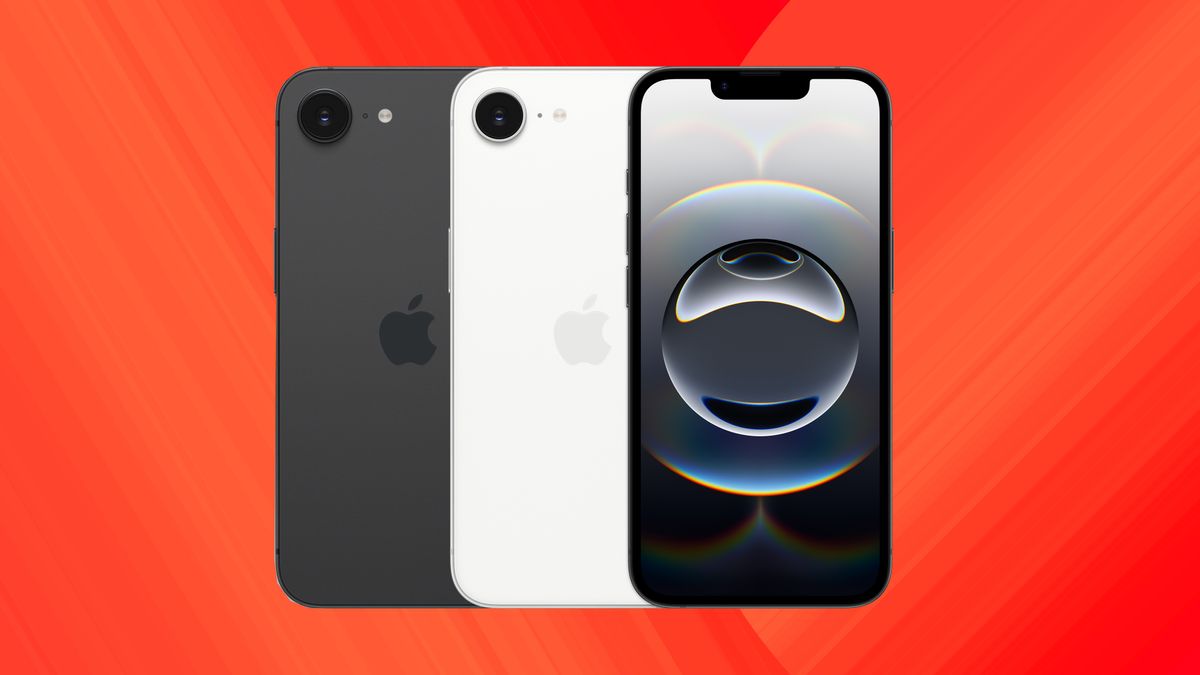
Apple has just launched its latest smartphone, the iPhone 16e. A lot of people (myself included) were initially scratching their heads at the news of this announcement, trying to understand how this new model fits into the already existing iPhone 16 smartphone family. It’s not more compact, it’s not an iPhone 16 mini, and it’s definitely not one of the best iPhones for photography out of the bunch (despite Apple’s Intelligence features). So, who is it for?

Who Should Consider the iPhone 16e?

If you’re upgrading from an older iPhone generation, such as the iPhone 11 or Apple’s SE series, then there are plenty of valid reasons to consider the new iPhone 16e for your creative workflow. For example, it has a stunning 6.1-inch OLED display, USB-C connectivity, the iconic Action Button, and is powered by the A18 chip – see 7 reasons the iPhone 16e is a huge improvement on the iPhone SE 3 for more info.

The Best iPhone 16e Prices

Apple produces some of the best camera phones on the market, but we know that these snappers don’t come cheap. The number one selling point of the new iPhone 16e is its more affordable price tag, starting at $599 / £599 for the 128GB model. While this is the lower end of iPhone prices, the 16e is still $170 more than the iPhone SE 2022 cost at launch, and only just qualifies for our best budget camera phones guide.

The iPhone 16e: A Closer Look

The iPhone 16e is Apple’s latest addition to the iPhone family, and the specs of this new handset are probably the closest in similarity to the standard iPhone 16 model. It shares the same main 48MP camera and 12MP front camera, a lot of the same internal elements (but with an A18 chip rather than an A18 Pro chip) and shares a similar display with a slightly lesser resolution than the 16 has. On the plus side, it looks like the 16e has been given a battery boost, sporting 4005mAh.

iPhone 16e Features

  • Display: 6.1 inch, Super Retina XDR OLED (1170 x 2532)
  • CPU: Apple A18
  • Camera: 48 MP wide f/1.6 (26mm)
  • Front Camera: 12 MP wide f/1.9 (23mm)
  • Storage: 128GB/256GB / 512GB
  • Dimensions: 146.7 x 71.5 x 7.8 mm
  • Weight: 167 g
  • Battery: 4005mAh

Conclusion

The iPhone 16e might not warrant an upgrade for most creatives, unless you own a seriously outdated iPhone model like the iPhone 11, 12, or the SE handsets. With the new iPhone 16e, you get the added bonus of Apple Intelligence AI features to rival the likes of Galaxy AI, Copilot, and Google Gemini features, but without needing to pay a premium for it. See our deals widget below for the best iPhone 16e prices in your region right now.

Frequently Asked Questions

  • Who is the iPhone 16e for?
    The iPhone 16e is for those upgrading from an older iPhone generation, such as the iPhone 11 or Apple’s SE series, who want a more affordable option with similar features.
  • Is the iPhone 16e worth the upgrade?
    The iPhone 16e might not warrant an upgrade for most creatives, unless you own a seriously outdated iPhone model.
  • What are the best iPhone 16e prices?
    See our deals widget below for the best iPhone 16e prices in your region right now.
  • What are the key differences between the iPhone 16e and the standard iPhone 16?
    The iPhone 16e has a slightly lesser display resolution and an A18 chip instead of an A18 Pro chip, but is more affordable.

CheggMate

0

The Expected AIO-pocalypse Hasn’t Happened, At Least Not in the Form We Expected

AI Overviews Are Not The (Only) Problem

Chegg filed a lawsuit against Google for abusing its monopoly position in Search to force companies to provide content that it repurposes for AI answers or Featured Snippets.

The Big Question I Answer in This Article Is Whether Chegg Is an Outlier (Spoiler: It’s Not) or the First of Many

You should read this Memo if you want to understand:

  • The nuance behind Chegg’s decline.
  • Who else is impacted by AI.
  • How to tell if you’re at risk.
  • How to build up immunity against AI.

Boost Your Skills with Growth Memo’s Weekly Expert Insights. Subscribe for Free!

AI Is Eating into Subscriber Growth

Months before the lawsuit, Chegg’s CEO said AI, not AI Overviews, is eating into subscriber growth.

The Problem Goes Beyond AI Overviews

Students around the world are using AI instead of web platforms. And you can see it in the numbers as well.

Declining Brand Search Volume Is a Sign of Shrinking Brand Awareness, Product/Market-Fit, and User Retention

Bottom Line

Chegg struggled before AI. AI just accelerated the decline.

Who Else Is Impacted by AI?

I looked at other ed-tech sites that lean heavily on SEO and found that almost all of them saw significant traffic losses since ChatGPT came out:

  • CourseHero.
  • Brainly.
  • Studocu.
  • Quizlet.
  • Numerade.
  • Wyzant.
  • Khan Academy.
  • Codepen.
  • Study.com.
  • W3schools.
  • Stackoverflow.

Red Flags

Chegg and the other affected sites show what red flags to watch out for:

  • 80% organic traffic.
  • Young target audiences.
  • Information sites, especially marketplaces.

How to Build AI Immunity Cells

Not every ed-tech company is in the red. Scribd, Coursera, Udemy, Pearson.

Conclusion

Turning around structural declines, where user behavior and the market significantly shift, is hard. Sometimes, impossible. I’ve learned my own fair share of lessons when Shopify went through the COVID hangover.

Frequently Asked Questions

Q: What is the main reason for Chegg’s decline?
A: Chegg’s decline is attributed to the rise of AI, which has led to a shift in user behavior and a decline in demand for their services.

Q: Who else is impacted by AI?
A: Many ed-tech sites that rely heavily on SEO, such as CourseHero, Brainly, Studocu, and others, are also experiencing significant traffic losses since ChatGPT came out.

Q: What are the red flags to watch out for?
A: The red flags to watch out for are 80% organic traffic, young target audiences, and information sites, especially marketplaces.

Q: How can companies build up immunity against AI?
A: Companies can build up immunity against AI by diversifying their traffic sources, focusing on interactive tools and experiences, and exploring related markets.

A Good-to-Great Ergo Chair

0

How We Test

Our expert reviewers spend hours testing and comparing products and services so you can choose the best for you. Find out more about how we test.

Why I Have a Weird Relationship with Sihoo Office Chairs

I have a weird relationship with Sihoo office chairs. At first, I’m rarely a fan (apart from when it comes to the overall best budget chair ever, the Sihoo M18). It may be because they all take an age to assemble. But also I don’t think they look very pretty (again, excluding the M18). However, it didn’t take long for me to change my mind, especially when I started thinking about what Sihoo chairs offer for the asking price.

Aesthetics & Price

The Sihoo C300 Pro – the expensive version of the standard C300 – is kind of a case in point. Sitting in it for the first time felt awkward. But after a few adjustments (of which there are many), I ended up really enjoying it. With a retail price of $699 (though it enjoys regular price dips to $399), the Pro is unlikely to hit the top spot of my list of the best budget office chairs out there (would you please see the M18!!). But I think it’s earned a place in the best office chairs for back pain, thanks to its cradling comfort, its solid ergonomics, and fantastic armrests. Let’s dig in…

Ergonomics & Comfort

Now for what the Sihoo C300 Pro does so brilliantly. Sitting on the Pro is very comfortable indeed, and that’s only increased by the many ergonomic features it has. The chair’s back and base is made of mesh which offers a firmness that also has a bit of spring, so you get a sink-in feel that’s great. It can’t compare to the leather chair seats out there, but it benefits from being more breathable than leather, so on warm days, things don’t get uncomfortable with the C300 Pro.

Assembly

This is a Sihoo chair, so the usual labour-intensive assembly is a given. At this point, with the many chairs I’ve put together over the years, this isn’t really something I think about until I write up the review. But if you haven’t bought a chair for a while, it’s worth considering. It may take you 30 to 40 minutes to put the chair together. Expensive chairs come pre-made. But you have to work for your throne with Sihoo.

Verdict

It’s not a clear case of you should definitely buy the C300 Pro, and it’s not a case of you shouldn’t – as with many chairs out there. The bottom line is, this is a very comfortable chair with ergonomic smarts, that is not visually appealing (to me), and that, at its retail price of $699, is too expensive. If you look at the photos in this review, and you can catch it in the sale, at around the $400 mark, then I can wholeheartedly recommend the C300 Pro. Otherwise, there are better options out there.

Frequently Asked Questions

Q: What is the Sihoo C300 Pro’s price?
A: The retail price of the Sihoo C300 Pro is $699, but it often goes on sale for $399.

Q: How comfortable is the Sihoo C300 Pro?
A: The Sihoo C300 Pro is very comfortable, thanks to its cradling comfort, solid ergonomics, and fantastic armrests.

Q: Is the Sihoo C300 Pro worth the money?
A: At its retail price of $699, the Sihoo C300 Pro may be too expensive. However, if you can catch it on sale for around $400, it’s a great value.

Cisco, LangChain, and Galileo Aim to Contain ‘Cambrian Explosion of AI Agents’

The Cambrian Explosion of AI Agents

Around 500 million years ago, the world experienced a sudden and rapid evolution of complex life forms, known as the Cambrian explosion. Similarly, the AI world is witnessing a similar explosion of AI agents, leading to a new era of innovation and disruption.

The Cambrian explosion was a period of rapid evolution, marked by the emergence of complex body structures, increased competition, and new ecosystems. In the context of AI, the "Cambrian explosion" refers to the sudden and rapid growth of AI agents, designed to perform specific tasks, and their ability to work together to accomplish more complex tasks.

The question remains, what triggered this explosion? In evolutionary terms, it was a combination of factors, including increased oxygen levels, genetic transformations, environmental changes, and a sort of "arms race" fostered by natural selection. In the context of AI, the factors contributing to this explosion include increased computing power, advancements in machine learning, and the increasing need for automation and efficiency in various industries.

The Internet of Agents

A consortium of companies, including Outshift by Cisco, Galileo, and LangChain, believes that we are witnessing a Cambrian explosion of AI agents. They are working together to create an open-source collective that will define and specify an open and interoperable "Internet of Agents" to link AI agents and enable them to work together seamlessly.

The infrastructure for the Internet of Agents is not yet in place, and the team is working to address this. The goal is to create a framework that allows agents to work together, overcome vendor and organizational boundaries, and achieve greater efficiency and effectiveness.

AGNTCY: The Open-Source Collective

AGNTCY is an open-source collective that aims to create a standardized framework for agents to work together. The group is publishing its specs on GitHub for review and feedback. The three main areas of focus are:

  1. Agent Directory: An app store for agents, where users can search for agents based on specific capabilities and explore reputation and quality metrics.
  2. Open Agent Schema Framework: A metadata format that describes agent capabilities, allowing directories and other discovery tools to gather and present available options in a readable format.
  3. Agent Connect Protocol and SDK: A micro-service for AI agents, enabling them to exchange messages, share content and context, and manage state.

Conclusion

The AGNTCY collective is working to create a standardized framework for agents to work together, leveraging the power of open-source technologies to drive innovation and adoption. By creating a standardized agent directory, open agent schema framework, and agent connect protocol and SDK, the collective aims to enable agents to work together seamlessly, transcending vendor and organizational boundaries.

FAQs

Q: What is the Cambrian explosion of AI agents?
A: The Cambrian explosion of AI agents refers to the sudden and rapid growth of AI agents, designed to perform specific tasks, and their ability to work together to accomplish more complex tasks.

Q: What is AGNTCY?
A: AGNTCY is an open-source collective that aims to create a standardized framework for agents to work together, leveraging the power of open-source technologies to drive innovation and adoption.

Q: What are the three main areas of focus for AGNTCY?
A: The three main areas of focus for AGNTCY are the agent directory, open agent schema framework, and agent connect protocol and SDK.

Q: How can I participate in AGNTCY?
A: You can participate by visiting agntcy.org or jump into the GitHub repos and explore the open-source specs.

Is Google Search Cooked?

0

Google’s AI Mode: The Future of Search?

New Way to Search

This week, Google introduced AI Mode, a new way to search that could potentially replace traditional Google search. The company’s response to the growing use of AI chatbots, AI Mode is designed to provide more personalized results and assist users in their search queries.

What is AI Mode?

AI Mode uses artificial intelligence to help users find what they’re looking for by providing more relevant results. It’s essentially a chatbot that can understand natural language and provide more accurate answers. With AI Mode, users can ask questions and receive answers in a more conversational format, making it easier to find what they need.

Who Can Use AI Mode?

AI Mode is available to anyone with a Google account. Users can access it by going to Google’s homepage and clicking on the "Search" button. From there, they can type in their query and AI Mode will provide results.

What Does it Mean for the Future of the Internet?

The introduction of AI Mode could change the way we search the internet. With AI-powered search, users may not need to use traditional search engines like Google as much. Instead, they can rely on chatbots and voice assistants to provide them with the information they need. This could lead to a shift in the way we access information and interact with the internet.

Cryptocurrency and the National Crypto Reserve

In other news, President Trump recently announced the creation of a national crypto reserve. The move has sent shockwaves through the cryptocurrency community, with some advocates expressing concerns about the potential impact on the market.

Listener Feedback

We received voice mail from listeners describing the tools they’ve used to "vibecode". Vibecoded, a term used to describe a method of coding that uses vibrations, is a new technology that’s gaining popularity. We’ll be exploring more about this topic in a future episode.

Credits

  • Hosted by Kevin Roose and Casey Newton
  • Produced by Whitney Jones and Rachel Cohn
  • Edited by Rachel Dry
  • Engineering by Chris Wood and original music by Dan Powell, Sophia Lanman, and Diane Wong
  • Fact-checking by Ena Alvarado
  • Executive producer: Jen Poyant
  • Special thanks to Paula Szuchman, Pui-Wing Tam, Dahlia Haddad, and Jeffrey Miranda

Conclusion

The introduction of AI Mode by Google is a significant development in the world of search. While it’s unclear what the future holds, it’s clear that AI-powered search is here to stay. We’ll be keeping a close eye on this technology and its implications for the future of the internet. Stay tuned for more updates on this and other topics.

Frequently Asked Questions

Q: What is AI Mode?
A: AI Mode is a new way to search that uses artificial intelligence to provide more personalized results.

Q: Who can use AI Mode?
A: Anyone with a Google account can use AI Mode.

Q: What does it mean for the future of the internet?
A: The introduction of AI Mode could change the way we search the internet, potentially making it more conversational and personalized.

Q: What is vibecoded?
A: Vibecoded is a new technology that uses vibrations to code. We’ll be exploring more about this topic in a future episode.

Taco Bell’s Bittersweet Goodbye

0

Taco Bell’s "In Memoriam" Segment: A Bold Marketing Move

A Tribute to Failed Chicken Products

Taco Bell recently held its Live Más event, a technology-reveal-style conference to announce new product lines. However, the brand decided to take a unique approach to its failed chicken products by including an "In Memoriam" segment, paying tribute to those that didn’t quite make the cut. This unconventional move has sparked a mix of amusement and debate online.

A Bold Marketing Move

The "In Memoriam" segment was presented in an Oscars-style tribute, featuring a slideshow of failed chicken products, complete with the dates they were on sale. The host’s witty comments, such as "I don’t know why we called it that," added to the lighthearted tone, allowing the brand to own its mistakes.

Social Media Reaction

The event has generated a significant amount of buzz on social media, with many users sharing their thoughts and memories of the past menu items. Some have even requested the return of certain products, expressing their affection for the brand. The segment has been met with a mix of incredulous and amused reactions, with some questioning the need for such an event: "Where is this? There’s an event where they announce Taco Bell items on a stage?" and "Fast food restaurants are doing technology-style reveals now?"

A Marketing Win

The "In Memoriam" segment has been a marketing success, generating attention and sparking conversation around the brand. By embracing its mistakes, Taco Bell has created a unique and memorable experience for attendees and online viewers alike. The segment has also encouraged user engagement, with many users sharing their own memories and opinions on the brand’s social media channels.

Conclusion

Taco Bell’s "In Memoriam" segment is a bold marketing move that has generated significant attention and conversation around the brand. By embracing its mistakes and having a sense of humor about it, the brand has created a memorable experience for its audience. This approach has encouraged user engagement and has generated a positive reaction online.

FAQs

Q: What is the purpose of the "In Memoriam" segment?
A: The segment is a tribute to failed chicken products, allowing the brand to own its mistakes and have a sense of humor about it.

Q: How did the audience react to the segment?
A: The audience was amused and engaged, with many sharing their thoughts and memories of the past menu items on social media.

Q: Was the segment a marketing success?
A: Yes, the segment generated significant attention and conversation around the brand, encouraging user engagement and creating a positive reaction online.

Blending the Force: A Star Wars-Inspired 3D Render in Blender

0

Pedro Blanco’s 3D Artwork: ‘Travesía’

Concept Artist Profile

Pedro Blanco is a concept artist working out of London, UK. ‘Travesía’ is a personal piece he made to hone his character design and narrative skills. Pedro used Blender for modeling and renders, with an assist from Photoshop.

The Artwork

The artwork showcases a unique design, with a single-wheeled vehicle navigating a desert landscape. The composition is striking, with the vehicle’s shape serving as the focal point. The overall mood is desert-like, evoking a sense of isolation and adventure. Pedro’s inspiration comes from the Star Wars universe and other sci-fi stories.

The Process

Pedro’s process is straightforward: he starts with sketches, sometimes jumping directly into 3D to create characters or designs. He never likes to keep 3D as is, instead moving to Photoshop to refine and paint.

Adding Personal Touches

To bring his artwork to life, Pedro likes to add personal touches, using brushstrokes or texturing. This transforms the design from 3D to a more organic, lifelike piece.

Conclusion

Pedro’s ‘Travesía’ is a testament to his skill and creativity as a concept artist. His use of Blender and Photoshop demonstrates his versatility and ability to work with different tools. The artwork is a great example of how personal projects can lead to growth and development as an artist.

FAQs

  • What software did Pedro use to create ‘Travesía’?
    • Pedro used Blender for modeling and renders, with an assist from Photoshop.
  • What inspired Pedro’s artwork?
    • Pedro was inspired by the Star Wars universe and other sci-fi stories.
  • How does Pedro approach his creative process?
    • Pedro starts with sketches, sometimes jumping directly into 3D to create characters or designs. He never likes to keep 3D as is, instead moving to Photoshop to refine and paint.