Home Blog Page 249

IBM to Buy DataStax for Database, GenAI Capabilities

IBM Acquires DataStax, Strengthening Its Capabilities in Unstructured Data Management and Generative AI

IBM today announced its intent to acquire DataStax, the longtime backer of the Apache Cassandra database that has recently broadened its reach into streaming data and generative AI. IBM cited DataStax’s capability to manage unstructured data as well as its vector database, which is used for developing RAG solutions.

The Early Days of Cassandra

Apache Cassandra was originally developed at Facebook in 2008 to serve the social network’s need for a highly scalable, fault-tolerant database to store big data generated by users on its website. Facebook was a big user and creator in the nascent big data ecosystem, building its social media empire atop non-relational technology like Apache Hadoop and HBase, another NoSQL data store, as well as Apache Hive, which it created to make Hadoop look like a relational database.

DataStax’s Journey

Cassandra, which technically is a wide-column store that favors data availability and reliability (at the expense of data consistency), became a top-level project at the Apache Software Foundation in 2010. That is the same year that Jonathan Ellis and Matt Pfeil co-founded a company in Austin, Texas called Riptano, which it quickly renamed DataStax.

At first, DataStax followed the typical commercial open-source business model, offering an enterprise version of Apache Cassandra called DataStax Enterprise (DSE). The company, which had moved to Santa Clara, California by 2014, attracted customers from the Fortune 500, such as FedEx, Capital One, and Verizon. It has raised $106 million in venture capital at a $830 million valuation, and was on pace for an IPO in the 2015 or 2016 timeframe.

Astra DB and K8ssandra

That IPO never happened, as MongoDB dominated the NoSQL space and went public in 2017. In May 2020, DataStax launched Astra DB, a fully managed version of Cassandra running in the cloud atop Kassandra, giving customers the scalability and availability benefits of the NoSQL database but without the management responsibilities (like many distributed systems, Cassandra can be difficult to manage). Later that year, it released K8ssandra, an open source version of the database running atop the resource manager.

Expansion into Streaming Data and Generative AI

Soon, the company started branching beyond NoSQL databases. In 2021, it launched Astra Streaming, an event streaming platform based on Apache Pulsar, a publish and subscribe (pub-sub) data platform that competes with Apache Kafka. In 2023, DataStax bought Kaskada, an AI startup that helped to automate tedious feature engineering tasks, and made the software open source under the Luna ML brand.

DataStax further bolstered its generative AI capabilities in 2023 with the launch of a vector store in Astra DB. Vector stores emerged as critical tools for building retrieval-augmented generation (RAG) pipelines to bolster the accuracy of large language model (LLM) output in generative AI applications. Then in 2024, DataStax further fleshed out its RAG story when it nabbed Langflow, which developed an open source framework for building RAG pipelines.

IBM’s Acquisition of DataStax

All of the accumulated capabilities that DataStax built and bought obviously caught the eye of IBM. Big Blue, which has been rallying its business to some degree on the back of its Watsonx AI offerings, cited open source projects like Apache Cassandra, Apache Pulsar, Langflow, and OpenSearch (a branch of Elasticsearch and Kibana) in its press release announcing the acquisition.

IBM is particularly enamored of how DataStax has built its unstructured data management capabilities under a single product. While it didn’t mention DataStax’s Hyper-Converged Data Platform (HCDP) by name, it seems clear that IBM is banking on harnessing the tech to help customers turn unstructured data into winning AI applications.

Conclusion

The acquisition is expected to close in the second quarter, and terms of the deal were not disclosed. DataStax was valued at $1.6 billion during its most recent funding round, in June 2022. The company has raised $342.6 million over several rounds. It has hundreds of paying customers, according to IBM.

FAQs

Q: What is DataStax?
A: DataStax is a company that offers a suite of products and services based on the Apache Cassandra database and other open-source technologies.

Q: Why is IBM acquiring DataStax?
A: IBM is acquiring DataStax to strengthen its capabilities in unstructured data management and generative AI.

Q: What are the key products and services offered by DataStax?
A: DataStax offers a range of products and services, including Astra DB, K8ssandra, Astra Streaming, and Luna ML.

Q: What is the expected closing date of the acquisition?
A: The acquisition is expected to close in the second quarter.


How Gradient Ventures is Shaping the AI Startup Landscape

0

The World of AI Startups: A Conversation with Gradient Ventures’ Eylul Kayin

Interview with Eylul Kayin

"AI startups are like rockets — they need to launch fast, but they also need to be built to last," says Gradient Ventures partner Eylul Kayin. As a partner at Gradient Ventures, a venture fund started by Google in 2017 with technical mentorship for early-stage startups focused on AI, Eylul has seen her fair share of successful AI startups. In this episode of Equity, she sits down with Mary Ann Azevedo to explore the fast-evolving world of AI startups.

Key Challenges in AI Startups

In this episode, Eylul and Mary Ann discuss the key challenges that founders face when starting an AI startup. From building strong customer relationships to navigating technical hurdles, Eylul shares her insights on what makes a successful AI startup.

Gradient Ventures’ Approach to Funding and Supporting AI Startups

Eylul also shares Gradient Ventures’ approach to funding and supporting AI startups. She emphasizes the importance of striking a balance between vertical expertise and rapid product development. "We look for companies that have a strong vision, a strong team, and a strong product-market fit," she says.

Tips for Entrepreneurs Pitching to Investors

As a judge for TechCrunch’s Startup Battlefield 2024, Eylul has seen her fair share of pitches. She offers valuable tips for entrepreneurs looking to pitch their ideas to investors. "Be prepared to talk about your problem, your solution, and your traction," she advises.

Conclusion

In this episode of Equity, Eylul Kayin of Gradient Ventures shares her insights on the world of AI startups, from key challenges to her approach to funding and supporting early-stage startups. Whether you’re an entrepreneur looking to launch your own AI startup or an investor looking to get in on the ground floor of the next big thing, this episode is a must-listen.

FAQs

Q: What is Gradient Ventures?
A: Gradient Ventures is a venture fund started by Google in 2017 with technical mentorship for early-stage startups focused on AI.

Q: What does Eylul Kayin do at Gradient Ventures?
A: Eylul is a partner at Gradient Ventures, where she works on everything from seed-stage investments to helping companies scale.

Q: How can I get in touch with Eylul Kayin?
A: Eylul can be found on Twitter at @EylulKayin.

Q: How can I listen to more episodes of Equity?
A: Equity is available on Apple Podcasts, Overcast, Spotify, and all the casts. You can also follow Equity on Twitter at @EquityPod.

Google Password Manager syncs to iOS

0

Google Password Manager and iOS Finally Play Nice Together

A Headache is Finally Over

Late last year, I published a long post that criticized the user unfriendliness of passkeys, the industry-wide alternative to logging in with passwords. A chief complaint was that passkey implementations tend to lock users into whatever platform they used to create the credential.

The Problem with Passkeys

An example: When using Chrome on an iPhone, passkeys were saved to iCloud. When using Chrome on other platforms, passkeys were saved to a user’s Google profile. That meant passkeys created for Chrome on, say, Windows, wouldn’t sync to iCloud. Passkeys created in iCloud wouldn’t sync with a Google account.

Introducing Google Password Manager (GPM)

That headache is finally over. Chrome on all platforms now uses the Google Password Manager, a tool built into Chrome, to seamlessly sync keys. GPM, as it’s abbreviated, will sync passkeys to all Chrome browsers logged in to the same user account. I’ve spent a few days testing the new capabilities, and they mostly work hassle-free.

How GPM Works

GPM allows me to log in to passkey-protected accounts not just in Chrome, but also in standalone iOS apps such as those from Kayak, eBay, or LinkedIn. When creating a passkey in a standalone app, I now get the option to sync it through either GPM or iCloud. That means the same passkeys I created on Chrome for Android, Windows, or macOS work out of the box on my iOS apps. These passkeys are synced using end-to-end encryption, as mandated by the FIDO specification, which is maintained by the FIDO Alliance.

Conclusion

GPM is a game-changer for users who rely on passkeys. No longer do we have to worry about syncing passkeys across different platforms. With GPM, our passkeys are seamlessly synced across all our devices, making it easier to access our accounts on the go.

Frequently Asked Questions

Q: What is Google Password Manager?
A: Google Password Manager (GPM) is a tool built into Chrome that allows seamless passkey syncing across all Chrome browsers logged in to the same user account.

Q: What platforms does GPM support?
A: GPM works on all platforms where Chrome is available, including Android, Windows, macOS, and iOS.

Q: How does GPM sync passkeys?
A: GPM uses end-to-end encryption to sync passkeys, as mandated by the FIDO specification.

The Nostalgia Bait is Working

0

Star Wars: Episode III – Revenge of the Sith Returns to Theaters

Say what you want about prequels, but for many Star Wars fans, Episode III: Revenge of the Sith is a secure favorite, bringing back floods of nostalgia. To celebrate the film’s 20th anniversary, Revenge of the Sith is hitting the big screen once again, and we’ve got an awesome promo poster to go with it.

A Nostalgic Revamp

While I’m quite partial to the original Star Wars film posters thanks to their retro design, the new Revenge of the Sith poster is everything I’d want from a modern revamp. With an equal blend of nostalgia and modern flair, the poster has already received an outpouring of praise from fans.

The Poster Design

Created by legendary graphic artist Matt Ferguson, the design features a looming Darth Vader looking over a brooding Anakin Skywalker. It wouldn’t be a homage to Episode III without featuring the iconic lightsaber duel between Obi-Wan Kenobi and Anakin, stylishly framed by the Coruscant skyline.

Fan Reaction

"Nostalgia bait is working. I’m 100% going to see it," one fan commented, while another chimed in, "Nostalgia alert! Butterflies in my stomach." The design was so popular that it even converted non-fans, with one user adding, "I don’t even like Star Wars but this poster got me shook" while another shared high praise, calling it "the best poster ever for a movie."

The Movie’s Return to Theaters

Episode III: Revenge of the Sith will return to select theaters on April 25. If you’re craving more Star Wars nostalgia, be sure to check out our picks of the best Star Wars posters.

Conclusion

The new Revenge of the Sith poster is a testament to the enduring power of nostalgia and the timeless appeal of the Star Wars franchise. With its blend of modern flair and retro charm, it’s no wonder fans are flocking to see the film once again.

FAQs

Q: When will Revenge of the Sith return to theaters?
A: Episode III: Revenge of the Sith will return to select theaters on April 25.

Q: Who designed the new poster?
A: The poster was designed by legendary graphic artist Matt Ferguson.

Q: How did fans react to the new poster?
A: Fans have been raving about the poster, calling it "nostalgia bait" and "the best poster ever for a movie."

CERTAIN Drives Ethical AI Compliance in Europe

Driving Ethical AI Compliance in Europe with EU-Funded Initiative CERTAIN

Harmonizing Standards and Improving Sustainability

The European Union is taking significant steps to promote ethical AI compliance with the launch of the EU-funded initiative CERTAIN (Certification for Ethical and Regulatory Transparency in Artificial Intelligence). This project aims to develop tools and frameworks that ensure transparency, compliance, and sustainability in AI technologies.

Addressing Regulatory and Ethical Challenges

Led by Idemia Identity & Security France, CERTAIN is a collaborative effort involving 19 partners across ten European countries, including the St. Pölten University of Applied Sciences (UAS) in Austria. According to Sebastian Neumaier, Senior Researcher at the St. Pölten UAS’ Institute of IT Security Research and project manager for CERTAIN, the goal is to address crucial regulatory and ethical challenges.

"In CERTAIN, we want to develop tools that make AI systems transparent and verifiable in accordance with the requirements of the EU’s AI Act. Our goal is to develop practically feasible solutions that help companies to efficiently fulfill regulatory requirements and sustainably strengthen confidence in AI technologies," emphasized Neumaier.

Harmonizing Data Sharing and AI Development

One of CERTAIN’s primary objectives is to establish consistent standards for data sharing and AI development across Europe. By setting industry-wide norms for interoperability, the project seeks to improve collaboration and efficiency in the use of AI-driven technologies.

Sustainability and Environmental Impact

CERTAIN also places a strong focus on sustainability, recognizing the significant environmental challenges posed by AI technologies, such as high energy consumption and resource-intensive data processing. The project aims to promote energy-efficient AI systems and advocate for eco-friendly methods of data management, aligning with the EU’s Green Deal.

Collaborative Framework for AI Innovation

A unique aspect of CERTAIN is its approach to fostering collaboration and dialogue among stakeholders. The project team is actively engaging with researchers, tech companies, policymakers, and end-users to co-develop, test, and refine ideas, tools, and standards.

Conclusion

As the EU’s AI Act edges closer to implementation, guidelines and tools like those developed under CERTAIN will be pivotal in ensuring compliance with ethical AI regulations in Europe. By providing actionable solutions that align with Europe’s legal framework while encouraging innovation, CERTAIN will play a critical role in positioning Europe as a global leader in ethical AI development.

FAQs

Q: What is CERTAIN?
A: CERTAIN is an EU-funded initiative aimed at developing tools and frameworks for ensuring transparency, compliance, and sustainability in AI technologies.

Q: What are the goals of CERTAIN?
A: The primary goals of CERTAIN are to address regulatory and ethical challenges, harmonize data sharing and AI development, and promote sustainability and environmental impact.

Q: Who is leading the CERTAIN project?
A: Idemia Identity & Security France is leading the CERTAIN project in collaboration with 19 partners across ten European countries.

Q: What is the timeline for the CERTAIN project?
A: The CERTAIN project officially launched in January 2025 and is expected to run for several years.

Amazon’s Alexa Plus

0

Amazon Unveils Alexa Plus, a New Version of its Smart Assistant

Amazon announced a new version of its smart assistant today. Alexa Plus comes with expanded capabilities, the company appeared to demonstrate, like finding concert tickets on your behalf or ordering an Uber to pick up someone at the airport. The upgraded smart assistant will also make it easier to have more natural conversations with it, but Amazon will be charging users for those new abilities for the first time.

New Capabilities and Features

Early access to Alexa Plus will begin in late March 2025 in the United States, and the roll out will continue in subsequent waves. Subscriptions for Alexa Plus start at $19.99 per month, but it’s free for Prime users. Given that Prime costs $14.99 per month, or $139 per year, it’s hard to imagine anyone opting to pay for Alexa Plus on its own. Many of the smart assistant’s new capabilities, such as jumping to the part of a movie where a specific song is playing, will also be dependent on services like Amazon Music and Amazon Prime Video. So to fully take advantage of Alexa Plus, a Prime membership almost seems mandatory.

Hardware Compatibility

There were no hardware announcements made at today’s Amazon event, but the company has confirmed that Alexa Plus will work on “almost every” Alexa device released so far. However, the Echo Show 8, 10, 15, and 21, which all feature touchscreen interfaces, will be prioritized during early access.

Conclusion

Amazon’s new Alexa Plus offers a range of exciting new features, but at a cost. The subscription model may not be appealing to all users, especially those who already have a Prime membership. However, the potential benefits of Alexa Plus, such as natural conversation capabilities and expanded functionality, may be worth the extra cost for some.

FAQs

Q: When will Alexa Plus be available?

A: Early access to Alexa Plus will begin in late March 2025 in the United States, with a roll out in subsequent waves.

Q: How much will Alexa Plus cost?

A: Subscriptions for Alexa Plus start at $19.99 per month, but it’s free for Prime users.

Q: Is a Prime membership required to use Alexa Plus?

A: While a Prime membership is not required, many of the new features and capabilities of Alexa Plus will be dependent on services like Amazon Music and Amazon Prime Video, making a Prime membership almost mandatory to fully take advantage of Alexa Plus.

Q: Which devices will be compatible with Alexa Plus?

A: Alexa Plus will work on “almost every” Alexa device released so far, with a priority given to the Echo Show 8, 10, 15, and 21, which all feature touchscreen interfaces during early access.

“There’s a fine line between utility and laziness”

0

Call of Duty Admits to Using AI-Generated Assets, Fanning Fears of Industry-Wide Trend

The Controversy

Over the past few months, allegations have surfaced around Call of Duty’s use of AI – now Activision has officially confirmed that suspicions are true. Claiming to use AI for "some" of the game’s assets, the developers have ruffled the feathers of an increasingly frustrated fanbase that sees AI integration as the beginning of the end.

The Backlash

The rapid advancement of AI is seemingly taking over every industry, and while AI productivity tools may make an optimistic case for the future, the predominant reaction to AI integration is one of fear and distrust. With game industry careers in jeopardy and an increasing decline in quality due to sloppy AI art, Activision’s AI confirmation is not only a huge disappointment for fans but seemingly an unfortunate industry inevitability.

The Announcement

The announcement was made on Call of Duty’s Steam page with a brief statement reading: "Our team uses generative AI tools to help develop some in-game assets." This comes after multiple AI controversies for the game franchise, including a questionable AI jockey job advert and December’s AI slop scandal featuring dodgy artwork of a six-fingered zombie.

Fan Reactions

Naturally, fans were disappointed with the news, with many taking to Reddit to voice their frustrations. "There’s room for AI, but there’s a fine line between utility and laziness," one user commented. Another added, "You’d think after bringing all their subsidiaries on board as support studios, they wouldn’t need to outsource any work to the plagiarism machines." Many players questioned how the move would affect labor costs, with one user jokingly suggesting "AI will make games cheaper right? right?" while another questioned, "Surely a multi-billion company could afford to pay some artists to make whatever they use AI for?"

Conclusion

Call of Duty’s use of AI-generated assets has sparked a heated debate about the future of the gaming industry. While some see AI as a tool to enhance creativity, others view it as a threat to the livelihoods of human artists and developers. As the debate rages on, one thing is clear: the lines between human creativity and AI-generated content are blurring, and the industry must navigate this new landscape with caution.

FAQs

Q: What does the announcement mean for the gaming industry?
A: The announcement highlights the increasing trend of AI integration in the gaming industry, sparking concerns about job security and the quality of game development.

Q: How will AI-generated assets affect labor costs?
A: The impact on labor costs is unclear, but some speculate that AI-generated assets could lead to reduced employment opportunities for human artists and developers.

Q: Is AI-generated content the future of gaming?
A: While AI-generated assets have the potential to enhance the gaming experience, the industry must balance the benefits of AI with the importance of human creativity and artistic expression.

Q: What does the announcement mean for fans of Call of Duty?
A: The announcement may raise concerns about the quality and authenticity of the game’s assets, potentially affecting the overall gaming experience.

Technicolor’s VFX Studio Closure: Is AI the Answer?

0

Technicolor’s Demise: The End of an Era for VFX Giants

Technicolor has finally succumbed to its financial struggles, citing "severe financial challenges" as the reason for the shutdown of all operations. The news has come as a shock to the VFX community, as The Mill, Mikros Animation, and MPC Advertising will no longer be around to deliver their exceptional work.

A Legacy of Ground-Breaking VFX Work

MPC and The Mill have been instrumental in creating some of the most stunning VFX work in the industry. MPC’s ability to generate stunning space environments and life-like character animation has been on full display in projects such as The Lion King, The Jungle Book, Justice League, Blade Runner 2049, X-Men, Prometheus, Dumbo, and Guardians of the Galaxy. The Mill, with its Oscar-winning work on Gladiator, has also left an indelible mark on the industry.

The Challenges Facing the VFX Industry

The VFX industry has been facing significant challenges, including the impact of Covid-19, a declining market, and low margins. It’s been a struggle for many studios to stay afloat, and Technicolor’s demise is a testament to the difficulty of navigating these challenges.

A Silver Lining: New Beginnings

While the news is devastating, there is a silver lining. Reports suggest that The Mill is joining forces with Dream Machine FX to launch a new agency, Arc Creative, which will continue to deliver high-end VFX work. This means that many of the talented individuals who have wowed us with their work will continue to do so.

The Future of VFX: AI and Beyond

The challenges facing the VFX industry are not going away, and the industry will need to find new ways to harness its incredible talent and adapt to the changing landscape. Some, like Kam Star, believe that AI has the potential to revolutionize VFX, while others are exploring its use in more focused ways, such as creating "melty" transitions in movies like Here. Despite this, other VFX studios, such as ILM and Framestore, have hired and expanded in recent months.

Conclusion

While the end of Technicolor’s VFX giants is a sad day for the industry, it’s not all bad news. The Mill’s pivot to Arc Creative is a beacon of hope for the future, and the industry’s ability to adapt and innovate will be crucial to its survival. As we look to the future, we’d love to hear your thoughts on the role of AI in VFX and what you think the future holds for the industry.

FAQs

Q: What does this mean for the VFX industry?
A: The shutdown of The Mill, Mikros Animation, and MPC Advertising will have a significant impact on the VFX industry, leaving a void in terms of talent and expertise.

Q: What’s the future of AI in VFX?
A: AI has the potential to revolutionize VFX, but its impact will depend on how it’s used and integrated into the industry.

Q: What’s the plan for The Mill’s new agency, Arc Creative?
A: The Mill is joining forces with Dream Machine FX to launch Arc Creative, which will focus on short-form work, including high-end advertising, game cinematics, and trailers.

Q: What does this mean for the industry’s future?
A: The VFX industry will need to continue to find ways to harness its incredible talent and adapt to the changing landscape, including the potential impact of AI.

RTX AI PCs Supercharge Advanced AI

0

Generative AI Redefines Computing

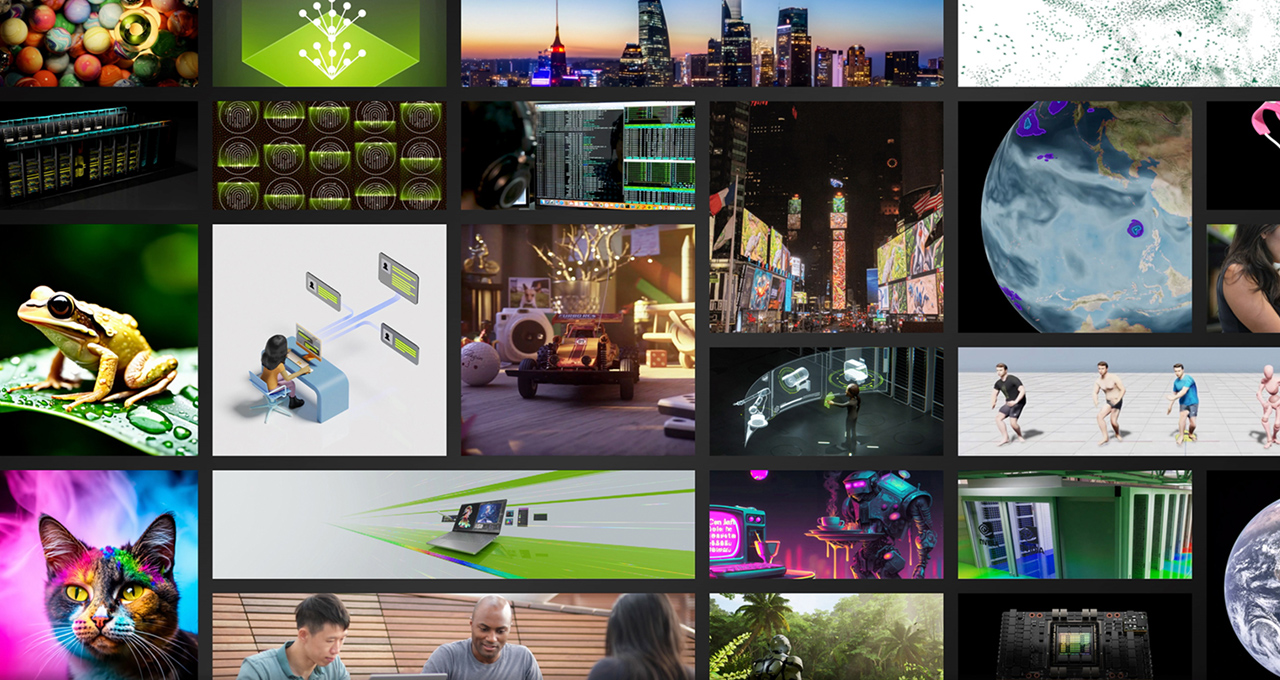
Generative AI is redefining computing, unlocking new ways to build, train, and optimize AI models on PCs and workstations. From content creation and large and small language models to software development, AI-powered PCs and workstations are transforming workflows and enhancing productivity.

Develop and Deploy on RTX

RTX GPUs are built with specialized AI hardware called Tensor Cores that provide the compute performance needed to run the latest and most demanding AI models. These high-performance GPUs can help build digital humans, chatbots, AI-generated podcasts, and more.

Model Behavior

Large language models (LLMs) can be used for an abundance of use cases — and scale to tackle complex tasks like writing code or translating Japanese into Greek. But since they’re typically trained with a wide spectrum of knowledge for broad applications, they may not be the right fit for specific tasks, like nonplayer character dialog generation in a video game. In contrast, small language models balance need with reduced size, maintaining accuracy while running locally on more devices.

Maximizing AI Performance on Windows Workstations

Optimizing AI inference and model execution on Windows-based workstations requires strategic software and hardware tuning due to diverse hardware configurations and software environments. The session "Optimizing AI Workloads on Windows Workstations: Strategies and Best Practices" will explore best practices for AI optimization, including model quantization, inference pipeline enhancements, and hardware-aware tuning.

Advancing Local AI Development

Building, testing, and deploying AI models on local infrastructure ensures security and performance even without a connection to cloud-based services. Accelerated with NVIDIA RTX GPUs, Z by HP’s AI solutions provide the tools needed to develop AI on premises while maintaining control over data and IP.

Conclusion

GTC 2025 is set to put a spotlight on AI and all its benefits, from keynote sessions to technical hands-on training and unique networking events. Attend GTC 2025 to learn more about developing and deploying AI models on RTX AI PCs and workstations.

Frequently Asked Questions

Q: What is Generative AI?
A: Generative AI is a type of AI that can generate new and original content, such as text, images, or music.

Q: What is RTX?
A: RTX is a line of graphics processing units (GPUs) designed for AI and deep learning applications.

Q: What are Tensor Cores?
A: Tensor Cores are specialized AI hardware that provide the compute performance needed to run the latest and most demanding AI models.

Q: What are small language models?
A: Small language models are designed for specific tasks and are more accurate and efficient than large language models.

Q: What is NIM microservices?
A: NIM microservices are optimized, prepackaged models for generative AI, including the Llama 3.1 LLM, NVIDIA Riva Parakeet for automatic speech recognition (ASR), and YOLOX for computer vision.

Amazon Unveils Alexa+

0

Amazon Unveils Upgraded Alexa Experience, Alexa+

A New Era of AI-Powered Conversational Assistant

At an event in NYC on Wednesday, Amazon announced an upgraded Alexa experience – Alexa+ – powered by generative AI technologies. Onstage, Amazon’s devices and services chief Panos Panay called it a "complete re-architecture" of the AI assistant.

Limitations of the Old Alexa

"[W]hile the vision of Alexa has been ambitious and remains incredibly compelling, until right this moment – right this moment – we have been limited by the technology," Panay said. "An AI chatbot on its own doesn’t get us to our vision of Alexa."

What Can Alexa+ Do?

Amazon says that the new Alexa can answer questions like "How many books have I read this year?", drawing on information from an Amazon customer’s account. It can notify users when, for example, new tickets for a concert drop, and help with certain tasks like booking a dinner reservation. The new Alexa knows almost everything in your life – your schedule, your smart home, your preferences, the devices you’re using, the people you’re connected to, and the entertainment you enjoy.

Visual Understanding and Emotional Intelligence

Like other assistants on the market, the upgraded Alexa has visual understanding. Through a device’s camera, it can take in a visual feed and respond to questions taking whatever’s happening in the feed into account. Panay says that the improved Alexa can understand tone and the environment around it, and adjust its responses on the fly. "She’s been trained in a couple of different ways, from EQ to humor to understanding," he added. "She understands I’m a little bit nervous, she’s trying to calm me."

Beyond Simple Tasks

Beyond tasks like creating quizzes from study guides and creating basic travel itineraries, Alexa+ can answer questions like "What’s the best pizza nearby?" Answers are informed by what’s in Alexa’s "memory" and preferences that Alexa has noted over time.

Conclusion

Amazon’s new Alexa+ is a significant upgrade to the AI assistant, offering a more comprehensive and intelligent experience. With its ability to understand visual cues, emotional intelligence, and vast knowledge of user data, Alexa+ is poised to revolutionize the way we interact with technology.

FAQs

Q: What is Alexa+?
A: Alexa+ is an upgraded version of Amazon’s AI assistant, powered by generative AI technologies.

Q: What can Alexa+ do?
A: Alexa+ can answer questions, perform tasks, and provide information based on user data and preferences.

Q: What are some examples of what Alexa+ can do?
A: Alexa+ can answer questions like "How many books have I read this year?", notify users of new concert tickets, and help with tasks like booking a dinner reservation.

Q: How does Alexa+ understand visual cues?
A: Alexa+ uses a device’s camera to take in a visual feed and respond to questions based on what’s happening in the feed.

Q: How does Alexa+ understand tone and the environment?
A: Alexa+ has been trained to understand tone and the environment around it, and can adjust its responses accordingly.