Home Blog Page 309

Memgraph Bolsters AI Development

The Best GenAI Applications Combine Fresh Data with Top Language Models

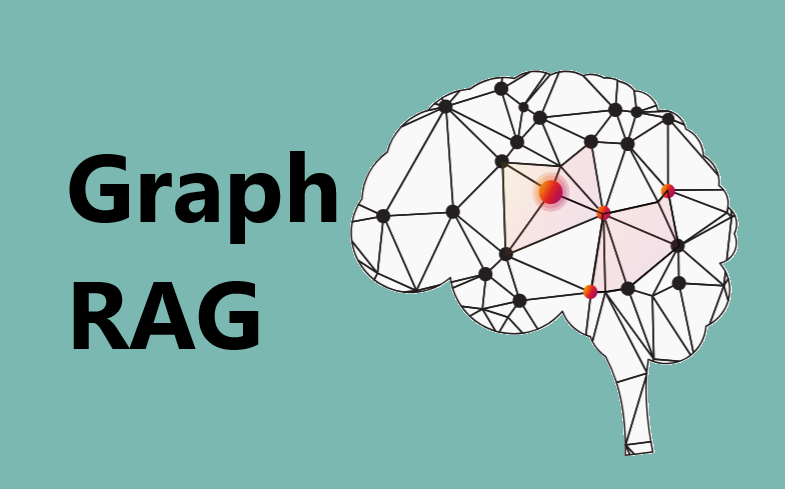
The best GenAI applications combine the freshest, most pertinent customer data with top language models, but getting that data into the model’s context window isn’t easy. That’s where the new GraphRAG capability announced today by in-memory graph database Memgraph comes into play.

Memgraph: The Open-Source In-Memory Graph Database

Memgraph develops an in-memory graph database that excels at real-time use cases that are a mix of transactional and analytical workloads, such as fraud detection and supply chain planning. It was launched as an open-source offering in 2016 by Dominik Tomicevic and Marcko Budiselić, who found that traditional graph databases couldn’t handle the demands of this particular type of application.

Graph Databases: The Problem with Traditional Graph Databases

Traditional graph databases, such as Neo4j, are batch-oriented and store data on disk. This works well when you want to ask a wide range of graph questions on large amounts of slow-moving data, but it doesn’t work well when you need quick answers on faster-moving but smaller data sets, Tomicevic says.

Memgraph: The Solution

Instead of trying to fit analytic use cases into a batch graph database, Tomicevic and Budiselić decided to build a graph database from scratch that caters to this particular type of workload. Memgraph stores all data in RAM, providing not only fast data ingest but also the capability to run analytics and data science algorithms on the entirety of the graph.

GraphRAG in Memgraph 3.0

With today’s launch of Memgraph 3.0, the company is taking its real-time analytics investment into the world of generative AI. It is launching a pair of new features with Memgraph 3.0 that position the database to be more useful for emerging GenAI workloads, such as serving chatbots or AI agents.

Vector Search and GraphRAG

The first new feature in Memgraph 3.0 is the addition of vector search. By storing graph data as vector embeddings, users will be able to serve explicit relationships (as defined by the graph nodes and edges) into the context windows of language models to get a better result as part of a RAG pipeline, or GraphRAG.

Conclusion

Memgraph’s GraphRAG capability, along with its in-memory graph database, provides a powerful solution for GenAI applications. By leveraging vector search and GraphRAG, developers can create better language models that can handle complex queries and provide more accurate results.

FAQs

Q: What is GraphRAG?
A: GraphRAG (Graph-based Reasoning and Generation) is a new capability in Memgraph 3.0 that allows users to serve explicit relationships (as defined by the graph nodes and edges) into the context windows of language models to get a better result.

Q: What is the purpose of GraphRAG in Memgraph 3.0?
A: The purpose of GraphRAG in Memgraph 3.0 is to position the database to be more useful for emerging GenAI workloads, such as serving chatbots or AI agents.

Q: How does GraphRAG work?
A: GraphRAG works by storing graph data as vector embeddings and serving explicit relationships (as defined by the graph nodes and edges) into the context windows of language models to get a better result.

Q: What are the benefits of using GraphRAG?
A: The benefits of using GraphRAG include providing more accurate results, reducing the need for manual data preprocessing, and enabling developers to create better language models.

Cheaper Computing Fuels Bigger Market

0

AI Pioneer Cerebras Crushed with Demand for New Large Language Model

When you are 50 or 70 times faster than the competition, you can do things they can’t do at all. – Cerebras CEO Andrew Feldman

AI computer pioneer Cerebras Systems has been "crushed" with demand to run DeepSeek’s R1 large language model, says company co-founder and CEO Andrew Feldman.

The Impact of DeepSeek on AI Economics

The impact of DeepSeek on the economics of AI is significant, Feldman indicated. But the more profound result is that it will spur even larger AI systems.

Cerebras’s Edge in Speed

Cerebras’s edge is speed. According to Feldman, running inference on the company’s CS-3 computers achieves output 57 times faster than other DeepSeek service providers.

The Challenge for Hosting DeepSeek

The challenge for anyone hosting DeepSeek is that DeepSeek, like other so-called reasoning models, such as OpenAI’s GPTo1, uses much more computing power when it produces output at inference time, making it harder to deliver results at the user prompt in a timely fashion.

Cerebras’s Solution

Cerebras followed one standard procedure for companies wanting to run DeepSeek inference: download the R1 neural parameters — or weights — on Hugging Face, then use the parameters to train a smaller open-source model, in this case, Meta Platforms’s Llama 70B, to create a "distillation" of R1.

The Results

"We were able to do that extremely quickly, and we were able to produce results that are just plain faster than everybody else — not by a little bit, by a lot," said Feldman.

Conclusion

The breakthrough has several implications. One, it’s a big victory for open-source AI, Feldman indicated, by which he means AI models that post their neural parameters for download. Many of a new AI model’s advances can be replicated by researchers when they have access to the weights, even without having access to the source code. Private models such as GPT-4 do not disclose their weights.

FAQs

Q: What is the impact of DeepSeek on the economics of AI?
A: The impact of DeepSeek on the economics of AI is significant, Feldman indicated. But the more profound result is that it will spur even larger AI systems.

Q: What is Cerebras’s edge in speed?
A: Cerebras’s edge is speed. According to Feldman, running inference on the company’s CS-3 computers achieves output 57 times faster than other DeepSeek service providers.

Q: What is the challenge for hosting DeepSeek?
A: The challenge for anyone hosting DeepSeek is that DeepSeek, like other so-called reasoning models, such as OpenAI’s GPTo1, uses much more computing power when it produces output at inference time, making it harder to deliver results at the user prompt in a timely fashion.

Q: What is Cerebras’s solution to running DeepSeek?
A: Cerebras followed one standard procedure for companies wanting to run DeepSeek inference: download the R1 neural parameters — or weights — on Hugging Face, then use the parameters to train a smaller open-source model, in this case, Meta Platforms’s Llama 70B, to create a "distillation" of R1.

Q: What are the results of Cerebras’s solution?
A: "We were able to do that extremely quickly, and we were able to produce results that are just plain faster than everybody else — not by a little bit, by a lot," said Feldman.

Elon Musk-led team submits $97.4B bid for OpenAI

0

Elon Musk-led Investors Make $97.6 Billion Bid for OpenAI

A team of investors led by Elon Musk submitted a $97.6 billion bid to purchase OpenAI on Monday, according to reporting by The Wall Street Journal. The news was confirmed by Musk’s lawyer, Marc Toberoff.

A Bid for Open Sourcing

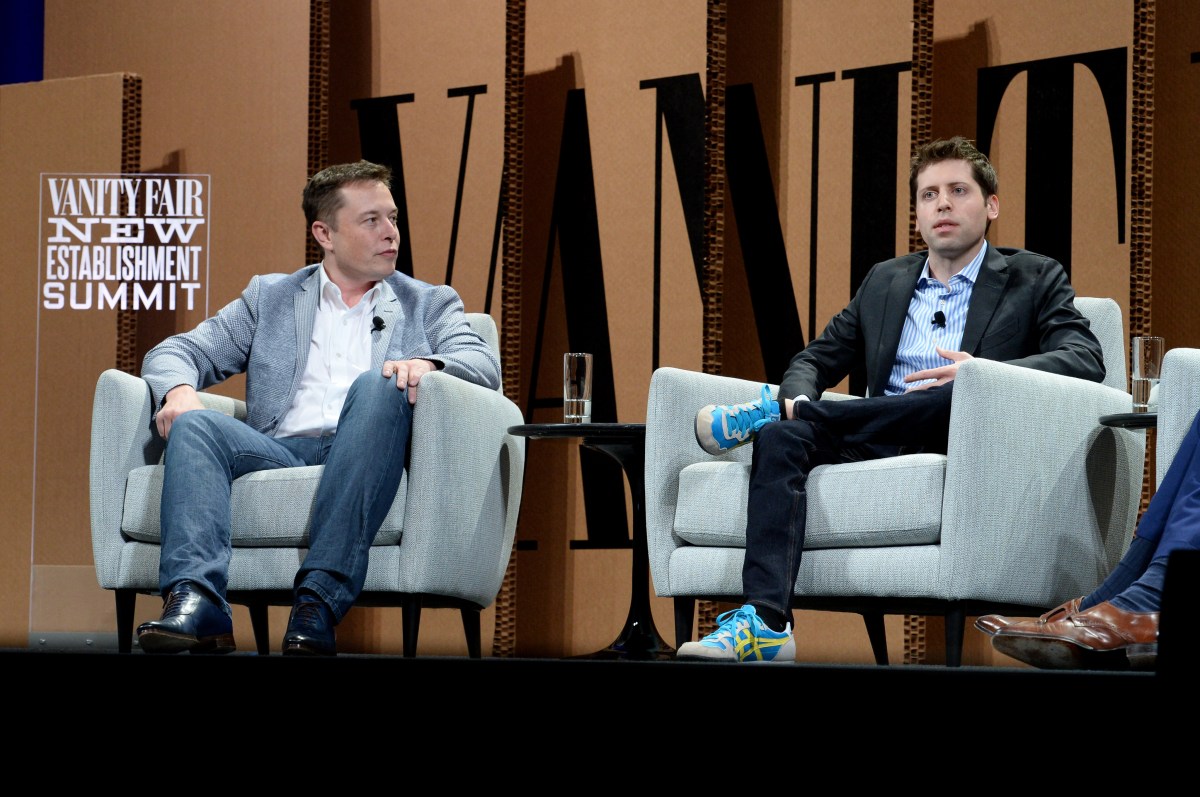
The unsolicited bid is the latest escalation by Musk in his war with co-founder Sam Altman, with whom he co-founded OpenAI in 2015. Musk is already embroiled in a legal dispute with OpenAI, filing a 2024 injunction against its effort to transition away from its nonprofit status. The Musk-led team is positioning the move as a bid to refocus OpenAI on open-sourced AI, as was its initial aim.

Musk’s Goals

“It’s time for OpenAI to return to the open source, safety-focused force for good it once was,” Musk told The Journal, by way of Toberoff. “We will make sure that happens.” Musk’s own AI firm, xAI, is involved with the bid, leading to speculation that a successful acquisition could find the two companies merging.

A Targeted Message

Musk specifically calls out xAI’s Grok model in a related statement provided to TechCrunch. “At x.AI, we live by the values I was promised OpenAI would follow,” the billionaire says. “We’ve made Grok open source, and we respect the rights of content creators,” said Musk. “It’s time for OpenAI to return to the open-source, safety-focused force for good it once was. We will make sure that happens.”

A Cheeky Response

In response to Musk’s offer, Altman earlier Monday authored a cheeky X post, writing, “no thank you but we will buy Twitter for $9.74 billion if you want.” Musk and investors famously purchased Twitter for $44 billion in 2022. TechCrunch has reached out to OpenAI for further comment.

Conclusion

The future of OpenAI remains uncertain, with a significant bid on the table from Musk and investors. The success of the acquisition will depend on the outcome of negotiations and potential disputes between the parties involved. One thing is clear, however: the AI landscape is undergoing significant changes, and the path forward will require careful consideration of the values and goals of organizations like OpenAI.

Frequently Asked Questions

Q: Why did Elon Musk’s team submit a bid to purchase OpenAI?

A: Musk’s team wants to refocus OpenAI on open-sourced AI and safety-focused development, as was the organization’s initial aim.

Q: What is the significance of Musk’s AI firm, xAI, being involved in the bid?

A: xAI is likely to be a key player in the integration of OpenAI, potentially leading to a merger between the two companies.

Q: How will the outcome of the acquisition affect OpenAI’s nonprofit status?

A: The outcome is unclear, but a successful acquisition could potentially alter OpenAI’s nonprofit status.

Accelerating Care with Azure: EHR and Beyond

0

Azure for Mission-Critical Workloads

Migrating EHR systems to Microsoft Azure provides healthcare organizations with a robust platform for mission-critical workloads, ensuring optimized performance, fast data access, built-in disaster recovery, and enhanced security features, such as AI-powered threat detection and automated compliance monitoring. On top of that, Azure maximizes cloud investments, offering new possibilities to harness data to springboard AI innovations.

Data Unification and Governance

Data is at the heart of healthcare. Hospitals produce more than 50 petabytes of data across more than 10 siloed systems every year. As the healthcare industry faces the dual challenges of managing vast amounts of unstructured data and a shortage of workforce, up to 97% of healthcare data goes unused, highlighting a significant missed opportunity for operational excellence and better patient insights. One of the biggest benefits for healthcare customers on Azure is the ability to unify their multi-modal healthcare data for analytics and AI with healthcare data solutions in Microsoft Fabric that lets them ingest, store, and analyze data from various sources and modalities.

AI Innovations

As we continue to deliver data innovations, we see our customers use their connected data on a wide spectrum of AI capabilities. With Azure AI, healthcare organizations can accelerate innovation through predictive analytics, automate clinical tasks, and improve patient interactions with the help of ambient AI solutions like DAX Copilot (directly embedded in EHR systems), as well as take advantage of Microsoft healthcare AI models in Azure AI Foundry and GitHub, a collection of cutting-edge multi-modal generative AI models that benefit imaging and radiology workflows.

Enhanced Support for Mission-Critical

Mission-critical workloads demand comprehensive support. In 2024, Microsoft Unified enhanced its support for mission-critical workloads in healthcare through its Mission Critical Offerings. This initiative provides proactive support to improve the health, resiliency, and performance of healthcare systems via regular assessments, guidance, and optimization recommendations, ensuring business continuity and addressing unique healthcare challenges.

Collaborating for Technology Excellence

Our commitment to mission-critical is reflected in our collaborations with leading EHR providers such as Epic. This long-standing relationship of more than 20 years has yielded an optimized solution for Epic on Azure, offering a robust, purpose-built platform backed by joint-reference architecture. Recently, Microsoft announced expanded scalability on Azure for healthcare organizations, specifically for running Epic’s Chronicles Operational Database (ODB), increasing its capacity to 65 million global references per second (GRefs/s), a 171% enhancement from 2023 on the new Mbv3 VM series.

Delivering Value Beyond Infrastructure

Microsoft’s well-rounded partnership with Epic is one of the many reasons why Azure is the cloud of choice for many of our healthcare customers. The decision to move mission-critical workloads to the cloud is often not just about infrastructure. Customers like Mercy chose Azure to not only modernize their infrastructure but also extract value from sizeable data archives. Mercy’s digital transformation on Azure enabled it to connect previously siloed data and use several Microsoft services such as Azure Data Lake to result in positive business outcomes.

Conclusion

As customers realize the value of consolidating their IT investments around a single vendor, Azure is increasingly being adopted for mission-critical workloads. By seamlessly connecting and delivering value across all layers of the stack, Azure for mission-critical extends a customer’s return on cloud investments. Customers like St. Luke’s University Health System are reaping the benefits of their Epic on Azure migration by taking advantage of several synergies in the Microsoft portfolio, like the interoperability of Microsoft Teams with Epic. Security is of paramount importance when dealing with patient records, and customers like Jefferson Health migrate their Epic environments to Azure with high confidence with Microsoft Defender for end-point detection and response.

FAQs

Q: What are the benefits of migrating EHR systems to Microsoft Azure?
A: Migrating EHR systems to Microsoft Azure provides healthcare organizations with a robust platform for mission-critical workloads, ensuring optimized performance, fast data access, built-in disaster recovery, and enhanced security features.

Q: How does Azure help unify healthcare data?
A: Azure helps unify healthcare data through healthcare data solutions in Microsoft Fabric, which lets them ingest, store, and analyze data from various sources and modalities.

Q: What AI innovations are available on Azure?
A: Azure AI offers a wide spectrum of AI capabilities, including predictive analytics, automated clinical tasks, and improved patient interactions with the help of ambient AI solutions like DAX Copilot and Microsoft healthcare AI models in Azure AI Foundry and GitHub.

Q: What is the Mission Critical Offerings initiative?
A: The Mission Critical Offerings initiative provides proactive support to improve the health, resiliency, and performance of healthcare systems via regular assessments, guidance, and optimization recommendations, ensuring business continuity and addressing unique healthcare challenges.

Q: What is the relationship between Microsoft and Epic?
A: Microsoft and Epic have a long-standing relationship of more than 20 years, yielding an optimized solution for Epic on Azure, offering a robust, purpose-built platform backed by joint-reference architecture.

The Best Sleep Trackers and Sleep Tech for 2025

0

What We’re Looking For

Performance: A good sleep tech gadget doesn’t try to do too much at once. It ought to be excellent at addressing the main issue it’s trying to solve. The rest is gravy.

Value: Sleep tech can be expensive. If you’re going to shell out, the gadget should make you think “Hell freakin’ yeah, this was totally worth it!”

Comfort: You can’t sleep well if you’re not comfy. Good sleep tech shouldn’t disturb your sleep. Is a tracker too bulky to be useful? Does a smart mattress cover feel lumpy?

Context: Data is useless without context. If it’s a sleep tracker, how well does it present your sleep data? Will you learn anything valuable, or is it a mess of graphs that don’t make sense?

Battery Life: A sleep gadget that can’t last through the night ain’t that helpful. You should be confident the device can last a whole night without dying. If it’s also a fitness gadget or wearable, it should be able to either last all day between charges or support fast charging so it doesn’t run out midday.

One question to ask yourself is how well a device fits your lifestyle. If you want to monitor your trends, the Oura Ring and Whoop 4.0 have some of the most in-depth sleep and recovery tracking around. But these are devices with a singular focus. Busy folks might want something that’s also useful during the day. Smartwatches like the Pixel Watch, Samsung Galaxy Watch 7, or Apple Watch will get you more utility for the price. On the other hand, there’s no point in wrist-based sleep trackers if you wake up in the middle of the night to take them off. If you can’t wear a watch, earbuds, or a ring to bed, you may want to look into non-invasive options like the Withings Sleep or the Google Nest Hub. And if you’re looking for earbuds to drown out noise, Anker’s Soundcore Sleep A20 buds are great for side sleepers and for folks who like to drift off to podcasts. Some more good news is three ex-Bose engineers have resurrected the Bose Sleepbuds — they’re Ozlo Sleepbuds now.

Sleep Tech Has Come a Long Way

Sleep tech has come a long way in just a few short years, but these aren’t medical devices, so take their sleep tracking data with a grain of salt. Gadgets like the Withings ScanWatch, Samsung Galaxy Watch 7 / Ultra, and Apple Watch Series 10 / Ultra 2 have FDA clearance for monitoring sleep disturbances. That doesn’t mean they can definitively diagnose you with sleep apnea. Nothing more.

Recommendations

Just keep in mind that these don’t have active noise canceling. (Which is why they can last 14 hours.) They can passively dampen sound simply by sitting in your ear, but they’re not going to completely block out snoring or noisy neighbors unless you have media playing. The A10 buds are quite similar but have slightly less battery life at 10 hours.

But if you’d really rather the Bose Sleepbuds — good news! They’ve been resurrected as the Ozlo Sleepbuds and are virtually the same product in every way with one key improvement: you can now play your own audio! Sometime in early 2025, Ozlo says they intend to add sleep tracking as well. The downside is that at $299, they’re double the price of the Soundcore A20s.

Read our review of the Anker Soundcore Sleep A20.

Update, February 10th: Adjusted pricing and availability.

FAQs

Q: What should I consider when choosing a sleep tech gadget?
A: You should consider performance, value, comfort, context, and battery life.

Q: Are smartwatches a good option for sleep tracking?
A: Yes, smartwatches like the Pixel Watch, Samsung Galaxy Watch 7, or Apple Watch can provide useful sleep tracking features, but may not be as in-depth as dedicated sleep trackers.

Q: Are there any earbuds that can help me fall asleep?
A: Yes, the Anker Soundcore Sleep A20 buds can help you fall asleep with their passive sound dampening feature.

Q: What is the difference between active noise canceling and passive sound dampening?
A: Active noise canceling actively blocks out sound, while passive sound dampening reduces the volume of external sounds without blocking them out.

Google One AI Premium adds NotebookLM Plus

0

Google’s NotebookLM Audio Overview Feature: A Game-Changer for Users

Google’s NotebookLM Audio Overview Feature: A Game-Changer for Users

Google’s NotebookLM Audio Overview feature, which enables AI hosts to create a realistic podcast based on your content, has taken the world by storm. The experimental AI notebook combines LLMs with your notes to further your understanding of a topic and provide summaries, answer questions, and more — making it a powerful tool for users.

NotebookLM Plus

NotebookLM Plus offers premium, subscriber-only features and five times higher usage limits to some of NotebookLM’s greatest features including Audio Overviews, notebooks, queries, and sources per notebook. Google first introduced the Plus subscription for power users who incorporate the tool in their daily workflows.

Google One AI Premium

The Google One AI Premium subscription — Google’s top AI tier offering — includes Gemini Advanced, which grants users access to the most capable AI models, AI integration across Google apps, including Gemini in Gmail, Docs, 2 TB of storage, and unlimited Magic Editor saves in Google Photos.

Standout Features

Standout features in the premium plan include access to Deep Research, Google’s agentic feature that can conduct thorough research on your behalf by developing a plan, deep diving into web sources, and generating a comprehensive report with links to the original sources.

How to Enroll

Because of how robust the plan is and how helpful it could be for students, Google is also rolling out a new 50% student discount on the subscription for students in the US. With the discount, students 18 or older can enroll in the AI Premium plan for $9.99 per month, and they can get started by visiting the Google site. For all other users who want to try out the plan before shelling out the money, you can try a one-month free trial here.

Conclusion

Google’s NotebookLM Audio Overview feature is a powerful tool that can help users further their understanding of a topic and provide summaries, answer questions, and more. With the introduction of NotebookLM Plus and Google One AI Premium, users can now access premium features and five times higher usage limits, making it easier to incorporate the tool into their daily workflows.

Frequently Asked Questions

Q: What is NotebookLM Audio Overview?
A: NotebookLM Audio Overview is a feature that enables AI hosts to create a realistic podcast based on your content.

Q: What is NotebookLM Plus?
A: NotebookLM Plus is a premium subscription that offers additional features and higher usage limits to NotebookLM.

Q: What is Google One AI Premium?
A: Google One AI Premium is a top-tier AI subscription that includes Gemini Advanced, AI integration across Google apps, and other advanced features.

Q: How do I enroll in Google One AI Premium?
A: You can enroll in Google One AI Premium by visiting the Google site and signing up for the subscription. Students can also take advantage of a 50% discount.

Q: Is there a free trial available for Google One AI Premium?
A: Yes, you can try a one-month free trial of Google One AI Premium before committing to the subscription.

Elon Musk Leads $97.4 Billion Bid to Control OpenAI

0

Audacious Bid to Buy OpenAI Assets

A group of investors led by Elon Musk has made a $97.4 billion bid to buy the assets of the nonprofit that controls OpenAI, according to two people familiar with the bid, escalating a yearslong, deeply personal tussle for the future of artificial intelligence between Mr. Musk and OpenAI’s chief executive, Sam Altman.

The Consortium

The consortium includes Vy Capital and Xai, Mr. Musk’s artificial intelligence company, as well as the Hollywood power broker Ari Emanuel and other investors, said the people, who spoke on the condition of anonymity because the discussions are ongoing.

The Bid

The bid for OpenAI is Mr. Musk’s latest and perhaps most audacious attack on an organization that he helped create almost 10 years ago. It faces long odds: OpenAI’s board of directors is closely allied with Mr. Altman, and the chief executive quickly mocked Mr. Musk’s bid.

OpenAI’s Response

“No thank you but we will buy Twitter for $9.74 billion if you want,” Mr. Altman said on X, referring to the old name for Mr. Musk’s social media platform.

“Swindler,” Mr. Musk replied.

Complications and Consequences

OpenAI has not yet seen the bid, according to a person familiar with OpenAI’s potential response. Mr. Musk’s unsolicited offer could complicate OpenAI’s attempt to complete a $40 billion fund-raising deal that would nearly double the high-profile company’s valuation from just four months ago.

OpenAI’s Structure

OpenAI’s structure is remarkably complex — and Mr. Musk’s bid shows that he understands its weak points. In order to separate from the nonprofit board, Mr. Altman and his colleagues must compensate it: OpenAI might pay the nonprofit a one-time fee, for instance, or give it a minority stake in the company.

Legal and Regulatory Issues

The board of OpenAI’s nonprofit has a duty to sell its assets at fair market value, said Ellen P. Aprill, a senior scholar studying nonprofit law at the University of California, Los Angeles, who has written extensively about OpenAI. Mr. Musk’s offer now appears to set that value very high, she said. If the nonprofit were to accept a lower price from OpenAI’s for-profit arm, it might have to explain to state charity regulators why it turned away a higher bid.

Regulatory Scrutiny

The proposal to shift OpenAI’s assets from the nonprofit to the for-profit is already under scrutiny from state charity regulators in Delaware, where OpenAI is incorporated, and in California, where the company has its headquarters.

Conclusion

The bid by Elon Musk and his investors to buy the assets of OpenAI’s nonprofit is a significant development in the ongoing battle for control of the artificial intelligence company. The outcome of this bid will have significant implications for the future of OpenAI and the development of artificial intelligence as a whole.

FAQs

Q: What is the value of OpenAI’s assets?
A: The value of OpenAI’s assets has not been publicly disclosed.

Q: Who is leading the bid to buy OpenAI’s assets?
A: The bid is being led by Elon Musk and a consortium of investors, including Vy Capital and Xai.

Q: What is the significance of OpenAI’s nonprofit structure?
A: OpenAI’s nonprofit structure gives the organization a unique legal status, allowing it to operate independently and make decisions without the need for shareholder approval.

Q: What are the implications of Mr. Musk’s bid for OpenAI’s future?
A: The outcome of Mr. Musk’s bid will have significant implications for OpenAI’s future, including its ability to operate independently and make decisions about its own direction.

Public Trust in AI Surpasses Social Media

0

Study Reveals Americans’ Trust in AI Outshines Social Media, with Young Men Leading the Charge

Introduction

A recent study conducted by Rutgers University has shed light on the public’s perception of artificial intelligence (AI) and its impact on our daily lives. The findings suggest that Americans trust AI more than social media, with certain demographics displaying a remarkable level of confidence in the technology.

Key Takeaways

  • Trust in AI surpasses trust in social media, with a significant margin.
  • Younger, male, and educated populations exhibit the highest level of trust in AI.
  • Most individuals prefer human-created content over AI-generated material, particularly in journalism.

AI Trumps Social Media in Public Trust

According to the study, a staggering 55% of Americans trust AI, whereas only 42% trust social media. This disparity is a testament to the growing level of comfort people have with AI, despite its relatively recent emergence in the mainstream.

Demographic Breakdown

The study also revealed that certain demographics are more likely to trust AI. Younger individuals (18-24 years old) show the highest level of trust, with 63% expressing confidence in AI. Males, particularly young men, also exhibit a notable surge in trust, with 61% expressing faith in the technology. Additionally, individuals with a higher level of education (graduate degree or higher) demonstrate a 58% trust in AI.

Content Preferences

The study also explored the public’s preferences when it comes to content creation. Interestingly, most individuals (62%) prefer human-created content over AI-generated material, particularly in the realm of journalism. This suggests that while AI has made significant strides in content creation, humans still hold a special place in our hearts (and minds).

Conclusion

As AI continues to permeate various aspects of our lives, it’s essential to acknowledge the growing trust and confidence people have in this technology. While social media may still be plagued by concerns over misinformation and algorithms, AI has the potential to revolutionize the way we live, work, and communicate. As the technology continues to evolve, it’s crucial to strike a balance between human creativity and AI-generated content to create a more harmonious and efficient digital landscape.

FAQs

Q: Is this study a one-off occurrence?
A: No, this study is part of a larger body of research exploring public perception and trust in AI.

Q: What are the implications of this study?
A: The study suggests that AI has the potential to revolutionize industries, such as healthcare and education, by increasing trust and efficiency.

Q: Are there any limitations to this study?
A: The study relied on self-reported data and may not be representative of the entire population. Future studies should aim to incorporate more diverse and objective measures.

OpenAI’s Secret Weapon Against Nvidia Dependence Takes Shape

0

A Large Investment

The path to creating a custom AI chip requires substantial resources. Industry experts told Reuters that designing a single version of such a processor could cost as much as $500 million, with additional expenses for developing supporting software and hardware potentially doubling that amount.

OpenAI’s Chip Project

The current OpenAI chip project, led by former Google chip designer Richard Ho, involves a team of 40 engineers working with Broadcom on the processor design, according to Reuters. The Taiwanese company TSMC, which also produces Nvidia’s chips, will manufacture OpenAI’s chips using its 3-nanometer process technology. The chips will reportedly incorporate high-bandwidth memory and networking features similar to those found in Nvidia’s processors.

Project Timeline and Challenges

Initially, OpenAI’s first chip will focus primarily on running AI models (often called “inference”) rather than training them, with limited deployment across the company. The timeline suggests mass production could begin at TSMC in 2026, though the first tape-out and manufacturing run faces technical risks that could require additional fixes and could delay the project for months.

Industry Investment in AI Infrastructure

OpenAI’s move into AI hardware comes as major tech companies spend record amounts on AI infrastructure. Microsoft plans to invest $80 billion in 2025, while Meta set aside $60 billion for the next year, Reuters notes. Last month, OpenAI (working with SoftBank, Oracle, and MGX) announced a new $500 billion “Stargate” infrastructure project aimed at building new AI data centers in the US.

Conclusion

OpenAI’s investment in AI chip development is a significant step towards creating custom processors that can run complex AI models. The company’s partnership with TSMC and Broadcom highlights the importance of collaboration and expertise in bringing such projects to life. As the AI landscape continues to evolve, OpenAI’s chip project is expected to play a crucial role in shaping the future of AI development and deployment.

FAQs

Q: How much does it cost to design a custom AI chip?

A: According to industry experts, designing a single version of a custom AI chip can cost as much as $500 million, with additional expenses for developing supporting software and hardware potentially doubling that amount.

Q: What is the timeline for OpenAI’s chip project?

A: The timeline suggests mass production could begin at TSMC in 2026, though the first tape-out and manufacturing run faces technical risks that could require additional fixes and could delay the project for months.

Q: How much are major tech companies investing in AI infrastructure?

A: Microsoft plans to invest $80 billion in 2025, while Meta set aside $60 billion for the next year, according to Reuters. OpenAI’s “Stargate” infrastructure project aims to build new AI data centers in the US, with a total investment of $500 billion.

Are We Losing Intelligence to AI?

0

Generative AI’s Impact on Critical Thinking Skills at Work

Study Reveals Alarming Trend

Researchers from Microsoft and Carnegie Mellon University recently published a study examining the effects of using generative AI at work on critical thinking skills. The study found that relying too heavily on AI can lead to a deterioration of cognitive faculties, including critical thinking, problem-solving, and judgment.

Relying on AI, Ignoring Critical Thinking

When individuals rely on generative AI, their effort shifts from using higher-order critical thinking skills like creating, evaluating, and analyzing information to verifying that an AI’s response is satisfactory. This phenomenon is particularly concerning, as workers may become deprived of opportunities to practice their judgment and critical thinking skills, leading to atrophied cognitive abilities.

Consequences of Overreliance

The study discovered that when people rely too heavily on AI, they become less proficient in solving problems independently, even when AI fails. This is because AI-generated responses may not always be accurate or sufficient, leaving humans unprepared to handle exceptions and make informed decisions.

Study Highlights

The research involved 319 participants who reported using generative AI at least once a week at work. Participants were asked to share examples of how they use AI, which fell into three main categories: creation, information, and advice. They were also asked about their use of critical thinking skills, effort to think critically, and confidence in AI, themselves, and their ability to evaluate AI outputs.

Findings and Insights
  • About 36% of participants reported using critical thinking skills to mitigate potential negative outcomes from using AI.
  • Many participants verified AI-generated responses with general web searches, potentially defeating the purpose of using AI in the first place.
  • Participants who reported confidence in AI used less critical thinking effort than those who reported confidence in their own abilities.
  • Not all participants were familiar with the limits of AI, highlighting the need for users to understand how AI shortcomings occur.

Conclusion

While the researchers do not suggest that generative AI tools inherently make individuals less intelligent, the study demonstrates that overreliance on AI can weaken our capacity for independent problem-solving. To compensate for AI’s shortcomings, workers must understand how AI works and develop critical thinking skills to evaluate and verify AI-generated responses.

FAQs

Q: Can generative AI tools make people less intelligent?
A: No, but overreliance on AI can weaken our capacity for independent problem-solving.

Q: What are the consequences of relying too heavily on AI?
A: Individuals may become less proficient in solving problems independently and may develop atrophied cognitive abilities.

Q: Why is it essential to understand how AI works?
A: To compensate for AI’s shortcomings and develop critical thinking skills to evaluate and verify AI-generated responses.

Q: Can anyone use generative AI effectively?
A: Yes, but it is crucial to understand how AI works, develop critical thinking skills, and use AI as a tool, rather than a replacement for human judgment and problem-solving.