Home Blog Page 356

Zuck shrugs off DeepSeek, vows to spend hundreds of billions on AI

0

Market Panic Over AI Models Subsides as Meta Pledges Heavy Investment

Mark Zuckerberg: Meta to Invest Billions in AI Infrastructure

U.S. markets panicked on Monday over speculation that DeepSeek’s AI models would crush demand for GPUs, with Nvidia’s stock dropping almost 20%. However, Meta’s CEO Mark Zuckerberg has pledged to invest heavily in AI, even hinting at spending "hundreds of billions of dollars" over the long term.

Meta’s Long-Term AI Strategy

During Meta’s first-quarter earnings call on Wednesday, Zuckerberg emphasized that the tech giant would invest "very heavily" in AI infrastructure. He also reiterated that Meta’s goal is to make its next model, Llama 4, the world’s most competitive, even compared to closed models like ChatGPT.

Llama 4: The Future of AI

Zuckerberg stated that Llama 4 will have agentic capabilities, similar to OpenAI and Anthropic, and will be able to handle multimodal inputs. The goal is to make Llama 4 the most competitive, surpassing even closed models.

Meta’s AI Spending

Zuckerberg already announced last week that Meta would spend over $60 billion in 2025 alone on capital expenditures, primarily on data centers. In response to an analyst’s question about DeepSeek’s impact on Meta’s AI spending, Zuckerberg emphasized that spending heavily on AI infrastructure will continue to be a "strategic advantage" for Meta.

Conclusion

The market panic surrounding DeepSeek’s AI models has subsided as Meta’s commitment to investing heavily in AI infrastructure has alleviated concerns. Meta’s long-term strategy is to make its next AI model, Llama 4, the most competitive on the market.

FAQs

Q: What is Meta’s plan for AI investment?
A: Meta plans to invest heavily in AI infrastructure, potentially spending "hundreds of billions of dollars" over the long term.

Q: What is Llama 4?
A: Llama 4 is Meta’s next AI model, which is expected to have agentic capabilities and be capable of handling multimodal inputs.

Q: How much will Meta spend on capital expenditures in 2025?
A: Meta plans to spend over $60 billion in 2025 on capital expenditures, primarily on data centers.
Loklik iCraft Review: A Worthwhile Cricut Alternative

0

Crafting, in its many guises, has rocketed in recent years, as more people discover a love for it, partly I imagine, thanks to the multitude of YouTube channels and social media types sharing their creations.

What’s in the Box?

The iCraft ships alongside a few necessities including the cutting mat, weeder, a tool and a pen holder, two blades and a double-ended pen, plus a power and a USB cable. There’s also a neat little caddy for keeping the above organised, which clips to the left side of the machine. The iCraft is available in a few colours so check their site for the latest options.

Setup & Software

Loklik’s Idea Studio software is what you’ll use to lay out designs, import from elsewhere, as well as define the job settings. This software is a free download and all you need is to register. It’s free, so no single purchase or subscription is needed. Once downloaded you’ll gain access to a growing library of designs and assets, with a one-click ‘add to canvas’ button. There are of course tools for creating your own designs. The tools on offer are fairly basic but clearly labelled and easy to use.

Performance

The iCraft is capable of cutting quite an array of materials. The Loklik site states over 100, including card stock, vinyl and papers. I found the 180gsm card cut very well, with sharp corners, nice smooth curves and perfectly straight lines. More taxing for these machines can be HVT so I was interested to test these out. I’m pleased to say that the results here were just as good, with lovely clean cuts that aid the weeding task.

Who is it for?

If you regularly work with vinyl designs, cut paper or card for projects, or want to explore new ways of working with materials for your hobbies, then the iCraft could be the perfect tool for the job.

Buy it if

  • You want a compact cutting machine
  • You work with a variety of materials
  • You need it situated away from your computer (Bluetooth is great)

Don’t buy it if

  • 12" max cutting width is too small

Conclusion

My experience with the Loklik iCraft has been fantastic and it will be a staple in my studio and will reused for creating all sorts from custom merch for my channels to gifts, labels and personalised greetings cards, plus a few art projects I’m planning.

FAQs

Q: What materials can the iCraft cut?
A: The iCraft can cut over 100 materials, including card stock, vinyl, and papers.

Q: Is the software free?
A: Yes, the Idea Studio software is free to download and use.

Q: Can I use the iCraft with my computer?
A: Yes, the iCraft has Bluetooth connectivity, making it easy to connect to your computer or mobile device.

Q: Is the iCraft quiet?
A: Yes, the iCraft is very quiet, with a noise level of 60db.

Q: Can I use the iCraft for HVT?
A: Yes, the iCraft can be used for HVT (heated vinyl transfer) cutting, with clean and precise results.

Smart Crops for Google Photos

Google Photos Introduces Flip Feature

A Long-Awaited Basic Capability

Whether you’re an iOS or Android user, Google Photos is an excellent photo storage and sharing service, with features such as Magic Editor and Ask Photos. However, one very basic capability was missing until this week: the option to flip photos.

The New Flip Feature

On Wednesday, Google shared that users can now flip or mirror their photos from the Google Photos app. Although that may sound like a fundamental feature, the previous edit functions only allowed users to crop, rotate, or adjust a picture’s aspect ratio before. You couldn’t actually flip an image within the app.

How to Access the Feature

To access the new feature, you can open the Google Photos app, tap Edit, Crop, and then the flip icon to mirror your photo. There is one catch: the feature is only available in the Google Photos for Android app. Luckily for iOS users, the native Photos app includes a flip button, which you can use to adjust your photo before you upload it to your Google Photos library.

Use Cases for Flipping Photos

Helpful instances for mirroring an image include adding balance and symmetry in photos or correcting the orientation of subjects. Even if you can’t think of a use case now, it is nice to have the option available.

Ask Photos Feature

A more exciting feature in Google Photos is the "Ask Photos" feature. By leveraging AI, users can ask the Gemini to find a photo, instead of searching through thousands of images themselves. Through this feature, Gemini can also help provide context about your photos, such as telling you the name of what you ate in a photo.

Initial Demo and Experimental Status

During the initial demo of the feature at Google I/O last year, instead of typing in the keyword "license plate" and scrolling through all of the photos themselves, users could ask, "What is my license plate number?" and Gemini would pull the number for them. The "Ask Photos" feature is strictly experimental for now and is available to select US users. If interested, you can join the waitlist by going to the Google Photos page, scrolling down to the Ask Photos section, entering your Gmail address, and clicking the "Join the waitlist" button.

Conclusion

The new flip feature in Google Photos is a welcome addition to the app, allowing users to correct the orientation of their photos and add balance and symmetry. The "Ask Photos" feature is an exciting innovation that has the potential to revolutionize the way we interact with our photos.

Frequently Asked Questions

Q: Is the flip feature available on both Android and iOS devices?
A: The flip feature is available on Android devices through the Google Photos app, but not on iOS devices.

Q: How do I access the flip feature?
A: To access the flip feature, open the Google Photos app, tap Edit, Crop, and then the flip icon.

Q: What are some use cases for flipping photos?
A: Helpful instances for mirroring an image include adding balance and symmetry in photos or correcting the orientation of subjects.

Q: What is the "Ask Photos" feature?
A: The "Ask Photos" feature is an experimental feature that allows users to ask the Gemini to find a photo or provide context about their photos using AI.

OpenAI Eyes $25 Billion Investment from SoftBank Amid DeepSeek Shock

0

SoftBank in Talks to Invest up to $25 Billion in OpenAI

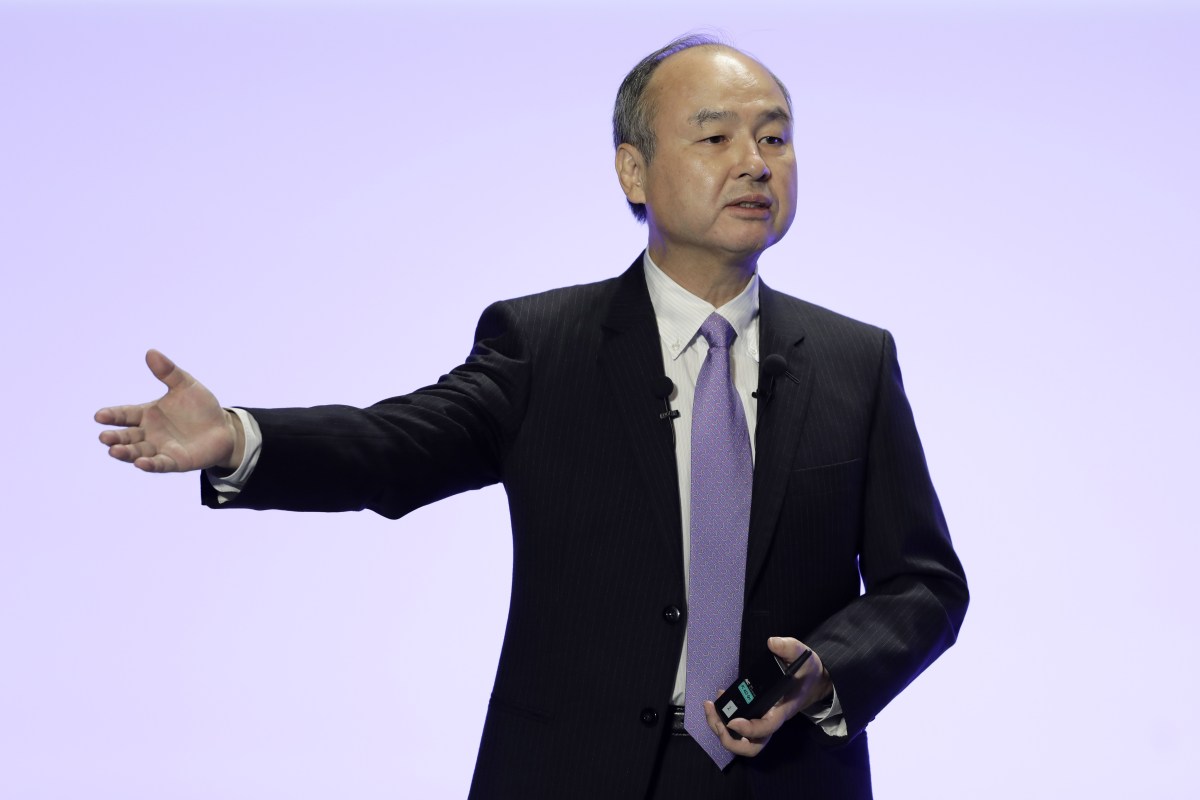
SoftBank is in advanced discussions to invest up to $25 billion in OpenAI, a Microsoft-backed startup, as part of a broader partnership that could see the Japanese conglomerate spend more than $40 billion on AI initiatives with the company, according to a report by the Financial Times.

Expected Investment

The potential investment would make SoftBank OpenAI’s largest single backer, surpassing Microsoft, which first invested in the company in 2019. The deal comes after both companies announced last week they would jointly invest $100 billion in Stargate, a U.S. data center project for OpenAI that could expand to $500 billion over four years.

Stargate Investment

SoftBank plans to invest $15 billion to $25 billion directly into OpenAI in addition to its $15 billion Stargate commitment, the report said. OpenAI will invest around $15 billion in Stargate, with SoftBank’s equity investment potentially covering OpenAI’s infrastructure commitment.

Market Sentiment

The talks come at a time when Chinese firm DeepSeek’s release of its R1 “reasoning” model, which was built on a relatively modest budget, rattled public markets this week. The chip giant Nvidia lost as much as $589 billion in a day before making a slight recovery, as investors worried that big investments in expensive AI hardware might not be necessary if companies could achieve similar results with fewer resources.

OpenAI’s Response

OpenAI claimed earlier this week that it had found evidence that DeepSeek used OpenAI’s proprietary models to train R1 and other models through a technique called “distillation,” which allows developers to achieve similar performance with smaller models at a much lower cost. The company says this would violate its terms of service, which prohibit using outputs to develop competing models.

Conclusion

The potential investment by SoftBank in OpenAI is a significant development in the AI landscape, with the possibility of a $40 billion investment in AI initiatives. The deal could also reduce OpenAI’s dependence on Microsoft for computing resources, following Microsoft’s agreement to give up its position as OpenAI’s exclusive cloud provider.

FAQs

What is the expected investment by SoftBank in OpenAI?

SoftBank is expected to invest up to $25 billion in OpenAI, making it the company’s largest single backer.

What is the purpose of the Stargate project?

The Stargate project is a U.S. data center project for OpenAI that could expand to $500 billion over four years. SoftBank is investing $15 billion to $25 billion directly into OpenAI in addition to its $15 billion Stargate commitment.

Why is OpenAI investigating DeepSeek?

OpenAI is investigating DeepSeek after claiming that it found evidence that DeepSeek used OpenAI’s proprietary models to train its R1 “reasoning” model, which could violate OpenAI’s terms of service.

What is the potential impact of the deal on the AI market?

The deal could reduce OpenAI’s dependence on Microsoft for computing resources and potentially lead to a shift in the AI market, with investors reassessing their priorities and considering more cost-effective alternatives.

What You Can and Can’t Copyright with AI

0

US Copyright Office Releases Guidelines for AI and Copyright

The US Copyright Office has published its long-awaited report on how to handle artificial intelligence (AI) and copyright. The report, titled "Copyright and Artificial Intelligence: Part 2 – Copyrightability Report," provides guidance on the application of copyright law to creative works generated by AI.

What’s in the Report?

The report covers the following key areas:

Copyrightability of AI-Generated Works

The report clarifies that AI-generated works can be protected by copyright, but only if they meet the necessary criteria. The key factors include:

  • Human authorship: The work must be created by a human, either directly or indirectly.
  • Originality: The work must be original and not a copy of another work.
  • Fixation: The work must be fixed in a tangible form, such as a written document or recorded audio.

Ownership and Control

The report discusses the issue of ownership and control of AI-generated works. It suggests that the creator of the AI system, rather than the AI itself, is the owner of the work.

Licensing and Public Domain

The report provides guidance on licensing and public domain issues related to AI-generated works. It suggests that AI-generated works can be licensed under Creative Commons licenses, and that they can enter the public domain after a certain period.

What Does This Mean for Creators and Users?

The report’s recommendations have significant implications for creators and users of AI-generated content. For creators, it means that they must ensure that their AI-generated works meet the necessary criteria for copyright protection. For users, it means that they must respect the intellectual property rights of creators and use AI-generated works in compliance with applicable laws and regulations.

Resources

For more information on the report, please visit:

https://copyright.gov/ai/Copyright-and-Artificial-Intelligence-Part-2-Copyrightability-Report.pdf

Let’s Work Together!

If you’re interested in collaborating on AI-related projects or would like to learn more about AI tools and news, please get in touch:

  • [Your Name]: [Your Email]
  • [Your Social Media Handles]

FAQs

Q: What is the purpose of the report?
A: The report provides guidance on the application of copyright law to creative works generated by AI.

Q: What are the key factors for copyrightability of AI-generated works?
A: Human authorship, originality, and fixation.

Q: Who owns AI-generated works?
A: The creator of the AI system, not the AI itself, is the owner of the work.

Q: Can AI-generated works be licensed under Creative Commons licenses?
A: Yes, according to the report.

Q: Can AI-generated works enter the public domain?
A: Yes, after a certain period, AI-generated works can enter the public domain.

Meta Investors

0

Meta’s AI Strategy: More Compute, More Advantage

CEO Mark Zuckerberg’s Message to Investors

During the fourth-quarter earnings call on Wednesday, Mark Zuckerberg reinforced Meta’s commitment to AI, citing DeepSeek’s impressive AI models as a validation of their strategy. "What DeepSeek was able to accomplish with relatively little money has only strengthened our conviction that this is the right thing to be focused on," he said.

Implementing Advancements into Llama

Zuckerberg noted that Meta is still digesting the novel techniques used by DeepSeek and plans to incorporate their advancements into Llama. This move is expected to further solidify Meta’s position in the AI market.

Computing Resources: A Strategic Advantage

Zuckerberg emphasized that investing heavily in computing resources, such as GPUs, will continue to be a strategic advantage for Meta. He stated, "I continue to think that investing very heavily in CapEx and infra is going to be a strategic advantage over time."

Reasoning and Inference

Zuckerberg’s statement is in line with the growing consensus that computing resources will shift from the training phase of AI development towards helping models better "reason." He explained, "This doesn’t mean you need less compute" but rather "you can apply more compute at inference time in order to generate a higher level of intelligence and a higher quality of service."

Llama 4 and Multimodal Capabilities

Meta is preparing to release Llama 4 with multimodal and "agentic" capabilities in the coming months. Zuckerberg expects Meta’s AI assistant to reach one billion users this year.

Comparison to OpenAI and Other Startups

Zuckerberg took a subtle jab at OpenAI, Anthropic, and other unprofitable startups, highlighting Meta’s strong business model to support its AI investments. He noted, "We have a strong business model to support the roughly $60 billion we’ll spend on AI this year versus others who don’t necessarily have business models to support it on a sustainable basis."

Praise for President Donald Trump

Zuckerberg also praised President Donald Trump, stating, "We now have a US administration that is proud of our leading companies, prioritizes American technology winning, and will defend our values and interests abroad." This praise comes as news broke that Meta is paying Trump $25 million to settle a lawsuit he brought against the company for banning his account after the January 6th insurrection.

Financial Performance

Meta’s fourth-quarter financial performance was impressive, with revenue reaching $48.39 billion, a 22% increase from the year-ago period. Net profit was a staggering $20.8 billion, a 43% increase from the previous year. CFO Susan Li reported that Meta hasn’t seen any noticeable impact from its content policy changes on ad spending.

Daily Active Users

In the fourth quarter, 3.35 billion people used at least one of Meta’s apps daily, a 5% increase from the year-ago period.

Conclusion

Meta’s commitment to AI is unwavering, with a focus on investing in computing resources and incorporating advancements into its AI strategy. The company’s financial performance is strong, with a significant increase in revenue and net profit. As the AI landscape continues to evolve, Meta is well-positioned to remain a leader in the industry.

FAQs

Q: Why is Meta investing heavily in AI?
A: Meta believes that investing in AI will be a strategic advantage over time, enabling the company to stay ahead of the competition.

Q: What is the future of computing resources in AI development?
A: Computing resources will shift from the training phase towards helping models better "reason" and generate higher-level intelligence and quality of service.

Q: How will Meta’s AI assistant fare in the coming months?
A: Meta’s AI assistant, Llama 4, is expected to reach one billion users this year, with multimodal and "agentic" capabilities.

Random Crop in PyTorch

OxfordIIITPet Dataset with Random Crop Transformations

The OxfordIIITPet dataset is a popular dataset used for object detection and segmentation tasks. In this article, we will explore how to use the RandomCrop transformation to crop the images in the dataset to different sizes.

Creating the OxfordIIITPet Dataset

We can create the OxfordIIITPet dataset by importing the necessary modules and creating an instance of the OxfordIIITPet class:

from torchvision.datasets import OxfordIIITPet
from torchvision.transforms.v2 import RandomCrop

randomcrop = RandomCrop(size=100)
origin_data = OxfordIIITPet(root="data", transform=None)

Creating Datasets with Different Crop Sizes

We can create datasets with different crop sizes by passing the size parameter to the RandomCrop transformation:

s300_data = OxfordIIITPet(root="data", transform=RandomCrop(size=300))
s200_data = OxfordIIITPet(root="data", transform=RandomCrop(size=200))
s100_data = OxfordIIITPet(root="data", transform=RandomCrop(size=100))
s50_data = OxfordIIITPet(root="data", transform=RandomCrop(size=50))
s10_data = OxfordIIITPet(root="data", transform=RandomCrop(size=10))

Visualizing the Cropped Images

We can visualize the cropped images using the show_images2 function:

show_images2(data=origin_data, main_title="s700_594p100pmedgeorigin_data", s=[700, 594], p=100, pm="edge")
show_images2(data=origin_data, main_title="s300p100pmedge_data", s=300, p=100, pm="edge")
show_images2(data=origin_data, main_title="s700_594p100pmrefleorigin_data", s=[700, 594], p=100, pm="reflect")
show_images2(data=origin_data, main_title="s300p100pmrefle_data", s=300, p=100, pm="reflect")
show_images2(data=origin_data, main_title="s700_594p100pmsymmeorigin_data", s=[700, 594], p=100, pm="symmetric")
show_images2(data=origin_data, main_title="s300p100pmsymme_data", s=300, p=100, pm="symmetric")

Conclusion

In this article, we have explored how to use the RandomCrop transformation to crop the images in the OxfordIIITPet dataset to different sizes. We have also visualized the cropped images using the show_images2 function. This can be useful for creating datasets with different crop sizes for object detection and segmentation tasks.

FAQs

Q: What is the OxfordIIITPet dataset?
A: The OxfordIIITPet dataset is a popular dataset used for object detection and segmentation tasks.

Q: What is the RandomCrop transformation?
A: The RandomCrop transformation is a function that randomly crops the images in a dataset to a specified size.

Q: How do I create a dataset with a specific crop size?
A: You can create a dataset with a specific crop size by passing the size parameter to the RandomCrop transformation.

Q: How do I visualize the cropped images?
A: You can visualize the cropped images using the show_images2 function.

Unlock the Power of Custom GPTs

What Are Custom GPTs?

Custom GPTs are personalized versions of the ChatGPT model created to cater to specific needs or tasks. They allow individuals or businesses to tailor ChatGPT’s capabilities, knowledge, and functions to serve particular purposes, making it more efficient and effective in addressing specific requirements.

Advantages of Custom GPTs

  • Personalization: Users can modify a GPT to suit their needs better.
  • Task-specific capabilities: Custom GPTs can be designed to perform distinct tasks, such as providing information, generating content, answering queries, performing data analysis, or executing particular actions based on predefined instructions.
  • Ease of creation: Creating a custom GPT doesn’t require coding skills. Users can define the GPT’s behavior, knowledge, and functionalities through a conversational interface without delving into programming.
  • Versatility: Depending on the creator’s preferences, GPTs can be tailored for personal use, internal company use, or even shared publicly with a broader audience.
  • Community building: OpenAI encourages community involvement in developing GPTs, believing that the most innovative versions will come from diverse contributors such as educators, developers, or anyone with domain-specific expertise.

Creation Process of a Custom Chat GPT

  1. Access OpenAI’s interface: Go to chat.openai.com/create to access the interface for building custom GPTs.
  2. Initiate conversation: Start a conversation with the interface. You’ll interact with a simplified version of the GPT that will guide you through the creation process.
  3. Provide instructions and knowledge: Engage in a conversation with the interface to provide instructions, information, or specific knowledge you want the GPT to have.
  4. Define functionalities: Choose and define the functionalities you want your custom GPT to perform.
  5. Review and test: Once you’ve filled your bot with information, review the GPT’s behavior and test its responses to ensure they align with your expectations and perform the intended tasks correctly.
  6. Save and deploy: Once you’re satisfied with its performance, save your custom GPT.

Personal Use Cases of Custom GPT Models

  • Learning: Train a GPT to help with learning a new skill or subject.
  • Entertainment: Use a GPT to learn a new board game, create memes, or generate music.
  • Crafting: Create a GPT that can design, print, and send stickers or 3D-printing models.

Custom ChatGPT for Business

  • Image Generation: Use a GPT to create promotional images for ad campaigns or a quick storyboard to progress to a different phase in your animation creation process.
  • Data Analysis: Use a GPT to quickly process massive data sets and even help you visualize the data.
  • Development: Use a GPT to streamline other development processes, such as cloud migration, CI/CD implementation, testing, or anything else.
  • Communication: Use a GPT to help with customer communication, negotiation, or conflict resolution.

Challenges and Limitations of Custom GPTs

  • Limited Access to Real-Time Data: Custom GPTs may lack updated information and cannot fetch news updates live or process real-time dynamic data unless explicitly integrated with external APIs.
  • Privacy Concerns: Custom GPTs may require additional safeguards to protect sensitive data.
  • Difficulty Addressing Niche Needs: Custom GPTs may require large amounts of domain-specific data and/or carefully worded prompts to achieve desired performance levels, which can be time-consuming and require trial and error.

Industry-Specific Applications of Custom GPTs

  • Healthcare: Use a GPT to answer patient questions, summarize medical papers, suggest research directions, or analyze complex datasets.
  • Education: Use a GPT to act like a personalized tutor, create learning programs, or generate quizzes and activities in particular subjects.
  • Marketing: Use a GPT to generate campaign slogans, ad copy, craft social media posts, or even suggest marketing strategy improvements based on analyzed customer data.
  • E-Commerce: Use a GPT to recommend products based on customer preferences and browsing history, or create a virtual shopping assistant to help customers select products or answer questions about inventories and shipments.

Conclusion

Custom GPTs are the next frontier in AI. They transform ChatGPT into your personal genie, tailored to your whims and needs. These GPTs redefine what’s possible, crafted with your intentions in mind, whether for your daily chores or serious business.

Frequently Asked Questions

Q: What is a custom GPT?
A: A custom GPT is a personalized version of the ChatGPT model created to cater to specific needs or tasks.

Q: How do I create a custom GPT?
A: You can create a custom GPT by accessing OpenAI’s interface, providing instructions and knowledge, defining functionalities, reviewing and testing, and saving and deploying.

Q: What are some use cases for custom GPTs?
A: Some use cases for custom GPTs include learning a new skill or subject, creating memes, generating music, designing and printing stickers or 3D-printing models, and more.

Q: What are some challenges and limitations of custom GPTs?
A: Some challenges and limitations of custom GPTs include limited access to real-time data, privacy concerns, and difficulty addressing niche needs.

Q: How can custom GPTs be used in different industries?
A: Custom GPTs can be used in different industries such as healthcare, education, marketing, and e-commerce to streamline processes, improve communication, and generate new ideas.

Introducing OpenAI’s ChatGPT Gov

ChatGPT Gov: A Version of ChatGPT Tailored to Government Agencies

OpenAI has unveiled ChatGPT Gov, a version of ChatGPT designed specifically for federal agencies. This new product provides the advanced assistance of ChatGPT while upholding the government’s security and privacy protocols.

Capabilities

ChatGPT Gov offers similar capabilities to ChatGPT Enterprise, including the ability to collaborate with others within their government workspace, upload text and image files, access GPT-4o, create custom GPTs, and access an administrative console for CIOs and IT teams to manage usage.

Access

To maximize security and control, government agencies can use Microsoft Azure’s OpenAI Service to deploy ChatGPT Gov within their environments, including Microsoft Azure commercial cloud or Azure Government. This method allows agencies to “more easily manage their own security, privacy, and compliance requirements, such as stringent cybersecurity frameworks (IL5, CJIS, ITAR, FedRAMP High),” according to OpenAI.

Privacy Concerns

One concern regarding the use of OpenAI in government functions is users’ data privacy. OpenAI CPO Kevin Weil addressed this concern by reiterating that the product is self-hosted in the user’s cloud environment, which already has been accredited, and the Azure OpenAI API will offer features such as Zero Data Retention (ZDR) in classified environments.

Implementation

ChatGPT Gov is available for deployment within government agencies’ own MS Azure commercial or government cloud environment. OpenAI encourages interested parties to contact their sales team for more information on the timeline rollout and pricing.

Conclusion

ChatGPT Gov has the potential to revolutionize the way government agencies work, providing advanced assistance and automating complex tasks. With its focus on security and privacy, this new product is an exciting development for the public sector.

FAQs

Q: What is ChatGPT Gov?

A: ChatGPT Gov is a version of ChatGPT designed specifically for federal agencies, providing advanced assistance while upholding the government’s security and privacy protocols.

Q: What capabilities does ChatGPT Gov offer?

A: ChatGPT Gov offers similar capabilities to ChatGPT Enterprise, including collaboration, file upload, GPT-4o access, custom GPT creation, and administrative console management.

Q: How does ChatGPT Gov ensure security and privacy?

A: ChatGPT Gov is self-hosted in the user’s cloud environment, which already has been accredited, and the Azure OpenAI API offers features such as Zero Data Retention (ZDR) in classified environments.

Q: How do I get started with ChatGPT Gov?

A: Interested parties should contact OpenAI’s sales team for more information on the timeline rollout and pricing.

Microsoft Continues AI Spending Growth

0

Microsoft’s AI Spending Concerns Remain Unaddressed Despite Strong Earnings

Microsoft’s Latest Financial Results

Microsoft, the tech giant, has reported its latest financial results, and while the company’s overall growth in revenue and profit has been strong, concerns about its spending on artificial intelligence (AI) remain a major concern for investors. In its latest quarter, which ended on December 31, Microsoft continued to invest heavily in building data centers to power cloud computing and AI, with a capital expense of $22.6 billion, almost twice as much as a year earlier.

AI Spending Concerns

Investors are worried about how much money big technology companies are spending on AI, and Microsoft’s latest results did little to alleviate those concerns. The company has said it will spend around $80 billion in data centers this fiscal year, which ends in June. This massive investment is aimed at meeting customer demand for AI and cloud computing services, with Microsoft’s CEO Satya Nadella stating, "As A.I. becomes more efficient and accessible, we will see exponentially more demand."

Competition and Cost

The concerns about AI spending were heightened this week after a Chinese start-up, DeepSeek, announced an advanced AI system that it claimed was developed for a fraction of the power and costs of leading tech firms. This news sent shockwaves through the market, with Microsoft’s stock falling 5% in after-hours trading.

Growth and Plans for the Future

Microsoft’s Azure cloud computing service saw a slowdown in growth, with a 31% increase, slightly below Wall Street’s expectations. The company’s AI sales, however, surpassed an annualized run rate of $13 billion, driven in part by sales of access to the systems created by ChatGPT’s creator, OpenAI. Microsoft will continue to invest in AI, with plans to add more capacity to meet customer demand.

Outlook and Plans for the Future

Microsoft’s finance chief, Amy Hood, stated that the company will increase capital expenditures in the next fiscal year, but at a slower pace. The company’s personal computing business was essentially flat, at $14.7 billion. However, sales of its online productivity tools for businesses, including Excel, Teams, and Word, grew 15%, excluding currency fluctuations.

Conclusion

Microsoft’s latest financial results show that the company remains committed to investing in AI and cloud computing, despite concerns about the costs involved. While the company’s growth in revenue and profit has been strong, investors will be watching closely to see how Microsoft’s investment in AI will impact its bottom line in the long run.

FAQs

Q: What did Microsoft’s latest financial results show?
A: Microsoft’s latest financial results showed strong growth in revenue and profit, with a capital expense of $22.6 billion.

Q: How much will Microsoft spend on data centers this fiscal year?
A: Microsoft has said it will spend around $80 billion in data centers this fiscal year, which ends in June.

Q: What is Microsoft’s plan for AI spending?
A: Microsoft plans to continue investing in AI, with a focus on meeting customer demand for AI and cloud computing services.

Q: How did Microsoft’s stock perform after the DeepSeek announcement?
A: Microsoft’s stock fell 5% in after-hours trading after the DeepSeek announcement.