Home Blog Page 369

DeepSea API Ignites

Podcast About DeepSeek Integration

Introduction

In this podcast, we will be discussing the integration of DeepSeek, a cutting-edge technology that uses AI and machine learning to detect and track marine debris in the world’s oceans. Our guest, Dr. Julia Kramer, is a leading expert in the field of marine conservation and will be sharing her insights on the importance of this technology and how it can be used to make a positive impact on the environment.

The Problem of Marine Debris

Marine debris is a significant problem that affects not only the environment but also the economy and human health. Plastic waste, in particular, is a major contributor to this issue, with millions of tons of plastic entering the world’s oceans every year. This not only harms marine life but also contaminates the food chain and poses a threat to human health.

DeepSeek Technology

DeepSeek is a revolutionary technology that uses AI and machine learning to detect and track marine debris in the world’s oceans. The system uses a combination of satellite imagery, machine learning algorithms, and human analysis to identify and categorize marine debris. This information is then used to develop strategies for removing the debris and preventing future pollution.

Integration with Existing Technologies

One of the key benefits of DeepSeek is its ability to integrate with existing technologies and systems. For example, the system can be used in conjunction with existing marine conservation efforts, such as beach cleanups and marine protected areas. Additionally, DeepSeek can be used to inform policy decisions and guide the development of new regulations to address the issue of marine debris.

Conclusion

In conclusion, the integration of DeepSeek technology has the potential to make a significant impact on the issue of marine debris. By using AI and machine learning to detect and track marine debris, we can develop more effective strategies for removing the debris and preventing future pollution. We hope that this podcast has provided a useful overview of the DeepSeek technology and its potential applications.

FAQs
Q: What is DeepSeek?

A: DeepSeek is a technology that uses AI and machine learning to detect and track marine debris in the world’s oceans.

Q: How does DeepSeek work?

A: DeepSeek uses a combination of satellite imagery, machine learning algorithms, and human analysis to identify and categorize marine debris.

Q: What are the benefits of DeepSeek?

A: The benefits of DeepSeek include its ability to detect and track marine debris more effectively than traditional methods, its ability to integrate with existing technologies and systems, and its potential to inform policy decisions and guide the development of new regulations.

Q: How can I get involved with DeepSeek?

A: You can get involved with DeepSeek by supporting organizations that are working to develop and implement the technology, or by volunteering for beach cleanups and other marine conservation efforts.

FutureProof Sales with AI Agents

Palona’s AI Agents: The Future of Customer Engagement?

Every company you interact with likely uses artificial intelligence (AI) chatbots at some level — usually to handle your customer service issue, answer questions about a product, or help guide you through an FAQ log. Palona AI wants to take that approach further: turning those chatbots into professional-grade AI sales agents who double as charming brand mascots.

How It Works

The startup, which officially launched Thursday, aims to give small businesses like pizza shops and wellness centers the power of consumer-facing human sales experts, which they likely can’t afford. Palona "onboards" or trains the agent using your business’ knowledge base, including employee manuals, company policies, and existing FAQs.

The goal is to create what the company calls a highly customized "AI character" that proactively engages with customers in the company’s voice, using its guidelines as personality traits. Available for web, iOS, and Android, Palona agents are built into a business’ backend, and customers can text, call, or chat with them 24/7.

Features and Benefits

Palona’s agents can remember customer information after an initial interaction — say, if you asked a camera retailer’s chatbot about pricing on Wednesday, but got distracted and couldn’t return to the conversation until Sunday. Agents develop customer profiles full of conversational tidbits, like the name or gender of the customer’s pet, that they can use in future interactions.

The company claims its base model, built using Llama and certain OpenAI large language models (LLMs), is trained on psychology and persuasion literature, similar to human sales experts.

Limitations

Personality training aside, are there simply some items only a human can sell? When I asked Palona’s founders about agents’ ability to sell products that are especially embodied or experiential — like bikes or cars — they didn’t exactly have a read. One of the company’s early customers is a bike shop; they cited the agent’s ability to direct consumers to its closest location or refer them to an expert in the shop. Ostensibly, it’s been successful.

EQ Claims

The tech industry is rife with AI agents that help employees do everything from write code to prep presentations. Salesforce released its own solution last fall, as did Microsoft, Asana, and countless other IT firms. But Palona claims that what sets its agents apart is their "unrivaled" emotional intelligence (EQ), which includes "humor" and "current-day texting etiquette".

During a demo with ZDNET, CTO and co-founder Tim Howes explained how the company fine-tuned available models using "an eight-point definition of what EQ is", as well as markers of human likeness and "delightfulness".

Conclusion

Palona’s AI agents are designed to create a customized "AI character" that proactively engages with customers in the company’s voice, using its guidelines as personality traits. The company claims its agents have a higher degree of EQ, human likeness, and persuasion, built into the model. While there may be limitations to what AI agents can accomplish, Palona’s approach may revolutionize the way we interact with businesses.

FAQs

Q: What is Palona?
A: Palona is a startup that uses AI to create professional-grade AI sales agents who double as charming brand mascots.

Q: How does it work?
A: Palona "onboards" or trains the agent using a business’ knowledge base, including employee manuals, company policies, and existing FAQs.

Q: What are the benefits?
A: Palona’s agents can remember customer information, develop customer profiles, and engage with customers proactively in the company’s voice.

Q: Are there any limitations?
A: While AI agents can handle many tasks, there may be some items only a human can sell.

Q: How does Palona claim its agents outperform other AI solutions?
A: Palona claims its base model is trained on psychology and persuasion literature, and has a higher degree of EQ, human likeness, and persuasion, built into the model.

Rockwell Automation completes acquisition of Clearpath Robotics

0

Rockwell Automation, which claims to be “the world’s largest company dedicated to industrial automation and digital transformation”, has completed its acquisition of Ontario, Canada-based Clearpath Robotics, a developer of autonomous robotics, including autonomous mobile robots (AMRs) for industrial applications.

The acquisition includes Clearpath Robotics’ namesake research division, a leader in developing autonomous technology for the innovation market, and the industrial division Otto Motors, which provides AMRs, the next frontier in industrial automation and transformation. Both divisions report to Rockwell’s Intelligent Devices operating segment.

Blake Moret, chairman and CEO, Rockwell Automation, says: “We are delighted to welcome the Clearpath Robotics and Otto Motors teams to Rockwell. This acquisition marks a turning point for our customers around the world.

“Rockwell is simplifying and transforming the difficult yet critical function of material handling throughout the manufacturing plant with an end-to-end production logistics solution. Production logistics is key to optimizing operations across an entire facility and bringing the Connected Enterprise to life.”

Otto Motors will be featured at Rockwell’s Automation Fair, the world’s premier industrial automation and digital transformation event, November 6-9 in Boston, where customers will see firsthand the significant impact that AMRs will have on productivity and safety across operations.

Amar Mehta, EY Americas strategy and transactions advanced manufacturing leader, says: “Not only do AMRs connect islands of automation; they are often one of the final major elements that help manufacturers achieve autonomous production logistics, enabling significant value creation for the manufacturer and their customers.

“Rockwell is a leader in the key hardware, software, and services that are needed to integrate AMRs into a manufacturing plant. With this acquisition, Rockwell enhances its ability to take manufacturers on a full end-to-end digital transformation for their production environments.”

Real-Time Analytics to Conquer the AdTech Data Deluge

What’s Wrong with Legacy AdTech Architecture

The core issue with legacy AdTech is that the systems aren’t built for streaming. Several challenges keep cropping up:

• Data Silos Everywhere: Mergers and acquisitions often leave companies with disparate data systems that don’t talk to each other. Integrating these systems is tough. It’s also necessary.
• Short Data Retention: High storage costs force many to delete data after just a few days. This lack of historical data hampers long-term analysis and strategy.
• Poor Query Performance: As data volumes grow, queries slow down. Waiting hours or days for results isn’t feasible anymore.
• Difficulty Adding New Metrics: Rigid data architectures make it hard to incorporate new data fields or sources without significant engineering effort.
• Limited Data Access: It’s not uncommon for engineering teams to control data exposure, leaving analysts in the dark.

Rethinking Legacy Systems: It’s Time for an Upgrade

Given these hurdles, it’s clear we need to rethink how we’re handling data. Rising data volumes and the demand for faster insights compel us to modernize infrastructure. Doing so delivers new capabilities that we can’t afford to leave in the “nice to have” bucket any longer. Why? Because our competitors are already doing it. Let’s look at the reasons to make the leap:

First, a shift to modern architecture enables the move from batch to streaming. Batch processing is becoming obsolete for the reasons stated above, and real-time operations require data platforms designed for streaming ingestion and processing.

Another benefit of a more modern architecture is that it supports machine learning. AI and machine learning are becoming integral in AdTech, from customer segmentation to fraud detection. But these technologies require vast amounts of recent, relevant data and robust pipelines to be effective. This means our systems need to handle larger volumes of data more efficiently.

Upgraded architecture also allows us to embrace privacy-first models. With increasing privacy concerns and the decline of third-party cookies, we need to shift from user fingerprinting to privacy-first, probabilistic attribution models. These models respect user privacy while still providing valuable insights for targeting and personalization.

In addition, a modern architecture allows us to leverage the scalable, affordable object storage solutions that are now available. They make it feasible to store vast amounts of data without breaking the bank. The key is to ensure that this storage is also performant and accessible for real-time querying.

What to Look for in a Modern Data Platform

The above benefits of a modern data platform can sound like a wish, but we’re closer than ever to having ready-made platforms that do it for you. And you can build a platform much more easily today than even six months ago. It’s the right time for AdTech teams to upgrade and embrace real-time analytics. As you’re exploring your options to up your competitive game with streaming, here’s a checklist of critical features:

• Real-Time Data Ingestion and Transformation: The platform should handle streaming data and allow for real-time transformations, adding context and standardization right at ingestion.
• Optimized for Analytical Queries: Columnar databases optimized for analytics can drastically improve query performance, even with massive datasets.
• Time-Series Optimization: Since much of our data is time-based, efficient handling of time-series data is crucial.
• Handling Late or Out-of-Order Data: The system should gracefully manage data that doesn’t arrive sequentially.
• Flexible Schema and Multi-Source Integration: A dynamic schema allows for easy addition of new data fields, and the ability to ingest multiple data sources into one table simplifies data correlation.
• Long-Term, Cost-Effective “Hot” Storage: The platform should make it affordable to keep data readily accessible.
• Independent Scalability: Components should scale independently to handle peak loads without over provisioning resources.
• Resource Isolation: Separate query pools prevent one team’s heavy workload from bogging down the entire system.

Making the Shift: From Theory to Practice

I have one other piece of advice in making the shift to a modern data platform: Transitioning isn’t just about technology — it’s also about culture and mindset. You’ll want to pay close attention to the best practices of navigating change. Start small, and do a pilot on the new platform with a specific use case to demonstrate value before a full-scale rollout. Engage your main stakeholders early and get their buy-in—data engineers, analysts and business stakeholders all need a seat at the table.

Now’s the Time to Embrace Real-time

The data deluge is overwhelming our current infrastructure in the AdTech industry, and the need for real-time data is only accelerating. That’s the bad news (“the challenge”). The good news (“the opportunity”) is that with the right tools that are now available and a willingness to adapt, we can turn our data deluge into a strategic asset. By embracing real-time analytics and modernizing our data infrastructure, we position ourselves to make faster, smarter decisions.

Conclusion

The article highlights the importance of modernizing AdTech infrastructure to handle the increasing volume of data and the need for real-time analytics. It emphasizes the benefits of upgrading to a modern data platform, including improved query performance, cost-effective storage, and the ability to handle large volumes of data. The article also provides a checklist of critical features to look for in a modern data platform and offers advice on making the shift to a new platform.

FAQs

Q: What are the challenges with legacy AdTech architecture?
A: The challenges include data silos, short data retention, poor query performance, difficulty adding new metrics, and limited data access.

Q: What are the benefits of upgrading to a modern data platform?
A: The benefits include improved query performance, cost-effective storage, and the ability to handle large volumes of data.

Q: What features should I look for in a modern data platform?
A: Look for real-time data ingestion and transformation, optimized for analytical queries, time-series optimization, handling late or out-of-order data, flexible schema and multi-source integration, long-term, cost-effective “hot” storage, independent scalability, and resource isolation.

Q: How do I make the shift to a modern data platform?
A: Start small, do a pilot on the new platform, engage your main stakeholders early, and get their buy-in.

Johnny Walker Rings in the Year of the Snake

0

Artist James Jean Creates Unique Packaging Design for Johnnie Walker Blue Label’s Lunar New Year Edition

James Jean, a renowned artist, has collaborated with Diageo’s Scotch whisky, The Johnnie Walker Blue Label, to create a limited-edition label and packaging design to mark the lunar new year and the start of the year of the snake.

Design Inspiration and Significance

James Jean’s design is a unique interpretation of the snake zodiac sign, blending traditional Chinese scroll paintings, Japanese woodblock prints, and Renaissance-style portraiture with contemporary subjects. He aimed to create a design that draws on the past while looking to the future.

The Design

The design features three snakes, each representing wisdom, intelligence, and intuition, surrounded by blooming flowers. The snakes are shedding their skins to represent the idea of renewal and growth, reflecting Johnnie Walker Blue Label’s constant evolution and transformation over its history.

Artist’s Statement

"I portrayed the snake shedding its skin to represent the idea of renewal and growth," says James Jean. "The three snakes symbolize the attributes of wisdom, intelligence, and intuition, while also representing the past, present, and future. Snakes are constantly growing, transforming, and adapting to changing conditions."

Limited Edition Design

The limited-edition design is part of the John Walker & Sons XR 21 Year Old Limited Edition, a special bottling to celebrate the lunar new year.

Conclusion

James Jean’s design for Johnnie Walker Blue Label’s Lunar New Year Edition is a stunning example of how art and design can come together to create something unique and meaningful. The design not only reflects the values of the brand but also tells a story that resonates with those who celebrate the lunar new year.

FAQs

Q: What inspired James Jean’s design for the Year of the Snake?
A: James Jean’s design was inspired by traditional Chinese scroll paintings, Japanese woodblock prints, and Renaissance-style portraiture, with a contemporary twist.

Q: What do the three snakes represent in the design?
A: The three snakes represent wisdom, intelligence, and intuition, and also symbolize the past, present, and future.

Q: How does the design reflect the values of Johnnie Walker Blue Label?
A: The design reflects Johnnie Walker Blue Label’s values of constant progression and self-reinvention, as well as its history of evolution and transformation.

Q: Is this a limited-edition design?
A: Yes, the design is part of a limited-edition bottling, the John Walker & Sons XR 21 Year Old Limited Edition.

Samsung’s AI Edge Over Apple

Samsung’s Personal Data Engine: A Personal LLM for Your Device

What is Samsung’s Personal Data Engine?

As implied by the inclusion of "personal" in the title, this is the most similar feature to the overarching principle of Apple Intelligence. Samsung’s Personal Data Engine functions as a personal LLM (Large Language Model) that learns from you with your everyday device usage, ultimately creating an assistant that can anticipate your needs using the context of your phone activity.

How Does it Work?

Essentially, the Personal Data Engine learns what you do and what you want to do to provide you with all-day support that predicts what you are about to do and displays helpful insights.

Data Concerns

Of course, data concerns naturally arise from such an application, which Samsung addressed heavily upon launch. For starters, the experience can be turned on or off with a menu toggle. Even if you turn the feature on initially, if you change your mind and turn it off, all of your data is erased.

Data Storage and Security

When the toggle is on, the data is stored on the device, and not on the cloud, giving users the reassurance that their personal data will remain more heavily protected. However, the tradeoff of the extra security is that if you lose the device, your data is lost forever.

Features and Benefits

Using this information, it can provide tailored experiences for you such as Now Brief, a feature that gives you suggestions accessible via your Now Bar on the lock screen. Intended to anticipate your needs based on your routines and habits, it may suggest driving mode or display directions to a specific destination.

Morning and Evening Briefs

Personal Data Engine will also provide morning and evening briefs, which each offer different relevant information depending on the time of day. Your morning brief may include a summary of your sleep, weather forecasts for the day, and schedule reminders. Your evening brief may include a summary of your day’s events and photos you took. Either way, it is a helpful tool to give you the information you need without you having to look for it – saving you time.

Conclusion

Samsung’s Personal Data Engine is a unique feature that learns from your daily habits and provides a personalized experience, anticipating your needs and displaying helpful insights. While it may raise data concerns, Samsung has taken steps to address these concerns, providing an additional layer of security and control for users.

FAQs

Q: What is Samsung’s Personal Data Engine?
A: Samsung’s Personal Data Engine is a personal LLM that learns from your daily device usage, providing a personalized experience and anticipating your needs.

Q: How does it work?
A: The Personal Data Engine learns what you do and what you want to do to provide you with all-day support that predicts what you are about to do and displays helpful insights.

Q: What are the data concerns surrounding the Personal Data Engine?
A: Data concerns arise from the feature, but Samsung has addressed these concerns by providing a toggle to turn the feature on or off, and storing data on the device, not the cloud.

Q: What are the benefits of the Personal Data Engine?
A: The feature provides tailored experiences, such as Now Brief, which gives you suggestions accessible via your Now Bar on the lock screen, and morning and evening briefs, which provide relevant information depending on the time of day.

The 2025 Android Upgrade Cycle Has Begun

0

Article

Hi, friends! Welcome to Installer No. 68, your guide to the best and Verge-iest stuff in the world.

This week, I’ve been reading about Kieran Culkin and insomnia and the eBay for fancy startup stuff, finally watching The Wild Robot, thinking a lot about my shopping habits while watching The Mega-Brands That Built America, adding a bunch of Baseus retractable cables to my travel kit, playing an amazing browser-based rendition of the Atari game Pitfall!, testing out the new Spark calendar for Android, and trying to copy Babish’s delicious-looking breakfast sandwich.

The Drop

  • The Samsung Galaxy S25. The S25 Edge is definitely Samsung’s most interesting phone this year, and the Ultra is probably the best one, but honestly the whole lineup is a little boring this time? Still, I really do appreciate that Samsung’s shipping a high-end, reasonably sized, full-featured flagship smartphone for $800. This is the Android phone I suspect most people will end up with this year.
  • Star Trek: Section 31. The reviews for this new Paramount Plus movie are, uh, all over the place. People still have strong feelings about Star Trek, who knew?! But I love Michelle Yeoh, and I am frankly excited to have an excuse to dive back into that universe for the first time in a while. Also: more two-hour movies and fewer ten-hour limited series, please.
  • Humanity’s Last Exam. An incredibly fun and thought-provoking — and also mind-bendingly hard — test that a bunch of researchers think represents something like the final frontier for AI. (All the models currently fail spectacularly.) I’ve learned a ton just poking around the questions.
  • Perplexity Assistant. Frankly, I’ve never found Perplexity’s actual search results all that good, but this company is really good at building products that are fun to use. This new Android app is a step toward more task-doing AI — a bit like OpenAI’s new Operator feature but without the $200 monthly price.
  • Android 16 public beta. Not much in the way of ground-breaking new stuff this year, but the Live Activities-style lockscreen notifications are cool. And if you have a foldable phone, yo…

Community Spotlights

  • "Been spending a bunch of time on Graze building feeds for BlueSky! They’re really doing some great work for the community, and have made setting up custom feeds super quick, fun, and available to pretty much anyone, techie or not." — Kerha
  • "I Love Hue Too. It’s been out a while, but it’s beautiful, addictive, and a wonderful way to distract from the crumbling world around me." — Brad
  • "Last week’s Silo season finale was incredible and I’ve also started Wool (the first in the book series) and it is a really fun read. Crazy how much faster the book is paced – it’s only like 40 percent through the story that [REDACTED] happens!!" — Andy
  • "I’ve been playing a whole lot of Dragonsweeper, which is like Minesweeper crossed with a dungeon crawler. It’s tricky at first, but it’s sick." — Sophie
  • "This playlist of old school Weather Channel songs my brother sent me has been my soundtrack for the last few days. Just sit back and let the nostalgia of trying to get a forecast over basic cable wash over you." — Mike

Signing off

At CES a few weeks ago, I was chatting with a new friend on the show floor when he casually referenced "that thing Douglas Adams wrote about the internet." I stared stupidly back at him. "You know, the Hitchhiker’s Guide guy?" Yeah, no, got that. What internet thing?

Turns out, in 1999, Adams wrote an essay titled "How to Stop Worrying and Learn to Love the Internet," and wow does it hold up 26 years later as a way to think about the world we live in now. Here’s just one quote:

"Another problem with the net is that it’s still ‘technology’, and ‘technology’, as the computer scientist Bran Ferren memorably defined it, is ‘stuff that doesn’t work yet.’ We no longer think of chairs as technology, we just think of them as chairs. But there was a time when we hadn’t worked out how many legs chairs should have, how tall they should be, and they would often ‘crash’ when we tried to use them. Before long, computers will be as trivial and plentiful as chairs (and a couple of decades or so after that, as sheets of paper or grains of sand) and we will cease to be aware of the things."

I think about this essay damn near every day now. The more things change, the more they stay the same. And maybe we should be comforted by that.

FAQs

Q: What is the best phone for this year?
A: The Samsung Galaxy S25 is a great option.

Q: What’s the latest on Star Trek: Section 31?
A: The reviews are all over the place, but I’m excited to dive back into the Star Trek universe.

Q: What’s the new AI test that’s been making waves?
A: Humanity’s Last Exam is an incredibly fun and thought-provoking test that represents the final frontier for AI.

Q: What’s the new Android app from Perplexity?
A: Perplexity Assistant is a step toward more task-doing AI, but it’s not available on iOS.

Apple Defends Watch Bands

0

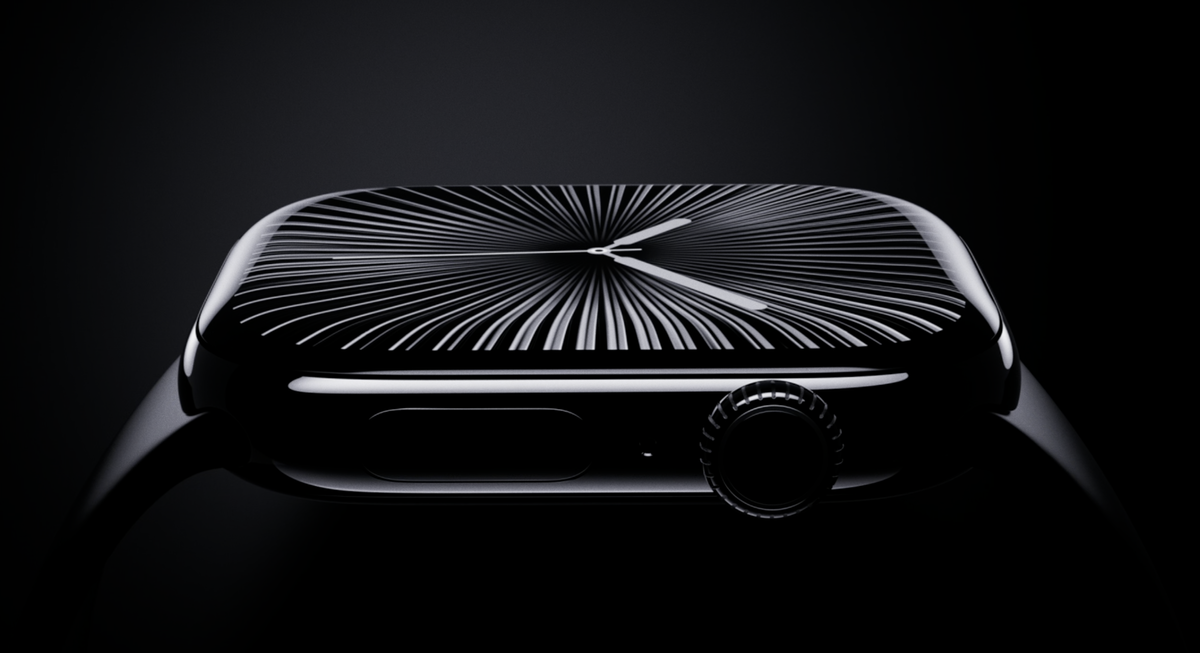
It’s not often that Apple responds to criticism. Even in cases like its disastrous AI news alerts, it preferred to quickly and quietly roll out an update. But the Cupertino tech giant has come out with a public statement in response to fears about the safety of Apple Watch bands triggered by a scathing report and a class action lawsuit.

Apple’s Response

The company insists that all Apple Watch bands are safe to use but notes that it is working to phase out the use of PFAs, the forever chemicals at the centre of the controversy.

PFAs and Apple Watch Bands

The lawsuit lodged at California’s Northern District Court singles out three Apple Watch bands that are made with fluoroelastomer: the standard sport band along with the Sport band on Nike-branded models and the Ocean band. It cites a study published in December 2024 that found that these along with some watch bands from Google, Samsung, Fitbit, OnePlus, Garmin and others contain high levels of PFAs that can be absorbed through the skin.

What are PFAs?

PFAs (per- and polyfluoroalkyl substances) are found in everything from Teflon-coated frying pans to cosmetics, insulation products, firefighting foam and some nylon and Gore-Tex clothing. But these synthetic chemicals have become a major environmental concern because of how long they take to break down. Residues are now widely present in waterways and even in rain and drinking water. They can build up in human and animal bodies and have been associated with some kinds of cancer.

Apple’s Plan to Phase Out PFAs

Apple announced a plan to phase out PFAs in 2022 but says it will take time to find alternatives. In the meantime, it released a toxicological report on the safety of all Apple products. The company told our sister site Tom’s Guide: “Apple Watch bands are safe for users to wear. In addition to our own testing, we also work with independent laboratories to conduct rigorous testing and analysis of the materials used in our products, including Apple Watch bands.”

Conclusion

While Apple’s response may not be enough to assuage all concerns, it is a step in the right direction. As the tech giant continues to phase out PFAs, it is important for consumers to be aware of the risks associated with these chemicals and take steps to reduce their exposure.

FAQs

Q: What are PFAs?

A: PFAs (per- and polyfluoroalkyl substances) are synthetic chemicals found in a wide range of products, including Apple Watch bands. They have been linked to health concerns and environmental pollution.

Q: Are Apple Watch bands safe to wear?

A: According to Apple, yes. The company has released a toxicological report on the safety of all Apple products, including Apple Watch bands. However, some experts and consumers remain concerned about the potential risks associated with PFAs.

Q: What is Apple doing to phase out PFAs?

A: Apple announced a plan to phase out PFAs in 2022 and is working to find alternative materials for its products. The company has released a toxicological report on the safety of all Apple products, including Apple Watch bands.

Q: What can consumers do to reduce their exposure to PFAs?

A: Consumers can reduce their exposure to PFAs by avoiding products that contain these chemicals, choosing alternatives, and being mindful of their use of products that may contain PFAs. They can also stay informed about the risks associated with PFAs and advocate for stricter regulations and transparency from companies like Apple.

Is ChatGPT Down for You?

Is ChatGPT Down for You?

Reports of Downed AI Chatbot Flood in

The world’s most popular AI chatbot, ChatGPT, is reportedly down for thousands of users, with its creator OpenAI scrambling to find a fix. As of 6:40 a.m. ET, DownDetector, a site that tracks online outages, saw a massive spike in reports that ChatGPT wasn’t working, with most users experiencing a "bad gateway" error.

OpenAI Investigating Issue

At 8:12 a.m. ET, a status update on OpenAI’s site read "Investigating – We are currently experiencing elevated error rates for ChatGPT. We are currently investigating." Thirty minutes later, OpenAI announced it had identified the root cause and was working on a fix, but did not provide further details. Nearly an hour later, at 9:34 a.m. ET, it said the fix was still in progress.

Status Update

By 10:09 a.m. ET, OpenAI announced that it had implemented a fix and was monitoring activity. However, reports on DownDetector continue to show that not all users have access to the service yet.

Impact on Users

ChatGPT launched in the fall of 2022 and quickly became the fastest-growing consumer software. With over 300 million users, the chatbot handles more than 1 billion messages a day. The base version is free, but some users pay up to $200 a month for the service.

Alternatives to ChatGPT

If you’re experiencing issues with ChatGPT, you may want to consider alternative AI chatbots. Our list of the best AI chatbots includes options like Microsoft Copilot, Anthropic’s Claude, Perplexity AI, and Jasper. Depending on your use of AI, you may find an option that works even better than OpenAI’s ChatGPT.

Conclusion

The outage highlights the importance of having alternative options available, even for popular services like ChatGPT. With the rise of AI chatbots in our daily lives, it’s essential to be prepared for any disruptions. By exploring alternative options, you can minimize the impact of any outages and continue to benefit from the convenience and efficiency that AI chatbots provide.

FAQs

Q: What is ChatGPT?
A: ChatGPT is a popular AI chatbot created by OpenAI that allows users to interact with AI technology through text-based conversations.

Q: Why is ChatGPT down?
A: OpenAI has not provided a specific reason for the outage, but has announced it is investigating and working on a fix.

Q: What are the alternatives to ChatGPT?
A: Our list of the best AI chatbots includes options like Microsoft Copilot, Anthropic’s Claude, Perplexity AI, and Jasper.

Q: How many users are affected by the outage?
A: According to DownDetector, thousands of users are reporting issues with ChatGPT, but the exact number is not clear.

The new Supergirl logo is seriously grungy

0

Fans React to Supergirl: Woman of Tomorrow Logo

A Broody Twist on the Traditional Design

Fans have been given a sneak peek at the potential Supergirl: Woman of Tomorrow logo, and already they’ve noticed an interesting design detail. Compared to Superman’s bright primary colored design, Supergirl’s logo has a distinctly broody feel, and fans think that’s no mistake, perhaps hinting at a darker storyline.

A Subtle yet Significant Twist

While Superman’s instantly recognizable emblem is one of the best comic logos of all time, it’s interesting to see the Supergirl logo receive a subtle yet significant twist on the traditional color palette. Whether it’s simply a bold design choice or a hint at the film’s mysterious plotline, the Supergirl logo certainly has fan theories flying.

Design Details

The Supergirl logo features a dark red ‘S’ design with a textured, spray-painted appearance, set against a deep navy blue background. This grungy feel is a departure from the bright, bold design of Superman’s logo.

Fan Reactions

Instantly, fans started to theorize what the subtle design changes could mean. Some praised the design, calling it a "familiar yet fresh take on the character and the comic influence." Others questioned the "bold masculine colors" and expressed concern that the film might go too far in its portrayal of Supergirl as a darker, more jaded character.

Conclusion

The Supergirl: Woman of Tomorrow logo is a bold departure from the traditional design, and fans are eager to see how it will be incorporated into the film. Whether the design is a hint at a darker storyline or simply a bold design choice, it’s clear that Supergirl is being fleshed out as her own character, distinct from Superman.

FAQs

Q: What is the significance of the dark red ‘S’ design in the Supergirl logo?
A: The dark red ‘S’ design is a departure from the traditional bright red color of Superman’s logo, and may hint at a darker storyline for the Supergirl film.

Q: Why is the background of the Supergirl logo navy blue instead of yellow like Superman’s?
A: The navy blue background gives the Supergirl logo a grungy, textured appearance, which may be a deliberate design choice to distinguish Supergirl from Superman.

Q: Will the Supergirl film be darker and more jaded than other superhero movies?
A: While the logo may hint at a darker storyline, it’s unclear whether the film will actually be darker and more jaded than other superhero movies.