Home Blog Page 411

UK Needs More Than AI to Escape Its Economic Hole

Inside Politics

Rachel Reeves to Stay as Chancellor

Good morning. Rachel Reeves will remain as Chancellor for the rest of the parliament, Downing Street has said. While Keir Starmer and his Chancellor do not always agree on everything, they are aligned on the big things, including avoiding tax rises.

Cracking the Code

Two things are true at the same time: Rishi Sunak’s work on artificial intelligence safety was a significant achievement and one of the standouts of his premiership. Creating an international forum where states talk about this issue is a net gain for the world. However, his work on AI safety was also, as people at multiple UK-based tech companies said privately at the time, a bit of a disaster for Britain.

Now Try This

I mostly listened to Franz Ferdinand’s new album The Human Fear while writing my column this week.

Top Stories Today

  • Cross Purposes: Rachel Reeves will step up pressure on Britain’s regulators to rip up anti-growth rules. CBI chair Rupert Soames said yesterday that business was "bruised" by government policies and new employment regulations would hamper growth and cause job losses.
  • AI ‘Maker’ Rather than ‘Taker’: Experts have cautioned that there are big obstacles ahead to Keir Starmer’s plans to harness AI, from access to energy and computing power, to concerns about governance of the rapidly evolving technology and the use of private data.
  • Unearthed: British secret agents in Washington requested that J Edgar Hoover’s honorary knighthood be listed in the who’s who almanac Debrett’s to placate the FBI head, previously classified documents show.
  • Into the Distance: Kemi Badenoch has blamed "peasants" from "sub-communities" within foreign countries for the grooming gangs scandal in an interview with GB News. She said cultural issues surrounding the problem needed to be examined.
  • Siddiq in New Probe in Bangladesh: Anti-corruption minister Tulip Siddiq has been named by investigators in Bangladesh who allege she was involved in the illegal allocation of land to members of her family while serving as an MP, Sky News’s Rob Powell reports.

Recommended Newsletters for You

  • White House Watch: What Trump’s second term means for Washington, business, and the world. Sign up here
  • FT Opinion: Insights and judgments from top commentators. Sign up here

Conclusion

In conclusion, Rachel Reeves will remain as Chancellor, and Keir Starmer and his Chancellor are aligned on the big things, including avoiding tax rises. The government is grappling with the question of how to reshape relations with the EU and is exploring the potential of AI to boost growth. However, the government needs a bigger and broader set of pro-growth measures and a plausible account of how it will stick to its fiscal rules.

FAQs

Q: What is Rachel Reeves’ role in the UK government?
A: Rachel Reeves is the Chancellor of the Exchequer.

Q: What is the current government’s stance on tax rises?
A: The government has promised not to raise income tax, national insurance, or VAT.

Q: What is the government’s plan for AI?
A: The government is exploring the potential of AI to boost growth, but experts have cautioned that there are big obstacles ahead.

Q: What are the top stories today?
A: The top stories today include Rachel Reeves’ plan to step up pressure on Britain’s regulators, Keir Starmer’s plans to harness AI, and more.

Accelerate Protein Engineering with BioNeMo

0

Designing a Therapeutic Protein

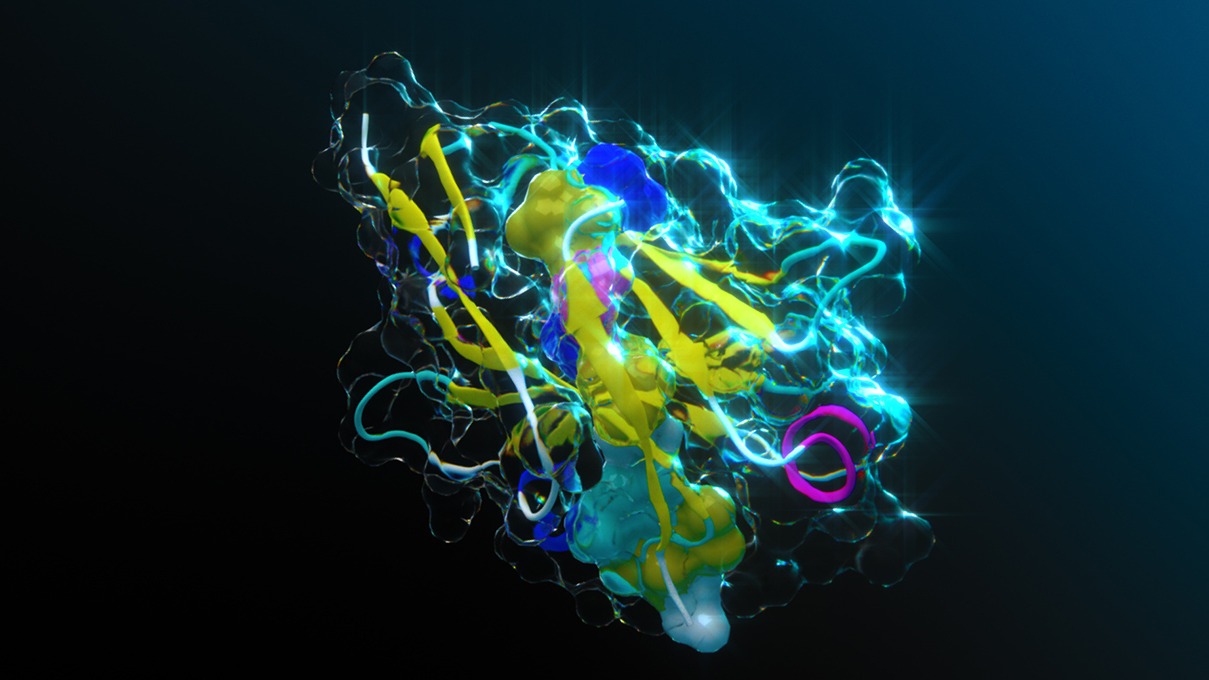
Designing a therapeutic protein that specifically binds its target in drug discovery is a staggering challenge. Traditional workflows are often a painstaking trial-and-error process—iterating through thousands of candidates, each synthesis and validation round taking months if not years. Considering the average human protein is 430 amino acids long, the number of possible designs translates to 20^430 potential sequences—a practically infinite number, vastly exceeding the number of atoms in the universe (10^80).

Accelerate Protein Design with NVIDIA NIM and NVIDIA Blueprints

NVIDIA NIM microservices are modular, cloud-native components that accelerate AI model deployment and execution. These microservices enable drug discovery researchers to integrate and scale advanced AI models within their workflows, allowing faster and more efficient processing of complex data.

NVIDIA BioNeMo Blueprint for Generative Protein Binder Design

The NVIDIA BioNeMo Blueprint for generative protein binder design provides a comprehensive guide, showing how these microservices can optimize key stages of the protein design workflow.

Process Overview

The process begins with the target protein’s amino acid sequence. This Blueprint seamlessly connects to AlphaFold2 to predict its 3D structure, giving an initial model of what the target looks like.

To aid AlphaFold2’s accuracy, we use an accelerated Multi-Sequence Alignment (MSA) algorithm called MMseqs2 running on NVIDIA GPUs. This ensures a fast, accurate alignment that informs the structure prediction process and enables users to search larger databases that weren’t previously feasible. With MMseqs2 and other upgrades, the AlphaFold2 NIM is now 5x faster and 17x more cost-efficient than the original model.

Designing Binders

With the MSA results in hand, AlphaFold2 delivers a 3D model of our target protein. This structure forms the foundation on which we design binders that can latch onto specific regions with high affinity and stability.

Next, the RFdiffusion advanced AI model explores different conformations, guiding us toward optimal binding configurations. Users can fine-tune search parameters to find the best shapes for stable binder-target interactions. With accelerations related to the inference engine, the RFdiffusion NIM is now 1.9x faster than the baseline model.

Once we have a promising conformational landscape, ProteinMPNN takes over. It uses the structural information from RFdiffusion to generate and optimize amino acid sequences that fit these shapes well.

After designing candidate binders, we validate them using AlphaFold2-Multimer. This ensures that the chosen binder and target protein form a stable, well-interacting complex, minimizing the risk of failed experiments downstream.

Conclusion

Download the NVIDIA BioNeMo Blueprint for generative protein binder design and deploy it anywhere—on-premises, in the cloud, or in hybrid environments. Secure, reliable, and enterprise-supported options can help you scale your research.

Q: What is the NVIDIA BioNeMo Blueprint for generative protein binder design?

A: The NVIDIA BioNeMo Blueprint is a comprehensive guide that showcases how to use generative AI and GPU-accelerated microservices to design therapeutic proteins that bind specifically to their targets in drug discovery.

Q: What are the key components of the NVIDIA BioNeMo Blueprint?

A: The key components include AlphaFold2, MMseqs2, RFdiffusion, and ProteinMPNN, which work together to predict the 3D structure of the target protein, align sequences, explore different conformations, and generate and optimize amino acid sequences.

Q: How does the NVIDIA BioNeMo Blueprint accelerate protein design?

A: The Blueprint accelerates protein design by using accelerated microservices and generative AI to optimize key stages of the protein design workflow, reducing the need for trial-and-error and streamlining the design-to-discovery cycle.

AI Sandbox at CES and Beyond

0

Playing around with some cool AI tech – Will update the description after live

Discovering the Future of AI

As I explore the world of artificial intelligence (AI), I’m constantly amazed by the innovative tools and technologies emerging. In this article, I’ll share some of the most exciting AI trends and resources, including AI-powered tools, news, and social media links.

Explore AI Tools & News

For the latest AI news and updates, visit https://futuretools.io/. This platform provides access to a wide range of AI tools, resources, and news, covering topics such as machine learning, natural language processing, and computer vision.

Weekly Newsletter

Stay up-to-date with the latest AI news and insights by subscribing to the weekly newsletter at https://futuretools.io/newsletter. Each issue features curated content, expert interviews, and in-depth analysis of the AI landscape.

The Next Wave Podcast

Join me on The Next Wave Podcast for in-depth discussions on AI, its applications, and its impact on society. New episodes are released regularly, exploring topics such as AI ethics, explainability, and the future of work.

Social Media

Connect with me on social media:

Resources from Today’s Video

Coming Soon…

Let’s Work Together!

If you’re interested in collaboration, branding, or sponsorship opportunities, please reach out to me at mattwolfe@smoothmedia.co.

FAQs

Q: What is AI?
A: Artificial intelligence (AI) refers to the development of computer systems that can perform tasks that typically require human intelligence, such as learning, problem-solving, and decision-making.

Q: What are the benefits of AI?
A: AI has numerous benefits, including increased efficiency, accuracy, and productivity, as well as improved customer service and personalized experiences.

Q: How can I get started with AI?
A: Start by exploring online resources, such as https://futuretools.io/, and learning about AI concepts, tools, and applications.

Q: What is the future of AI?
A: The future of AI is vast and uncertain, with many experts predicting significant advancements in areas like natural language processing, computer vision, and robotics. As AI continues to evolve, it will be essential to address ethical and social implications.

Can regulation really change the game?

0

Much has been said over the last decade about the disruption caused by gig economy platforms in local labour markets, particularly their role in degrading working conditions and creating intricate regulatory challenges. However, far less attention has been paid to the scope and impact of institutional responses emerging globally to counter this threat – and to redefine the future of work. This raises a question that may sound simple but is far from trivial: Have things truly changed? Are precarious working conditions being resolved, or are they merely taking on new forms?

At first glance, it could be argued that much of the political effort to confront platform capitalism has remained anchored in the realm of regulatory enactment. On the one hand, workers’ organisation and resistance have flourished globally, taking diverse forms. A common thread, however, is the reliance on legal enactment as a central strategy in trade unionism. Conflicts often materialise through litigation, legal mobilisation and campaigns for statutory recognition, with the state frequently becoming the focal point of these efforts – partly due to the absence of other viable levers of power to challenge platform companies. On the other hand, by 2024, states in over 30 countries (and counting) had introduced new legal instruments to regulate platform work. These measures have either directly addressed the challenge of defining the employment relationship, or adopted broader, often indirect legal frameworks, such as transport or social security laws.

Yet legal enactment is far from the end of the story. Years of struggles across various regions have made it increasingly clear that the battleground has shifted to issues of regulatory enforcement and compliance. For unions, legal advocates and employment relations researchers, this shift is hardly surprising: employers have historically contested labour regulations, particularly in contexts where enforcement mechanisms are weak. But this demands a fresh perspective, as the very credibility of regulation hangs in the balance, influencing the trajectories of institutional change in the digital age. Concrete examples of regulatory change, beyond the analysis of legal enactment, could offer valuable lessons to address this puzzle.

Spain and Chile exemplify two contrasting regulatory approaches worth examining. Spain acted early to regulate the ride-hailing sector through transport laws, granting regional governments significant autonomy to establish procedural rules and enforcement mechanisms. In the delivery sector, the 2021 Rider Law’ introduced a presumption of employment status – a landmark provision that partially inspired the recently approved EU Platform Work Directive. Chile, by contrast, introduced a third category for platform workers, extending certain employment-type protections to freelancers across both ride-hailing and delivery sectors. This hybrid model mirrors efforts in other countries that have experimented with intermediate legal categories in the past to address misclassification (although the terms and scope of these categories vary considerably in each jurisdiction).

These categories aim to grant rights to workers who do not fit neatly into traditional classifications of employees or independent contractors. However, this approach does not automatically reclassify workers; it rather expands the regulatory options for governing labour relationships. A clear example of this can be seen in the UK, where high-profile court rulings have determined that ride-hailing drivers, such as those working for Uber and more recently Bolt, qualify as ‘workers’ under British law, falling under the third category available, the limb (b) worker category. Yet, for delivery riders, this possibility has been systematically rejected by the courts.

So, how have platforms responded to these distinct institutional arrangements? In Spain, ride-hailing platforms partnered with private hire vehicle licence companies to operate legally, subcontracting drivers through these intermediaries. Initially, this arrangement provided some protections, particularly in cities like Madrid, where large unions negotiated a sector-wide collective agreement. However, subcontractors have started contesting their classification, claiming to be ‘false employees’, as neither working hours nor the legally stipulated hourly wages for actual employees are respected. What is more, the Labour Inspectorate has accused these intermediaries of illegal assignment of workers’ practices, arguing that they act as mere façades while platforms retain operational control. This arrangement has also entrenched local vested interests, as licencing companies have become increasingly dependent on the platforms’ marketplaces, which, in turn, is amplifying platforms’ infrastructural power across the country.

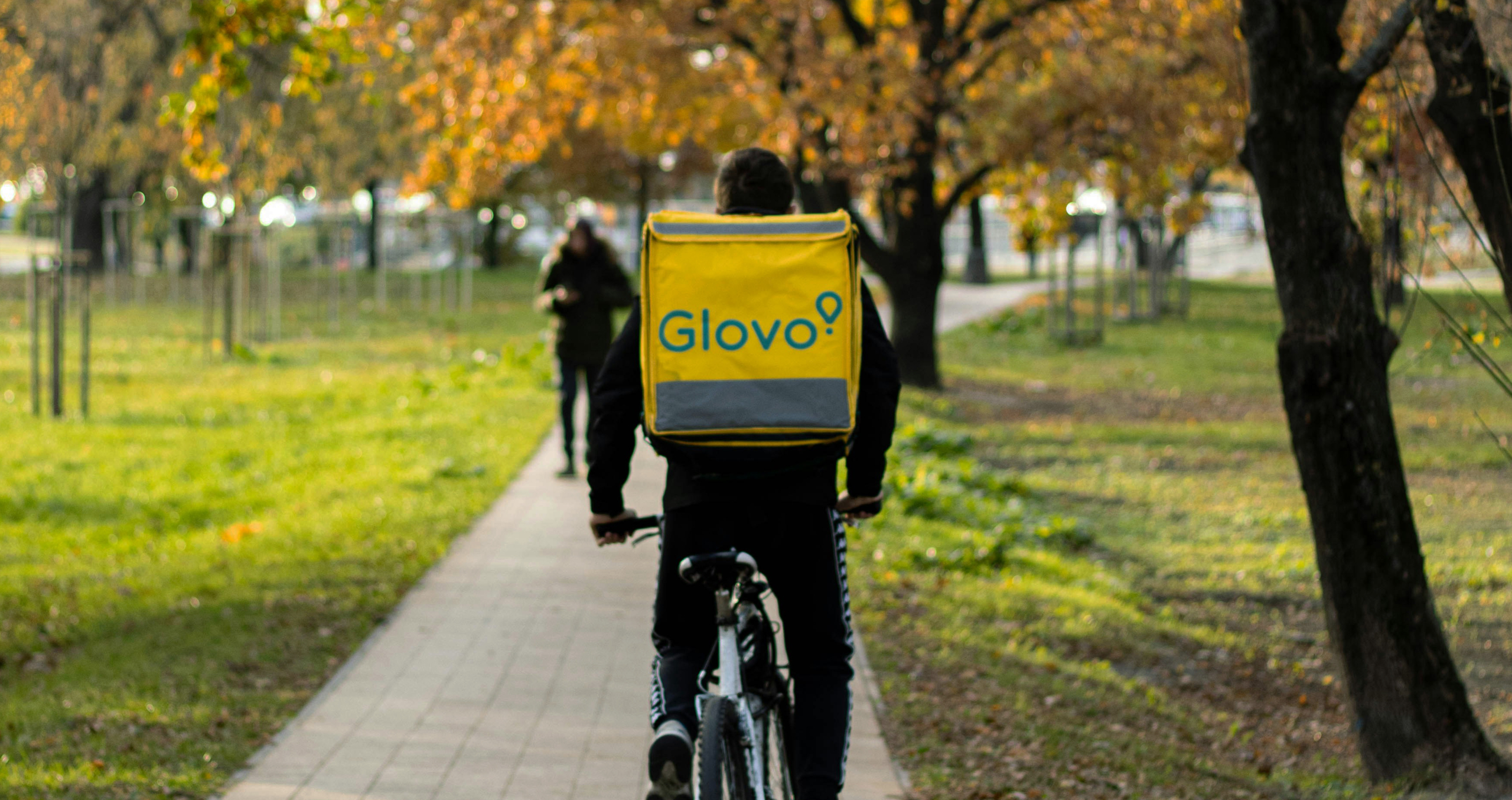
The Rider Law has signalled a shift in a similar direction, as the celebrated presumption of employment ultimately meant that someone – though not necessarily the platforms – had to employ the workers. Intermediaries have gained ground here too, though responses have varied. Some platforms, such as Deliveroo, exited Spain in 2021, claiming the law was incompatible with their business model. Others, including Uber Eats, Just Eat and Glovo, saw opportunities for expansion. Just Eat is the company most proud of complying with the regulation, signing collective agreements and internalising a small portion of its workforce, though much of its labour force, like that of other delivery companies, remains subcontracted under irregular conditions. Glovo, on the other hand, openly defied the law, asserting it had restructured its work organisation to eliminate signs of subordination and algorithmic control. This defiance triggered investigations by the Labour Inspectorate, but Glovo’s rebellion was backed by substantial corporate support: Its parent company, Delivery Hero (Europe’s largest), pledged to cover fines for misclassification cases – a bold move likely driven by its regional market power. Recently, this story took a new turn when Glovo announced it would hire its roughly 15,000 couriers, though concerns remain about the conditions under which this will happen – if it happens at all.

Chile, by introducing a hybrid category that extends labour protections to non-labour contracts, presents a different scenario: one of unchecked compliance. Without a presumption of employment, both workers and companies can, in theory, choose the regulatory framework that applies in each case. Unsurprisingly, nearly all workers remain classified as self-employed. Reports from Fairwork Chile and the Ministry of Labour confirm this trend two years after the law’s enactment. Are these workers truly self-employed? Probably not, but the political space to challenge this classification now seems limited. Concerns have shifted toward more modest objectives, such as the formalisation of these workers.

In sum, Spain’s regulation shows greater resilience in establishing minimum standards, while Chile’s hybrid model aligns more closely with platforms’ employment preferences. However, this outcome cannot be understood solely through the regulation, as it reflects the underlying political process, where unions, the government and legal institutions in Spain have maintained a commitment to addressing precarious labour conditions linked to platform growth, whereas in Chile, unions have had minimal sociopolitical influence, and institutions mostly favoured the expansion of these companies. Yet Spain’s approach also fails to address key challenges. While its legal instruments obsessively target bogus self-employment, they overlook the pervasive growth of agency work, which platforms enable by providing infrastructure for contingent arrangements like subcontracting. This, in turn, fosters intermediary markets that would not exist under purely freelance models.

Do these examples point to divergent institutional trajectories? To some extent, yes. Spain illustrates a case of layering, where legislation adds novel rules to existing frameworks, although this has still led to persistent instability and conflict. Chile, in contrast, reflects institutional conversion, one which undermines the labour protection system. Given the low enforcement capacities of the Labour Inspectorate, the introduction of this new law in the Latin American country has done little more than facilitate the avoidance of employment formalisation, leading to a scenario dominated by unchecked compliance and opportunistic practices by platforms. It is therefore correct to say that the latter approach is clearly more functional to the accumulation regime of platforms, but the former, the one adopted in Spain, does not resolve the underlying issues either.

Undoubtedly, institutional regulation plays – and will continue to play – a key role in the future of the platform economy. However, we must proceed with caution when clarifying the ultimate aim of the regulation we need. We cannot overlook the fact that Digital Labour Platforms, as they stand, have delivered neither profits nor decent work. Perhaps the starting point is not simply to regulate these companies more rigorously, but to challenge the assumption that their growth inherently fosters development. The real solution may lie in identifying regulations and institutions capable of addressing this prolonged economic malaise – creating pathways for better jobs, fairer wages and more equitable growth. Without such a shift, merely tightening the rules on platforms, though commendable, risks falling far short of resolving the deeper structural issues at play.

Angel Martin-Caballero is a sociologist and PhD researcher at the Work & Equalities Institute, University of Manchester. His research focuses on employment regulation, the role of digital platforms in shaping work and governance, and the dynamics of labour market inequalities and institutional change.

Image credit: Shashank Verma via Unsplash

Bioptimus Raises $41M to Develop a GPT for Biology

0

Fledgling French AI Startup Raises $41 Million to Develop Foundational AI Model for Biology

A fledgling French AI startup has raised $41 million to develop a foundational AI model for biology.

Training AI for Biology

Just as OpenAI’s ChatGPT has taken the world by storm for a super-smart generative AI tool capable of natural language conversation in text form, Bioptimus is taking that concept but training its model specifically for downstream biological applications — something that comes with its own unique set of challenges, given that the required clinical training data is inclined to be sensitive, and not publicly available.

Foundational Model for Biology

Bioptimus co-founder and CEO Jean-Philippe Vert says the company is looking to develop a greater understanding of biology by learning how it works from raw data spanning molecules to entire organisms. This, he says, will enable scientists and researchers to simulate the biological world to “predict disease outcomes” and develop more effective treatments. And it’s this simulation that Vert says makes its technology a little akin to what ChatGPT’s underlying model is all about.

“Essentially, it’s like the GPT of biology—but instead of generating text, we’re simulating biology,” Vert said in a statement.

France as a Hotbed for AI Startups

France has emerged as something of a hotbed for AI startups, with generative AI companies across the country securing the lion’s share of funding as of last year. Mega funding rounds include Mistral AI’s $640 million tranche, “H” securing $220 million, and Hugging Face closing a $235 million investment — all in the past 18 months.

Bioptimus’s Origin and Funding

Bioptimus, for its part, was only founded last year, but already it raised a $35 million seed round. That it has now raised a grant total of $76 million, less than a year from its foundation, is testament not only to the current AI hype, but also the backgrounds of Bioptimus’s six co-founders. Chief technology officer (CTO) Rodolphe Jenatton, for instance, was previously a senior research scientist at Amazon and Google. Vert, meanwhile, is not only co-founder and CEO at Bioptimus, but he’s also chief R&D officer at Owkin, a French unicorn and yet another AI-infused biotech startup with backers including GV.

Partnership with Owkin

This dual role hints at Bioptimus’s origins. Owkin leverages AI and machine learning to accelerate drug discovery, and has built a swathe of partnerships with top biopharmaceutical companies. As part of this work, Owkin has also amassed a ton of multimodal patient data, which is what Bioptimus will using to train its foundational model.

New Funding and Future Plans

In the intervening months, Bioptimus launched H-Optimus-0, an open source foundation model for pathology, which was trained on millions of images to help in the research and diagnoses of diseases, such as cancer. However, with a fresh $41 million in the bank, the company is set to bolster its AI platform with a more diverse array of data sources covering broader therapeutic areas, while it will also look to build further partnerships with the pharmaceutical and biotech sector.

As part of this, it’s gearing up to release a new multi-modal foundation model later this year, spanning the entire biological spectrum, one that can drive development in sectors including medical, biotech, and even cosmetic.

“Beyond pharmaceuticals, this model will unlock limitless possibilities across many other industries, driving biological discoveries in ways we are only beginning to imagine,” Vert said.

Latest Funding and Investors

Bioptimus’s latest cash injection was led by U.S. venture capital firm Cathay Innovation, with participation from Sofinnova Partners, Bpifrance, Andera Partners, Hitachi Ventures, Boom Capital Ventures, Pomifer Capital, Sunrise, and several angel investors.

Conclusion

Bioptimus’s latest funding round is a testament to the growing importance of AI in the biotech sector, and its potential to revolutionize the way we approach biology and disease research. With its new funding and plans to expand its AI platform, Bioptimus is poised to make a significant impact in the industry.

FAQs

What is Bioptimus?

Bioptimus is a French AI startup that is developing a foundational AI model for biology.

What is the goal of Bioptimus?

The goal of Bioptimus is to develop a greater understanding of biology by learning how it works from raw data spanning molecules to entire organisms, and to enable scientists and researchers to simulate the biological world to “predict disease outcomes” and develop more effective treatments.

What is the significance of Bioptimus’s latest funding round?

Bioptimus’s latest funding round is a testament to the growing importance of AI in the biotech sector, and its potential to revolutionize the way we approach biology and disease research.

What are Bioptimus’s plans for its new funding?

Bioptimus plans to use its new funding to bolster its AI platform with a more diverse array of data sources covering broader therapeutic areas, while it will also look to build further partnerships with the pharmaceutical and biotech sector.

Red Hat Bets Big on AI with Neural Magic Acquisition

Red Hat Completes Acquisition of Neural Magic, Enhancing AI Capabilities

Red Hat, the IBM-owned open-source software giant, has completed its acquisition of Neural Magic, a pioneering artificial intelligence (AI) optimization startup. Initially announced in November 2024, the deal closed on January 13, 2025, marking a significant step in Red Hat’s strategy to enhance its AI capabilities across hybrid cloud environments.

Background on Neural Magic

Neural Magic, an MIT spinoff founded in 2018, has developed innovative software and algorithms that accelerate generative AI inference workloads. The company’s technology allows complex AI models to run efficiently on commodity hardware, including standard CPUs and GPUs, potentially reducing the need for expensive, specialized AI accelerators.

Key Technologies Acquired by Red Hat

  1. vLLM Expertise

    Neural Magic is a leading contributor to vLLM, an open-source project for efficient large language model (LLM) serving. In particular, vLLM is already Red Hat Enterprise Linux (RHEL) AI and Red Hat OpenShift AI’s inference engine.

  2. DeepSparse

    An inference runtime that delivers GPU-class performance on commodity CPUs through algorithms that reduce computation and memory needs for neural network execution. Specifically, besides LLMs, DeepSparse is also useful for computer vision (CV) and natural language processing (NLP).

  3. SparseZoo

    A repository of pre-optimized CV, NLP, and LLM models.

  4. Model Compression Techniques

    Neural Magic has developed advanced methods for model quantization and sparsification, which can significantly reduce model size and computational requirements without substantial loss in accuracy.

  5. Cross-platform Optimization

    Neural Magic’s technology enables AI model optimization for deployment across cloud, data center, and edge environments.

Red Hat’s Vision for AI

Red Hat’s CEO, Matt Hicks, stated that the company believes the future of AI is open. The acquisition of Neural Magic is a strategic enhancement to its AI capabilities, facilitating AI deployment across hybrid clouds by leveraging Neural Magic’s expertise in model optimization and inference acceleration.

Conclusion

The acquisition of Neural Magic by Red Hat is a significant step in the company’s strategy to enhance its AI capabilities across hybrid cloud environments. The technologies acquired by Red Hat, including vLLM, DeepSparse, SparseZoo, model compression techniques, and cross-platform optimization, will enable the company to offer more cost-effective, scalable AI solutions that reduce dependency on specialized hardware.

FAQs

Q: What is Neural Magic?
A: Neural Magic is a pioneering artificial intelligence (AI) optimization startup that has developed innovative software and algorithms that accelerate generative AI inference workloads.

Q: What did Red Hat acquire from Neural Magic?
A: Red Hat acquired Neural Magic’s vLLM expertise, DeepSparse, SparseZoo, model compression techniques, and cross-platform optimization technologies.

Q: What does this acquisition mean for Red Hat’s AI capabilities?
A: The acquisition of Neural Magic enhances Red Hat’s AI capabilities across hybrid cloud environments, enabling the company to offer more cost-effective, scalable AI solutions that reduce dependency on specialized hardware.

Q: What is Red Hat’s vision for AI?
A: Red Hat believes the future of AI is open and is committed to making AI workloads more accessible, efficient, and deployable across hybrid cloud environments.

Walmart’s Bold New Branding is a Glow Up

0

Walmart Unveils Refreshed Logo and Visual Identity

A New Era for the Retail Giant

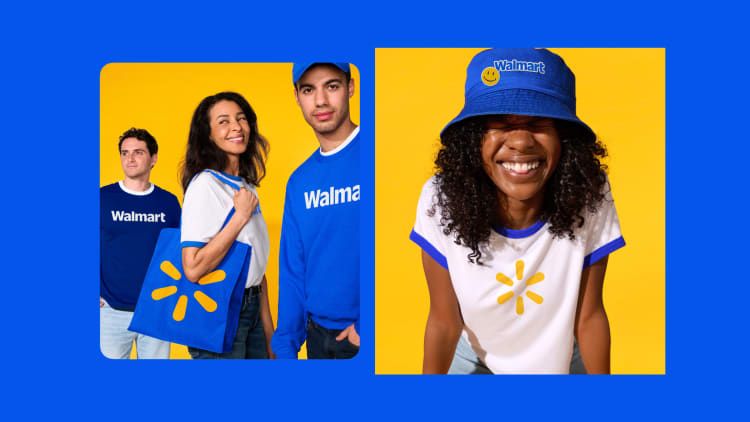
When a brand like Walmart refreshes its logo, the design world sits up and notices. It’s one of the most recognizable logos on the planet, thanks to the chain’s dominance in retail – and the logo itself is an example of simplicity done exquisitely (as with many of the best logos). The brand has refreshed its identity for the first time in almost 20 years, and the result is the truest definition of a glow up.

A Bolder, Thicker, and Rounded Design

The iconic logo design has retained the same essence but has been given a makeover in the form of bolder, thicker, and more rounded shapes. Added to that, the whole identity has been treated to a color upgrade. This means a brighter, warmer yellow and a deeper blue, known as "True Blue," leading a range of new blues. And there’s even a new typeface.

A New Typeface Inspired by the Founder’s Hat

The new sans-serif typeface, which draws on the brand’s roots, was inspired by a hat worn by the founder in a photo from 1980. The typeface on the hat was Antique Olive, and the JKR team worked to make it bolder to suit a new era for Walmart – replacing the version of Myriad Pro that has been in action since 2008.

A Smart Move for Digital

The logo and wordmark are to be separated, which is a smart move for digital, and the new, thicker design on both will allow them to carry more weight when standing alone on screen.

What Inspired the New Look?

According to a statement from CMO William White, the new look aims to cement the brand as "an inspirational, digital retailer," while celebrating the brand’s heritage.

A Refreshed Brand Identity

"While the look and feel of our brand is more modern, our refreshed brand identity reflects Walmart’s enduring commitment to both [founder] Sam’s principles and serving our customers however they need us," he says.

Conclusion

The new logo design looks equally as meant-to-be, leaving the old version paling in comparison to those luscious new shapes. That thought of "wow, why hasn’t it always been like that?" is symbolic of a job well done, and especially brilliant when the new design is a tweak rather than a total redesign.

FAQs

Q: What is the inspiration behind the new Walmart logo design?
A: The new design is inspired by the brand’s heritage and its commitment to serving its customers.

Q: What is the new typeface used in the refreshed logo?
A: The new sans-serif typeface was inspired by a hat worn by the founder in a photo from 1980 and is a bolder version of the Antique Olive typeface.

Q: Why is the logo and wordmark being separated?
A: This is a smart move for digital, allowing the logo and wordmark to carry more weight when standing alone on screen.

Q: What is the new color palette used in the refreshed logo?
A: The new color palette features a brighter, warmer yellow and a deeper blue, known as "True Blue," leading a range of new blues.

6 Lessons in Branding from Reality TV

0

Reality television has long captivated audiences, not just with its drama and larger-than-life personalities, but with its strategic use of music. Music isn’t the garnish on the plate, it’s the secret sauce. It drives the emotional highs, underpins the gut-wrenching lows, and keeps viewers glued to their screens, episode after episode. From its humble beginnings to its current streaming dominance, reality TV has turned soundscapes into weapons of mass engagement.

Take Netflix’s current stable of reality shows as a prime example. These productions use music like a master chef uses seasoning – to amplify every emotional beat. Music isn’t a sidekick; it’s the hero of the story.

For marketers, this presents a golden opportunity. Reality TV’s masterful use of music offers a cheat code for creating campaigns that stick. It’s not just about a small bit of sonic branding either. The trick? Stop thinking about music as a mere brand asset and start treating it as an emotional bridge. Find that sweet spot, and you’ll turn casual consumers into lifelong fans.

Brands using music well

Some brands have been highly successful at making these connections through music. Marketers who get it can create campaigns with staying power. For example, Coke’s Holidays Are Coming (The classic! Not the recent weird AI one) delivers nostalgia in a bottle. That iconic jingle doesn’t just sell soda; it sells Christmas.

Nike’s Nothing Beats a Londoner ad uses a high-energy soundtrack that captures the grit, pride, and swagger of London, while the He Gets Us campaign from the past two Super Bowls feature raw, emotional storytelling paired with hauntingly simple music that hits you right in the feels.

But back to reality TV… what can we learn from the genre that garners so many viewers around the world?

6 ways music connects with audiences

Marketers often approach music with the same mindset they bring to logo design: “Let’s pick something cool and on-brand.” But here’s the thing: cool doesn’t cut it. Reality TV shows us that music isn’t about what’s trendy – it’s about creating a visceral, emotional journey.

Creating an emotional connection with customers can reap huge dividends, according to research from Harvard Business Review. Customers that are fully connected to the brands they use are 52% more valuable than those who are just highly satisfied with those brands.

So how do reality shows do it? They focus on six key ways music makes connections with audiences:

01. Creating atmosphere

Reality shows know that music sets the vibe. From the sultry, aspirational sounds of Selling Sunset to the tense, almost operatic scores of Hell’s Kitchen, music creates the world these shows inhabit.

02. Having impact

Music doesn’t just accompany the drama – it amplifies it. Think of Survivor’s tribal council scenes. The swelling tension, the building beats, the final crescendo as the vote is revealed. Without the music, it’s just a group of tired people in the jungle. With it? Pure edge-of-your-seat drama.

03. Manipulating emotions

Let’s not sugarcoat it: reality TV uses music to hijack your emotions – and it’s disturbingly effective. Love is Blind wields its score like a psychological scalpel. The music slips in, unnoticed at first, cutting into the awkward silences and turning even the smallest moments into grand spectacles of emotional theatre.

04. Communicating culture

Music isn’t just a backdrop – it’s a storyteller in its own right. Reality shows often leverage cultural references, musical styles, and lyrical themes to add depth and nuance to their narratives. From the aspirational pop hits that drive Selling Sunset’s glamorous montages to the earthy, tribal beats of Survivor, the music resonates because it connects with the audience’s cultural and emotional touchpoints.

05. Making memories

Sound has the unique ability to create sticky memory structures in ways that other senses can’t. It’s why you can remember the theme song to shows from your childhood, even if you can’t recall the narrative of the show itself. Great storytellers use original compositions or themes at pivotal moments to cement these memories.

06. Creating consistency

Consistency in music is one of the unsung heroes of audience loyalty. Reality TV shows thrive on their repeated formats – audiences know exactly when to expect those emotional highs and lows, often brought to life by the music. It’s comforting, familiar, and keeps people coming back for more.

The bottom line

If you want your brand to endure, start thinking like a showrunner. Music and sonic branding aren’t just accessories – they’re powerful tools that can transcend campaigns and weave into the cultural fabric.

If Love is Blind can make us feel the weight of a first glance and Kitchen Nightmares can evoke sympathy over a soggy risotto, imagine the emotional connections your brand could forge. The takeaway? Stop sidelining music. Done right, it’s not just memorable – it’s unforgettable, creating lasting resonance that keeps your brand alive in the hearts and minds of consumers.

FAQs

Q: How can I use music to create emotional connections with my customers?
A: By leveraging the six key ways music connects with audiences, as outlined in this article.

Q: What are some examples of successful music-driven campaigns?
A: Examples include Coke’s Holidays Are Coming, Nike’s Nothing Beats a Londoner, and the He Gets Us campaign.

Q: How can I make my brand’s music more memorable?
A: By using original compositions or themes at pivotal moments, and by leveraging cultural references and musical styles that resonate with your target audience.

Q: What is the key to creating a lasting emotional connection with my customers?
A: Consistency in music and sonic branding, as well as a deep understanding of your target audience’s cultural and emotional touchpoints.

Microsoft creates new AI engineering group led by former Meta executive

0

Microsoft Creates New Engineering Group to Focus on Artificial Intelligence

New Division Combines AI Platform and Dev Teams

Microsoft is creating a new engineering group focused on artificial intelligence, led by former Meta engineering chief Jay Parikh. The new CoreAI – Platform and Tools division will combine Microsoft’s Dev Div and AI platform teams, alongside some employees from the Office of the CTO team, to focus on building an AI platform and tools for both Microsoft and its customers.

Nadella Outlines Vision for AI Platform

Microsoft CEO Satya Nadella outlined his vision for the new team in an internal memo, using a cricket reference to note that "we’re entering the next innings of this AI platform shift" in 2025 that will "reshape all application categories." Nadella believes that every part of the application stack will be impacted by AI, and that "thirty years of change is being compressed into three years!"

Building an AI-First App Stack

To get ready for this change, Nadella sees the need for an "AI-first app stack" inside Microsoft that will impact how its own developers use and build AI apps and tools in the future. "In this world, Azure must become the infrastructure for AI, while we build our AI platform and developer tools — spanning Azure AI Foundry, GitHub, and VS Code — on top of it," says Nadella. "In other words, our AI platform and tools will come together to create agents, and these agents will come together to change every SaaS application category, and building custom applications will be driven by software (i.e. ‘service as software’).

Parikh to Lead New Group

Parikh will lead the new group as the executive vice president of CoreAI – Platform and Tools, after previously being instrumental to Meta’s engineering efforts for more than a decade. Microsoft announced Parikh’s hire in October, and this is the first major engineering shakeup since he joined the software giant. Parikh also reports directly to Nadella and is a member of Microsoft’s senior leadership team. He now has a number of other Microsoft executives reporting up to him in his new role, including AI platform chief Eric Boyd, deputy CTO of AI infrastructure Jason Taylor, head of Microsoft’s developer division Julia Liuson, and head of developer infrastructure Tim Bozarth.

Conclusion

Microsoft’s creation of the CoreAI – Platform and Tools division is a significant step in its efforts to focus on artificial intelligence. With Parikh leading the new group, the company is set to make significant changes in its approach to AI, from building an AI-first app stack to creating agents that will change every SaaS application category.

Frequently Asked Questions

Q: What is the purpose of the new CoreAI – Platform and Tools division?
A: The new division is focused on building an AI platform and tools for both Microsoft and its customers, to reshape all application categories.

Q: Who will lead the new group?
A: Jay Parikh, former Meta engineering chief, will lead the new group as the executive vice president of CoreAI – Platform and Tools.

Q: What are the key goals of the new division?
A: The key goals include building an AI-first app stack, creating agents that will change every SaaS application category, and driving custom applications through software (i.e. "service as software").

AI Gets Too Real – Text to 3D, AI Agent Comments, Nvidia 5070/5090

0

The Wild World of AI: From Text to 3D to Human-Like Comments

Introduction

Artificial Intelligence (AI) has come a long way in recent years, with advancements in various areas such as natural language processing, computer vision, and robotics. In this article, we’ll explore some of the most fascinating developments in AI, including AI text, 3D, and human-like comments.

Consistent Flow Distillation

One of the most promising areas of AI research is Consistent Flow Distillation (CFD), which enables the generation of high-quality, coherent text from a given prompt. This technology has the potential to revolutionize the way we communicate, making it easier to generate human-like text for various applications, such as chatbots, virtual assistants, and language translation systems.

Sana 4096 – Apache 2

Sana 4096 is a tool that uses CFD to generate 3D models from 2D images. This technology has the potential to transform the way we design and create 3D models for various industries, such as architecture, engineering, and gaming.

Text to 3D CFD

Another area of research is Text to 3D, which uses CFD to generate 3D models from text descriptions. This technology has the potential to make it easier for people to create 3D models without requiring extensive training in computer-aided design (CAD) software.

Face Lift 3D AI

Face Lift 3D AI is a tool that uses AI to generate 3D models of faces from 2D images. This technology has the potential to revolutionize the way we create 3D models for various applications, such as video games, animation, and special effects.

Nvidia 5090 / 5070

Nvidia has been at the forefront of AI research, and their recent announcements have been exciting. The RTX 50 series graphics cards and GPU laptop announcements are just a few examples of the company’s commitment to advancing AI.

Nvidia DIGITS

Nvidia DIGITS is a tool that uses AI to speed up the development of deep learning models. This technology has the potential to make it easier for developers to create AI-powered applications.

VideoFCK

VideoFCK is a tool that uses AI to generate 3D models from 2D videos. This technology has the potential to revolutionize the way we create 3D models for various applications, such as video games, animation, and special effects.

Astral AI

Astral AI is a tool that uses AI to generate 3D models from 2D images. This technology has the potential to make it easier for people to create 3D models without requiring extensive training in computer-aided design (CAD) software.

Riona AI Agent

Riona AI Agent is a tool that uses AI to generate human-like comments for various applications, such as social media, customer service, and marketing. This technology has the potential to revolutionize the way we interact with each other online.

Conclusion

In conclusion, the world of AI is rapidly evolving, with new breakthroughs and innovations emerging daily. From AI text to 3D, and human-like comments, the possibilities are endless. As we look to the future, it’s clear that AI will play a major role in shaping our world.

Frequently Asked Questions

Q: What is Consistent Flow Distillation?
A: Consistent Flow Distillation is a technology that enables the generation of high-quality, coherent text from a given prompt.

Q: What is Sana 4096?
A: Sana 4096 is a tool that uses CFD to generate 3D models from 2D images.

Q: What is Text to 3D CFD?
A: Text to 3D CFD is a technology that uses CFD to generate 3D models from text descriptions.

Q: What is Face Lift 3D AI?
A: Face Lift 3D AI is a tool that uses AI to generate 3D models of faces from 2D images.

Q: What is Nvidia 5090 / 5070?
A: Nvidia 5090 / 5070 are graphics cards and GPU laptop announcements made by Nvidia.

Q: What is Nvidia DIGITS?
A: Nvidia DIGITS is a tool that uses AI to speed up the development of deep learning models.

Q: What is VideoFCK?
A: VideoFCK is a tool that uses AI to generate 3D models from 2D videos.

Q: What is Astral AI?
A: Astral AI is a tool that uses AI to generate 3D models from 2D images.

Q: What is Riona AI Agent?
A: Riona AI Agent is a tool that uses AI to generate human-like comments for various applications.