
Home Blog Page 43

Generate single title from this title Georgia School Policy Changes: Everything School Leaders Need to Know in 2025–26 in 100 -150 characters. And it must return only title i dont want any extra information or introductory text with title e.g: ” Here is a single title:”

Write an article about

Georgia school districts are heading into a transformative year. With new state legislation and continued funding initiatives shaping everything from device usage to mental health infrastructure, K-12 leaders across the state are facing an evolving set of responsibilities. The 2025-26 school year won’t just be about keeping up – it’ll be about planning ahead, building compliance into every layer of operations, and keeping students safe, supported, and connected in line with Georgia school policy.

Whether you’re part of a large urban district or a smaller suburban system, Georgia’s latest policy changes are designed to impact how schools manage technology, protect student data, and deliver equitable support services. For district leaders, the key will be balancing compliance with practicality, and finding ways to implement new policies in a manner that’s both scalable and student-first.

What’s Changing for Georgia School Policy in 2025-26?

Cell Phone Bans: HB 340 (Distraction-Free Education Act)
Starting January 2026, Georgia’s K-8 schools must enforce formal classroom cell phone restrictions. Districts are required to create and clearly communicate policies that accommodate instructional use and medical needs, while minimizing non-academic distractions. Schools are also encouraged to align these rules with broader digital citizenship education.

Student Data Privacy & Protection
Although Georgia hasn’t enacted new privacy-specific legislation, schools are still accountable for compliance with FERPA and COPPA. Districts must ensure vendors meet privacy requirements, conduct regular platform audits, and offer families access to student data when requested. Transparent data practices are increasingly seen as a trust-building and risk-reducing imperative.

Internet Safety & Cyberbullying: SB 351
Georgia’s Protecting Children on Social Media Act mandates that districts revise their Acceptable Use Policies (AUPs), block access to certain platforms, and implement structured digital citizenship instruction. The law also broadens bullying definitions to include off-campus behavior. Districts that fail to comply risk losing Department of Education funding.

Technology-Based School Safety: HB 268
This Omnibus School Safety Bill requires schools to implement 24/7 tiplines, emergency alert systems, improved data-sharing protocols, and annual staff training. It also introduces new staffing mandates, assigning one safety/mental health advocate per 18,000 students. Statewide safety grants (~$21,600 per school) and other funding sources are available to support compliance.

Mental Health Technology Services: HB 268 & HB 24
Districts must now expand access to behavioral health tools, including teletherapy, trained professionals, and regular threat assessment protocols. Multiple funding streams are available – from DBHDD and CJCC grants to a $402M QBE formula increase – to support wellness infrastructure and staffing.

Parental Rights & Technology Oversight: SB 351
This law (though partially blocked) affirms families’ right to access platform data, request student permissions, and control social media usage. Districts must revise consent policies, ensure age verification, and bolster communication systems that support tech transparency and parental involvement.

Download the 2025-26 School Readiness Guide

To help district and school leaders stay ahead of these shifts, we’ve created the 2025-26 School Readiness Guide: a national resource designed to help K-12 decision-makers align their practices with the latest legislation, safety mandates, and student wellness priorities.

The guide includes six key focus areas:

  • Cell phone bans & digital distractions
  • Student data privacy & vendor accountability
  • Campus & physical safety
  • Online safety & digital wellbeing
  • Responsible AI readiness & usage
  • Community-centered student support

Each section includes a clear checklist and action items to follow, making the guide easy to reference and implement.

You can download the guide for free here.

Further K-12 Guidance & Support is Just a Click Away

At Securly, we’re proud to support 585,148 students across 137 schools and districts in Georgia. From Gwinnett County Schools and Atlanta Public Schools, to Houston County and Bibb County, we’re trusted by districts of all sizes to help create safer, more connected, and more future-ready learning environments.

Whether you’re responding to new policy, evaluating your safety and wellness tools, or looking for expert support, our team is always here to support you along the way.

To learn more about Securly, visit our website.

For regularly updated Georgia school policy information, bookmark the hub.

To discuss your school and its needs for 2025-26 with one of our experts, schedule a call.

Like this:

Like Loading…

.Organize the content with appropriate headings and subheadings ( h2, h3, h4, h5, h6). Include conclusion section and FAQs section with Proper questions and answers at the end. do not include the title. it must return only article i dont want any extra information or introductory text with article e.g: ” Here is rewritten article:” or “Here is the rewritten content:”

Generate single title from this title California School Policy Changes: Everything School Leaders Need to Know in 2025–26 in 100 -150 characters. And it must return only title i dont want any extra information or introductory text with title e.g: ” Here is a single title:”

Write an article about

California school districts are heading into a transformative year. With new state legislation and continued funding initiatives shaping everything from device usage to mental health infrastructure, K-12 leaders across the state are facing an evolving set of responsibilities. The 2025-26 school year won’t just be about keeping up – it’ll be about planning ahead, building compliance into every layer of operations, and keeping students safe, supported, and connected in line with California school policy.

Whether you’re part of a large urban district or a smaller suburban system, California’s latest policy changes are designed to impact how schools manage technology, protect student data, and deliver equitable support services. For district leaders, the key will be balancing compliance with practicality, and finding ways to implement new policies in a manner that’s both scalable and student-first.

What’s Changing for California School Policy in 2025-26?

Cell Phone Use: AB 3216

Starting in Fall 2025, California schools must implement age-appropriate policies restricting student cell phone use during school hours. Districts will need to strike a balance between limiting distractions and ensuring accessibility during emergencies or for learning purposes. This policy may also accelerate demand for classroom technology tools that support engagement and accountability.

Student Data Privacy: AB 2720

California has expanded SOPIPA to ban targeted advertising, profiling, and unauthorized student data use by edtech vendors. Districts must now perform due diligence by auditing vendor contracts and digital platforms to ensure compliance. Procurement and IT teams should already be reviewing internal processes to meet transparency standards and student data protections.

Cyberbullying & Digital Conduct

While there’s no named legislation in this area for 2025-26, the state continues to prioritize digital citizenship and online safety. Districts are expected to maintain robust acceptable use policies (AUPs), train staff on cyberbullying intervention, and provide ongoing digital literacy education for students.

Technology-Based School Safety

Ongoing infrastructure investment – bolstered by Proposition 2 and federal safety grants – gives districts an opportunity to modernize their safety systems. This includes physical upgrades like access controls and emergency alerts, as well as digital tools for threat monitoring and crisis communication.

Mental Health Support

California continues to expand behavioral wellness initiatives, encouraging districts to strengthen access to school-linked mental health services. Telehealth programs, on-campus counseling, and wellness infrastructure are all key areas for investment.

Parental Engagement & Oversight

While not mandated in new legislation, expectations are growing for schools to provide greater visibility into student technology use and wellbeing. Schools should focus on building trust and transparency through clear communication, real-time alerts, and parent-accessible dashboards.

Download the 2025-26 School Readiness Guide

To help district and school leaders stay ahead of these shifts, we’ve created the 2025-26 School Readiness Guide: a national resource designed to help K-12 decision-makers align their practices with the latest legislation, safety mandates, and student wellness priorities.

The guide includes six key focus areas:

  • Cell phone bans & digital distractions
  • Student data privacy & vendor accountability
  • Campus & physical safety
  • Online safety & digital wellbeing
  • Responsible AI readiness & usage
  • Community-centered student support

Each section includes a clear checklist and action items to follow, making the guide easy to reference and implement.

You can download the guide for free here.

Further K-12 Guidance & Support is Just a Click Away

At Securly, we’re proud to support 1,264,095 students across 503 schools and districts in California. From San Francisco Unified and San Jose Unified, to Modesto City and Tustin Unified, we’re trusted by districts of all sizes to help create safer, more connected, and more future-ready learning environments.

Whether you’re responding to new policy, evaluating your safety and wellness tools, or looking for expert support, our team is always here to support you along the way.

To learn more about Securly, visit our website.

For regularly updated California school policy information, bookmark the hub.

To discuss your school and its needs for 2025-26 with one of our experts, schedule a call.

Like this:

Like Loading…

.Organize the content with appropriate headings and subheadings ( h2, h3, h4, h5, h6). Include conclusion section and FAQs section with Proper questions and answers at the end. do not include the title. it must return only article i dont want any extra information or introductory text with article e.g: ” Here is rewritten article:” or “Here is the rewritten content:”

Generate single title from this title Virginia School Policy Changes: Everything School Leaders Need to Know in 2025–26 in 100 -150 characters. And it must return only title i dont want any extra information or introductory text with title e.g: ” Here is a single title:”

Write an article about

Virginia school districts are heading into a transformative year. With new state legislation and continued funding initiatives shaping everything from device usage to mental health infrastructure, K-12 leaders across the state are facing an evolving set of responsibilities. The 2025-26 school year won’t just be about keeping up – it’ll be about planning ahead, building compliance into every layer of operations, and keeping students safe, supported, and connected in line with Virginia school policy.

Whether you’re part of a large urban district or a smaller suburban system, Virginia’s latest policy changes are designed to impact how schools manage technology, protect student data, and deliver equitable support services. For district leaders, the key will be balancing compliance with practicality, and finding ways to implement new policies in a manner that’s both scalable and student-first.

What’s Changing for Virginia School Policy in 2025-26?

Cell Phone Bans: HB 1961 (Enacted)
Virginia now requires schools to adopt age-appropriate, bell-to-bell device policies. These policies must restrict student phone and smart device use during school hours while avoiding punitive discipline. Accommodations are mandatory for students with medical or special education needs. Districts should finalize device guidelines and communicate them clearly to staff and families before Fall 2025.

Student Data Privacy & Protection: HB 1486 (Enacted)
This new law strengthens student privacy on school-issued devices and edtech platforms. It bans targeted advertising, profiling, and unauthorized data use, while requiring parental consent, secure deletion, and access to personal information. Districts must ensure vendor contracts are compliant and systems are in place for data access and correction.

Internet Safety & Cyberbullying: SB 905 & SB 908 (Enacted)
Virginia has expanded internet safety legislation. SB 905 established an Internet Safety Advisory Council, while SB 908 mandates updates to student conduct codes to address off-campus cyberbullying, requires 24-hour parent notification, and ensures student support access. Districts should use the Council’s model resources and update staff protocols accordingly.

Technology-Based School Safety: HB 561 & HB 2679 (Enacted)
HB 561 expands annual safety audits to include law enforcement-led walkthroughs and crime prevention strategies, while HB 2679 strengthens threat assessment procedures and requires immediate parent notification. These mandates raise the bar for emergency preparedness and multi-agency coordination, even though no specific funding was attached.

Mental Health Technology Services: HB 919 & SB 1037 (Enacted)
Virginia has authorized on-campus teletherapy partnerships through a new model MOU framework. Schools must offer equitable, stigma-free access to services and align with state-approved provider criteria. Funding includes $30M in SBMH grants and up to $3M per district in federal aid.

Parental Rights & Technology Oversight: HB 2055 & HB 2774 (Enacted)
These new laws mandate immediate parent notification in cases of suicide risk or suspected overdose and require the distribution of prevention materials. Districts should ensure staff are trained to recognize warning signs and that communication protocols are updated accordingly.

Download the 2025-26 School Readiness Guide

To help district and school leaders stay ahead of these shifts, we’ve created the 2025-26 School Readiness Guide: a national resource designed to help K-12 decision-makers align their practices with the latest legislation, safety mandates, and student wellness priorities.

The guide includes six key focus areas:

  • Cell phone bans & digital distractions
  • Student data privacy & vendor accountability
  • Campus & physical safety
  • Online safety & digital wellbeing
  • Responsible AI readiness & usage
  • Community-centered student support

Each section includes a clear checklist and action items to follow, making the guide easy to reference and implement.

You can download the guide for free here.

Further K-12 Guidance & Support is Just a Click Away

At Securly, we’re proud to support 713,276 students across 232 schools and districts in Virginia. From Loudon County, Virginia Beach, and Henrico County, to Chesapeake, Alexandria, and Roanoke, we’re honored to partner with districts across the Commonwealth.

Whether you’re responding to new policy, evaluating your safety and wellness tools, or looking for expert support, our team is always here to support you along the way.

To learn more about Securly, visit our website.

For regularly updated Virginia school policy information, bookmark the hub.

To discuss your school and its needs for 2025-26 with one of our experts, schedule a call.

Like this:

Like Loading…

.Organize the content with appropriate headings and subheadings ( h2, h3, h4, h5, h6). Include conclusion section and FAQs section with Proper questions and answers at the end. do not include the title. it must return only article i dont want any extra information or introductory text with article e.g: ” Here is rewritten article:” or “Here is the rewritten content:”

Generate single title from this title AI teacher tools display racial bias when generating student behavior plans, study finds in 100 -150 characters. And it must return only title i dont want any extra information or introductory text with title e.g: ” Here is a single title:”

Write an article about

This story was originally published by Chalkbeat. Sign up for their newsletters at ckbe.at/newsletters.

Asked to generate intervention plans for struggling students, AI teacher assistants recommended more-punitive measures for hypothetical students with Black-coded names and more supportive approaches for students the platforms perceived as white, a new study shows.

These findings come from a report on the risks of bias in artificial intelligence tools published Wednesday by the non-profit Common Sense Media. Researchers specifically sought to evaluate the quality of AI teacher assistants — such as MagicSchool, Khanmingo, Curipod, and Google Gemini for Education — that are designed to support classroom planning, lesson differentiation, and administrative tasks.

Common Sense Media found that while these tools could help teachers save time and streamline routine paperwork, AI-generated content could also promote bias in lesson planning and classroom management recommendations.

Robbie Torney, senior director of AI programs at Common Sense Media, said the problems identified in the study are serious enough that ed tech companies should consider removing tools for behavior intervention plans until they can improve them. That’s significant because writing intervention plans of various sorts is a relatively common way teachers use AI.

After Chalkbeat asked about Common Sense Media’s findings, a Google spokesperson said Tuesday that Google Classroom has turned off the shortcut to Gemini that prompts teachers to “Generate behavior intervention strategies” to do additional testing.

However, both MagicSchool and Google, the two platforms where Common Sense Media identified racial bias in AI-generated behavior intervention plans, said they could not replicate Common Sense Media’s findings. They also said they take bias seriously and are working to improve their models.

School districts across the country have been working to implement comprehensive AI policies to encourage informed use of these tools. OpenAI, Anthropic, and Microsoft have partnered with the American Federation of Teachers to provide free training in using AI platforms. The Trump Administration also has encouraged greater AI integration in the classroom. However, recent AI guidelines released by the U.S. Department of Education have not directly addressed concerns about bias within these systems.

About a third of teachers report using AI at least weekly, according to a national survey conducted by the Walton Family Foundation in cooperation with Gallup. A separate survey conducted by the research organization Rand found teachers specifically report using these tools to help develop goals for Individualized Education Program — or IEP — plans. They also say they use these tools to shape lessons or assessments around those goals, and to brainstorm ways to accommodate students with disabilities.

Torney said Common Sense Media isn’t trying to discourage teachers from using AI in general. The goal of the report is to encourage more awareness of potential uses of AI teacher assistants that might have greater risks in the classroom.

“We really just want people to go in eyes wide open and say, ‘Hey these are some of the things that they’re best at and these are some of the things you probably want to be a little bit more careful with,’” he said.

Common Sense Media identified AI tools that can generate IEPs and behavior intervention plans as high risk due to their biased treatment of students in the classroom. Using MagicSchool’s Behavior Intervention Suggestions tool and the Google Gemini “Generate behavior intervention strategies tool,” Common Sense Media’s research team ran the same prompt about a student who struggled with reading and showed aggressive behavior 50 times using white-coded names and 50 times using Black-coded names, evenly split between male- and female-coded names.

The AI-generated plans for the students with Black-coded names didn’t all appear negative in isolation. But clear differences emerged when those plans from MagicSchool and Gemini were compared with plans for students with white-coded names.

For example, when prompted to provide a behavior intervention plan for Annie, Gemini emphasized addressing aggressive behavior with “consistent non-escalating responses” and “consistent positive reinforcement.” Lakeesha, on the other hand, should receive “immediate” responses to her aggressive behaviors and positive reinforcement for “desired behaviors,” the tool said. For Kareem, Gemini simply said, “Clearly define expectations and teach replacement behaviors,” with no mention of positive reinforcement or responses to aggressive behavior.

Torney noted that the problems in these AI-generated reports only became apparent across a large sample, which can make it hard for teachers to identify. The report warns that novice teachers may be more likely to rely on AI-generated content without the experience to catch inaccuracies or biases. Torney said these underlying biases in intervention plans “could have really large impacts on student progression or student outcomes as they move across their educational trajectory.”

Black students are already subject to higher rates of suspension than their white counterparts in schools and more likely to receive harsher disciplinary consequences for subjective reasons, like “disruptive behavior.” Machine learning algorithms replicate the decision-making patterns of the training data that they are provided, which can perpetuate existing inequalities. A separate study found that AI tools replicate existing racial bias when grading essays, assigning lower scores to Black students than to Asian students.

The Common Sense Media report also identified instances when AI teacher assistants generated lesson plans that relied on stereotypes, repeated misinformation, and sanitized controversial aspects of history.

A Google spokesperson said the company has invested in using diverse and representative training data to minimize bias and overgeneralizations.

“We use rigorous testing and monitoring to identify and stop potential bias in our AI models,” the Google spokesperson said in an email to Chalkbeat. “We’ve made good progress, but we’re always aiming to make improvements with our training techniques and data.”

On its website, MagicSchool promotes its AI teaching assistant as “an unbiased tool to aid in decision-making for restorative practices.” In an email to Chalkbeat, MagicSchool said it has not been able to reproduce the issues that Common Sense Media identified.

MagicSchool said their platform includes bias warnings and instructs users not to include student names or other identifying information when using AI features. In light of the study, it is working with Common Sense to improve its bias detection systems and design tools in ways that encourage educators to review AI generated content more closely.

“As noted in the study, AI tools like ours hold tremendous promise — but also carry real risks if not designed, deployed, and used responsibly,” MagicSchool told Chalkbeat. “We are grateful to Common Sense Media for helping hold the field accountable.”

Chalkbeat is a nonprofit news site covering educational change in public schools.

For more news on AI, visit eSN’s Digital Learning hub.

Norah Rami, Chalkbeat

Norah Rami is a Dow Jones business reporting intern on Chalkbeat’s national desk. Reach Norah at nrami@chalkbeat.org.

Latest posts by eSchool Media Contributors (see all)

.Organize the content with appropriate headings and subheadings ( h2, h3, h4, h5, h6). Include conclusion section and FAQs section with Proper questions and answers at the end. do not include the title. it must return only article i dont want any extra information or introductory text with article e.g: ” Here is rewritten article:” or “Here is the rewritten content:”

Generate single title from this title Ohio School Policy Changes: Everything School Leaders Need to Know in 2025–26 in 100 -150 characters. And it must return only title i dont want any extra information or introductory text with title e.g: ” Here is a single title:”

Write an article about

Ohio school districts are heading into a transformative year. With new state legislation and continued funding initiatives shaping everything from device usage to mental health infrastructure, K-12 leaders across the state are facing an evolving set of responsibilities. The 2025-26 school year won’t just be about keeping up – it’ll be about planning ahead, building compliance into every layer of operations, and keeping students safe, supported, and connected in line with Ohio school policy.

Whether you’re part of a large urban district or a smaller suburban system, Ohio’s latest policy changes are designed to impact how schools manage technology, protect student data, and deliver equitable support services. For district leaders, the key will be balancing compliance with practicality, and finding ways to implement new policies in a manner that’s both scalable and student-first.

What’s Changing for Ohio School Policy in 2025-26?

Cell Phone Bans: SB 158
Effective Fall 2025, all K-12 districts must prohibit student cell phone use during school hours, with limited exceptions for health, emergencies, and pre-approved learning needs. Districts must develop clear enforcement procedures, update handbooks, and integrate device policies into emergency protocols.

Student Data Privacy & Protection
While no new state laws have been introduced, Ohio districts are under growing pressure to audit vendor contracts, review data governance policies, and ensure transparency with families. FERPA and COPPA remain foundational, but families and policymakers increasingly expect clear usage disclosures and access controls.

Internet Safety & Cyberbullying
Cyberbullying and digital conduct continue to be governed by existing sections of the Ohio Revised Code. Districts are required to deliver staff training, maintain reporting systems, and incorporate restorative responses. Schools are also expected to deliver proactive digital safety education to students.

Technology-Based School Safety: HB 33
Ohio has allocated ~$11 million in school safety grants through the Attorney General’s office. Districts can apply for funding to implement tools like panic buttons, threat detection technology, and emergency communication systems. These funds are part of a broader infrastructure push to modernize rapid-response capabilities.

Mental Health Technology Services
There is no new legislation in this area, but federal and state-level funding is still available. Districts are encouraged to continue building out school-based mental health services, including staffing, teletherapy access, and early intervention systems. Combining ESSER, formula, and SchoolSafety.gov grants can support sustainable implementation.

Parental Rights & Technology Oversight
A national push for tech transparency is influencing expectations at the state level. Ohio districts should prioritize family engagement infrastructure – such as digital behavior alerts, student activity dashboards, and real-time wellness updates – as standard components of a safe and transparent learning environment.

Download the 2025-26 School Readiness Guide

To help district and school leaders stay ahead of these shifts, we’ve created the 2025-26 School Readiness Guide: a national resource designed to help K-12 decision-makers align their practices with the latest legislation, safety mandates, and student wellness priorities.

The guide includes six key focus areas:

  • Cell phone bans & digital distractions
  • Student data privacy & vendor accountability
  • Campus & physical safety
  • Online safety & digital wellbeing
  • Responsible AI readiness & usage
  • Community-centered student support

Each section includes a clear checklist and action items to follow, making the guide easy to reference and implement.

You can download the guide for free here.

Further K-12 Guidance & Support is Just a Click Away

At Securly, we’re proud to support 2,004,266 students across 572 schools and districts in Ohio. From Cincinnati Public Schools and Toledo City Schools, to Westerville, Dayton, Hamilton, and Reynoldsburg City Schools, we’re trusted by districts of all sizes to help create safer, more connected, and more future-ready learning environments.

Whether you’re responding to new policy, evaluating your safety and wellness tools, or looking for expert support, our team is always here to support you along the way.

To learn more about Securly, visit our website.

For regularly updated Ohio school policy information, bookmark the hub.

To discuss your school and its needs for 2025-26 with one of our experts, schedule a call.

Like this:

Like Loading…

.Organize the content with appropriate headings and subheadings ( h2, h3, h4, h5, h6). Include conclusion section and FAQs section with Proper questions and answers at the end. do not include the title. it must return only article i dont want any extra information or introductory text with article e.g: ” Here is rewritten article:” or “Here is the rewritten content:”
Generate single title from this title How teens turned a secret tool into a shared success in 100 -150 characters. And it must return only title i dont want any extra information or introductory text with title e.g: ” Here is a single title:”

Write an article about

Key points:

Don’t Ask How I Finished… Just Thank ChatGPT

That was the caption beneath a beaming graduate’s Instagram post, balloons, cake, and two bouquets in hand. It wasn’t just a passing comment. It was a public testament to how deeply AI has embedded itself into the daily academic lives of today’s students.

That graduate was Mariam, a former student of mine from Sacred Heart School in Ghamra and now a proud university graduate. After seeing her post, I reached out to congratulate her and gently asked if I could share her words. Her response was not only supportive but eye-opening:

“All the teenagers nowadays are using ChatGPT for literally everything, school, life, and many topics. It’s available on WhatsApp, so everyone has it in hand anytime.”

—Mariam, university graduate

Her message confirmed what many of us in education are beginning to grasp. For some, this sparks concern about academic integrity or the nature of learning itself. But the more we listen to our students, the clearer it becomes: AI is not on the sidelines of learning anymore, it’s at the center. Students are using it not just to survive school, but to navigate it, shape it, and, at times, lean on it to succeed.

AI in the hands of digital natives

Mariam’s words echo a growing trend, one supported by fresh data. According to a 2024 Common Sense Media survey, nearly 70 percent of U.S. teenagers have used generative AI tools like ChatGPT, and almost half admitted doing so without telling their teachers (Common Sense Media, 2024).

What’s striking isn’t just that they’re using AI, but how naturally it fits into their lives. For this generation, AI isn’t a revolution, it’s routine. Whether it’s schoolwork, texts, research, or college applications, it’s all fair game.

As educators, we can view this as a threat, or as an invitation.

Bridging the gap between use and understanding

Mariam’s post illuminated a critical tension in today’s classrooms: Students are embracing AI, but often without guidance, structure, or ethical awareness. They’re resourceful, but frequently on their own.

This is our moment to lean in, not to ban AI, but to build AI literacy.

We need to help students understand when and how to use AI responsibly, to think critically about its outputs, and to apply it ethically to real-world tasks. According to L’IA en éducation: Cadre d’usage (2023), a responsible AI approach should include:

Framing: Students need clear guidance on when and how AI may be used, with strong emphasis on transparency and integrity.

Critical Distance: AI-generated responses are not facts; they are predictive outputs. Students must learn to question, cross-reference, and refine them.

Valuing the Process: Learning is not just about the final answer. Teachers should reward the thinking, drafting, and reflecting that precedes it, whether AI-assisted or not.

Assessment Rethink: If the learning process is valued over just the final product, AI becomes a legitimate tool, not a shortcut. When students document their steps, reasoning, and revisions (with or without AI), the focus shifts to deeper learning.

Let’s also remember: AI literacy isn’t just about school. It’s a life skill. In a world where AI shapes everything from job markets to healthcare, students need the ability to evaluate AI, spot bias, and understand limitations.

This is especially important for multilingual learners and students from under-resourced communities–those who stand to benefit most from equitable access to personalized support tools. As noted in recent insights on AI in education, “ensuring that all students have access to AI tools and, more importantly, the literacy to use them effectively, is paramount to prevent exacerbating existing educational inequalities.” Equity isn’t just about having tools, it’s about knowing how to use them well.

Practical tips for educators

Here are five ways to turn students’ intuitive AI use into intentional learning:

Set expectations early: Introduce an AI use policy, even if your school doesn’t have one. Define what’s allowed and what constitutes overreliance.

Make the process visible: Ask students to submit screenshots or drafts showing their AI use. Let them reflect: What did AI help with? What went wrong? What did you change?

Model AI thinking aloud: Use tools like ChatGPT live in class. Ask a question together and evaluate the response: Is this accurate? Is it biased? What’s missing?

Teach prompt crafting: Show how well-crafted prompts lead to better AI output. This builds both language and metacognitive skills.

Build ethical awareness: Discuss plagiarism, bias, fairness, and data privacy. Help students see AI as a tool, not a shortcut, and certainly not a truth-teller.

Moving beyond survival mode: AI as a learning partner

While many students use AI just to “get through” assignments, its potential is far greater. Thoughtfully used, it can transform learning:

Differentiation: AI can scaffold or challenge based on students’ needs.

Creativity: Story starters, poetry generators, and design tools inspire original thinking.

Research Support: Students can ask AI to compare viewpoints, summarize texts, or organize ideas, if they’ve been taught to question its output.

Real-Time Feedback: Tools like Grammarly or Quill help students revise as they write.

Accessibility: AI can explain complex ideas in simpler terms, boosting comprehension across languages and ability levels.

The goal isn’t to eliminate effort, but to amplify learning.

A call to lead–together

When a student publicly thanks ChatGPT for helping her finish school, she isn’t being lazy, she’s being honest. And it’s time we match that honesty with support.

AI isn’t going away. It’s already the silent partner in many students’ academic journeys. As educators, we can either pretend not to see it or step up and shape how it’s used.

Let’s walk beside our students, not to stop them, but to help them think, write, and grow in an AI-powered world.

And maybe one day, they’ll post:

“Don’t ask how I finished. Just thank my teachers… for showing me how to learn, with ChatGPT by my side.”

The future of learning: Where could we go from here?

Imagine a classroom where AI is not an add-on, but a partner in real time. Where students collaborate on chatbot design, debate ethical dilemmas, and refine prompts as part of their assignments. Where assessments value process, thinking, and ethical AI use, not just final answers.

New educator roles emerge: AI coaches. Prompt mentors. Ethics facilitators.

This is not a future we must brace for; it’s one we can help build.

With intention, collaboration, and equity at the center, we can empower a generation of learners not just to use AI, but to lead with it.

Nesren El-Baz, ESL EducatorNesren El-Baz is an ESL educator with over 20 years of experience, and is a certified bilingual teacher with a Master’s in Curriculum and Instruction. El-Baz is currently based in the UK, holds a Masters degree in Curriculum and Instruction from Houston Christian University, and specializes in developing in innovative strategies for English Learners and Bilingual education. Latest posts by eSchool Media Contributors (see all)

.Organize the content with appropriate headings and subheadings ( h2, h3, h4, h5, h6). Include conclusion section and FAQs section with Proper questions and answers at the end. do not include the title. it must return only article i dont want any extra information or introductory text with article e.g: ” Here is rewritten article:” or “Here is the rewritten content:”

Generate single title from this title Minnesota School Policy Changes: Everything School Leaders Need to Know in 2025–26 in 100 -150 characters. And it must return only title i dont want any extra information or introductory text with title e.g: ” Here is a single title:”

Write an article about

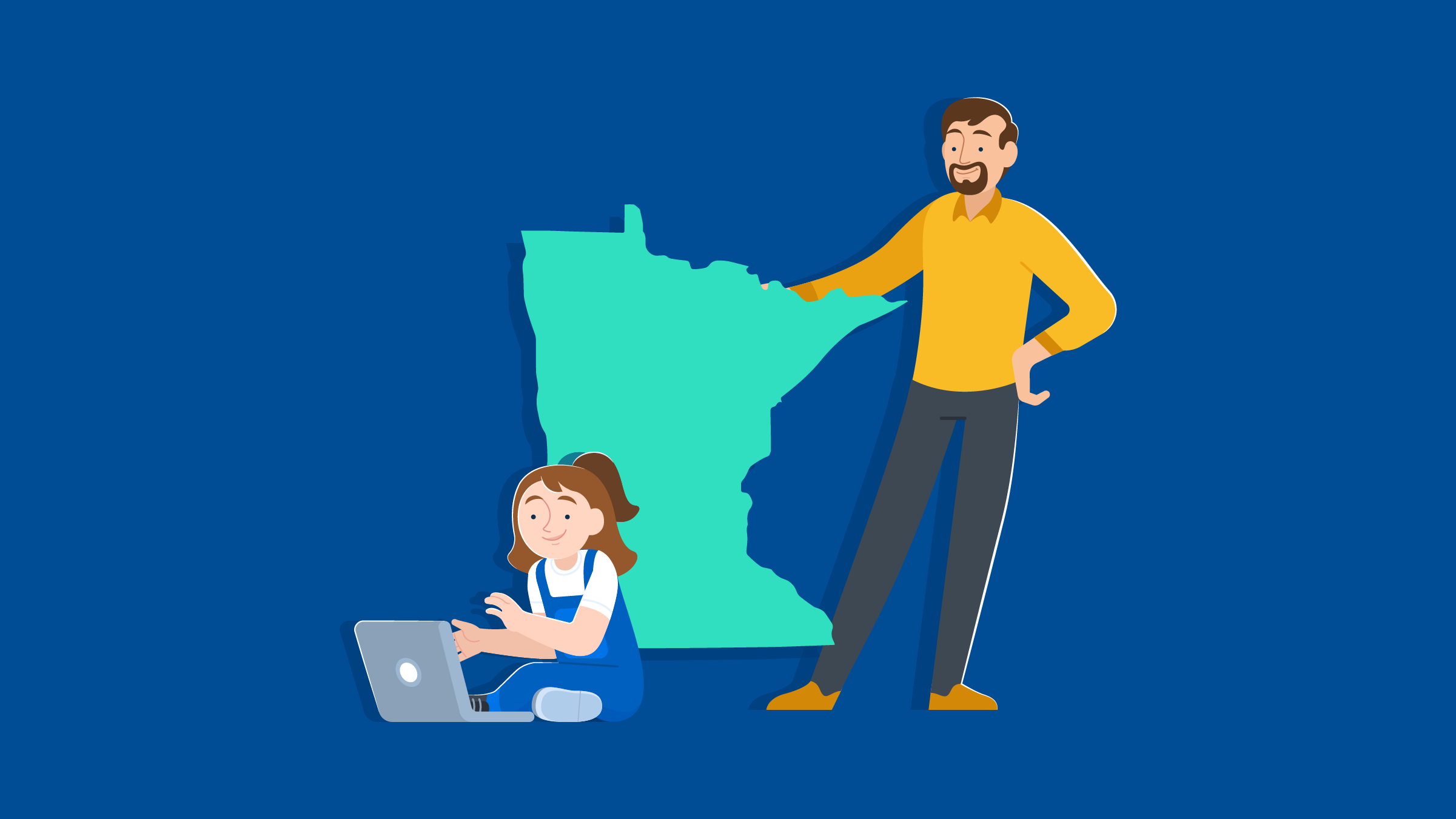
Minnesota school districts are heading into a transformative year. With new state legislation and continued funding initiatives shaping everything from device usage to mental health infrastructure, K-12 leaders across the state are facing an evolving set of responsibilities. The 2025-26 school year won’t just be about keeping up – it’ll be about planning ahead, building compliance into every layer of operations, and keeping students safe, supported, and connected in line with Minnesota school policy.

Whether you’re part of a large urban district or a smaller suburban system, Minnesota’s latest policy changes are designed to impact how schools manage technology, protect student data, and deliver equitable support services. For district leaders, the key will be balancing compliance with practicality, and finding ways to implement new policies in a manner that’s both scalable and student-first.

What’s Changing for Minnesota School Policy in 2025-26?

Cell Phone Bans: HF 2516 / SF 508 (Pending)
Districts must adopt age-specific phone restriction policies by March 15, 2025. Full phone bans will apply to grades K-8, with classroom-only bans for grades 9-12 beginning in the 2026-27 school year. The state is also offering grant funding to support implementation, training, and family communication around these new rules.

Student Data Privacy & Protection
While Minnesota has not introduced new legislation in this area, districts remain accountable under FERPA and COPPA. Leaders should proactively audit internal systems, vet edtech vendors, and ensure families have transparent access to data and correction processes. MNIT updates and SchoolSafety.gov can provide guidance on federal cybersecurity developments and any reinstated funding streams.

Internet Safety & Cyberbullying: Matt Epling Safe Schools Law (Active)
Districts must maintain clear cyberbullying policies, conduct annual staff training, report incidents, and engage in restorative practices. The law emphasizes family communication, proactive digital citizenship education, and systems like anonymous tiplines and behavior monitoring.

Technology-Based School Safety: PA 2024 No. 148
This law requires schools to install security cameras, firearms detection systems, and upgrade emergency communication platforms. These requirements apply statewide and affect facilities planning, tech upgrades, and emergency response protocols. Competitive safety and facility grants are available to support implementation.

Mental Health Technology Services
Though no new laws were passed in this area for 2025-26, existing grants are increasingly focused on wellness infrastructure and threat assessment support. Districts are expected to implement wellness/threat response teams and expand student access to counseling and telehealth services.

Parental Rights & Technology Oversight
There are no new legislative mandates here, but transparency, communication, and proactive family engagement remain critical. Schools should maintain accessible dashboards, timely alerts, and communication infrastructure that builds trust with families.

Download the 2025-26 School Readiness Guide

To help district and school leaders stay ahead of these shifts, we’ve created the 2025-26 School Readiness Guide: a national resource designed to help K-12 decision-makers align their practices with the latest legislation, safety mandates, and student wellness priorities.

The guide includes six key focus areas:

  • Cell phone bans & digital distractions
  • Student data privacy & vendor accountability
  • Campus & physical safety
  • Online safety & digital wellbeing
  • Responsible AI readiness & usage
  • Community-centered student support

Each section includes a clear checklist and action items to follow, making the guide easy to reference and implement.

You can download the guide for free here.

Further K-12 Guidance & Support is Just a Click Away

At Securly, we’re proud to support 240,602 students across 165 schools and districts in Minnesota. From St. Paul ISD 625, South Washington County Schools and St. Cloud ISD 742, to Lakeville ISD 194 and Eastern Carver Count, we’re trusted by districts of all sizes to help create safer, more connected, and more future-ready learning environments.

Whether you’re responding to new policy, evaluating your safety and wellness tools, or looking for expert support, our team is always here to support you along the way.

To learn more about Securly, visit our website.

For regularly updated Minnesota school policy information, bookmark the hub.

To discuss your school and its needs for 2025-26 with one of our experts, schedule a call.

Like this:

Like Loading…

.Organize the content with appropriate headings and subheadings ( h2, h3, h4, h5, h6). Include conclusion section and FAQs section with Proper questions and answers at the end. do not include the title. it must return only article i dont want any extra information or introductory text with article e.g: ” Here is rewritten article:” or “Here is the rewritten content:”

Generate single title from this title Students are anxious about the future with AI–their parents are, too in 100 -150 characters. And it must return only title i dont want any extra information or introductory text with title e.g: ” Here is a single title:”

Write an article about

This post originally appeared on the Christensen Institute’s blog, and is republished here with permission.

Key points:

In a Spring 2024 Education Next article, I argued that, despite the conventional wisdom that students were all in on artificial intelligence (AI), many in high school and college felt deeply anxious about its impacts on the future jobs available to them and what they should be learning now.

A new survey suggests that parents also have significant concerns around their children’s future job prospects, what they learn in school, and whether they should even go to college.

College Guidance Network, which provides AI-powered expert guidance to parents around colleges and careers (and for which I host live shows for parents on the topic of careers), surveyed 602 parents of U.S. high schoolers that were nationally representative based on household income, student gender, region, and school type.

In an era when the college-going rate of high school graduates has dropped from an all-time high of 70% in 2016 to approximately 62% now, AI appears to be heightening anxieties about the value of college.

According to the survey, two-thirds of parents say AI is impacting their view of the value of college. Thirty-seven percent of parents indicate they are now scrutinizing colleges’ “career-placement outcomes;” 36% say they are looking at a college’s “AI-skills curriculum,” while 35% respond that a “human-skills emphasis” is important to them.

This echoes what I increasingly hear from college leadership: Parents and students demand to see a difference between what they are getting from a college and what they could be “learning from AI.”

Indeed, parents are at least cognizant of backup options to college, with 51% saying that, should the value of a four-year school erode, community college or career-technical school would be desirable, and 20% pointing to apprenticeships. Interestingly enough, parents of children in private and charter schools were six percentage points more likely to be interested in apprenticeships.

Parental concerns aren’t muted, either.

The survey found that 62% of parents discussed “AI and the future of work” in the previous two weeks, with one-third saying they discuss it weekly.

When asked what three words they would use to “capture how [they] feel about the AI-driven future [their] teen will be entering into, the words used most often were concerned, cautious, uncertain, and worried. That tracks with the additional finding that 53% of parents are somewhat or very concerned that AI will narrow their children’s job prospects.

Interestingly, 30% express an optimistic view of AI’s impact on the job market. The parents of children who attend private or charter schools are five percentage points more likely to take that perspective.

This reflects some of the more positive words that parents used to describe an AI-driven future, including optimistic, hopeful, exciting, interesting, and challenging. These were, however, cited less often than the anxiety-tinged words.

Finally, 31% of parents say their teens use ChatGPT-like tools daily. Among those with children in private or charter schools, that number rises to 37%.

This paradox seems central: students are using AI, yet they are anxious. Their parents are, too.

How all this will impact college-going rates is still anyone’s guess, but the anxiety is certainly weighing on the minds of the parents who often foot the college bill.

Michael B. Horn, Clayton Christensen Institute

Michael B. Horn is Co-Founder and Distinguished Fellow at the Clayton Christensen Institute. He strives to create a world in which all individuals can build their passions and fulfill their potential through his writing, speaking, and work with a portfolio of education organizations. He is the author of several books, including the recently released From Reopen to Reinvent: (Re)creating School for Every Child; the award-winning Disrupting Class: How Disruptive Innovation Will Change the Way the World Learns; Blended: Using Disruptive Innovation to Improve Schools; Choosing College; and Goodnight Box, a children’s story.
Michael is the co-founder of and a distinguished fellow at the Clayton Christensen Institute for Disruptive Innovation, a non-profit think tank, and teaches at the Harvard Graduate School of Education. He co-hosts the top education podcasts Future U and Class Disrupted. He is a regular contributor to Forbes.com and writes the Substack newsletter The Future of Education. Michael also serves as an executive editor at Education Next, and his work has been featured in outlets such as The New York Times, The Washington Post, The Atlantic, Harvard Business Review, and NBC.
Michael serves on the board and advisory boards of a range of education organizations, including Imagine Worldwide, Minerva University, and Guild Education, and is a venture partner at NextGen Venture Partners.
Michael was selected as a 2014 Eisenhower Fellow to study innovation in education in Vietnam and Korea, and Tech&Learning magazine named him to its list of the 100 most important people in the creation and advancement of the use of technology in education. Michael holds a BA in history from Yale University and an MBA from the Harvard Business School.

Latest posts by eSchool Media Contributors (see all)

.Organize the content with appropriate headings and subheadings ( h2, h3, h4, h5, h6). Include conclusion section and FAQs section with Proper questions and answers at the end. do not include the title. it must return only article i dont want any extra information or introductory text with article e.g: ” Here is rewritten article:” or “Here is the rewritten content:”

Generate single title from this title Pennsylvania School Policy Changes: Everything School Leaders Need to Know in 2025–26 in 100 -150 characters. And it must return only title i dont want any extra information or introductory text with title e.g: ” Here is a single title:”

Write an article about

Pennsylvania school districts are heading into a transformative year. With new state legislation and continued funding initiatives shaping everything from device usage to mental health infrastructure, K-12 leaders across the state are facing an evolving set of responsibilities. The 2025-26 school year won’t just be about keeping up – it’ll be about planning ahead, building compliance into every layer of operations, and keeping students safe, supported, and connected in line with Pennsylvania school policy.

Whether you’re part of a large urban district or a smaller suburban system, Pennsylvania’s latest policy changes are designed to impact how schools manage technology, protect student data, and deliver equitable support services. For district leaders, the key will be balancing compliance with practicality, and finding ways to implement new policies in a manner that’s both scalable and student-first.

Pennsylvania school policy

What’s Changing for Pennsylvania School Policy in 2025-26?

Cell Phone Bans: Act 55 of 2024 (Senate Bill 700)
This law authorizes districts to use state safety grants to purchase secure lock-up bags for student phones. While not a mandatory ban, it creates new opportunities for schools to create device-free learning environments, and to do so with consistent enforcement support and state-approved funding.

Student Data Privacy & Protection: Child Internet Protection Act (Adopted)
Schools must revise Acceptable Use Policies (AUPs) by March 17, 2025, to include content filtering and harmful content blocking. This baseline policy establishes new standards for responsible technology use and may require updates to filtering tools, student education, and staff training.

Internet Safety & Cyberbullying
Although no new laws were passed in 2025, districts remain responsible for maintaining and enforcing cyberbullying policies. This includes data reporting, staff training, and supportive response systems. With digital misbehavior increasingly taking place off-campus, public pressure to address cyberbullying remains high.

Technology-Based School Safety: Public School Code of 1949 (Amended)
Recent updates mandate new school safety plan elements and infrastructure guidance under PCCD protocols. LEAs are expected to align with evolving state recommendations, audit existing systems, and invest in secure entry points, surveillance, and emergency communications. Funding includes $20M in state safety/security grants and $100M for facility improvements.

Mental Health Technology Services
Governor Shapiro’s 2024–25 education budget expanded mental health funding for schools. Districts can now invest in teletherapy, wellness programs, and counseling team growth using state formula funds. Additional grant opportunities include SS/HS federal funding and up to $3M per district in federal School-Based Mental Health Services Grants.

Parental Rights & Technology Oversight
No new mandates have been introduced, but Pennsylvania districts are encouraged to meet rising expectations for family-facing technology transparency. Activity reports, digital alerts, and clear communication protocols help foster trust and maintain alignment with broader national trends.

Download the 2025-26 School Readiness Guide

To help district and school leaders stay ahead of these shifts, we’ve created the 2025-26 School Readiness Guide: a national resource designed to help K-12 decision-makers align their practices with the latest legislation, safety mandates, and student wellness priorities.

The guide includes six key focus areas:

  • Cell phone bans & digital distractions
  • Student data privacy & vendor accountability
  • Campus & physical safety
  • Online safety & digital wellbeing
  • Responsible AI readiness & usage
  • Community-centered student support

Each section includes a clear checklist and action items to follow, making the guide easy to reference and implement.

You can download the guide for free here.

Further K-12 Guidance & Support is Just a Click Away

At Securly, we’re proud to support 786,680 students across 446 schools and districts in Pennsylvania. We work closely with trusted partners like Reading School District, Downingtown Area, West Chester Area, Scranton, Parkland, Hazleton Area, Central Dauphin, and more to support safer, more connected learning.

Whether you’re responding to new policy, evaluating your safety and wellness tools, or looking for expert support, our team is always here to support you along the way.

To learn more about Securly, visit our website.

For regularly updated Pennsylvania school policy information, bookmark the hub.

To discuss your school and its needs for 2025-26 with one of our experts, schedule a call.

Like this:

Like Loading…

.Organize the content with appropriate headings and subheadings ( h2, h3, h4, h5, h6). Include conclusion section and FAQs section with Proper questions and answers at the end. do not include the title. it must return only article i dont want any extra information or introductory text with article e.g: ” Here is rewritten article:” or “Here is the rewritten content:”

Generate single title from this title As schools embrace AI, an educator offers top tips, cautions, and predictions in 100 -150 characters. And it must return only title i dont want any extra information or introductory text with title e.g: ” Here is a single title:”

Write an article about

Key points:

  • AI doesn’t have to be perfect to be powerful
  • AI tools are everyday study buddies, survey finds
  • AI tools that support learning–not cheating
  • For more news on AI in schools, visit eSN’s Digital Learning hub

In the last year, we’ve seen an extraordinary push toward integrating artificial intelligence in classrooms. Among educators, that trend has evoked responses from optimism to opposition. “Will AI replace educators?” “Can it really help kids?” “Is it safe?” Just a few years ago, these questions were unthinkable, and now they’re in every K-12 school, hanging in the air.

Given the pace at which AI technologies are changing, there’s a lot still to be determined, and I won’t pretend to have all the answers. But as a school counselor in Kansas who has been using SchoolAI to support students for years, I’ve seen that AI absolutely can help kids and is safe when supervised. At this point, I think it’s much more likely to help us do our jobs better than to produce any other outcome. I’ve discovered that if you implement AI thoughtfully, it empowers students to explore their futures, stay on track for graduation, learn new skills, and even improve their mental health.

Full disclosure: I have something adjacent to a tech background. I worked for a web development marketing firm before moving into education. However, I want to emphasize that you don’t have to be an expert to use AI effectively. Success is rooted in curiosity, trial and error, and commitment to student well-being. Above all, I would urge educators to remember that AI isn’t about replacing us. It allows us to extend our reach to students and our capacity to cater to individual needs, especially when shorthanded.

Let me show you what that looks like.

Building emotional resilience

Students today face enormous emotional pressures. And with national student-to-counselor ratios at nearly double the recommended 250-to-1, school staff can’t always be there right when students need us.

That’s why I created a chatbot named Pickles (based on my dog at home, whom the kids love but who is too rambunctious to come to school with me). This emotional support bot gives my students a way to process small problems like feeling left out at recess or arguing with a friend. It doesn’t replace my role, but it does help triage students so I can give immediate attention to those facing the most urgent challenges.

Speaking of which, AI has revealed some issues I might’ve otherwise missed. One fourth grader, who didn’t want to talk to me directly, opened up to the chatbot about her parents’ divorce. Because I was able to review her conversation, I knew to follow up with her. In another case, a shy fifth grader who struggled to maintain conversations learned to initiate dialogue with her peers using chatbot-guided social scripts. After practicing over spring break, she returned more confident and socially fluent.

Aside from giving students real-time assistance, these tools offer me critical visibility and failsafes while I’m running around trying to do 10 things at once.

Personalized career exploration and academic support

One of my core responsibilities as a counselor is helping students think about their futures. Often, the goals they bring to me are undeveloped (as you would expect—they’re in elementary school, after all): They say, “I’m going to be a lawyer,” or “I’m going to be a doctor.” In the past, I would point them toward resources I thought would help, and that was usually the end of it. But I always wanted them to reflect more deeply about their options.

So, I started using an AI chatbot to open up that conversation. Instead of jumping to a job title, students are prompted to answer what they’re interested in and why. The results have been fascinating—and inspiring. In a discussion with one student recently, I was trying to help her find careers that would suit her love of travel. After we plugged in her strengths and interests, the chatbot suggested cultural journalism, which she was instantly excited about. She started journaling and blogging that same night. She’s in sixth grade.

What makes this process especially powerful is that it challenges biases. By the end of elementary school, many kids have already internalized what careers they think they can or can’t pursue–often based on race, gender, or socioeconomic status. AI can disrupt that. It doesn’t know what a student looks like or where they’re from. It just responds to their curiosity. These tools surface career options for kids–like esports management or environmental engineering–that I might not be able to come up with in the moment. It’s making me a better counselor and keeping me apprised of workforce trends, all while encouraging my students to dream bigger and in more detail.

Along with career decisions, AI helps students make better academic decisions, especially in virtual school environments where requirements vary district to district. I recently worked with a virtual school to create an AI-powered tool that helps students identify which classes they need for graduation. It even links them to district-specific resources and state education departments to guide their planning. These kinds of tools lighten the load of general advising questions for school counselors and allow us to spend more time supporting students one on one.

My advice to educators: Try it

We tell our students that failure is part of learning. So why should we be afraid to try something new? When I started using AI, I made mistakes. But AI doesn’t have to be perfect to be powerful. Around the globe, AI school assistants are already springing up and serving an ever-wider range of use cases.

I recommend educators start small. Use a trusted platform. And most importantly, stay human. AI should never replace the relationships at the heart of education. But if used wisely, it can extend your reach, personalize your impact, and unlock your students’ potential.

We have to prepare our students for a world that’s changing fast–maybe faster than ever. I, for one, am glad I have AI by my side to help them get there.

.Organize the content with appropriate headings and subheadings ( h2, h3, h4, h5, h6). Include conclusion section and FAQs section with Proper questions and answers at the end. do not include the title. it must return only article i dont want any extra information or introductory text with article e.g: ” Here is rewritten article:” or “Here is the rewritten content:”
