Home Blog Page 447

The Best Robot Mowers of 2025

What is the Best Robot Mower Right Now?

After testing some of the top robot mowers on the market, ZDNET’s pick for the best robot mower overall is the Mammotion Luba 2. This all-wheel-drive robot lawn mower uses a virtual, GPS-powered boundary and can handle up to 80-degree slopes and mow up to 0.25 acres in one go, with options going up to 2.5 acres.

The Best Robot Mowers of 2025

  • Mammotion Luba 2: A reliable mower for your uneven yard. Accurate enough to mow without straying, the Luba 2 also features AWD.
  • Husqvarna 430X: An excellent robot mower with a wire boundary installation, especially if you don’t want to risk your mower stepping out of your property line.
  • MowRo RM24: Are willing to forgo some smart features in favor of an affordable robot mower option that retails for $350, which is about the same as a self-propelled push mower.
  • Husqvarna 450XH EPOS: A robot lawn mower that can tackle yards up to 2.5 acres and doesn’t need boundary or guide wires to get the job done.

What to Consider When Choosing a Robot Mower

When choosing a robot mower, several factors should be considered:

  • Lawn size: Robot mowers are only as good as their capacity, which means the size of your lawn greatly impacts which model you should choose.
  • Obstacles: A robot mower’s navigation is governed by the sensors and cameras it has to avoid getting too close to obstacles.
  • Terrain: Your yard’s terrain should also be considered when shopping for a robot mower, especially if it has many slopes.
  • Perimeter & installation: Robot mowers have different navigation types, including GPS and perimeter limitations.
  • Cutting height: It’s not bad to be picky about your lawn; robot mower manufacturers know this.
  • Cutting width: A narrow cutting width typically lets the robot mower navigate tight spaces and paths more easily, but this means the robot mower may take too long to mow larger lawns.
  • Maintenance: Consider how important upkeep is to you and how much time you will dedicate.

How to Test Robot Mowers

When testing robot mowers, we evaluate:

  • Maximum capacity: Robot mowers run on an integrated, rechargeable battery. This means that they may be best suited for lawns of a certain size.
  • Lawn complexity navigation: You should consider your terrain and lawn shape, including the number of obstacles and slopes.
  • Cutting width: Due to their construction, robot mowers have much smaller cutting decks than their riding and even push mower counterparts.
  • Controls: Many robot mowers use a mobile app to set schedules, send maintenance reminders, and display information like battery life.
  • Price: Because the technology is fairly new, robot mowers are expensive, often ranging from $1,000 to $6,000.

Other Robot Lawn Mowers Worth Considering

  • Some of the most advanced robot mowers on the market include built-in security features, like PIN code protection, alarm systems that activate when the robot is lifted, geofencing capabilities to alert when a mower leaves a designated area, and a cellular connection to locate a stolen mower.
  • Robot mowers run more often than traditional lawn mowers, depending on the grass growth rate, desired lawn appearance, and seasonal changes.
  • If you have hilly terrain, check how the robot mower you’re interested in can handle slopes and uneven areas before purchasing it.

Conclusion

Robot mowers have revolutionized the way we maintain our lawns, providing a convenient and efficient way to keep our grass trimmed and looking its best. With so many options available, choosing the right one can be overwhelming. By considering the factors outlined above and reading reviews, you can find the perfect robot mower for your lawn.

FAQs

Q: What is the best robot mower for a small lawn?
A: The MowRo RM24 is a great option for small lawns, retailing for $350 and capable of mowing yards up to 0.25 acres.

Q: Can robot mowers handle hilly terrain?
A: Yes, many robot mowers, like the AWD Mammotion Luba 2, are designed to handle hills and slopes. Check the maximum slope gradient in the device’s specifications when shopping for a robot mower.

Q: How often do robot mowers need to be maintained?
A: Robot mowers typically require periodic cleaning to maintain efficiency, especially when the yard is muddy, and small blades that spin rapidly to cut grass, but become dull much quicker than standard blades, requiring replacement every month.

Linux Command Essentials

Linux Comandos Intermediários: Explicação e Exemplos

1. sudo apt install e suas variantes

O que faz?
O comando sudo apt install é utilizado para instalar pacotes no sistema baseado em distribuições Debian, como Ubuntu. Ele funciona em conjunto com o apt, que é o gerenciador de pacotes, e requer permissões de superusuário (sudo) para modificar o sistema.

Exemplo

sudo apt install curl

Explicação Técnica

  • sudo: Permite executar o comando com permissões de superusuário, necessárias para ações que modificam o sistema.
  • apt: O Advanced Package Tool é responsável por gerenciar pacotes no Linux. Ele pode buscar, instalar, atualizar e remover softwares do repositório oficial da distribuição.
  • install: Indica ao apt que você deseja instalar o pacote especificado.

O que Acontece no Sistema?

  • Busca no repositório: O apt verifica no repositório oficial da distribuição (ou repositórios configurados) se o pacote está disponível.
  • Resolução de dependências: Caso o pacote precise de outros para funcionar, o apt também os baixa e instala automaticamente.
  • Instalação: Os arquivos são baixados, extraídos e colocados nas localizações corretas no sistema.

Variações Úteis

  • Instalar múltiplos pacotes de uma vez:
    sudo apt install curl git vim
  • Simular a instalação (sem realmente executar):
    sudo apt install --simulate curl
  • Reinstalar um pacote já instalado:
    sudo apt install --reinstall curl

2. tar – Compactação e Descompactação de Arquivos

O que Faz?
O comando tar é usado para criar, extrair, listar ou manipular arquivos compactados (ou pacotes de arquivos). Ele não comprime por si só, mas é frequentemente usado junto com ferramentas de compressão, como gzip ou bzip2.

Exemplo
Compactando um diretório:

tar -czf exemplo.tar.gz /caminho/do/diretorio

Explicação Técnica

  • tar: O comando tar é responsável por criar, extrair, listar ou manipular arquivos compactados (ou pacotes de arquivos).
  • czf: O parâmetro -c cria um arquivo compactado, -z comprime o arquivo com gzip e -f especifica o nome do arquivo de saída.

Variações Úteis

  • Sincronizar somente arquivos alterados:
    rsync -av --update /origem/ /destino/
  • Criar backups incrementais:
    rsync -av --backup --backup-dir=/backup_incremental /origem/ /destino/
  • Sincronizar com verificação de integridade:
    rsync -av --checksum /origem/ /destino/

O Que Acontece no Sistema?
O rsync utiliza um algoritmo de delta para comparar os dados da origem e do destino, transferindo apenas as partes que foram alteradas. Ele também cria um índice para evitar a cópia redundante de arquivos, tornando o processo rápido e eficiente, mesmo para grandes volumes de dados.

Conclusão
Com esses comandos intermediários, você está cada vez mais próximo de dominar o terminal e liberar todo o seu potencial no Linux. Siga minhas aventuras e dicas mágicas no meu Twitter: https://x.com/davvzin

FAQs

  • Q: O que é o sudo?
    A: O sudo é uma ferramenta que permite executar comandos com permissões de superusuário, necessárias para ações que modificam o sistema.

  • Q: Qual é a função do apt?
    A: O apt é o gerenciador de pacotes que busca, instala, atualiza e remove softwares do repositório oficial da distribuição.

  • Q: Como uso o tar para compactar um diretório?
    A: Use o comando tar -czf exemplo.tar.gz /caminho/do/diretorio para compactar um diretório.

Typography Trend Predictions

0
  1. Variety and Maximalism

My hope is that we will see more variety," says Steve Matteson, former creative type director of Monotype and founder of Matteson Typographics. Steve is working on bringing out more of his own playful, ‘70s inspired fonts. As one of the most influential font designers in the industry, this move in his work signifies a shift in the industry away from ultra-minimalism and the stripped-back design we now see repeated so often. "I think there will be a continuation of playful character," says Kyle Wilkinson, director of Haus of Thrills. "I think everyone got fed up of Swiss minimalist design," he says.

Liz Mosley, host and brand designer for Adobe Live, feels that trends "swing from one extreme to another". She mentions the Instagram trend of "utter minimalism, where everything was white. Now it’s definitely swung quite far the other way".

Yoan Putra (above) is one example of a designer embracing maximalism in type.

  1. Generative Input and AI

With AI taking over all other aspects of our lives in 2024, why wouldn’t it go further in 2025? Kyle believes that AI will emerge into typography in the coming year. "That’s on the horizon for typefaces and fonts," he says. "Some sort of generative input, whether that’s through AI or something else." Although AI is "pretty terrible at it at the minute," he says that "it will get better," and when it does, it will get introduced to work and workflows. "God knows what’s going to come next," says Kyle. Whether or not generative input being used in typefaces is right or wrong is up for debate, but Kyle says that’s besides the point. "It’s inevitable."

  1. Independent Fonts

When asked what we’ll see next year, Liz’s first response was: "definitely more independent fonts". She mentioned the increasing accessibility to the industry. Many argue that this is causing exponential over-saturation in the industry because there are now so many fonts to sift through, with fewer and fewer made by professionals. But Liz thinks this opens doors to illustrators who aren’t necessarily type designers but whose fonts are valuable and important to the type industry. This element makes the new accessibility a gift for illustrators and independent designers.

"I think the barrier for entry for font design has been lowered, so I think we’re going to see a lot more independent designers," Liz says. Comic Sands is just one example of an independently created font in 2024.

  1. Handmade Styles

With this trend will also come fonts that appear “hand-drawn, textured,” Liz adds. To accompany the rise in independent designers, typography designs will begin to match their independent roots with “retro” designs. “Not necessarily handwriting,” says Liz, “but things that look like a letterpress or just look like they’ve been hand-drawn a bit more.” She believes popularity for designs that reflect their independent making will soar in popularity.

The predicted rise in AI definitely plays a role in this reaction too. “As the trend for AI is so high at the moment, there’s a visual opposing trend where people want things that look more handmade or nostalgic,” says Liz. I think we can all look forward to seeing more of this in 2025 as a break from the overwhelming popularity of auto-generated content, with fonts like Kula by Taylor Penton.

  1. Retro Designs

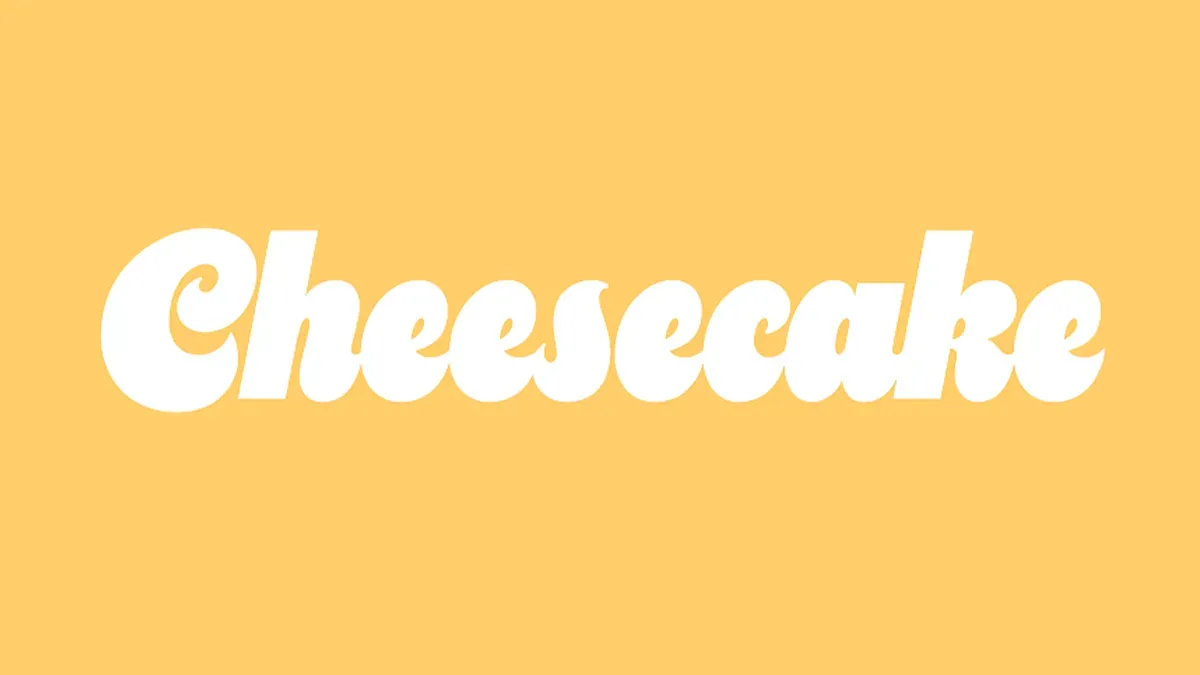
One repeating theme that has clearly resounded from the opinions of all our designers is the rise of retro design. Danielle has seen “a nod to more retro fonts and fonts that take influence from the art deco era and the sixties,” echoing the direction of Steve’s new ’70s-inspired fonts. “You see history repeating itself,” she says, adding that we should expect to see designs that are “rounded,” “bold,” and “a bit more fun" (like Cheesecake by Mark Simonson).

Conclusion

In 2025, the world of type will be marked by a move away from ultra-minimalism and towards unique, playful designs. With AI on the rise, we can expect to see more generative input and the emergence of fonts that are both futuristic and nostalgic. Independent fonts will continue to thrive, and handmade styles will become increasingly popular. Retro designs will also make a comeback, with a nod to the art deco era and the sixties.

FAQs

Q: What are the main trends in typography in 2025?
A: The main trends in typography in 2025 are variety and maximalism, generative input and AI, independent fonts, handmade styles, and retro designs.

Q: Will AI affect the design of fonts?
A: Yes, AI will likely have a significant impact on the design of fonts in 2025, with the emergence of generative input and the potential for AI to create new fonts.

Q: What is the future of font design?
A: The future of font design is likely to be marked by a move towards unique, playful designs that combine traditional techniques with modern technology and AI.

Q: Will there be a decline in minimalist designs?
A: Yes, it seems that the trend towards ultra-minimalism is coming to an end, and we can expect to see a move towards more playful, retro-inspired designs in 2025.

Upgrade or Replace

0

When to Upgrade or Replace Your Laptop

When to Upgrade Your Laptop

In general, repairing something is better than replacing it, both from a financial and environmental point of view. You don’t want to spend thousands on a new laptop when you could make your current one feel good-as-new for a couple of hundred. And that means you won’t be adding to the world’s electronic waste mountain, helping you sleep with a clear conscience.

If your laptop is running slow and/or crashing a lot, there are a few different options to choose from.

Upgrading your hard drive

Upgrading your hard drive is a fiddly task, though, and should only be attempted by those who are confident with computers. Otherwise, it’s easier to just take your laptop to a professional. Most high streets have a computer repair shop that can do this for you. In my experience, they’re typically helpful and open about the costs involved, and how much it will or won’t speed up your machine.

Upgrading your RAM

Secondly, if your computer has RAM (Random Access Memory) of less than 16GB, upgrading that should also make a big difference to its speed. Creative software in particular is notoriously memory-intensive, and upgrading from 8GB to 16GB, or even 32GB+, can significantly enhance its multitasking capabilities.

Upgrading your graphics card

Another way to boost your laptop’s prowess is to upgrade the graphics card, aka GPU. This may be a good option if you’re in a field such as game development or video production, but it can be expensive, and won’t work with laptops with integrated graphics, such as the M1-M4 MacBooks.

When to Replace Your Laptop

As I’ve already noted, repair is in principle better than replacement when it comes to laptops. But there are a number of situations where in practice, replacement does turn out to be the better solution.

When the laptop itself isn’t upgradeable

The first, and most obvious, is if the laptop itself isn’t actually upgradeable. For instance, most post-2012 MacBooks, including the latest Apple MacBook Pro (M4, 2024), have soldered RAM and SSD drives, making them non-upgradeable once you’ve made your purchase.

When the upgrade wouldn’t fix the problem

The second is when the upgrade wouldn’t fix the problem. For example, upgrading the RAM in a laptop may speed things up in general, but if the laptop is still unable to run the software or operation system you need, it’s not going to be worth it. A laptop that uses 6th Generation Intel Core i7 or i5 processors, for instance, won’t be able to run Windows 11.

When you need the latest features and capabilities

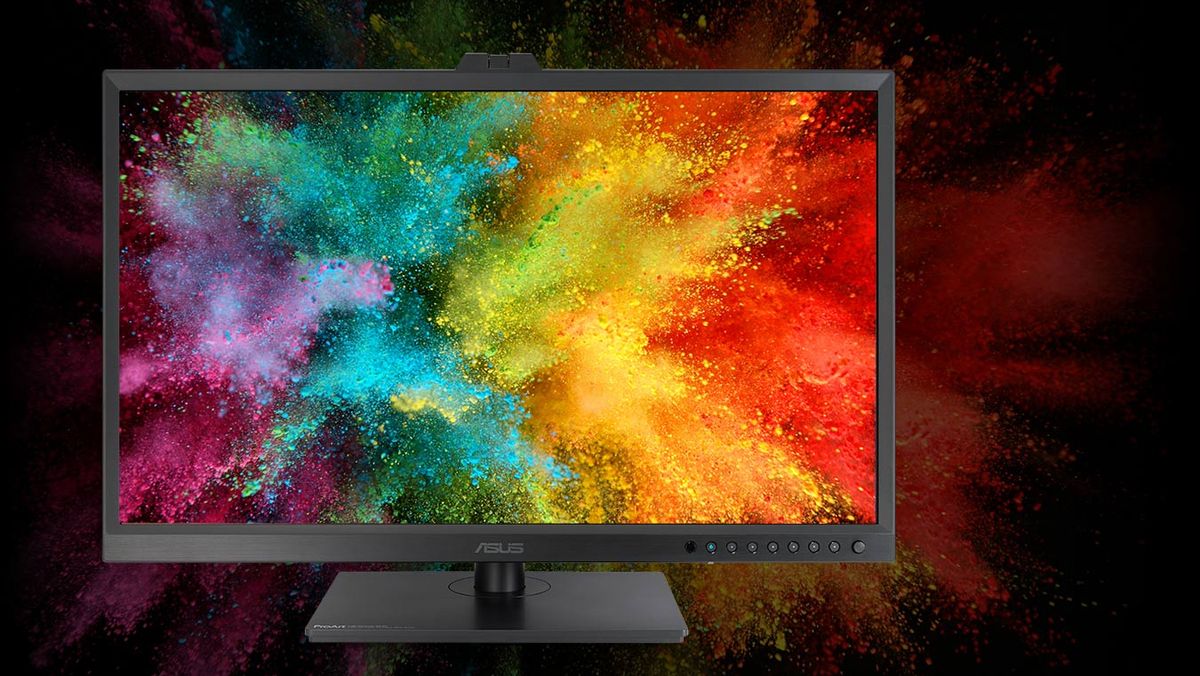
A third, related reason is if a new laptop has features or capabilities that can’t be replicated by your existing computer, such as the dual screens of the ASUS Zenbook Duo OLED, the Copilot+ smarts of the Microsoft Surface Laptop 7, or the customisable dial found in the ASUS ProArt P16.

When a new laptop is cheaper than repairing your existing one

Finally, the most common reason to replace your laptop is when a new model would cost less than repairing your existing one. This is often the case when a laptop is more than five years old, and multiple components need to be upgraded or repaired.

Conclusion

In conclusion, whether to upgrade or replace your laptop depends on the specific situation. If your laptop is still relatively new and can be upgraded, it may be the more cost-effective and environmentally friendly option. However, if your laptop is old or broken, replacing it with a new one may be the better choice.

Frequently Asked Questions

Q: How do I know if I should upgrade or replace my laptop?
A: Consider the age and condition of your laptop, as well as the cost of upgrading versus replacing it.

Q: What are some signs that I need to replace my laptop?
A: If your laptop is more than five years old, has multiple broken components, or is unable to run the software you need, it may be time to replace it.

Q: Can I upgrade my laptop’s RAM and hard drive myself?
A: Yes, but it’s recommended to have some experience with computers and to consider taking your laptop to a professional if you’re unsure.

Q: How do I choose the right laptop for my needs?
A: Consider your budget, the type of work or activities you’ll be doing, and the features you need, such as a good display, long battery life, or portability.

AI in 2025: Scared or Excited?

0

Enter the Controls Era

We’ll start with what could be a game-changer for creatives. AI-generated art has so far relied heavily on text prompts—a mechanism that many professionals have rightly criticized as reductive.

A New Era of Controls

In 2025, we’ll see the rise of the "Controls Era" in AI, where people can steer the outputs of generative tools with more precision. The idea is that instead of simply describing what you want, you’ll be able to directly adjust elements of AI-generated content, whether that’s tweaking the lighting in a generated film scene or refining brushstrokes in an AI-assisted illustration.

The New Order

Is that a good thing or a bad thing? Well, it largely depends on whether you like using generative AI in your work, or you’re worried about non-creatives using it and putting you out of a job. Adobe’s Alexandru Costin feels you should veer towards the former. "Think of these ‘controls’ as the digital equivalent of the paintbrush in Photoshop," he says. "This tool once seemed threatening to traditional art forms but ultimately sparked an explosion of creativity, craftsmanship, and innovation. Photoshop didn’t replace physical paintbrushes; it redefined what was possible, opening new avenues for precision, taste, and expression."

The Rise of Discipline-Specific AI Tools

Here’s something else that could help reposition AI as a creative skill, rather than a creative threat: the proliferation of AI tools tailored to specific disciplines. Imagine a tool for illustrators, for example, where AI assists with intricate detailing while respecting your own personal artistic style. Similarly, I’m expecting new AI tools to help game designers build more immersive worlds with realistic NPCs (non-player characters).

Video and AI

Then there’s video. Platforms like Sora and Meta’s Make-A-Video are already pushing the boundaries of generative AI that moves. And while we’re some way from usable content from these platforms, I’m expecting to see an AI platform for film-makers that helps to simplify pre-production processes.

Court Cases and Legislation

Before you get too excited, though, there’s also a possibility that AI could come crashing down in 2025. Despite the huge power of the tech industry, they’re still not above the law, as demonstrated by the dramatic arrest of Telegram CEO Pavel Durov in France this summer.

The Legal Landscape

While AI is amazing, it’s worth remembering that it’s trained on real-world content, owned by people who mostly never gave permission. As a result, several major lawsuits are underway in both the US and UK, with companies like OpenAI, Microsoft, and Anthropic facing numerous copyright infringement claims. Should a single judge come down on the side of the complainants in any of these cases, it could quickly establish a legal principle that makes AI software very difficult to train.

Learning to Live with AI

Many people reading this article will want them to go further. Some would love AI to be banned outright. But ultimately, we have to be realistic. Trillions have been poured into this thing, tech leaders are swarming all over the next White House, and quite simply AI is not going away. Which means that, just like Covid, we’ll have to learn to live with it.

Frequently Asked Questions

Q: Is AI going to replace me?
A: No, AI is designed to augment your creativity, not replace it.

Q: Is AI going to be banned?
A: It’s unlikely, but rather, we’ll see regulations and guidelines to ensure responsible AI development and use.

Q: Can I still use AI and be a creative?
A: Absolutely, AI can be a powerful tool in your creative arsenal, and many professionals are already using it to enhance their work.

Q: What’s the future of AI in my field?
A: It’s likely that AI will play a significant role in your field, but it’s up to you to learn how to harness its power and use it to your advantage.

GFN Thursday: 14 Games in January

GeForce NOW Kicks Off 2025 with 14 New Games and a Virtual Stadium Experience

Mission Possible

Your mission begins here. It’s rewarding to be a GeForce NOW member. Unlock exclusive rewards during CES by doing what gamers do best — playing the game. Members can participate in GeForce LAN 50 gaming missions even without a game-ready rig.

Front-Row Seat to NVIDIA at CES 2025

Join others around the world as NVIDIA celebrates the latest advancements in gaming, technology, and generative AI at CES, starting with livestreams from the GeForce LAN 50 online event that’ll lead up to the show’s opening NVIDIA keynote — all from the comfort of home, no trip to Las Vegas needed.

New Year New Games

Look for the following games available to stream in the cloud this week:

  • [List of games]

GeForce NOW Virtual Stadium

Step into the action, wherever you are. Enter the virtual stadium using the GeForce NOW app on PC, Mac, or through a web browser for those without a GeForce NOW membership. The virtual stadium is hosted by ZENOS, which uses NVIDIA’s cloud gaming infrastructure to deliver high-fidelity, low-latency streaming experiences directly via web browsers, making live events more accessible worldwide.

Virtual Stadium Rewards

Enhance the experience by signing in with a GeForce NOW membership, and create a "Ready Player Me" avatar and account to save digital characters for future visits. Members can link their Twitch accounts to chat, emote with other viewers in the stadium, and collect NVIDIA-branded digital items, including NVIDIA foam fingers and jerseys, to customize their avatars.

Conclusion

GeForce NOW is kicking off 2025 with 14 new games and a virtual stadium experience. Whether you’re a seasoned gamer or just starting out, there’s something for everyone. With GeForce NOW, members can play a wide range of games without the need for a high-performance gaming rig. Join the fun and start playing today!

FAQs

Q: What is GeForce NOW?
A: GeForce NOW is a cloud gaming service that allows users to play high-performance games on various devices without the need for a high-performance gaming rig.

Q: How do I access the virtual stadium?
A: You can access the virtual stadium using the GeForce NOW app on PC, Mac, or through a web browser for those without a GeForce NOW membership.

Q: What games are available to stream in the cloud this week?
A: [List of games]

Q: How do I earn rewards in GeForce LAN 50 gaming missions?
A: Complete each game’s mission to become eligible for the associated reward. Rewards will be available to redeem on Thursday, Jan. 9. They’re available on a first-come, first-served basis, so make sure to jump in right away.

Colour Gamut Explained

0

What is Colour Gamut?

What is colour gamut? Is a question people often ask after reading our reviews, from the best drawing tablets to the best cameras for YouTube. Well, simply put, colour gamut describes the range of colours a device can produce or record.

Why is this important?

Imagine crafting a stunning design, only to discover the colours look different when printed, or displayed on another screen. How frustrating would that be? The same principle applies to photography and filming. If you’ve captured a beautifully colourful scene out in the wild, you’ll want your camera to capture as much of that colour information as possible.

Three Dimensions of Colour Gamut

Colour gamut is actually measured across three dimensions. That’s because there are three fundamental aspects to colour:

  1. Hue: This is the basic colour we perceive, such as red or blue. It’s often represented as a position on a colour wheel.
  2. Saturation: This refers to the intensity or purity of a colour. A fully saturated colour is vivid and free of greyness, while a less saturated colour is more muted or pastel-like.
  3. Brightness (aka luminance or value): Fairly obviously, this is the lightness or darkness of a colour.

Different Standards of Colour Gamut

Different classes of device perform at different levels when it comes to colour gamut. You wouldn’t necessarily expect, for example, a laptop to output the same range of colours as an art printer. Consequently, there are a few different measures of colour gamut for different types of device.

Here are the main ways to measure colour gamut and the differences between them:

  • sRGB: This is the most widely used standard, especially for consumer electronics such as monitors, TVs, and digital cameras. It was purposely designed to be a compromise, covering a range of colours that most devices can reproduce accurately in practice.
  • Adobe RGB: This standard offers a wider colour gamut than sRGB, particularly in the green and blue regions. So, for example, while the BenQ DesignVue PD3220U monitor offers 100% sRGB coverage, its Adobe RGB score is much lower at 83%.
  • DCI-P3: This cinema-optimised standard is increasingly being used in high-end devices such as monitors, mobile devices, and TVs. It covers a significantly larger colour gamut than sRGB, so a high score is impressive indeed.

Older Standards

Other, lesser-known colour gamut standards include:

  • Rec. 709: Formally known as ITU-R BT.709, this international standard specifies the range of colours that can be reproduced by HDTV displays.
  • EBU: This is the European Broadcasting Union’s own standard. It often closely resembles Rec. 709, but with slight variations in primary colours or white point to accommodate specific regional requirements.
  • P3: Also known as Display P3, this is a wide colour gamut used in iPhones, iPads, and MacBooks, as well as some high-end displays and digital cameras.
  • Apple RGB: This colour gamut was historically used in Apple’s Macintosh computers, but has become less relevant today following the shift towards wider colour spaces such as P3 in modern Apple devices.

Conclusion

In conclusion, colour gamut is a crucial aspect to consider when shopping for a device, whether it’s a laptop, monitor, camera, or printer. By understanding the different standards and dimensions of colour gamut, you can make informed decisions to ensure that your device produces the colours you need.

FAQs

Q: What is colour gamut?
A: Colour gamut describes the range of colours a device can produce or record.

Q: Why is colour gamut important?
A: Colour gamut is important because it ensures that the colours produced by a device are accurate and consistent.

Q: What are the different standards of colour gamut?
A: The main standards of colour gamut are sRGB, Adobe RGB, DCI-P3, and Rec. 2020.

Q: Which standard is most important for creatives?
A: For creatives, sRGB is a good starting point, but Adobe RGB and DCI-P3 are also important for specific applications.

AI Predictions 2025: 25 Insights to Shape the Future

AI in Education: Trends and Predictions for 2025

Introduction

When it comes to education trends, AI certainly has staying power. As generative AI technologies evolve, educators are moving away from fears about AI-enabled cheating and are embracing the idea that AI can open new doors for teaching and learning.

Reducing Administrative Burden and Personalizing Learning

AI tools can reduce the administrative burden so many educators carry, can personalize learning for students, and can help students become more engaged in their learning when they use the tools to brainstorm and expand on ideas for assignments and projects. Having AI skills is also essential for today’s students, who will enter a workforce where AI know-how is becoming more necessary for success.

Predictions for 2025

We asked educators, edtech industry leaders, stakeholders, and experts to share their predictions about where they think AI is headed in 2025. Here’s what they had to say:

Generative AI and Instructional Design

In 2025, online program leaders will begin to unlock the vast potential of generative AI, integrating it more deeply into the instructional design process in ways that can amplify and expedite the work of faculty and instructional designers. This technology, already making waves in instruction and assessment, stands poised to transform the creation of online courses. By streamlining time-intensive tasks, generative AI offers the promise of automation, replication, and scalability, enabling institutions to expand their online offerings at an unprecedented pace.

Uncertainty and Change in Education

In 2025, education in the United States will reflect both the challenges and opportunities of a system in transition. Uncertainty and change at the federal level will continue to shift decision-making power to states, leaving them with greater autonomy but also greater responsibility. While this decentralization may spark localized innovation, it is just as likely to create uneven standards. In some states, we’ve already seen benchmarks lowered to normalize declines, a trend that could spread as states grapple with resource and performance issues. This dynamic will place an even greater burden on schools, teachers, and academic leaders. As those closest to learners, they will bear the responsibility of bridging the gap between systemic challenges and individual student success. To do so effectively, schools will require tools that reduce administrative complexity, enabling educators to focus on fostering personal connections with students – the foundation of meaningful academic growth. AI will play a transformative role in this landscape, offering solutions to these pressures. However, fragmented adoption driven by decentralized decision-making will lead to inequities, with some districts leveraging AI effectively and others struggling to integrate it.

Chatbots and AI-Driven Learning

As chatbots become more sophisticated, they’re rapidly becoming a favorite among students for their interactive and personalized support, and we can expect to see them increasingly integrated into classrooms, tutoring platforms, and educational apps as educators embrace this engaging tool for learning. Additionally, AI is poised to play an even larger role in education, particularly in test preparation and course planning. By leveraging data and predictive analytics, AI-driven tools will help students and educators create more tailored and effective learning pathways, enhancing the overall educational experience.

Transforming the Teaching Experience

In 2025, we’ll move past the AI hype cycle and pivot toward solving tangible classroom challenges. Effective AI solutions will integrate seamlessly into the learning environment, enhancing rather than disrupting the teaching experience. The focus will shift to practical tools that help teachers sustain student attention and engagement – the foundation of effective learning. These innovations will prioritize giving educators greater flexibility and control, allowing them to move freely around the classroom while effortlessly managing and switching between digital resources. An approach that ensures technology supports and amplifies the irreplaceable human connections at the heart of learning, rather than replacing them.

AI-Driven Learning Platforms

The year 2025 is set to transform science education by implementing AI-driven learning platforms. These platforms will dynamically adjust to the student’s interests and learning paces, enhancing accessibility and inclusivity in education. Additionally, virtual labs and simulations will rise, enabling students to experiment with concepts without geographical constraints. This evolution will make high-quality STEM education more universally accessible.

K-12 Education and AI

In 2025, K-12 leaders will shift from experimentation and uncertainty to strategy development, clear policy and governance creation, instructional integration, and guardrail setting for educators and students. K-12 districts recognize the need to upskill their teachers, not only to take advantage of AI to personalize learning but also to teach students how to use this tech responsibly. On the back end, IT leaders will grapple with increased infrastructure demands and ever-increasing cybersecurity threats.

AI in Literacy Education

AI is poised to increase in use in K-12 classrooms, with literacy instruction emerging as a key area for transformative impact. While educators may associate AI with concerns like cheating, its potential to enhance human-centered teaching is gaining recognition. By streamlining administrative tasks, AI empowers teachers to focus on connecting with students and delivering personalized instruction. One trend to watch is AI’s role in automating reading assessments. These tools reduce the time educators spend administering and analyzing tests, offering real-time insights that guide individualized instruction. AI is also excelling at pinpointing skill gaps, allowing teachers to intervene early, particularly in foundational reading areas. Another emerging trend is AI-driven reading practice. Tools can adapt to each student’s needs, delivering engaging, personalized reading tutoring with immediate corrective feedback. This ensures consistent, intentional practice – a critical factor in literacy growth. Rather than replacing teachers, AI frees up educator time for what matters most: fostering relationships with students and delivering high-quality instruction.

AI and Writing

We expect a renewed focus on human writing with a broader purpose – clear communication that demonstrates knowledge and understanding, enhanced, not replaced by available technology. With AI making basic elements of writing more accessible to all, this renaissance of writing will emphasize the ability to combine topical knowledge, critical thinking, mastery of language, and AI applications to develop written work. Instead of being warned against using generative AI, students will be asked to move from demanding AI writing tools to produce work on their behalf to commanding AI applications to edit, enhance, or expand original thinking. This shift will resurface the idea of co-authorship, including transparency around how written work comes together and disclosure of when and how AI tools were used to support the process.

Conclusion

AI is poised to increase in use in K-12 classrooms, with literacy instruction emerging as a key area for transformative impact. As educators, we must stay informed about emerging applications and prioritize ethical practices, ensuring AI enhances rather than impedes educational outcomes. This is particularly critical in STEM fields, where AI has already transformed industries and is shaping career paths, providing new learning opportunities for students. To prevent the exacerbation of the existing STEM gap, educators must prioritize equitable access to AI resources and tools, ensuring that all students, regardless of background, have the opportunity to engage with and fully understand these technologies. Achieving these goals will require educators to engage in professional development programs designed to equip them with necessary skills and content knowledge to implement new technology in their classrooms. Learning how to foster inclusive environments is vital to cultivating a positive school climate where students feel motivated to succeed.

FAQs

Q: What are the benefits of AI in education?
A: AI can reduce administrative burden, personalize learning, and help students become more engaged in their learning.

Q: How will AI impact K-12 education in 2025?
A: K-12 leaders will shift from experimentation and uncertainty to strategy development, clear policy and governance creation, instructional integration, and guardrail setting for educators and students.

Q: What are the key areas for transformative impact in AI-driven learning?
A: Literacy instruction, science education, and writing are key areas for transformative impact.

Q: How can educators prioritize ethical practices in AI-driven learning?
A: Educators must stay informed about emerging applications and prioritize ethical practices, ensuring AI enhances rather than impedes educational outcomes.

Q: What are the benefits of AI in literacy education?
A: AI can automate reading assessments, pinpoint skill gaps, and provide real-time insights for individualized instruction, leading to improved literacy growth.


France’s AI Ambition

France’s AI Ambition

Optimism and Ambition at Station F

Contrasting with the morose mood in much of France nowadays, optimism and ambition fill the air at the cavernous Station F business incubator in Paris. Since opening in 2017, the world’s biggest start-up campus has nurtured 7,000 businesses including two unicorns: the AI company Hugging Face, now based in the US, and the healthcare insurer Alan.

France’s Education System and Business Culture

The country’s education system trains an endless chain of talented engineers. Paris is vying with London as Europe’s top AI hotspot. France’s business culture has been transformed over the past two decades, making it acceptable, even fashionable, to become an entrepreneur. Venture capital is more readily available than ever before. In spite of his troubles elsewhere, President Emmanuel Macron has been an active champion of the sector.

France’s AI Start-ups

Unlike most big US AI companies, French AI start-ups favour open-source models that encourage greater collaboration and broader access to the technology. That, they hope, will give them a competitive edge in applying AI to almost every sector of the economy.

Challenges Ahead

But the question remains: can France’s vibrant tech sector overcome the political mess and economic uncertainty that are blighting the rest of the country?

FAOs

Q: Is France a good place to start an AI company?
A: Yes, France’s education system and business culture make it an attractive location for AI start-ups.

Q: What is the current state of France’s start-up ecosystem?
A: France’s start-up ecosystem is thriving, with 7,000 businesses, including two unicorns, nurtured at Station F since its opening in 2017.

Q: What is the future of AI in France?
A: France’s AI start-ups are focused on developing open-source models, which they believe will give them a competitive edge in applying AI to every sector of the economy.

Q: Can France’s tech sector overcome the current political and economic uncertainty?
A: The sector’s optimism and ambition are strong, but the next year will be a test of its mettle.

Lord & Taylor Revives Cursive Logos

0

Lord & Taylor Relaunches with Classic Cursive Logo

A New Chapter for the Oldest Retailer in the US

Cursive logos were all but declared dead in 2024 after even Johnson & Johnson ditched its iconic script logotype, controversially followed by Washington College. Gen Z just can’t read joined up letters, we were told. But the oldest retailer in the US begs to differ.

The Lord & Taylor Logo: A Symbol of Elegance and Style

The Lord & Taylor logo has changed as often as the legacy department store brand has changed hands in recent years, going from a sweeping cursive logo to a more legible cursive that looked like it was written in a Sharpie marker to, finally, a clean and modern Helvetica-based design. Now it’s come full circle, and the new owner sees those logo redesigns as part of the reason the last comeback failed.

The New Owner’s Vision

Now the legacy brand is to be relaunched once more, again as an online-only store. And the new owner Regal Brands Global has decided the way forward is to tap into the nostalgia value of a brand that it says has been "a symbol of elegance and style since its inception."

A Betrayal of the Brand

In an interview with Retail Drive, Sina Yenel, chief strategy officer at Regal Brands Global, called the Helvetica-based 2022 logo redesign "the biggest betrayal of the brand".

"I understand going after young customers, but this is not a startup," Yenel said. "This is a brand that’s been out here for 198 years. Lord & Taylor has such a huge profile, among different generations and different cultures."

The Classic Cursive Logo

The new old Lord & Taylor logo was handwritten by the architect and graphic designer Andrew Geller. It was used pre 2015 and then again during the Le Tote ownership of the brand. With its wild, free-flowing script It’s visually very distinct, but it’s not exactly the most legible design.

Conclusion

The relaunch of Lord & Taylor with its classic cursive logo design is a bold move by the new owner, Regal Brands Global. The brand is hoping to tap into the nostalgia of its customers and restore its reputation for exceptional customer service and quality.

Frequently Asked Questions

Q: Why is Lord & Taylor relaunching with its classic cursive logo?
A: The new owner, Regal Brands Global, believes that the classic cursive logo is a symbol of elegance and style and will help to restore the brand’s reputation.

Q: What happened to the previous logo redesigns?
A: The previous logo redesigns were seen as a "betrayal of the brand" by the new owner, who believes that they failed to capture the essence of the brand.

Q: Will the new logo be more legible?
A: The new classic cursive logo is not the most legible design, but it is visually distinct and is intended to evoke a sense of nostalgia and elegance.