
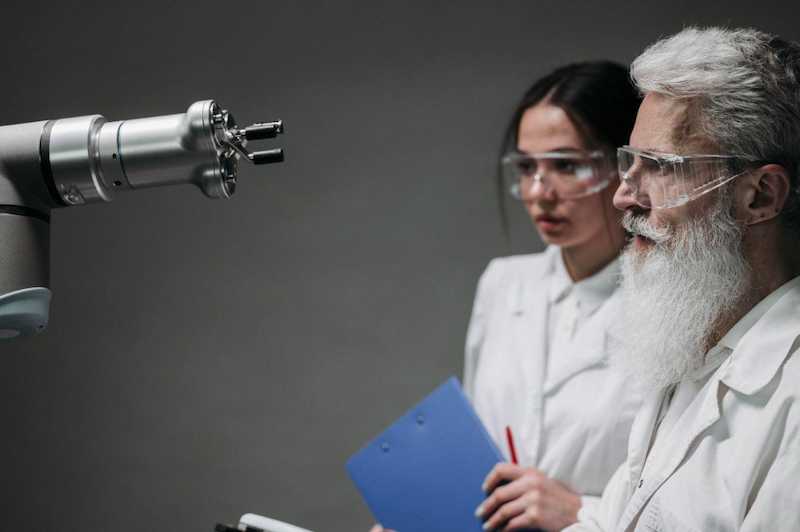
Robotics systems are learning to perceive, choose, and change behavior without human direction. Robots can adapt to warehouse, industry, lab, and transit environments. Autonomy improves production and adaptability but impacts safety and control. Agent governance defines what an autonomous system can accomplish, how its decisions are monitored, and when humans are needed. Physical barriers, emergency […]
Opinion: Exotec managing director highlights key warehouse automation trends for 2026
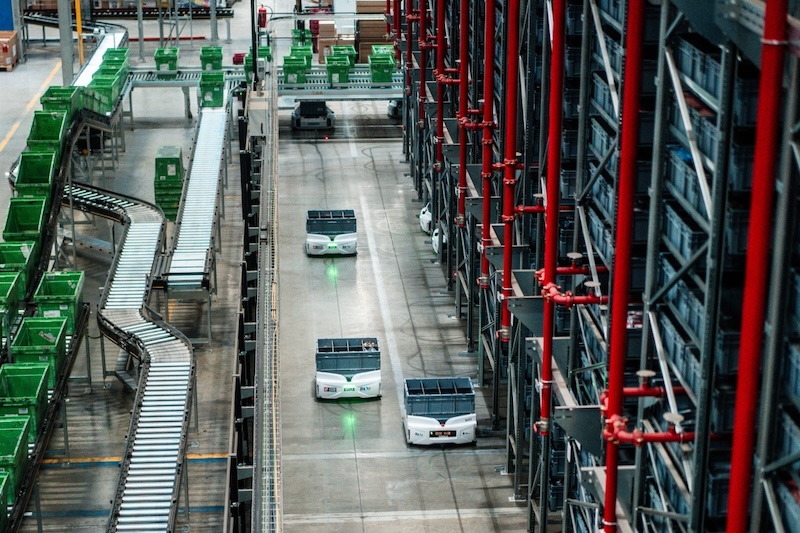
Thomas Genestar, managing director of western Europe at Exotec The e-commerce explosion has forced organisations to adapt and update their logistics operations. Automation and AI are no longer a bonus, they are the baseline for operational excellence and agility. In the warehouse, innovation is now essential. Resilience, reliability, and operational continuity are the pillars shaping […]
MassRobotics opens RoboBoston 2026 sponsorships and announces AI career fair
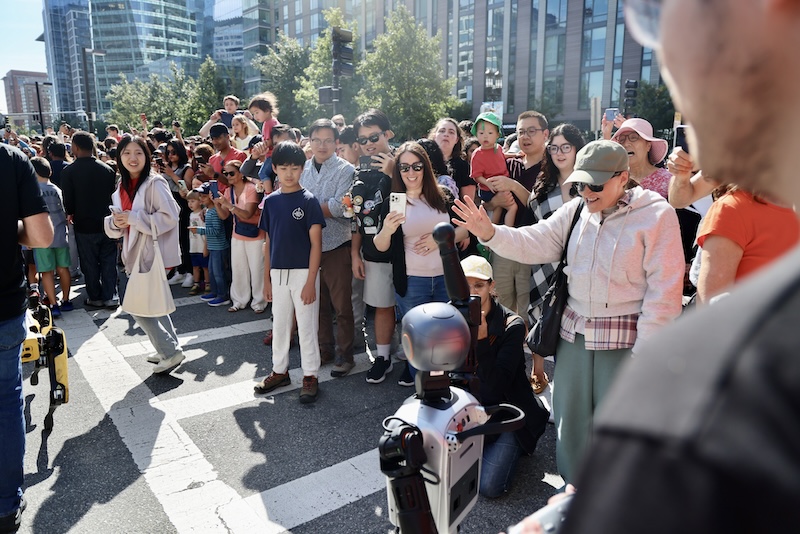
MassRobotics has announced that it will host RoboBoston 2026, its ninth annual Robot Block Party, on September 26, alongside a Robotics & AI Technical Career Fair on September 25, as the organization opens sponsorship opportunities for this year’s event. The free public event will take place at Boston’s Seaport and is expected to feature more […]
Agility Robotics opens new Fremont facility to accelerate physical AI development
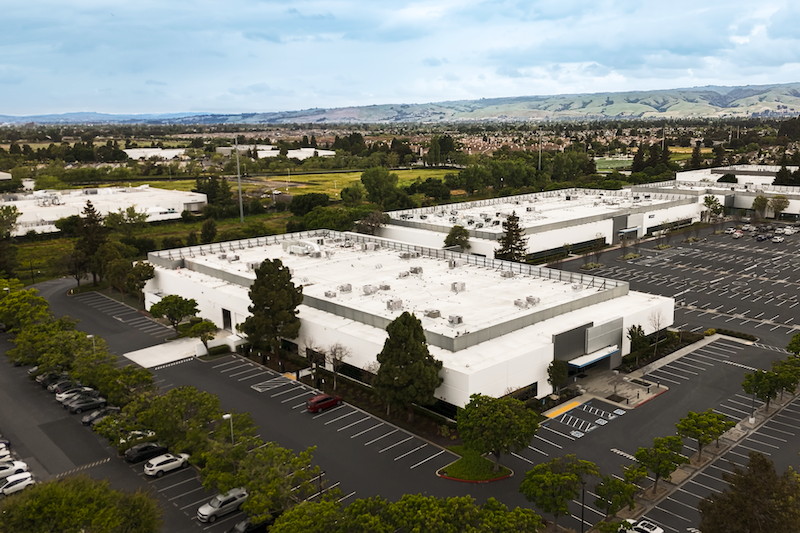
Agility Robotics, a humanoid robotics and physical AI company, has opened its new Fremont, California facility designed to accelerate physical AI developments that directly improve performance in customer operations. The new site will serve as the company’s software and capabilities hub, where engineering teams will train, test and advance the AI technologies that enable Agility’s […]
Generate single title from this title The Audeze Maxwell 2 (ANC) is low key the cleverest gaming headset on sale in 100 -150 characters. And it must return only title i dont want any extra information or introductory text with title e.g: ” Here is a single title:”
Write an article about
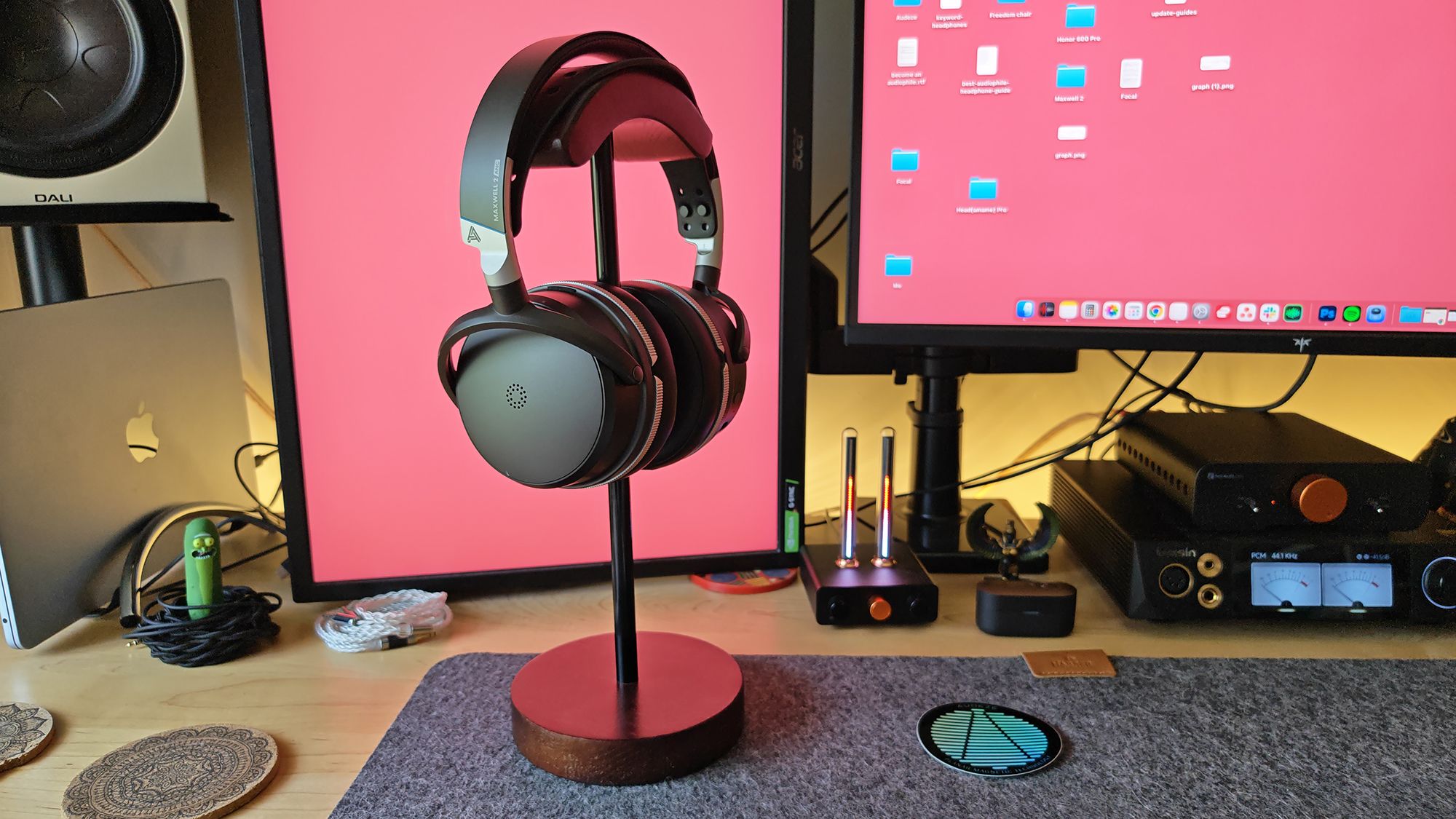
Audeze has released 38 headphones since 2008, and though most of those have been audiophile sets, in recent years the Californian company has directed its efforts to the gaming headset space. And for that gamers should rejoice.
Today they’ve expanded their lineup with the new $449 Maxwell 2 ANC, stepping up the competition from the likes of the SteelSeries Arctis Nova Pro. But it’s hardly a fair fight. The Maxwell series is the bridge between high-end studio performance and zero-latency gaming, and with the new iteration of the Maxwell 2, Audeze has added an advanced adaptive ANC system.
But it’s not just about making it one of the best ANC headphones out there, closing out the world around you (which it does as well as any other ANC headphones I’ve used).
There’s actually another very clever reason for adding ANC to one of the best-sounding gaming headsets on sale…
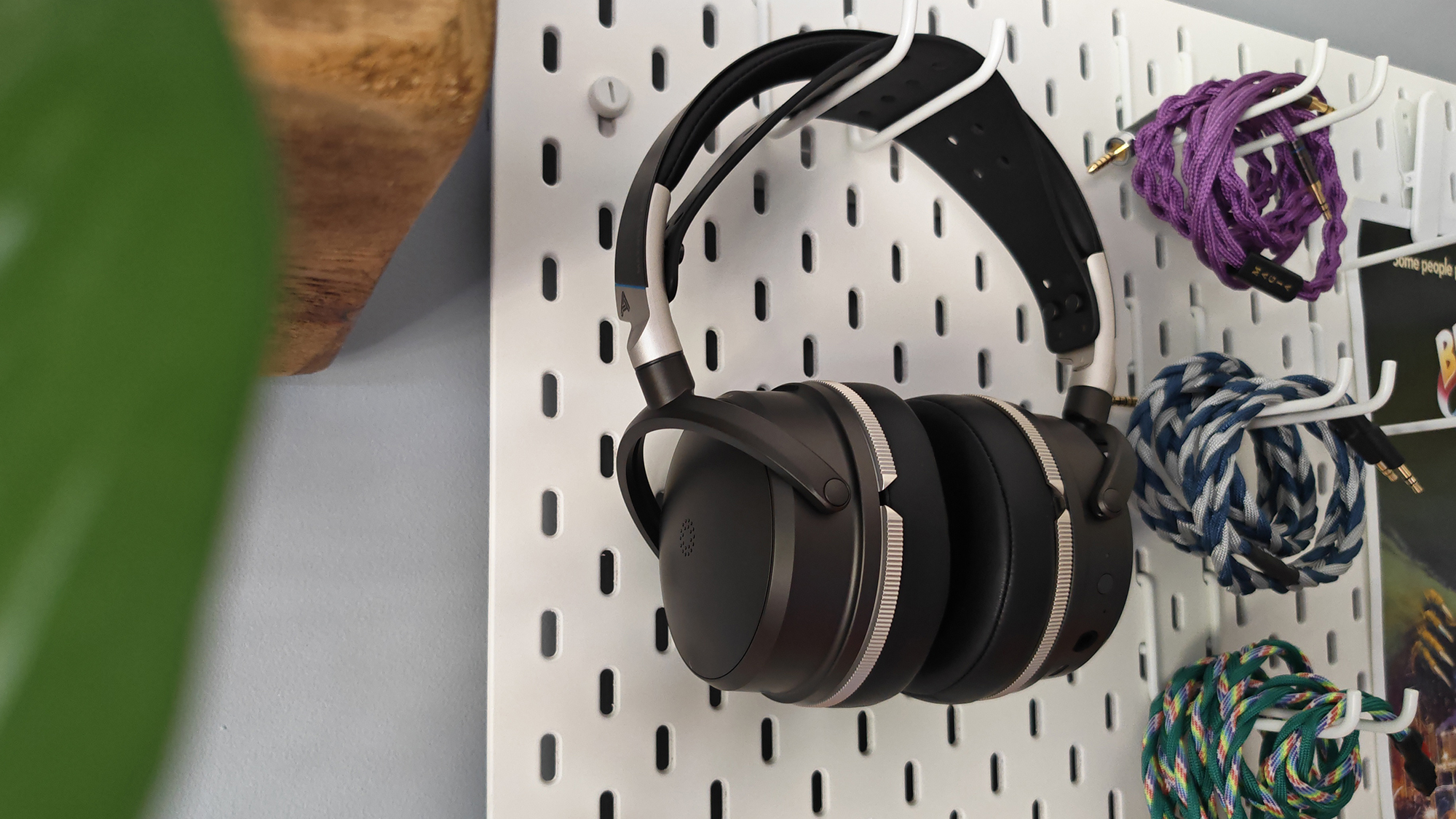
Image 1 of 4
(Image credit: Future)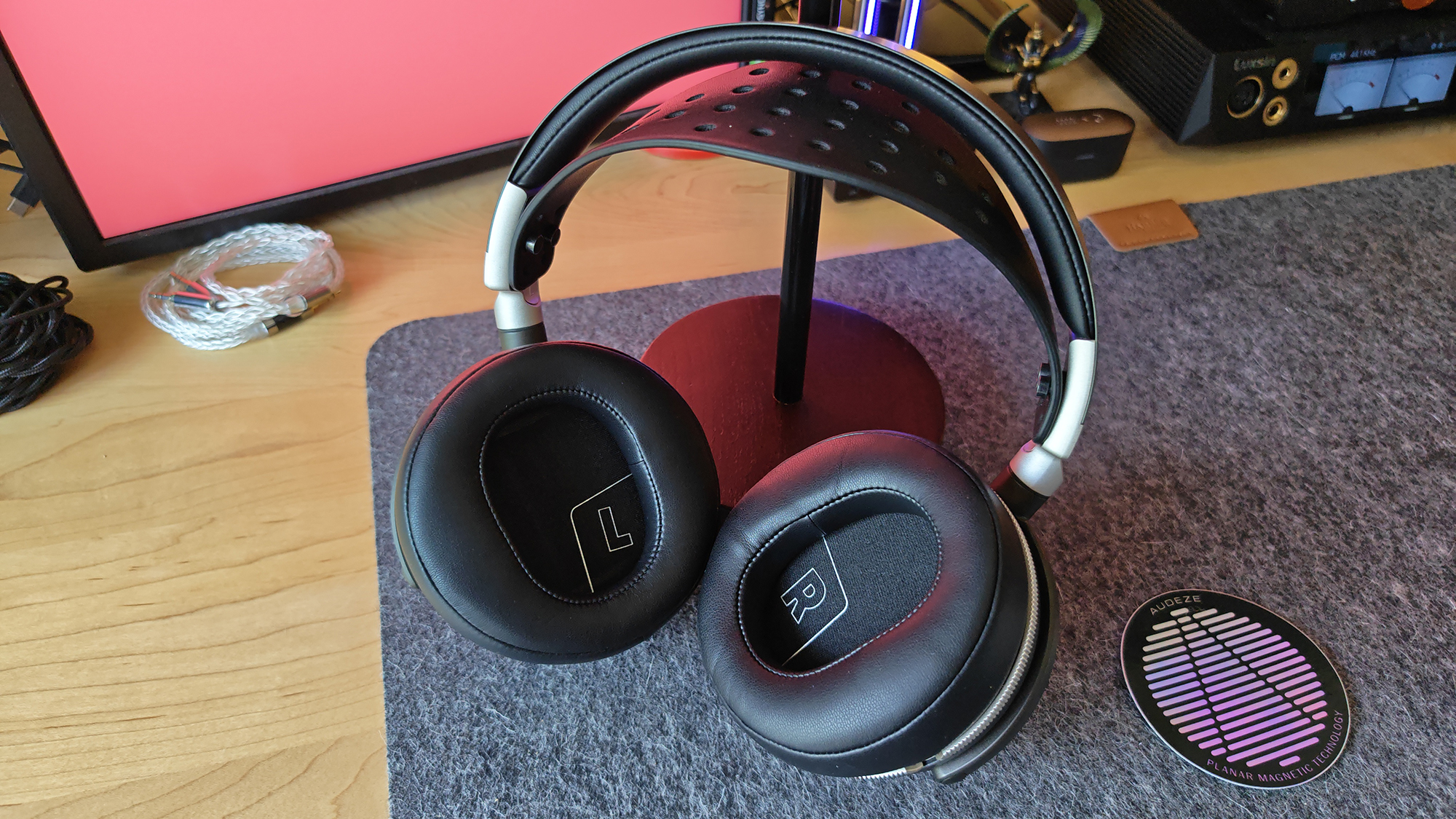 (Image credit: Future)
 (Image credit: Future)
 (Image credit: Future)
Here comes the science bit
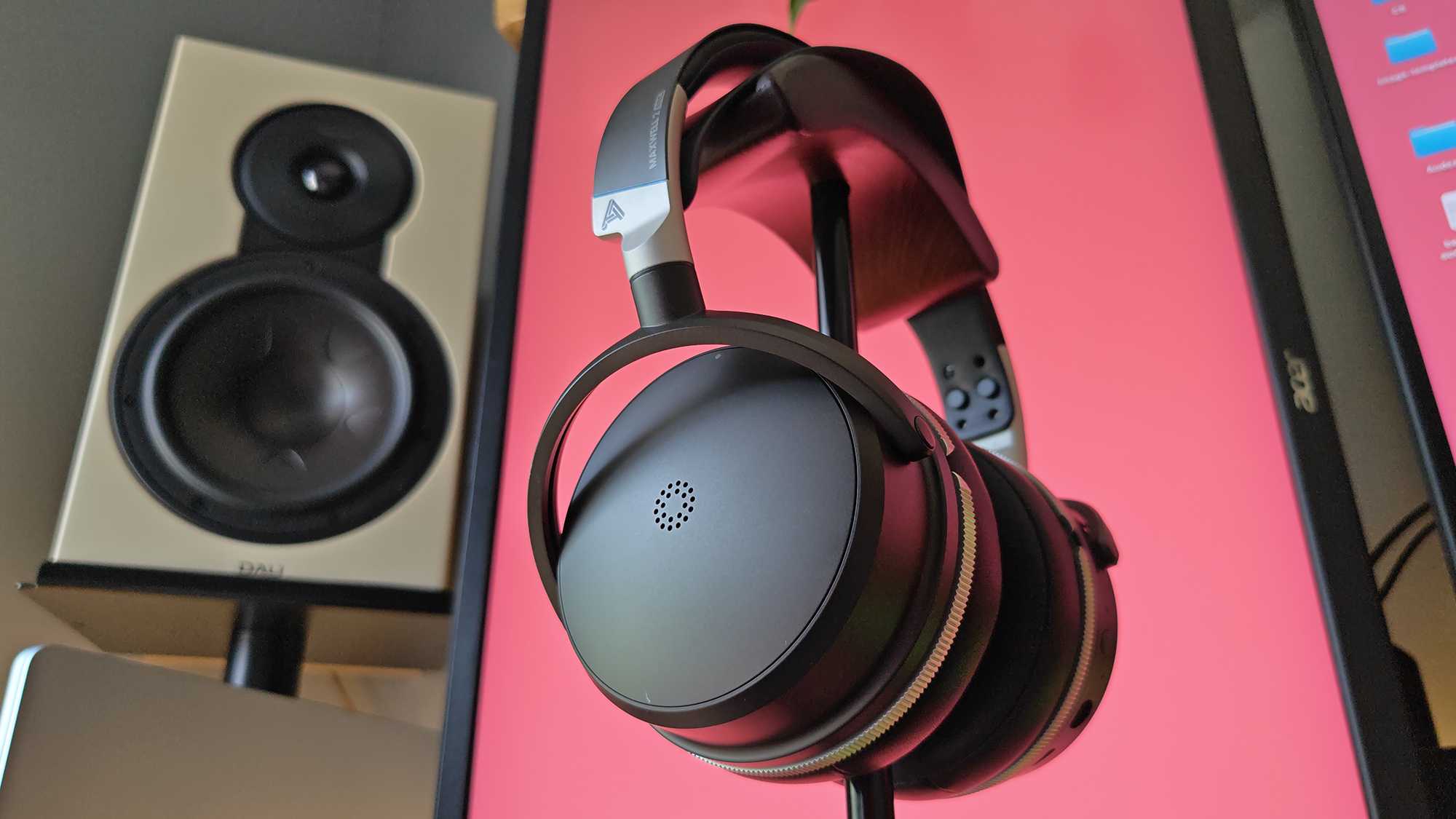
So, what’s actually new? The Maxwell 2 ANC takes the fundamentals of the Maxwell 2 and introduces an adaptive hybrid noise cancellation system. Sounds mega, right!? Well it should: It uses feedforward (outside mics) and feedback (mics inside the cups) coupled with AI-controlled ANC parameters, which constantly adjust to noise in real time. That means it targets constant low-frequency noise without messing with positional audio, such as footsteps sneaking up on you.
You may like
That’s not all. Audeze has added handy voice-activated commands and simultaneous wired and Bluetooth audio playback. To make sure the ANC doesn’t distort the headphone’s tuning – which is important to me, as I want to use these to listen to music as well as gaming – they’ve whacked in a protective audio compressor that ensures the sound profile isn’t changed by the ANC.
But way more impressive than all this, the ANC also acts as a regulator of the sound you’re hearing. For closed-back headphones to sound their best, it’s essential that the user gets a tight seal around their ears with each ear cup – it means you hear the powerful bass explosions as they’re meant to be heard.
But what if you wear glasses, or your head shape prevents you from achieving that perfect airtight seal? Well usually that would mean a weak-ass, limp version of the intended powerful sound. However, the microphones in the Maxwell 2 ANC pick up on whether the real life sound within the ear cups drops or spikes, and the DSP instantly compensates. That’s pretty cool!
The marketing may tell you that the Maxwell 2 ANC is great for its industry-leading noise-cancellation, and although that is true what really makes it special is that it’s found a way to minimise unit variation, bringing all users the same excellent audio that we loved in the Maxwell and Maxwell 2, regardless of poor eyesight or abnormally large heads.
Thanks to Griffin Silver, aka Listener, for telling me about this aspect of the ANC implementation.
What to read next
Image 1 of 4
 (Image credit: Future)
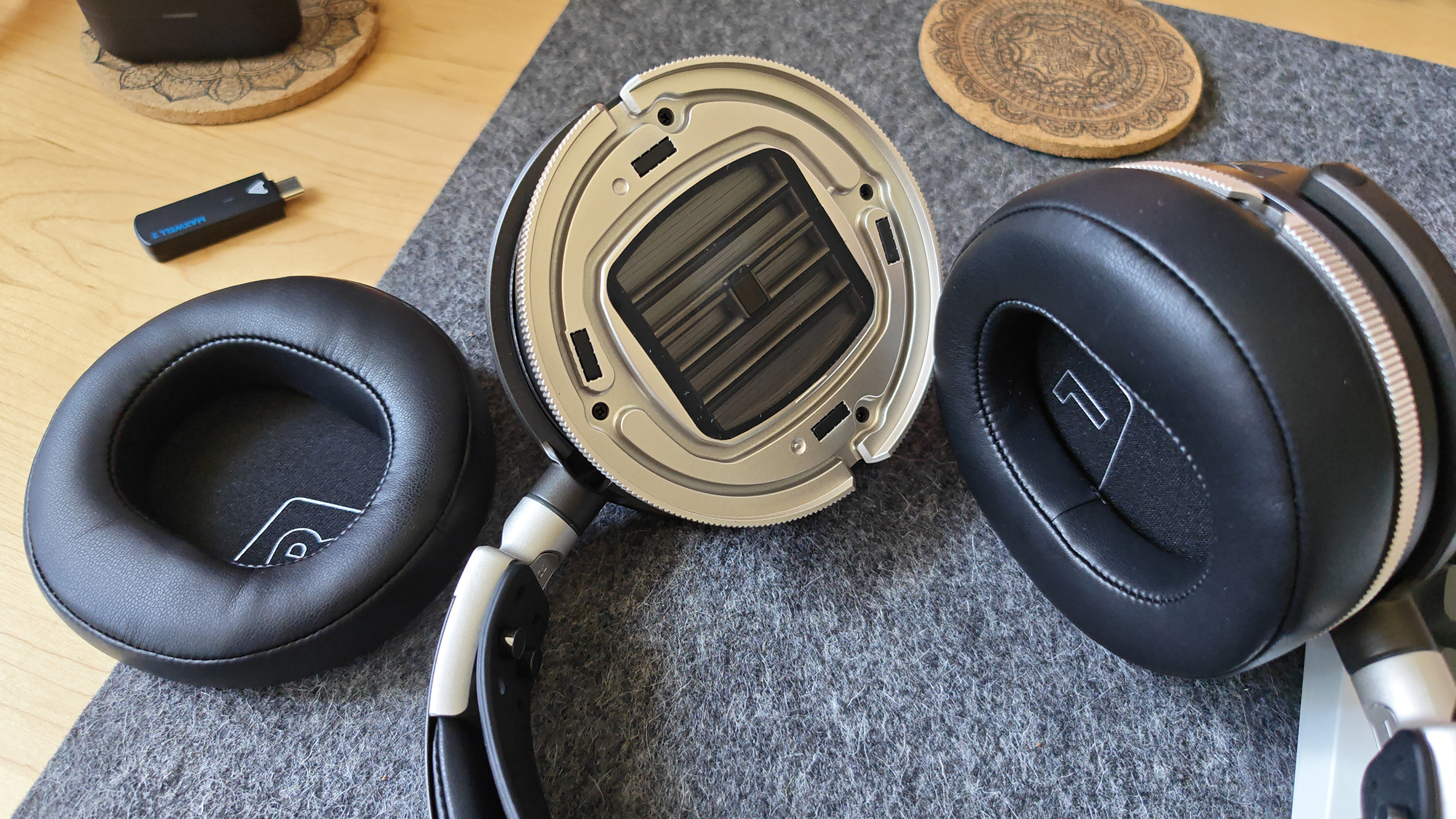 (Image credit: Future)
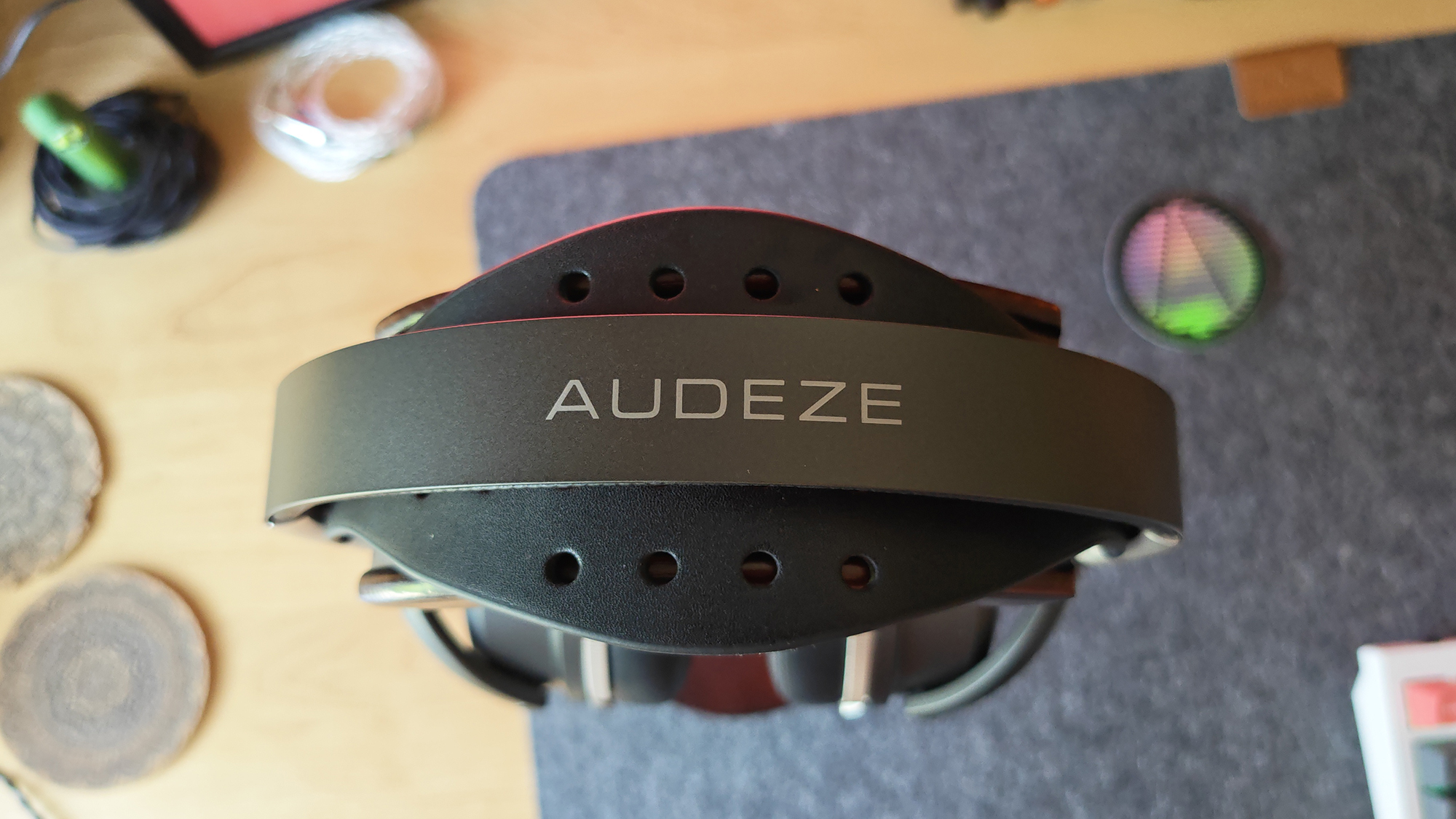 (Image credit: Future)
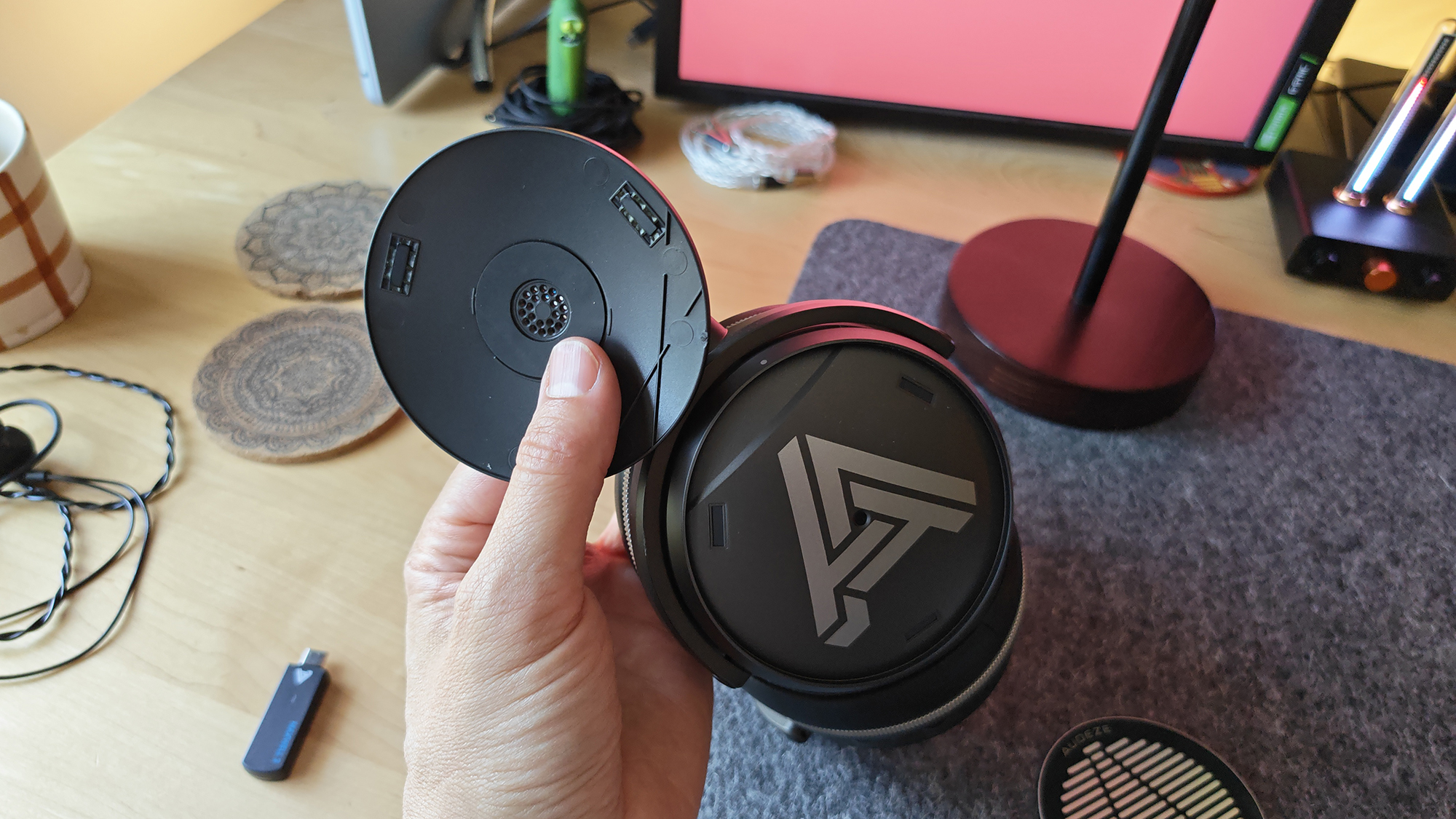 (Image credit: Future)
Heavy on performance… and on my head
I went to the release party of the Audeze Maxwell 2 ANC yesterday, and got to take a unit home to try out. And there are some obvious things to report.
First, the excellent sound profile of the previous iterations remains unchanged – even when using the ANC.
Audio is clear and punchy and I find I can pick out micro-details from games, whether that’s footsteps of bastards trying to kill me, or the calming rustle of trees in a breeze.
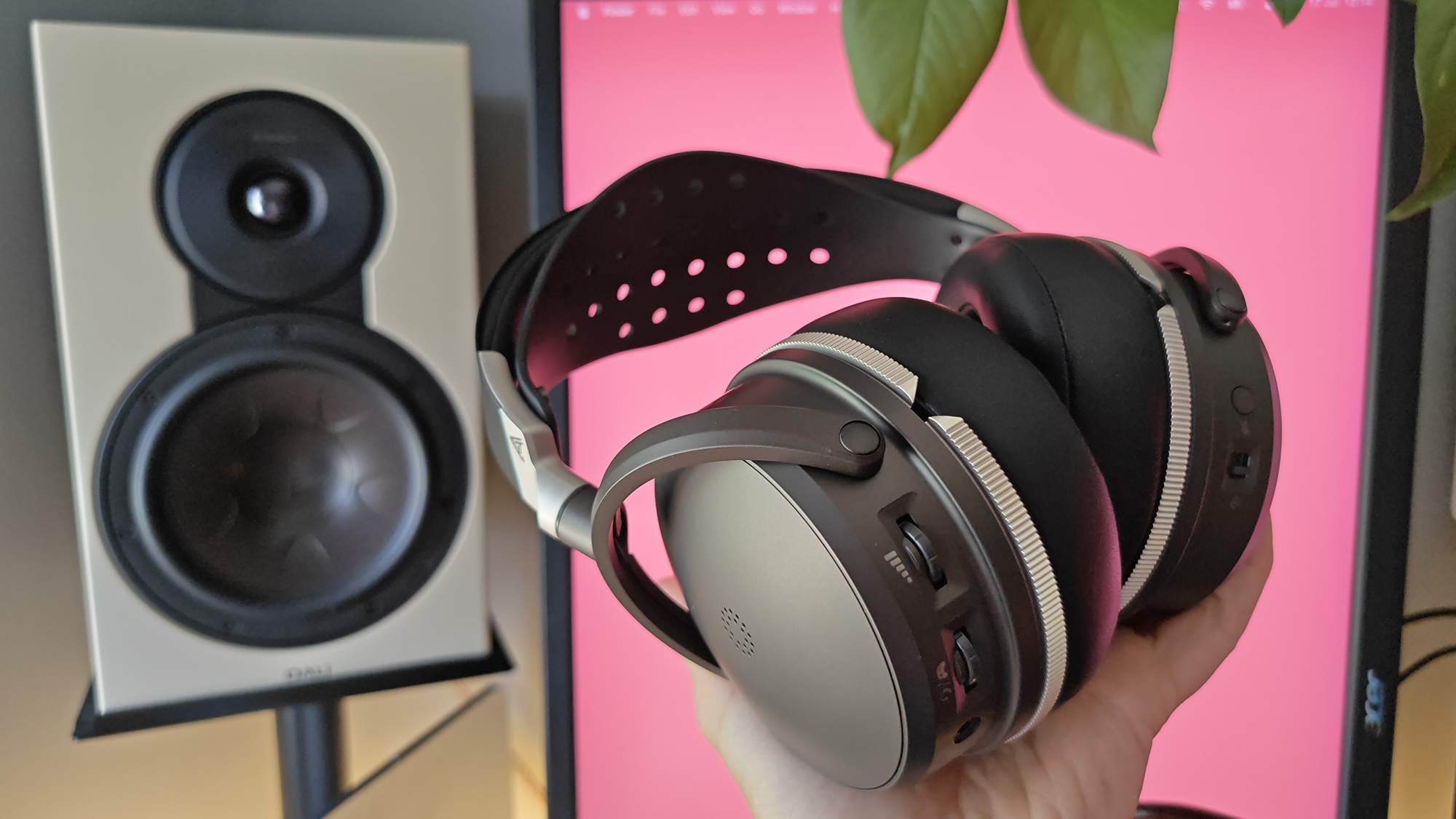
However, these remain heavy boys, clocking in at 560 grams – about 70 grams heavier than the already chunky original Maxwell. Then there’s the suspension headband. Despite the wider, ventilated strap, it offers only three fixed adjustment settings, as with the other iterations. This lack of adjustability is a definite miss for me, and something that was present in the older iterations, so I’m slightly at a loss why it has remained. Weirdly, the middle setting fits me much better than the same setting on the Maxwell 2, but I’m sure this limited approach to adjustability is going to be an issue for some, so it’s worth noting.
Having said all the above, I like the Maxwell 2 ANC a lot. It’s not designed to be a casual, lightweight accessory, but rather a powerhouse set for gamers and music fans who want pristine, undisturbed audio above all else.
If you’re willing to adapt to its heft, the resulting noise-free immersion is incredibly more than worth it.
.Organize the content with appropriate headings and subheadings ( h2, h3, h4, h5, h6). Include conclusion section and FAQs section with Proper questions and answers at the end. do not include the title. it must return only article i dont want any extra information or introductory text with article e.g: ” Here is rewritten article:” or “Here is the rewritten content:”
Generate single title from this title Bunkerhill raises $55M to scale agentic AI across health systems in 100 -150 characters. And it must return only title i dont want any extra information or introductory text with title e.g: ” Here is a single title:”

Write an article about
Bunkerhill Health has raised $55 million to scale its agentic AI platform, Carebricks.
The closing of the company’s Series B round, announced today, folds in continued participation from Sequoia Capital, Felicis, Optum Ventures, and Y Combinator. However, a funding total doesn’t answer the key question any hospital executive wants to know about healthcare AI: does the software run inside a working hospital?
That question is among the reasons why Khosla Ventures put its name on this deal. Healthcare organisations have put no shortage of funding behind machine learning pilots that perform well in a research setting and then never touch a live patient chart.
Bunkerhill’s argument to investors, and to the health systems already paying for it, is that Carebricks closes the space between a model that works in a sandbox and one that runs against live clinical data at institutional scale.
The backdrop is a spending number and a staffing problem. US healthcare spending hit $5.3 trillion in 2024, according to the Centers for Medicare & Medicaid Services, and labour shortages continue to strain providers nationwide.
Bunkerhill frames the opportunity around a gap between what health systems want to do for patients and what their staff have time to execute. Decades of investment went into documentation systems meant to ease the burden on clinicians. Bunkerhill’s bet is that the next round of technology spending goes toward software that acts on ideas clinicians already have, rather than just recording them.
“Medicine has advanced faster than our healthcare system’s ability to operationalise it,” explained Nishith Khandwala, Co-Founder and CEO of Bunkerhill Health. “Every leading health system has more opportunities to improve patient outcomes than its workforce has capacity to address. We believe AI agents can help them turn more of those ideas into reality.”
Carebricks lets hospitals build their own agents rather than buying a fixed product off the shelf. Some agents review cardiology imaging for early signs of heart disease and flag patients who need follow-up care. Others handle prior authorisations or keep registry data current, and the range extends into administrative work that rarely gets attention in AI pitches but consumes staff hours every week. Cleveland Clinic, the University of Texas Medical Branch, and Intermountain Health all run the platform today.
Vinod Khosla, Founder of Khosla Ventures, said: “The bottleneck in healthcare AI was never the technology, it was getting a health system to actually run it. Bunkerhill closed that gap. They made it much, much easier to adopt AI and already have traction inside critical health systems that would take most companies years to earn.”
Twenty AI agents running inside one hospital system
UTMB offers the clearest picture of what “running it” looks like once the pilot label comes off. The system now has more than 20 agents live on Carebricks, spanning clinical care, operations, and administration, according to Dr. Peter McCaffrey, UTMB’s Chief AI Officer.
In its first month running at UTMB, a coronary calcium detection agent built on an FDA-cleared algorithm flagged a patient as being at imminent risk of a heart attack. Cardiology confirmed the risk and performed a triple bypass.
UTMB’s care team credits the early detection with saving the patient’s life. It’s a single case, not a controlled trial, and Bunkerhill has published no data on how often the agent produces false positives or how it performs across a broader patient population over time.
Other figures at UTMB come from Bunkerhill and the health system itself rather than independent audit. A nephrology triage agent now prioritises patients by severity, escalating urgent cases and routing others to telemedicine, and UTMB reports this has cut average specialist wait times by more than 50 percent.
A lung nodule agent tracks incidental findings on CT scans through to the correct follow-up, with UTMB citing an 80 percent faster response on urgent cases and a doubling of guideline-concordant follow-up alongside a drop in manual coordinator work.
These are health system-reported operational results from live production use, not synthetic benchmark scores, which matters. It also means the numbers reflect one institution’s data conditions and staffing setup, not a guarantee that another hospital will see the same curve.
“We’ve already seen tremendous impact on patient care, and we’re only at the beginning of what becomes possible when a health system can operate with agentic AI at this scale,” McCaffrey said.
Of course, none of this removes the work health systems still have to do themselves. Bunkerhill says it will use the new funding to expand Carebricks into a wider range of clinical and operational use cases while building out governance, monitoring, and safeguards.
A platform that lets a nephrology department build its own triage agent also means that department owns the consequences of how that agent is tuned. Health system boards weighing a Carebricks-style deployment need answers on liability assignment, monitoring cadence, and what happens when an agent’s judgment and a clinician’s judgment disagree, before signing off on scale.
UTMB’s 20-agent footprint gives Bunkerhill a reference case few competitors can currently match. Whether that number holds up as a signal for the rest of the industry depends on how UTMB, and the other systems now running Carebricks, handle the governance side as the agent count climbs.
Want to learn more about AI and big data from industry leaders? Check out AI & Big Data Expo taking place in Amsterdam, California, and London. The comprehensive event is part of TechEx and is co-located with other leading technology events including the Cyber Security & Cloud Expo. Click here for more information.
AI News is powered by TechForge Media. Explore other upcoming enterprise technology events and webinars here.
.Organize the content with appropriate headings and subheadings ( h2, h3, h4, h5, h6). Include conclusion section and FAQs section with Proper questions and answers at the end. do not include the title. it must return only article i dont want any extra information or introductory text with article e.g: ” Here is rewritten article:” or “Here is the rewritten content:”
Luyten opens early reservations for Ascend A27 automated construction platform
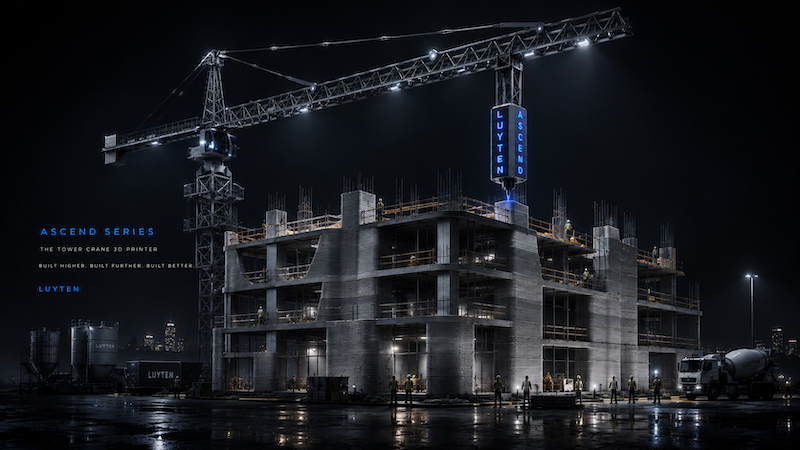
Australian construction robotics company Luyten has opened early reservations for its Ascend A27 automated construction platform following its global launch, with customers able to secure priority production allocation until October 25, 2026. The company said organizations that place an early reservation will receive priority access to the first production allocation and qualify for an introductory […]
Generate single title from this title Medicaroid receives CE marking for hinotori surgical robot system in 100 -150 characters. And it must return only title i dont want any extra information or introductory text with title e.g: ” Here is a single title:”
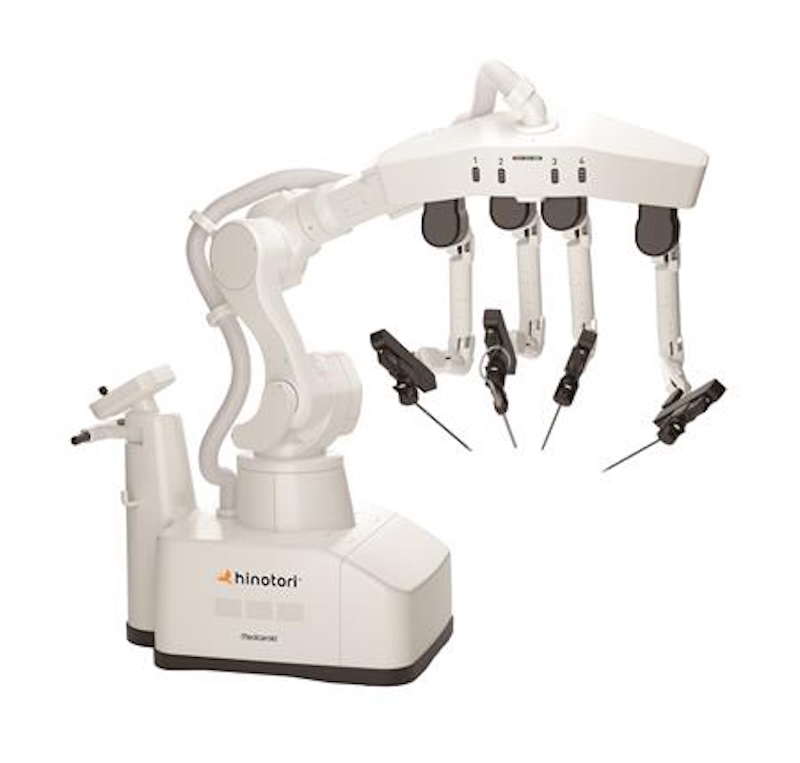
Write an article about Medicaroid has received CE marking under the European Union’s Medical Device Regulation (MDR 2017/745) for its hinotori Surgical Robot System, enabling the company to market the robotic surgery platform across EU member states and selected non-EU countries. The approval marks a significant step in Medicaroid’s international expansion strategy as it seeks to grow beyond its […] .Organize the content with appropriate headings and subheadings ( h2, h3, h4, h5, h6). Include conclusion section and FAQs section with Proper questions and answers at the end. do not include the title. it must return only article i dont want any extra information or introductory text with article e.g: ” Here is rewritten article:” or “Here is the rewritten content:”
Generate single title from this title Integrating Context-Aware Video AI Agents Into Enterprise Workflows in 100 -150 characters. And it must return only title i dont want any extra information or introductory text with title e.g: ” Here is a single title:”

Write an article about
A video analytics AI agent that can perceive, reason, and act based on massive amounts of video footage must be integrated with existing workflows and applications to be useful. These include content management systems, messaging platforms, databases, ticket queue, and escalation paths.
This integration is challenging because video systems, enterprise knowledge bases, and operational tools are usually siloed. Developers need to capture user intent, retrieve the correct organizational context, generate structured reports, and route findings into downstream systems.
In a previous post, we explained how to enrich video analysis with document knowledge using NVIDIA Blueprints. This post continues with the topic and explains how to unlock the ability to not just analyze video, but to programmatically act on those analyses by introducing NVIDIA NemoClaw. You’ll learn how to:
Extend VSS for guided, context-aware video analysis
Orchestrate the VSS and RAG blueprints as a composable service using NVIDIA NemoClaw
Generate structured reports enriched with organizational and reference knowledge
Build multistep workflows where video analysis feeds into other business processes
Deploy and scale this solution across enterprise environments
This approach is the next step in context-aware video AI agents, which involves moving from “What does this video show?” to “What should we do about what this video shows, and how do we coordinate that action at scale?”
What are NVIDIA NemoClaw and NVIDIA Blueprints?
NVIDIA NemoClaw is a collection of open blueprints for building autonomous agents. It enables the ecosystem to build domain-specialized, always-on agents that are safer, faster, and operate more cost efficiently across digital and physical workflows.
NVIDIA Blueprints are customizable reference workflows for building agentic AI pipelines at enterprise scale. They combine specialized microservices, optimized models, and composable APIs to accelerate time-to-value while maintaining modularity. In addition to NemoClaw, the main blueprints used in this post are:
How does VSS capture intent, retrieve knowledge, and generate reports from video?
VSS provides guided, context-aware video analysis through a set of tools built into the agent. Human-in-the-loop (HITL) prompts capture what the user wants before any processing begins. The agent retrieves the relevant organizational knowledge and produces a structured, timestamped report.
When combined with NVIDIA NemoClaw blueprints for building autonomous agents, this system can go beyond simple video analysis to programmatically act on those analyses. This unlocks the ability to generate tickets, compare patterns across multiple sources, draft revised procedures, escalate anomalies, and feed results into downstream workflows.
Three agent tools work together to make this happen:
Long video summary (LVS) video understanding tool: Performs long video summarization with mandatory HITL parameter collection. Users interactively specify the scenario (what the video is about), events of interest (what to detect), objects of focus (what to track), and an optional knowledge-retrieval query.
Knowledge retrieval (frag) tool: Calls the RAG Blueprint to retrieve organization-specific context from documents, policies, reference data, and knowledge bases. The RAG Blueprint handles embedding, reranking, and vector search internally.
Report generation tool: Produces a structured report combining the video analysis with the retrieved context, complete with timestamps, narrative analysis, and citations. It can use HITL to let the user confirm or edit the prompt before the report is generated.
Together, these tools collect user intent through HITL, query the RAG Blueprint for contextual knowledge, process the video with that context, and hand off to the report generation tool for formatted output.
Generating assessments and recommended actions from a video
To demonstrate this process, we will create a “healthy eating coach” that analyzes food videos to assess a user’s eating habits and return concrete, tracked next steps they can act on. The process is detailed in the following sections.
User uploads a video and specifies what to analyze
To start, a user uploads a meal preparation video through the VSS interface (Figure 1).
Figure 1. In the VSS user interface, you can drag and drop a video to upload it into the system
NemoClaw then begins the workflow. It reads the vss-generate-video-report-rag skill definition (SKILL.md) to learn which parameters the analysis needs and hands the request to the VSS agent, which walks the user through a short series of HITL prompts in their terminal (Figure 2).
Figure 2. The guided NemoClaw HITL interaction that captures intent before processing begins on the user-side terminal
The prompts ask what to analyze, the scenario, the events of interest, the objects to track, and an optional RAG Blueprint query for the reference knowledge to retrieve, such as the nutritional or regulatory guidelines. Capturing this intent up front scopes the analysis to what the user actually cares about before any video is processed. For automated batch runs, these answers can be supplied programmatically instead of interactively.
NemoClaw orchestrates VSS and the RAG Blueprint
Next, with the parameters confirmed, NemoClaw orchestrates the pipeline. The LVS video understanding tool first queries the RAG Blueprint for the relevant nutritional guidelines, and the RAG Blueprint returns the matching reference documents, handling the vector search internally.
It then passes those parameters, the video, and the retrieved context to the LVS service, which summarizes the video hierarchically and weaves the reference knowledge into its findings. The report generation tool combines the result into a structured, timestamped report that includes detected events with timestamps, a narrative analysis grounded in the reference material, citations to the relevant source documents, and concrete recommended actions.
Figure 3 shows this orchestration in the NemoClaw terminal, including the agent’s reasoning and tool calls.
Figure 3. The NemoClaw terminal shows the orchestration of VSS and the RAG Blueprint, including the agent’s reasoning and tool calls
NemoClaw creates a Jira ticket
NemoClaw reads the finished report and turns it into coordinated action. It presents the completed analysis with links to the Markdown and PDF reports and the video playback, a summary of why the meal is healthy, and recommended next steps (Figure 4). It then automatically creates a Jira ticket that summarizes the findings and the recommended dietary adjustments, with an appropriate priority and assignment so the action items are tracked to completion (Figure 5).
Figure 4. The NemoClaw terminal presents the completed video analysis, with links to the Markdown and PDF reports and the video playback, a summary, and recommended next steps before the Jira ticket is created
Figure 5. The Jira ticket is automatically generated by NemoClaw, summarizing the findings and recommended next steps
This downstream step generalizes well beyond Jira. Depending on what the report contains, NemoClaw can also:
Create tickets for the findings, with the right priority and assignment.
Escalate or summarize patterns that emerge across multiple runs.
Bundle supporting evidence for review or compliance.
Route gaps to the appropriate follow-up workflow.
At this point, the report is no longer a static document. It becomes the trigger for coordinated action across the systems your team already uses.
Figure 6 shows the architecture in four layers:
Orchestration: The NemoClaw agent, the vss-generate-video-report-rag skill, and the HITL prompts
VSS agent: Tools include video I/O, search, understanding, LVS, knowledge retrieval, and report generation. Knowledge retrieval is part of the agent, not a separate extension
RAG Blueprint: NVIDIA RAG API, Milvus vector database, NVIDIA Nemotron reranking NIM, and the indexed reference and organizational documents
LLM fusion: Enrichment of the VSS-provided summary with the context retrieved through the RAG Blueprint
Data flows downward through the system, with the agent’s tools orchestrating calls to the LVS service and the RAG Blueprint, both of which feed into the report generation tool for final output.
Figure 6. Architecture of VSS 3.1 and the RAG Blueprint orchestrated by NemoClaw
How to deploy the VSS agent with knowledge retrieval
Follow the steps below to implement the solution for your own workflow.
Prerequisites
NVIDIA GPU(s) with at least 24 GB VRAM
Docker Engine plus Docker Compose v2
NGC API key (ngc.nvidia.com)
NVIDIA Build API key (build.nvidia.com)
RAG Blueprint deployed and reachable from the agent (its server URL accessible), and its collection name
NemoClaw installed (for programmatic access)
Step 1: Clone the VSS repo and authenticate with NGC
git clone https://github.com/NVIDIA-AI-Blueprints/video-search-and-summarization.git ~/vss-public
cd ~/vss-public
echo “$NGC_CLI_API_KEY” | docker login nvcr.io –username ‘$oauthtoken’ –password-stdin
Step 2: Configure the environment
Edit the LVS profile .env file, deploy/docker/developer-profiles/dev-profile-lvs/.env. All the variables exist in that file, except the RAG_ values, which the agent’s RAG config reads and you add yourself.
# Deployment selection
MODE=2d
BP_PROFILE=bp_developer_lvs
HARDWARE_PROFILE=H100 # H100, L40S, RTXPRO4500BW, RTXPRO6000BW, DGX-SPARK, IGX-THOR, AGX-THOR, or OTHER
# LLM / VLM placement
LLM_MODE=local_shared # local_shared runs LLM and VLM on one GPU; use ‘local’ for separate GPUs
VLM_MODE=local_shared
LLM_DEVICE_ID=’0′
VLM_DEVICE_ID=’0′
# Paths (you MUST set these)
VSS_APPS_DIR=”/vss-public/deploy/docker”
VSS_DATA_DIR=”/vss-apps-data”
HOST_IP=”
# Agent image + config
VSS_AGENT_VERSION=3.2.0
# Enable knowledge retrieval (frag): point at config_rag.yml (default config.yml has it off)
VSS_AGENT_CONFIG_FILE=./deploy/docker/developer-profiles/dev-profile-lvs/vss-agent/configs/config_rag.yml
# Credentials
NGC_CLI_API_KEY=’nvapi-…’
NVIDIA_API_KEY=’nvapi-…’
# RAG Blueprint connection (read by config_rag.yml)
RAG_SERVER_URL=’http://:8081/v1′
RAG_API_KEY=”
KNOWLEDGE_COLLECTION=”
Setting VSS_AGENT_CONFIG_FILE to config_rag.yml enables the frag knowledge-retrieval tool. Those three RAG_ values are the only RAG settings the agent needs: it calls the RAG server’s search endpoint, and the RAG Blueprint handles embedding, reranking, and vector search internally. Configure the vector database, embedding, and reranker on the RAG Blueprint deployment itself, following its own documentation.
Step 3: Deploy the VSS stack
Create the data directories the bind mounts need, then bring up the stack. The compose profile is selected automatically from COMPOSE_PROFILES in the .env file.
export VSS_DATA_DIR=/vss-apps-data
mkdir -p “$VSS_DATA_DIR”/data_log/{elastic/data,elastic/logs,kafka,redis/data,redis/log}
chmod -R 777 “$VSS_DATA_DIR/data_log”
cd ~/vss-public/deploy/docker
docker compose \
–env-file developer-profiles/dev-profile-lvs/.env \
-f compose.yml \
up -d
The compose stack starts all infrastructure (VST, Redis, Elasticsearch, LVS, NIM) and the agent using the RAG-enabled config. The dev-profile helper, ./deploy/docker/scripts/dev-profile.sh up –profile lvs –hardware-profile H100, does the same and creates the data directories for you.
Step 4: Verify that the services are healthy
Note that the NIM may take 5 to 15 minutes to load.
docker ps –format ‘table {{.Names}}\t{{.Status}}\t{{.Ports}}’
curl -sS http://localhost:8000/health # VSS agent
curl -f http://127.0.0.1:38111/v1/ready # LVS backend
curl -f http://127.0.0.1:8018/v1/health/ready # RT-VLM
curl -f http://127.0.0.1:30081/v1/health/ready # LLM NIM
NemoClaw setup
NemoClaw acts as the orchestration layer, configuring the sandbox, network policy and skill so it can drive the full workflow.
Step 1: Run the NemoClaw installer
From the repo root; NEMOCLAW_PROVIDER is required; use build for NVIDIA-hosted models.
NEMOCLAW_PROVIDER=build \
NVIDIA_API_KEY=”$NVIDIA_API_KEY” \
bash deploy/docker/scripts/nemoclaw/init_nemoclaw.sh demo
This single command handles the full setup: it onboards NemoClaw, configures the model provider, applies the VSS sandbox policy (which grants the sandbox access to the VSS agent on port 8000), installs the repo skills—including vss-generate-video-report-rag—into the sandbox as an OpenClaw plugin, and prints the OpenClaw UI URL.
To use your own OpenAI-compatible endpoint instead (for example a local vLLM):
NEMOCLAW_PROVIDER=custom with NEMOCLAW_ENDPOINT_URL and COMPATIBLE_API_KEY
Step 2: Test the end-to-end workflow
nemoclaw SANDBOX_NAME connect
openclaw tui
The OpenClaw UI is now open. The next two actions happen inside that UI, not in your shell:
Type /new and press Enter to start a fresh session.
Type your request as a message and press Enter: I want to generate a video summary report for .
The agent then collects the analysis parameters through the HITL prompts, generates the report with LVS and the RAG Blueprint, and can create a Jira ticket or send notifications based on the results.
Latency and performance of the end-to-end pipeline
Adding NemoClaw orchestration and HITL parameter collection introduces minimal latency overhead. The HITL phase is asynchronous—NemoClaw and human users interact while the system stands by—so once parameters are confirmed, video processing proceeds.
Figure 7. Runtime percentage by system component for the video analysis to Jira action-item pipeline
How are industries and NVIDIA partners using NemoClaw, VSS 3, and the RAG Blueprint?
The combination of video understanding, knowledge retrieval, and agentic orchestration unlocks new capabilities across industries. Here is how partners are deploying this solution.
Computacenter deployed the full DETECT → REASON → ACT pipeline on a Run:AI cluster for predictive maintenance, using VSS 3 to analyze drone, borescope, and thermal inspection footage, RAG Blueprint for OEM context, and NemoClaw to auto-draft Maximo work orders—cutting footage-to-work-order time from 30–45 minutes to roughly 19 seconds across four asset classes.
VAST Data uses NemoClaw to orchestrate a real-time VSS pipeline on the VAST DataEngine, processing live game streams with VAST RAG over VastDB and vectors; built on the NVIDIA blueprint with cosmos-reason2 and Nemotron, it runs end-to-end on NVIDIA DSX AIR.
What are the benefits of actionable video AI?
The integration of VSS 3, RAG Blueprint, and NemoClaw represents a fundamental shift in how enterprises can approach video analytics. Video analysis has typically produced static reports. Understanding what happened in a video required manual interpretation and manual action initiation.
With this integrated solution, video understanding is now a starting point. Agentic orchestration translates that understanding into coordinated action—creating tickets, alerting teams, comparing patterns, escalating anomalies, and feeding results into downstream workflows.
The implications are significant:
Speed: Response time drops from hours or days to minutes.
Scale: Analyze thousands of videos across multiple sources and surface enterprise-wide patterns.
Consistency: Reference knowledge (policies, procedures, regulations, guidelines) is consistently applied.
Accountability: Every decision is traced back to video evidence and source documents.
Automation: Routine workflows (alert generation, ticket creation, documentation) run without manual intervention.
This is what enterprise-grade video AI looks like: specialized analysis engines (the VSS and RAG blueprints) composed into general-purpose agentic workflows (NemoClaw) that embed organizational intelligence into every decision.
Get started with actionable, enterprise-grade video AI
Together, VSS, RAG Blueprint, and NemoClaw illustrate a broader architectural principle: no single model or service is optimal for every problem, but specialized systems composed through clean, well-defined APIs can deliver capabilities that exceed the sum of their parts. This can be done without sacrificing the modularity, scalability, and governance that enterprise deployments demand.
The result reframes what video analytics is for. Rather than terminating in a static report that waits on human interpretation, video understanding becomes the entry point to an orchestrated workflow—one that retrieves the relevant organizational knowledge, grounds every conclusion in evidence, and drives downstream action automatically.
Enterprises can act on video insights as quickly as they can generate them, consistently and at scale. The footage is already being captured. The next opportunity is to turn it into coordinated, accountable action, and the blueprints to do so are now available. Ready to get started? Use the steps presented in this post, swapping in your own video source and reference knowledge, such as inspection footage paired with OEM manuals, retail floor cameras paired with merchandising policies, or live broadcasts paired with a rulebook.
Clone the VSS repo, deploy the VSS agent with knowledge retrieval (frag) enabled, point the RAG Blueprint at your documents, and connect NemoClaw to the system your team already uses, such as Jira, Slack, a database or a ticket queue. Start with one recurring loop from video to decision to action, pilot it end-to-end, and expand from there.
.Organize the content with appropriate headings and subheadings ( h2, h3, h4, h5, h6). Include conclusion section and FAQs section with Proper questions and answers at the end. do not include the title. it must return only article i dont want any extra information or introductory text with article e.g: ” Here is rewritten article:” or “Here is the rewritten content:”
Opinion: The end of inventory – how real-time supply chains are rewriting industrial real estate
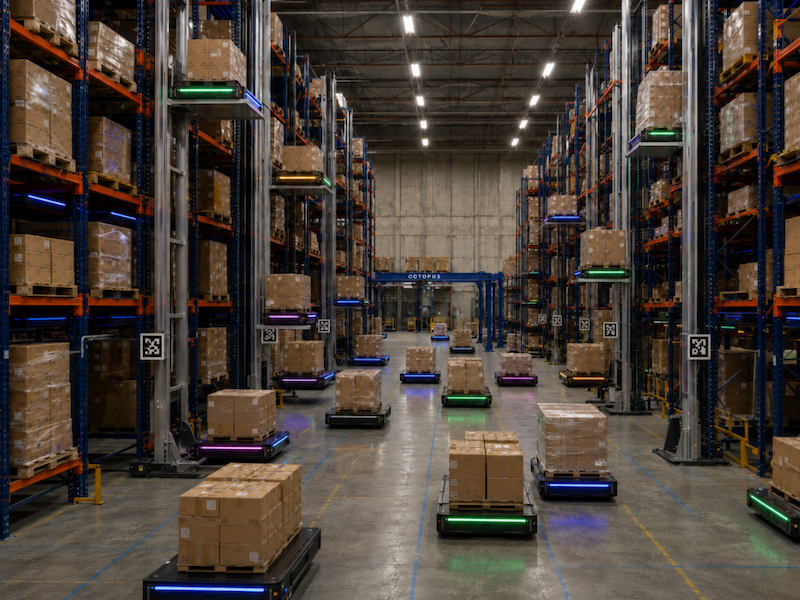
By Michael Santora, CEO, Logic Why predictive analytics, robotics, and data driven logistics are transforming how and where goods move For decades, industrial real estate has been designed for a world where uncertainty is managed with storage, not with real‑time coordination. Warehouses grew in size and number to buffer against unpredictable demand, fragmented data, and […]
