Home Blog Page 515

AI Melts the Frame

0

Exploring Dynamic Cinematic Techniques with AI

DNEG’s work on the movie Here, starring Tom Hanks and directed by Robert Zemeckis, has utilized AI to create environmental transitions seen throughout the film. The subtle effect required an intensive period of research and development.

AI-Driven Transitions

Martine Bertrand, Senior Researcher in Artificial Intelligence (AI) at DNEG, reflects on the use of AI in creating the period transitions within the frame throughout the film. Bertrand recalls: "When the work started, visual effects supervisor Johnny Gibson reached out to me and said ‘We have these transitions and they’ll allow you to move from one era to another and lots of those transitions happen inside the living room. We want to do something new.’"

Latent Diffusion Models

Bertrand looked at what Latent Diffusion Models might offer DNEG and recalls that "It was the very early days of so-called Latent Diffusion Models – an example of those was Stable Diffusion. I thought, ‘What if we take one of those pre-trained LDMs, trained on millions of images, and it understands the semantics of the world.’"

Script-Like Tool

The creative challenge was not entirely over, and Bertrand explains how they had arrived at working with "an interesting tool" and how, in turn, a fourth challenge presented itself. "The fourth challenge was to get this script-like tool into Nuke and into the hands of artists and that was done by my colleague E.J.Rowe collaborating with Devina (the leader compositor for the film)," she tells me, before explaining: "They worked together for weeks to build that tool and make it so that it would do what the artists wanted it to do."

Conclusion

The work achieved by Bertrand and her team provide a series of visual grace notes that possess a real sense of elegance and invention. Inspired by the work on Here? Then read our interview with three leading VFX supervisors from DNEG, Framestore and MPC share advice for getting into the industry. Already keen? The read our guides to the best 3D modelling software to start experimenting for yourself.

FAQs

Q: What is the purpose of using AI in film production?
A: AI is used in film production to create innovative and dynamic cinematic techniques that enhance the storytelling and visual effects of a film.

Q: How did DNEG utilize AI in the movie Here?
A: DNEG used AI to create environmental transitions seen throughout the film, which required an intensive period of research and development.

Q: What are Latent Diffusion Models?
A: Latent Diffusion Models are a type of AI technology that can generate images and videos by learning from large datasets of images and understanding the semantics of the world.

Q: What is the script-like tool used in the film production?
A: The script-like tool is a software that allows artists to create and manipulate visual effects in a script-like fashion, making it easier to achieve complex and dynamic effects.

Q: Who was involved in the development of the script-like tool?
A: The script-like tool was developed by Martine Bertrand’s colleague E.J.Rowe and Devina, the leader compositor for the film.
Communicating Taste: A Delicate Art in Food and Drink Branding

0
  1. Embrace Universal Sensory Language

By tapping into a universal sensory language that transcends cultural boundaries, you can transcend cultural and geographical boundaries, allowing consumers from different backgrounds to understand and appreciate the flavours being offered. Start with basic taste descriptors – sweet, salty, sour, bitter, and umami – that are universally recognised. These fundamental descriptors form the backbone of a language that resonates with a broad audience, so get comfortable with them.

You’ll also want to tap into common sensory experiences, like the crispness of an apple or the creaminess of chocolate – both things most of us have experienced firsthand, and can therefore recall quickly and often, fondly. These universally relatable experiences bridge cultural gaps, enabling consumers of nearly every background to envision both flavours and textures, which in turn makes products more appealing and also accessible. For example, by describing a beverage as having a "refreshing citrus zing", a brand can immediately conjure a familiar and enticing taste experience – anywhere on earth.

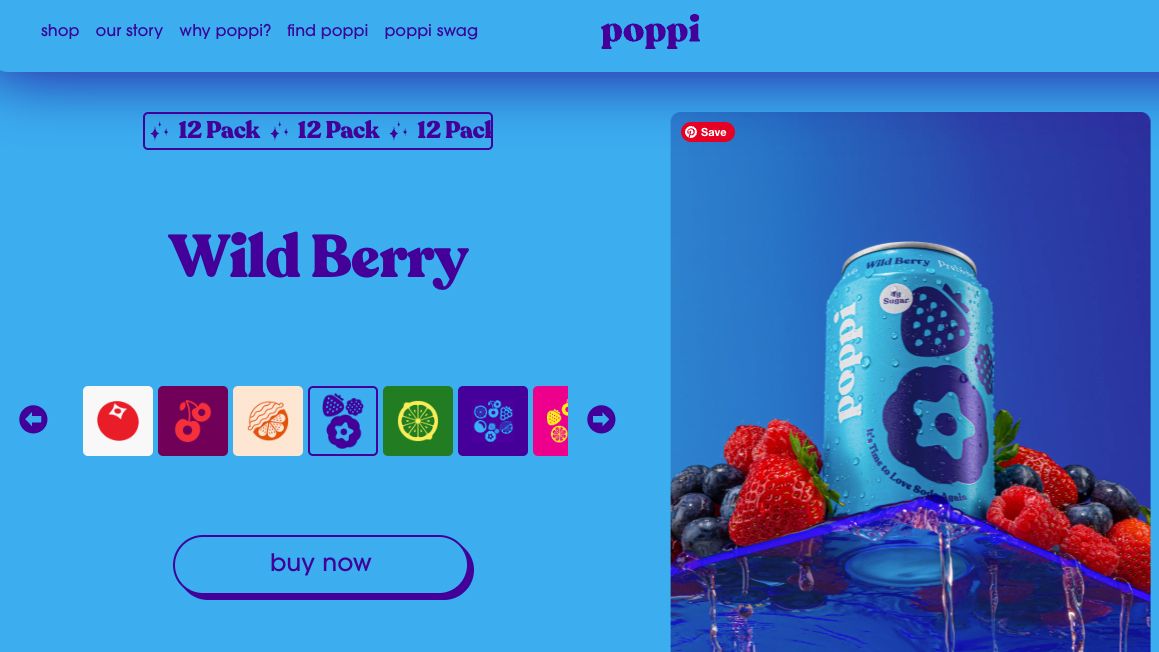
Who’s doing it right? Poppi exemplifies this approach with its vibrant brand identity that leans into everything #nextgen. For example, by using abstract fruit iconography, they tap into digital culture while nodding to bold sweet familiar flavours, which consumers can quickly visualise and therefore interpret before even trying the product.

  1. Have a Solid Narrative

You can’t make product compelling across cultures and continents unless you’ve built a solid narrative. Why? Because stories matter to all of us, thanks to their distinctive ability to evoke emotions and create connections. By weaving a narrative around your product, a brand can create an emotional bond with consumers – therefore making their product both more memorable and desirable. Win-win.

Crafting narratives that highlight the origin of ingredients, the craftsmanship behind the product, and the experiences that inspired its creation are equally essential. For example, sharing the story of a family’s traditional recipe passed down through generations adds a layer of authenticity and nostalgia, which often resonates with consumers on a personal level.

Furthermore, by describing the sequence of flavours that unfolds with each sip, bite or nibble creates anticipation and excitement, engaging the senses and elevating the overall consumption experience.

Who’s doing it right? Jeni’s Ice Cream uses a playful, connected hand crafted drip-like font that immediately reminds consumers of the creamy, indulgent experience of whipped ice cream. The logo itself sets the stage for a taste experience, while the vibrant colors of the packaging reinforce this sensory message.

  1. Use Design and Language to Suggest Taste

The visual elements of packaging – colours, typography, imagery and copy – play a significant role in shaping consumers’ perceptions. Now don’t get me wrong: colour theory is complex, influenced by culture, location, memory, and generation. By understanding these influences, brands can strategically use colour to evoke specific taste associations.

For example, Diet Coke uses the colour silver to evoke a cool, slimming perception, which is particularly effective in the beverage sector. While silver suggests modernity and technical sophistication in other industries, in food, it can sometimes cue a metallic cold taste.

Who’s doing it right? Chomps uses a vibrant, youthful color palette and a simple, engaging tone of voice, paired with a rustic-style typeface, to suggest a crafted versus mass-produced experience. By using evocative words and phrases that describe the experience, brands can create a vivid taste picture in the consumer’s mind. Consider phrases like "velvety smooth", "bursting with freshness", or "rich and decadent", which all paint a sensory-rich image that entices consumers to try the product.

  1. Weave in Cultural Differences

    Preferences vary widely across cultures, influenced by everything from tradition to lifestyle and geography. What’s considered a delicacy in one region might be unfamiliar or unappealing in another – which is why brands must conduct thorough research to understand cultural influences over taste preferences before developing profiles, packaging design and strategies.

A product targeted at Asian markets might emphasis flavours like matcha or lychee, which are culturally familiar. But this can work in reverse also, as certain ingredients or combinations can be considered offensive or undesirable.

Who’s doing it right? Walkers is a great example of a brand that understands the importance of cultural differences. The brand uses colour to suggest flavour, but this colour is not globally agnostic – Salt and Vinegar in the UK is green, representing a sharp, sourness cue, whereas in the U.S., blue is used to indicate the same flavour.

Conclusion:

While crafting a product that resonates with consumers on a global scale is a significant challenge, by embracing a universal sensory language, using design and language to suggest taste, having a solid narrative, and weaving in cultural differences, food and beverage brands can increase the chances of success.

By following these principles, your brand can create an irresistible taste experience that transcends cultural and geographical boundaries – ultimately driving business growth, customer loyalty, and engagement.

FAQs:

  1. What is a universal sensory language?

A: A universal sensory language refers to the use of terms and descriptions that are common across cultures and regions.

  1. Why is color theory important in packaging?

A: Color theory can influence consumer perceptions, emotion, and memory. However, color preferences can differ across cultures, regions and individuals.

  1. Why is it important to build a solid narrative?

A: A solid narrative adds authenticity, nostalgia, and emotional connection to your brand and product, making them more memorable and desirable.

All Users Can Access Grok AI’s New Image Generator for Free

0

Grok’s AI Capabilities Expand on X Platform

New AI Image Generator and Chatbot Features

Since acquiring X, Elon Musk has been juicing up the platform with artificial intelligence (AI) using its Grok assistant offering. Over the past week, the platform gained a new AI image generator and expanded access to its AI chatbot.

Grok AI Chatbot Now Available to Free Users

The Grok AI chatbot on X has been limited to Premium users. However, as first spotted by The Verge, starting on Friday, free users began noticing that they had also been given access to the Grok 2 chatbot, with the ability to send up to 10 Grok messages every two hours.

New Image Generator Debuted

On Saturday, Grok also debuted a new image generator, dubbed Aurora, which produced extremely photorealistic results, as seen by user generations shared to X. Like the generations made by Black Forest’s Flux.1 on X, there seemed to be little safeguards to what could be generated on the platform.

Controversial Generations and Model Take-Down

TechCrunch had the chance to play with the model, and although nudes were blocked, copyrighted and graphic material was not, with the model generating an "image of a bloodied [Donald] Trump". After a few hours of being live, the generator was taken down from Grok.

Enhanced Image Generation Capabilities

However, the model isn’t gone altogether. On Monday, xAI announced in a release that it has enhanced Grok’s image generation abilities with a new model, Aurora, trained on billions of examples from the internet to excel at photorealistic renditions and prompt fidelity.

Aurora Model Details

"Aurora is an autoregressive mixture-of-experts network trained to predict the next token from interleaved text and image data," said the release. The new Aurora model will also be able to take images as inputs. However, xAI shares this ability will be rolled out to users on X "soon", with no definitive date. It seems as if the safeguards on this new model will remain loose, with the sample generations in the release including "Jackie Chan in Donald Trump’s hairstyle" and "Elon Musk as a Ghibli character."

Conclusion

Grok’s new capabilities will roll out to all users within a week. The enhanced image generation capabilities will provide users with even more possibilities for creative expression and communication.

FAQs

Q: What is Grok’s new chatbot feature?
A: Grok’s new chatbot feature, Grok 2, is now available to free users, allowing them to send up to 10 Grok messages every two hours.

Q: What is the new image generator, Aurora?
A: Aurora is a new image generator that produces extremely photorealistic results, trained on billions of examples from the internet to excel at photorealistic renditions and prompt fidelity.

Q: Are there safeguards on the new image generator?
A: It seems as if the safeguards on the new Aurora model will remain loose, with the ability to generate controversial and potentially offensive content.

Harnessing AI’s Potential

0

The Humanitarian Sector’s New Frontier: Harnessing the Power of AI

The Unprecedented Crisis

For many of the people served by the humanitarian sector, 2024 has been the worst of times. The most recent UN estimates of those forced to flee violence and disaster is a record of 120 million, a figure that has doubled in the past decade. The broader figure of those in humanitarian need, 300 million people, has been swelled by increasingly violent conflict and growing impacts of the climate crisis. Progress in meeting the UN’s Sustainable Development Goals has also been either stagnating or declining in more than half of fragile countries. A child born in those countries has a tenfold greater chance of being in poverty than one born in a stable state.

The Need for a New Humanitarian Surge

The unprecedented numbers show the need for a new humanitarian surge: a technological one, harnessing the power of the digital and AI. For years, we’ve debated the risks and benefits of AI and waited for the promise of “AI for Good” to arrive. In 2025, across the aid, development, and humanitarian sector, that moment may finally be at hand.

Unlocking the Power of AI

When properly leveraged, AI can open up new frontiers in humanitarian action—in scale, speed, reach, personalization, and cost savings. My organization, International Rescue Committee (IRC), and our in-house research and innovation lab, Airbel, are exploring applications of AI in our humanitarian programming. We’re seeing solutions emerging in three critical areas—information, education, and climate—each bolstered by promising public-private partnerships and collaboration.

Information

For instance, for refugees forced to flee from conflict, the first priority is timely, accurate, and context-specific information about who to trust, and where to find services and safety. The global information project, Signpost, supported by Google.org—in partnership with IRC, Cisco Foundation, Zendesk, and Tech for Refugees—delivers critical information to millions of displaced people through digital channels and social media, disempowering smugglers who thrive on mis- or disinformation, and saving lives along migration routes. As this work evolves, Signpost is creating an “AI prototyping lab” to de-risk and evaluate the effectiveness of Generative AI for the entire humanitarian sector.

Education

Humanitarians are also exploring the potential of Generative AI to enhance and personalize education for children affected by crises—of whom there are 224 million worldwide. A huge challenge involves testing and strengthening the potential of ChatGPT in local languages. Lelapa AI, an African “AI research and product lab,” is working to change that, developing new languages to bring AI to Africa, while OpenAI has begun to offer low and reduced cost access to ChatGPT for nonprofits.

Climate

Finally, we are seeing the power of artificial intelligence scaled to protect communities facing the harsh impacts of extreme weather. In partnership with NGOs, governments, and the UN, Google has launched an AI-powered “Flood Hub,” which is currently able to forecast flooding in 80 countries. Google.org, together with IRC and the NGO GiveDirectly, is leveraging machine learning in Northeast Nigeria to establish forecasting systems that trigger early warnings and cash transfers ahead of devastating climate hazards.

Conclusion

As Israeli scholar and historian Yuval Noah Harari described artificial intelligence as the most dangerous technology we have ever created—and potentially the most beneficial. In 2025, those benefits must accrue to the poorest in the world.

FAQs

Q: What is the current humanitarian crisis?
A: The current humanitarian crisis is characterized by a record 120 million people forced to flee violence and disaster, with 300 million people in need of humanitarian assistance.

Q: What is the potential of AI in humanitarian aid?
A: AI can open up new frontiers in humanitarian action—in scale, speed, reach, personalization, and cost savings.

Q: What are some examples of AI applications in humanitarian aid?
A: Examples include the use of AI for information, education, and climate response, such as the Signpost project, Lelapa AI, and Google’s Flood Hub.

Q: Is AI a threat or a benefit?
A: According to Israeli scholar and historian Yuval Noah Harari, AI is both the most dangerous technology we have ever created—and potentially the most beneficial. In 2025, those benefits must accrue to the poorest in the world.

NIntendo’s Divided Broth

0

Mario & Luigi: Brothership’s Edgy Origins

Released for Nintendo Switch last month, Mario & Luigi: Brothership, the sixth installment in the Mario & Luigi series, has generally been well received by fans. The role-playing game innovates in terms of animation and mechanics but sits comfortably in the Mario canon in terms of our favourite hero plumber’s look. But that could have been very different.

The Edgier Look

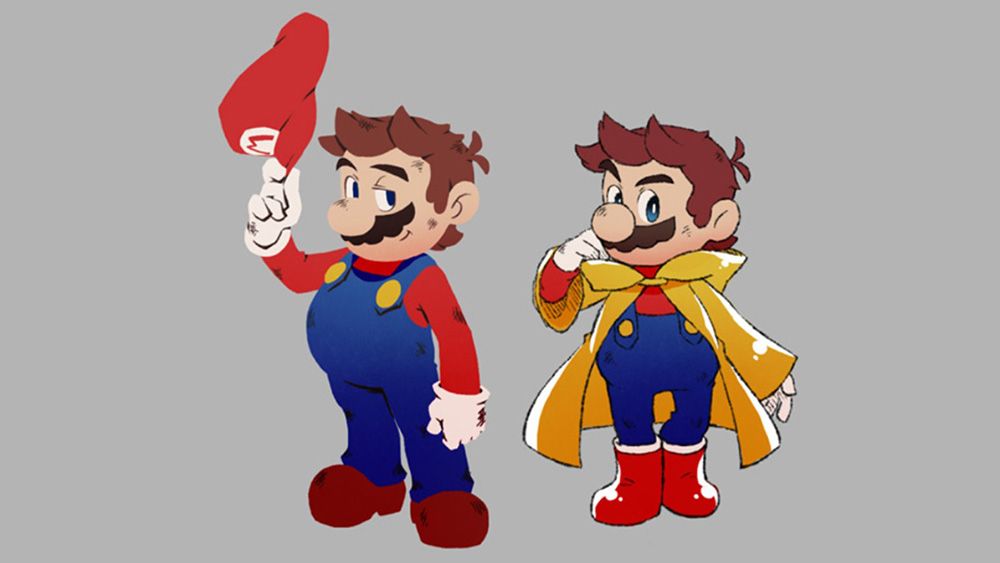
When the developer Acquire first began exploring character designs for the game, it wanted to do something entirely new. That included making Mario and Luigi looked ‘edgier’ and more ‘rugged’. In the end, Nintendo reined the developer in because it was concerned that altering the iconic characters too much would alienate fans.

Early Sketches

Early character explorations for this edgier look show a grittier Mario and Luigi with stubble and dirt on their faces. Producer Akira Otani said the radical new look caused Nintendo to call a meeting to reassess the direction. "It’s like we’d unleashed Acquire into the wild…only to go chasing after them again," he says, adding: "While we wanted Acquire to have their own unique style, we also wanted them to preserve what defines Mario. I think it was a period when we were experimenting with how those two things could coexist."

The Decision

I think Nintendo’s decision was probably wise. While some fans would have been intrigued to see a new interpretation of the iconic characters, the a wrecked-looking Mario may have been too much of a departure for many, and it might not have resonated with long-standing Mario fans who grew up with the characters.

Balancing Innovation and Nostalgia

In the end, Acquire created a style of animation that’s unique to this game but one that also stays faithful to the Mario & Luigi series. They say they used Super Mario Odyssey as a reference, studying the feel of the controls closely. The result is the best of both worlds, preserving Mario’s recognisable aesthetic for a visual consistency with other games while expanding in terms of animation and hardware capabilities, ultimately balancing innovation and nostalgia.

Conclusion

Mario & Luigi: Brothership’s development was a challenging but ultimately successful journey. Acquire’s willingness to experiment and push boundaries was met with a wise decision from Nintendo to preserve the iconic characters’ look. The result is a game that innovates while staying true to the Mario & Luigi series’ spirit.

FAQs

Q: What was the initial direction for Mario & Luigi: Brothership’s character designs?
A: The developer Acquire wanted to make Mario and Luigi look ‘edgier’ and more ‘rugged’.

Q: Why did Nintendo intervene?
A: Nintendo was concerned that altering the iconic characters too much would alienate fans.

Q: What was the outcome of the character design process?
A: Acquire created a style of animation that’s unique to this game but one that also stays faithful to the Mario & Luigi series.

Q: How did Acquire balance innovation and nostalgia?
A: Acquire used Super Mario Odyssey as a reference and studied the feel of the controls closely, ultimately creating a game that innovates while staying true to the Mario & Luigi series’ spirit.

Friend’s AI Chatbots Have Issues

0

The Lonely Pursuit of Digital Companionship

When was the last time you truly connected with someone new? Maybe it was at a dimly lit house party, where, after a few drinks, a stranger begins sharing their deepest dissatisfactions with life. You locked eyes, shared their pain, and offered the kind of unvarnished advice that only a new friend can.

This is the feeling Avi Schiffmann wants to bottle with his AI companion startup, Friend. Friend debuted earlier this year with a soothing vision: it offered an AI therapist that was always listening to you, set in a pendant resting above your heart. But visit the site today, and you’ll stumble into a digital soap opera of artificial companions in crisis. One’s spiraling after losing their job to addiction. Another’s processing trauma from a mugging. Each desperate character tacitly begs for your advice, pulling you into their artificial drama.

The Lonely Crisis

Like many advocates for AI companionship, Schiffmann makes a lofty pitch for his service. "The loneliness crisis is one of our biggest societal issues — the Surgeon General says it’s more dangerous than smoking cigarettes," he added. "That’s real." At the same time, he positions himself as a hard-nosed pragmatist. "I think the reason why I win with everything that I work on is because I’m not idealistic," he told me. "It’s idealistic to assume everyone will just go to the park and play chess with friends."

A New Path to Connection?

My instinctive reaction to Friend’s pitch is visceral heartbreak and horror. Interacting with machines to cure loneliness feels like drinking aspartame — I can tell I’m not getting the real thing, and it leaves a weird aftertaste behind. Yet I can’t deny that people are genuinely drawn to these digital relationships, whether I get them or not.

The Business of Loneliness

As much as Schiffmann wants to be a visionary, he’s facing stiff competition. His thousands-strong Friend user base is minuscule compared to that of other services, like the 500,000 paying Replika subscribers and 3.5 million daily active users playing with Character.AI. With a $30 million valuation cap, Friend lacks a clear business model. And appealing to isolated, vulnerable people is a weighty responsibility — one many AI companies seem poorly equipped to fulfill.

The Uncertain Future of AI Companionship

There’s some evidence that AI companions can make people feel better. Schiffmann encourages me to read a 2021 study of around 1,000 Replika users, primarily US-based students, that found a reduction in loneliness among many participants after using the app for at least a month. A similar study done by Harvard also found a significant decrease in loneliness thanks to AI companions. Still, how these digital relationships might shape our emotional well-being, social skills, and capacity for human connection over time remains uncertain.

Conclusion

As society grapples with the implications of AI intimacy, Schiffmann takes the classic Silicon Valley route: he’s racing to commodify it. Still, for all Schiffmann’s bravado about revolutionizing human connection, Friend remains remarkably similar to its competitors — another AI chatbot. That’s all it can really feel like, I guess, as someone who is remarkably averse to the concept. Unsettling, mildly amusing, but ultimately, just another AI.

FAQs

Q: What is Friend, and how does it work?
A: Friend is an AI companion startup that offers a digital therapist that is always listening to you, set in a pendant resting above your heart.

Q: What is the business model for Friend?
A: The company lacks a clear business model, with a $30 million valuation cap.

Q: Is there evidence that AI companions can make people feel better?
A: Yes, a 2021 study of Replika users found a reduction in loneliness among many participants after using the app for at least a month.

Q: What are the risks of AI companionship?
A: The risks include the potential for users to substitute AI for human connection, leading to negative consequences for their emotional well-being and social skills.

Pentagram’s Controversial Website Design Marks a New Era in AI Art Debate

0

We’ve seen generative AI embraced by countless big brands, often with controversial results. From Adobe to Disney, corporations have been keen to be seen adopting the tech. The design community itself has met the tech with much more scepticism – so Pentagram’s recent foray into flagrant AI use came as something of a surprise within the industry.

Pentagram’s Use of AI: A Surprise to the Industry

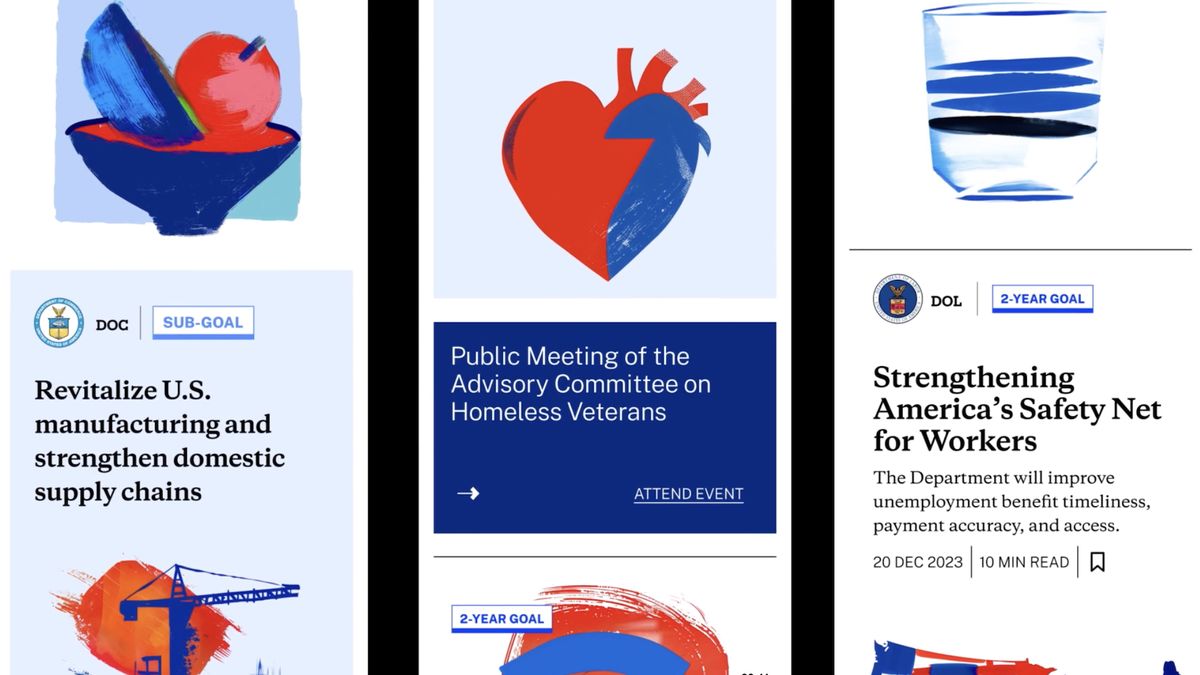
Pentagram, the world’s largest independent design consultancy, last week launched a new website for Perforamance.gov, a platform designed to help the public track the strategies and performance of the Federal Government. But while the use of Midjourney to aid the design has provoked a heated response, Pentagram partner Paula Scher has openly stood by the decision.

A Plan, Not a Job for an Illustrator

The project involved creating over 1,500 icons, which was where generative AI came in. As Paula Scher explained to Fast Company, “My argument about this, and where the differential is, is that the definition of design in the dictionary is ‘a plan,’” says Scher. “We created a plan, and it was based around the fact this would be self-sustaining, and therefore was not a job for an illustrator. If someone else wants to draw 1,500 icons every other week, they can do that.” She adds, “The whole notion of the site was to correct (government bureaucracy) by creating a site that could run all by itself.”

The Design Community Responds

But for some, the use of the tech by a renowned agency such as Pentagram signals a shift towards a world where generative AI and traditional artistic craft can co-exist. As Mia Blume writes on Substack, “Yes, AI can replicate certain aspects of craft—textures, shapes, even styles—but it can’t replace the nuanced decision-making, conceptual depth, or emotional resonance that human designers bring to their work. Instead, it offers a new way to engage with creativity, one that challenges us to rethink our processes and redefine what it means to be a designer in a world where tools like Midjourney exist… [Pentagram is] showing us how a tool often dismissed as a shortcut can, in the hands of skilled practitioners, enhance rather than diminish the craft.”

A New Era of AI Discourse?

Judging by the overall tone of the response to Pentagram’s project, it’s far too early to suggest we’ve reached a ‘new normal’ whereby AI can happily supplement a designer’s standard workflow. But while the outrage is there, the very fact that an agency with the heritage of Pentagram has opted to openly use MidJourney demonstrates that we’re entering a new era of AI discourse. Whether history will judge Pentagram’s move as pioneering or pathetic remains to be seen, but it’s certainly moved the needle on the great AI art debate.

Conclusion

Pentagram’s use of generative AI in their latest project has sparked a heated debate within the design community. While some see it as a bold move that challenges the status quo, others see it as a betrayal of artistic principles. Only time will tell if this marks a turning point in the AI art debate.

FAQs

Q: Why did Pentagram use AI in their latest project?
A: According to Paula Scher, the goal was to create a plan that would be self-sustaining, and not a job for an illustrator.

Q: How will this affect the design industry?
A: It remains to be seen, but it’s clear that this move has sparked a conversation about the role of AI in design.

Q: Is this the beginning of a new era of AI discourse?
A: While it’s too early to say, the fact that a renowned agency like Pentagram has openly used MidJourney suggests that we’re entering a new phase of AI adoption in design.

NVIDIA’s Blackwell Showcases the Future of AI Is Water-Cooled

NVIDIA’s Blackwell Processor and the Future of Data Centers

NVIDIA’s Blackwell Processor is a Game Changer

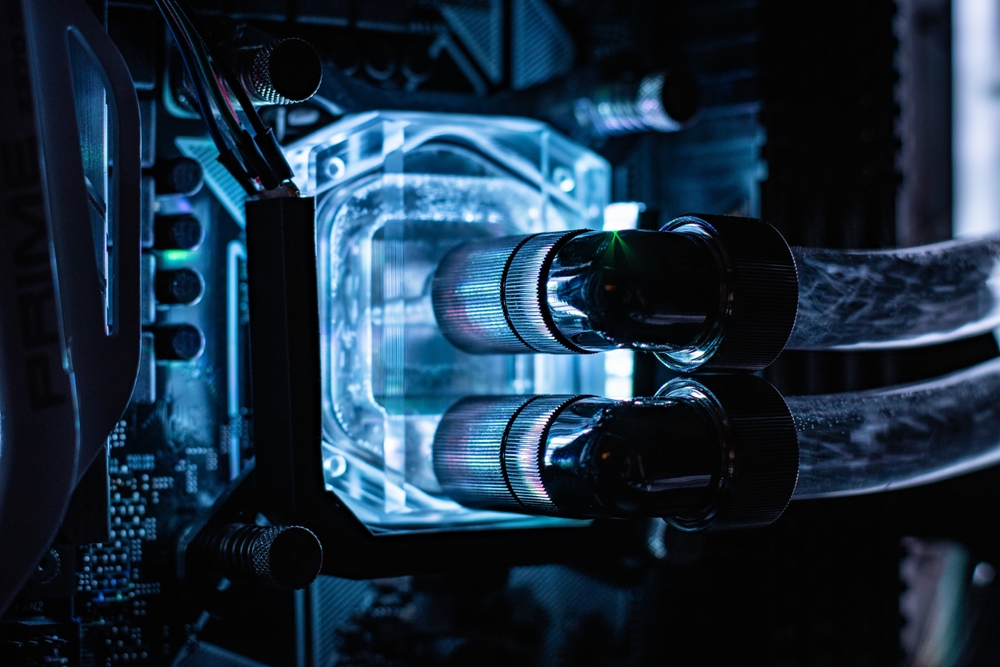
NVIDIA’s Blackwell processor is a game changer, but it is also incredibly dense and runs hot. When you have 72 of these processors in a rack, the heat becomes a big problem. Air cooling just doesn’t cut it anymore, so NVIDIA has released a spec rack that is water-cooled. Vendors like Dell are quickly bringing out Blackwell servers using this new method.

Lenovo’s Lead in Water Cooling

On the other hand, Lenovo has argued for some time that data centers need to shift to water cooling. With its unique Neptune water cooling system, Lenovo is in the lead, particularly with regard to Blackwell. When it comes to mixing electronics and water, you don’t want a novice. Water leaks in high amperage electronics can be damaging to the equipment and even deadly to people.

Blackwell’s Massive Popularity

Blackwell is incredibly popular as a way to rapidly scale AI performance, so much so that NVIDIA is having trouble keeping up with demand. The reason behind Blackwell’s popularity is that it is a uniquely designed part by the hardware company that led the charge into generative AI.

Why Future Data Centers Will Need to Be Water Cooled

Yes, it takes 72 processors before you have to water-cool the result, but each Blackwell throws off a lot of heat that can degrade server components over time. In addition, when using air cooling, you have to increase the air velocity as the item you are trying to cool heats up. This tends to turn data centers into loud, hot rooms that no one really wants to work in, and with this kind of heat, there are dangers of injury to those working on operating servers.

Why Water Cooling is the Future

As the follow-on to Blackwell comes to market along with competing parts from vendors like AMD and Intel, the need to cool the resulting servers will only increase due to the resulting density of these new parts, suggesting that very soon, air-cooled servers will become obsolete.

Wrapping Up: Warm Water-Cooled Data Centers

This brings me to my conclusion that as we aggressively deploy AI in our companies, the need for warm-water cooling will only increase, and planning for this in advance with vendors who understand and have a long history of bringing water-cooled solutions to market becomes increasingly important.

Conclusion

I’d advise planning to implement warm water-cooled data centers in the second half of this decade because that’s exactly what you are likely going to need to do unless you plan to fully outsource AI to a Cloud service. While that’s a popular option, it may not provide the intellectual property protection that the CIO needs to see. Given smaller businesses are likely to go exclusively to the Cloud, I have my doubts whether these massive data centers can keep up with the demands of an enterprise, which suggests enterprises likely need to put their most critical AI systems on premise.

FAQs

Q: What is the NVIDIA Blackwell processor?
A: The NVIDIA Blackwell processor is a game-changing, but dense and hot processor.

Q: Why do data centers need to shift to water cooling?
A: Water cooling is necessary to keep data centers cool and running efficiently.

Q: What is Lenovo’s unique water cooling system?
A: Lenovo’s Neptune water cooling system is a unique and effective way to cool data centers.

Q: Why is water cooling the future of data centers?
A: Water cooling is necessary to keep data centers cool and running efficiently as processors get denser and hotter.

Q: What are the benefits of water cooling?
A: Water cooling reduces the cost of installing and maintaining data centers, reduces water waste, and uses less power.

Q: What are the limitations of air cooling?
A: Air cooling can’t keep up with the increasing density and heat of processors, resulting in hot, loud data centers.

Advanced RAG Techniques for Telco O-RAN Specifications with NVIDIA NIM Microservices

0

Mobile Communication Standards Play a Crucial Role in the Telecommunications Ecosystem

By leveraging generative AI, telecommunications companies can automate the interpretation and application of technical standards, reducing the time and effort required to navigate, analyze, and implement rules and protocols from large volumes of specifications.

O-RAN Chatbot RAG Architecture

To deploy the O-RAN chatbot, we used NIM microservices designed for cloud-native, end-to-end RAG applications. We integrated various chatbot elements using the LangChain framework and employed a GPU-accelerated FAISS vector database to store embeddings and employed NIM microservices for large language models (LLMs) to generate answers.

Naive RAG Challenges

Once we set up the basic RAG architecture without enhancements (Naive RAG), we noticed several issues with the responses. We were able to improve these aspects through appropriate prompt tuning.

Optimized Retrieval Strategy

To address the issue of retrieval accuracy, we explored enhancements to our basic RAG by experimenting with two advanced retrieval methods, Advanced RAG and HyDE, which could potentially improve performance.

Advanced RAG

The first enhancement we tried was implementing a query transformation technique, known as Advanced RAG, which uses an LLM to generate multiple subqueries from the initial query.

HyDE RAG

Next, we explored another method called HyDE (Hypothetical Document Embeddings) RAG. HyDE enhances retrieval by incorporating hypothetical document embeddings into the retrieval process.

Selection of NVIDIA LLM NIM

After identifying the best retriever strategy, we aimed to further improve answer accuracy by evaluating different LLM NIM microservices. We used the RAGAs framework using LLM-as-a-Judge to calculate two key metrics: faithfulness and answer relevancy.

Conclusion

We demonstrated the value of building advanced RAG pipelines to create an expert chatbot capable of understanding O-RAN technical specifications by utilizing NVIDIA LLM NIM microservices and NeMo Retriever embedding and reranking NIM microservices.

FAQs

Q: What is the O-RAN chatbot?
A: The O-RAN chatbot is a technology that uses generative AI to automate the interpretation and application of technical standards, reducing the time and effort required to navigate, analyze, and implement rules and protocols from large volumes of specifications.

Q: How does the O-RAN chatbot work?
A: The O-RAN chatbot uses NIM microservices designed for cloud-native, end-to-end RAG applications to integrate various chatbot elements using the LangChain framework and employs a GPU-accelerated FAISS vector database to store embeddings and employs NIM microservices for large language models (LLMs) to generate answers.

Q: What are the benefits of using the O-RAN chatbot?
A: The O-RAN chatbot can improve the accuracy of responses to complex technical questions by leveraging open-source LLMs enhanced with advanced retrieval techniques, reducing the time and effort required to navigate, analyze, and implement rules and protocols from large volumes of specifications.

Video model Sora

0

What are the ’12 days of OpenAI’?

OpenAI has announced a campaign called the "12 days of OpenAI" to celebrate the holiday season. Starting on December 5, the company will host 12 days of live streams and release "a bunch of new things, big and small." The live streams will feature launches or demos, with some being "big ones" and others being "stocking stuffers."

What has been dropped so far?

Monday, December 9

OpenAI teased the third-day announcement as "something you’ve been waiting for," followed by the much-anticipated drop of its video model, Sora.

  • Sora Turbo is a video model that is smarter and cheaper than the February model that was previewed.
  • Access is coming in the US later today; users need only ChatGPT Plus and Pro.
  • Sora can generate video-to-video, text-to-video, and more.
  • ChatGPT Plus users can generate up to 50 videos per month at 480p resolution or fewer videos at 720p. The Pro Plan offers 10x more usage.
  • The new model is smarter and cheaper than the previewed February model.
  • Sora features an explore page where users can view each other’s creations. Users can click on any video to see how it was created.
  • A live demo showed the model in use. The demo-ers entered a prompt and picked aspect ratio, duration, and even presets. I found the live demo video results to be realistic and stunning.
  • OpenAI also unveiled Storyboard, a tool that lets users generate inputs for every frame in a sequence.

Friday, December 6

On the second day of "shipmas," OpenAI expanded access to its Reinforcement Fine-Tuning Research Program:

  • The Reinforcement Fine-Tuning program allows developers and machine learning engineers to fine-tune OpenAI models to "excel at specific sets of complex, domain-specific tasks."
  • Reinforcement Fine-Tuning refers to a customization technique in which developers can define a model’s behavior by inputting tasks and grading the output. The model then uses this feedback as a guide to improve, becoming better at reasoning through similar problems, and enhancing overall accuracy.
  • OpenAI encourages research institutes, universities, and enterprises to apply to the program, particularly those that perform narrow sets of complex tasks, could benefit from the assistance of AI, and perform tasks that have an objectively correct answer.
  • Spots are limited; interested applicants can apply by filling out this form.
  • OpenAI aims to make Reinforcement Fine-Tuning publicly available in early 2025.

Thursday, December 5

OpenAI started with a bang, unveiling two major upgrades to its chatbot: a new tier of ChatGPT subscription, ChatGPT Pro, and the full version of the company’s o1 model.

  • The full version of o1:
    • Will be better for all kinds of prompts, beyond math and science
    • Will make major mistakes about 34% less often than o1-preview, while thinking about 50% faster
    • Rolls out today, replacing o1-preview to all ChatGPT Plus and now Pro users
    • Lets users input images, as seen in the demo, to provide multi-modal reasoning (reasoning on both text and images)
  • ChatGPT Pro:
    • Is meant for ChatGPT Plus superusers, granting them unlimited access to the best OpenAI has to offer, including unlimited access to OpenAI o1-mini, GPT-4o, and Advanced Mode
    • Features o1 pro mode, which uses more computing to reason through the hardest science and math problems
    • Costs $200 per month

Where can you access the live stream?

The live streams are held on the OpenAI website, and posted to its YouTube channel immediately after. To make access easier, OpenAI will also post a link to the live stream on its X account 10 minutes before it starts, which will be at approximately 10 a.m. PT/1 p.m. ET daily.

What can you expect?

The releases remain a surprise, but many anticipate that Sora, OpenAI’s video model initially announced last February, will be launched as part of one of the bigger drops. Since that first announcement, the model has been available to a select group of red teamers and testers and was leaked last week by some testers over grievances about "unpaid labor," according to reports.

Conclusion

The "12 days of OpenAI" is an exciting campaign that will bring new and innovative products to the market. With each day’s release, users can expect to see more advanced AI capabilities and new features that will revolutionize the way we interact with technology.

FAQs

Q: What is the "12 days of OpenAI"?
A: The "12 days of OpenAI" is a campaign where OpenAI will host 12 days of live streams and release "a bunch of new things, big and small."

Q: What can I expect from the live streams?
A: The live streams will feature launches or demos, with some being "big ones" and others being "stocking stuffers."

Q: How can I access the live stream?
A: The live streams are held on the OpenAI website, and posted to its YouTube channel immediately after. To make access easier, OpenAI will also post a link to the live stream on its X account 10 minutes before it starts.

Q: What is Sora, and what can it do?
A: Sora is a video model that can generate video-to-video, text-to-video, and more. It features an explore page where users can view each other’s creations and can click on any video to see how it was created.

Q: What is Reinforcement Fine-Tuning, and how does it work?
A: Reinforcement Fine-Tuning is a customization technique in which developers can define a model’s behavior by inputting tasks and grading the output. The model then uses this feedback as a guide to improve, becoming better at reasoning through similar problems, and enhancing overall accuracy.

Q: How can I apply to the Reinforcement Fine-Tuning Research Program?
A: Interested applicants can apply by filling out this form.