Home Blog Page 524

Spotify Wrapped 2.0

0

Spotify Wrapped 2025: A Recap of Listening Habits, Art, and Controversy

Artists Make Spotify Wrapped Human Again

A lot has been said already about Spotify Wrapped 2025, and not all of it very positive. Here at Creative Bloq, we weren’t keen on the missing stats and the creepy AI features. But we can thank artists for making the annual recap of listening habits human again (and interesting again) thanks to a viral trend doing the rounds on social media.

Spotify Wrapped vs Art

Artists are sharing their Spotify Wrapped lists alongside examples of their work with the simple caption "Spotify Wrapped vs Art". The point seems to be to show how musical taste may influence artistic style (or perhaps the other way around).

Social Media Reaction

[Embedded tweets]

Spotify’s Art for Spotify Wrapped 2024

As for Spotify’s own art for Spotify Wrapped 2024, some people are on social media are seeing strong vulvic influences in the transitions. The Daily Mail is appalled, obviously, describing the design detail as "vulgar". Sigh.

Design Controversy

Meanwhile, the addition of the Spotify Create button in the app’s UI design is driving people crazy. For more design controversies, don’t miss the Disney Snow White trailer.

Conclusion

Spotify Wrapped 2025 has certainly sparked a lot of discussion and controversy. While some people are enjoying the annual recap of listening habits, others are criticizing the design and features. Despite the criticisms, artists have managed to make the experience human again with their creative approach to sharing their Spotify Wrapped lists.

Frequently Asked Questions

Q: What is Spotify Wrapped?
A: Spotify Wrapped is an annual feature by Spotify that recaps a user’s listening habits for the year.

Q: What is the controversy surrounding Spotify Wrapped 2025?
A: Some users are unhappy with the missing stats and the creepy AI features introduced in Spotify Wrapped 2025.

Q: What is the viral trend doing the rounds on social media?
A: Artists are sharing their Spotify Wrapped lists alongside examples of their work with the simple caption "Spotify Wrapped vs Art".

Q: What is the controversy surrounding Spotify’s art for Spotify Wrapped 2024?
A: Some people are seeing strong vulvic influences in the transitions, which has been criticized as "vulgar" by some.

Copyright Expiration 2025

0

What’s Coming Out of Copyright in 2025?

A Gruesome Year Ahead for Intellectual Property

You may have been lucky enough to avoid the gruesome Winnie the Pooh horror movies of the last couple of years, but there are more such irreverent delights to come as more intellectual property loses copyright protection in 2025. A host of famous artworks and much-loved characters will enter the public realm next year, making them fair game for all kinds of adaptations.

What Copyrights Expire in 2025?

Copyright rules vary from country to country and have changed over time. In the US, works created between 1929 and 1963 that gave notice and renewed copyright have 95 years from their first publication date. That means that from next year, a host of works from 1929 will enter the public domain.

Works Entering the Public Domain

This means that copyright will expire on:

  • Buck Rogers
  • Captain Easy
  • Horace Horsecollar
  • Tintin
  • Hal Foster’s first Tarzan comic strips
  • Popeye

In art, the following works will enter the public realm:

  • Salvador Dalí’s The Great Masturbator
  • Kandinsky’s Upward

In film, the following movies will become available:

  • The Marx Brothers’ first, The Cocoanuts
  • MGM’s The Broadway Melody

Sound Recordings and European Artworks

Sound recordings published in 1924 will come out of copyright too. In the European Union, artworks lose copyright 70 years after the death of their creator, which means that paintings by:

  • Henri Matisse
  • Frida Kahlo

will be fair game as they both died in 1954.

Popeye: The Next Big Thing?

As for Popeye, ITN Studios, the same people that brought us the Winnie the Pooh horrors, have been quick of the mark again. They’re promising a “raunchy and gory" Popeye slasher from Rene August directed by William Stead. Ahoy!

Conclusion

In 2025, a host of famous artworks and much-loved characters will enter the public domain, making them fair game for all kinds of adaptations. Get ready for a year of irreverent and potentially gruesome takes on beloved characters.

FAQs

Q: What year do copyrights expire?
A: In the US, works created between 1929 and 1963 that gave notice and renewed copyright have 95 years from their first publication date.

Q: What works are entering the public domain in 2025?
A: Works created between 1929 and 1963, including Buck Rogers, Captain Easy, Horace Horsecollar, Tintin, Hal Foster’s first Tarzan comic strips, and Popeye.

Q: What sound recordings are coming out of copyright in 2025?
A: Sound recordings published in 1924 will come out of copyright.

Q: What artworks are becoming public domain in 2025?
A: Paintings by Henri Matisse and Frida Kahlo will become public domain as they both died in 1954.

Boosting RAG with Vector Databases

Why Vector Databases are Game-Changers for RAG

Why Vector DBs are Game-Changers for RAG

Vector Databases (Vector DBs) are the backbone of effective retrieval in next-gen AI applications, including chatbots, search engines, and document QA systems.

Key Benefits

  • Semantic Precision: Retrieve the most relevant documents using vector similarity instead of keyword matching.
  • Scale Like a Pro: Handle massive datasets while maintaining lightning-fast retrieval speeds.
  • Optimize AI Pipelines: A well-integrated Vector DB improves your model’s accuracy and responsiveness.

Use Cases

  • Chatbots: Supercharge conversational agents with instant, context-aware responses.
  • Enterprise Search: Make internal knowledge bases smarter and easier to navigate.
  • Document Q&A: Provide pinpoint answers from your database, not just generic responses.

What’s in the Guide?

  • What makes Vector Databases critical for RAG.
  • How to get started, even if you’re new to them.
  • Best practices for integrating Vector DBs with your existing workflows.

Let’s Build Smarter AI Together

Have tips or questions about RAG and Vector DBs? Let’s collaborate in the comments!

Conclusion

Vector Databases are revolutionizing the way we retrieve and analyze information, enabling more accurate and efficient AI applications. By incorporating Vector DBs into your RAG pipelines, you can unlock the full potential of your AI systems.

FAQs

Q: What is a Vector Database?
A: A Vector Database is a type of database that stores and retrieves data as vectors, enabling fast and accurate searches.

Q: How do Vector DBs improve AI pipelines?
A: Vector DBs improve AI pipelines by providing more accurate and relevant results, reducing the risk of noise and misinterpretation.

Q: Can I use Vector DBs for my specific use case?
A: Yes, Vector DBs can be applied to various use cases, including chatbots, enterprise search, and document Q&A.

Q: How do I get started with Vector DBs?
A: Start by understanding the basics of Vector DBs and how they work, then explore best practices for integrating them with your existing workflows.

A24’s Retro Web Revival

0

Nostalgia and the Digital Wild West

Whether it’s the festive spirit or the end-of-year existentialism, I’ve been feeling an intense nostalgia these past few months – particularly for the early 2000s. It was truly a golden internet age as we collectively found our online footing, making for a delightful Wild West of digital content tied together with that signature clunky Windows 97 aesthetic.

Step into the Time Machine with A24’s Y2K Campaign

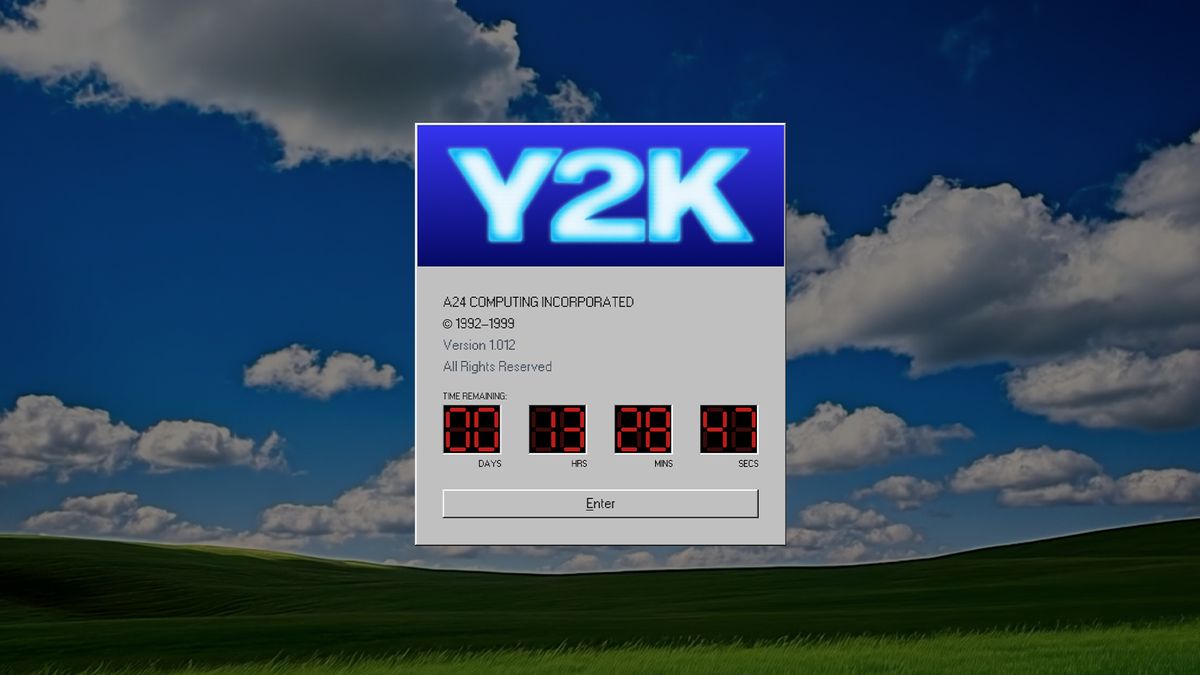
A24’s latest movie campaign might just be the time machine you never knew you needed. To celebrate its upcoming film Y2K, the entertainment company has created an interactive desktop complete with an instant messenger chatroom, a custom mixtape builder, and plenty of good old-fashioned retro UI design to get you in the throwback spirit.

Explore the Y2K Microsite

To enter the world of Y2K, you’ll need to link to your Spotify account and come up with a unique username. Once you’ve logged on, you’re instantly greeted by an instant message from ‘CoolBlue99’, an AI-powered chatbot which I admittedly wasted far too much time yapping with.

Customize Your Mixtapes

From there, you can get throwback playlists with the ‘CD Burner’ option, or even ‘Burn your own mix’ by selecting one of the curated vibes including ‘Late Night LimeWire’ and my personal favorite, ‘Teenage Rage Vol. 1’. Since the site is linked to Spotify, you can stream the throwback mixes on your account – I’ve got to admit, at least it’s more exciting than this year’s Spotify Wrapped.

A Refreshingly Creative Promo

Sneakily tucked away in the corner is the Y2K film trailer labelled Y2KPREV.mov, lest we forget this is a refreshingly creative promo for A24’s upcoming film. It’s great to see movies getting more creative with their promo lately, like Alien Romulus’ terrifying OOH campaign and Smile 2’s viral spooky guerilla marketing techniques. A24 expertly demonstrates that film promo can be more than traditional ad campaigns and press tours, a refreshing evolution that proves thinking outside the box can have a big impact.

Conclusion

A24’s Y2K microsite is a delightful trip down memory lane, full of nostalgic charm and creative design. It’s a refreshing change from the usual film promo fare, and a great example of how creative thinking can lead to a big impact. So, grab your old-school instant messaging handle, fire up your dial-up modem, and get ready to blast from the past.

FAQs

Q: What is the Y2K microsite?
A: The Y2K microsite is an interactive desktop experience created by A24 to celebrate its upcoming film Y2K. It features a retro-style instant messenger chatroom, a custom mixtape builder, and more.

Q: How do I access the Y2K microsite?
A: You can access the Y2K microsite by linking to your Spotify account and creating a unique username.

Q: What kind of content can I expect to find on the Y2K microsite?
A: The Y2K microsite features a range of content, including an instant messaging chatroom, a custom mixtape builder, and a film trailer for A24’s upcoming film Y2K.

Q: Is the Y2K microsite linked to my Spotify account?
A: Yes, the Y2K microsite is linked to your Spotify account, allowing you to stream throwback mixes and playlists.

Cross-Border AI Security via Data Embassies

Organizations are facing challenges navigating legislation as they look across borders for their artificial intelligence (AI) deployments. So-called "data embassies" could be a solution.

Data Embassies: A Solution for Cross-Border AI Deployments

According to a January 2024 report co-authored by the Asian Business Law Institute (ABLI) and the Singapore Academy of Law, data embassies can support an organization’s desire to "insulate" its data from being accessed by the authorities of the embassy’s host country.

Challenges in Transferring Data Across Borders

Citing its interactions with public and private organizations, ABLI noted that a recurring challenge involving the transfer of data across borders comes from the reluctance of customers to grant access to their data. Once data is transferred to the host country, where the data center is located, it falls under the possession of the recipient, leaving the customer transferring that data with limited ability to act if public authorities of the host country’s jurisdiction want access to it.

Establishing Risk Assessment and Mitigation Measures

One solution to this is to establish risk assessment and mitigation measures, ABLI said, while another is to establish data embassies. The latter allows for a balance between the customer’s need to protect their data and the host country’s need to exercise sovereignty over the territory on which the data embassy is located.

Data Embassies: A New Concept

A data embassy is a concept that allows a country to host a data center in its territory, while ensuring that the data stored in that center is subject to the laws of the country of origin, rather than the laws of the host country. This concept is gaining popularity, with countries such as Estonia and Bahrain having already adopted it, while others, such as India and Malaysia, are mulling its adoption.

The Need for Standard Legislation

A data embassy can also ease friction in a global environment where AI laws differ and are difficult to navigate across borders. There is currently no consistent position on who owns the output of AI, said Bryan Tan, a partner at law firm Reed Smith who works in the entertainment and media group. Does the person who ran the AI algorithm own it? Or does the one who created the LLMs, or the user who puts in the prompt?

Conclusion

In conclusion, data embassies offer a solution to the challenges faced by organizations in deploying AI across borders. By establishing a data embassy, organizations can ensure that their data is subject to the laws of their country of origin, rather than the laws of the host country. This concept is gaining popularity, with countries such as Estonia and Bahrain having already adopted it, while others, such as India and Malaysia, are mulling its adoption.

Frequently Asked Questions

Q: What is a data embassy?
A: A data embassy is a concept that allows a country to host a data center in its territory, while ensuring that the data stored in that center is subject to the laws of the country of origin, rather than the laws of the host country.

Q: What are the benefits of a data embassy?
A: A data embassy offers several benefits, including allowing organizations to protect their data from being accessed by public authorities of the host country, while also ensuring that their data is subject to the laws of their country of origin.

Q: What are the challenges in transferring data across borders?
A: The challenges in transferring data across borders include the reluctance of customers to grant access to their data, the risk of data being accessed by public authorities of the host country, and the need to ensure compliance with the laws of the host country.

The Rest Will Have to Make Do With AI

0

The Rise of Social-Emotional AI: A Game-Changer in Human Services

The burgeoning field of social-emotional AI is tackling the very jobs that people used to think were reserved for human beings—jobs that rely on emotional connections, such as therapists, teachers, and coaches. AI is now widely used in education and other human services.

Examples of AI in Human Services

Vedantu, an Indian web-based tutoring platform valued at $1 billion, uses AI to analyze student engagement, while a Finnish company has created “Annie Advisor,” a chatbot working with more than 60,000 students, asking how they are doing, offering help, and directing them to services. Berlin-based startup clare&me offers an AI audio bot therapist it calls “your 24/7 mental health ally,” while in the UK, Limbic has a chatbot “Limbic Care” that it calls “the friendly therapy companion.”

The Concerns About Automation

The question is, who will be on the receiving end of such automation? While the affluent are sometimes first adopters of technology, they also know the value of human attention. One spring day before the pandemic, I visited an experimental school in Silicon Valley, where—like a wave of other schools popping up that sought to “disrupt” conventional education—kids used computer programs for customized lessons in many subjects, from reading to math. There, students learn mainly from apps, but they are not entirely on their own.

The Importance of Human Connection

We know that good relationships lead to better outcomes in medicine, counseling, and education. Human care and attention helps people to feel “seen,” and that sense of recognition underlies health and well-being as well as valuable social goods like trust and belonging. For instance, one study in the United Kingdom—titled “Is Efficiency Overrated?”—found that people who talked to their barista derived well-being benefits more than those who breezed right by them. Researchers have found that people feel more socially connected when they have had deeper conversations and divulge more during their interactions.

The Depersonalization Crisis

Yet fiscal austerity and the drive to cut labor costs have overloaded many workers, who are now charged with forging interpersonal connections, shrinking the time they have to be fully present with students and patients. This has contributed to what I call a depersonalization crisis, a sense of widespread alienation and loneliness. US government researchers found that “more than half of primary care physicians report feeling stressed because of time pressures and other work conditions.” As one pediatrician told me: “I don’t invite people to open up because I don’t have time. You know, everyone deserves as much time as they need, and that’s what would really help people to have that time, but it’s not profitable.”

The Wealth Gap

The rise of personal trainers, personal chefs, personal investment counselors, and other personal service workers—in what one economist has dubbed “wealth work”—shows how the affluent are fixing this problem, making in-person service for the rich one of the fastest-growing sets of occupations. But what are the options for the less advantaged?

Conclusion

For some, the answer is AI. Engineers who designed virtual nurses or AI therapists often told me their technology was “better than nothing,” particularly useful for low-income people who can’t catch the attention of busy nurses in community clinics, for example, or who can’t afford therapy. And it’s hard to disagree, when we live in what economist John Kenneth Galbraith called ”private affluence and public squalor.”

FAQs

Q: What is social-emotional AI?

A: Social-emotional AI refers to the application of artificial intelligence in areas that require emotional connections, such as therapy, education, and coaching.

Q: What are some examples of AI in human services?

A: Examples include Vedantu, an Indian web-based tutoring platform, Annie Advisor, a chatbot working with over 60,000 students, and Limbic Care, a chatbot offering mental health support.

Q: What are the concerns about automation in human services?

A: The concern is that automation may replace human workers in areas that require emotional connections, leading to a sense of depersonalization and loneliness.

Q: What is the depersonalization crisis?

A: The depersonalization crisis refers to the widespread sense of alienation and loneliness resulting from the overload of workers and the drive to cut labor costs, leading to a lack of time and attention for patients and students.

Q: What are the options for the less advantaged?

A: For some, AI may be a viable option, particularly for those who cannot access human services due to financial constraints or busy schedules.

Deborah Saez’s 2D Art of the Week

0

Artist Spotlight: Deborah Saez’s Favourite Artworks

Growing up, Deborah Saez was inspired by everything from cartoons to games and anime. But it was Fumi Ishikawa’s work on Suikoden II that sparked her love of character design. “Her female designs were ahead of their time,” says Deborah.

The artist’s clients include EA and Games Workshop amongst others, and she creates digital art, 2D animation, and 3D animation. If you’re inspired by Deborah’s work, then read our guides to the best 3D modeling software and best digital art software for apps to begin creating with; you may also want one of the best drawing tablets.

Axe Warrior

This piece was an experiment to develop a cartoony style with my own touch. I started with a rough sketch, added fine lines, and applied basic cel-shading.

Who is in Control?

I wanted to create a horror character that’s more than it appears. I began with silhouettes, then painted in greyscale and finished by adding color and details.

Focus

My hope with this piece was to evoke the feeling of a still concept from an animated show. If you look closely, you’ll see exactly why she’s so focused.

Power and Envy

Sometimes as an artist, I get frustrated with my progress and need to vent. When that happens, I paint my frustrations on a blank canvas. This piece is the result.

Conclusion

Deborah Saez is a talented artist with a passion for creating unique and captivating artwork. Through her work, she showcases her skill and creativity, inspiring others to do the same. If you’re interested in learning more about Deborah’s art, be sure to check out her website for more of her amazing work.

FAQs

Q: What inspires Deborah’s artwork?
A: Deborah is inspired by everything from cartoons to games and anime.

Q: Who is Fumi Ishikawa?
A: Fumi Ishikawa is the artist behind Suikoden II, which inspired Deborah’s love of character design.

Q: What type of art does Deborah create?
A: Deborah creates digital art, 2D animation, and 3D animation.

Q: What are some of Deborah’s notable clients?
A: Deborah’s clients include EA and Games Workshop amongst others.

Q: How can I see more of Deborah’s artwork?
A: You can visit Deborah’s website for more of her amazing artwork.

Scaling LLMs with NVIDIA Triton and NVIDIA TensorRT-LLM Using Kubernetes

0

Optimizing and Deploying Large Language Models with NVIDIA TensorRT-LLM and Triton Inference Server

Hardware and software requirements

For optimizing and deploying your models, you need to have NVIDIA GPUs that support TensorRT-LLM and Triton Inference Server. It is recommended to use the new generations of NVIDIA GPUs. You can find the list of supported GPUs in the hardware section of the support matrix for TensorRT-LLM. You can also deploy your models on public cloud compute instances with the appropriate GPU resources such as AWS EKS, Azure AKS, GCP GKE, or OCI OKE.

Optimize LLMs with TensorRT-LLM

TensorRT-LLM supports a variety of state-of-the-art models. You can download the model checkpoints from Hugging Face, then use TensorRT-LLM to build engines that contain the model optimizations. To download the LLMs, you will need an access token. You can then create a Kubernetes secret with the access token, which will be used in a later step of Kubernetes Deployment to download the models.

Autoscale Deployment of LLMs with Kubernetes

After optimizing your LLMs with TensorRT-LLM, you can deploy the models using Triton and autoscale the deployment with Kubernetes. Three main steps are required to deploy LLMs for AI inference:

  1. Create a Kubernetes Deployment for Triton servers
  2. Create a Kubernetes Service to expose the Triton servers as a network service
  3. Autoscale the Deployment using Horizontal Pod Autoscaler (HPA) based on Triton metrics scraped by Prometheus

Helm Chart for LLM Deployment

You can use a Helm chart for deployment, as it is easy to modify and deploy across different environments. To find the Helm chart, see Autoscaling and Load Balancing Generative AI with Triton Server and TensorRT-LLM.

Send test inference requests

Finally, you can test the Triton servers by sending inference requests from clients. A sample client folder is provided, from which you can build a client container image:

$ docker build -f ./containers/client.containerfile -t ./containers/.

Next, modify the .yaml file in the client folder to the name of the client container image that you built. Use the following commands to create the Deployment of the client with one replica:

$ kubectl apply -f ./clients/gpt2.yaml
deployment.apps/client-gpt2 created

Conclusion

In this post, we provided step-by-step instructions for deploying LLMs and autoscaling the deployment in a Kubernetes environment. LLMs can be optimized using NVIDIA TensorRT-LLM, then deployed using NVIDIA Triton Inference Server. Prometheus collects the Triton metrics and communicates with Kubernetes. HPA can use a custom metric to autoscale the Pod numbers, depending on the amount of inference requests from clients.

Frequently Asked Questions

Q: What are the hardware requirements for optimizing and deploying LLMs?
A: NVIDIA GPUs that support TensorRT-LLM and Triton Inference Server are required. You can find the list of supported GPUs in the hardware section of the support matrix for TensorRT-LLM.

Q: How can I optimize LLMs using TensorRT-LLM?
A: You can download the model checkpoints from Hugging Face, then use TensorRT-LLM to build engines that contain the model optimizations. To download the LLMs, you will need an access token. You can then create a Kubernetes secret with the access token, which will be used in a later step of Kubernetes Deployment to download the models.

Q: How can I autoscale the deployment of LLMs with Kubernetes?
A: After optimizing your LLMs with TensorRT-LLM, you can deploy the models using Triton and autoscale the deployment with Kubernetes. Three main steps are required to deploy LLMs for AI inference: create a Kubernetes Deployment for Triton servers, create a Kubernetes Service to expose the Triton servers as a network service, and autoscale the Deployment using Horizontal Pod Autoscaler (HPA) based on Triton metrics scraped by Prometheus.

Q: What is a Helm chart for LLM deployment?
A: A Helm chart is a package of files that defines a Kubernetes application. It is easy to modify and deploy across different environments. You can find the Helm chart for LLM deployment in Autoscaling and Load Balancing Generative AI with Triton Server and TensorRT-LLM.

Iconic Logos Drawn with a Single Line

0

Unique Logo Reimagining with a Single Line

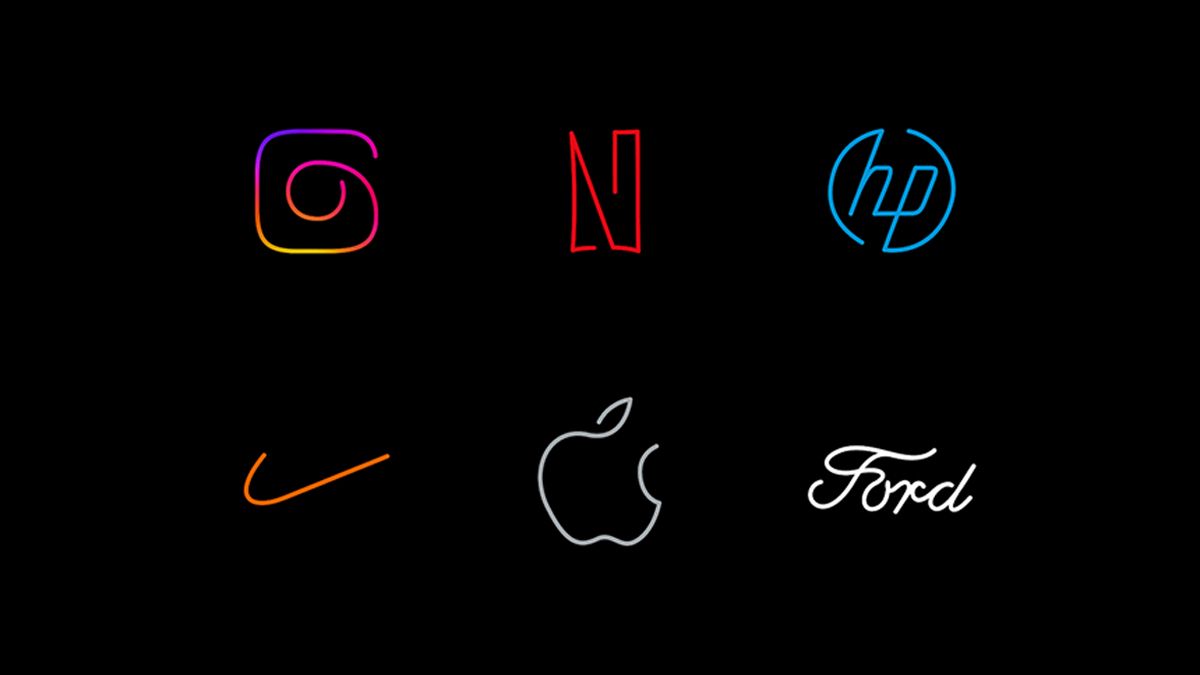
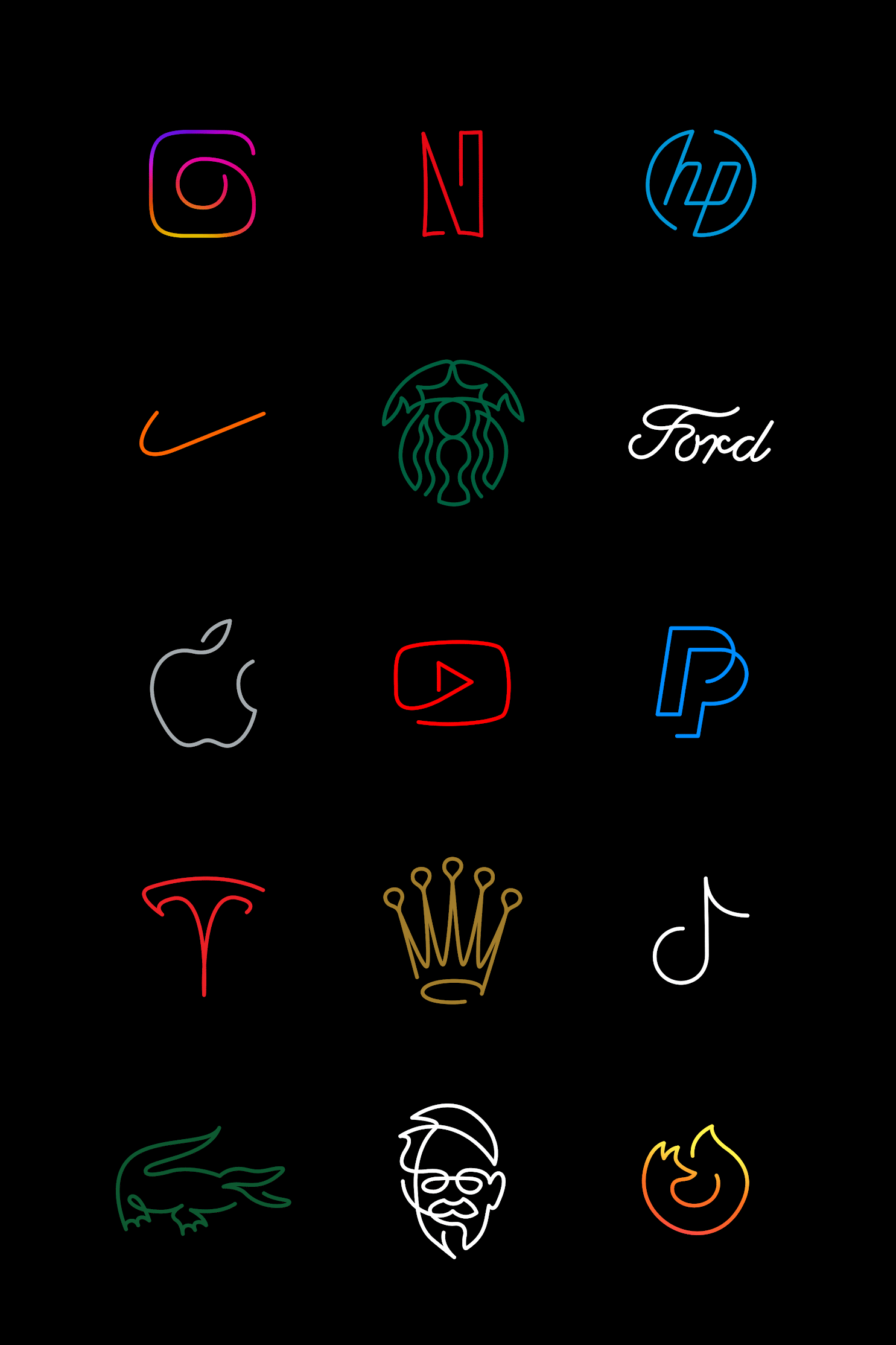
We’ve seen plenty of designers’ unique takes on iconic logos, but here’s one project that draws a line under the rest. French designer Stephane Leopold, co-founder of Loooop, a creative studio known for its minimalist line art, has reimagined 44 of the world’s most famous logos using one continuous line, and the results are quite mesmerising.

A New Perspective on Familiar Designs

The collection reimagines some of the world’s best logos in Loooop Studio’s signature style. It invites us to rediscover familiar designs in a new light by stripping them down to their essence. And in many cases, the fact that the logos remain instantly recognisable when stripped to their essence only serves to highlight the original designs’ ingenuity.

Minimalist Masterpieces

(Image credit: Loooop Studio)

Expressive and Minimal

Logos drawn with a single line

(Image credit: Loooop Studio)

Inspiration and Process

A New Perspective on Iconic Logos

Logos drawn with a single line

(Image credit: Loooop Studio)

Conclusion

Stephane Leopold’s reimagining of iconic logos with a single line is a testament to the power of simplicity and creativity. The project invites us to rediscover familiar designs in a new light, stripping them down to their essence and highlighting their ingenuity.

FAQs

Q: What inspired Stephane Leopold to create this project?
A: Stephane Leopold has been obsessed with logos since he was very young and wanted to create a unique take on iconic logos using a single line.

Q: What was the process like for creating these logos?
A: Stephane Leopold started with instinctive, hand-drawn line directions to capture the general shape and movement of the subject and to identify its key features. He then refined the design until he was satisfied with the aesthetic of the final creation.

Q: What is the significance of using a single line in this project?
A: The use of a single line adds a level of simplicity and elegance to the logos, making them even more recognizable and iconic.

AI: How It Works and How to Make It Learn

What Is the Purpose of AI and Its Algorithms?

The principal aim of AI and its algorithms is to imitate, enhance, and sometimes even outperform human intelligence in performing particular tasks. AI seeks to simplify complex processes, amplify efficiency, and make informed decisions based on data, in ways that humans either can’t or would find painfully time-consuming and prone to error.

Key Capabilities of AI Today

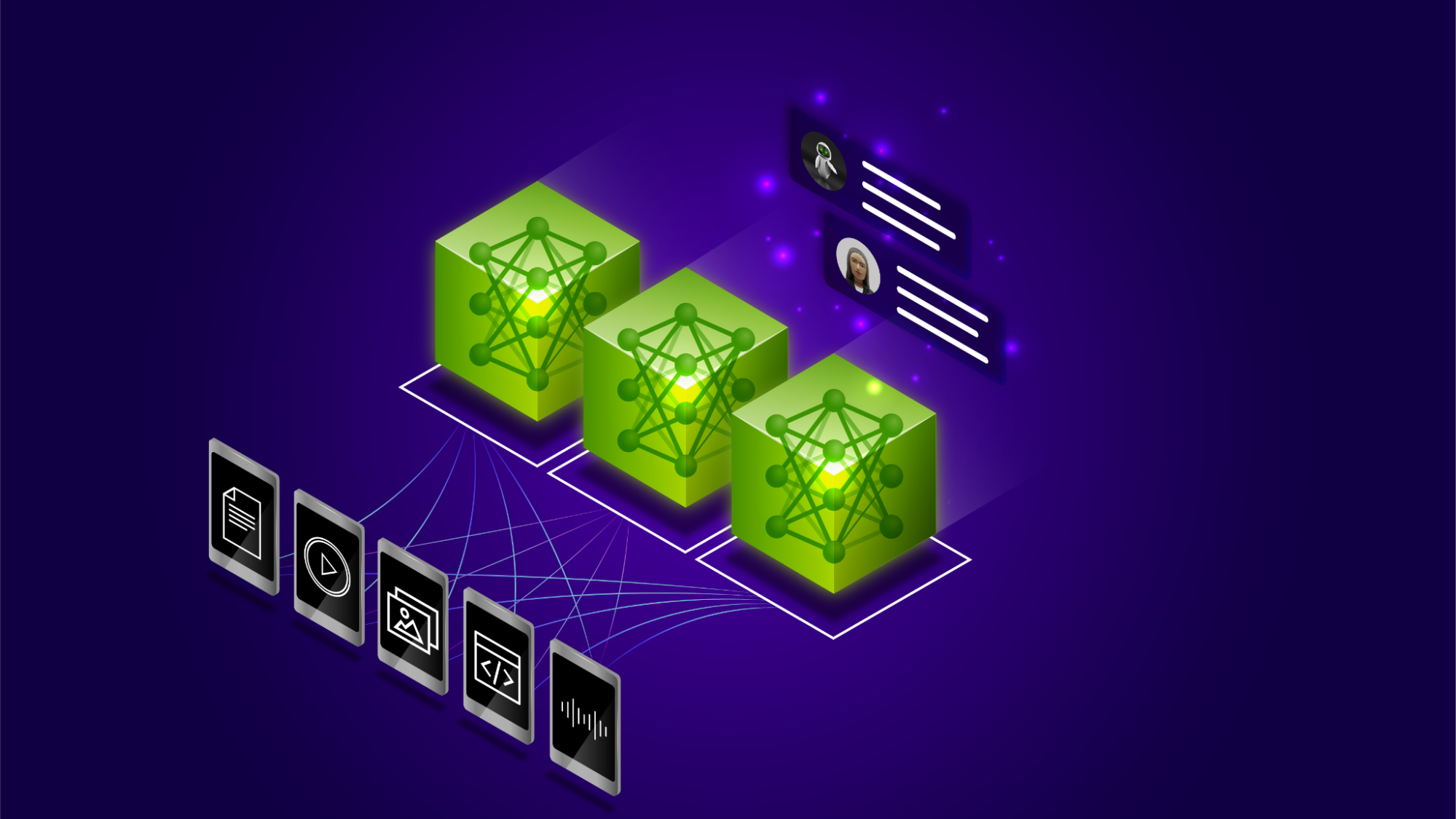
AI is no longer just a futuristic concept – it is actively shaping industries and improving daily life. Here are some of the things AI can do today:

  • Automation of Routine Tasks: AI-powered systems automate tasks like sorting emails, answering customer queries, or managing supply chains. For instance, Amazon’s warehouse robots process millions of items daily, improving operational efficiency.
  • Natural Language Processing (NLP): NLP powers voice assistants like Siri, Alexa, and Google Assistant, which have become ubiquitous in everyday life. By the end of 2021, Demandsage reported that over 8.4 billion digital voice assistants were in use worldwide.
  • Image and Speech Recognition: AI is used for facial recognition, an artificial intelligence technology that is already employed in security systems, such as in airports and smartphones.
  • Data Analysis and Predictions: AI analyzes massive datasets to identify patterns and make predictions. For instance, IBM Watson is used in healthcare to analyze medical records and recommend personalized treatment plans.
  • Personalization: AI is used in healthcare to analyze patient data and assist in diagnosing conditions like cancer, heart disease, and diabetes.
  • Advanced Problem-Solving: AI is used in healthcare to analyze patient data and assist in diagnosing conditions like cancer, heart disease, and diabetes.

The Broader Purpose of AI

AI is designed to augment human capability, lighten the workload, and solve problems that are otherwise impossible to handle manually. By detecting diseases at an early stage to save lives, simplifying routine tasks, or opening ways to revolutionary inventions, AI is gradually changing the way we live, work, and interact with each other.

The Complexity of Bot Logic

However, how the student bot achieves its results is something neither the teacher bot, the builder bot, nor the human overseer can truly understand. Not even the student bot itself knows how it works.

Why Bots Are Hard to Understand

  • Complex Wiring: After countless iterations, bots’ internal logic becomes so intricate that even developers can’t fully explain it.
  • Task Specialization: Bots excel at specific tasks (e.g., recognizing photos) but struggle with variations (e.g., upside-down images).

The Role of Data

  • More Data, Better Bots: Longer and more comprehensive tests improve bot accuracy.
  • Human Input: CAPTCHA tests and other user activities contribute to creating better test datasets for bots.

Human Interaction with Bots

When you encounter an "Are you human?" test on a website, you’re not only confirming your humanity (hopefully), but you’re also contributing to building tests that help bots learn to read, count, or differentiate between lakes and mountains—or horses and humans.

Hypothetical Case Study

For example, let’s consider a platform aiming to keep users watching as long as possible. Measuring how long a user stays on the site is straightforward. The teacher bot assigns each student bot a group of the platform’s users to monitor. The student bots observe what their users watch, analyze their preferences, and attempt to recommend videos that will maximize user engagement.

Real-World Applications of Bots

  • CAPTCHA Tests
  • Streaming Platforms
  • Internet Algorithms

Bots’ Role Across the Internet

Everywhere on the internet, behind the scenes, algorithms are constantly at work. They run tests to:

  • Increase user interaction.
  • Set prices optimally to maximize revenue.
  • Select posts from your friends that you’re most likely to enjoy.
  • Recommend articles that people are most likely to share.

Conclusion

We’re accustomed to the idea that the tools we use, even if we don’t fully understand them, are understood by someone else. However, with machines that learn, we’re increasingly in a situation where we rely on tools—or are influenced by tools—that no one, not even their creators, fully comprehends.

FAQs

Q: What is the purpose of AI and its algorithms?
A: The principal aim of AI and its algorithms is to imitate, enhance, and sometimes even outperform human intelligence in performing particular tasks.

Q: What are some key capabilities of AI today?
A: AI is being used for automation of routine tasks, natural language processing, image and speech recognition, data analysis and predictions, personalization, and advanced problem-solving.

Q: How do bots learn?
A: Bots learn through complex wiring and task specialization, and their internal logic becomes increasingly intricate with each iteration.

Q: What is the role of data in bot learning?
A: More data allows for longer and more comprehensive tests, which improve bot accuracy, and human input contributes to creating better test datasets for bots.

Q: How do humans interact with bots?
A: Humans interact with bots through various tests, such as CAPTCHA tests, which help bots learn to recognize patterns and make predictions.