Home Blog Page 603

Blurring the Brushstrokes

0

The Rise and Rise of AI Art

Midjourney is certainly not the first AI art generator. If we exclude the automata of ancient Greece – which probably didn’t generate an image of your dog driving a Ferrari in 15 seconds – the 1950s and 1960s were when the first computer-generated artworks began to emerge. German computer scientist and artist Frieder Nake used a digital computer to create art by programming it to draw random shapes and patterns, producing works that were both abstract and beautiful.

Another notable pioneer was Harold Cohen, a British artist who developed AARON. Initiated in the late 1960s and continuously refined over several decades, AARON could autonomously create drawings and paintings. Cohen’s work with AARON challenged traditional notions of authorship and creativity, as the program’s outputs were seen as collaborative efforts between the machine and its human creator.

Generative adversarial networks (GANs) are the face of AI art today. They represent a significant advancement in AI and machine learning, enabling the generation of highly realistic data, whether it’s sound, video, text, or images—realistic enough that it could feasibly have been created by a human being.

Who Owns AI Art?

One of the primary ethical dilemmas in AI-generated art revolves around the concepts of ownership and authorship. Traditional art is intrinsically linked to the identity of the artist. If I draw you a picture of a pelican, it’s clearly my (frankly awful) work. But when a machine creates art, who owns the rights? Is it the programmer who designed the algorithm, the user who input the prompt that it was generated from, or the AI itself?

Current legal frameworks struggle to address these questions because they predate such considerations. In most jurisdictions, AI cannot hold copyrights, which leaves the human contributors to the process to claim ownership. This scenario often leads to disputes and calls for updated legal provisions that can adequately encompass the nuances of AI-generated creations.

Can Machines Be Creative?

Creativity is often seen as a uniquely human trait, involving intuition, emotion, and experience. AI, on the other hand, generates art based on patterns and data it has been trained on – the art that humans have already lived. Does this mean AI art is merely derivative, lacking the authentic spark of human creativity?

While some argue that AI lacks true creative agency, others believe that it offers a new form of creativity — one that is collaborative between human and machine. They see AI as a tool that extends human creative capabilities rather than replacing them.

Ethical Use of Source Material

AI art generation relies heavily on existing works to learn and produce new pieces. AI models are trained on datasets that include copyrighted works, usually without the explicit permission of the original creators. This unconsented use can be seen as a form of intellectual property theft.

The obvious way to combat this is greater transparency and regulation around the datasets used to train AI. Artists should be credited and compensated when their works contribute to the creation of new pieces by AI, or allowed to exclude their work from training datasets.

How Society is Shaping AI Art

AI-generated art also has broader societal implications. The datasets used to train AI models can introduce biases, reflecting and perpetuating stereotypes present in the source material. For instance, if an AI is trained predominantly on Western art, it may fail to produce works that reflect diverse cultures and perspectives.

Additionally, the rise of AI art could impact the livelihoods of human artists. As AI becomes more capable of producing high-quality art, it could devalue the work of human artists, particularly those who rely on commissions and sales to sustain their practice.

What is Next for AI-Generated Art?

As AI continues to evolve, we have to tread these ethical boundaries carefully. The development of clear guidelines and regulations can help ensure that AI-generated art respects the rights and contributions of all involved parties.

A collaborative approach between human artists and AI could lead to innovative and ethically sound creations. By embracing AI as a tool that enhances rather than replaces human creativity, we can explore new artistic frontiers while maintaining the integrity and diversity of the art world.

AI-generated art is a testament to the incredible advancements in technology and its potential to revolutionise the creative industries that we love so dearly. However, with great power comes great responsibility. As we continue to push the boundaries of what is possible with AI, we’ll have to address the ethical implications head-on, ensuring a future where technology and creativity coexist harmoniously.

Conclusion

As AI-generated art continues to evolve, it is essential to consider the ethical implications of this technology. From questions of ownership and authorship to the potential biases and societal impacts, AI art requires a nuanced understanding of its capabilities and limitations. By embracing AI as a tool that enhances human creativity, we can unlock new artistic possibilities while respecting the rights and contributions of all involved parties.

FAQs

Q: Who owns the rights to AI-generated art?

A: The ownership of AI-generated art is a complex issue, as it often relies on the contributions of multiple parties, including the programmer, user, and AI itself. Clear guidelines and regulations are needed to address these questions.

Q: Can AI truly be creative?

A: While AI can generate art that rivals human creations, the debate surrounding its creative agency continues. Some argue that AI lacks true creative agency, while others see it as a tool that extends human creative capabilities.

Q: How can AI-generated art be used ethically?

A: AI-generated art can be used ethically by ensuring transparency and regulation around the datasets used to train AI, crediting and compensating artists when their works contribute to the creation of new pieces, and addressing potential biases and societal impacts.

Q: Will AI replace human artists?

A: AI-generated art is unlikely to replace human artists entirely, but it may impact the livelihoods of some artists who rely on commissions and sales. A collaborative approach between human artists and AI could lead to innovative and ethically sound creations.
Japan’s AI Innovation Accelerated

0

Lifelike digital humans engage with audiences in real time. Autonomous systems streamline complex logistics. And AI-driven language tools break down communication barriers on the fly.

This isn’t sci-fi. This is Tokyo’s startup scene.

Supercharged by AI — and world-class academic and industrial might — the region has become a global innovation hub. And the NVIDIA Inception program is right in the middle of it.

Supercharging Japan’s Creative Class

Iconic works from anime to manga have not only redefined entertainment in Japan — they’ve etched themselves into global culture, inspiring fans across continents, languages and generations.

Now, Japan’s vibrant visual pop culture is spilling into AI, finding fresh ways to surprise and connect with audiences.

Take startup AiHUB’s digital celebrity Sali.

Sali isn’t just a character in the traditional sense. She’s a digital being with presence — responsive and lifelike. She blinks, she smiles, she reacts.

Here, AI is doing something quietly revolutionary, slipping under the radar to redefine how people interact with media.

At AI Summit Japan, AiHUB revealed that it will adopt the NVIDIA Avatar Cloud Engine, or ACE, in the lip-sync module of its digital human framework, providing Sali nuanced expressions and human-like emotional depth.

ACE doesn’t just make Sali relatable — it puts her in a league of characters who transcend screens and pages.

This integration reduced development and future management costs by approximately 50% while improving the expressiveness of the avatars, according to AiHUB.

SDK Adoption: From Hesitation to High Velocity

In the global tech race, success doesn’t always hinge on the heroes you’d expect.

The unsung stars here are software development kits — those bundles of tools, libraries and documentation that cut the guesswork out of innovation. And in Japan’s fast-evolving AI ecosystem, these once-overlooked SDKs are driving an improbable revolution.

For years, Japan’s tech companies treated SDKs with caution. Now, however, with AI advancing at lightspeed and NVIDIA GPUs powering the engine, SDKs have moved from a quiet corner to center stage.

Take NVIDIA NeMo, a platform for building large language models, or LLMs. It’s swiftly becoming the background for Japan’s latest wave of real-time, AI-driven communication technologies.

One company at the forefront is Kotoba Technologies, which has cracked the code on real-time speech recognition thanks to NeMo’s powerful tools.

Under a key Japanese government grant, Kotoba’s language tools don’t just capture sound — they translate it live. It’s a blend of computational heft and human ingenuity, redefining how multilingual communication happens in non-English-speaking countries like Japan.

The Power of Cross-Sector Synergy

The gears of Japan’s AI ecosystem increasingly turn in sync thanks to NVIDIA-powered infrastructure that enables startups to build on each other’s breakthroughs.

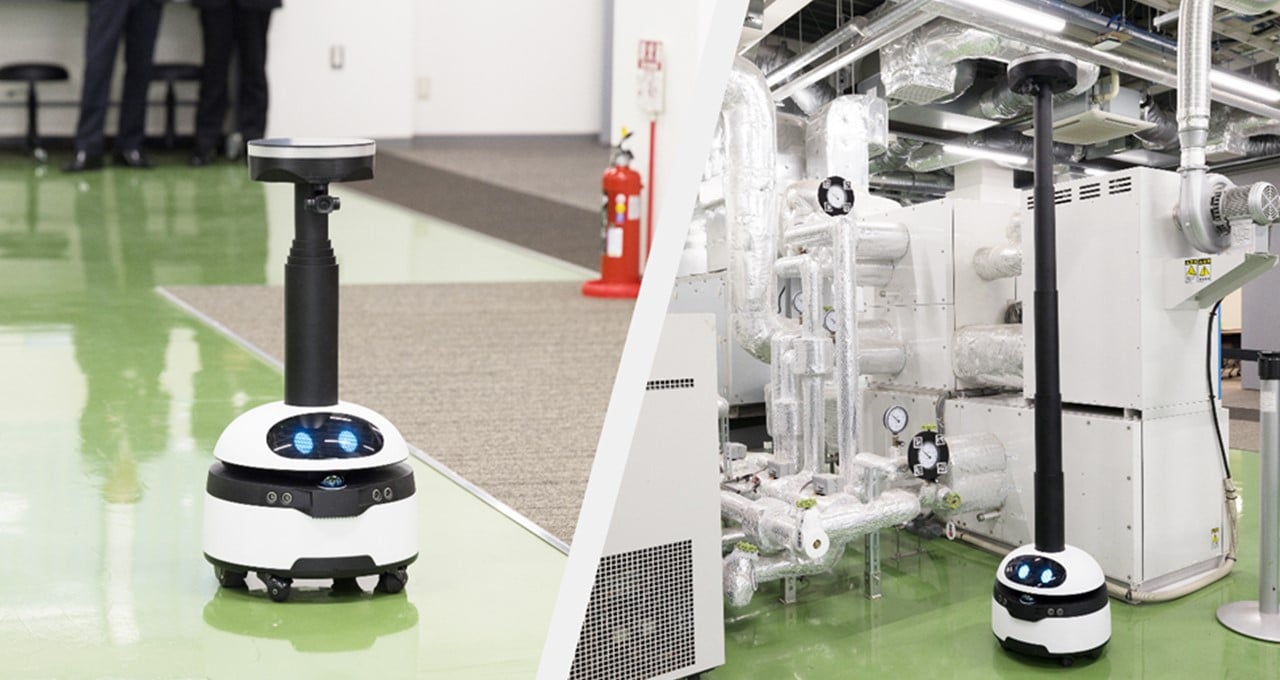
As Japan’s population ages, solutions like these address security needs as well as an intensifying labor shortage. Here, ugo and Asilla have taken on the challenge, using autonomous security systems to manage facilities across the country.

Asilla’s cutting-edge anomaly detection was developed with security in mind but is now finding applications in healthcare and retail. Built on the NVIDIA DeepStream and Triton Inference Server SDKs, Asilla’s tech doesn’t just identify risks — it responds to them.

The Story Behind the Story: Tokyo IPC and Osaka Innovation Hub

All of these startups are part of a larger ecosystem that’s accelerating Japan’s rise as an AI powerhouse.

Leading the charge is UTokyo IPC, the wholly owned venture capital arm of the University of Tokyo, operating through its flagship accelerator program, 1stRound.

Cohosted by 18 universities and four national research institutions, this program serves as the nexus where academia and industry converge, providing hands-on guidance, resources and strategic support.

By championing the real-world deployment of seed-stage deep-tech innovations, UTokyo IPC is igniting Japan’s academic innovation landscape and setting the standard for others to follow.

Conclusion

Japan’s AI ecosystem is a testament to the power of innovation, collaboration, and the relentless pursuit of excellence. With NVIDIA at the forefront, the region is poised to continue pushing the boundaries of what’s possible, from lifelike digital humans to autonomous security systems.

FAQs

Q: What is the NVIDIA Inception program?
A: The NVIDIA Inception program is a global initiative that provides AI startups with access to NVIDIA technology, expertise, and resources to accelerate their innovation and growth.

Q: What is the significance of Japan’s AI ecosystem?
A: Japan’s AI ecosystem is a global innovation hub, driven by world-class academic and industrial might, and supercharged by AI. It is a testament to the power of innovation, collaboration, and the relentless pursuit of excellence.

Q: What is the role of NVIDIA in Japan’s AI ecosystem?
A: NVIDIA is a key player in Japan’s AI ecosystem, providing AI startups with access to its technology, expertise, and resources to accelerate their innovation and growth.

Q: What are some of the notable startups in Japan’s AI ecosystem?
A: Some of the notable startups in Japan’s AI ecosystem include AiHUB, Kotoba Technologies, ugo, and Asilla, among others.

Artificial Intelligence: The Evolution of Digital Illustration

0

AI as a creative partner

It’s time to make friends with the enemy. One of the most exciting aspects of AI in digital illustration is its role as a creative partner. Advanced algorithms and machine learning techniques enable AI to generate intricate designs and suggest creative directions that might not occur to human illustrators. Tools like Adobe’s Sensei exemplify this potential by transforming simple sketches into detailed artwork or generating vast landscapes from rough outlines.

These tools extend the artist’s imagination, providing a starting point that can be further refined and personalised. Rather than replacing human creativity, AI enhances it, offering a collaborative approach that blends human intuition with machine precision. As these technologies continue to evolve, we can expect more sophisticated tools that provide even greater creative freedom and flexibility.

Automating the tedious

Another significant benefit of AI in digital illustration is its ability to automate repetitive and time-consuming tasks. AI-powered tools can streamline processes like colouring, shading, and background creation, allowing illustrators to focus on the more nuanced and creative aspects of their work. For example, the auto-colouring feature in Clip Studio Paint uses AI to predict and apply colours based on the artist’s initial inputs, significantly reducing the time spent on manual colouring.

Pushing the boundaries of imagination

AI’s capability to analyse vast amounts of data and identify patterns opens new possibilities for digital illustration. By studying millions of images, AI can understand different artistic styles, compositions, and colour schemes, providing insights that can inspire novel and unique illustrations. AI can suggest unexpected combinations of elements, encouraging artists to push the boundaries of their imagination and explore new creative horizons.

The ethical dimension

As AI continues to integrate into the world of digital illustration, important ethical considerations are raised. Issues such as authorship, originality, and the potential for job displacement are at the forefront of discussions. While AI can generate impressive artwork, the question of who owns the rights to these creations still needs to be answered. Is it the artist who guided the AI, the developer who created the algorithm, or the AI itself?

As AI tools become more accessible, there is a concern about the devaluation of human creativity. The speed and ease with which AI can produce art might lead to an oversaturation of generic designs, making it challenging for truly unique and original works to stand out. Addressing these ethical challenges will be crucial in the coming years.

Conclusion

The future of AI in digital illustration is undoubtedly promising, offering a blend of automation, inspiration, and innovation. By acting as a creative partner, automating tedious tasks, and pushing the boundaries of imagination, AI has the potential to revolutionise the way artists work. However, this evolution also comes with ethical considerations that must be thoughtfully addressed to ensure that AI enhances rather than diminishes human creativity and that professional artists are fairly compensated for their time and vision.

As we look to the future, embracing AI’s capabilities while maintaining a commitment to originality and ethical practices is the ideal path. Hopefully the synergy between human artists and AI can lead to a new era of digital illustration, where creativity knows no bounds.

FAQs

Q: What are the benefits of AI in digital illustration?

A: AI can act as a creative partner, automate repetitive tasks, and push the boundaries of imagination, revolutionising the way artists work.

Q: Can AI replace human creativity?

A: No, AI enhances human creativity by providing new ideas, suggestions, and tools that can be further refined and personalised by the artist.

Q: Who owns the rights to AI-generated artwork?

A: This is a complex issue, and the answer will depend on the specific context and agreements in place between the artist, developer, and AI algorithm.

Q: Will AI lead to job displacement for digital artists?

A: While AI can automate certain tasks, it also creates new opportunities for artists to focus on higher-level creative work and explore new styles and techniques.

Q: How can I get started with AI-powered digital illustration tools?

A: Start by exploring popular tools like Adobe Sensei, Clip Studio Paint, and DALL-E, and read about the latest developments in AI-powered digital illustration.

Build Your Own AI Art Generator

Understanding AI Art Generators

Before we get into all the tech details, you need to know what an AI art generator is. Powered by AI, AI art generators rely heavily on machine learning to create artwork based on the inputs provided by users. These tools learn a lot by examining huge sets of existing art, and they are able to generate original works in numerous styles, themes, and techniques that the viewer will never notice as computer-made.

The Rise of AI Art Generators

AI art generators aren’t just a passing craze—they’re sparking a significant change in how we think about creativity and artistic expression. According to Market Research, the AI art market could shoot up from $298 million in 2023 to about $8.2 billion by 2032. This rapid increase shows the rising interest in AI-made art and how it might be used in many fields.

How AI Art Generators Work

I. Data Collection

Have you ever wondered what’s at the core of an AI art generator? It’s all about the data. If you plan to create your own, you’ll first need a solid collection of varied images. Think of your dataset as the paint and canvas of your AI art project. Gathering this data involves a few essential steps:

  1. Types of Data Required: Your image collection should include a wide range of styles. Different styles, like portraits and landscapes, give the AI more to learn from. It helps if each picture has details like tags or descriptions so your AI can understand the style and content.
  2. Sources for Data Collection: You can source data from various places, including:
    • Public Datasets: Numerous public datasets are available for research and commercial use. Examples include WikiArt, Google’s Open Images, and Flickr’s Creative Commons collection. These datasets can provide a solid foundation for training your model.
    • Web Scraping: When looking for very specific images or styles, web scraping might help. With tools like Beautiful Soup or Scrapy, you can gather images from different sites, but remember to keep copyright considerations in mind.
    • Your Own Image Collections: If you’re an artist or designer, including your own work can bring a unique flavor to the generator, shaping it around your specific style and vision.

II. Model Selection

Once you have your dataset ready, it’s time to opt for a model architecture. The model you choose matters. Here are some popular options:

  1. Generative Adversarial Networks (GANs): GANs are widely used for creating images. Imagine two competing artists: one (the generator) tries to create realistic images, and the other (the discriminator) critiques them. This back-and-forth makes the generator’s images more and more lifelike over time. Many believe MidJourney uses a form of GAN to create impressive artwork, tapping into this model’s strengths for stunning visuals.
  2. Variational Autoencoders (VAEs): VAEs take another approach. Instead of a critique-based method, they simplify and reconstruct images, making them easier to train. However, they might not achieve the same level of detail as GANs.

III. Training the Model

Training your AI art generator is where it all starts coming to life. In this stage, the model learns from the images you’ve collected. Here’s how the training generally works:

  1. Training Datasets: Start by dividing your images into training, validation, and testing sets—usually around 80% for training and 10% each for validation and testing. This setup helps you see how well your model can handle new, unseen images.
  2. Rounds of Training and Feedback: Training usually requires multiple epochs, which are complete passes through the training dataset. The model updates its parameters based on the feedback it receives. The choice of loss function is crucial, as it guides the training process. Common loss functions for GANs include Wasserstein loss and binary cross-entropy.
  3. Hardware and Software Requirements: Training can demand a lot of computing power. It’s best to have high-performance GPUs (graphics processing units), such as NVIDIA, or consider cloud services like AWS or Google Cloud if you’re going big.
    • Software Frameworks: Tools like TensorFlow and PyTorch are highly recommended since they come with functions and modules that simplify building and training your model.

IV. Fine-tuning and Evaluation

After the first round of training, adjusting your model is vital to getting better results. Wondering how to go about it? Here are some tips:

  1. Licensing Datasets: Some datasets require licenses for commercial use. Be sure to read the terms of use and comply with any restrictions. Budget for licensing costs, if applicable:
    • Public Domain Datasets: Some datasets are free, while others may require a fee. Research and choose datasets that align with your budget and project goals.

Use Cases and Applications

AI art generators have plenty of uses across all kinds of fields. Have you ever thought about where AI art might fit? Here are a few examples:

  1. Marketing and Advertising: Companies can turn to AI-made art for ad campaigns, social posts, and branding. With AI art, brands can share fresh, unique visuals to stand out. For example:
    • Social Media Content: Brands can grab attention with AI-generated images, boosting likes and shares.
    • Ad Creatives: Digital ads get a lift with unique, AI-created images that connect with audiences.
  2. Entertainment and Gaming: Game developers can design assets, characters, and worlds using AI art. This approach speeds things up and cuts costs. Here’s how:
    • Character Design: Developers can create one-of-a-kind characters with distinct traits to make gameplay more exciting.
    • Environment Creation: AI can quickly generate landscapes, letting designers build immersive game worlds quickly.
  3. Personal Use: Many people enjoy using AI art just for fun, whether for personal art projects or decorating their spaces. Notably, 70% of users leverage Midjourney for fun. Here are some ideas:
    • Home Decor: Create custom artwork to make your home feel unique.
    • Social Media Profiles: AI-generated images make eye-catching profile pics perfect for standing out online.

Potential Business Models

Mulling over creating your own AI art generator? If so, you might also be wondering how to make money from it. Here are a few ways to do just that:

  1. Subscription-Based Model: Users pay a monthly fee to access your generator, plus any new features or updates. This setup can provide a steady income. How could you structure it?
    • Tiered Pricing: Try offering different levels, like a basic plan with limited access and a premium one with extra perks.
    • Exclusive Content: Give subscribers access to unique styles or special datasets, making their experience more valuable and encouraging them to stick around.
  2. Pay-Per-Use Model: This lets users pay each time they create something, which is great for casual users who just want to experiment a bit. Here’s one way to set it up:
    • Credits System: Users buy credits to create images, paying only for what they need.
    • Flexible Pricing: Offer various prices based on image quality or size. For instance, high-res images might cost more credits than standard ones.

Challenges and Considerations

To create your AI art generator, you should know that the process comes with its own set of challenges. Let’s take a look at some common hurdles and strategies to overcome them:

  1. Data Quality: The quality of your output depends greatly on the images you feed into your model. Using high-quality, diverse images is key. Here’s how to stay on top of this:
    • Curate Datasets: Spend time selecting images that truly match the styles and themes you want to create. Toss out any low-quality ones that could throw off your model.
    • Regular Updates: Add new images now and then to keep your generator producing fresh results.
  2. Ethical Concerns: With the boom of new AI technologies and AI-generated art accessible to everyone, ethical considerations arise, such as the potential for plagiarism and the impact on traditional artists. To explore this topic more, read our article on why AI regulation is crucial.

Tips to Overcome Challenges

  1. Implement Robust Data Management: Regular updates and monitoring of your images can improve how well your model performs. Try these practices:
    • Version Control: Keep track of dataset changes so you’re always using the best images.
    • Quality Checks: Put in place checks to ensure the images in your set meet your standards.
  2. Foster Community Engagement: Engaging users can help create a supportive community around your generator. Here’s how:
    • Feedback Mechanisms: Set up a way for users to give feedback on the images, helping you improve things as you go.
    • User Showcase: Create a space to show off user-created art, encouraging people to share and connect.

Conclusion

Building your own AI art generator is a fun project that lets you blend tech and creativity in a new way. By grasping the basics, figuring out each building step, and thinking about the costs, you can create a tool that sparks user creativity. Have you ever considered making something like the popular MidJourney AI art app? Or maybe you’re just curious about diving into this field? Either way, the possibilities are wide open.

FAQs

Q: What is an AI art generator?
A: An AI art generator is a tool that uses machine learning to create original artwork based on user inputs.

Q: How does an AI art generator work?
A: An AI art generator works by collecting a dataset of images, selecting a model architecture, training the model, and fine-tuning and evaluating the results.

Q: What are some potential business models for an AI art generator?
A: Some potential business models for an AI art generator include subscription-based models, pay-per-use models, and licensing datasets.

New M4 MacBook Pros Discounted Ahead of Black Friday

0

Black Friday MacBook Pro M4 Deals

A Good Time to Buy?

With Black Friday sales now live at many retailers, I’d normally expect it to be a good time to seek out a deal on an older generation MacBook Pro (when I say older, I mean from 2023, hardly an eon ago). But this year, you don’t have to resort to older tech for a great deal: there are already decent discounts on the new M4 MacBook Pros, which were released just over a week ago.

Amazon Deals

Amazon already has $125 off the M4 MacBook Pro 14 – reduced from $1,599 to $1,474. This is the entry-level model from the new range, but it’s a notable step up from the entry-level M3 MacBook Pro because it comes with a minimum 16GB RAM instead of 8GB, as well as the new, faster processor. If you do need more power, Amazon also has $200 off the M4 Pro chipped MacBook Pro 16.

UK Deals

And for once, UK readers don’t have to miss out on early deals. Amazon UK has £149 off the new M4 MacBook Pro 14, which is pretty unprecedented. It’s not unheard of for Amazon US to drop deals on brand new MacBooks in the US, but they tend to be smaller discounts. And in ten years of tracking MacBook prices, we’ve rarely seen a decent deal in the UK within the first few weeks of launch.

Performance and Battery Life

These laptops are so new, we haven’t finished our own tests on them, but our reviewer’s initial impression is that they provide iterative but notable performance enhancements over last year’s M3 laptops, particularly when it comes to that entry-level model. Battery life, which was already among the best of any laptop, also appears to be even better, approaching true all-day durations.

Full Guide to Black Friday Deals

See our full guide to Black Friday MacBook deals and Black Friday laptop deals in general for more deals, but here are the full details over those early Black Friday deals on the new MacBook Pro M4.

The Best Early Black Friday MacBook Pro M4 Deals

Not in the US? You can check the best prices on a range of MacBooks in your area below.

Conclusion

If you’re in the market for a new MacBook Pro, now is a great time to buy. With discounts already available on the new M4 models, you can get a powerful and efficient laptop without breaking the bank.

FAQs

Q: Are these deals only available in the US?
A: No, Amazon UK is also offering a £149 discount on the new M4 MacBook Pro 14.

Q: How do the M4 MacBook Pros compare to last year’s M3 models?
A: The M4 MacBook Pros provide iterative but notable performance enhancements over last year’s M3 laptops, particularly in the entry-level model.

Q: What about battery life?
A: The M4 MacBook Pros have even better battery life than last year’s models, approaching true all-day durations.

Q: Can I find more deals on other MacBooks?
A: Yes, see our full guide to Black Friday MacBook deals and Black Friday laptop deals in general for more deals.

When is Enough Really Enough?

0

AI: Is it too up Close and Personal?

First things first:

The notion that AI will “take over” is underlying most conversations about it. Whilst it’s not necessarily building an army of its own robotic chassis and pushing us out into the streets, we are relying heavily on it more and more each day.

It begs the question, could human laziness lead to our downfall, or could it create something amazing?

Artificial Intelligence is Awesome

The world of art is undergoing a fascinating transformation. Artificial intelligence (AI) is no longer on the periphery – it’s rapidly becoming a powerful tool for artists and enthusiasts alike. But what if you could take it a step further? What if you could create art that’s not just AI-generated but truly personal?

The good news is, you can. AI art customisation is rising, allowing you to create pieces that reflect your unique style, interests, and emotions.

What is AI Image Generation?

Before diving into customisation, let’s establish what AI image generation actually is. In essence, it’s the process of using artificial intelligence to create digital images based on a textual description.

These AI systems are trained on massive datasets of text and corresponding images. They learn to identify patterns and relationships between the words and the visuals, allowing them to generate new images when prompted with a text description.

How Personal Can You Get?

The level of personalisation varies depending on the AI art tool you choose. Here are some ways you can inject your own creative spark:

Style Selection:

Many AI art generators offer a range of artistic styles, from classic impressionism to mind-bending futurism. Choose a style that resonates with you, setting the foundation for your personalised artwork.

Keyword Control:

Provide the AI with specific keywords or phrases that guide the artwork’s content. Imagine a meme painted in the style of Van Gogh or a photorealistic portrait of your pet reimagined as a Renaissance noble. The possibilities are endless!

Emotional Input:

Some AI art tools allow you to specify the desired mood or emotion of the artwork. Craving a piece that evokes tranquillity? Feed the AI terms like “soft light,” “pastel colours,” and “tranquil landscapes.” Want something more energetic? Go for keywords like “bold colours,” “dynamic composition,” and “powerful imagery.”

Iterative Refinement:

Many AI art platforms allow you to generate multiple variations based on your initial prompt. This lets you refine the artwork step-by-step, nudging the AI toward your vision. Don’t like the hair colour in the portrait? Provide feedback and let the AI create a new version.

Beyond the Basics of Personal AI

The world of AI art customisation is constantly evolving, and here are some exciting possibilities that peek beyond what’s currently available:

AI-assisted Curation: Imagine an AI that acts like your personal art sherpa. It can delve into vast datasets of art history and contemporary creations, recommending styles and artists that align with your preferences.

Emotional Biofeedback: The future of AI art customisation might involve a deeper connection between you and the creative process, such as wearing biofeedback sensors that measure your emotional state. The AI could then incorporate this information to create art that reflects your inner world.

Text-to-3D Advancement: While the current AI art generation primarily focuses on 2D images, the future might see a rise in accurate AI-generated 3D models and even virtual environments for modelling.

The Art of Collaboration

While AI art offers immense creative potential, it’s important to remember that it’s a tool, not a replacement for human artistry. The most compelling AI artworks often emerge from a collaborative process in which the user’s vision guides the AI’s capabilities.

Here are some ways to approach AI art customisation as a collaborative effort:

  1. Start with a Traditional Sketch: Don’t feel limited by the text prompts. Sketching a rough outline or focusing on specific elements you want in the artwork can provide a strong foundation for the AI to build upon.
  2. Use Artistic Filters and Adjustments: Many AI art generators allow you to apply artistic filters and adjustments to the final artwork. This lets you add a personal touch, tweaking colours, textures, and lighting to achieve your desired aesthetic.
  3. Combine with Traditional Media: For a truly unique artwork, consider using AI-generated elements as a starting point for a mixed-media piece. You can incorporate AI art into a traditional painting, collage, or sculpture, adding additional layers of depth and meaning.

Do We Really Want Personal AI?

The rise of AI art customisation raises an interesting question: do we really want AI to get this personal?

Here are some things to consider:

The Power of the Personal Touch

On the one hand, AI art’s ability to tap into our emotions and preferences holds immense potential. Imagine AI-generated artwork that:

  • Reflects your deepest dreams
  • Helps you process difficult emotions
  • Personalises itself based on your real-time mood

This level of personalisation could create powerful and deeply meaningful art experiences.

The Credibility of AI-Generated Emotions

However, there’s also a risk of AI’s emotional depictions feeling inauthentic. Can a machine truly understand and capture the complexities of human emotions? AI-generated art that seems to depict profound emotions might feel:

  • Derivative and Uninspired: Lacking the depth and nuance that comes from genuine human experience.
  • Manipulative and Inauthentic: Designed to evoke specific emotions without truly understanding their underlying causes.

The Ownership of Creativity

As AI art gets more personal, the line between human creativity and AI-assisted creation blurs. If AI is generating art based on our deepest desires and emotional states, to what extent can we claim ownership of the final artwork? Are we merely curators of our own AI-generated creativity?

Does the human who provides the prompt deserve sole creative credit, or is the AI a collaborator worthy of recognition?

The Privacy Paradox

Highly personalised AI art often requires feeding the AI with a significant amount of personal data:

  • Preferences and Experiences: The more the AI knows about your likes, dislikes, and past experiences, the more tailored the artwork can be.
  • Emotional Fingerprint: Biofeedback sensors might even track your emotional state in real-time, feeding that data into the AI art generation process.

Are we really comfortable with AI having such intimate access to our inner thoughts?

Conclusion

AI art customisation is great. It lets you create pieces that reflect your unique quirks, interests, and even your mood. From picking cool art styles to weaving stories into your artwork, the options for personalisation are mind-blowing, and they’re only getting better.

But here’s the thing: AI art also makes you think. Should AI get all up in our personal business to create art? Can AI emotions ever feel real? As AI gets more creative, the line between human and AI art is gonna get blurry for sure.

FAQs

Q: Is AI-generated art truly personal?
A: AI art can be highly personal, but it depends on the level of customisation and the AI tool used.

Q: Can I claim ownership of AI-generated art?
A: The ownership of AI-generated art is a topic of ongoing debate. While AI is a tool, it can be argued that the human who provides the prompt and guides the AI’s creative process deserves some level of creative credit.

Q: Is AI art a threat to human creativity?
A: AI art is not a replacement for human creativity, but rather a tool that can enhance and augment human artistic capabilities.

Q: Are AI-generated emotions authentic?
A: The authenticity of AI-generated emotions is a topic of ongoing research and debate. While AI can generate emotions that seem real, it is unclear whether it can truly understand and capture the complexities of human emotions.

Unlocking Equal Opportunities: AI’s Impact on Accessibility

Key points:

AI Enhances Accessibility and Support for Students with Disabilities

AI has tremendous potential to enhance accessibility and support for students, particularly for students with disabilities, according to a new report from CoSN and CAST.

Benefits and Challenges of AI in Education

The report is a comprehensive guide for educators, district leaders, and policymakers, offering insights into the benefits and challenges of AI in education and practical strategies for effective and ethical AI implementation, with a focus on enabling accessibility.

Key Findings:

1. Potential of AI for Accessibility

AI tools can significantly improve personalized learning by tailoring educational content to meet the unique needs and preferences of each student, especially those with disabilities. For example, text-to-speech software, speech recognition systems, and AI-integrated augmentative and alternative communication (AAC) tools enhance the learning experience for students with diverse needs.

2. Use Cases and Examples

Case studies from various educational settings illustrate the practical applications of AI in enhancing accessibility. For instance, AI tools have been used to create learning materials, facilitate communication for students with speech disabilities, and develop accessible math assessments for blind students.

3. Challenges and Risks

Despite its potential, AI implementation in education comes with challenges such as data privacy concerns, algorithmic bias, and limitations in personalized learning. AI systems must be created by diverse people and designed to avoid inaccuracies and ensure true representation, particularly for students with disabilities.

4. Policy and Frameworks

This report highlights the importance of policy frameworks and guidelines to ensure the safe and ethical use of AI in education. Key policies include the Americans with Disabilities Act (ADA) and Title II (Nondiscrimination on the Basis of Disability in State and Local Government Services, 2024), which require state and local government entities to provide fully accessible digital resources.

5. Recommendations

The report proposes a three-level solution for safe generative AI implementation, focusing on short-term actions like professional development, medium-term actions such as ensuring accessibility for special education students, and long-term goals of universal access to AI tools. It also urges ongoing collaboration to ensure effective and intentional AI implementation.

Conclusion

The report emphasizes the importance of AI in enhancing accessibility and support for students with disabilities. By understanding the benefits and challenges of AI in education, educators, district leaders, and policymakers can work together to ensure the safe and ethical use of AI in education, ultimately improving the learning experience for all students.

FAQs

Q: What are the benefits of AI in education?
A: AI tools can improve personalized learning, alleviate teacher burnout, and enhance accessibility for students with disabilities.

Q: What are the challenges of AI implementation in education?
A: AI implementation comes with challenges such as data privacy concerns, algorithmic bias, and limitations in personalized learning.

Q: What policies and frameworks are important for AI implementation in education?
A: Key policies include the Americans with Disabilities Act (ADA) and Title II (Nondiscrimination on the Basis of Disability in State and Local Government Services, 2024).

Q: What are the recommendations for safe generative AI implementation?
A: The report proposes a three-level solution, focusing on short-term actions like professional development, medium-term actions such as ensuring accessibility for special education students, and long-term goals of universal access to AI tools.

Meta’s Transparent Ray-Ban Smart Glasses

0

Meta Ray-Ban Wayfarer Limited Edition Glasses Review

At Meta Connect in September, I had the opportunity to try out the limited-edition Meta Ray-Ban glasses, which caught my attention with their transparent frame, sapphire transition lenses, and affordable $429 price tag. As a user of the Meta Quest 3 and Viture Pro XR glasses, I was excited to see how the Meta Ray-Ban glasses would perform.

Initial Impression

Only 7,500 units were made available worldwide, and I was lucky enough to snag a pair as stock ran out. My pair, number 4,255, is marked on the inside of the right frame and on the charging case. After months of use, ZDNET’s Kerry Wan still enjoys the functionality of the standard Meta Ray-Ban smart glasses.

Features and Functionality

I intended to use the glasses to capture video that’s difficult to record accurately with a camera or smartphone, such as testing watches, fitness gear, and e-bikes, as well as creating vertical short-form videos for YouTube and Instagram. I also spend time fly fishing, where both hands are occupied, and I want to capture video and still images of these experiences to share with family and friends.

Hands-Free Video Capture

I’ve used action cameras for some of this content before, but I wanted to see if a first-person perspective would result in better footage. The Meta Ray-Ban glasses have exceeded my expectations, capturing great video while running with new watches, testing e-bikes, fishing, and playing with my cat. You can now capture up to three minutes of video by setting that as the default length, and the audio quality during recording has been much better than I expected.

Audio Quality and Bone Conduction

Beyond video and still capture, I now prefer using the glasses for calls and podcasts over my AirPods Pro while walking around downtown Seattle. Like the bone conduction headphones I use for running, the Ray-Ban glasses leave my ears open for better awareness of my surroundings, and the sound quality is good for podcasts and music. However, in heavy traffic, the sound can be too quiet, so a future version with bone conduction technology would be ideal.

Additional Features and Updates

I also appreciate the various messaging options, especially being able to have messages read aloud and easily reply to friends and family. Keeping my phone in my pocket while commuting and wearing the Meta glasses feels like an optimal way to get around. I’m enjoying spending less time looking at screens and more time engaging with the world around me.

Transition Lenses and Future Updates

The transition lenses are a game changer, allowing me to wear the glasses both indoors and outdoors. However, I wish the lenses would get a bit darker in full sunlight. I’m excited to see what future updates will bring, including natural language processing, the ability to remember and recall key information, live translations, and more.

Conclusion

Overall, I’m very pleased with my purchase of this Limited Edition model of the Meta Ray-Bans. The glasses have exceeded my expectations, and I’m excited to see what the future holds for this technology. With added utility from future updates, I believe the Meta Ray-Ban glasses will continue to be an excellent choice for those looking to stay connected and capture memories on the go.

FAQs

Q: How many units were made available worldwide?
A: Only 7,500 units were made available worldwide.

Q: What is the price tag for the limited-edition Meta Ray-Ban glasses?
A: The price tag is $429.

Q: What are the features of the Meta Ray-Ban glasses?
A: The glasses feature transparent frames, sapphire transition lenses, and hands-free video capture, among other features.

Q: Can the glasses capture video?
A: Yes, the glasses can capture up to three minutes of video.

Q: What is the audio quality like?
A: The audio quality is good for podcasts and music, but can be too quiet in heavy traffic.

Q: Will future updates be available?
A: Yes, future updates will be available, including natural language processing, live translations, and more.

Black Friday Guarantees

0

(Image credit: Newegg)

Retailer Black Friday

(Image credit: Currys)

Meta Replaces Google Index in AI Search

0

Meta AI Develops Search Engine Index to Reduce Reliance on Google

Crawling the Internet: A Sign of Things to Come?

Meta has been quietly crawling the internet using a user agent called Meta-ExternalAgent, a bot that has been collecting data since at least summer 2022. This bot has been reported to be crawling excessively, with one user receiving over 50,000 hits from the bot. While it may have been a testing phase, the bot’s purpose is to summarize search results and reduce reliance on Google and Bing for search results.

The Goal: A Search Index to Complement Meta AI

According to reports, the goal of Meta’s search engine is to provide AI-generated search summaries of current events within the Meta AI chatbot. This would allow the chatbot to become more self-sufficient and not rely on external search engines for information.

The Verge Reports on Meta’s Search Engine

In an article published by The Verge, it was reported that Meta is developing a search engine that would provide AI-generated search summaries of current events within the Meta AI chatbot. The search engine would allow the chatbot to provide users with accurate and concise information on various topics, including news and current events.

A Challenge to Google?

While it is still unclear whether Meta’s search engine is intended to challenge Google’s dominance, the development of a search index to complement Meta AI suggests that the company is looking to become more self-sufficient and independent.

Current State: Still Using Google’s Search Index

As of now, the Meta AI chatbot still uses Google’s search index to provide information to users. For example, a search on Meta AI about the recent World Series game four showed a summary with an accurate answer that had a link to Google.

Conclusion

Meta’s development of a search engine index to reduce reliance on Google and Bing is a significant step forward in the company’s evolution. While it is unclear whether this is a direct challenge to Google, the fact that Meta is looking to become more self-sufficient and independent suggests that the company is serious about its AI chatbot.

FAQs

Q: What is Meta-ExternalAgent?
A: Meta-ExternalAgent is a user agent used by Meta to crawl the internet and collect data.

Q: Why is Meta crawling the internet?
A: Meta is crawling the internet to collect data and summarize search results, with the goal of reducing reliance on Google and Bing for search results.

Q: Is this a challenge to Google?
A: While it is still unclear whether Meta’s search engine is intended to challenge Google’s dominance, the development of a search index to complement Meta AI suggests that the company is looking to become more self-sufficient and independent.