Home Blog Page 121

Serious Identity Issues

0

Max’s New Look: A Step Backward for the Streaming Service?

A Shift Away from Distinctiveness

Ah, Max. Sorry, I mean just Max. Warner Bros Discovery’s streaming platform did away with its association with HBO back in 2023, prompting all manner of confusion. Viewers mourned the loss of the prestige that the HBO name carries, and mocked the need for a new ‘The one to watch for HBO’ strapline in the absence of the network’s name. And now, somehow, Max has managed to make things even more confusing.

A New Monochrome Color Palette

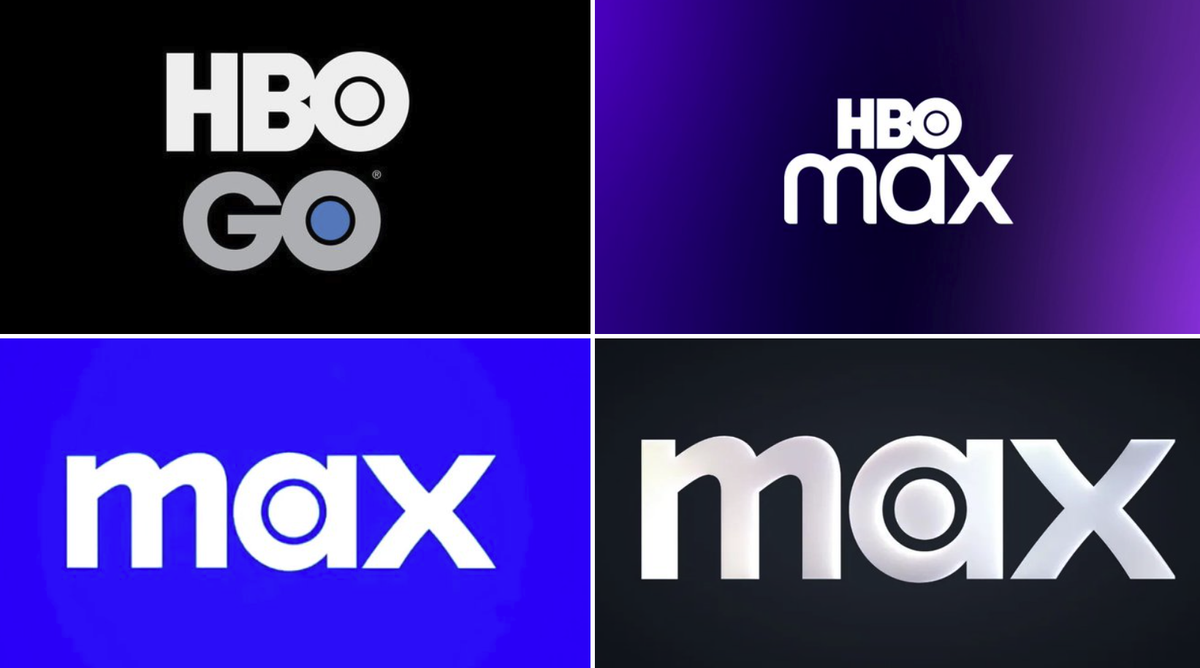
Max has launched a new monochrome color palette, with white text and a black background replacing the previous striking blue. And as many have pointed out, it suddenly looks a lot more like the also monochrome HBO logo. The first rule of the best logos is that they could never be mistaken for something else. Guys, do you want to be associated with HBO or not?

History of the Max Logo

The history of the Max logo (Image credit: HBO/Max)

**The Decision Behind the New Look**

As spotted by Variety, the new visual identity was dropped quietly this week, without a press release or any fanfare at all from Max itself. But the brand’s comments on its previous rebrand, which included the shift from purple to blue, might shed light on the decision. “There’s different types of blue, and if you put us in juxtaposition to Disney or Paramount or Prime, they look different,” CMO Patrizio Spagnoletto said in 2023. “With our blue and the way that the logo is designed, what we were going for is a combination of premium but accessible… Consumers will tell us if we got it right, and we think we did. But there’s enough room in the world of blue to still differentiate ourselves.”

**A Step Backward for the Brand?**

Well, judging by the fade to black, it seems consumers might have told Max it didn’t get it right. But in launching new branding that’s much closer in style to that of HBO’s isn’t going down particularly well either.

**Conclusion**

Indeed, it’s hard to deny the sense of a brand trying wriggle out of a mess of its own making. If Max continues to correct course with each subsequent refresh, it won’t be long until it adds HBO back into the name. Hey, maybe it’ll even get rid of the Max.

**Frequently Asked Questions**

Q: What is the new look for Max’s logo?
A: The new look features a monochrome color palette with white text and a black background.

Q: Is the new look similar to HBO’s logo?
A: Yes, the new look is very similar to HBO’s logo, which is also monochrome.

Q: Why did Max change its logo?
A: The reasons behind the change are unclear, but the brand’s previous comments on its rebranding efforts suggest a desire to differentiate itself from other streaming services.

Q: Will Max’s new look be successful?
A: It’s unclear, but the initial reaction from fans and critics has been negative, with many calling the new look a step backward for the brand.

Shaping AI with Ethics, Diversity, and Innovation

Pioneering Force in AI and Computer Science

Dame Wendy Hall is a renowned ethical AI speaker and one of the leading voices in technology. She has dedicated her career to shaping the ethical, technical, and societal dimensions of emerging technologies.

A Key Advocate for Responsible AI Governance and Diversity in Tech

In a Q&A, we spoke to her about the gender imbalance in the AI industry, the ethical implications of emerging technologies, and how businesses can harness AI while ensuring it remains an asset to humanity.

The AI Sector Remains Heavily Male-Dominated

Q: The AI sector remains heavily male-dominated. Can you share your experience of breaking into the industry and the challenges women face in achieving greater representation in AI and technology?

A: It’s incredibly frustrating because I wrote my first paper about the lack of women in computing back in 1987, when we were just beginning to teach computer science degree courses at Southampton. That October, we arrived at the university and realised we had no women registered on the course — none at all.

Why the Industry Remains Male-Dominated

One significant factor was the rise of the personal computer, which was marketed as a toy for boys, fundamentally changing the culture. Since then, in the West — though not as much in countries like India or Malaysia — computing has been seen as something nerdy, something that only ‘geeks’ do. Many young girls simply do not want to be associated with that stereotype. By the time they reach their GCSE choices, they often don’t see computing as an option, and that’s where the problem begins.

Breaking the Glass Ceiling

Despite many efforts, we haven’t managed to change this culture. Nearly 40 years later, the industry is still overwhelmingly male-dominated, even though women make up more than half of the global population.

Ensuring AI Works in Service of People

Q: As businesses increasingly integrate AI into their operations, what steps should they take to ensure emerging technologies are developed and deployed ethically?

A: Take, for example, facial recognition. We still haven’t fully established the rules and regulations for when and how this technology should be applied. Did anyone ask you whether you wanted facial recognition on your phone? It was simply offered as a system update, and you could either enable it or not.

The Future of AI

Q: The rapid advancement of AI is transforming everyday life. How do you envision the future of AI, and what significant changes will it bring to society and the way we work?

A: I see a future where AI becomes part of the decision-making process, whether in legal cases, medical diagnoses, or education.

Integrating AI into Decision-Making

Q: With generative AI becoming a powerful tool for businesses, what strategies should companies adopt to leverage its capabilities while maintaining human authenticity in their processes and decision-making?

A: Generative AI is nothing to be afraid of, and I believe we will all start using it more and more. Essentially, it’s software that can assist with writing, summarising, and analysing information.

Conclusion

Dame Wendy Hall’s insights on the gender imbalance in the AI industry, the ethical implications of emerging technologies, and the strategies businesses can adopt to leverage AI while maintaining human authenticity are crucial for the development and deployment of AI. By ensuring AI works in service of people, we can harness its capabilities to create a better future for all.

Frequently Asked Questions

Q: What is the current state of the AI industry in terms of gender diversity?
A: The AI sector remains heavily male-dominated, with women making up less than 20% of the workforce.

Q: What are the potential benefits and risks of AI?
A: AI is about more than just machine learning and programming. It’s about application, ethics, values, opportunities, and mitigating potential risks.

Q: How can businesses ensure AI is developed and deployed ethically?
A: Businesses should take steps to ensure AI is developed and deployed ethically by considering the potential risks and benefits, as well as the ethical implications of AI on society.

Q: What is the future of AI, and what significant changes will it bring to society and the way we work?
A: I see a future where AI becomes part of the decision-making process, whether in legal cases, medical diagnoses, or education.

Installing Amazon Q Developer CLI on Windows: A Step-by-Step Guide

Installing Amazon Q Developer CLI on Windows using WSL

Following on from my previous post on how to install Amazon Q Developer CLI on Linux environments, I thought I would share a similar guide for those of you using Windows.

Whilst there is no native Windows installation yet, you can install and run Amazon Q Developer CLI on your Windows machines using the Windows Subsystem for Linux, or wsl for short. In this post I will walk you through what you need to do.

Installing wsl

You might already have wsl installed on your machine, in which case you can skip this step. If you do not, then Microsoft have put together a [blog post](https://learn.microsoft.com/en-us/windows/wsl/setup/environment) that walks you through this process.

Installing Amazon Q Developer CLI

The steps below are covered in the official [Amazon Q Developer CLI installation documentation](https://docs.aws.amazon.com/amazonq/latest/qdeveloper-ug/command-line-installing.html?trk=fd6bb27a-13b0-4286-8269-c7b1cfaa29f0&sc_channel=el)

From a Windows command shell enter the following command:

wsl -d Ubuntu

This is going to download and install a virtual Ubuntu instance in your wsl environment. If you have already done this in the past, it will just log you into your Ubuntu wsl environment.

Running Amazon Q Developer CLI

The first thing we need to do is install some missing packages that the installation will need. We will use the native package manager of Ubuntu to do this.

sudo apt install unzip

You will see two options for Login method which you can select using the up and down arrow keys. You want to select the first option, “Use for Free with Builder ID”

When you select this option, it will ask you to open a URL in a web browser. Copy the URL, and then open it up in a web browser. You will now need to either create a new Builder ID, or login using an existing Builder ID you might already have.

Hello World

Now that we have Amazon Q Developer installed, we can start using it by starting a new wsl session, and then invoking it using the “q chat” or “q ai” commands.

wsl -d Ubuntu

If you notice that in my session, the default directory is the Windows home directory. If I invoke Amazon Q Developer cli here, then this is going to be its working directory.

q chat

Conclusion

In this post I shared how you can install Amazon Q Developer CLI on your Windows machine using the Windows Subsystem for Linux, and showed you how you can get started.

Get started with Amazon Q Developer

You can try Amazon Q Developer CLI for free today, by signing up for a Builder ID and then downloading the app from here.

FAQs

Q: How do I install wsl?
A: You can install wsl by following the instructions in the [Microsoft blog post](https://learn.microsoft.com/en-us/windows/wsl/setup/environment).

Q: How do I install Amazon Q Developer CLI?
A: You can install Amazon Q Developer CLI by following the instructions in the [Amazon Q Developer CLI installation documentation](https://docs.aws.amazon.com/amazonq/latest/qdeveloper-ug/command-line-installing.html?trk=fd6bb27a-13b0-4286-8269-c7b1cfaa29f0&sc_channel=el).

Q: How do I run Amazon Q Developer CLI?
A: You can run Amazon Q Developer CLI by starting a new wsl session and then invoking it using the “q chat” or “q ai” commands.

UK Tech Scheme Includes AI Tool to Mark Homework

Unlock the Editor’s Digest for Free

Government Develops AI Tool to Mark School Children’s Homework

A new artificial intelligence tool is being developed to mark school children’s homework, using a trove of UK government data. The "content store" was created by UK company Faculty AI with £4mn of government investment and serves as an early prototype for ministers as they draw up broader plans to sell anonymised public data to researchers and businesses within 10 years.

National Data Library in the Making

The program is part of a larger scheme to create a National Data Library, which would aggregate and store troves of government data. Sir Keir Starmer’s Labour party set out plans in its manifesto to create such a library, which could eventually be monetised. However, companies, data experts, and government officials have been unclear exactly what form this "library" will take.

Government’s AI Opportunities Action Plan

In January, the prime minister announced an "AI Opportunities Action Plan", which recommended making five high-impact public data sets immediately available to the private sector. However, Starmer refused to answer questions about whether national data would be sold and how it would be priced.

Scoping Exercise Underway

The government is currently midway through a six-month scoping exercise for the National Data Library. Science secretary Peter Kyle said he was "very confident" it could be done by the end of the "decade of national renewal" that Starmer pitched when he was elected.

Data Protection and Access

Kyle emphasized that the data would remain in Britain and be used in the UK, though he was open to it being used by overseas researchers and companies. He also stressed that the interaction between the private sector would only happen when the public is reassured it will happen in a safe way and the benefits of doing so are made absolutely clear.

Conclusion

The development of an AI tool to mark school children’s homework is an important step towards creating a National Data Library. While there are concerns about data protection and access, the government’s efforts to create a library that aggregates and stores troves of government data could have significant benefits for researchers and businesses.

FAQs

Q: What is the National Data Library?
A: The National Data Library is a proposed database that would aggregate and store troves of government data.

Q: What is the purpose of the National Data Library?
A: The purpose is to make government data available to researchers and businesses, with the potential to monetise it.

Q: Will the data be sold to third parties?
A: The government has not yet clarified whether the data will be sold to third parties, but science secretary Peter Kyle emphasized that the data would remain in Britain and be used in the UK.

Q: What is the timeline for the National Data Library?
A: The government is currently midway through a six-month scoping exercise, and Kyle is "very confident" it could be done by the end of the "decade of national renewal".

Unleashing AI-Powered Insights: Scaling Synthetic Data with NVIDIA Cosmos World Foundation Models

0

The Next Generation of AI-Driven Robots and Autonomous Vehicles: The Importance of High-Fidelity, Physics-Aware Training Data

Cosmos Transfer for Photorealistic Videos Grounded in Physics

Cosmos Transfer WFM generates high-fidelity world scenes from structural inputs, ensuring precise spatial alignment and scene composition. Employing the ControlNet architecture, Cosmos Transfer preserves pre-trained knowledge, enabling structured, consistent outputs. It utilizes spatiotemporal control maps to dynamically align synthetic and real-world representations, enabling fine-grained control over scene composition, object placement, and motion dynamics.

Key Capabilities:

  • Generate scalable, photorealistic synthetic data that aligns with real-world physics.
  • Control object interactions and scene composition through structured multimodal inputs.

Using Cosmos Transfer for Controllable Synthetic Data

With generative AI APIs and SDKs, NVIDIA Omniverse accelerates physical AI simulation. Developers use NVIDIA Omniverse, built on OpenUSD, to create 3D scenes that accurately simulate real-world environments for training and testing robots and autonomous vehicles. These simulations serve as ground truth video inputs for Cosmos Transfer, combined with annotations and text instructions. Cosmos Transfer enhances photorealism while varying environment, lighting, and visual conditions to generate scalable, diverse world states.

Cosmos Predict for Scalable, Photorealistic Synthetic Data

Cosmos Predict WFM provides a strong foundation for training downstream world models in robotics and autonomous vehicles. You can post-train these models to generate actions instead of video for policy modeling or adapt it for visual-language understanding to create custom perception AI models.

Cosmos Reason to Perceive, Reason, and Respond Intelligently

Cosmos Reason is a fully customizable multimodal AI reasoning model that is purpose-built to understand motion, object interactions, and space-time relationships. Using chain-of-thought (CoT) reasoning, the model interprets visual input, predicts outcomes based on the given prompt, and rewards the optimal decision. Unlike text-based LLMs, it grounds reasoning in real-world physics, generating clear, context-aware responses in natural language.

Training Pipeline:

  • Pretraining: Uses a Vision Transformer (ViT) to process video frames into structured embeddings, aligning them with text for a shared understanding of objects, actions, and spatial relationships.
  • Supervised fine-tuning (SFT): Specializes the model in physical reasoning across two key levels. General fine-tuning enhances language grounding and multimodal perception using diverse video-text datasets, while more training on physical AI data sharpens the model’s ability to reason about real-world interactions.

Conclusion:

The next generation of AI-driven robots and autonomous vehicles relies on high-fidelity, physics-aware training data. Cosmos WFMs, such as Cosmos Transfer and Cosmos Predict, accelerate the creation of scalable, photorealistic synthetic data and controllable world states, enabling effective generalization from simulation to real-world deployment. Cosmos Reason, a fully customizable multimodal AI reasoning model, grounds reasoning in real-world physics, generating clear, context-aware responses in natural language.

Frequently Asked Questions:

Q: What is the purpose of Cosmos WFMs?
A: To accelerate the creation of high-fidelity, physics-aware training data for AI-driven robots and autonomous vehicles.

Q: What is Cosmos Transfer?
A: Cosmos Transfer generates high-fidelity world scenes from structural inputs, ensuring precise spatial alignment and scene composition.

Q: What is Cosmos Predict?
A: Cosmos Predict provides a strong foundation for training downstream world models in robotics and autonomous vehicles.

Q: What is Cosmos Reason?
A: Cosmos Reason is a fully customizable multimodal AI reasoning model that grounds reasoning in real-world physics, generating clear, context-aware responses in natural language.

Q: How do I get started with Cosmos WFMs?
A: Try Cosmos Predict preview NIM on build.nvidia.com. Use this workflow guide to use Cosmos Transfer for synthetic data generation. Explore free NVIDIA GTC 2025 Cosmos sessions.

Galaxy Z Flip 7 FE looks just like last year’s flagship

0

The Big Difference between Samsung’s Galaxy Z Flip 7 and Z Flip 7 FE: Cover Screens

Design Differences

The latest renders from leaker OnLeaks, in collaboration with SammyGuru, have revealed significant design differences between Samsung’s upcoming Galaxy Z Flip 7 and the more affordable Z Flip 7 FE. The most notable distinction is the cover screen design, which sets the two devices apart.

Cover Screen Showdown

The Z Flip 7 FE appears to feature the same cover screen design as its predecessors, the Z Flip 5 and 6, with a thick bezel and a stepped bottom edge that cuts around the camera lenses. In contrast, the Z Flip 7 boasts an edge-to-edge display that wraps around the cameras, similar to the screens on Motorola’s Razr Plus models.

Display Details

According to OnLeaks, the display on the Z Flip 7 will be the same 3.4-inch size as on the Z Flip 6. The phone’s overall size will be similar to last year’s model, but slightly thicker at 165.1 x 71.7 x 7.4mm when unfolded.

Conclusion

The design differences between the Galaxy Z Flip 7 and Z Flip 7 FE highlight the distinct value propositions of each device. The Z Flip 7, with its edge-to-edge cover screen, is likely to appeal to those seeking a premium, high-end experience. The Z Flip 7 FE, on the other hand, may be more suitable for those on a budget or seeking a more affordable option.

Frequently Asked Questions

Q: What are the main design differences between the Galaxy Z Flip 7 and Z Flip 7 FE?
A: The cover screen design is the most notable difference, with the Z Flip 7 featuring an edge-to-edge display and the Z Flip 7 FE sporting a thicker bezel and stepped bottom edge.

Q: Will the Z Flip 7 FE have the same display size as the Z Flip 7?
A: No, the Z Flip 7 FE will have the same 3.4-inch display size as the Z Flip 6.

Q: How do the sizes of the two devices compare?
A: The Z Flip 7 will be slightly thicker than the Z Flip 6, with a size of 165.1 x 71.7 x 7.4mm when unfolded.

Wix vs GoDaddy: Which Website Builder Reigns Supreme?

0

Interface & Features

Wix offers a highly intuitive and flexible interface tailored for creative professionals. Its drag-and-drop editor provides unparalleled freedom, allowing users to place elements anywhere on the page without restrictions. This level of control can be extremely appealing to designers and artists who want to bring complex visions to life. Wix’s extensive library of over 900 professionally designed templates caters to diverse industries, giving creatives a solid foundation to build upon.

Performance

GoDaddy’s website builder, while not as feature-rich as Wix, focuses on simplicity and efficiency. Its streamlined interface is designed to help users create professional-looking websites quickly. For creatives who value speed and simplicity, GoDaddy’s approach can be appealing. The platform offers over 200 customisable templates, which, while fewer than Wix, still provide a good starting point for many creative projects.

Pricing and Plans

Wix’s pricing suits creatives at all levels, from freelancers to agencies. The Light plan ($17/month) is good for portfolios with 2GB storage. My personal favorite, the Core plan ($29/month) adds basic eCommerce tools for artists selling digital downloads.

Verdict

Wix stands out for creatives who want design freedom and teamwork. Its drag-and-drop editor, 900+ templates, and CSS/JavaScript customisation support agencies building complex sites with animations or 3D elements. Wix’s SEO tools and eCommerce features help creators monetise their work. However, its steeper learning curve and higher pricing require technical skills and budget flexibility.

Conclusion

In conclusion, Wix and GoDaddy are two leading website builders that cater to different needs of creative professionals. Wix offers more design freedom and advanced features, making it ideal for creatives who want granular control over their website’s look and functionality. GoDaddy, on the other hand, prioritises ease of use and quick setup, which may appeal to those who want to establish a digital presence with no fuss.

Frequently Asked Questions

Q: What are the key differences between Wix and GoDaddy?
A: Wix offers more design freedom and advanced features, while GoDaddy prioritises ease of use and quick setup.

Q: Which website builder is better for creatives?
A: Wix is better for creatives who want design freedom and teamwork, while GoDaddy is ideal for freelancers needing a polished online presence quickly.

Q: What are the pricing options for Wix and GoDaddy?
A: Wix offers tiered pricing, starting from $17/month, while GoDaddy’s pricing options start from $9.99/month.

Q: What are the key features of Wix and GoDaddy?
A: Wix offers a drag-and-drop editor, 900+ templates, and CSS/JavaScript customisation, while GoDaddy focuses on simplicity and efficiency, with over 200 customisable templates.

WAIE 2025: With four focus areas – booth reservations now open

0

The Digital Economy: Empowering Intelligent Industry Development

The 6th Global Digital Economy Industry Conference 2025 & World AI Industry Exhibition (WAIE) is scheduled from July 30 to August 1 at Shenzhen (Futian) Convention and Exhibition Centre.

The Event

The event presents an opportunity for manufacturers to find industry partners and collaboration opportunities, and secure domestic and international orders. The Greater Bay Area has a reputation as a place where industries can transform and grow. Its vibrant large economy, global outreach, and important manufacturing capabilities make it the natural centre of innovation and economic growth.

WAIE 2025: A Showcase for Intelligent Industry

Now in its sixth year, WAIE 2025 will focus on "Key Technologies for Intelligent Industry," and be a showcase for a range of products and services that can be demonstrated in real-world, practical scenarios.

The Five Exhibition Areas

Industrial Chip and Sensor Instrument Expo

  • Intelligent industrial sensors, MEMS sensors, 3D/machine vision, laser radar, sensing elements, light sources, lenses, visual sensing, millimetre wave radar, and instrumentation & measurement.
  • Integrated circuit design: Wafer manufacturing and advanced packaging technology, power device/MEMS sealing and testing, silicon wafer and IC packaging
  • Semiconductors: Materials, electronic core components and parts, associated equipment.
  • Electronic terminal applications: including 5G, human-computer interaction, AIOT, and other related products.

Advanced Laser and Industrial Optoelectronics Expo

  • Laser accessories, modules and components, fiber lasers, solid-state lasers, semiconductor lasers, new laser technologies, sheet metal cutting equipment, laser welding equipment, laser cleaning equipment, and material processing systems.
  • Optics: Optical materials, components and elements, optical lenses, precision optical testing and measurement instruments, and optical processing equipment.

Robot and Intelligent Factory Expo

  • Industrial Robots: Industrial robot systems, collaborative robots, mobile robots, humanoid robots, robot system integration, machine vision, manipulators, reducers, related machinery devices & components, and auxiliary equipment and tools.
  • Intelligent Factory Production Line: Industrial automation equipment, intelligent factory total solutions, SMT, non-standard automation production lines, dispensers, automated production lines, inspection/instrumentation/testing and measurement technology, intelligent assembly and transfer equipment, reducers, motors, human-machine interface (HMI), motion servos, enclosures and cabinets, embedded systems, industrial power supplies, connectors, electrical equipment, process and energy automation systems, and intelligent factory management systems.

Industrial Internet, Software and Cloud Expo

  • Industrial internet platforms including Cloud computing and big data, data centre infrastructure, data analysis and mining.
  • Industrial Internet Network Interconnectivity including communication network services, IDC, CPS, IOT, AI, and Edge computing.
  • Industrial internet security for network and data security
  • Industrial Internet identification and data collection.
  • Industrial software and integrated solutions, including industrial control software, MRO supply chain management, and embedded software.
  • The digital factory, comprising of R&D and product development (CAX/MES/PLM), enterprise resource planning (ERP), mechanical automation, supply chain management, and intelligent factory management systems.

Photovoltaic Energy Storage Industrial Application Expo

  • Solar photovoltaic power generation, including PV production equipment, batteries, modules, raw materials, photovoltaic engineering and systems, and photovoltaic application products.
  • Energy storage power generation, including storage batteries, energy storage technology and materials, storage systems and EPC projects, energy storage equipment and components, and storage application solutions.
  • Lithium battery related products and equipment, technical solutions and applications, and energy management.

Over 20 Forum Events

WAIE 2025 will host more than 20 forums and summits on the applications of intelligent industrial digitalisation. There will also be award ceremonies, project matchmaking, roadshow presentations, and product launches.

Highlight Focus

Summit + Exhibition, to boost brand exposure and customer acquisition.

Conclusion

The 6th Global Digital Economy Industry Conference 2025 & World AI Industry Exhibition (WAIE) is a must-attend event for manufacturers, entrepreneurs, and innovators in the industry. With its focus on "Key Technologies for Intelligent Industry," WAIE 2025 promises to be a showcase for the latest products and services in the field of intelligent industry.

FAQs

Q: What is the focus of WAIE 2025?
A: The focus of WAIE 2025 is on "Key Technologies for Intelligent Industry."

Q: What are the five exhibition areas at WAIE 2025?
A: The five exhibition areas at WAIE 2025 are Industrial Chip and Sensor Instrument Expo, Advanced Laser and Industrial Optoelectronics Expo, Robot and Intelligent Factory Expo, Industrial Internet, Software and Cloud Expo, and Photovoltaic Energy Storage Industrial Application Expo.

Q: How many forum events will be held at WAIE 2025?
A: Over 20 forum events will be held at WAIE 2025.

Q: Who will be speaking at WAIE 2025?
A: More than 100 speakers and experts from diverse fields will be speaking at WAIE 2025.

Q: How can I register for WAIE 2025?
A: Click to register for WAIE 2025.

Microsoft Powers Sports Innovation

Technology Integration Opportunities in Sports

Data-Driven Decision-Making

Microsoft technology helps drive the quality of the game and create new business opportunities for organizations by:

  • Enhancing performance with real-time data insights and analytics for data-driven decision-making.
  • Improving operational efficiency through streamlined workflows, increased collaboration, and seamless data integration.
  • Elevating fan engagement with AI and real-time customer insights to create a comprehensive ecosystem of personalized experiences.
  • Unlocking broadcast and media integration opportunities by using advanced cloud and AI technologies to scale content operations and reach more audiences.
  • Supporting secure data storage and processing by implementing advanced cloud technologies to secure content with high-speed data storage and processing.

Billie Jean King Cup: Transforming Tennis Strategy with AI

The Billie Jean King Cup uses Microsoft AI and cloud technologies to provide players and coaches with data visualizations and real-time insights during matches.

Key Highlights:

  • Match Insights App: Azure hosted application that delivers critical gameplay data, such as player movement, ball trajectories, and shot accuracy, to coaches and players in near real-time.
  • AI-powered analytics: Microsoft Azure OpenAI Service analyzes vast datasets to provide actionable rally and serve insights, helping coaches anticipate opponent strategies and make informed decisions.
  • Secure data management: Microsoft Azure Cloud Services help to ensure the secure storage and processing of high-volume data generated during matches.

NFL: Game-Changing Technology on the Sidelines

The NFL uses Microsoft hardware and software to enhance game-day operations and team collaboration.

Key Highlights:

  • Microsoft Surface Sideline Viewing System (SVS): Hardware and software solution that provides coaches and players with near real-time, high-resolution images of plays, enabling rapid strategic adjustments.
  • NFL Combine App: Application that streamlines talent evaluation by providing real-time access to key performance metrics.
  • Enhanced collaboration: Microsoft Teams and Azure facilitate seamless communication and collaboration among NFL teams.

BWT Alpine Formula One Team: Data-Powered Racing Innovation

BWT Alpine Formula One Team uses advanced AI and Azure’s robust cloud infrastructure to unlock new capabilities in data insights, regulatory compliance, and business operations.

Key Highlights:

  • AI-powered race strategies: Azure Computer Vision and Multi-Agent Resourcing Optimization (MARO) reinforcement learning allows Alpine to optimize race day strategy and car setup based on real-time telemetry.
  • High-speed data processing: Azure provides secure, high-speed data storage and retrieval, allowing split-second decisions during races.
  • Regulatory compliance: Azure AI Search and Microsoft Copilot Studio streamline compliance processes, helping to ensure adherence to Formula One regulations.

Integrated Fan Engagement

In today’s digital world, sports leagues are expected to meet fans at multiple touchpoints with highly personalized and easily accessible content. Learn more about how leagues such as LALIGA and the NBA are using Microsoft technology to redefine the sports and entertainment industries and take the fan ecosystem to the next level.

LALIGA: Enhancing Fan Engagement with Data-Driven Insights

LALIGA uses real-time data processing and AI-powered analytics with Azure to deliver match insights and personalized digital experiences across platforms.

Key Highlights:

  • Beyond Stats: Fan-facing data and insights platform powered by Azure that captures and analyzes more than 3.5 million data points per match to provide engaging content for fans across multiple platforms including social media, broadcast, and the LALIGA app.
  • Data Sports Platform (DSP): Comprehensive system powered by Azure that unifies fan interaction data across touchpoints to generate tailored content and products to match fan preference.
  • Seamless infrastructure: Azure’s high-performance infrastructure helps to ensure reliable content delivery and enhanced fan experiences across digital platforms.

Next Steps

Microsoft will be showcasing some of these case studies and more at our upcoming exhibition with NAB Show, April 5–9, 2025, in Las Vegas. Go through a journey of interactive demos that illustrate the capabilities needed to deliver fan-focused content and that highlight key aspects of the transformation process required to implement cutting-edge technologies for enhanced performance and fan engagement.

Microsoft at the 2025 NAB Show

See how Microsoft is helping to shape the future of broadcast and entertainment.

Conclusion

Microsoft is transforming the sports industry, driving performance, enhancing fan engagement, and streamlining operations. From the racetracks of Formula One to the courts of the NBA, Microsoft’s partnerships are setting new standards for excellence in sports. As technology continues to evolve, the future of sports looks brighter than ever, with Microsoft leading the way in this exciting journey.

Frequently Asked Questions

  1. How does Microsoft technology help drive the quality of the game?

Microsoft technology helps drive the quality of the game by providing real-time data insights and analytics for data-driven decision-making, improving operational efficiency, and elevating fan engagement.

  1. What are some key highlights of the Billie Jean King Cup’s use of Microsoft AI and cloud technologies?

Some key highlights of the Billie Jean King Cup’s use of Microsoft AI and cloud technologies include the Match Insights App, AI-powered analytics, and secure data management.

  1. How does the NFL use Microsoft technology?

The NFL uses Microsoft technology to enhance game-day operations and team collaboration, including the Microsoft Surface Sideline Viewing System (SVS), NFL Combine App, and enhanced collaboration through Microsoft Teams and Azure.

  1. What are some key highlights of BWT Alpine Formula One Team’s use of advanced AI and Azure’s robust cloud infrastructure?

Some key highlights of BWT Alpine Formula One Team’s use of advanced AI and Azure’s robust cloud infrastructure include AI-powered race strategies, high-speed data processing, and regulatory compliance.

The Hottest AI Models

0

AI Models: A Guide to the Latest Releases

Introduction

The world of artificial intelligence (AI) is rapidly evolving, with new models being cranked out at an alarming rate. Keeping track of the latest releases can be overwhelming, especially with the numerous industry benchmarks and technical metrics used to evaluate their performance. To cut through the noise, TechCrunch has compiled an overview of the most advanced AI models released since 2024, along with details on how to use them and what they’re best for.

AI Models Released in 2025

Google Gemini 2.5

  • A reasoning model that excels at building web apps and code agents, according to Google.
  • Underperforms on one popular coding benchmark compared to Claude Sonnet 3.7.
  • Requires a $20 monthly Gemini Advanced subscription.

ChatGPT-4o Image Generator

  • OpenAI’s upgraded GPT-4o model, generating images instead of just text.
  • Soon went viral for transforming images into Studio Ghibli-style anime, despite obvious copyright concerns.
  • Accessing GPT-4o requires, at minimum, a $20 per month ChatGPT Plus subscription.

Other Notable Releases

  • Stability AI’s Stable Virtual Camera: Generates 3D scenes and camera angles from a single 2D image.
  • Cohere’s Aya Vision: A multimodal model that excels in captioning images and answering questions about photos.
  • OpenAI’s GPT 4.5 "Orion": A large-scale model with strong "world knowledge" and "emotional intelligence."
  • Claude Sonnet 3.7: A hybrid reasoning model that can both fire off quick answers and think things through when needed.

AI Models Released in 2024

OpenAI’s o3-mini

  • Optimized for STEM-related tasks like coding, math, and science.
  • Available for free, but requires a subscription for heavy users.

OpenAI’s Deep Research

  • Designed for doing in-depth research on a topic with clear citations.
  • Only available with ChatGPT’s $200-per-month Pro subscription.

Other Notable Releases

  • Meta Llama 3.3 70B: A new and advanced version of Meta’s open-source Llama AI models.
  • OpenAI Sora: A model that creates realistic videos based on text.
  • Alibaba Qwen QwQ-32B-Preview: A model that excels in math and coding, but has "room for improvement in common sense reasoning."

Conclusion

The world of AI is rapidly evolving, with new models being released at an alarming rate. Keeping track of the latest releases can be overwhelming, especially with the numerous industry benchmarks and technical metrics used to evaluate their performance. This guide aims to cut through the noise, providing an overview of the most advanced AI models released since 2024, along with details on how to use them and what they’re best for.

Frequently Asked Questions

Q: How do I keep track of the latest AI models?
A: Follow reputable sources, such as TechCrunch, for updates on the latest AI model releases.

Q: What are the key differences between AI models?
A: Each AI model has its unique strengths, weaknesses, and use cases. Understanding these differences is crucial for selecting the right model for your needs.

Q: How do I evaluate the performance of an AI model?
A: Look for industry benchmarks and technical metrics, such as accuracy, precision, and recall, to evaluate the performance of an AI model.

Q: Can I use AI models for free?
A: Some AI models are available for free, while others require a subscription or licensing fee. Be sure to check the pricing and terms of use for each model.