Home Blog Page 28

Generate single title from this title Despite guidance, generative AI remains a challenge for educators in 100 -150 characters. And it must return only title i dont want any extra information or introductory text with title e.g: ” Here is a single title:”

Write an article about

Key points:

Teachers are still struggling with generative AI use even with policy-setting and training around the technology, according to new survey research from the Center for Democracy & Technology (CDT).

The survey reveals that educators still must navigate many questions around responsible, safe student use of AI on their own, leading them to become overly reliant on ineffective generative AI content detection tools, contributing to increased disciplinary action among students, and cultivating persistent distrust towards students.

CDT’s new survey research reveals that:

Fifty-nine percent of teachers report that they are certain one or more of their students have used generative AI for school purposes, and 83 percent of teachers say they themselves have used ChatGPT or another generative AI tool for personal or school use.

Although 80 percent of teachers report receiving formal training about generative AI use policies and procedures, and 72 percent of teachers say that their school has asked them for input about policies and procedures regarding student use of generative AI, only 28 percent of teachers say that they have received guidance about how to respond if they suspect a student has used generative AI in ways that are not allowed, such as plagiarism.

Sixty-eight percent of teachers report using an AI content detection tool regularly, despite known efficacy issues that disproportionately affect students who are protected by civil rights laws.

Sixty-four percent of teachers say that student(s) at their school have gotten in trouble or experienced negative consequences for using or being accused of using generative AI on a school assignment, a 16 percentage-point increase from last school year; and,

Fifty-two percent of teachers agree that generative AI has made them more distrustful of whether their students’ work is actually theirs, and this figure is even higher in schools that ban the technology.

“In our research last school year, we saw schools struggling to adopt policies surrounding the use of generative AI, and are heartened to see big gains since then,” said CDT President and CEO Alexandra Reeve Givens. “But the biggest risks of this technology being used in schools are going unaddressed, due to gaps in training and guidance to educators on the responsible use of generative AI and related detection tools. As a result, teachers remain distrustful of students, and more students are getting in trouble.”

“Generative AI tools in the education sector are not going away, and schools are responsible for providing detailed guidance to educators on not just the technology’s benefits, but more importantly on its shortcomings and how to mitigate them responsibly,” Givens added.

“Since generative AI caught the education sector off-guard last school year, there have been plenty of think pieces about whether usage is a good or a bad thing. What we know for sure is that generative AI, and the tools used to detect it, require schools to provide better training and guidance to educators,” says Elizabeth Laird, Director of the Equity in Civic Technology Project at CDT.

Laird added, “Education leaders should not stop at addressing generative AI, as it is only one example of AI use in schools right now. We look forward to the U.S. Department of Education fulfilling its commitment to releasing guidance on safe, responsible, and nondiscriminatory uses of AI in education, as detailed in the Biden Administration’s executive order. In the meantime, schools should continue preparing teachers to make day-to-day decisions that support safe, responsible use of all AI-driven tools.”

Protected classes of students remain at disproportionate risk of disciplinary action due to generative AI use. One such group is students with disabilities; 76 percent of licensed special education teachers are more likely to use an AI content detection tool regularly, compared to 62 percent of non-licensed special education teachers. As previously reported by CDT, students with an IEP and/or a 504 plan use generative AI more than their peers, potentially placing them at increased risk of negative consequences due to their use of generative AI.

This press release originally appeared online.

Laura Ascione is the Editorial Director at eSchool Media. She is a graduate of the University of Maryland’s prestigious Philip Merrill College of Journalism.

Laura AscioneLatest posts by Laura Ascione (see all)

.Organize the content with appropriate headings and subheadings ( h2, h3, h4, h5, h6). Include conclusion section and FAQs section with Proper questions and answers at the end. do not include the title. it must return only article i dont want any extra information or introductory text with article e.g: ” Here is rewritten article:” or “Here is the rewritten content:”

Generate single title from this title Why AI in the classroom needs its own ‘doll test’ 70 years post-Brown in 100 -150 characters. And it must return only title i dont want any extra information or introductory text with title e.g: ” Here is a single title:”

Write an article about

Key points:

As we mark the 70th anniversary of the landmark Brown v. Board of Education decision, it’s worth reflecting on a simple experiment’s role in dismantling the doctrine of “separate but equal.” In the 1940s, psychologists Kenneth and Mamie Clark conducted the now-famous “doll test,” which revealed the negative impact of segregation on Black children’s self-esteem and racial identity. The Clarks’ findings helped overturn the “separate but equal” doctrine and win the case against school segregation.

Seven decades later, as artificial intelligence chatbots increasingly make their way into classrooms, we face a new challenge: ensuring that these seemingly helpful tools don’t perpetuate the inequalities Brown v. Board of Education sought to eradicate. Just as the “doll test” exposed the insidious effects of Jim Crow, we need a new metaphorical “doll test” to uncover the hidden biases that may lurk within AI systems and shape the minds of our students.

At first glance, AI chatbots offer a world of promise. They can provide personalized support to struggling students, engage learners with interactive content, and help teachers manage their workload. However, these tools are not harmless; they are only as unbiased as the data they’re trained on and the humans who design them.

If we’re not careful, AI chatbots could become the new face of discrimination in education. They have the potential to both exacerbate existing inequalities and create new ones. For instance, AI chatbots might favor certain ways of speaking or writing, leading students to believe that some dialects or language patterns are more “correct” or “intelligent” than others. AI chatbots also perpetuate biases through the content they generate by producing racially homogeneous or even stereotypical images and text. Additionally, AI chatbots might respond differently to students based on race, gender, or socioeconomic background. Because these biases are often subtle and difficult to detect, they can be even more insidious than overt forms of discrimination.

The reality is that AI chatbots are already here, and their presence in our students’ lives will only grow. We cannot afford to wait for a perfect understanding of their impact before engaging with them responsibly. Instead, we need a broader commitment to responsible AI integration in education, which includes ongoing research, monitoring, and adaptation.

To address this challenge, we need a comprehensive evaluation–a metaphorical “doll test”–that can reveal how AI shapes students’ perceptions, attitudes, and learning outcomes, especially when used extensively and at early ages. This evaluation should aim to uncover the subtle biases and limitations that may lurk within AI chatbots and impact our students’ development. 

We need to develop robust frameworks for assessing AI chatbots’ effects on learning outcomes, social-emotional development, and equity. We also need to provide teachers with the training and resources necessary to use these tools effectively and ethically, foster a culture of critical thinking and media literacy among students, and empower them to navigate the complexities of an AI-driven world. Moreover, we need to promote public dialogue and transparency around AI’s risks and benefits and ensure that the communities most affected by these technologies have a voice in decision-making.

As we confront the challenges and opportunities of AI in education, we must recognize that the rise of AI chatbots presents a new frontier in the fight for educational equity. We cannot ignore the potential for these tools to introduce new forms of bias and discrimination into our classrooms, reinforcing the injustices that Brown v. Board of Education sought to address 70 years ago.

We must ensure that AI chatbots do not become the new face of educational inequity by shaping our children’s minds and futures in ways that perpetuate historical injustices. By approaching this moment with care, critical thinking, and a commitment to ongoing learning and adaptation, we can work towards a future where AI is a tool for educational empowerment rather than a force for harm.

However, if we fail to be proactive, we may find ourselves needing to conduct real doll tests to uncover the damage done by biased AI chatbots. It is up to us to ensure that the integration of AI in education does not undermine the progress we have made towards educational equity and justice.

Priten Shah, Contributing Writer

Priten Shah is the author ofWiley’s Jossey-Bass publication, “AI & The Future of Education: Teaching in the Age of Artificial Intelligence.” He has a B.A. in philosophy and an M.Ed. in education policy from Harvard University.

Latest posts by eSchool Media Contributors (see all)

.Organize the content with appropriate headings and subheadings ( h2, h3, h4, h5, h6). Include conclusion section and FAQs section with Proper questions and answers at the end. do not include the title. it must return only article i dont want any extra information or introductory text with article e.g: ” Here is rewritten article:” or “Here is the rewritten content:”

Generate single title from this title AI is the solution to costly and ineffective dyslexia programs in 100 -150 characters. And it must return only title i dont want any extra information or introductory text with title e.g: ” Here is a single title:”

Write an article about

Key points:

About two-thirds of American students fail to meet reading standards every year when tested in 4th, 8th, and 12th grades.1

Within this larger pool, a core group is considered to have a reading disability or dyslexia. This group makes up at least 20 percent of the general population.2 Researchers call 5-10 percent “non-responders” to intervention.3

Advocacy groups, backed by dyslexia authorities at universities, have pushed for dyslexia legislation across the country with these outcomes:4

  • 40 states now mandate dyslexia screening, and more than 30 list approved screeners that schools must use.
  • 29 states require dyslexia training for teachers; 14 states for teachers-to-be.
  • Of the 32 states that mandate dyslexia intervention, 12 require the multisensory approach.
  • 20 states require interventions to be evidence-based.

Remaining states like New York are considering similar requirements to pass into law.5

Dyslexia screeners

Problem: Dyslexia screening results with the approved tools do not provide the blueprint for intervention. This is because these screeners cannot perform error analysis on why a student made a certain error and what the source of the difficulty may be.

These brief screeners use a sample of disconnected test items that are just as likely to miss a student’s problem areas as to find them.6 Moreover, the student’s answers are not integrated together in analysis to understand how this person’s linguistic system in the brain is functioning as a whole. Even lengthy evaluations by specialists have all the same limitations.

Worse, some screeners do not even test students’ skills. For example, the Shaywitz DyslexiaScreen (Yale) is a survey that asks teachers to make judgments on how often they think a student displays problems in their language behaviors such as oral expression.7

Given the screening mandate, some publishers have fashioned screeners out of their reading assessment instruments designed for the typical population. This ignores the language processing differences between typical and exceptional brains.

Schools are wary about dyslexia screening for their own reasons:

  • Schools do not have the resources to provide special services to more students if screening identifies additional at-risk readers (see Cost below).
  • Schools have to pay for the screeners and teachers to get trained in administering the screening.
  • Teachers and students have to take time out to do the screening, in addition to other assessments (state and quarterly/trimester reading and math assessments, plus additional testing for special ed students).
  • Teachers have to interpret screening results manually, one student at a time, to differentiate instruction.

Multisensory intervention

Multisensory intervention is promoted by the U.S.-based International Dyslexia Association (IDA).8 The IDA was formerly the Orton Society, named after neuropathologist Samuel T. Orton. Orton’s work on dyslexia started in the 1920s and led to multisensory teaching techniques due to his (incorrect) hypothesis that dyslexia was vision-based. (Dyslexia was later proven to be language-based.) Later, Anna Gillingham incorporated spelling rules to this multisensory Orton-Gillingham (OG) approach. Students use multiple senses to try to remember the sound of a letter, e.g., by tracing and feeling letter shapes.9

In conjunction with multisensory intervention, the IDA promotes structured literacy(multisensory structured literacy – MSL). The latter involves systematic instruction, from sounds and spelling to other language components (parts of words, sentences, meaning, plus reading).

Popularity: OG/MSL is the most popular dyslexia/reading intervention in the U.S. It is mandated in some states and required in teacher training programs. Schools purchase OG-based commercial programs and/or pay for OG training and certification for their teachers.10 Prominent dyslexia researchers support MSL. Some are IDA award recipients and/or members of IDA’s Council of Advisors and Scientific Advisory Board. Some also served on dyslexia task forces or literacy-focused committees at the state and federal levels. The IDA publishes several academic journals on dyslexia and literacy.11

Research evidence lacking: Despite OG/MSL’s popularity and backing, research evidence of its efficacy for students with dyslexia beyond 3rd grade is lacking, despite almost a century of application. This is the conclusion of meta-analytic reviews of rigorous clinical trials. A 2014 review by Durham and Yale University professors echoes this finding (Cambridge), as did other 2006, 2021, and 2022 reviews.12 The reviews find that many studies lack scientific rigor. The U.S. Department of Education’s What Works Clearinghouse for literacy does not contain any study that has a significant positive effect on broad reading achievement for this group.13 Positive effects only show in narrow areas such as alphabetic knowledge in younger students.

Evidence-based

Yet, proponents call their methods and screeners “evidence-based.” According to the DOE’s Institute of Education Sciences, this term can be used when there is a rationale, based on research findings, that the practice is likely to improve student outcomes, with ongoing efforts to examine such effects.14 That is, methods and tools called “evidence-based” do not necessarily have evidence of positive effects.

Feasibility of implementation

Cost

Special ed: U.S. schools collectively spend over $120 billion a year on special education.15 The largest category is learning disabilities, mainly dyslexia.16 Reading difficulties also occur across other disabilities such as autism and ADHD.17 In some states like Connecticut, the cost of educating a student in special ed is twice as much as general education ($40k+ v. $20k+ per year).18 Due to this high cost, less than half the students with reading difficulties across the country get special ed.19 Often, only half of the bottom third of chronically failing students get services.

Teacher training: Dyslexia/reading interventions are expensive because teachers work one-on-one or in small groups. Also, teachers have to complete extensive coursework over at least 2 years and 100+ hours of practicum to be certified to use OG.20 Some schools pay $10k for each teacher to get OG training.21 Schools also pay for teacher training to use dyslexia screeners and commercial programs.

Long-term cost: As OG cannot correct the reading difficulty, the same students still need services throughout school.22 Thus, the total cost for each special ed student in states like Massachusetts may be over $200k ($20k x 10 years – grades 3-12).

Literacy initiatives: There have been many intensive, well-funded initiatives to address this problem, which is the biggest and costliest in education. The Bush administration’s 3-year, $3 billion initiative did not produce statistically significant impact on reading comprehension.23 Ohio state’s 4-year Dyslexia Pilot Project on grades 1-3 did not reduce the risk of reading failure in 3rd graders ($960,000).24 Various grant-supported, university-run interventions similarly had negligible impact.3

Fiscal pressures: In some states, such as New York and Minnesota, special ed spending is increasing by double digits, sometimes more than 20 percent.25 This expansion is likely to affect more states post-pandemic as a result of learning loss due to school shutdowns.1 The impact on young children during their most critical years of language development is still unclear at this point.

The federal government underfunds special ed and leaves states with a $10 billion shortfall every year.26 School districts are forced to make up this deficit with tax increases. As a result, residents on fixed income in some cities such as Columbus, Ohio, are forced out of their homes.27

If the current path of covering half the students in need is already unsustainable, how can we cover all students in need?

Fidelity of implementation

Research shows that a 3rd grader with dyslexia will likely read below grade level throughout school regardless of intervention.28 When reading outcomes are poor, fidelity of implementation is often blamed: hence the constant call for more teachers to get trained and for them to get trained adequately. However, it is time to re-examine the method itself if no one has been able to get this group to read on grade level consistently for almost 100 years. Moreover, even high-fidelity interventions run by university professors have not succeeded.

Scalability

Workflow bottlenecks: Bottlenecks at every stage of the process, from dyslexia identification through intervention, have created the current situation. Presently, dyslexia is diagnosed through lengthy one-on-one neuropsychological evaluations by certified specialists that cost about $5,000-10,000 per pupil.29 Schools cannot afford to evaluate all at-risk students in this way. And there are not enough specialists to evaluate everyone.

Thus, a brief universal screening was introduced (to suggest risk of dyslexia, not diagnose). But the disjuncture remains between identification and intervention, whether with screeners or evaluations. Teachers have to interpret the results student by student to differentiate instruction.30 And differentiated instruction can only serve one or just a few students at a time.

Dyslexia schools: Mainly OG-based, dyslexia schools can only serve small groups due to this labor-intensive method. At over $70,000 a year per pupil at the Windward School, this model is not feasible for wide adoption.31 Despite their supporters’ testimonials, they lack research evidence of efficacy as noted above.

Dyslexia classification

There is no consensus among researchers on the definition of dyslexia.12 It is not classified as a disorder in the American Psychiatric Association’s authoritative diagnostic guide, Diagnostic and Statistical Manual of Mental Disorders 5th ed. (DSM-5).

Disjuncture due to historical accident: Dyslexia was initially mistaken to be an eye problem.32 Due to this historical accident, diagnosis still remains with the medical profession. However, since physicians do not know how to resolve language difficulties, treatment is passed on to teachers. Up to now, families still go to pediatricians to get a dyslexia diagnosis in order to qualify for intervention at school.

Dyslexia or reading difficulty? Some researchers equate dyslexia with reading difficulty, while others consider dyslexia as a subset of reading difficulties. Because of this confusion, some researchers suggest dispensing with the term “dyslexia” and instead focus on reading difficulties.12 The latter can be identified with norm-referenced measures in state and standardized reading assessments. Thus, the 25th-30th percentile in these assessments have been used as the dyslexia threshold in research.33

This confusion permeates the school system:

  • Many educators think of dyslexia as a rare condition that is not commonly found among their struggling readers.
  • Teachers avoid using the term in fear of liability issues – dyslexia as a disability is covered by the IDEA (Individuals with Disabilities Education Act), which mandates free, appropriate education for students with disabilities.
  • Some quarters discriminate between students who have been diagnosed (through expensive neuropsychological evaluations) and economically disadvantaged students whose poor reading skills are assumed to be environmental instead.12

Artificial intelligence

Game-based AI systems can evaluate and correct language processing deficits autonomously. These processing deficits underlie conditions such as dyslexia. Users play the language-based evaluative and corrective games generated by AI. A user typically goes through thousands of games in the course of a year of intervention.

The micro data collected on their game responses yielded new, detailed information about the linguistic-cognitive processes of dyslexic brains. Some findings:

  • Dyslexia can be defined operationally in terms of language processing inefficiencies. These inefficiencies can be measured precisely (Efficiency = Accuracy x Speed).
  • Below a certain level of efficiency in key areas of literacy development, reading difficulty or dyslexia manifests on the surface.
  • The linguistic system in the brain is highly fragile and requires 90-100 percent efficiency in core areas for a person to function effectively as a speaker, listener, reader and writer. It is not unusual to find some struggling readers operating at 20 percent efficiency in some areas when they first start.
  • Language processing efficiencies can be improved with weekly intervention (corrective training). Improvements in brain processing remain latent for the first several months of intervention (i.e., not noticeable overtly). When the user reaches 90-100 percent efficiency in core areas consistently, then, within a 2-month window, academic improvements follow, e.g., in spelling tests and eventually in state and standardized reading assessments.
  • The effect is not gradual but shows a sharp knee-of-the curve upward trajectory. This improvement in brain efficiency often affects the whole person, in terms of learning behaviors, attitude and motivation.

Early results: AI generates an individually customized evaluation and intervention for each user. All games are single use, built specifically for that one user at that moment. Users who complete their programs have been able to get to grade-level reading within 1-2 years. They often start at below the 25th percentile in state or standardized reading assessments.

Integrating screening/evaluation and intervention: AI evaluation results form the blueprint for intervention. AI tracks a student’s errors to get to the source of processing difficulties. To respond intelligently in this way, the AI system comprises massive complex databases and custom-built, domain-specific algorithms. The user’s own database, which includes all their game responses, grows as they progress. The system’s autonomous decision-making on what game to build for a user next is based on continuous, real-time analysis of all information in their own database, cross-referenced with other relevant databases.

To be an effective evaluator-interventionist, AI can be built to switch language modalities flexibly. For example, if a student misspells words with the “th” sound, AI may ask them to catch this sound in heard words in the next game.

Multisensory: This AI does not make struggling readers learn what they cannot learn. It first determines whether they can actually process a particular part of language. For example, when they start, many struggling readers say that their teachers’ instruction on phonics “does not make sense” (letter-sound relations). Because these students cannot process speech sounds, the letter shapes hold no meaning to them, no matter how many sensory activities they experience.

Structured literacy: For the shortest intervention possible, AI can target specific inefficient processes in each student’s linguistic system. Moreover, AI does not merely consider the structural components of language but also the non-typical ways in which exceptional brains operate.

Cost: This program currently costs less than 10 percent of what states spend on special ed per pupil. In New York, it is 1 percent.

NY special ed = $20k/pupil/year x 10 years of intervention = $200k.37

AI program = $1k/pupil/year x 2 years = $2k (to get to reading proficiency).

Teacher training: The program is plug-and-play and web-based. It does not require installations, downloads, upgrades or teacher training. In fact, children require minimal supervision, which can be from any adult. It can run for 2 years or longer automatically without human intervention.

Scalability: AI can provide evaluations and interventions to millions of students today.

Dyslexia or reading difficulty: Different authorities in the field carve out “dyslexia” differently on the spectrum of language processing difficulties (or inefficiencies). Instead of focusing on this labeling issue, AI prioritizes getting all readers who are performing below the 50th percentile to passing. This means identifying each person’s processing inefficiencies and correcting them.

Why does AI work? And why does it work so fast?

The dyslexia problem required AI to overcome 3 major obstacles that human specialists could not:

  • Complexity of the linguistic system in the brain and the wide individual variation in the population with language processing difficulties.
  • Speed of language processing in the brain (often in hundreds of milliseconds in parallel).
  • Capacity to document and cross-reference billions of datapoints per student and do the same for millions of users.

AI is effective and efficient because it only generates the data that it needs to read at that point. Yet every decision is based on all relevant data at its disposal. Through AI, we have found a way to read individual brains at the level of granularity needed to correct brain processes.

NOTES AND REFERENCES

  1. National Center for Education Statistics. (2022). National achievement-level results. NAEP Report Card: Reading. U.S. Department of Education, Institute of Education Sciences. https://www.nationsreportcard.gov/reading/nation/achievement/?grade=4
  2. National Institute of Child Health & Human Development, NIH, U.S. Dept of Health & Human Services. (2012). How many people are affected by/at risk for reading disorders? https://www.nichd.nih.gov/health/topics/reading/conditioninfo/pages/risk.aspx
  3. Fuchs, D., Compton, D.L., Fuchs, L.S., Bryant, V.J., Hamlett, C.L., & Lambert, W. (2012). First-grade cognitive abilities as long-term predictors of reading comprehension and disability status. Journal of Learning Disabilities, 45(3), 217-231.
  4. National Center on Improving Literacy. (2024). State of Dyslexia. https://improvingliteracy.org/state-of-dyslexia/
  5. New York State Senate. (2024). Senate Bill S5232.
  6. University of Oregon. (2023). DIBELS 8th Ed. https://dibels.uoregon.edu/dibels8
    Illuminate Education. (2023). Fastbridge Dyslexia Screener. https://www.illuminateed.com/products/fastbridge/reading-assessment/dyslexia-screening/
    Lexercise. (2023). Free Dyslexia Test for Children. https://www.lexercise.com/tests/dyslexia-test
  7. Pearson. (2023). Shaywitz DyslexiaScreen. https://www.pearsonassessments.com/store/usassessments/en/Store/Professional-Assessments/MTSS-RTI-PBIS-Benchmarking/Shaywitz-DyslexiaScreen/p/100001918.html
  8. International Dyslexia Association. (2024). IDA moves beyond matrix. https://dyslexiaida.org/update-on-idas-matrix/
  9. Cox, A.R. (1985). Alphabetic phonics: An organization and expansion of Orton-Gillingham. Annals of Dyslexia, 35, 187-198.
  10. Shresta, P., Tracy, T., Mazal, M., Blakeney, A., Kennedy, N., & May, H. (2022). A cost analysis of Reading Recovery and alternative interventions under the i3 Scale-Up. Paper presented at the Annual Conference of the American Education Research Association (AERA). San Diego, CA, Apr 23.
    Orton-Gillingham Academy. (nd). Orton-Gillingham practitioner certification. https://www.ortonacademy.org/training-certification/individual-certification/
  11. Perspectives on Language & Literacy, The Examiner, Annals of Dyslexia, Reading & Writing
  12. Elliott, J. G., & Grigorenko, E. L. (2014). The dyslexia debate. New York: Cambridge.
    Ritchey, K.D., & Goeke, J.L. (2006). Orton-Gillingham and Orton-Gillingham-based reading instruction: A review of the literature. The Journal of Special Education, 40(3), 171-183.
    Stevens, E.A., Austin, C., Moore, C., Scammacca, N., Boucher, A.N., & Vaughn, S. (2021). Current state of the evidence: Examining the effects of Orton-Gillingham reading interventions for students with or at risk for word-level reading disabilities. Exceptional Children, 87(4), 397-417.
    Sayeski, K.L., & Hurford, D.P. (2022). A framework for examining reading-related education research and the curious case of Orton-Gillingham. Learning Disabilities, 27(2), 1-11.
  13. What Works Clearinghouse. Search results: Literacy topic. https://ies.ed.gov/ncee/wwc/Search/Products?searchTerm=&Topic=3
  14. Institute of Education Sciences. (2024). Building and using evidence in data science education – What is an evidence-based practice? Evidence Based Practice. https://ies.ed.gov/EvidenceBased/dataliteracy/ds-ebp.asp
  15. Graves, K. (Nov 20, 2023). Funding falls short for students with disabilities. The Principal Advocate. National Association of Elementary School Principals (NAESP). https://www.naesp.org/blog/funding-falls-short-for-students-with-disabilities/
    National Center for Education Statistics. (2024). Current Expenditures for Public Elementary and Secondary Education: School Year 2003-04. https://nces.ed.gov/pubsearch/pubsinfo.asp?pubid=2006352
  16. Office of Special Education Programs. (2023). 44th Annual Report to Congress on the Implementation of the IDEA. Washington, DC: U.S. Dept of Education.
  17. Germano, E., Gagliano, A. & Curatolo, P. (2010). Comorbidity of ADHD and dyslexia. Developmental Neuropsychology, 35(5), 475-493.
  18. EdBuild. (2024). FundEd: State policy analysis. A detailed look at each state’s funding policies. http://funded.edbuild.org/state
  19. Compare the 20 percent with dyslexia to the 9 percent of student population in special education for all disabilities – see Annual Reports to Congress on the Implementation of the IDEA.
  20. Orton Gillingham Online Academy. (2022). Practicum for Level 1 with OG certification. ortongillinghamonlinetutor.com
  21. Personal communication, Principal, Mill Road Intermediate School, Red Hook Central Schools, NY
  22. Donegan, R. E., Wanzek, J., & Al Otaiba, S. (2020). Effects of a reading intervention implemented at differing intensities for upper elementary students. Learning Disabilities Research & Practice, 35(2), 62-71.
  23. Gamse, B. C., Jacob, R. T., Horst, M., Boulay, B., & Unlu, F. (2008). Reading First Impact Study Final Report Executive Summary (NCEE 2009-4039). Washington, DC: National Center for Education Evaluation and Regional Assistance, Institute of Education Sciences, U.S. Department of Education.
  24. Morrison, J.Q., Collins, T.A., & Hawkins, R.O. (2016). Evaluation of the Dyslexia Pilot Project: Year 4. Cincinnati, OH: University of Cincinnati.
  25. Wastvedt, S. (May 16, 2018). As schools struggle with costs, special education takes a toll. NPR News. https://www.mprnews.org/story/2018/05/16/specialeducation-takes-toll-as-schools-struggle
  26. Lieberman, M. (Apr 20, 2023). Special education is getting more expensive, forcing schools to make cuts elsewhere. EducationWeek. https://www.edweek.org/leadership/special-education-is-getting-more-expensive-forcing-schools-to-make-cuts-elsewhere/2023/04
  27. Cleary, I. (Mar 26, 2024). Columbus residents speak up about property taxes in the city. NBC 4i. https://www.nbc4i.com/news/local-news/columbus/columbus-residents-speak-up-about-property-taxes-in-the-city/
  28. Fiester, L. (2010). Why reading by the end of third grade matters. A KIDS COUNT Special Report from the Annie E. Casey Foundation. Baltimore, MD: Annie E. Casey Foundation.
  29. Columbia University Irving Medical Center. (2024). Neuropsychological evaluation service. https://www.columbiadoctors.org/childrens-health/pediatric-specialties/psychiatry-psychology/our-services/neuropsychological-evaluation-service
  30. Liewinko, K.N. (Mar 25, 2024). Dyslexia breakthrough: AI powered. Assembling Inclusion podcast. https://www.youtube.com/@assemblinginclusion/podcasts
  31. Windward School. (2024). Affording a Windward education. https://www.thewindwardschool.org/admissions/tuition-financial-aid
  32. Shaywitz, S.E. (2003). Overcoming dyslexia. New York: Knopf.
  33. Snowling, M.J. (2000). Dyslexia. Oxford, UK: Blackwell.
    Wanzek, J. & Roberts, G. (2012). Reading interventions with varying instructional emphases for fourth graders with reading difficulties. Learning Disability Quarterly, 35(2), 90-101.
  34. Hoh, C.P.S., & Haruta, E.Y. (2018). Dyslexia dissolved: Successful cases with learning disabilities, ADHD and language disorders. https://www.amazon.com/Dyslexia-Dissolved-Successful-Disabilities-Disorders/dp/173278860X
  35. https://www.dysolve.com/press/
  36. Registry of Efficacy and Effectiveness Studies, Institute for Social Research, University of Michigan
    https://sreereg.icpsr.umich.edu/sreereg/subEntry/21840/pdf?action=view
  37. Office of the New York State Comptroller. (2020). Special report update: Education revenues and expenditures with a highlight on special education for regions outside New York City. New York: Office of the New York State Comptroller.

Coral Hoh, PhD, Dysolve

Coral PS Hoh is a clinical linguist with a PhD in Linguistics. For the past 30 years, she worked directly with the gifted, twice-exceptional and individuals with language disorders. Her publications span topics in syntax, communication, cognition and the acquisition of phonology, speech, reading and writing, as well as the linguistic behaviors of exceptional populations. She has refereed for journals in linguistics, math education and special education. Her work was funded by the National Science Foundation. She is the architect of Dysolve® AI and was granted patents by the U.S. and other countries for its autonomous AI technology. Dr. Hoh co-founded the AI firm, EduNational LLC, and currently serves as its CEO.

Latest posts by eSchool Media Contributors (see all)

.Organize the content with appropriate headings and subheadings ( h2, h3, h4, h5, h6). Include conclusion section and FAQs section with Proper questions and answers at the end. do not include the title. it must return only article i dont want any extra information or introductory text with article e.g: ” Here is rewritten article:” or “Here is the rewritten content:”

Futures of Work ~ When workers meet borders: Contestation, exploitation and ideologies

0

Editorial

Co-editors: Vanessa Beck, Giorgos Gouzoulis and Chris Pesterfield

Be they imaginary, physically constructed or sociopolitically geolocated, borders have been afforded much attention in the realms of work and employment for affecting multiple dimensions that shape both territorial governance and the lives of specific groups of workers. Conflicts across states and the globe have placed borders at the core of scholarly analysis in the field, and insights from Preminger’s analysis of work and bordering in the context of the Palestine–Israel conflict set the tone for this special issue, of which he is one of the editors. In past research, Preminger has shown how the working conditions of Palestinians are shaped by the myriad borders criss-crossing territories controlled by Israel. These borders, he has claimed, do not just facilitate the exploitation of Palestinian workers, but also enable the Israeli state to manage the conflicting logics of settler-colonialism: the inclusion of a cheap workforce and the exclusion of the unwanted ‘other’.

Contributing to more pluralist and radical perspectives on the normalised marginalisation of groups of workers, critical research on work’s intersection with borders fleshes out their ‘ideological’ character. If borders are (also) ‘ideological’, we argue, their capacities to reinforce inequality may be experienced in distinct forms across various contexts. This special issue aims to capture some of this variety through a series of articles focusing on different border and bordering experiences, directing a sharper lens onto the subjective experiences of workers compelled to navigate both multiple forms of crossing and the denial of passage.

Critical scholarship has long problematised popular assumptions about borders as ‘something to get through’ on a journey from one place to another. Physical borders are merely a part of broader immigration regimes, which embody the policies, interests and attitudes of actors who control, struggle over and shape the rules and processes that grant passage to certain people and block others – while detaining some in liminal spaces of borderlands. The state is just one of these actors. Such scholarship has also shown how these immigration regimes and the ‘bordering practices’ associated with them are not confined to border zones, but extend outwards to shape people’s lives long before they attempt to cross a border, and their impact is felt long after passage has been granted. Moreover, the border of state sovereignty is often incongruent with other kinds of authority, such as the extent of judicial authority, consistent application of laws or de facto security activities.

Building on this scholarship, this special issue explores the interaction between borders/bordering and people’s aspirations, challenging normalised dynamics and popular rhetoric of protective state border control versus migrants’ desire to transit. The contributions in this special issue emphasise the contested and negotiated aspects of borders, bringing a sociological perspective to reveal the ideological choices underpinning border regimes, the power differentials among the myriad actors who shape them, and the ways in which borders can facilitate the exploitation of both people and place.

Borders as instruments of power facilitating the extraction of value, a theme running throughout the special issue, is explored explicitly in two of the contributions. In the perspective of mobility as a trajectory between two fixed points, the extraction of value from those going through the border regime is well known: Agents demand fees, expenses proliferate, debt is incurred. This extraction of value is crucial to maintaining this regime. Through her discussion of the US–Mexican Guest Worker Program, Bernardi expands this focus on mobility, asserting that immobility is equally crucial in maintaining the border regime, that value is extracted from those ‘left behind’, denied passage or detailed, too: Immobility is valorised no less than mobility. ‘Immobilisation – whether through forced waiting, administrative opacity or physical confinement – is a central component of this regime. It sustains surplus labour pools, fuels local informal economies and reshapes workers’ expectations.’ Bernardi’s contribution thus shows how the regime of mobility is mirrored by a regime of immobility, thereby illuminating an important facet of the extensive reach of border regimes and their pervasive presence in people’s lives.

In recent years, higher education institutions have emerged as principal actors in maintaining immigration regimes and governing border mobility: Universities are required to police their ‘foreign’ students while immigration policies and hostile political rhetoric undermine universities’ income streams. In their study of higher education institutions in the Turkish Republic of Northern Cyprus, Lariani and Dağtaş explore the exploitation facilitated by the misalignment among various jurisdictions along the Green Line which divides the north and south of the island, and what they call ‘nested borders’ – the ‘gaps and overlaps between territorial, institutional and legal regimes that both constrain and enable movement’.

In this extreme case of universities as border regime actors, Lariani and Dağtaş show how higher education is embedded within and shores up a mobility regime that facilitates the extraction of value from students trapped in these overlapping, contested borders: Studentship, they suggest, takes on the quality of ‘confined labour’ even as students also learn to navigate the temporal, spatial and legal restrictions in pursuit of their own aims. More broadly, Lariani and Dağtaş’s contribution is a reminder of the way border regimes influence – and are influenced by – the institutions within the bordered territory.

Garvey and his colleagues’ study of indigenous Amazonian lands and the encroachment of mining and logging reveals other ways in which negotiation and power struggles over borders can facilitate exploitation. However, their contribution also challenges an assumption at the heart of much discussion around borders: We tend to think of borders as marking a boundary between two similar states, in both senses of the word (a condition and a modern political entity) but borders also mark or are intended to mark the boundaries of norms and values, captured in romantic ideas of the Wild West beyond the borders of ‘civilisation’. In the case presented by Garvey et al., the Munduruku demarcated their own land. For them, the officially recognised boundaries of indigenous territories protect their ‘collective life, work and meaning within the forest’. For wildcat miners, land grabbers, the state and commercial organisations, these boundaries are capitalism’s ‘unincorporated horizon’, an obstacle to be ‘reworked, reinterpreted and overcome’.

The case thus highlights not merely contestation over the position of a border, but over its very meaning, which impacts what the border protects, permits or facilitates. Capitalist extractive logic gains dominance, forcing ‘top-down developmentalist strategies aligned to cartesian presentation of space and linear conceptions of time and progress’ on inhabitants whose territory is conceived by corporations as terra nullius, ripe for exploitation.

Continuing the theme of contestation over time, Little, Nakata and Watkin Lui undermine the ahistorical, essentialist view of state borders to reveal the ongoing impact of historical struggle and change. In their study of the Torres Strait Islands, they show how both colonial control and more recent acknowledgement of past ‘spatial understandings’ that ‘precede and exceed’ the imposition of modern state borders create ‘fluid borderlands’ with varying significances in diverse spheres, from fishing and trade to international relations.

Focusing on labour mobility, their contribution shows how border regimes can act not only as barrier but also as bridge: While colonialism historically restrained island life, the Torres Strait Islanders found greater personal mobility and autonomy on the mainland, even as they also encountered marginalisation and discrimination in ‘White Australia’. Although a unique case, the Torres Straits Islands nonetheless show how border regimes are shaped by, and shape, the development of communities, while also highlighting the power of local cultures and identities to challenge state-centred perspectives of borders.

In his contribution, Preminger expands on his previous work to suggest that borders in the Palestine–Israel conflict are not only a means of managing conflicting logics and the interests of diverse actors, but also have an important discursive role: In its control of the ‘border’ ostensibly between Israel and Palestine, Israel discursively constructs a sovereign ‘Palestine’ against which it is defending itself. It emphasises Palestinian attacks across the border, thereby obscuring its de facto control of these ostensibly Palestinian territories and creating a barbarian ‘enemy at the gate’ of the civilised world – ultimately concealing the settler-colonial character of the Israeli state.

Together, the contributions show the extent of the impact of borders and bordering, within and beyond nation-state territories, and the range of actors involved in shaping border regimes. Through these focused studies, we see the exploitation that results from actors pursuing their interests in the spaces and paths of action facilitated by such regimes, themselves the result of contestation not merely over territorial claim but over logics, ideologies and significances. The special issue thus emphasises how bordering operates beyond physical limits when it crystallises into institutional logics that can be used as instruments of power, perpetuate inequalities and pervade individuals’ lives over time.

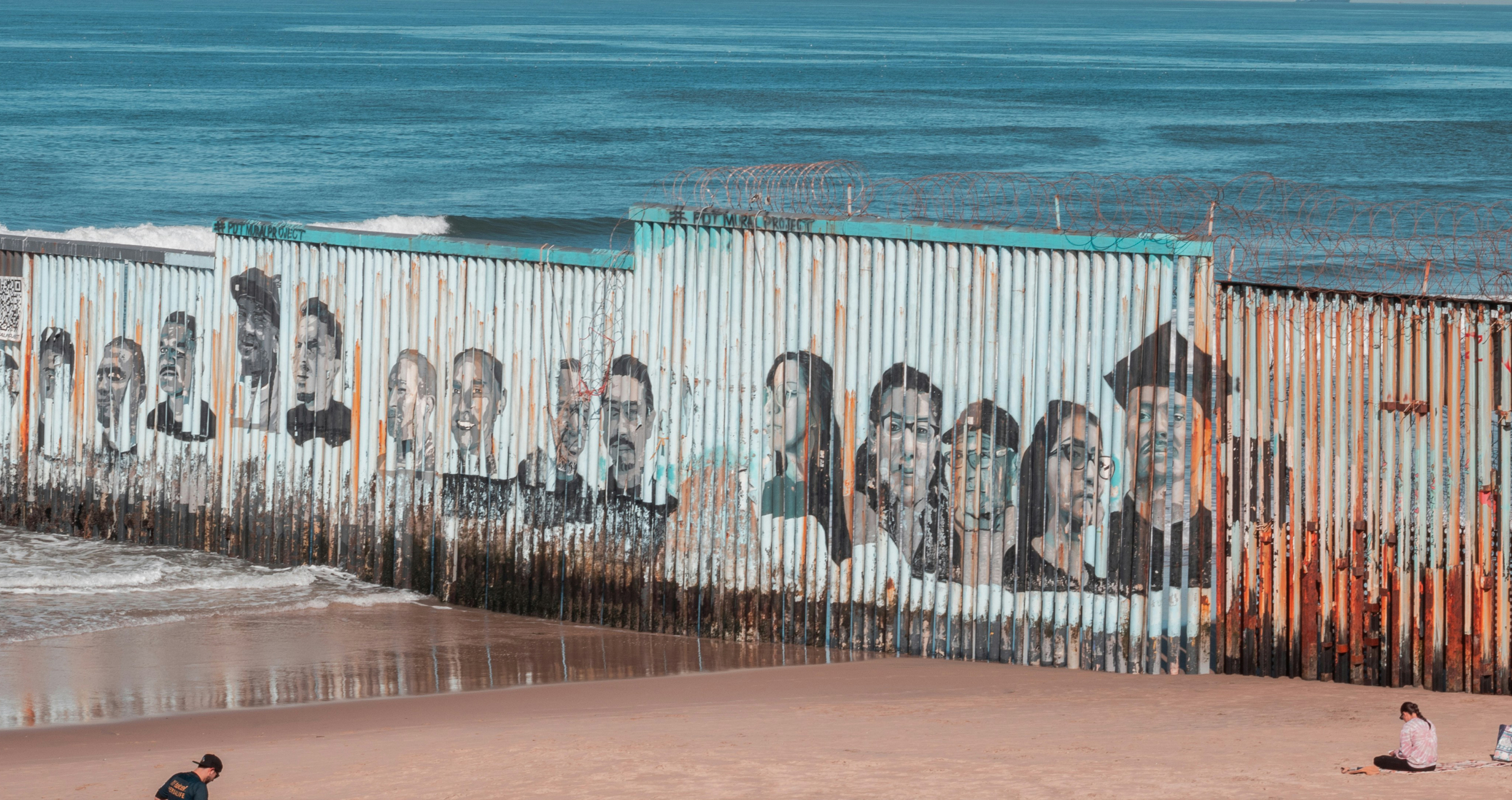
Image credit: Javier González Fotógrafo via Unsplash

Futures of Work ~ Mobility, immobility and their valorisation in transnational temporary work

0

Scholars and public opinion alike mostly present human movement with a view to its destination or encountered borders. Societies of arrival, racialisation, denial of citizenship, remittances, deportation facilities, fences, control devices and militarisation are just some of the terms speaking the grammar of the final outcome of a migration. This may stem from a conceptualisation of mobility as a linear trajectory connecting two fixed points, with the space in between perceived primarily as a zone of obstacles or interruptions. Even in studies focused on communities of departure, the methodology often remains anchored in this perspective, as migrants are presumed to have definitively left their home behind. Present-day narratives of people crowded in migrants’ shelters located in areas other than their intended destination or point of departure – with all the associated dramatic consequences in terms of human rights and dignity – preserve this angle of a journey’s end. I propose that this prevailing ‘approach of destination’ requires a complementary perspective, adopting the view of those left behind: the unfulfilled needs, valorisation of both mobility and immobility and disenchantment of desires form the lens through which we can examine mobility and immobility as part of a comprehensive labour regime.

Walking from one’s place of residence – be it in a remote village, an urban centre or the countryside – marks the initial form of spatial mobility for workers. In the first place, this movement is often prompted by desire, necessity or chance opportunity. Importantly, however, such a departure should not be understood merely through the analytical framework of ‘cause of migration’ but rather as the generative moment of a broader mobility process and a form of social ferment that produces unforeseen outcomes. Within this ferment, people are set in motion and begin to aspire towards a better life, temporary employment, a safe place or new experiences – even in cases where they may ultimately be prevented from realising these goals.

Once propelled by need or desire, individuals require resources, among which knowledge and money are the most common. Even within state-managed labour programmes such as the so-called guest worker schemes established across various regions of the world during the 20th century, applicants often incurred debt simply by leaving their homes to reach selection centres located in their own country, compelled to cover travel and basic expenses. They met these costs by using personal and family savings or, more frequently, by going into debt despite having no guarantee of employment. Indebtedness often exacerbated economic vulnerability, particularly when such people were rejected from the programme and subsequently had to finance their return journey without having earned any wages.[i] In other words, the aspiration to temporary employment alone could potentially lead to indebtedness.

Health matters can also prevent the desired mobility of aspiring workers. This issue reflects both the role of government agencies in excluding those who do not meet defined and formal requirements, and the definition of the ideal type of temporary worker. For instance, in the case of the US–Mexican Guest Worker Program from the 1940s to the 1960s, applicants were peasants but could not be ‘decadent’; their hands should be calloused but not damaged by the harshness of the countryside; they were expected to be poor but not destitute; experienced but lacking technical qualifications; and unemployed but willing to return to Mexico after a temporary contract. It was a fine line they had to walk, and many were already rejected in the application phase. These individuals were part of the labour programme because the Mexican local administrations, at least in rural areas, could pinpoint them to verify their eligibility. They travelled to be recruited, submitted their applications for certificates and underwent health examinations in their states of residence; they were scrutinised, inspected, socially registered. Many took on debt to reach the selection centres, especially those living in remote rural areas. This process is part of the general regime of mobility, which evidently also represents a regime of immobility for people excluded by their physical characteristics or ineligibility.

Even if selected, aspiring transnational temporary workers often have to navigate and endure the time and space between selection centres and recruiting centres, and then their sites of work. The wait in such centres is akin to a black hole of uncertainty and timelessness into which workers are plunged: They do not know how long they will have to wait before being employed, and exist in suspense, unfamiliar with the place and often the language. They do not know what conditions they will be working in, or whether they will be able save some money after their long journey. Waiting times before being recruited may last months, even within the framework of labour programmes. Furthermore, access to employment may be commodified, with bribes, fees and/or unpaid labour required just to enter the selection process.

Ultimately, every step of such a journey turns into a site of value extraction. In addition to contractual conditions and the regulation of workplace permanence, labour mobility is a process that extends throughout their entire careers, since mobile workers are already productive before their arrival and remain so after their return. Immobilisation – whether through forced waiting, administrative opacity or physical confinement – is a central component of this regime. It sustains surplus labour pools, fuels local informal economies and reshapes workers’ expectations. Every moment of this social process generates value by compelling individuals to perform auxiliary labour, accept lower standards or incur debt.

Ultimately, beyond the actual temporary work, labour mobility is a social process, and like most social processes, it is historically built on some form of movement. The regime of im/mobility was built on a fluid space in which both contracted workers and applicants had to navigate a time of unknowns. Importantly, it was also constructed in part by those who did not obtain the necessary documentation to access selection processes and by those who ended up not being recruited. At the same time, the validity of this regime of immobility extended well beyond the existence of the desired employment, since debt incurred along the way prolonged many applicants’ connection to the process even in situations of immobility in their country of return.

Claudia Bernardi is an associate professor of ‘History of the Americas’ at the University of Perugia, board member of the Italian Society for Labour History-SISLav and coordinator of SISLav research group ‘Free and Unfree labor’. She is finalising her second monograph titled The Use of Coercion: Questioning Dependency and Autonomy of Mexican Contract Workers in the Im/mobility

[i] Bernardi, C. & Pizzolato, N. (Forthcoming) ‘Logics of Debt: Rethinking Im/Mobility and Coercion in the Context of the Programa Bracero, 1942–1964’, in Schiel, J. & Heinsen, J. (eds.) Coercion at Work: Situating Labour History after the Global Turn. London: UCL Press.

Claudia Bernardi is an associate professor of ‘History of the Americas’ at the University of Perugia, board member of the Italian Society for Labour History-SISLav and coordinator of SISLav research group ‘Free and Unfree labor’. She is finalising her second monograph titled The Use of Coercion: Questioning Dependency and Autonomy of Mexican Contract Workers in the Im/mobility Regime.

Image credit: Tim Mossholder via Unsplash

Generate single title from this title AI’s role in the future of learning in 100 -150 characters. And it must return only title i dont want any extra information or introductory text with title e.g: ” Here is a single title:”

Write an article about

Key points:

It seems educators can’t turn on a device or have a conversation without AI working its way into the mix. But AI’s popularity is not without cause, given how often educators are reminded of how AI can personalize learning and how students will need AI skills to compete for future jobs.

With AI dominating headlines in all industries, it’s a relatively common question: Is everything about AI?

During an ISTELive 24 virtual session, presenter Kia Angeles, a training associate at SMS Global Technologies and a technology coach at the Junior Academy for Coding Knowledge (JACK), explored AI’s current role in education, how it can help students with special needs, and how a purpose-driven approach to using AI in the classroom can help educators gain more comfort and familiarity with the technology as it evolves.

In general, Angeles noted, there are three types of AI:

  • Narrow AI: Siri and Alexa are prime examples of narrow AI
  • General AI: This type of AI understands, learns, and applies knowledge across a wide range of contexts
  • Super-intelligent AI: While still speculative, this concept of super-intelligent AI raises profound ethical and existential questions about control and coexistence

Right now, AI is generally used for personalized learning, administrative support, and data analytics. It enhances learning experiences with tailored learning paths and immediate feedback, improves accessibility and inclusivity through assistive and adaptive technologies and language translation, and boosts efficiency and administrative support by automating routine tasks and improving data management.

Despite its potential, AI in the classroom brings with it concerns:

1. Data privacy and security: Risks of data breaches and misuse of information
2. Bias and fairness: Bias in AI systems and troubles ensuring fair treatment
3.  Dependence and dehumanization: Reduced human interaction and negative impact on teacher-student relationships
4. Job displacement: Concerns about job loss and “not needing teachers” in existing or new roles

“Developers and educators are encouraged to use AI responsibly, with a clear understanding of its impact on students and society,” Angeles noted.

Angeles encouraged teachers to read AI tools’ data privacy statements, because the responsibility lies with teachers to understand how data is used before the tool is introduced to students.

AI in education carries with it ethical and philosophical implications, too, including how to handle transparency and accountability, along with how to address the role of human teachers and balancing technology with human values.

“We can see that AI can augment teaching, but the human touch remains irreplaceable in fostering empathy, creativity, and critical thinking,” Angeles said. “How do we balance technological advancement with preserving human values and interaction? It’s essential to ensure AI enhances, rather than diminishes, the human elements of education.”

Looking to the future, AI in education is focused on emerging trends and technologies and how predictive analytics can personalize learning experiences, identify at-risk students, and provide early interventions. “This enhances student success and retention rates—they can see their strengths,” Angeles noted.

When it comes to forming long-term visions, the evolving role of educators in the classroom of the future will be critical. “Imagine classrooms equipped with advanced AI tools that facilitate personalized and engaging learning experiences. These classrooms will be dynamic environments where students can explore, experiment, and learn at their own pace,” Angeles said.

“Educators will transition into roles that emphasize mentoring, fostering creativity and emotional support, guiding students through their educational journeys in ways that AI can never replace,” she added.

To truly reap the benefits of AI in education, stakeholders should work to use AI in responsible ways. Educators should ensure their skillset includes using and teaching with AI, but should strive to enhance the human aspect of teaching. Policymakers should enact solid guidelines around data privacy and security while supporting research about AI’s potential in education.  And technologists should focus on ethical AI and ensure collaboration with educators.

“Ai is a tool to augment our capabilities, not to replace our humanity,” Angeles said.

Laura Ascione is the Editorial Director at eSchool Media. She is a graduate of the University of Maryland’s prestigious Philip Merrill College of Journalism.

Laura AscioneLatest posts by Laura Ascione (see all)

.Organize the content with appropriate headings and subheadings ( h2, h3, h4, h5, h6). Include conclusion section and FAQs section with Proper questions and answers at the end. do not include the title. it must return only article i dont want any extra information or introductory text with article e.g: ” Here is rewritten article:” or “Here is the rewritten content:”

International students, borders and invisible labour in Northern Cyprus

0

When Samir left Sudan to study in Northern Cyprus in 2023, he imagined days structured around lectures and assignment deadlines. Two years later, he measured time in hours worked instead: 16-hour days of construction in the mornings, driving an illegal taxi at night, and fitting classes in wherever he could. “I see myself as a clock”, he told us. “The moment I wake up I calculate everything… I don’t think of myself as a person, only as someone who is working.”

On paper, Samir is an international student in the Turkish Republic of Northern Cyprus (TRNC). In practice, having fled war in Sudan, he is a de facto refugee whose right to stay depends on remaining enrolled and solvent. His story, and those of many others we met during our research on displacement and asylum on the island, reflects recent shifts in the global politics of higher education, borders and work.

Over the past two decades, international student numbers have more than tripled worldwide. Universities and governments increasingly rely on students from the Global South to generate revenue, plug labour shortages and fuel global competition for skilled migrants. International education has become a lucrative industry, complete with recruitment agents, pathway colleges and promises of post-study work and future residency.

These dynamics are unusually concentrated in Northern Cyprus. Branded as the land of international universities, the TRNC now hosts 22 higher education institutions in a territory of around 400,000 people. By 2022, roughly 87 per cent of students enrolled there were international. If included in UNESCO statistics, Théotime Chabre projects, the TRNC would likely top the global charts of both university density and proportion of international students.

This expansion is partly tied to the island’s unresolved political division. Although Cyprus joined the European Union in 2004, the island has remained divided since its partition in 1974 following the conflict between Turkish and Greek Cypriots. A UN-monitored buffer zone, the Green Line, separates the TRNC in the north from the Republic of Cyprus (RoC), a non-Schengen EU member state that claims sovereignty over the entire island but exercises effective control only in the south. International conventions and regulatory regimes are either suspended or partially operative in the TRNC, which is recognised only by Turkey.

Faced with diplomatic isolation, trade embargoes and dependence on Turkey’s fiscal and political support – delivered in extractive forms – the TRNC has turned to higher education, alongside tourism and casinos, to sustain its economy. Universities bring in foreign currency through tuition, housing and student spending, now accounting for roughly one-third of GDP.

Over the past decade, this boom has taken on a new dimension, layering historical and contemporary patterns of displacement into what we conceptualise elsewhere as ‘nested borders’. As conflicts across the Middle East and Africa reshaped mobility amid tightening asylum regimes in Europe, Turkey and beyond, Northern Cyprus has emerged as an aberrant route for people like Samir seeking safety and opportunity on the edges of Europe. Although not formally an international border, the Green Line has increasingly come to function as a de facto external EU frontier, where asylum responsibilities are unevenly distributed and frequently deferred. North of the line, the Common European Asylum system is suspended, and the UN refugee agency operates through indirect and limited arrangements; south of it, access to rights and protection is increasingly securitised.

It is these misalignments among the jurisdictions of TRNC, RoC, the EU and the UN that produce what we call ‘nested borders’: the gaps and overlaps between territorial, institutional and legal regimes that both constrain and enable movement. As migrants navigate these gaps – by crossing boundaries, claiming rights or circumventing restrictive legal rules – they strain and rework the relationships among governing authorities, legal systems and humanitarian actors.

The situation of students like Samir in the TRNC reveals higher education as a key institutional domain through which nested borders are enacted in Cyprus. Although formally categorised as ‘international students’ – a label that presumes choice, resources and privilege – many come from Yemen, Sudan, Syria, Congo, Palestine and other conflict-affected regions. Their trajectories, shaped by displacement and limited options, parallel those of the asylum seekers and refugees we interviewed in the Republic of Cyprus, who travelled along comparable routes towards and across the island. For many, higher education is less an end in itself than a means of securing safety, stability and a possible future in Europe.

In the absence of a functioning asylum system and enabled by government policies promoting the private expansion of higher education through land leases and tax exemptions, universities and recruitment agencies in the TRNC tap into this search for legal and spatial access. They offer flexible admission criteria, English-taught programmes and discounted – yet fully prepaid – tuition packages marketed as scholarships to students coming from these regions. One university, for instance, admits Sudanese students exclusively through a standing agreement with a recruitment agency, which channels arrivals from areas of intensified displacement, including Syria and Palestine.

Through these agreements and associated payment schemes, universities effectively sell acceptance letters as entry documents, structuring and monetising mobility within the gaps of nested borders. Because the TRNC lacks international recognition, all students enter via Turkey, where proof of enrolment enables transit. Samir explained that he “came without a visa, with only university acceptance and tuition payment”, while another student from Yemen noted that “the acceptance letter was [his] guarantee… Students, for their part, use these pathways strategically, often treating higher education as one of the few viable routes through an otherwise blocked migratory landscape.

Higher education institutions not only facilitate access but also embed displaced students in the regulatory frameworks that govern their presence in this fragmented jurisdiction. Maintaining enrolment and tuition payments is a condition of legal residence; those falling behind risk losing status and being deported to the very places they fled. Unlike contexts where international students are positioned as future high-skilled labour migrants with work rights, TRNC student visas do not automatically allow employment. Obtaining a work permit requires employer sponsorship, a hurdle none of our interlocutors managed to overcome.

In this setting, studentship itself takes on the qualities of ‘confined labour’ , work regulated by tight temporal, spatial and legal restrictions, which generates value through managed dependency. Navigating volatile exchange rates, negotiating with landlords who demand months of rent upfront, and managing opaque university bureaucracies constitute a form of reproductive labour that sustains both the higher education economy and the de facto state.

To bridge the gap between required expenditure and permitted income, students rely on informal jobs, driving ‘pirate taxis’, doing construction, working in call centres, delivering food, running home-based salons or acting as commission-based sub-agents for recruitment offices. Some help build the very cities from which they are excluded as workers; others recruit new students into the same system that exploits them. Still others attempt crossings to the south to apply for asylum, return when waiting for status there becomes unsustainable, or move back and forth as circumstances shift.

In this way, higher education in the TRNC shapes not just study-related migration but survival in displacement. Viewed as ‘unlawful’ by some for operating outside the RoC law, TRNC universities often serve as the very gateway for students who could not otherwise enter the island, reconfiguring the edges of Europe. Beyond providing access and education, they embed displaced students within contemporary border and labour regimes, by making presence conditional on continuous payment and enrolment. Sustained through the gaps and overlaps of nested borders, higher education turns survival into a precarious source of profit, leaving students like Samir to live, quite literally, by the clock.

Aicha Lariani is a graduate student in the Public Issues Anthropology programme at the University of Waterloo. Her research, conducted as part of the SSHRC-funded project Border Frictions (Insight Grant 435-2021-0342, PI: Suzan Ilcan), examines student migration and everyday experiences of displacement in Northern Cyprus.

Seçil Dağtaş is Associate Professor of Anthropology at the University of Waterloo and a faculty member at the Balsillie School of International Affairs. She is Co-Investigator on the SSHRC-funded Border Frictions project and researches religious difference, gender and the experiences of minority and displaced communities in Turkey and Cyprus.

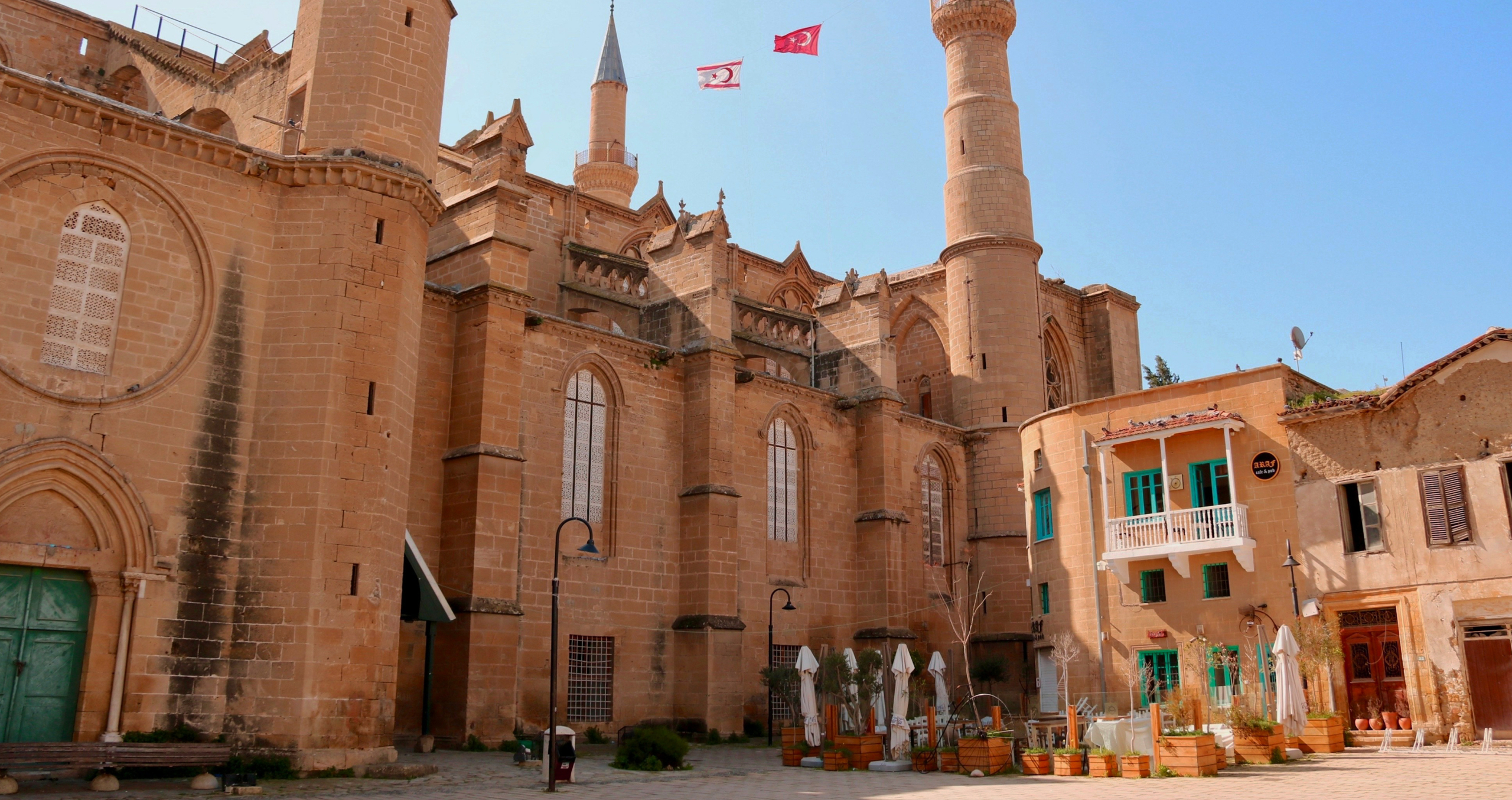
Image credit: Hongbin via Unsplash

Crepori Forest and the Munduruku

0

Bordering on criminal: Legitimising unlawful extraction

The origins of the word ‘border’, which can be traced to a shield’s edge (bordeure) or the planks (bord/board) that formed the side of a ship, resonate along the banks of the Tapajós River in the Munduruku territory of Brazil. The edge between the Munduruku ancestral lands and the worlds of non-indigenous settlers has been travelled, transgressed and contested since the first colonial boats navigated the Amazon. It could be argued that the historical treatment of the Amazon as terra nullius, devoid of people with distinct histories, territories and parity of rights, is reproduced in enduring Western imaginaries of pristine forests, and top-down developmentalist strategies aligned to cartesian presentation of space and linear conceptions of time and progress.

In this context, the material borders that delineate the boundaries of the officially recognised indigenous territories in Brazil represent for the inhabitants a spatial and temporal horizon, the protection of which affords the reproduction of collective life, work and meaning within the forest. This article contends that for land grabbers, wildcat miners, state institutions and commercial organisations alike, these borders represent a legislative and geographical obstacle to be reworked, reinterpreted and overcome in preparation for further commercialisation of land and labour. This article explores the outworkings of this in relation to the border between Munduruku lands and Crepori National Forest, and the illegal gold and ‘regulated’ timber extraction therein.

Asymmetrical temporalities on the edge of two worlds: The case of Crepori

It was amid the repression of Brazil’s military regime that the Munduruku began expeditions towards territorial defence of their sovereignty in the 1970s. This process of territorial control in the face of ongoing government omission, which became enunciated as self-demarcation from 2014 onwards, involved successive teams monitoring and confronting invaders, mapping and demarcating their boundaries and containing land-related violence. The actions led to 2.38 million hectares being designated for their exclusive use in 2004.

The late 20th century saw new constitutional changes in Brazil that guarantee lands and rights for Amazonian communities. It is difficult not to conclude, as does Robert Nichols however, that these territorial borders – ostensibly drawn to protect distinctive and indigenous social, economic and political activities – represent conversely ‘an unincorporated horizon’ for the relentless pressures of capitalist expansion. As detailed below, the slow and incomplete process of officially demarcating these lands – there are at least 850 indigenous lands that have not yet been defined – makes them vulnerable to illegal incursions, and contrasts sharply with the rapidly introduced bills that seek to weaken the existing legal protections offered by these borders.

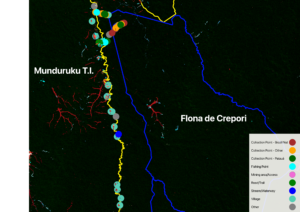
The Crepori National Forest, or ‘Flona’, with 740,661 hectares, was created in 2006, bordering the Munduruku lands (TI Munduruku), but incorporating areas historically and contemporarily used by the Munduruku people, who were not consulted, in violation of ILO 169 (which requires governments to involve indigenous and tribal peoples in relevant legislation and projects that will affect them) and the Brazilian constitution. A ‘Flona’ is a conservation area, but with a specific designation that allows the commercial extraction of resources within its boundaries. The denial of the existence of indigenous occupation, therefore, paved the way for the auctioning off of parts of the forest. Figure 1 illustrates that neither the boundaries of indigenous lands nor the conservation area were effective in preventing illegal gold mining and deforestation.

Figure 1 Map showing border (in yellow) between the Munduruku Lands (TI) and Crepori Flona, and the places of traditional use (open circles) by Munduruku. These extend through to the designated Flona and within the licensed zone for commercial logging concession (in blue). Areas of illegal mining in both the indigenous land and national park, 2001-2021, are shown in dark red.

A formal complaint in 2014 by the Munduruku paused the planned operations:

Our activities of fishing, hunting, harvesting fruits, straw and vines are prohibited, in an area that is our traditional territory […] where the federal government created the Flona without consulting our people.

The irony for the original residents is that although the logging concession was temporarily suspended, the Supreme Court decision that recognised the ‘suffering from illegal activity’ and ‘predatory’ deforestation led not to a cancellation of the logging contracts but rather the opposite: Regular logging would be permitted as it would help tackle the illegal extraction of timber and the wildcat gold mining activities.

Since the licensing for regulated logging became operational in August 2023, the enclosure of forest for logging, the noise of machinery and siltation of rivers has forced locals to go further to hunt, fish and gather fruit. Most notably, however, along the paths through the forest, young men still working as illegal miners talked openly of friendly relations with the employees of the timber company that was awarded the contract.

The drone image (Figure 2) shows the alarming extent of illegal mining, visible as the ponds of deforested areas to the left of the picture, that has been facilitated by the principal road infrastructure (running south to north in the image) built by the logging company. Figure 3 qualifies the local accounts of forest loss and persistent illegal mining since the timber concessions came into operation.

Figure 2 A drone image of illegal gold mining sites adjacent to the ‘official’ road of the timber company, August 2025; Image courtesy of Da’uk Munduruku audio visual collective

Figure 3 Map showing recent forest loss (2022–2024) from illegal mining (in light blue) within the indigenous lands and Flona. Forest loss between 2001 and 2021 is shown in dark red.

Figure 3 Map showing recent forest loss (2022–2024) from illegal mining (in light blue) within the indigenous lands and Flona. Forest loss between 2001 and 2021 is shown in dark red.

This situation is a typically unruly frontier encounter. Currently, mining is illegal in indigenous territories, meaning that the labour undertaken by poorly paid workers and most often organised by unseen actors is by necessity clandestine, precarious, undocumented and, because of its geographical remoteness, ‘slave-like’ (under the Brazilian legal definition). Although condemned by the Munduruku leaders, this activity has been co-opting young, indigenous men into capital-waged labour relations leading to internal conflicts that are a manifestation of the broader tensions between the protection and capitalisation of the forest resources.

An increase in logging concessions continues to be pushed as a tool for forest conservation as part of a broader belief in regulation through private property; yet indigenous groups have long argued that effective, statutory protection of their territorial borders is a sufficient guarantee of forest preservation. What they now face is the contrary: Federal courts are currently debating laws that would make legal wildcat mining in indigenous territories by non-indigenous peoples (Bill 1331/2022) and would for the first time allow transnational corporate mining in these lands (Bill 6050/2022). Furthermore, the authority to demarcate indigenous lands would be transferred from government to a National Congress (PEC 59/2023) dominated by a pro-agribusiness lobby that has already stated it would paralyse the demarcation of indigenous lands. The evidence presented here is of a symbiotic rather than conflictual relationship between illicit and ‘regularised’ extraction, whereby new ‘legal’ infrastructures facilitate rather than tackle the transgression of ostensibly protective borders, with grave implications for the sovereignty and livelihoods of indigenous and traditional communities and the ecosystems of which they are part.

The Amazon’s centrality to overlapping, converging and conflicting strategies for carbon capture, carbon trading, timber and mineral extraction at a global scale means that the regulatory challenges presented here are also of a transboundary nature. Not only are some 3,600 mining applications scattered across the basin, but the UK government is among those investing in the region under the premise that well-defined property rights will help tackle illicit land grabs and invasion. This liberal market-based belief has already underpinned the UK’s partnership with Brazil to section some 1.3 million hectares of the globe’s most important biome to timber extraction, while planning a further 5 million hectares until 2030.

The institutional enthusiasm and justification for these transborder strategies and transactions rely on the continued imposition of a linear temporal framework and steeply hierarchical policy agenda that determines to transform space and, importantly, social relations at the frontier. A logic that seeks to bring into line those whose resistance has historically been translated as a barrier to progress is thus sustained by the developmentalist agenda for the Amazon. Although this may be accompanied by a discourse that departs from previous colonial and military periods, the protests of the Munduruku that temporarily shut down the Climate Change Conference of Parties (COP 30) in Brazil’s Amazon manifest that alternate visions, social and ecological relations persist within their territorial borders that could provide for social and political possibilities beyond them.

Rosamaria Loures is a doctoral candidate in Social Anthropology at the University of Brasília (UnB). She holds a master’s degree in Environmental Sciences from the Federal University of Western Pará (UFOPA), and works as an advisor to the Munduruku Wakoborũn Women’s Association (since 2018) and the Munduruku Ipereğ Ayũ Movement (since 2012).

Brian Garvey is a researcher at the Department of Work, Employment and Organisation at the University of Strathclyde. His current research investigates local and global tensions related to labour, land use and the commodification of natural resources. He is a co-founder of the Centre for the Political Economy of Labour.

Steven Owens is a researcher specialising in geospatial data for corporate accountability with a focus on supply chain transparency, working in collaboration with Indigenous communities.

Mauricio Torres holds a Masters and PhD in Human Geography from the University of São Paulo. He is Professor at the Institute of Amazonian Agriculture (INEAF) and at the Federal University of Pará (UFPA), and Coordinator of the Decentralized Execution Agreement between the Ministry of Indigenous Peoples (MPI) and the Federal University of Pará (UFPA).

Deise Cristina Lima de Oliveira holds a degree in Rural Development from the Federal University of Pará (UFPA) and is a master’s student in the Amazonian Agriculture Program at UFPA, where she conducts research in the area of ​​territorial conflicts and the rights of traditional peoples and communities. Currently, she is a technical advisor to the Wakoborũn Association and the Ipereg Ayũ Movement.

Ana Carolina Alfinito holds a law degree from USP and a doctorate in political sociology from the Max Planck Institute for the Study of Societies. She is currently a postdoctoral researcher at the Institute of Amazonian Agricultures of the Federal University of Pará (INEAF/UFPA) and a consultant for the Ministry of Indigenous Peoples (MPI).

Hugo Gravina Affonso is a geographer and holds a PhD in Family Farming and Sustainable Development from the Federal University of Pará. He is currently a postdoctoral researcher at the Institute of Amazonian Agriculture (INEAF/UFPA).

Bárbara Wanderley holds a bachelor’s degree in Geography from the Federal University of Pernambuco (UFPE) and a master’s degree in Geography from the Federal University of Paraná (UFPR). Currently, she is a doctoral candidate in Philosophy at the University of Strathclyde, where she is developing interdisciplinary research articulating philosophy and socioenvironmental conflicts.

Image credit: Mirna Wabi-Sabi via Unsplash

Futures of Work ~ The constitutive and discursive role of borders in neoliberal settler-colonialism

0

Immediately after Hamas’s brutal attack on Israeli towns near the Gaza Strip on 7 October 2023, Israel closed all entry to Palestinians from the occupied territories. Overnight, some 100,000 Palestinian workers lost their source of income from jobs inside the ‘Green Line’ – Israel’s internationally recognised sovereign border.[1] However, like many countries, Israel has become dependent on non-citizen labour. The government, pressured by a concerned central bank and a strong employer lobby, moved swiftly to enable the import of migrant workers to replace the Palestinians.

Yet the border that was closed to Palestinians runs through territories controlled by Israel, and Israel controls the lands in which the Palestinian workers live.[2] There is no independent ‘Palestine’ from which they come as migrant workers, and no bilateral agreement regulating their employment. Moreover, Israeli citizens live on both sides of that border: Hundreds of thousands have made homes in Israeli settlements in the West Bank. And this is not the only border: The areas under Israeli control are criss-crossed by myriad borders, sometimes marked only on maps with little or no physical presence on the ground, many of them unstable, and subject to military requirements and the territorial ambitions of Israel’s settlement efforts.

Clearly, these borders do not demarcate the edges of Israel’s sovereignty or the entry point of foreign citizens into Israel’s de facto sovereign space. So, what do they do? They fulfil two key and related functions: Firstly, they enable the efficient management of the non-citizen population within the territories controlled by Israel, in particular Palestinian workers. Secondly, the idea of borders, particularly the border most prominent in the imagination of most Israelis (the Green Line), has an important discursive role: It contributes to the fiction that ‘we’ (Israelis) are here and ‘they’ (Palestinians) are there, and that the ‘conflict’ is a border dispute over contested territories between two independent political entities.

In their first function, borders divide territories in Israel–Palestine into various enclaves, each of which is subject to its own set of entry restrictions and a complex configuration of laws, directives and military orders. In research published last year, I traced how these restrictions and regulations in turn determine the institutions and organisations active in these enclaves, thus shaping the working conditions and employment terms of Palestinians who labour within them. For example, Palestinians require different permits to enter the seam-line industrial zones, to cross the Green Line, to work in Israeli settlements in the West Bank and to enter the land between the Green Line and the separation fence.[3] Various Israeli and Palestinian trade unions and civil rights organisations are active in some enclaves and not in others, impacting which rights Palestinians can claim and what assistance they can access. Moreover, ‘troublesome’ Palestinians deemed a security threat or simply those who demand better employment terms or dare to unionise can easily be sent back over a border and distanced from their workplace.

Bordering practices also depoliticise. For example, Palestinians apply for permits via an app that reduces their contact with both Palestinian coordinators and Israeli authorities, streamlining, depersonalising and disempowering all at once. Similarly, many checkpoints are now handled by private firms rather than by Israel’s national army, which smooths and conceals the political face of Israel’s occupation of the territories. Moreover, by legitimising only their identities as workers, borders separate Palestinian spheres of reproduction (their social and family life) from the sphere of production (the extraction of value).

Borders, then, enable Israel to instrumentalise Palestinians. Through bordering practices, Israel creates and legitimises the normative ‘useful’ workers, separating them from other aspects of life, removing them from their ethnic and political collective and determining how they are integrated into the labour market. But they do more than that: They enable Israel to manoeuvre between the conflicting interests of actors on the ground, and resolve the tensions between what I have called elsewhere (with Assaf S. Bondy) Israel’s ‘ethnonationalist imperative’ to exclude and eliminate the ‘native’ in the context of its settler colonialism, and the ‘neoliberal imperative’ to exploit Palestinians as a source of ready labour. Through bordering practices, and through the power these borders grant employers and state authorities, the Israeli state neutralises the political and human aspirations of the Palestinians, integrating the ‘native worker’ without undermining its settler-colonial project.

Borders’ second, related function is in their contribution to the discursive creation of a ‘Palestine’ with which Israel is in conflict. In closing the Green Line to Palestinians after October 2023 and ‘replacing’ them with migrant workers, Israel draws a parallel between the two groups: Each ostensibly enters Israel as part of a mutually beneficial deal struck between two equal parties (the migrant/Palestinian gets work; Israel gets the labour it needs). Israel has simply replaced migrant workers from one country (‘Palestine’) with those from another country.

However, the border Israel has ostensibly closed is in fact closed only to Palestinians, and Israelis continue to travel freely across the Green Line and around most parts of the West Bank. Moreover, some Palestinians continue to work in Israeli settlements even since October 2023, as well as in some industrial zones. Yet by keeping Palestinians ‘out’, Israel can talk of ‘national’ security and ‘national’ conflict.

The idea that Hamas crossed the border to carry out its horrendous attack is crucial to this discursive role too. Israel emphasises the entry of Hamas militants into Israel, thus underlining the hostile act of an external enemy against the state, eliding Israel’s de facto control of many of those same crucial resources and infrastructure that it controls in the West Bank. Thus, Israel can paint Hamas as an Islamist, ‘naturally’ violent movement that has defiled Israel’s sovereign territory – the barbarian at the gate – against which all military operations are ipso facto defensive. Through this discursive manoeuvre, aided by the very real breach of the physical barrier surrounding the Gaza Strip, we are blinded to Hamas’s creation and existence within a settler-colonial context.

To conclude, in Palestine–Israel, borders do not just filter who is permitted entry; they are not merely a barrier to pass through en route to ‘better jobs’, but create an existence for Palestinians that is embedded permanently within bordering practices and shaped by the rules governing the enclaves created by these borders. Importantly, there is no national border that Palestinians can exit; they have no way of leaving Israel’s control. Instead, myriad borders create a Palestinian subject that is useful to Israel’s (capitalist) economy while ensuring Palestinians as political agents are neutralised. Borders thus enable the efficient management of the occupation and the resolution of tensions within the settler-colonial endeavour.

At the same time, the idea of borders enables Israel to discursively create the ostensible separation between two independent political entities, where one (Israel) ‘closes’ its borders to protect its citizens from the violent activities of the other (Palestine). While in the past Palestinians have crossed the Green Line even during times of ‘closure’, with Israeli authorities turning a blind eye, this discursive aspect of the border is even more significant now: As Israel’s army continues its genocidal operations in the Gaza Strip, Israel needs the world to see it as an independent state fighting hostile neighbours, rather than as a colonial-settler state eliminating the natives within the territories under its control.

Jonathan Preminger is Senior Lecturer in Management, Employment and Organisation at Cardiff Business School and author of Labor in Israel: Beyond Nationalism and Neoliberalism (ILR Press, 2018). His research interests include employment and industrial relations, the sociology of work and alternative organisations. He is a member of the Editorial Board of Work, Employment and Society, communications officer for the British Universities Industrial Relations Association and director of the Employment Research Unit at Cardiff Business School. Email: premingerj@cardiff.ac.uk

[1] The Green Line is approximately the ceasefire line of 1948, with some subsequent territorial adjustments. Israeli control over territories beyond that line (e.g. the West Bank, the Golan Heights) are not recognised as part of the State of Israel.

[2] Some small enclaves, known collectively as Area A, are under the control of the Palestinian Authority, but even here Israel controls crucial resources and infrastructure including air space, water, electricity, the banking system and overall security.

[3] Sometimes high concrete wall, sometimes hi-tech fence, the ‘separation fence’ runs roughly along the Green Line, but makes frequent incursions into the West Bank, creating many enclaves between it and Israel’s official border.

Image credit: Ash Hayes via Unsplash

The Torres Strait as a fluid borderland

0


Figure 1. Australian Maritime Zones in the Torres Strait

The Torres Strait archipelago occupies a unique geographical and political position at the northeastern tip of Australia, forming a maritime border with Papua New Guinea since its independence from Australia in 1975. This small region, home to approximately 4,000 Torres Strait Islanders, is not just a geographical boundary between two nation states. It is a fluid borderland where work, identity and mobility are shaped by complex historical forces and contemporary governance arrangements that shape how Islanders navigate economic opportunity across multiple jurisdictions.

Understanding work in the Torres Strait requires examining how borders function not merely as lines of separation between nation states, but as a fluid and dynamic space that shapes labour patterns, economic choices and community formation. The map above communicates multiple borders and jurisdictions, including the Torres Strait Protected Zone negotiated in a 1985 treaty to enable residents of the northernmost islands and 13 coastal Papua New Guinean communities to move across the Seabed Jurisdiction Line without passports for traditional visits, fishing and trade. As a result, the border has been described as serving a dual function as both bridge and barrier.

The legal and governance complexity in international law in the Torres Strait is compounded by the distinct jurisdictional responsibilities of the federal government of Australia and those of the state of Queensland, and the rights established through the Native Title Act 1993 which acknowledged in Australian law the specific laws and customs of different Aboriginal and Torres Strait Islander groups that preceded colonisation.

Importantly, then, viewing the Torres Strait solely through the lens of a fixed international border, in which the mobility of Islanders to the Australian mainland for work is understood as a practice of internal migration, would obscure the region’s deep history as a zone of mobility, trade and kinship connections. The contemporary borderland is not simply a space that mediates relative economic opportunities (and consequent relative disadvantages); it also demonstrates how a colonial border imposed on an historically fluid borderland continues to shape and mediate patterns of movement informed by obligation to family and community, belonging to place, and cultural and economic exchange, in ways that precede and exceed the imposition of state borders.

Moreover, in keeping with broader Indigenous philosophy, which emphasises the intersecting and overlapping nature of past, present and future, the future of work and migration in the region is firmly embedded in past and present structures and conditions. It is also the case that, in contrast to ill-informed perceptions of the sedentary nature of Indigenous cultures, the story of the Torres Strait was and will continue to be one of mobility.

The post-World War Two period marked a watershed moment for Torres Strait Islanders. The formation of the Torres Strait Light Infantry saw Islanders travelling to the mainland (and around the world), resulting in returning servicemen bringing back stories of new employment opportunities beyond the local pearling and fishing industries. In the context of Australia’s post-war migration programme to address labour shortages, Islanders, while not being migrants per se, nonetheless found growing employment opportunities on the mainland.

This post-war era represented the critical mass movement of Islanders from the Torres Strait to mainland Australia, setting in train the diaspora that today sees the great majority of Islanders living away from the Strait: Compared to a home population of approximately 4,000, more than 70,000 Torres Strait Islanders are now residing on mainland Australia.

In historical terms, it was a normal part of everyday Islander life in the Torres Straits to have movement between islands and wages withheld, regulated or otherwise subject to the permission of the local Protector, affecting the economic wellbeing of families and the community as a whole. By contrast, Torres Strait Islanders working on the mainland found themselves relatively ‘free’ from such government controls over their movements.

This everyday reality – in which life in the Islands meant continued restrictive government control, while migration offered relative freedom from such colonial administration – fundamentally shaped Islander mobility as both economic strategy and political protest. The mainland thus paradoxically offered greater autonomy than home islands despite Islanders simultaneously facing marginalisation and discrimination in ‘White Australia’, revealing how borderland mobility became entangled with assertions of Islander agency against multiple forms of constraint.

This created a distinctive borderland experience where movement and opportunity were shaped by complex governance arrangements operating across multiple scales. Islanders maintained language, kinship, cultural and economic ties both to Papua Nes Guinea in the north and to mainland Australia to the south, navigating economic opportunities while negotiating their sense of place and belonging on land other than their ancestral home. While Islanders moved south for mainland employment, the Torres Strait Treaty simultaneously maintained Papua New Guinean access to the Torres Strait fisheries, creating asymmetrical cross-border flows shaped by different economic conditions.

The opportunities on mainland Australia, however, resulted in the majority of Islander emigrants moving south rather than north, and this is reflected in the diaspora today. Furthermore, when Australia initiated processes to support the independence of Papua New Guinea, there was initially a proposal that the new state border be drawn through the middle of the Torres Straits, which would have resulted in some islands falling under Papua New Guinean jurisdiction and others under Australian. Islanders rejected this, leading a ‘Border No Change’ campaign that successfully resulted in the establishment of a shared maritime zone, resulting in more fluid treatment of the new state border, which reaches above the northernmost islands in the Torres Strait and by the 1990s was generating an estimated 4,000 crossings.

Biographical accounts of prominent Islanders like Eddie Koiki Mabo reveal that many did not view mainland migration as permanent resettlement or rejection of their culture and people. This pattern reflects what migration scholars recognise in other borderland contexts: mobility as a livelihood strategy that operates within, rather than against, commitments to place and community. Moreover, it is mobility that operates within and beyond the nation state reflecting the fluidity that has always been characteristic of the Torres Strait.

For Torres Strait Islanders, this mobility is not a matter of leaving or staying, but reflects the negotiation of multiple political and economic environments that overlap in the region. This results in mobilities that navigate not just between geographical destinations, but negotiate between governance systems (local, state, federal, international), distinct economies (customary and commercial, domestic and international) and dynamic relations that are ever changing between homeland and diaspora Islander communities. This demonstrates how the region reflects ongoing negotiations across multiple domains, between tradition and opportunity, home and away, giving shape and form to the contemporary diaspora.

Torres Strait Islander mobility has never been a simple story of departure. While today’s pressures are different including a severe shortage of housing in Island communities, climate-induced mobility shaped by rising seas and shifting livelihoods, and education pathways that often require young people to spend formative years away from home, the underlying logic remains familiar.

Movement continues to be a strategic response to structural constraints rather than a break from kin, communities or culture. What is shifting, however, is the fluidity of return. Digital connectivity, cheaper air travel and stronger community governance now make it possible for Islanders to circulate more frequently between the mainland and the Torres Strait in ways that were far less accessible in previous decades. The borderland remains a living space of negotiation over ontological connection and belonging to country, community, ancestors and future generations, where mobility continues to shape how Torres Strait Islanders imagine and build their futures.

Adrian Little is Professor of Political Theory at the University of Melbourne. His expertise lies in social and political theory, and he has written extensively on conflict and democratic theory, Indigenous politics and the politics of Northern Ireland. With his co-authors, he is a Chief Investigator on the ARC Indigenous Discovery project on Navigating the Tides of Change: A Study of Political Action and Change in the Torres Strait.

Sana Nakata is a Torres Strait Islander scholar trained in law and political theory at James Cook University. She currently holds an ARC DAATSIA Fellowship (2025–2030) for the project Navigating the Tides of Change: A Study of Political Action and Change in the Torres Strait with Professors Adrian Little, Felecia Watkin Lui and Martin Nakata.

Felecia Watkin Lui is a Torres Strait Islander academic with connections to Erub, Mabuiag and Badu. She leads research focused on the intersection of health and the environment, and currently holds an ARC Future Fellowship (2026–2030) examining Torres Strait Islander mobility amid climate change. She serves as Chief Investigator on multiple national research projects, including Navigating the Tides of Change: A Study of Political Action and Change in the Torres Strait with her co-authors.

Image credit: Stacie Ong via Unsplash