Home Blog Page 36

Generate single title from this title Discounted ChatGPT Go Is Now Available In 98 Countries in 100 -150 characters. And it must return only title i dont want any extra information or introductory text with title e.g: ” Here is a single title:”

0

Write an article about

ChatGPT Go, OpenAI’s heavily discounted version of ChatGPT, is now available in 98 countries, including eight European countries and five Latin American countries.

ChatGPT Go offers everything that’s included in the Free plan but more. So there’s more access to GPT-5, image generation, extended file upload capabilities, a larger context window, and collaboration features. ChatGPT Go is available on both Android and Apple mobile apps and on the macOS and Windows desktop environments.

The eight new European countries where ChatGPT Go is now available are:

  1. Austria
  2. Czech Republic
  3. Denmark
  4. Norway
  5. Poland
  6. Portugal
  7. Spain
  8. Sweden

The five Latin American countries are:

  1. Bolivia
  2. Brazil
  3. El Salvador
  4. Honduras
  5. Nicaragua

The full ChatGPT availability list is here. Note: The official list doesn’t list Sweden, but Sweden appears in the official changelog.

Featured Image by Shutterstock/Nithid

.Organize the content with appropriate headings and subheadings ( h2, h3, h4, h5, h6). Include conclusion section and FAQs section with Proper questions and answers at the end. do not include the title. it must return only article i dont want any extra information or introductory text with article e.g: ” Here is rewritten article:” or “Here is the rewritten content:”

Generate single title from this title Bending Spoons’ acquisition of AOL shows the value of legacy platforms in 100 -150 characters. And it must return only title i dont want any extra information or introductory text with title e.g: ” Here is a single title:”

Write an article about

The acquisition of a legacy platform like AOL by Bending Spoons shows the latent value of long-standing digital ecosystems. AOL’s 30 million monthly active users represent an enduring brand and a data-rich resource that can be used in AI-driven services. That statement is true only if the data is properly governed and integrated. Such deals may blend nostalgia with business advantage, but present new compliance and cybersecurity risks that enterprises need to address.

By acquiring AOL from Yahoo, Bending Spoons moves to consolidate high-retention consumer technologies in its expanding digital portfolio. As companies turn increasingly to synthetic data to feed their AI’s learning corpus, the deal shows a different tactic, one of using established data assets and user bases to accelerate AI personalisation, advertising efficiency, and digital identity information gathering. It illustrates how older platforms – perhaps written off as legacy – can become profitable fuel for innovation when combined with cloud-native architectures and machine learning models.

Bending Spoons has financed its expansion strategy with a $2.8 billion debt package from major global banks that include J.P. Morgan, BNP Paribas, and HSBC. There’s clearly growing lender confidence in the long-term monetisation of data, unlike during the ‘dot.com’ boom and bust, where the emphasis and interest was in purely software products. The acquisition, expected to close by year-end, follows Bending Spoons’ planned purchase of Vimeo. The two deals, if they go through, position the company as a major consolidator of internet assets.

Implementation and operational challenges

Integrating decades-old infrastructure like AOL’s presents technical challenges. Data migration from legacy email systems in line with current-day security protocols and compliance requirements needs careful stewardship. There’s also the not-insignificant issue of retraining staff for AI data stewardship on data that comes with significant buy-in from trusting service users. As with any digital acquisition, therefore, Bending Spoons’ success will depend on managing the technical and cultural dimensions of integration. Without strong governance, promising legacy platforms risk becoming compliance liabilities.

Early in any acquisition cycle, there will have been preparatory work in mapping data lineage, running integration and interoperability audits, and significant governance discussions. It’s worth noting that many integration pilots stall without shared accountability between technology and business functions: It’s easier to covet data than to work out how it can be put to business use, especially when the best an acquirer can hope for are limited examples of what they might get, once the ink has dried on the cheque.

Vendor and ecosystem context

Although Bending Spoons operates independently of major enterprise AI ecosystems, the logic of its acquisition aligns with Microsoft’s integration of LinkedIn data into Azure AI Foundry, and IBM’s efforts to reinvigorate legacy data with watsonx. AOL’s customer base and behavioural data could feasibly hold value with cloud analytics, customer profiling, and identity management frameworks, on even off-the-shelf platforms like AWS Bedrock, Azure, or Google Vertex AI.

Executive takeaway

Legacy platforms are not obsolete but they are often underused and undervalued. The differentiator lies in how organisations integrate historical data into modern AI governance and value delivery. Executives may see the AOL acquisition as a nostalgia play, but it’s a more hard-nosed imagining of a pure data asset. Perhaps the next wave of competitive advantage may come not from building new systems, but from reinterpreting older software and information that’s sometimes disregarded, simply because it’s not the latest-and-greatest ‘thing.’

(Image source: “Spoon” by felixtsao is licensed under CC BY 2.0.)

Want to learn more about AI and big data from industry leaders? Check out AI & Big Data Expo taking place in Amsterdam, California, and London. The comprehensive event is part of TechEx and co-located with other leading technology events. Click here for more information.

AI News is powered by TechForge Media. Explore other upcoming enterprise technology events and webinars here.

.Organize the content with appropriate headings and subheadings ( h2, h3, h4, h5, h6). Include conclusion section and FAQs section with Proper questions and answers at the end. do not include the title. it must return only article i dont want any extra information or introductory text with article e.g: ” Here is rewritten article:” or “Here is the rewritten content:”

Generate single title from this title Why busy educators need AI with guardrails in 100 -150 characters. And it must return only title i dont want any extra information or introductory text with title e.g: ” Here is a single title:”

Write an article about

Key points:

In the growing conversation around AI in education, speed and efficiency often take center stage, but that focus can tempt busy educators to use what’s fast rather than what’s best. To truly serve teachers–and above all, students–AI must be built with intention and clear constraints that prioritize instructional quality, ensuring efficiency never comes at the expense of what learners need most.

AI doesn’t inherently understand fairness, instructional nuance, or educational standards. It mirrors its training and guidance, usually as a capable generalist rather than a specialist. Without deliberate design, AI can produce content that’s misaligned or confusing. In education, fairness means an assessment measures only the intended skill and does so comparably for students from different backgrounds, languages, and abilities–without hidden barriers unrelated to what’s being assessed. Effective AI systems in schools need embedded controls to avoid construct‑irrelevant content: elements that distract from what’s actually being measured.

For example, a math question shouldn’t hinge on dense prose, niche sports knowledge, or culturally-specific idioms unless those are part of the goal; visuals shouldn’t rely on low-contrast colors that are hard to see; audio shouldn’t assume a single accent; and timing shouldn’t penalize students if speed isn’t the construct.

To improve fairness and accuracy in assessments:

  • Avoid construct-irrelevant content: Ensure test questions focus only on the skills and knowledge being assessed.
  • Use AI tools with built-in fairness controls: Generic AI models may not inherently understand fairness; choose tools designed specifically for educational contexts.
  • Train AI on expert-authored content: AI is only as fair and accurate as the data and expertise it’s trained on. Use models built with input from experienced educators and psychometricians.

These subtleties matter. General-purpose AI tools, left untuned, often miss them.

The risk of relying on convenience

Educators face immense time pressures. It’s tempting to use AI to quickly generate assessments or learning materials. But speed can obscure deeper issues. A question might look fine on the surface but fail to meet cognitive complexity standards or align with curriculum goals. These aren’t always easy problems to spot, but they can impact student learning.

To choose the right AI tools:

  • Select domain-specific AI over general models: Tools tailored for education are more likely to produce pedagogically-sound and standards-aligned content that empowers students to succeed. In a 2024 University of Pennsylvania study, students using a customized AI tutor scored 127 percent higher on practice problems than those without.
  • Be cautious with out-of-the-box AI: Without expertise, educators may struggle to critique or validate AI-generated content, risking poor-quality assessments.
  • Understand the limitations of general AI: While capable of generating content, general models may lack depth in educational theory and assessment design.

General AI tools can get you 60 percent of the way there. But that last 40 percent is the part that ensures quality, fairness, and educational value. This requires expertise to get right. That’s where structured, guided AI becomes essential.

Building AI that thinks like an educator

Developing AI for education requires close collaboration with psychometricians and subject matter experts to shape how the system behaves. This helps ensure it produces content that’s not just technically correct, but pedagogically sound.

To ensure quality in AI-generated content:

  • Involve experts in the development process: Psychometricians and educators should review AI outputs to ensure alignment with learning goals and standards.
  • Use manual review cycles: Unlike benchmark-driven models, educational AI requires human evaluation to validate quality and relevance.
  • Focus on cognitive complexity: Design assessments with varied difficulty levels and ensure they measure intended constructs.

This process is iterative and manual. It’s grounded in real-world educational standards, not just benchmark scores.

Personalization needs structure

AI’s ability to personalize learning is promising. But without structure, personalization can lead students off track. AI might guide learners toward content that’s irrelevant or misaligned with their goals. That’s why personalization must be paired with oversight and intentional design.

To harness personalization responsibly:

  • Let experts set goals and guardrails: Define standards, scope and sequence, and success criteria; AI adapts within those boundaries.
  • Use AI for diagnostics and drafting, not decisions: Have it flag gaps, suggest resources, and generate practice, while educators curate and approve.
  • Preserve curricular coherence: Keep prerequisites, spacing, and transfer in view so learners don’t drift into content that’s engaging but misaligned.
  • Support educator literacy in AI: Professional development is key to helping teachers use AI effectively and responsibly.

It’s not enough to adapt–the adaptation must be meaningful and educationally coherent.

AI can accelerate content creation and internal workflows. But speed alone isn’t a virtue. Without scrutiny, fast outputs can compromise quality.

To maintain efficiency and innovation:

  • Use AI to streamline internal processes: Beyond student-facing tools, AI can help educators and institutions build resources faster and more efficiently.
  • Maintain high standards despite automation: Even as AI accelerates content creation, human oversight is essential to uphold educational quality.

Responsible use of AI requires processes that ensure every AI-generated item is part of a system designed to uphold educational integrity.

An effective approach to AI in education is driven by concern–not fear, but responsibility. Educators are doing their best under challenging conditions, and the goal should be building AI tools that support their work.

When frameworks and safeguards are built-in, what reaches students is more likely to be accurate, fair, and aligned with learning goals.

In education, trust is foundational. And trust in AI starts with thoughtful design, expert oversight, and a deep respect for the work educators do every day.

Nick Koprowicz, Prometric

Nick Koprowicz is an applied AI scientist at Prometric, a global leader in credentialing and skills development.

Latest posts by eSchool Media Contributors (see all)

.Organize the content with appropriate headings and subheadings ( h2, h3, h4, h5, h6). Include conclusion section and FAQs section with Proper questions and answers at the end. do not include the title. it must return only article i dont want any extra information or introductory text with article e.g: ” Here is rewritten article:” or “Here is the rewritten content:”

SmartThings Blog

0

Smaller, faster, and more versatile, the new Samsung SmartThings hub strengthens connectivity for the world’s most advanced smart home ecosystem.

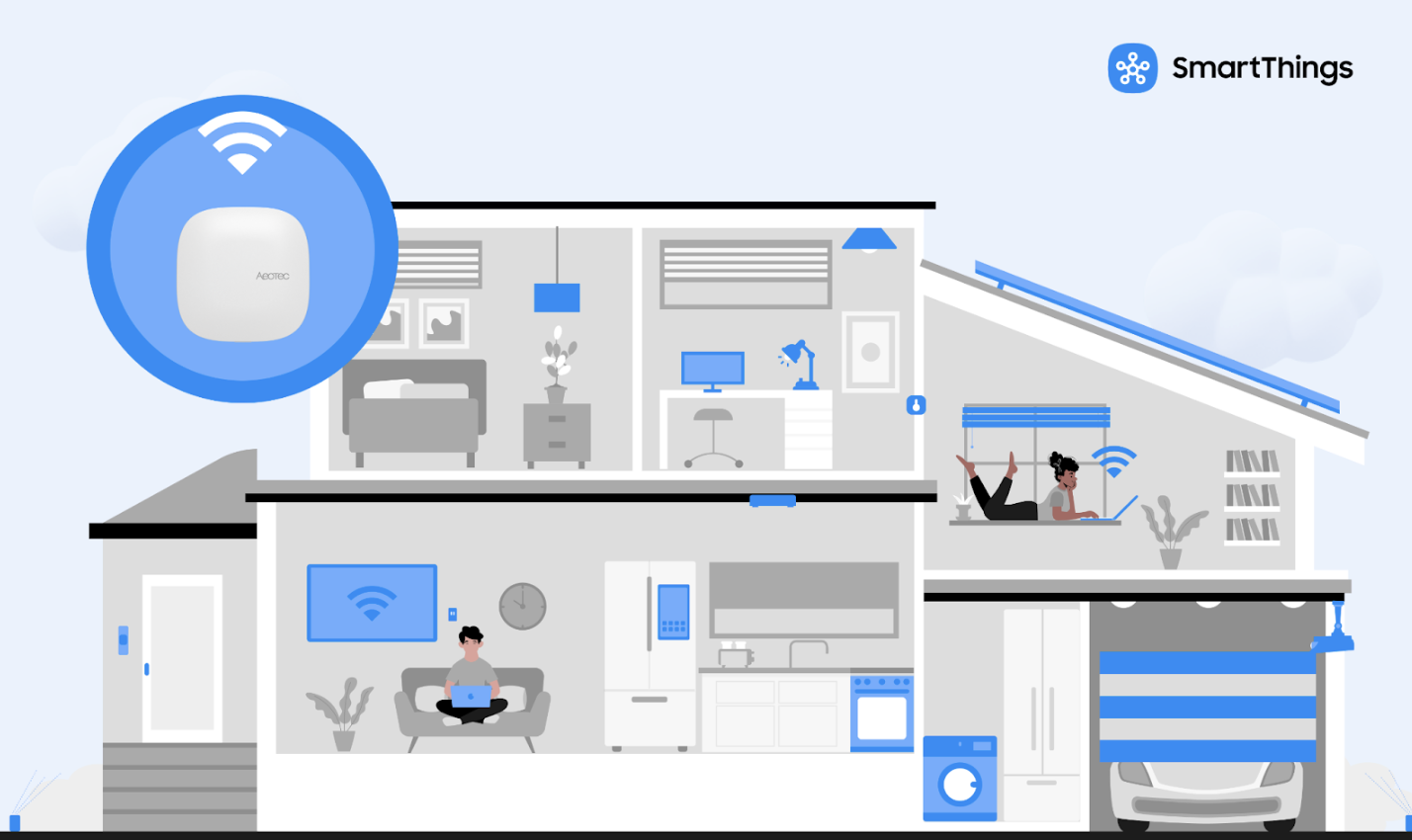
September 2, 2025 – Samsung Electronics today announced the release of the Aeotec Smart Home Hub 2, the most advanced and compact smart home hub to date. Coming soon to Samsung.com, the hub is designed to be the foundation of responsive and reliable smart homes, with the latest connectivity, the Smart Home Hub 2 works as a Samsung SmartThings Hub and supports popular smart home standards, allowing users to create the personalized AI Home experiences they want, with the devices they want.

For more than a decade, SmartThings has connected millions of users worldwide to a more convenient, secure, and efficient lifestyle. Through the Works with SmartThings (WWST) program, SmartThings collaborates with approximately 380 partners to support more than 4,500 certified devices, ensuring broad compatibility across brands. In addition, SmartThings is a leader in supporting Matter, the global smart home standard that further expands the ecosystem, making it even easier for users to connect and control devices from multiple brands within a single, seamless experience.

“With Smart Home Hub 2, we’re enabling more people to start and grow their AI Home experience with the speed and reliability of a dedicated hub, industry-leading Matter support, and of course the power and breadth of the SmartThings ecosystem,” said Jaeyeon Jung, Executive Vice President and Head of SmartThings at Samsung Electronics. “We will continue working closely with partners to strengthen the SmartThings ecosystem and maintain our leadership in setting global smart home standards.”

Smarter, Smaller, and Faster

Developed in collaboration with partners through Samsung’s WWST certification program, and distributed by Samjin in Korea and Aeotec globally, the Smart Home Hub 2 supports Zigbee, Thread, and Matter protocols, enabling robust interoperability across a wide range of smart home devices.

Key performance upgrades include:

  • Expanded device capacity allows the hub to control more connected devices 
  • 53% faster CPU performance compared to the previous model
  • Double the RAM for smoother multi-device connections
  • 50% smaller footprint for easier placement
  • Wall-mount option to maximize installation flexibility
  • Local-first communication so automations continue to run even if internet connectivity is lost

These upgrades ensure connecting and controlling devices is fast, responsive, reliable, and ready to grow with your smart home and everyone in it. The Smart Home Hub 2 will be available for purchase through Aeotec’s distribution channels and Samsung.com.

Leading the Matter Standard with Unmatched Compatibility

SmartThings has not only been a leader in developing Matter, but was the first ecosystem to support Matter, has been among the fastest to implement new Matter versions, and has publicly committed to timely device support and feature updates. The Smart Home Hub 2 delivers the best experience for users looking to start and grow their smart home with Matter, with support for hundreds of Matter-certified devices from a wide range of brands, including Matter-over-Thread products via its integrated Thread Border Router.

“Samsung SmartThings has been a leader in Matter since day one. Not just in its contribution to the standard itself, but in its consistent commitment to delivering Matter benefits and updates to SmartThings users and device makers,” said Tobin Richardson, President and CEO of the Connectivity Standards Alliance. “It’s exciting to see the release of the newest SmartThings-compatible hub continuing that commitment and giving users a new way to build their smart homes with Matter.”

Effortless Setup and Powerful Automation

Smart Home Hub 2’s streamlined onboarding process enables quick setup, even for first-time smart home users. Once connected, the hub enables advanced automation, such as:

  • Automated home security with real-time alerts, streaming, and smart locks
  • Adaptive climate control based on presence detection
  • Energy monitoring to identify and optimize high-consumption devices
  • Safety enhancements like leak detection, smoke alarms, and air quality monitoring

Sign up today to be the first to know when the Smart Home Hub 2 is available for purchase on Samsung.com here. 

Generate single title from this title TechCrunch Disrupt 2025 Side Events schedule: Women in Tech, MongoDB, Silkroad Innovation Hub and more to host in 100 -150 characters. And it must return only title i dont want any extra information or introductory text with title e.g: ” Here is a single title:”

0

Write an article about

With TechCrunch Disrupt 2025 right around the corner, we’re thrilled to introduce the companies hosting Side Events that will extend the buzz and excitement to the thousands of attendees and Silicon Valley locals alike.

Whether it’s a fun happy hour, insightful panels, or energizing morning runs, “Disrupt Week” — happening from October 25-31 — offers an exciting array of Side Events organized by a diverse group of participating companies.

Scroll down to explore 50+ Side Events, built so you can connect with 10,000 Disrupt attendees and the rest of the Bay Area tech scene. Make sure to register for your Disrupt pass so you can be at the heart of the tech scene buzz. Save up to $444 on your pass and get 60% off a second pass.

Side Event guidelines and disclaimers

  • Registering/RSVPing to a Side Event does not grant you access/ticket/badge to TechCrunch Disrupt 2025, taking place October 27-29.
  • Each event is organized and operated solely by a host (not TechCrunch or any of its affiliates).
  • Attendance is 18+ minimum, and some venues are 21+ only.
  • Side Events are open to the public unless specified.
  • Please register/RSVP for any of the Side Events you want to attend.

JetBrains Night in San Francisco
Monday – October 27, 2025
6:00 – 10:00 p.m.
Hosted by JetBrains
JetBrains invites you to an exclusive night of fun and connection at Emporium Arcade Bar during TechCrunch Disrupt in San Francisco. Get ready for an unforgettable evening of networking and arcade games, all in a relaxed, vibrant setting. Dive into the future of development with our thought leadership panel on agentic AI for professional developers and connect with the brightest minds in tech. This private, invitation-only event is where fun meets innovation, and ideas turn into opportunities. Let’s code, play, and shape the future together!

Central Eurasian Founders and Community Meet up
Tuesday – October 28, 2025
5:00 – 10:00 p.m.
Hosted by Silkroad Innovation Hub
Join us for the Central Eurasian Founders & Community Meetup, hosted by Silkroad Innovation Hub as a side-event to TechCrunch. This gathering brings together startup founders, investors, and ecosystem leaders from across Central Eurasia and Silicon Valley. Expect dynamic networking, inspiring founder stories, and new cross-border connections that highlight the region’s growing role in the global innovation landscape.

VIP Penthouse Afterhours with MongoDB & Google Cloud
Tuesday – October 28, 2025
5:30 – 9:00 p.m.
Hosted by MongoDB
VIP Penthouse Afterhours with MongoDB & Google Cloud was an exclusive, invite-only networking event that brought together tech innovators, startup leaders, cloud architects, and data professionals for an evening of high-level conversations and curated experiences. Held in a luxurious penthouse setting above the city skyline, the event blended sophisticated ambiance with cutting-edge technology discussions, offering attendees the opportunity to connect directly with MongoDB and Google Cloud experts.

TechCrunch Disrupt After-Party hosted by Mercury
Tuesday – October 28, 2025
6:00 – 8:00 p.m.
Hosted by Mercury
​After a full day of big ideas at TechCrunch Disrupt, join us just minutes from Moscone for Mercury’s after-party: a space to slow down, connect with fellow builders, and celebrate the details that define your journey. No panels, no pitches — just good food, craft cocktails, and great company.

​Didn’t attend TechCrunch Disrupt? You’re still welcome to stop by.

All Aboard the Future: Poland & Silicon Valley Ignite the Next Wave of Innovation
Tuesday – October 28, 2025
5:00 – 8:30 p.m.
Hosted by Polish Investment and Trade Agency
Step aboard the Historic Klamath Ship at Pier 9 on October 28 at 5 PM for an unforgettable night of bold ideas, breakthrough innovation, and powerful connections. Meet Poland’s top startups, visionary innovators, and government leaders driving the next wave of global tech. Enjoy delicious European cuisine and authentic Polish drinks and mingle with inspiring founders and investors. Special Highlight: Be there for an exclusive announcement unveiling a new era of collaboration between Poland and Silicon Valley, a partnership set to become the next global hub for breakthrough ideas and cutting-edge technologies.

Irish Tech Pitch Night
Tuesday – October 28, 2025
5:00 – 8:00 p.m.
Hosted by Enterprise Ireland
Enterprise Ireland is BACK at TechCrunch Disrupt ’25 and we are so excited to welcome old friends and meet new ones at our Pitch Night in Ireland House on Tuesday of TechCrunch Disrupt Week! There we’ll hear pitches from 10 Irish startups on the night: Jarvio, Cergenx, Glitch, Magnate, Kayna, Akara, Hyperpath, Oscil, Oraion, CosoAI! Please register now as availability is limited!

Women Tech Meetup
Thursday – October 30, 2025
5:30 – 8:30 p.m.
Hosted by Women Tech Meetup
San Francisco! Calling all female founders, allies, friends and partners!
​​​​Let’s be real — fundraising isn’t one-size-fits-all. And for women founders? The rules aren’t just different — they’re nonexistent. That’s why we’re bringing together a powerhouse room of female founders, funders, and operators to talk about raising capital your way.

Saturday

Founders Running Club @ TechCrunch Disrupt
Saturday – October 25, 2025
9:30 – 11:30 a.m.
Hosted by Founders Running Club

We host weekly runs in San Francisco and 46 other locations worldwide for founders, their friends and families, investors, creators, tech professionals, and anyone interested. This time, we’re excited to again be part of TechCrunch Disrupt!
The focus is on community and connection, not pushing yourself too hard.
RSVP

CREATANT AI x Creativity: Real-World Workflows, Demos, and Collaboration
Saturday – October 25, 2025
2:00 – 4:00 p.m.
Hosted by CREATANT, Inc.
Join the CREATANT creative tech exchange to learn how creatives in Japan, Europe, and the U.S. are using AI for design, film, and more. The event offers live demos, real-world case studies, and open discussions on AI’s strengths and limitations. It’s a hands-on experience for creative professionals and marketers to explore new AI workflows, network, and exchange ideas with technologists and collaborators.
RSVP

Sunday

Rise & Grind SF: Coffee Rave + Live Podcast
Sunday – October 26, 2025
8:30 a.m. – 12:30 p.m.
Hosted by LaunchLink Communications
Consider Rise & Grind SF your Disrupt Week pre-game. Part morning dance party, part live podcast, 100% good vibes.
Expect fresh brews, hot beats and authentic connections. Whether you’re a founder, investor or ecosystem partner, this is your daily dose of big ideas to set the tone for the week, courtesy of LaunchLink Comms + Humble Brags Podcast. Once you’re boogied out, a major Silicon Valley founder (think multibillion-dollar household name 👀) takes the mic for a live Humble Brags recording: unfiltered stories on building, breaking and reinventing the game. Guest DJs + big brand collabs dropping soon. Come solo or with pals for coffee, connection, and a double-shot of wisdom.

The Future of Work Mixer + Open Demos: Worktech, Agentic AI & Robotics
Sunday – October 26, 2025
5:00 – 9:00 p.m.
Hosted by Good4work + Ontology of Value
Join us in the beautiful Minna Gallery, downtown San Francisco, for a social mixer + open demos, on the eve of the biggest tech conference in San Francisco, the TechCrunch Disrupt 2025!
​We are a community focused on building (and disrupting!) the future of work — sharing and promoting innovation in work tech, agentic AI, and robotics so that humans and AI can happily cohabitate in the labor market and build a wonderful economy together.
​This time around, we are putting together a social mixer — whether you are a builder, operator, or investor, join us and let’s share our solutions and our lessons!
RSVP

AI SaaS Builder’s Networking Night
Sunday – October 26, 2025
5:30 – 9:30 p.m.
Hosted by askitmore
This event brings together aspiring entrepreneurs and startup enthusiasts to create professional slides using Snapdeck and pitch their ideas directly.

Pitch participants will prepare their presentation materials on-site using Snapdeck, then present their ideas for 3 minutes. General attendees can watch the presentations and vote for their top 1-3 most impressive teams.
During the networking session that follows, participants can enjoy free pizza and drinks while freely connecting with entrepreneurs, aspiring founders from diverse backgrounds to explore new opportunities.
RSVP

Monday

Future Shock: SOSV & KIAC
Monday – October 27, 2025
5:00 – 7:00 p.m.
Hosted by SOSV
🎬 Back to the Future? Absolutely.
This isn’t another stiff networking panel. Think flux capacitor energy: rice wine, demos glowing, and conversations skipping across borders and time zones. A gathering where casual meets geeky, and nerdy meets meaningful.
​​What to expect
​​Networking: Casual, high‑energy mixer designed for real conversations.
​Showcases and a few tables where startups showcase demos to maximize conditions for high‑quality collisions.

Ping Pong After Panels
Monday – October 27, 2025
5:30 – 8:00 p.m.
Hosted by Scrut Automation
Scrut Automation is calling all CEOs, CTOs, Founders, and CISO/VP of engineering to our “”Ping Pong After Panels”” After party. This is the official wind-down—a no-pitch, no-pressure zone to celebrate a hard day’s work.
Connect with fellow attendees over cold drinks, great food, and a little friendly competition. We’re swapping the formal handshakes for high-fives and the buzz of the conference floor for a much better soundtrack. Plus, everything’s on us. Just come ready to relax and roll. ~This event has limited capacity and will fill up quickly. RSVP now to claim your spot~

Founders Happy Hour and Fireside Chat: Avoiding Identity and Compliance Scope Creep 👻 Hosted by Descope & Delve
Monday – October 27, 2025
6:00 – 9:00 p.m.
Hosted by Descope
High-growth startups have tough decisions to make as they scale. As much as builders love to build, if everything is managed in-house with grit, sweat, and tears, growth will stall.
Join us for beer, pizza, networking, and an unfiltered fireside chat with founders from Descope and Delve.

Unlock Your Investor Potential: How Tech Workers Can Become LPs Using Vested Stock Units
Monday – October 27, 2025
5:00 – 7:00 p.m.
Hosted by Musa Capital
Are you a technology professional with vested stock units from companies like Google, Amazon, or Apple? Curious about how you can leverage those assets to become a Limited Partner (LP) in a venture capital (VC) fund? Join us for an exclusive Office Hours event where we’ll guide you through the process of converting your vested stock units into investments in VC funds.
RSVP

Exclusive Gathering of Founders beyond Seed and Series A and Accredited Investors
Monday – October 27, 2025
5:00 – 8:00 p.m.
Hosted by Equity X Investments, Vataseason and Plus Ultra Capital Partners
An exclusive, invite-only gathering for post–Seed and post-Series A founders and accredited investors.
No pitches or panels. Just high-value networking and real conversations over curated drinks in an intimate setting. Expect a vetted guest list and great opportunities for highly accomplished founders to meet partners of VCs and vice versa.
RSVP

Pitch&Drink with P2S.VC
Monday – October 27, 2025
5:00 – 8:00 p.m.
Hosted by Pre-seed to succeed (AltaIR Capital, Yellow Rocks!, Smart Partnership Capital, I2BF Global Ventures)
Calling all founders looking for INVESTMENT OPPORTUNITIES to Pitch&Drink with P2S.vc!  Connect with a community of like-minded individuals and VCs and gain insights into your next fundraising venture in a relaxed and fun environment.
Think of it as venture speed dating. Founders will have 2–3 minutes to present their elevator pitch (no presentation) directly to investors, followed by a 6-7 minute Q&A session.
RSVP

TechCrunch Disrupt “Unofficial Afterparty” at Werqwise SF
Monday – October 27, 2025
5:00 – 8:00 p.m.
Hosted by Silicon Valley Venture, LLC
Kick off TechCrunch Day 1 at our Afterparty, hosted by Brian Sparkes, CEO of Silicon Valley Venture & host of Silicon Valley Impact Podcast. This is The Day 1 Mixer— where founders, investors, and innovators gather to celebrate, connect, and unwind. Expect a curated crowd, high-energy vibe, cocktails, and conversations that spark real opportunities. No panels, no pitches—just celebration and connection at the top Silicon Valley afterparty.
RSVP

South Asian Collective @ TechCrunch Disrupt Week
Monday – October 27, 2025
5:15 – 7:30 p.m.
Hosted by American South Asian Network (ASAN)
South Asian and under 50? Join us for an engaging evening of networking, insightful discussions, and cultural celebration. Connect with South Asian entrepreneurs, creatives, and professionals, and explore the vibrant contributions of the South Asian community across various industries.
What to Expect?
​✨ Powerful Networking
​🔥 Founder & Investor Spotlights
​🥂 Mixer & Social”
RSVP

Beyond the Hype: Voices from the Future of Humane AI – Short Film Screening & Panel
Monday – October 27, 2025
5:30 – 7:00 p.m.
Hosted by Building Humane Tech
Join us for an intimate screening of our documentary short featuring AI researchers, cognitive scientists, and innovative builders who are reimagining how we develop artificial intelligence. Followed by an informal panel and open discussion. This isn’t your typical tech panel—it’s a glimpse into a movement of interdisciplinary thinkers challenging the dominant Silicon Valley narrative, with folks like:
Danielle Perszyk @ Amazon’s AI lab
Daniel Bashir @ OpenAI
RSVP

Unofficial Welcome Party: Bullish or Bust? A Rooftop AI Debate with Baseten, Premji Invest and Treble PR.
Monday – October 27, 2025
6:00 – 9:00 p.m.
Hosted by Treble PR and Premji Invest
Join us after Day 1 of TechCrunch Disrupt for an invite-only night with AI founders & builders. Expect drinks, bites, and a conversation that’s equal parts real talk and future-gazing, cohosted by Premji Invest, a leading AI early stage investor, and Treble PR, a San Francisco based tech PR agency working with emerging leaders in AI.
Tuhin Srivastava of Baseten and Sandesh Patnamof Premji Invest, will answer questions from Reuters reporter Krystal Hu on why they’re still bullish on AI among eye watering valuations and talk of a bubble.
RSVP

Night Zero: Unofficial Opening Party at TechCrunch Disrupt Week
Monday – October 27, 2025
8:00 – 10:30 p.m.
Hosted by Fox Rothschild and Silicon Valley Bank
Opening Night afterparty in the heart of San Francisco hosted by Fox Rothschild and Silicon Valley Bank, with special partner UnDavos. Enjoy cocktails, light bites, and award-winning headliner DJ Samantha Michelle (Plaza Athénée/KitKatClub/SXSW/Soho House) in a premier venue designed for connection and celebration.
Bring your team to connect with other leading VCs and founders who are together shaping the future of tech. This is where partnerships are born and the night comes alive.
Capacity is limited. Please apply to attend.
RSVP

Tuesday

Llama Lounge 21: The AI Startup Event Series at Capgemini
Tuesday – October 28, 2025
5:00 – 9:00 p.m.
Hosted by Llama Lounge
Hundreds of AI Founders, VCs, and Corporate AI buyers will assemble to hear 10 pitches from AI startups and 5 “reverse pitches” from top corporations who seek AI startup partners. This event is a mixture of AI leaders, pitches, demo tables, and lots of networking. Food and beverage provided. Led by Jeremiah Owyang, hosted at Capgemini.

The AI Renaissance in Gaming, Film, and VR
Tuesday – October 28, 2025
5:30 – 8:00 p.m.
Hosted by AIX Ventures
The last 3 years saw massive AI adoption for text-based applications. Its adoption in gaming, film, and VR has been limited by poor outputs and a lack of industry specific applications. That’s rapidly changing.
Join AIX Ventures for a panel to discuss how new models and methods are poised to rapidly democratize the creation of immersive worlds and films.
Moderated by TechCrunch’s Russel Bandom, the panel will include Chris Manning, General Partner at AIX Ventures & fmr. Director of SAIL, along with Fan‑Yun Sun and Sharon Lee, Founders of Moonlake AI, an AI research lab that allows anyone to create playable interactive worlds in minutes.

The After Crunch Party
Tuesday – October 28, 2025
5:30 – 8:30 p.m.
Hosted by Salesbricks
Experience the Buzz of Asian Street Markets as we take TechCrunch Disrupt After Hours to a new level!
Join us at Polkcha, where craft cocktails meet the vibrant energy of Asian street markets — neon lights, bold flavors, and unforgettable vibes. Hosted by Salesbricks, Intercom, Sprinto, AutonomyAI and Persana.

Black Box Session
Tuesday – October 28, 2025
4:30 – 7:30 p.m.
Hosted by Israel Foreign Trade Administration
Meet and have early conversations with some of the most promising Israeli cyber startups. Black Box Session is an invite-only, off-the-record networking + happy hour for VCs and security practitioners during TechCrunch Disrupt week. Expect meaningful connections and practical takeaways—no decks, no pitches. Tuesday, 4:30–7:30 PM, private FiDi venue. Request-to-attend; approved guests receive location, QR, and day-of details.

SaaS/AI Founder + Investor Happy Hour
Tuesday – October 28, 2025
5:00 – 8:00 p.m.
Hosted by NachoNacho + Services Marketplace, Deel, Anchin, and Shopline
Join us for an exclusive evening of networking with top SaaS & AI founders, investors, and tech leaders. Enjoy curated conversations over sponsored drinks and food as we bring together innovators shaping the next wave of tech. Attendance is by approval only—no +1s. Space is limited, so apply early to secure your spot.
RSVP

『Shinhan Square Bridge』 (S²Bridge) K-Innovators’ Pitch Night
Tuesday – October 28, 2025
5:00 – 8:00 p.m.
Hosted by SWITH
K-Innovators’ Night of Pitch & Networking
An exclusive evening of pitches and networking with Korea’s leading innovators. Meet and mingle with 9 standout startups – including TechCrunch Disrupt’s Startup Battlefield 200 participants!
Build new connections with K-innovators and discover new ideas as you spark conversations. Food and drinks on SWITH. RSVP required – seats are limited.
RSVP

Beats & Builds Happy Hour with 219 Design and Beacon Launch Partners
Tuesday – October 28, 2025
5:00 – 9:00 p.m.
Hosted by 219 Design and Beacon Launch Partners
An exclusive evening at our classic San Francisco engineering shop – just a 15-minute walk from Moscone – savoring local craft beer, cocktails, tasty bites, and a live DJ.
This is a chance to unwind, get inspired, and spark new ideas alongside teams who live and breathe product development every day. Explore a collection of cutting-edge prototypes from a variety of industries and engage in conversations with the engineers, designers, and strategists behind breakthrough products. 21+
RSVP

Maize & Blue Happy Hour with U-M CFE
Tuesday – October 28, 2025
5:30 – 7:30 p.m.
Hosted by University of Michigan Center for Entrepreneurship
Join fellow University of Michigan alumni and friends for a casual meetup during TechCrunch Disrupt! Hosted by the Center for Entrepreneurship, this is a great opportunity to reconnect, expand your network, and celebrate innovation—with a Michigan twist. Whether you’re a founder, investor, technologist, or just love maize & blue, come share your startup spirit with us! Go Blue!
RSVP

Founder & Investor Happy Hour During TechCrunch Disrupt 2025
Tuesday – October 28, 2025
5:30 – 7:30 p.m.
Hosted by McDermott Will & Schulte, BDO, and Berkeley Angel Network
Join fellow TechCrunch Disrupt founders and investors for a fresh take on networking at the Founder and Investor Happy Hour hosted by McDermott Will & Schulte, BDO, and Berkeley Angel Network. Meet key innovators within the global tech community, exchange ideas, and forge new connections to drive your business forward. Don’t miss your chance to join this exclusive night of networking and enjoy some of the best rooftop views San Francisco has to offer – register today!
RSVP

Why Most Startups Don’t Scale: The 15 GTM Mistakes Nobody Talks About
Tuesday – October 28, 2025
5:30 – 7:30 p.m.
Hosted by Entry Point 1
You’ve nailed the product. You’ve raised the round. The team is running full speed. But the results don’t add up.
Pipeline’s soft. Conversion’s flat. Revenue’s unpredictable. Is it the messaging? The team? The motion? Or is something more foundational—and systemic—getting in your way?
This isn’t a hype session. It’s a teardown of the 15 GTM problems that stop great companies from scaling. Each one’s based on real data, real leadership stories from Silicon Valley, and real pain.
RSVP

The Robotics Wave: The New Era of Embodied Intelligence
Tuesday – October 28, 2025
5:30 – 8:00 p.m.
Hosted by INNOVITItalian Innovation & Cultural Hub
Let’s explore how AI & hardware are converging to create intelligent physical systems.
Discover innovative robotics, embodied AI, and smart sensors revolutionizing manufacturing, healthcare, and autonomous systems. Attendees will attend a discussion panel with speakers on breakthrough technologies, and networking opportunities with industry pioneers shaping the future of intelligent machines and physical AI applications.
RSVP

PILAF AFTER-PARTY: Visionaries’ Rooftop Gathering
Tuesday – October 28, 2025
6:00 – 10:00 p.m.
Hosted by Innova and BeGlobe
When the final session closes, the city’s most influential minds ascend to the skyline. Join us for the Legendary Pilaf After-Party, a private rooftop gathering where cutting-edge innovation meets the world’s finest culinary. The Evening Includes:
​- Gourmet Pilaf Tasting – Tradition elevated to haute cuisine.
​- Visionary Networking – Intimate conversations with the leaders shaping the future.
RSVP

How AI is Transforming Biomanufacturing
Tuesday – October 28, 2025
6:00 – 8:00 p.m.
Hosted by SOSV
Bits in Bio is thrilled to present, “How AI is Transforming Biomanufacturing”, a one-night event of candid conversations from experienced executives on the front lines of Biomanufacturing. ​Our panel includes a range of perspectives carefully curated to drive meaningful insight on the future of this exciting field.

Global Founders Panel
Tuesday – October 28, 2025
6:00 – 8:00 p.m.
Hosted by Young Professional of San Francisco + Swedish American Chamber of Commerce
During TechCrunch Disrupt week, we’re bringing together a community of young doers, builders, and dreamers for an evening that blends the best of Swedish and American entrepreneurship. The Global Founders Panel is designed to spark ideas, celebrate bold thinking, and create meaningful connections that last well beyond the night.
Program Highlights
• Founder Panel: Entrepreneurs share real stories from the startup frontlines.
• Spotlight Sessions: Quickfire showcases of ventures that are pushing boundaries.
• Networking Mixer: Meet founders, investors, and young professionals shaping what’s next.

Disrupt the Piñata: Startup–VC Mixer with a Latin Twist
Tuesday – October 28, 2025
6:00 – 8:00 p.m.
Hosted by Unibaio
Step into a one-of-a-kind networking experience where Latin American creativity meets startup innovation. In Disrupt the Piñata, attendees drop their business cards or one-liners into a colorful piñata filled with sweet surprises. Once it’s broken, everyone grabs a card at random, introduces the startup they picked to the group, and then connects directly with that founder.

This playful icebreaker ensures every participant gets visibility, sparks unexpected connections, and sets the stage for deeper conversations. With a mix of fun, culture, and serious business opportunities, Disrupt the Piñata is the perfect side event to showcase Latin startups and foster genuine VC–founder relationships.

Founders, Funders & the Future of Care Mixer
Tuesday – October 28, 2025
6:00 – 9:00 p.m.
Hosted by Morrison & Foerster Law Firm and Vital Audio
This invite-only happy hour will bring together 90–120 curated guests of decision-makers shaping the future of healthcare, including early-stage investors, hospital and virtual-care operators, digital health founders, and TechCrunch media. Expect a dynamic program featuring:

  • Founders Spotlight: short sessions highlighting rising founders & product showcase.
  • Sponsor Shoutouts: Premium visibility and recognition for our partners.
  • Curated Networking: 2.5 hours of conversations, connections, and collaboration over drinks and light catering.
    RSVP

Disrupt Music @ EMPIRE Studios by Nebula
Tuesday – October 28, 2025
6:00 – 9:00 p.m.
Hosted by Nebula sponsored by EMPIRE
Mixer happy hour with a DJ spinning live music, snacks and drinks at EMPIRE RECORDS Studios hosted by Nebula.

EMPIRE is a partner and investor of Nebula (a member of Battlefield 200), and is the largest independent record label in the world. EMPIRE, founded by Ghazi, is a San-Francisco-born tech-first record label who pioneered the distribution space.

The event will include press, tech entrepreneurs, investors, established artists, as well as top management of EMPIRE, along with the Nebula co-founders. The mixer will be free entry, RSVP-only (via the RSVPify app).
RSVP

Silicon Valley x PeakNIL: The Future of Sports, Tech and Start Ups
Tuesday – October 28, 2025
6:00 – 9:00 p.m.
Hosted by PeakNIL
www.peaknil.com
Kick back with PeakNIL at our happy hour where athletes, founders, and investors collide. Grab a drink, meet PeakNIL CoFounder, Chief Strategy Officer and LA Ram Blake Corum, and discover how NIL is shaking up the business of sports and culture. Expect networking, fresh ideas, and a good time with the team behind the fastest growing NIL company.
RSVP

AI-matched Private Dinners with TechTable by Cyber Pop-up
Tuesday – October 28, 2025
7:00 – 9:00 p.m.
Hosted by Cyber Pop-up
TechTable connects professionals through curated, AI-matched private dining that sparks authentic conversations. Attendees take a short vibe quiz, and our algorithm pairs them with 6 like-minded peers for intimate dinners at nice local restaurants. Each table gets curated conversation cards on tech, AI, and more – creating space for meaningful dialogue without the chaos of big networking rooms. No awkward small talk, just inspiring people, real connections, and great food.
RSVP

SignalFire’s Disrupt Poolside After-Party
Tuesday – October 28, 2025
7:00 p.m. – Midnight
Hosted by SignalFire
The Most Talked-About After-Party at TechCrunch Disrupt is Back!
​Last year, our Disrupt Penthouse After-Party drew over 3,000 registrations, but we could only accommodate a fraction of attendees. It became the most exclusive and talked-about event of the week, bringing together founders, investors, and top tech operators for a night of high-energy connection and celebration.

​This year, we’re leveling up and going poolside 🌴💦.
New venue. Bigger capacity. Even better vibes.

​We’re taking over an iconic San Francisco location for one unforgettable night. We’ll have immersive experiences, live musical performances, and fun surprises that will make it the highlight of your Disrupt week.

Wednesday

Tech Meets Tavern Happy Hour
Wednesday – October 29, 2025
5:00 – 7:00 p.m.
Hosted by OneSignal
You’ve been pitching, networking, and learning all day, now it’s time to kick back at OneSignal’s exclusive post-Disrupt happy hour.

Join us at the iconic Wayfare Tavern, located less than a mile from the conference. You can enjoy premium cocktails, gourmet hors d’oeuvres (bring your appetite!), and great conversation with fellow founders, marketers, and tech innovators in a relaxed and upscale setting that is perfect for unwinding after a busy day.
RSVP

HardTech After Party @Whipsaw
Wednesday – October 29, 2025
5:30 – 9:00 p.m.
Hosted by Whipsaw
Are you building the future of hardware? Come connect with fellow founders, engineers, and investors who are pushing the boundaries of hardtech from robotics and wearables to connected devices, medtech, and beyond.

​An evening of conversation, community, and collaboration for hardware enthusiasts straight from the TechCrunch Disrupt floor. Enjoy delicious food and drinks, all set to the sounds of a live DJ. Expect a mix of deep tech founders, product innovators, and design leaders who are solving real-world problems with bold hardware solutions.
RSVP

UAtech Venture Night @Disrupt – The Ultimate Startup & Investor Experience!
Wednesday – October 29, 2025
6:00 – 10:00 p.m.
Hosted b y UAtech
UAtech Venture Night @TechCrunch is a fast-paced pitch competition where early-stage founders present sharp 3-minute pitches to an audience of active investors and tech leaders. Live scoring and rapid Q&A keep the energy high and deal-focused. A panel discussion with industry experts sets the stage, followed by an awards ceremony and active networking—connecting capital, ideas, and innovation to fuel the next wave of global tech.
RSVP

Fright Night: Product Failures
Wednesday – October 29, 2025
6:00 – 8:00 p.m.
Hosted by blok
Halloween is around the corner, and so are the ghosts of failed launches, terrifying drop-offs, and features that should have stayed buried. Join us on October 29th for Fright Night: Product Failures -an evening of product horror stories, haunted prototypes, and live simulations that expose what really scared users away. Expect spooky vibes, cathartic laughs, and a fresh look at how product teams can turn their worst nightmares into future wins.
RSVP

Incheon Rise-Up IR/ Showcase Day
Wednesday – October 29, 2025
6:00 – 8:00 p.m.
Hosted by Draper Startup House Korea
​The Rise-up Pitch Showcase organized by Draper Startup House Korea, Draper University and Nuleep, brings together 6 of Korea’s most promising startups for an exclusive pitch event in Silicon Valley. Handpicked through a highly selective process, these companies are beyond early stage — they’re ready to attract investment and secure strategic partnerships that will accelerate their U.S. expansion. This is a rare opportunity to meet the next generation of Korean innovators, each equipped with the technology, resilience, and global readiness to scale successfully in the world’s most competitive market.

Meet & Match in Tech: Founders Hiring × Devs Exploring
Wednesday – October 29, 2025
6:00 – 8:30 p.m.
Hosted by Beta University
Where builders, backers, and bold ideas collide.
​Join us for the must-attend social of TechCrunch Disrupt 2025 — an evening designed for high-energy networking, real conversations, and unexpected collisions.
​Whether you’re a founder fundraising, a VC sourcing your next breakout bet, or an operator looking to plug into the ecosystem, Founderverse is where it all comes together.
What to expect:
​🚀 founders, VCs, and tech operators
​⚡ Lightning pitches from rising startups
​🏷️ Color-coded badges (so you know who’s who)
​🍸 Drinks, music, and no-bullshit networking
No panels. No fluff. Just the right people in the right room. ​Spots are limited — RSVP required.

Techcrunch event

San Francisco
|
October 27-29, 2025

SISU x Fund/Build/Scale LIVE Podcast & Mixer
Wednesday – October 29, 2025
6:00 – 9:30 p.m.
Hosted by SISU
​SISU & Fund/Build/Scale are joining forces for a LIVE Podcast the week of TechCrunch Disrupt! Walter Thompson will host a candid conversation about building early-stage consumer AI between Cristian Cibils Bernardes, Founder & CEO of Autograph, and Cyan Bannister, Co-Founder General Partner at Long Journey Ventures.

​Doors open at 6pm. Podcast will take place from 7-8pm, followed by light bites and networking with a group of founders, operators, and investors.
RSVP

AI Marketing Roundtable – with JustAI
Wednesday – October 29, 2025
6:30 – 8:30 p.m.
Hoested by Just AI
Just AI (prev. Just Words) invites you to an intimate dinner with 15 of the Bay Area’s top CMOs and Lifecycle Marketing leaders. This curated gathering will focus on the real-world adoption of AI in marketing — the messy, practical journey from zero to one. We’ll dig into what it actually takes to go from testing a few automated workflows to building reliable systems that drive results. Expect candid conversations on what’s working, what’s not, and how teams are navigating the tradeoffs as AI becomes a part of everyday marketing execution. ​Expect outstanding food, smart conversation, and a chance to connect with the leaders shaping the next wave of enterprise growth.
RSVP

IT Executive Dinner
Wednesday – October 29, 2025
6:30 p.m.
Hosted by Unthread
An exclusive dinner on the future of AI agents in IT Service Management (ITSM) where IT leaders from top global tech companies (some current customers) and industry peers will gather for an intimate conversation on innovation. This dinner is designed to promote candid, sales-free conversations among industry peers in a relaxed setting. With no presentations or pitches, just meaningful dialogue to connect, share, and learn from the brightest minds in enterprise IT.
This event will be most impactful for Head of IT’s and leaders scaling organizations. We will be curating the guest list very specifically. Thanks for understanding!

Thursday

Cafecito con Leche | Founders Breakfast
Thursday – October 30, 2025
9:00 – 11:00 a.m.
Hosted by Mappa Ai
​Mappa.ai and JPMorgan are coming together to host an exclusive breakfast for Bay Area founders. This isn’t just another networking event—it’s a space to connect with fellow builders, swap hard-earned lessons, and talk about what it really takes to scale in today’s market.

​Expect fresh insights on fundraising, growth, and founder well-being—alongside some of the Bay’s most active investors, from Hustle Fund to Draper Associates. This is where founders walk out with their next check. Seats are limited, and the energy will be high 💛

AI Startup Job Fair
Thursday – October 30, 2025
1:00 – 4:00 p.m.
Founder Social Club
Join us for the AI Startup Job Fair, connecting top AI and tech talent with 20+ fast-growing startups hiring across engineering, data science, and operations. Hosted by Founder Social Club, the event features startup booths, short introductions from sponsors, and curated resume books to help job seekers stand out. Whether you’re a founder looking to hire or a professional exploring your next opportunity, this is where meaningful connections begin.

Find a Cofounder, Help or Join a Startup
Thursday – October 30, 2025
2:00 – 7:00 p.m.
Hosted by Startup Oasis
Welcome to Startup Oasis! If you are a startup founder, investor, developer, marketer, or anyone else in the tech ecosystem looking to start, join, or help a startup, this event is for you! Startup founders pitch their startups to the attendees (like on Shark Tank); then, each founder gets a breakout room (that we curate) for you to talk to the founders, ask questions, and give feedback (similar to a hackathon). You are welcome to just watch as well.

If you would like to pitch, RSVP, and you can sign up on the day of the event. We are visiting SF for TechCrunch Disrupt and are hosting this special event after the conference! RSVP for more info.

Friday

Scaling Smartly – VC/Founder Panel and Networking
Friday – October 31, 2025
5:00 – 8:00 p.m.
Hosted by Remotesome
Join us for an insightful evening focused on how startups can efficiently scale their teams – without compromising on quality, speed, or culture.

Hosted by Remotesome, as an official side event to TechCrunch Disrupt, this event brings together top VCs, founders, engineering leaders, and operators to share practical strategies for hiring, structuring, and managing distributed engineering teams.


.Organize the content with appropriate headings and subheadings ( h2, h3, h4, h5, h6). Include conclusion section and FAQs section with Proper questions and answers at the end. do not include the title. it must return only article i dont want any extra information or introductory text with article e.g: ” Here is rewritten article:” or “Here is the rewritten content:”
Generate single title from this title 5 Steps to AI-Ready Data in 100 -150 characters. And it must return only title i dont want any extra information or introductory text with title e.g: ” Here is a single title:”

Write an article about

(eamesBot/Shutterstock)

Now that AI is a board-level topic, organizations are rushing to achieve successful outcomes, but enabling that success requires planning. According to Gartner, more than 60% of AI projects fail to deliver on business SLAs and are often abandoned because of poor data quality, weak governance, or lack of contextual relevance. While AI/ML models receive much of the attention, the truth is that they are only as good as the data that feeds them. If organizations can’t trust their data, they can’t trust their AI.

This is where data observability comes in. Moving beyond simple monitoring or data quality checks, data observability continuously assesses the health, trustworthiness, and representation of data throughout its lifecycle. It ensures that data pipelines produce outputs aligned with business expectations and are suitable for training and operating AI/ML models.

Yet, data observability has also been caught up in the hype. Gartner’s Hype Cycle for Data Management 2025 notes that while observability rose quickly, it’s now in the “Trough of Disillusionment” as organizations struggle to make it practical and valuable. The lesson: observability isn’t just a tool you buy; it’s a discipline and culture that must be embedded into data practices to go along with the tool.

If organizations want to get data observability right and position themselves for AI success, they need to apply the following five steps:

1: Treat Observability as Core to AI Readiness In the traditional sense, high-quality data means that anomalies are scrubbed away, which isn’t enough for today’s AI/ML models. For example, in analytics we might cleanse outliers to create neat reports for human consumption. But for training an AI/ML model, those anomalies, errors, and unexpected events are vital. They help algorithms recognize the full range of real-world patterns.

(innni/Shutterstock)

Data observability ensures data pipelines capture representative data, both the expected and the messy. By continuously measuring drift, outliers, and unexpected changes, observability creates the feedback loop that allows AI/ML models to learn responsibly. In short, observability is not an add-on; it is a foundational practice for AI-ready data.

2: Embed Observability into DataOps Practices – Data observability is most effective when paired with DataOps. Just as DevOps brought continuous testing and monitoring into software delivery, DataOps embeds testing, validation, and governance into the data pipeline itself.

Rather than relying on manual checks after the fact, observability should be continuous and automated. This turns observability from a reactive safety net into a proactive accelerator for trusted data delivery.

As a result, every new dataset or transformation can generate metadata about quality, lineage, and performance, while pipelines can include regression tests and alerting as standard practice. It also ensures that failures or anomalies can be detected and flagged before they reach business users or AI/ML models.

3: Automate Governance Enforcement – Often blamed for slowing things down when it comes to AI, governance is always a non-negotiable. Regulations, risk controls, and business SLAs all demand that data feeding AI/ML models be governed in context.

(Aree_S/Shutterstock

The key is automation. Rather than policies that sit in binders, observability enables policies as code. In this way, data contracts and schema checks that are embedded in pipelines can validate that inputs remain fit for purpose. Drift detection routines, too, can automatically flag when training data diverges from operational realities while governance rules, from PII handling to lineage, are continuously enforced, not applied retroactively.

Automated governance is critical, as it creates trust that data flowing into AI/ML models complies with the right standards without slowing innovation.

4: Enable Cross-Functional Teams – Observability isn’t just a technical concern for data engineers. Its true value comes when business, governance, and AI teams share the same view of data health. Organizations should adopt multidisciplinary groups that combine business domain experts with technical staff.

What Gartner refers to as Fusion, these teams ensure observability solutions don’t just report row counts or freshness, but connect to business value. It checks for things such as are customer records are complete. Are operational KPIs trustworthy? Are AI/ML models being trained on representative datasets?

Embedding observability across roles creates shared accountability and accelerates feedback loops. Everyone sees the same picture, and everyone contributes to trusted outcomes.

5: Measure Business Impact, Not Just Technical Metrics – It’s tempting to measure observability in purely technical terms such as the number of alerts generated, data quality scores, or percentage of tables monitored. But the real measure of success is its business impact. Rather than numbers, organizations should ask if it resulted in fewer failed AI deployments.  Created a faster time to insights and decisions? Reduce regulatory or reputational risk? Establish higher trust in AI/ML model outputs by executives and end users?

By framing observability metrics in terms of outcomes, data leaders move the conversation from “IT hygiene” to a strategic enabler of AI success.

Why the era of “good enough” data is over

(kkssr/Shutterstock)

As AI becomes embedded in every business process, data must always be trustworthy, representative, and continuously monitored. The days when data was considered good enough are over because AI demands more. Data observability provides the discipline to achieve this, not as a point solution, but as an embedded capability across DataOps, governance, and business teams.

Organizations that follow these five steps will find that observability accelerates AI adoption, safeguards trust, and unlocks faster value. Those that don’t risk joining the majority of companies facing AI projects that stall before delivering meaningful results.

About the Author: Keith Belanger is Field CTO at DataOps.live with nearly 30 years in data. He has led multiple Snowflake cloud modernization initiatives at Fortune 100 companies and across diverse industries, specializing in Kimball, Data Vault 2.0, and both centralized and decentralized data strategies. With deep expertise in data architecture, data strategy, and data product evangelism, Keith has spent his career bridging the gap between business goals, technology execution, and community influence. He blends foundational principles with modern innovation to help organizations transform messy data into scalable, governed, and AI-ready solutions. Recognized as a Snowflake Data Superhero, Keith contributes actively to the data community through conference talks, blogs, webinars, and user groups.

.Organize the content with appropriate headings and subheadings ( h2, h3, h4, h5, h6). Include conclusion section and FAQs section with Proper questions and answers at the end. do not include the title. it must return only article i dont want any extra information or introductory text with article e.g: ” Here is rewritten article:” or “Here is the rewritten content:”

Generate single title from this title 5 essential AI tech tools for back-to-school success in 100 -150 characters. And it must return only title i dont want any extra information or introductory text with title e.g: ” Here is a single title:”

Write an article about

Key points:

By now, the 2025-2026 school year is well underway. The glow of new beginnings has faded, and the process of learning has begun in earnest. No doubt there is plenty to do, but I recommend that educators take a moment and check in on their teaching toolkit.

The tools of our trade are always evolving, and if our students are going to get the most out of their time in class, it’s important for us to familiarize ourselves with the newest resources for sparking curiosity, creativity, and critical thinking. This includes the latest AI programs that are making their way into the classroom.  

Here are five AI tech tools that I believe are essential for back-to-school success: 

  1. ChatGPT: ChatGPT has quickly become the all-in-one tool for generating anything and everything. Many educators are (rightly) concerned about ChatGPT’s potential for student cheating, but this AI can also serve as a built-in assistant for creating welcome letters, student-friendly syllabi, and other common documents for the classroom. If it’s used responsibly, ChatGPT can assist teachers by cutting out the busy work involved when planning and implementing lessons.   
  2. ClassroomScreen: ClassroomScreen functions as a modern-day chalkboard. This useful tool lets teachers project a variety of information on screen while simultaneously performing classroom tasks. Teachers can take straw polls, share inspiring quotes, detail the morning schedule, and even monitor volume without opening a single tab. It’s a simple, multipurpose tool for classroom coordination.     
  3. SchoolAI: SchoolAI is a resource generator that provides safe, teacher-guided interactions between students and AI. With AI becoming increasingly common, it’s vital that students are taught how to use it safely, effectively, and responsibly. SchoolAI can help with this task by cultivating student curiosity and critical thinking without doing the work for them. Best of all, teachers remain at the helm the entire time, ensuring an additional layer of instruction and protection.       
  4. Snorkl: Snorkl is a feedback tool, providing students with instant feedback on their responses. This AI program allows students to record their thinking process on a digital whiteboard using a variety of customizable tools. With Snorkl, a teacher could send students a question with an attached image, then have them respond using audio, visual tools such as highlighting, and much more. It’s the perfect way to inject a little creativity into a lesson while making it memorable, meaningful, and fun!   
  5. Suno: Suno is unique in that it specializes in creative song generation. Looking for an engaging way to teach fractions? Upload your lesson to Suno and it can generate a catchy, educational song in the style of your favorite artist. Suno even allows users to customize lyrics so that the songs stay relevant to the lesson at hand. If you need a resource that can get students excited about learning, then Suno will be the perfect addition to your teaching toolkit!

The world of education is always changing, and today’s technology may be outdated within a matter of years. Still, the mission of educators remains the same: to equip students with the skills, determination, and growth mindset they need to thrive in an uncertain future. By integrating effective tools into the classroom, we can guide them toward a brighter tomorrow–one where inquiry and critical thinking continue to flourish, both within the classroom and beyond.

Jamie MacPherson, Van Andel Institute for Education

Jamie MacPherson is a Learning Specialist at Van Andel Institute for Education, a Michigan-based education nonprofit dedicated to creating classrooms where curiosity, creativity, and critical thinking thrive.

Latest posts by eSchool Media Contributors (see all)

.Organize the content with appropriate headings and subheadings ( h2, h3, h4, h5, h6). Include conclusion section and FAQs section with Proper questions and answers at the end. do not include the title. it must return only article i dont want any extra information or introductory text with article e.g: ” Here is rewritten article:” or “Here is the rewritten content:”

Generate single title from this title Arm provides edge AI platform to startups via flexible access in 100 -150 characters. And it must return only title i dont want any extra information or introductory text with title e.g: ” Here is a single title:”

Write an article about

Arm has announced that it’s providing its most powerful edge AI platform, Armv9, to startups via its Flexible Access programme.

The “Flexible Access” model is essentially a ‘try before you buy’ for chip designers. It gives companies upfront, low-cost, or no-cost (for qualifying startups) access to a wide range of Arm technology, tools, and resources. They can experiment and iterate designs freely while only paying license fees for the technology they use in final designs.

This approach has already been a “catalyst for innovation,” according to Arm. The model helped to create around 400 successful chip designs (or “tape-outs”) over the last five years. You’ve likely heard of some of the companies already using it, like Raspberry Pi, Hailo, and SiMa.ai.

The Armv9 edge AI platform pairs the super-efficient Arm Cortex-A320 processor with the Arm Ethos-U85 NPU, which is the bit that handles the heavy AI lifting. This duo is capable of running AI models with over one billion parameters right on the device itself, no cloud connection needed.

This is the tech that will power the next-gen edge AI applications such as smart cameras that don’t just record but understand what they’re seeing, smart home gadgets that learn your habits, and robots you can interact with using vision, voice, and gesture.

Paul Williamson, who runs the IoT business at Arm, believes the next wave of AI innovation will happen “at the edge – in the devices, interfaces, and systems that bring intelligence closer to where data is created.”

A huge benefit here is privacy and security. By processing everything locally, machines can “perceive and respond like humans, while keeping inference and data processing securely on-device”. Your personal data doesn’t have to be sent off to a server just to figure out what you said. The Armv9 platform also bakes in security features like Pointer Authentication Code (PAC) and Memory Tagging Extension (MTE) to keep that on-device data safe.

Research from VDC predicts that, by 2028, AI will be the “dominant technology used across IoT projects”. Arm’s technology is “already at the center of this transformation,” and this move just solidifies its position.

For all the developers keen to get started with edge AI, the Arm Cortex-A320 will be available through the programme in November 2025, with the Ethos-U85 AI processor following in early 2026.

See also: NVIDIA GPUs to power Oracle’s next-gen enterprise AI services

Want to learn more about AI and big data from industry leaders? Check out AI & Big Data Expo taking place in Amsterdam, California, and London. The comprehensive event is part of TechEx and is co-located with other leading technology events including the Cyber Security Expo, click here for more information.

AI News is powered by TechForge Media. Explore other upcoming enterprise technology events and webinars here.

.Organize the content with appropriate headings and subheadings ( h2, h3, h4, h5, h6). Include conclusion section and FAQs section with Proper questions and answers at the end. do not include the title. it must return only article i dont want any extra information or introductory text with article e.g: ” Here is rewritten article:” or “Here is the rewritten content:”

SmartThings Blog

0

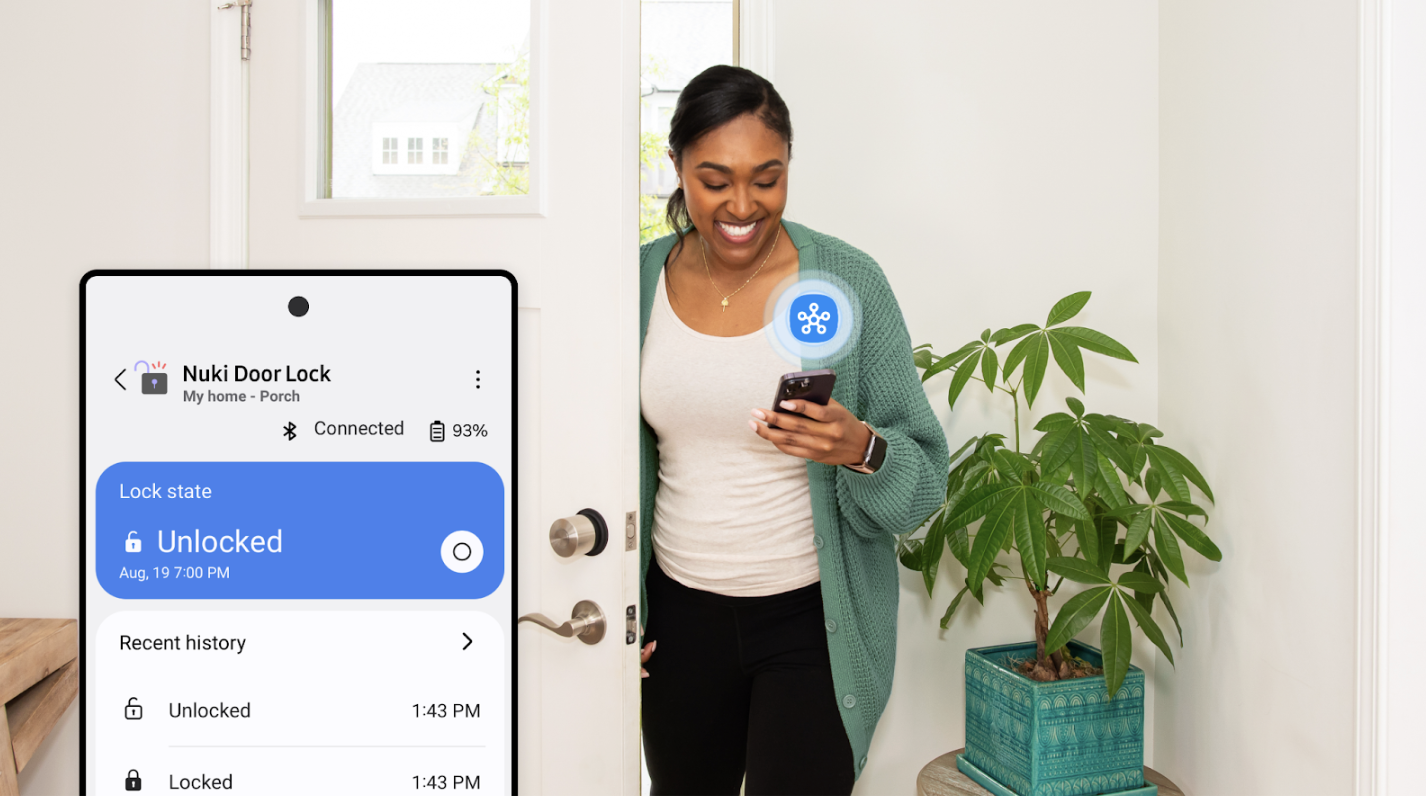
Samsung SmartThings and Nuki bring you a future where your phone and routines unlock the door.

Samsung SmartThings is all about making life at home easier, safer, and more connected. That’s why we’re excited to welcome Nuki, Europe’s #1 keyless home access solution, into the SmartThings ecosystem. With its sleek design, strong security, and effortless installation, the Nuki Smart Lock has already transformed how hundreds of thousands of households across Europe open and share access to their homes. Now, with its U.S. debut, SmartThings users can enjoy the same trusted experience, seamlessly integrated into the routines and automations they rely on every day.

From Keys to Keyless

We’ve all been there: fumbling for keys in the rain, wondering if we remembered to lock the door, or dealing with the frustration of misplaced house keys. Nuki was created to solve exactly those problems. Founded in Austria and already trusted by over one million users across Europe, Nuki brings its proven reliability to American homes for the first time. Together with SmartThings, it’s helping redefine what home access can look like—smart, simple, and secure.

Simple to Install, Effortless to Use

The Nuki Smart Lock installs on the inside of your door in just fifteen minutes with no drilling, no complicated tools, and no professional help required. Once it’s in place, your smartphone becomes your key. Whether you prefer tapping your phone, scheduling access for family members, or using Nuki’s Auto Unlock feature, entering your home feels instant and effortless. Paired with SmartThings routines, Nuki fits naturally into your day-to-day life. 

Smarter Living with SmartThings + Nuki

Picture this: You’re walking up to your front door, hands full of groceries. Instead of fumbling for keys, your door unlocks automatically as you approach. The entryway lights flick on, your thermostat shifts to the perfect temperature, and your favorite playlist starts, all without you touching a thing. 

Heading out for the day is just as simple. A single “Goodbye” routine locks the door behind you, powers down the lights, and arms SmartThings Home Monitor.  You leave with a peace of mind, knowing your home is safe, secure, and running efficiently in the background. 

With support for Matter over Thread, Nuki fits perfectly into the SmartThings ecosystem.  That means easy setup, reliable performance, and the confidence that your smart lock works alongside the devices and automations you already rely on every day.

Built for Security and Speed

Behind the effortless experience is a foundation of security, which sits at the heart of Nuki’s design. Every Smart Lock uses end-to-end encryption on par with online banking, keeping your data safe and local. Unlike many alternatives, Nuki doesn’t require you to create an account, so your privacy is never compromised. And it’s quick, unlocking in under a second, faster than fishing for keys or even tapping your phone.

Designed to Fit Any Home

At only 2.2 inches in diameter, with a stainless steel body and minimalist design, the Nuki Smart Lock blends seamlessly into any door. Its thoughtful design has earned global recognition, including the CES Innovation Award and the iF Design Award, showing that smart access can be both functional and stylish.

SmartThings delivers a powerful platform that unites devices and services across the connected home, while Nuki contributes Europe’s leading retrofit access solution, designed with privacy, security, and award-winning design at its core. By joining forces, we’re bringing users a smarter, safer, and more seamless home experience, one that starts right at the front door.

Unlocking the Future

By combining Nuki’s trusted smart lock technology with the power of SmartThings automations, homeowners and renters alike can enjoy a new level of convenience and security. Together, we’re redefining what access looks like: not just keyless, but truly smarter.

Ready to make your keys a thing of the past? Connect your Nuki Smart Lock with SmartThings today and discover a smarter way home.

Generate single title from this title Building smarter AI agents: AgentCore long-term memory deep dive in 100 -150 characters. And it must return only title i dont want any extra information or introductory text with title e.g: ” Here is a single title:”

0

Write an article about

Building AI agents that remember user interactions requires more than just storing raw conversations. While Amazon Bedrock AgentCore short-term memory captures immediate context, the real challenge lies in transforming these interactions into persistent, actionable knowledge that spans across sessions. This is the information that transforms fleeting interactions into meaningful, continuous relationships between users and AI agents. In this post, we’re pulling back the curtain on how the Amazon Bedrock AgentCore Memory long-term memory system works.

If you’re new to AgentCore Memory, we recommend reading our introductory blog post first: Amazon Bedrock AgentCore Memory: Building context-aware agents. In brief, AgentCore Memory is a fully managed service that enables developers to build context-aware AI agents by providing both short-term working memory and long-term intelligent memory capabilities.

The challenge of persistent memory

When humans interact, we don’t just remember exact conversations—we extract meaning, identify patterns, and build understanding over time. Teaching AI agents to respond the same requires solving several complex challenges:

  • Agent memory systems must distinguish between meaningful insights and routine chatter, determining which utterances deserve long-term storage versus temporary processing. A user saying “I’m vegetarian” should be remembered, but “hmm, let me think” should not.
  • Memory systems need to recognize related information across time and merge it without creating duplicates or contradictions. When a user mentions they’re allergic to shellfish in January and mentions “can’t eat shrimp” in March, these needs to be recognized as related facts and consolidated with existing knowledge without creating duplicates or contradictions.
  • Memories must be processed in order of temporal context. Preferences that change over time (for example, the user loved spicy chicken in a restaurant last year, but today, they prefer mild flavors) require careful handling to make sure the most recent preference is respected while maintaining historical context.
  • As memory stores grow to contain thousands or millions of records, finding relevant memories quickly becomes a significant challenge. The system must balance comprehensive memory retention with efficient retrieval.

Solving these problems requires sophisticated extraction, consolidation, and retrieval mechanisms that go beyond simple storage. Amazon Bedrock AgentCore Memory tackles these complexities by implementing a research-backed long-term memory pipeline that mirrors human cognitive processes while maintaining the precision and scale required for enterprise applications.

How AgentCore long-term memory works

When the agentic application sends conversational events to AgentCore Memory, it initiates a pipeline to transform raw conversational data into structured, searchable knowledge through a multi-stage process. Let’s explore each component of this system. 

1. Memory extraction: From conversation to insights

When new events are stored in short-term memory, an asynchronous extraction process analyzes the conversational content to identify meaningful information. This process leverages large language models (LLMs) to understand context and extract relevant details that should be preserved in long-term memory. The extraction engine processes incoming messages alongside prior context to generate memory records in a predefined schema. As a developer, you can configure one or more Memory strategies to extract only the information types relevant to your application needs. The extraction process supports three built-in memory strategies:

  • Semantic memory: Extracts facts and knowledge. Example:

    “The customer’s company has 500 employees across Seattle, Austin, and Boston”

  • User preferences: Captures explicit and implicit preferences given context. Example:

    {“preference”: “Prefers Python for development work”, “categories”: [“programming”, ”code-style”], “context”: “User wants to write a student enrollment website”}

  • Summary memory: Creates running narratives of conversations under different topics scoped to sessions and preserves the key information in a structured XML format. Example:

    A developer successfully implemented a fix for the issue in Material-UI where the TextareaAutosize component gives a “Does not recognize the ‘inputRef’ prop” warning when provided to OutlinedInput through the ‘inputComponent’ prop.

For each strategy, the system processes events with timestamps for maintaining the continuity of context and conflict resolution. Multiple memories can be extracted from a single event, and each memory strategy operates independently, allowing parallel processing.

2. Memory consolidation

Rather than simply adding new memories to existing storage, the system performs intelligent consolidation to merge related information, resolve conflicts, and minimize redundancies. This consolidation makes sure the agent’s memory remains coherent and up to date as new information arrives.

The consolidation process works as follows:

  1. Retrieval: For each newly extracted memory, the system retrieves the top most semantically similar existing memories from the same namespace and strategy.
  2. Intelligent processing: The new memory and retrieved memories are sent to the LLM with a consolidation prompt. The prompt preserves the semantic context, thus avoiding unnecessary updates (for example, “loves pizza” and “likes pizza” are considered essentially the same information). Preserving these core principles, the prompt is designed to handle various scenarios:

    You are an expert in managing data. Your job is to manage memory store. 
    Whenever a new input is given, your job is to decide which operation to perform.

    Here is the new input text.
    TEXT: {query}

    Here is the relevant and existing memories
    MEMORY: {memory}

    You can call multiple tools to manage the memory stores…

    Based on this prompt, the LLM determines the appropriate action:

    • ADD: When the new information is distinct from existing memories
    • UPDATE: Enhance existing memories when the new knowledge complements or updates the existing memories
    • NO-OP: When the information is redundant
  3. Vector store updates: The system applies the determined actions, maintaining an immutable audit trail by marking the outdated memories as INVALID instead of instantly deleting them.

This approach makes sure that contradictory information is resolved (prioritizing recent information), duplicates are minimized, and related memories are appropriately merged.

Handling edge cases

The consolidation process gracefully handles several challenging scenarios:

  • Out-of-order events: Although the system processes events in temporal order within sessions, it can handle late-arriving events through careful timestamp tracking and consolidation logic.
  • Conflicting information: When new information contradicts existing memories, the system prioritizes recency while maintaining a record of previous states:

    Existing: “Customer budget is \$500”
    New: “Customer mentioned budget increased to \$750”
    Result: New active memory with \$750, previous memory marked inactive

  • Memory failures: If consolidation fails for one memory, it doesn’t impact others. The system uses exponential backoff and retry mechanisms to handle transient failures. If consolidation ultimately fails, the memory is added to the system to help prevent potential loss of information.

Advanced custom memory strategy configurations

While built-in memory strategies cover common use cases, AgentCore Memory recognizes that different domains require tailored approaches for memory extraction and consolidation. The system supports built-in strategies with overrides for custom prompts that extend the built-in extraction and consolidation logic, letting teams adapt memory handling to their specific requirements. To maintain system compatibility and focus on criteria and logic rather than output formats, custom prompts help developers customize what information gets extracted or filtered out, how memories should be consolidated, and how to resolve conflicts between contradictory information.

AgentCore Memory also supports custom model selection for memory extraction and consolidation. This flexibility helps developers balance accuracy and latency based on their specific needs. You can define them via the APIs when you create the memory_resource as a strategy override or via the console (as shown below in the console screenshot).

Apart from override functionality, we also offer self-managed strategies that provide complete control over your memory processing pipeline. With self-managed strategies, you can implement custom extraction and consolidation algorithms using any models or prompts while leveraging AgentCore Memory for storage and retrieval. Also, using the Batch APIs, you can directly ingest extracted records into AgentCore Memory while maintaining full ownership of the processing logic.

Performance characteristics

We evaluated our built-in memory strategy across three public benchmarking datasets to assess different aspects of long-term conversational memory:

  • LoCoMo: Multi-session conversations generated through a machine-human pipeline with persona-based interactions and temporal event graphs. Tests long-term memory capabilities across realistic conversation patterns.
  • LongMemEval: Evaluates memory retention in long conversations across multiple sessions and extended time periods. We randomly sampled 200 QA pairs for evaluation efficiency.
  • PrefEval: Tests preference memory across 20 topics using 21-session instances to evaluate the system’s ability to remember and consistently apply user preferences over time.
  • PolyBench-QA: A question-answering dataset containing 807 Question Answer (QA) pairs across 80 trajectories, collected from a coding agent solving tasks in PolyBench.

We use two standard metrics: correctness and compression rate. LLM-based correctness evaluates whether the system can correctly recall and use stored information when needed. Compression rate is defined as output memory token count / full context token count, and evaluates how effectively the memory system stores information. Higher compression rates indicate the system maintains essential information while reducing storage overhead. This compression rate directly translates to faster inference speeds and lower token consumption–the most critical consideration for deploying agents at scale because it enables more efficient processing of large conversational histories and reduces operational costs.

Memory Type Dataset Correctness Compression Rate
RAG baseline
(full conversation history)
LoCoMo 77.73% 0%
LongMemEval-S 75.2% 0%
PrefEval 51% 0%
Semantic Memory LoCoMo 70.58% 89%
LongMemEval-S 73.60% 94%
Preference Memory PrefEval 79% 68%
Summarization PolyBench-QA 83.02% 95%

The retrieval-augmented-generation (RAG) baseline performs well on factual QA tasks due to complete conversation history access, but struggles with preference inference. The memory system achieves strong practical trade-offs: though information compression leads to slightly lower correctness on some factual tasks, it provides 89-95% compression rates for scalable deployment, maintaining bounded context sizes, and performs effectively at their specialized use cases.

For more complex tasks requiring inference (understanding user preferences or behavioral patterns), memory demonstrates clear advantages in both performance accuracy and storage efficiency—the extracted insights are more valuable than raw conversational data for these use cases.

Beyond accuracy metrics, AgentCore Memory delivers the performance characteristics necessary for production deployment.

  • Extraction and consolidation operations complete within 20-40 seconds for standard conversations after the extraction is triggered.
  • Semantic search retrieval (retrieve_memory_records API) returns results in approximately 200 milliseconds.
  • Parallel processing architecture enables multiple memory strategies to process independently; thus, different memory types can be processed simultaneously without blocking each other.

These latency characteristics, combined with the high compression rates, enable the system to maintain responsive user experiences while managing extensive conversational histories efficiently across large-scale deployments.

Best practices for long-term memory

To maximize the effectiveness of long-term memory in your agents:

  • Choose the right memory strategies: Select built-in strategies that align with your use case or create custom strategies for domain-specific needs. Semantic memory captures factual knowledge, preference memory tailors towards individual preference, and summarization memory distills complex information for better context management. For example, a customer support agent might use semantic memory to capture customer transaction history and past issues, while summarization memory creates short narratives of current support conversations and troubleshooting workflows across different topics.
  • Design meaningful namespaces: Structure your namespaces to reflect your application’s hierarchy. This also enables precise memory isolation and efficient retrieval. For example, use customer-support/user/john-doe for individual agent memories and customer-support/shared/product-knowledge for team-wide information.
  • Monitor consolidation patterns: Regularly review what memories are being created (using list_memories or retrieve_memory_records API), updated, or skipped. This helps refine your extraction strategies and helps the system capture relevant information that’s better fitted to your use case.
  • Plan for async processing: Remember that long-term memory extraction is asynchronous. Design your application to handle the delay between event ingestion and memory availability. Consider using short-term memory for immediate retrieval needs while long-term memories are being processed and consolidated in the background. You might also want to implement fallback mechanisms or loading states to manage user expectations during processing delays.

Conclusion

The Amazon Bedrock AgentCore Memory long-term memory system represents a significant advancement in building AI agents. By combining sophisticated extraction algorithms, intelligent consolidation processes, and immutable storage designs, it provides a robust foundation for agents that learn, adapt, and improve over time.

The science behind this system, from research-backed prompts to innovative consolidation workflow, makes sure that your agents don’t just remember, but understand. This transforms one-time interactions into continuous learning experiences, creating AI agents that become more helpful and personalized with every conversation.

Resources:
– AgentCore Memory Docs
– AgentCore Memory code samples
– Getting started with AgentCore – Workshop

About the authors

Akarsha Sehwag is a Generative AI Data Scientist for Amazon Bedrock AgentCore GTM team. With over six years of expertise in AI/ML, she has built production-ready enterprise solutions across diverse customer segments in Generative AI, Deep Learning and Computer Vision domains. Outside of work, she likes to hike, bike or play Badminton.

Jiarong Jiang is a Principal Applied Scientist at AWS, driving innovations in Retrieval-Augmented Generation (RAG) and agent memory systems to improve the accuracy and intelligence of enterprise AI. She’s passionate about enabling customers to build context-aware, reasoning-driven applications that leverage their own data effectively.

Jay Lopez-Braus is a Senior Technical Product Manager at AWS. He has over ten years of product management experience. In his free time, he enjoys all things outdoors.

Dani Mitchell is a Generative AI Specialist Solutions Architect at Amazon Web Services (AWS). He is focused on helping accelerate enterprises across the world on their generative AI journeys with Amazon Bedrock and Bedrock AgentCore.

Peng Shi is a Senior Applied Scientist at AWS, where he leads advancements in agent memory systems to enhance the accuracy, adaptability, and reasoning capabilities of AI. His work focuses on creating more intelligent and context-aware applications that bridge cutting-edge research with real-world impact.

.Organize the content with appropriate headings and subheadings ( h2, h3, h4, h5, h6). Include conclusion section and FAQs section with Proper questions and answers at the end. do not include the title. it must return only article i dont want any extra information or introductory text with article e.g: ” Here is rewritten article:” or “Here is the rewritten content:”