Home Blog Page 469

Telehealth Gets Short Extension, Physician Pay Cut

0

Government Spending Bill Averts Shutdown, Leaves Out Some Healthcare Provisions

Telehealth and Hospital Care at Home Get Short-Term Extensions

President Joe Biden signed a spending bill on Saturday that averts a government shutdown, but some healthcare provisions that were in the original bill did not make it to final passage. Acute hospital-care-at-home and telehealth temporary waivers were continued, but were not given the long-term extensions that were included in a Dec. 18 bipartisan resolution. Both received short-term extensions until March 31, when the government spending legislation expires.

Original Bill Extended Telehealth and Hospital Care at Home

The original bill extended telehealth for two years and acute hospital care at home by five years. However, the American Telemedicine Association’s Kyle Zebley said he expected a "clean sweep win" for telehealth, but when Congress needed to draft a new last-minute plan, that changed as legislators wanted a bill that was shorter, simpler, and cleaner.

Congress Expected to Take Up Comprehensive Measures Next Year

Congress is expected to do more comprehensive measures next year under a new president when the current spending plan expires on March 31, 2025. Zebley said there’s hope that measures such as first-dollar coverage of telehealth for those who have high-deductible plans and a diabetes prevention program that used technology for lifestyle changes to prevent people from getting Type II diabetes who were on the cusp of getting the disease will be brought back next year and made retroactive.

Medicare Payment Cut to Physicians Stripped from Bill

Stripped out of the bill is a provision to prevent the Medicare pay cut to physicians. This means physicians will get a 2.8% Medicare payment cut on January 1, 2025. The American Medical Association said Congress failed patients and physicians, and that the Medicare Payment Advisory Commission recommended a permanent, inflation-based update, but Congress did not do that.

Other Programs Left Out of the Bill

Other programs advocated by the American Telemedicine Association that were left out of the bill include prior authorization reform, which had bipartisan support, and new regulations that would have targeted pharmacy benefit managers. Patients For Affordable Drugs Now expressed deep disappointment and frustration over the failure to include key drug-pricing reforms in the end-of-year continuing resolution, despite strong bipartisan support.

The Larger Trend

The U.S. House of Representatives overwhelmingly passed a stopgap bill on Friday to keep the government funded until March 14, 2025. The bill includes $100 billion in disaster aid and $10 billion in economic aid for farmers, but not the debt limit extension as requested by President-elect Trump.

Conclusion

The government spending bill averts a shutdown, but leaves out some healthcare provisions. Telehealth and hospital care at home received short-term extensions, but other programs advocated by the American Telemedicine Association were left out. The bill also stripped out a provision to prevent the Medicare pay cut to physicians. Congress is expected to take up comprehensive measures next year under a new president.

FAQs

Q: What healthcare provisions were left out of the bill?
A: Acute hospital-care-at-home and telehealth temporary waivers received short-term extensions until March 31, 2025, but other programs advocated by the American Telemedicine Association, such as prior authorization reform and new regulations targeting pharmacy benefit managers, were left out.

Q: What is the impact of the Medicare payment cut to physicians?
A: The 2.8% Medicare payment cut to physicians on January 1, 2025, is equivalent to a 6.4% payment cut when medical practice inflation is factored in.

Q: What is the next step for comprehensive healthcare measures?
A: Congress is expected to take up comprehensive measures next year under a new president when the current spending plan expires on March 31, 2025.

Controllers Win Over Joy-Cons for Me

0

No stick drift

If you’re not familiar with stick drift, then count yourself lucky. It’s a very common issue with Joy-Con controllers that Nintendo is also aware of. You’ll notice it when the analogue stick on your controller eventually begins to drift out of place and move on its own, without you touching it. This can be very annoying while gaming as your on-screen character will start acting a little wacky, and you’ll find it especially difficult in games such as Mario Kart where you plan to turn one way but your joystick has other ideas.

The Joy-Cons that came with my Nintendo Switch are matte red, as I bought the Super Mario Odyssey edition console back in 2018. And while I love the colour, they sadly developed stick drift just one year into using them, and I had to get them repaired by Nintendo, not once, but twice. This is a service that Nintendo offers customers for free, but keep in mind that after repair, your Joy-Cons can develop stick drift again.

Some of the best Joy-Con alternative controllers on the market are using new Hall effect joysticks. This essentially means that the analogue sticks have no physical contact between the moving parts, and as a result, the chances of these pads developing stick drift in their lifetime are near zero. Take a look at my NYXI Hyperion Pro review for more details on Hall effect sticks and their benefits.

Better ergonomics

While Nintendo Joy-Cons are super lightweight, if you’re a gamer with bigger hands, then having to use one singular Joy-Con rotated is not going to cut it or be a comfortable gaming experience. Some of the joypads I own have a grippy texture to ensure you don’t slip up when things are heated, and I recently had a game night with my fiancé and our two friends, where we played several games including Mario Kart, Monopoly, and Mario Party Jubilee. Initially, the idea was for us to have 1 Joy-Con each for playing the game, until I made the smart decision to quickly drive home and grab our 2 extra pads.

I can be flexible when it comes to controllers, and a Joy-Con would have been fine for me to use, but my fiancé has virtually no grip on smaller Joy-Cons, and I knew this would bug him in a competitive game night. It’s important for controllers to be comfortable to hold, grippy, and lightweight, and the best thing about third-party pads is they often have extra customisable back buttons, so you can change a button layout to better suit your gaming style.

Multi-platform compatibility

I’ve found that another great thing about owning third-party controllers is that a lot of the time they’re compatible with some of the best games consoles and other devices like Android smartphones as well as your Nintendo Switch console. Two of the Switch controllers that I own can connect to the Nintendo Switch wirelessly via Bluetooth, but also come with a dongle included for use with a PC.

My Easy SMX controller has a dedicated switch on the back of the controller for changing the connectivity channel to different devices, which is super convenient if you own multiple game consoles but only have the budget for one controller. Using the same controller for multiple consoles is not only a great way to keep costs down but can save space too, as my desk is cluttered enough as it is.

Conclusion

In conclusion, I’ve found that third-party Switch controllers offer a lot of benefits over the traditional Nintendo Joy-Cons. With no stick drift, better ergonomics, and multi-platform compatibility, they’re a great option for any gamer looking to upgrade their gaming experience.

FAQs

Q: What is stick drift?
A: Stick drift is a common issue with Joy-Con controllers where the analogue stick moves on its own, without being touched.

Q: Can Joy-Cons be repaired?
A: Yes, Nintendo offers a free repair service for Joy-Cons that develop stick drift.

Q: Are third-party Switch controllers compatible with other devices?
A: Yes, many third-party Switch controllers are compatible with other devices such as Android smartphones and PCs.

Q: Are third-party Switch controllers worth the investment?
A: Yes, third-party Switch controllers offer a lot of benefits over traditional Joy-Cons, including no stick drift, better ergonomics, and multi-platform compatibility.

The Disinformation Storm is Now Hitting Companies Harder

The New Era of Corporate Reputational Risks: How Companies Can Combat Disinformation

The Rise of Disinformation

For major companies, managing the fallout from internal mis-steps has always been challenging. However, safeguarding reputations is only getting tougher. The use of artificial intelligence to produce false material, such as deepfake videos, has heightened the risks.

The Consequences of Disinformation

Governments have long complained about disinformation undermining elections, inciting unrest, and deepening societal divides. Businesses are now in the crosshairs, too. "Over the last couple of years, disinformation has been on the rise, and now it is spreading like knotweed," said Julian Payne, global chair of crisis and risk at consultancy Edelman.

Real-Life Examples of Disinformation

Arla Foods, the owner of the UK’s biggest dairy co-operative, has learnt the hard way. After announcing a trial of a feed additive aiming to reduce methane emissions in dairy cows, some customers pushed to boycott milk products. A social media storm ensued, featuring unfounded and bizarre claims that the additive was part of a plot to depopulate the world by creating fertility issues, and conspiracy theories linking the additive to Bill Gates. UK regulators have approved the additive, Bovaer, as safe, while its manufacturer has blamed "mistruths and misinformation" for the frenzy.

In a separate instance, US retailer Wayfair was targeted by a campaign making wildly spurious allegations that its cabinets "listed with girls’ names" had children hidden in them as part of a child trafficking ring.

The Impact on Businesses

A survey by Edelman of almost 400 top communications and marketing executives found that eight in 10 worry about the impact of disinformation on their businesses. Fewer than half feel prepared to tackle these risks.

The Need for Action

Companies need to be mindful of misinformation, which is accidental, and malinformation, which exaggerates truths or changes their context to cause harm. Threats can take many forms – fabricated news, phoney social media accounts, and fake text, audio, or video content. Online superspreaders, often aided by AI, intensify these attacks, allowing disinformation to ricochet unpredictably.

Best Practices for Companies

Bosses should consider whether their policies on geopolitics, climate change, or other issues make them likely targets. Finding so-called "tripwires" and testing crisis responses can highlight weaknesses. Instinctively, calling out falsehoods quickly after an attack makes sense, but this can amplify the fabricated message, pushing it from obscure corners of the internet into the open.

Conclusion

In a digital world where false narratives spread faster than ever, companies can no longer rely on outdated playbooks. To mitigate the risks of disinformation, companies must invest in mapping and tracking disinformation sources, building credibility in advance, and testing crisis responses. The hope is that consistent transparency means they are more likely to be believed when it counts.

FAQs

Q: What is disinformation?
A: Disinformation is the deliberate spread of falsehoods to deceive.

Q: What is misinformation?
A: Misinformation is accidental and refers to the spread of false information without malicious intent.

Q: What is malinformation?
A: Malinformation is the exaggeration or alteration of true information to cause harm.

Q: How can companies combat disinformation?
A: Companies can combat disinformation by mapping and tracking disinformation sources, building credibility in advance, and testing crisis responses.

Q: Why is disinformation a concern for businesses?
A: Disinformation can damage a company’s reputation, lead to boycotts, and put employee safety at risk.

Revolutionizing Productivity with AI

0

15 Ways AI Increased My Productivity in 2024

As a tech enthusiast, I’ve been following the rapid advancements in Artificial Intelligence (AI) and its applications in various fields. In 2024, I had the opportunity to experiment with several AI-powered tools and services, which significantly boosted my productivity and workflow. In this article, I’ll share with you 15 ways AI increased my productivity, as well as my wishlist for 2025.

1. Programing with AI

I found ChatGPT to be incredibly helpful in coding, particularly for tasks like writing CSS selectors, regular expressions, and testing regular expressions. With AI’s assistance, I saved around a month of programming time.

2. Explaining Code

When working with code written by others, I used ChatGPT to explain what a block of code does. The AI not only told me what the code does but also broke it down to help me understand each section.

3. Debugging Code

I fed code and error messages to ChatGPT, and it identified the issues I was encountering. This feature saved me a significant amount of time and frustration.

4. Customer Sentiment Analysis

When I updated one of my products, I used AI to analyze user sentiment. I fed the data to the AI, and it provided me with interesting charts and insights without requiring extensive programming.

5. Creating Images

I used Midjourney to create album covers for my music projects. The AI generated high-quality images that matched my vision.

6. Filling and Fixing Photos

I applied AI-powered fill and fix features in Photoshop to enhance my photos, removing distractions and improving overall quality.

7. Generating Vector Graphics

I used Adobe’s generative vector fill to create vector-based images, which I could then ungroup and resize as needed.

8. Monthly Images for E-commerce

I created monthly images for my wife’s e-commerce business using Midjourney, which helped to evoke the desired theme.

9. Audio Editing

I used Adobe’s Enhance Speech AI tool to improve the quality of low-quality audio recordings.

10. Auto-Tracking

I employed an AI-powered auto-tracking feature in my camera to follow my movements while filming.

11. Project Research

I used ChatGPT to research topics related to my projects, such as the best practices for bending aluminum.

12. Writing in the Bathroom

I took advantage of the iOS 18 feature that allows for voice-to-text transcription, enabling me to record thoughts and ideas anywhere, anytime.

13. Improving 3D Print Quality

I used AI to analyze G-code and improve 3D print quality, as well as to manage print jobs and reduce the risk of jams.

14. Flying Drones

I used my AI-powered drone to capture property footage for a security camera installation project.

15. Video Editing

I wish I could use AI to remove pauses and other waste from video clips, as well as to generate video clips for music videos and B-roll.

What I’d Like AI to Do for Me in 2025

  • Remove pauses and other waste in video clips
  • Clean up ums and uhs from audio takes
  • Provide audio repair capabilities similar to Adobe’s Enhance Speech tool
  • Generate video clips for music videos and B-roll
  • Manage incoming email and filters
  • Dimension 3D models from photos

Conclusion

AI has come a long way in the last few years, and I’m excited to see where it will take us in the future. I hope that AI will continue to integrate into my workflow, making it more efficient and productive. What about you? How have you used AI in 2024, and what do you hope to see in 2025?

FAQs

Q: What AI tools did you use in 2024?
A: I used ChatGPT, Midjourney, Adobe Photoshop, Adobe Illustrator, and Adobe’s Enhance Speech tool.

Q: How did AI improve your productivity?
A: AI helped me save time, reduce frustration, and increase the quality of my work.

Q: What do you hope to see in 2025?
A: I hope to see more advanced AI-powered features in video editing, audio editing, and 3D modeling.

Trump announces new tech policy picks for his second term

0

Trump Announces Tech Policy Team Picks

In a pair of Truth Social posts on Sunday, Donald Trump announced a set of picks for his administration’s tech policy team that will report to David Sacks, Trump’s “AI and crypto czar.”

Key Appointments

The picks include Michael Kratsios, who will lead the Office of Science and Technology Policy (OSTP) if confirmed by the Senate.

About Michael Kratsios

Kratsios, who served in Trump’s first term as the White House chief technology officer, also briefly held an acting undersecretary role at the Department of Defense near the end of the term. He later became a managing director at Scale AI and has been helping lead Trump’s tech policy transition team.

Other Appointments

The President-elect also picked his former deputy CTO, Dr. Lynne Parker, as Executive Director of the Presidential Council of Advisors for Science and Technology. Directing the Presidential Council of Advisers for Digital Assets (AKA the “Crypto Council”) will be former college football player and unsuccessful Republican congressional candidate Bo Hines. Advising Trump on AI policy as part of the OSTP will be Sriram Krishnan, who has extensive Silicon Valley experience, with roles at Andreessen Horowitz, X, Meta, and Snap.

Conclusion

Trump’s tech policy team picks aim to shape the country’s technology and innovation landscape. With a focus on AI and crypto, these appointments will play a crucial role in shaping the administration’s policy agenda.

FAQs

Q: Who will lead the Office of Science and Technology Policy (OSTP)?

A: Michael Kratsios, a former White House chief technology officer, will lead the OSTP if confirmed by the Senate.

Q: Who will advise Trump on AI policy?

A: Sriram Krishnan, with extensive Silicon Valley experience, will advise Trump on AI policy as part of the OSTP.

Q: Who will direct the Presidential Council of Advisers for Digital Assets (Crypto Council)?

A: Bo Hines, a former college football player and unsuccessful Republican congressional candidate, will direct the Crypto Council.

Q: Who will be the Executive Director of the Presidential Council of Advisors for Science and Technology?

A: Dr. Lynne Parker, Trump’s former deputy CTO, will be the Executive Director of the Presidential Council of Advisors for Science and Technology.

Rethinking the Future of Storytelling

0

The Mass Media: A Changing Landscape

The mass media many of us grew up with has changed. And quickly. This has, and continues to have an impact on how we content creators make our livings. And how much we can flex our creative muscles.

Where is Creative Advertising in this New World?

To try and answer this, I first need to share two quick stories.

FIRST: It’s hard to know the future.

Also in 2009 I got to sit down with the founder and Editor-in-Chief of Advertising Age, Rance Crain. While working on a few projects together he turned to me and asked, “Lance, you’re a smart fellow. Tell me, how is all this digital going to work?”

SECOND: Not all advertising was great.

Early in my career I hit the ground running, doing great ads for great brands, and creating great visual advertising. At that time a friend was working in “real estate advertising”, which was essentially the classifieds. Not terribly creative.

Online Magazines: Where’s the Creative Work?

While print maybe wheezing and coughing, online magazines are alive and (mostly) well. And they take advertising. But there are many caveats.

Gone are the days of designing beautiful full-page ads. Or, the virtual orgasm creatives had when told they needed to create a beautiful 2-page spread! Today’s online magazine ads are “enhanced banners”. Meaning they are larger, yes, and they may include some animation or even video.

The TV Commercial Reboot

But what of the rebirth of TV commercials online? It’s a decidedly mixed bag there as well. To use the internet like a TV requires broadband, which in the US only hit 70% adoption by 2013, and hovers around 90% today. Not bad, but not great compared to broadcasts virtual 100% reach since 1970. Then again, you can’t put broadcast in your pocket.

And Herein Lay the Rub

This may sound like a simple mirroring of what existed before, but it isn’t. And therein lay the problem for we creatives. Yes, premium streamers mirror premium cable, and there are no ads.

But most of the ad-supported channels are running old rerun content that doesn’t get that many views. Some old reruns may only get a few hundred, or even just a few dozen views in a day! So ad budgets are very low.

Conclusion

The mass media has changed, and we content creators must adapt. The days of creating beautiful, full-page ads are behind us. The internet has changed the way we consume media, and it has changed the way we create it. While there are still opportunities for creatives, they are limited, and the budgets are smaller.

FAQs

Q: What happened to the traditional broadcast sector?
A: Traditional broadcasters have been unable to get viewership online.

Q: What is the best attempt to move broadcast over to the internet?
A: The best attempt to move broadcast over to the internet has clearly been that of CBS, with their CBS All Access some years back. And that folded in 2021, being re-branded to Paramount Plus.

Q: What is the future of online advertising?
A: The future of online advertising is uncertain. While there are still opportunities for creatives, they are limited, and the budgets are smaller.

OpenAI Funds $1 Million Study on AI and Morality at Duke University

The Role of AI in Morality: A $1 Million Grant to Duke University

The OpenAI grant to Duke University’s Moral Attitudes and Decisions Lab (MADLAB) is a significant step towards understanding the intersection of technology and ethics. The project, "Making Moral AI," aims to develop a "moral GPS" that can guide ethical decision-making.

The Role of AI in Morality

The MADLAB team, led by ethics professor Walter Sinnott-Armstrong and co-investigator Jana Schaich Borg, is exploring how AI can predict or influence moral judgments. This raises questions about the potential of AI to make ethical decisions, particularly in areas such as autonomous vehicles, medical, and business.

OpenAI’s Vision

The grant supports the development of algorithms that can forecast human moral judgments in various fields, including medicine, law, and business. However, AI still struggles to grasp the emotional and cultural nuances of morality, which are essential for ethical reasoning.

Challenges and Opportunities

Integrating ethics into AI is a complex challenge that requires collaboration across disciplines. Morality is shaped by cultural, personal, and societal values, making it difficult to encode into algorithms. Without safeguards such as transparency and accountability, there is a risk of perpetuating biases or enabling harmful applications.

Conclusion

The "Making Moral AI" project is a step towards understanding the role of AI in ethical decision-making. However, the journey is far from over. Developers and policymakers must work together to ensure that AI tools align with social values, emphasizing fairness and inclusivity while addressing biases and unintended consequences.

Frequently Asked Questions

Q: What is the purpose of the "Making Moral AI" project?
A: The project aims to develop a "moral GPS" that can guide ethical decision-making.

Q: How will the project address the complexities of morality?
A: The project will explore how AI can predict or influence moral judgments, considering the emotional and cultural nuances of morality.

Q: What are the potential applications of the project’s findings?
A: The project’s findings could lead to the development of AI tools that can assist in life-saving decisions, medical diagnosis, and business ethics, among other areas.

Q: What are the potential challenges of integrating ethics into AI?
A: Integrating ethics into AI is a complex challenge that requires collaboration across disciplines, addressing cultural, personal, and societal values, and ensuring transparency and accountability to prevent biases and harmful applications.

Blockchain, IoT, and AI Drive Digital Transformation

0

When Devices, Networks, and AI Work Together, a Smarter, More Connected Ecosystem Emerges

When devices, networks, and AI work together seamlessly, it creates a smarter, more connected ecosystem. This isn’t a distant dream; it’s a reality rapidly emerging as blockchain, IoT, and AI come together. These technologies are no longer working in isolation – they form a trio that redefines how industries could function.

Building Trust with Blockchain

At its core, blockchain has matured from experimental concepts to practical tools for industries. Its early potential is now manifest in real-world applications like supply chain management and decentralized finance (DeFi). Blockchain not only ensures trust through transparency but lets organizations streamline operations and gain new efficiencies.

IoT’s Expanding Role in Data Generation

IoT devices have become omnipresent, embedded in everything from cars and drones to household sensors. Experts expect that by 2030, there will be around 30 billion IoT devices worldwide. These devices generate massive amounts of data, which AI systems capitalize on to provide actionable insights.

AI’s Appetite for Reliable Data

AI thrives on data, but the quality and security of that data are paramount. Public datasets have reached their limits, pushing businesses to tap into proprietary data generated by IoT devices. This creates a two-way relationship: IoT devices supply data for AI, while AI enhances these devices with real-time intelligence.

Digital Wallets and the Adoption of Blockchain

Digital wallets are becoming a cornerstone of this evolving ecosystem. Their global numbers are expected to grow from 4 billion today to 5.6 billion by 2030. Unlike traditional wallets, blockchain-enabled wallets go beyond cryptocurrencies, supporting functionalities like account abstraction and integration with tools like WalletConnect.

Finance Meets IoT

The integration of finance into IoT devices is another forward step. Using smart contracts and AI, devices as disparate as cars and drones can now handle payments autonomously. Toll payments, EV charging, and retail purchases are just the beginning of this embedded finance ecosystem.

Decentralized Infrastructure Networks

Another interesting development is the rise of decentralized physical infrastructure networks (DePIN). These networks allow shared or tokenized resources to create community-driven infrastructures. For instance, protocols like Render pool GPU resources for gaming, while Filecoin decentralizes storage.

Blockchain and the Role of CBDCs

Governments are also noting blockchain’s potential. Central Bank Digital Currencies (CBDCs) are being explored as a way to integrate blockchain into macroeconomic policies, such as managing money supply and redistributing income. Tokenized deposits further extend blockchain’s role by digitizing traditional monetary systems.

The Metaverse and Its Evolution

The metaverse, once a far-off concept, is rapidly evolving. Innovations like AI-enabled smart glasses change how users interact with immersive digital content. Palmer noted: "This year, the introduction of the glasses by Meta […] allow you to […] access your content but also have access to AI agents."

A Seamless Digital Ecosystem

The convergence of blockchain, IoT, and AI marks a turning point in digital transformation. Blockchain ensures trust, IoT generates data, and AI delivers intelligence. Together, these technologies promise to create a digital operating system capable of reshaping industries and economies by 2030.

Conclusion

The integration of blockchain, IoT, and AI is transforming the way businesses operate. As these technologies continue to evolve, we can expect to see significant changes in industries and economies worldwide. By 2030, we can expect a seamless digital ecosystem that brings together devices, networks, and AI to create a smarter, more connected world.

FAQs

Q: What is the role of blockchain in the future of IoT?
A: Blockchain ensures trust, security, and transparency in the IoT ecosystem, enabling devices to communicate and transact with each other securely.

Q: How does AI fit into the IoT landscape?
A: AI thrives on data generated by IoT devices, providing real-time insights and intelligence to optimize device performance and streamline operations.

Q: What is the significance of digital wallets in the blockchain and IoT ecosystem?
A: Digital wallets are the next step in the evolution of blockchain and IoT, enabling secure, decentralized, and transparent transactions and data exchange.

Q: What is the metaverse, and how does it relate to blockchain and AI?
A: The metaverse is a virtual world where AI-enabled smart glasses and other technologies come together to create immersive experiences, blurring the lines between physical and virtual realities.

Brands Get Festive: The Best Christmas Logos

0

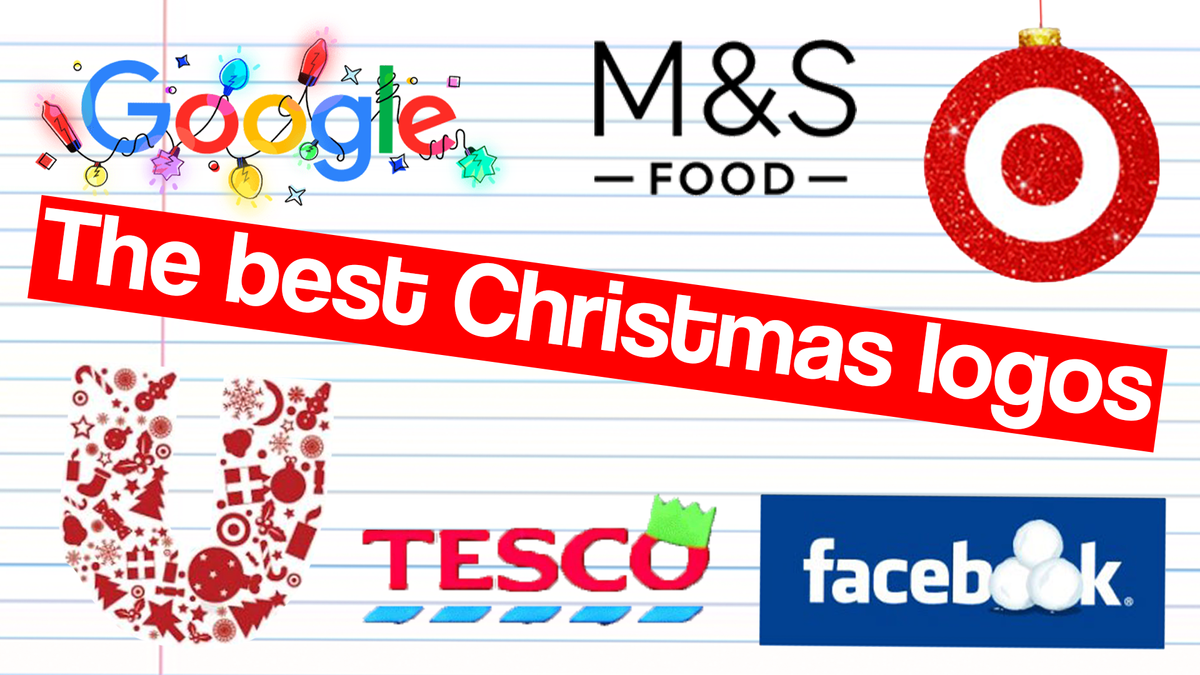
A Logo’s Touch of Christmas Magic: Brands that Go Big for the Season

A logo seems like the perfect vessel to show off key moments in a brand’s yearly calendar with a clever addition or temporary iteration, but you’ll be surprised to find out that some of the most famous moments of Christmas marketing don’t always come with revamped logos.

01. Google

Google doesn’t need an introduction when it comes to design relevance, and its ‘doodles’ are no exception. This year’s Christmas doodle features beautifully illustrated fairylights wrapped around the standard Google logo design. A seasonal hot tip: if you click on the ‘share’ icon next to Google’s logo on the homepage, a link will appear for you to copy. If you paste this into your browser, you’ll get to see a darkened version of the Google homepage featuring the lights lit up and glowing in a live animation. Small touches like this are what make this season feel just that much more exciting.

02. Tesco

In 2012, Tesco Extra adorned with an LED green Christmas cracker hat. The hats also appeared in shots of Tesco in their 2012 Christmas adverts, as a fun novelty for shoppers at the time, an excellent marketing decision in a year where even at Christmas, grocery demand was rapidly declining. I expect the Christmas party hats quickly righted that statistic for Tesco.

03. M&S Food

In a 2018 Christmas advert, M&S Food redesigned their logo as spelled out in fairylights to match the blue and snowy, Norwegian-esque design of the advert. This gold and glittery version of the logo featured in more of their Christmas branding that season, and I am a huge advocate for bringing it back. M&S Food have also added a gold shine to their logo at Christmas in recent years, but the letters spelled out in fairylights is a design that thrives in digital formats (and is also a personal favorite of mine) so I think it should become a much more frequently used design of the company’s Christmas branding.

04. Unilever

Unilever put their house illustrator to work with the Christmas version of their famously intricate logo. They swapped out their nature-inspired collection of birds and plants carefully placed in their brand’s title letter ‘U’ with an assortment of Christmassy items including baubles, presents, snowflakes, and other winter-inspired objects. It’s a subtle and classy way to show the brand’s celebration for the festive season while reminding consumers of the message behind their iconic logo and the important message behind it.

05. Facebook

Staying on the politically neutral side, Facebook chose to err on the edge of ‘generally festive’ rather than specifically Christmas-focused. It’s unclear when Facebook opted for this design, and I am surprised the move is not more well-documented, or even used again by Meta. It swapped out its two letter ‘o’s for snowballs, a smoothly non-invasive seasonal touch. Nothing of the kind has yet been seen this year, but a wintry addition to everyday logos always brightens up the season, so I can only hope that Meta chooses to bring back a newly appropriate winter design to its various logos in 2025.

06. Target

In 2020, Target joined the Christmas party of revamping their logo. They transformed their world-famous, literal ‘target’ symbol into a bauble concisely with just a piece of string and some glitter. They also added some sparkle to the stripes, conveniently already a festive red. Some renditions of the Christmas logo have used snow rather than glitter when designed for the company’s banners. It’s a design that perfectly maintains Target’s succinct and eye-catching brand while simultaneously evoking the Christmas season.

Conclusion

The examples above show that a revamped logo is not always necessary to create a festive atmosphere. Some brands choose to use their existing logo with a seasonal twist, while others opt for a completely new design. The common thread is that all of these brands use their logo as a way to connect with their audience during the holiday season. Whether it’s a minor tweak or a full-on redesign, a logo can be a powerful tool in building brand recognition and creating a sense of excitement and joy.

FAQs

Q: Why do some brands choose not to change their logo for Christmas?
A: Some brands may choose not to change their logo for Christmas in order to maintain a consistent brand image throughout the year.

Q: How can I create my own Christmas logo design?
A: Check out our list of the best laptops for graphic design to get started on creating your own Christmas logo design.

Q: What is the most important thing to consider when designing a Christmas logo?
A: The most important thing to consider when designing a Christmas logo is the target audience and the brand’s overall message and tone.

Building Ethical AI in K-12 Education

The 6th Day of Edtech: Focusing on Ethical AI Use in Education

Key Points:

  • The integration of AI in education requires a systemic imperative for K-12 school districts to cultivate an ethically-driven mindset.
  • The district, school, classroom/teacher, and student are four key spaces where AI use must be navigated with a moral compass.
  • Four guiding questions for each space can help jumpstart the process of embedding AI ethics in education.

The 6th Day of Edtech: Focusing on Ethical AI Use in Education

The summer of 2023 brought with it a declaration from our Executive Director of Technology that it would be the Summer of AI. As a digital learning team, we were assigned the responsibility of exploring the full spectrum of AI in education. The broad nature of this request led to investigations of AI in cybersecurity, data science, marketing, healthcare, and education.

Our AI deep dive resulted in the development of three guiding principles: high standards and expectations, future-ready skills, and cultural proficiency. Each principle directly aligns with the district’s vision, mission, and core values. The three guiding principles have become the foundation which underpins all AI professional development, communication, and future planning.

District: The Foundation of Ethical AI Integration

At the district level, ethical AI use is about setting a precedent. Districts must develop guidelines that balance innovation with responsibility. These guidelines should address privacy, equity, and security while fostering an environment where AI tools enhance cultural proficiency and educational standards. Questions for the district might include:

  • How can we create AI usage guidelines that respect student and teacher privacy and ensure equitable access to technology?
  • What measures will we implement to monitor the impact of AI and adjust our strategies accordingly?
  • In what ways will our investment in AI technologies reflect our dedication to cultural competency and educational excellence?

School: Building an Ethical AI Culture

Schools must create a learning environment where ethical AI use is part of the culture. This involves professional development for staff, inclusive innovation, and community engagement to demystify AI. Potential questions include:

  • How can we establish a school culture that values ethical considerations in the use of AI?
  • What training can we provide to empower our educators to integrate AI ethically into their teaching practices?
  • In what ways can we involve parents and the community in our journey toward responsible AI use?

Teacher: The Ethical AI Practitioner

Teachers are the front-line practitioners of ethical AI use in the classroom. They are responsible for selecting, implementing, and evaluating AI tools that support their pedagogical goals and students’ needs. They are also role models for their students, demonstrating critical thinking and ethical reasoning when using AI. Potential questions include:

  • How can we assess the quality, reliability, and suitability of AI tools for our learning objectives and contexts?
  • How can we ensure that the AI tools we use are fair, transparent, and accountable, and do not introduce or reinforce biases or discrimination?
  • How can we foster a culture of inquiry and reflection among our students, encouraging them to question the ethical implications of AI use and generation?

Student: The Ethical AI Learner

Students are the primary beneficiaries and users of AI in education. They are expected to engage with AI tools as learners, creators, and consumers of content. They are also the future citizens and leaders who will shape the direction and impact of AI in society. Potential questions include:

  • How can we develop the skills and competencies that enable us to use AI effectively and responsibly for our learning and personal growth?
  • How can we express our creativity and originality with AI tools, while respecting the intellectual property and moral rights of others?
  • How can we critically evaluate the AI-generated content that we encounter, and challenge the assumptions and values that underlie it?

Conclusion

The journey toward integrating AI into K-12 education ethically is a collaborative endeavor requiring engagement at all levels. By addressing the unique considerations within districts, schools, classrooms, and the student body, we lay the groundwork for an education system that not only prepares students for the future but does so with a strong ethical foundation. This article serves as a call to action for educational leaders to engage with AI responsibly, ensuring that technology enhances the learning experience without compromising our commitment to our core human and organizational values.

References

Akgun, S., Greenhow, C. Artificial intelligence in education: Addressing ethical challenges in K-12 settings. AI Ethics 2, 431–440 (2022). https://doi.org/10.1007/s43681-021-00096-7

Hagendorff, T. The Ethics of AI Ethics: An Evaluation of Guidelines. Minds & Machines 30, 99–120 (2020). https://doi.org/10.1007/s11023-020-09517-8

Holter, A., Rummel, & Skadsem, H. (2023) Bloomington Public Schools: Digital Learning AI One-Pager. https://docs.google.com/document/d/e/2PACX-1vR-N4hgLDay6Io5LnEoq7IDqUU_H0g10s-Z5UbfiJET-JlrH_OTUf_8j0akNJAfc9MLlOimZuirHSWG/pub

Holter, A., Rummel, & Skadsem, H. (2024) Bloomington Public Schools: AI in BPS- Guiding Principle https://docs.google.com/document/d/1WHTy3Uc0uMwLOZ68yidZwwz7o3K4UpgBVK4wEiCWAOM/edit?usp=sharing

Nguyen, A., Ngo, H.N., Hong, Y. et al. Ethical principles for artificial intelligence in education. Educ Inf Technol 28, 4221–4241 (2023). https://doi.org/10.1007/s10639-022-11316-w

FAQs

Q: What are the key points for ethical AI use in education?

A: The key points for ethical AI use in education include balancing innovation with responsibility, ensuring privacy, equity, and security, and fostering an environment where AI tools enhance cultural proficiency and educational standards.

Q: How can we ensure that AI tools are used ethically in education?

A: We can ensure that AI tools are used ethically in education by developing guidelines that balance innovation with responsibility, providing training for educators, and involving parents and the community in the process.

Q: What are the guiding questions for each space in which AI use must be navigated with a moral compass?

A: The guiding questions for each space include:

  • District: How can we create AI usage guidelines that respect student and teacher privacy and ensure equitable access to technology?
  • School: How can we establish a school culture that values ethical considerations in the use of AI?
  • Teacher: How can we assess the quality, reliability, and suitability of AI tools for our learning objectives and contexts?
  • Student: How can we develop the skills and competencies that enable us to use AI effectively and responsibly for our learning and personal growth?

Q: What is the conclusion of this article?

A: The conclusion of this article is that the journey toward integrating AI into K-12 education ethically is a collaborative endeavor requiring engagement at all levels. By addressing the unique considerations within districts, schools, classrooms, and the student body, we can lay the groundwork for an education system that prepares students for the future while doing so with a strong ethical foundation.